Hairstyles for Little Kids: Styling Guide & Cuts That Put Comfort First
Hairstyles for little kids have to work beyond the photograph. A style may look adorable from the front and still be frustrating if it pulls at the hairline, takes too much handling to redo, stays damp at the roots, or becomes uncomfortable during naps, car rides, playground time, or getting dressed.
For younger children, comfort is the strongest filter. Soft anchors, manageable sections, easy removal, and access to the scalp generally matter more than squeezing extra days out of an elaborate style. Hair texture matters too. A loose curly shape, straight bob, stretched ponytail, natural puff, or braided style will behave differently even when the overall length looks similar.
The following ideas cover genuinely different constructions and silhouettes, so you can choose according to your child’s hair, tolerance for styling, daily routine, and how much maintenance you actually want to take on.
Easy Styles That Leave More Hair Free
Natural Wash-and-Go
A wash-and-go is one of the simplest options when your child’s curls or coils already form a shape that works loose. The real advantage is avoiding elaborate sectioning and repeated manipulation. Detangle gently, apply whatever basic styling support suits the hair, and allow the natural curl pattern to do most of the visual work. Shrinkage can make the finished length much shorter than the wet length, so judge the shape once the hair is dry rather than trying to force it to hang longer.
Defined Curl Set
A curl set gives loose hair more deliberate grouping than a basic wash-and-go. Depending on the texture, that could mean finger-coiling selected pieces, encouraging existing curls into clumps, or setting sections without creating a rigid style.
This choice makes more sense for a child who is comfortable sitting through some section-by-section styling but doesn’t need the hair contained. Keep the finish touchable. A stiff surface or repeated pulling to make every curl identical creates extra work without making the hairstyle more practical.
Twist-Out
A twist-out works well when you want loose texture with a little more stretch and definition. The hair is first divided into twists, allowed to set thoroughly, and then separated so the finished shape stays soft and full.
The hidden factor is preparation. The temporary twists still require detangling, sectioning, and enough drying before they are taken apart. Undoing damp twists can leave the pattern less defined and keep dense areas moist longer than the outside suggests.
A twist-out is worth the extra setup when loose hair is the goal and the child tolerates the process comfortably. For rushed mornings, a puff or two ponytails is usually easier.
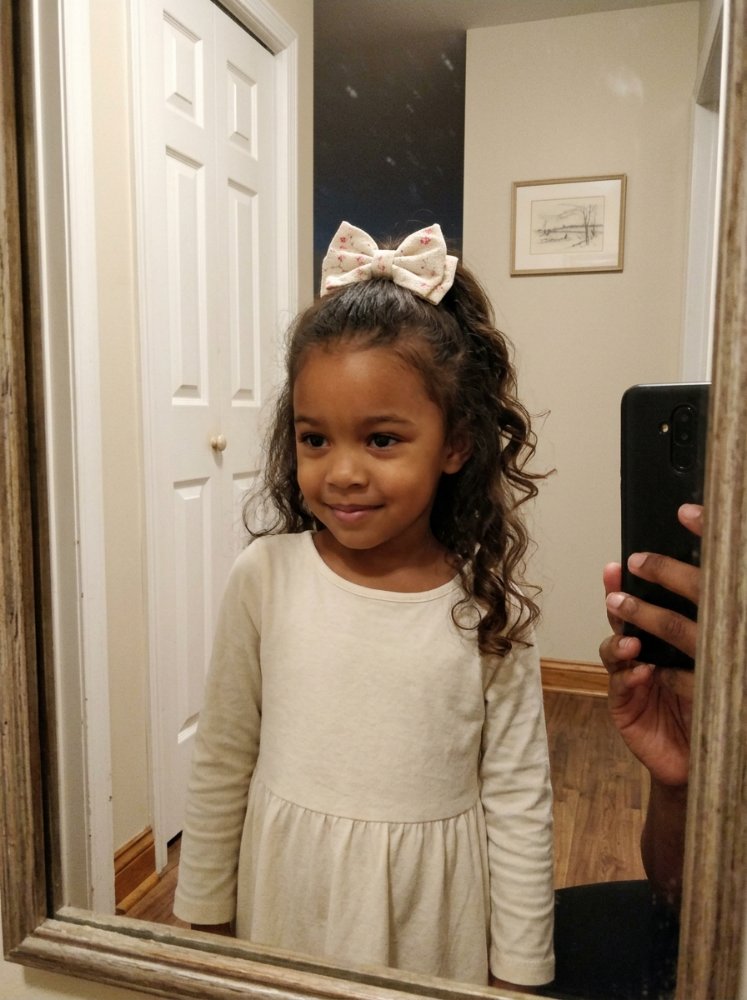
Half-Up, Half-Down Hair
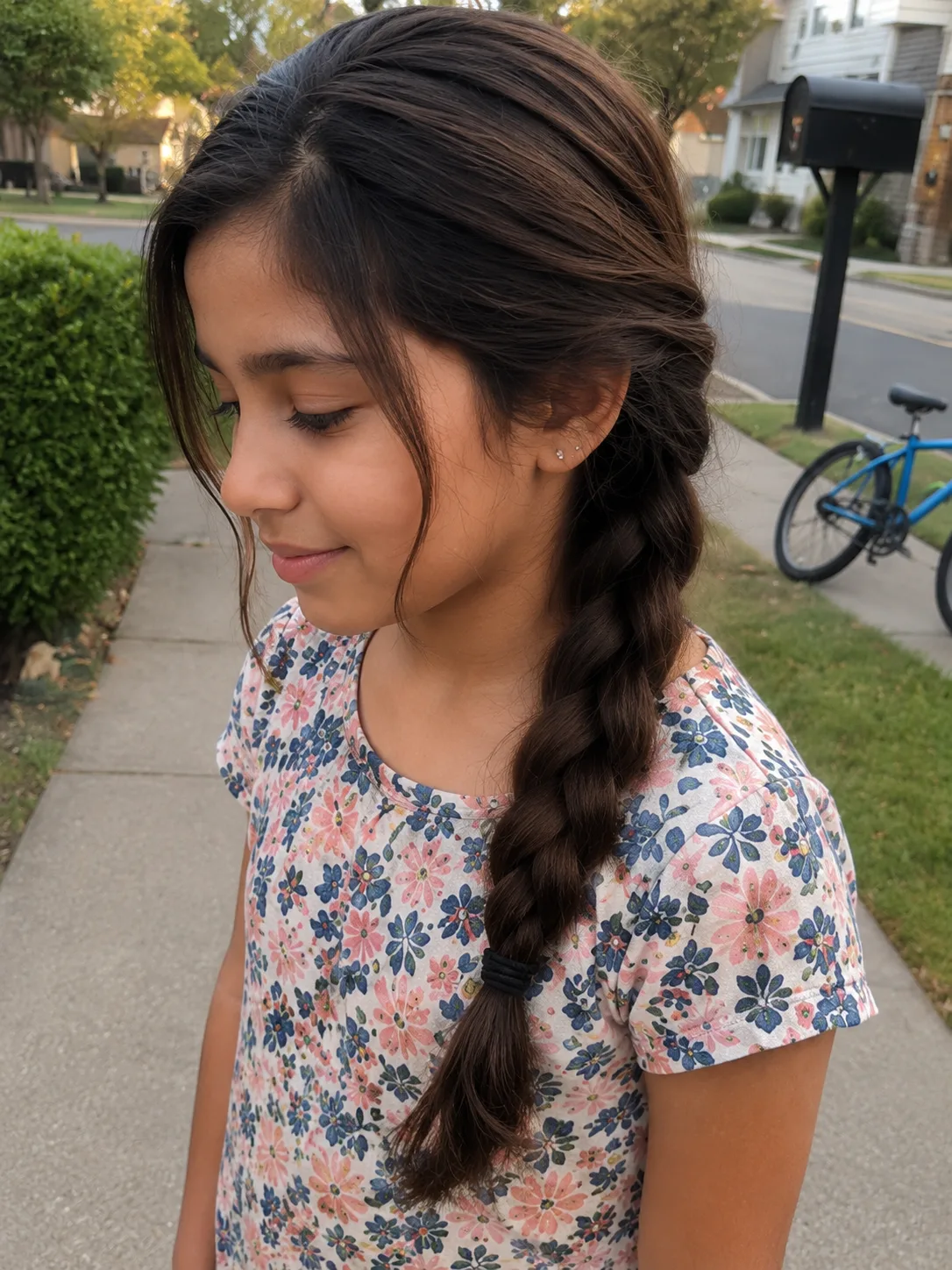
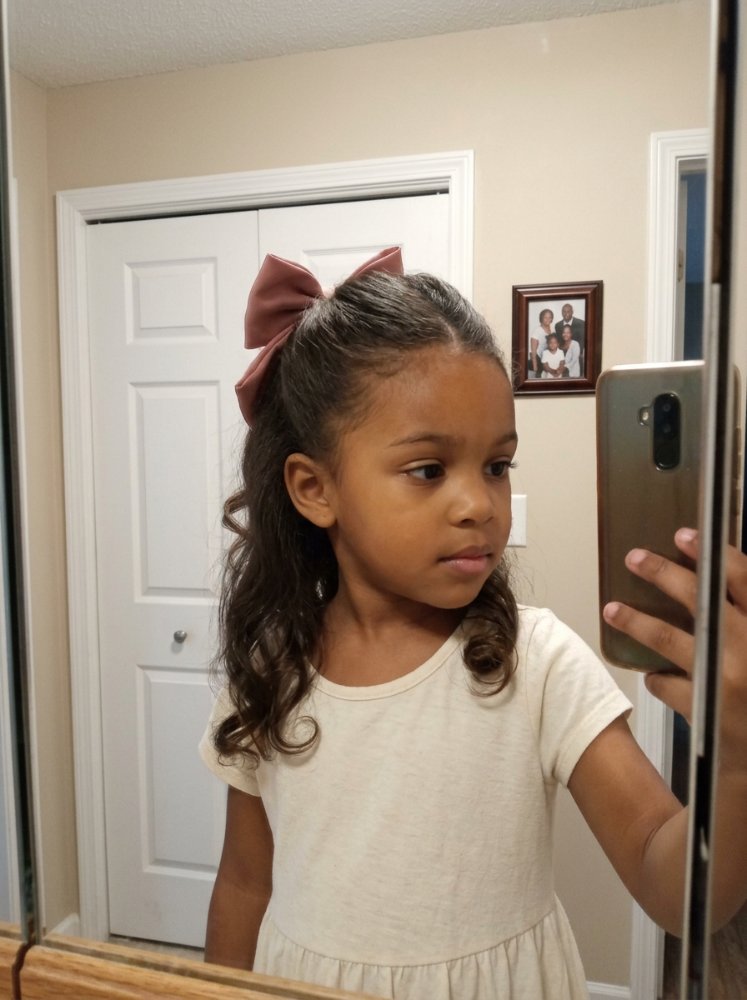
Half-up styling solves a very ordinary problem: hair falling forward during meals, crafts, reading, or play. The upper portion is secured while the rest remains loose, so you keep much of the child’s natural length and movement without having to gather every strand. It works across straight, wavy, curly, and coily hair, although the final fullness changes considerably with texture and shrinkage.
Single Low Ponytail
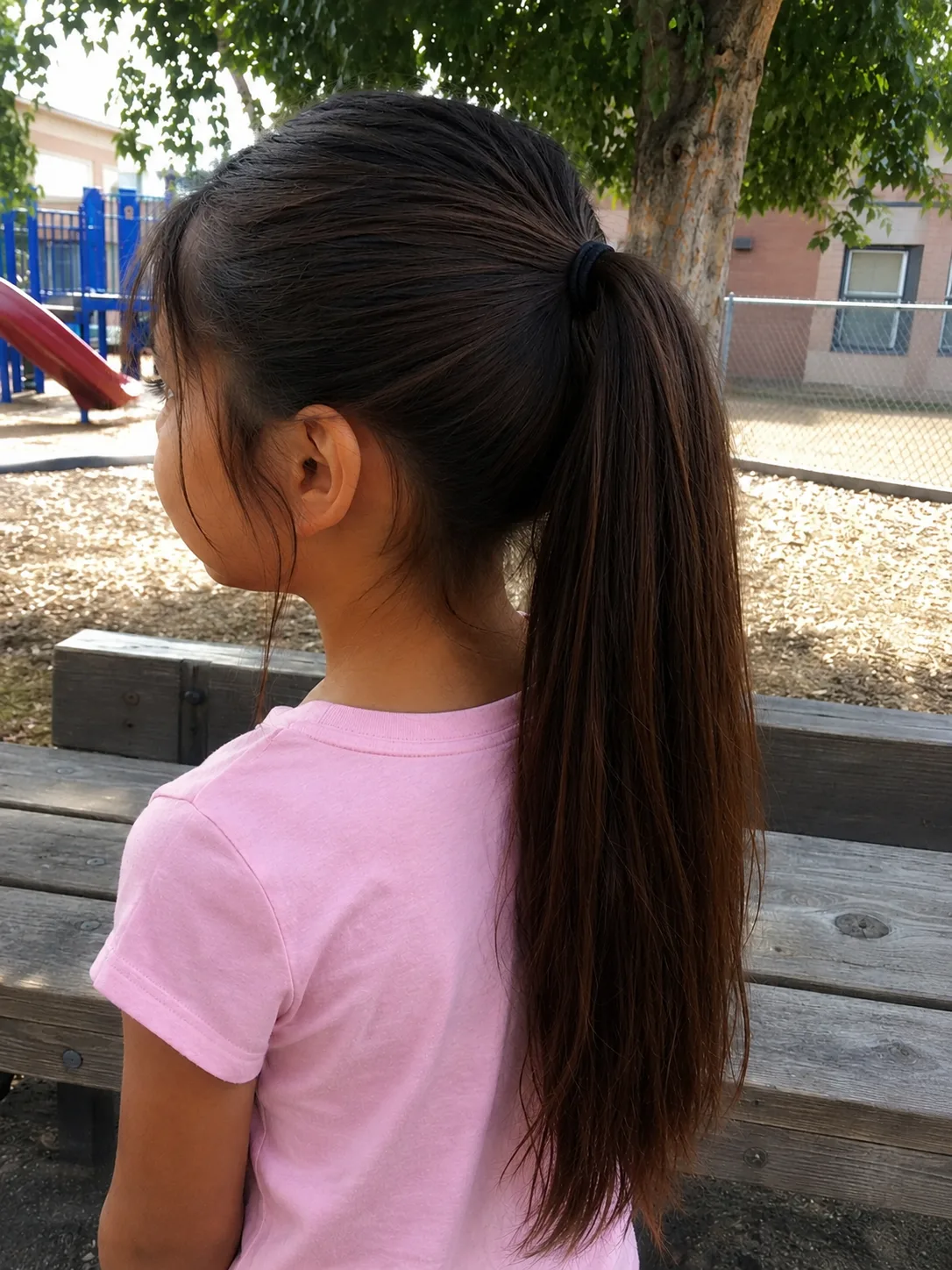
A low ponytail has one major practical advantage over a high one: the anchor sits closer to the direction in which the hair naturally falls. That can mean less repositioning during styling and a quieter silhouette under hats or hoods.
Keep the base secure enough to hold without repeatedly tightening it. A fabric-covered elastic is usually more practical than an exposed rubber band that can catch strands during removal. The ponytail itself can remain curly, braided, twisted, or smooth according to the child’s normal styling state.
Two Low Ponytails
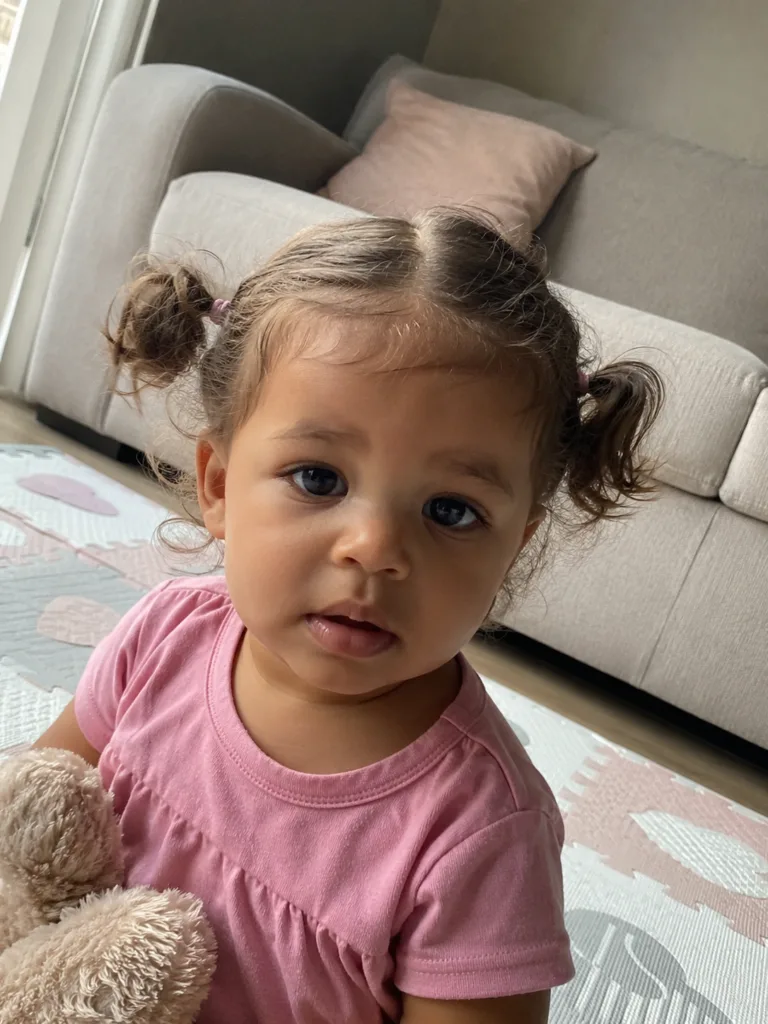
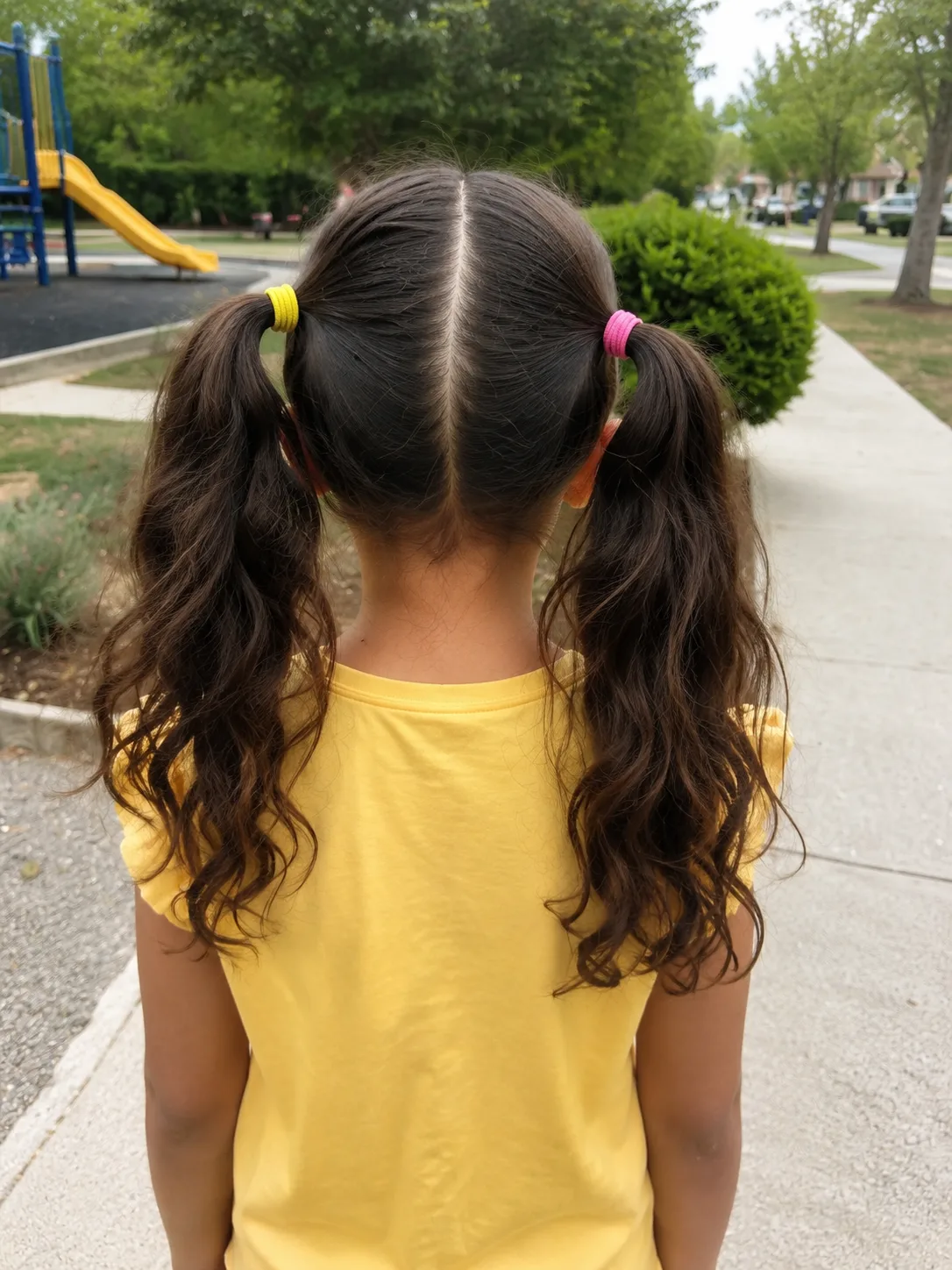
Two low ponytails split the hair into larger, manageable sections and work particularly well when one central ponytail feels too bulky. They also make detangling and refreshing one side at a time easier. Place the anchors where they won’t be crushed by a headrest or nap position, and let the tails retain their natural texture unless there is a real reason to straighten or stretch them.
Puffs, Buns, and Play-Friendly Shapes
High Puff
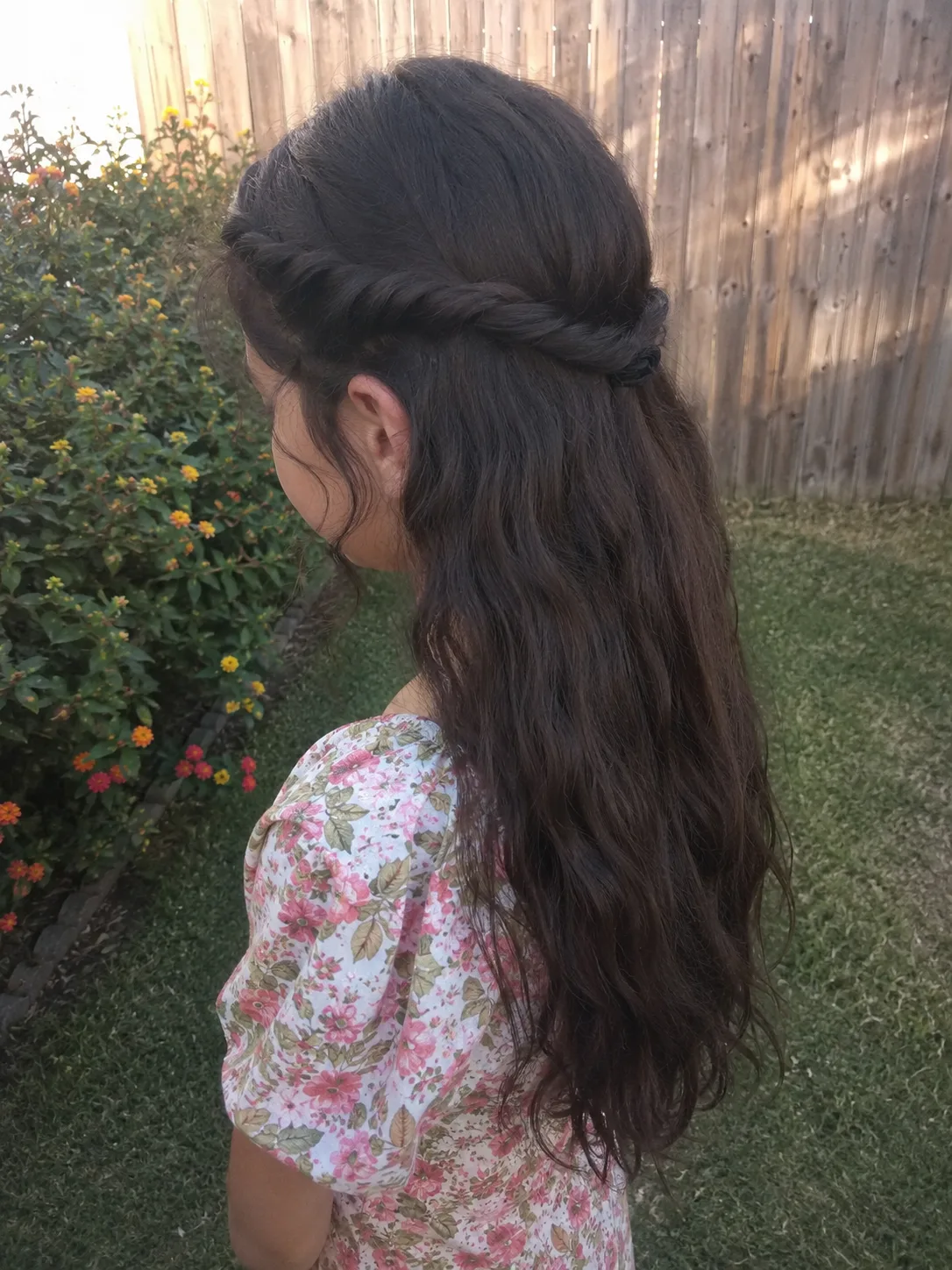
A high puff puts natural curls or coils at the top of the head while clearing the face and neck. It can turn a full loose shape into something more contained without braiding the entire head.
The anchor is the part worth watching. Pulling every short edge hair toward a high central point can create more tension than the soft puff suggests. Let shorter perimeter hairs stay out when they don’t reach comfortably.
The strongest version of this style looks full without feeling rigid at the base. It suits mornings when you need quick containment, but children who spend a lot of time lying against headrests may find a very large back-leaning puff awkward.
Two Puffs
Two puffs distribute the hair into separate anchors and create a broad, playful shape. They are especially useful with curly and coily hair because the puff itself can stay close to the natural texture.
Parting doesn’t need to become a precision exercise. A clean enough separation to prevent strands from being pulled in opposite directions is more useful than chasing a perfectly straight line on a moving child. The puff size will depend on actual density, length, shrinkage, and strand behavior.
Low Bun
A low bun is a tidy choice for hair that gathers easily without strong pulling. It keeps the ends contained during active days and can sit neatly beneath many hats. Avoid making the center excessively hard or compact simply to stop movement. For young children who nap regularly, placement matters: a bulky bun directly where the head rests can become uncomfortable surprisingly quickly.
Two Low Buns
Two low buns give you the containment of a bun while dividing thick or full hair into smaller amounts. They can be made from ponytails, braids, or twists that are wrapped and pinned or secured gently.
This is more practical than one large back bun when the child’s hair produces a bulky central knot. Keep the buns relatively compact and check that pins, clips, or fasteners aren’t pressing against the scalp. A style can be secure without feeling hard.
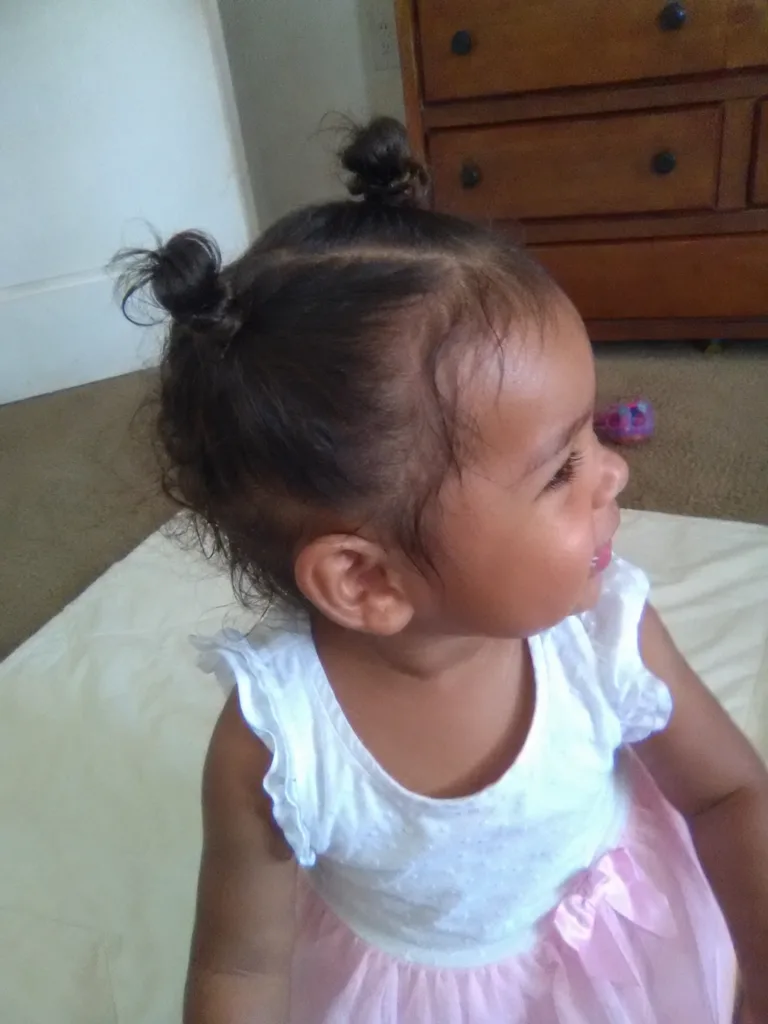
Half-Up Top Bun
This style gathers only the upper hair into a small bun while leaving the lower section free. Visually, it creates height at the crown without putting the whole head into one anchor.
The loose lower section still needs whatever detangling or curl maintenance the child’s texture normally requires. In other words, the bun reduces face-framing interference more than it reduces overall hair care.
Placement is important around car seats and headrests. A bun sitting exactly at the back of the crown may be more irritating than a slightly higher placement, provided the hair reaches there comfortably.
Braided Ponytail
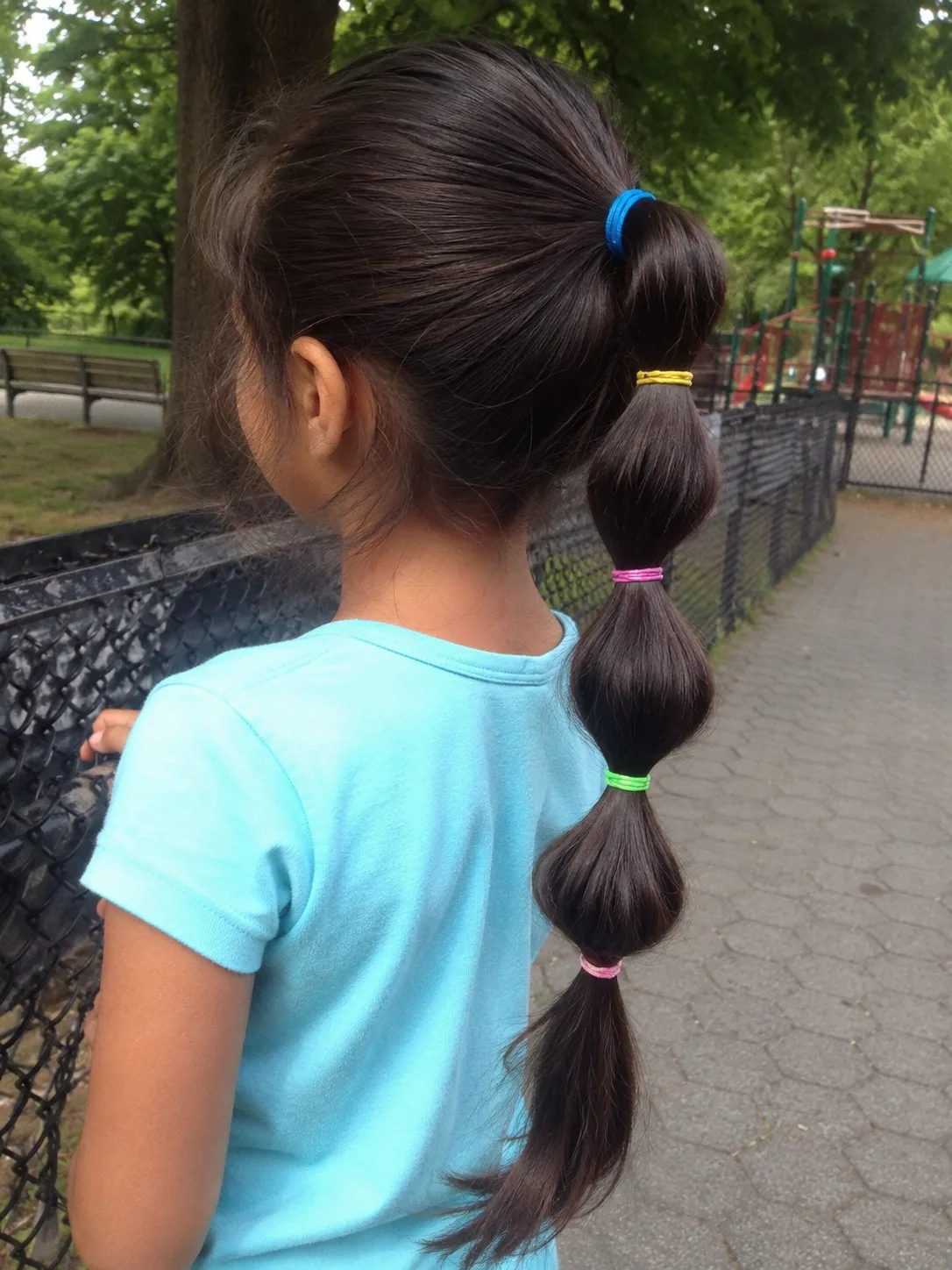
Braiding the length of a ponytail changes its everyday behavior. The tail swings less freely, tangles less with clothing, and is easier to keep together during active play. Secure the base gently first, then braid the hanging length without pulling the anchor tighter as you work. This is a useful middle ground when fully loose hair tangles easily but a head full of braids feels unnecessary.
Twists and Braids With Simple Construction
Chunky Two-Strand Twists
Chunky twists divide the hair into relatively large sections and keep the ends contained without creating a complicated installation. They work particularly well for curly and coily textures that twist easily around themselves.
Larger sections also simplify removal. Very tiny twists multiply the amount of separating and detangling required later, which may be a poor trade for a child who dislikes long styling sessions. Chunky twists sacrifice some intricacy for easier handling, and that is often the better bargain.
Flat Twists With a Loose Back
Flat twists across the front or sides can keep hair away from the face while the back stays loose. The contrast between a structured front and free texture makes the style look more involved than its actual coverage.
The flat twists should follow the scalp without feeling pinched. Their purpose is controlled direction, not maximum tightness. The loose portion can remain curly, coily, wavy, or stretched depending on how the hair is normally worn.
This is particularly useful for children who dislike hair around their forehead but still want to wear most of their hair out. It also gives easier scalp access than covering the entire head in small braided sections.
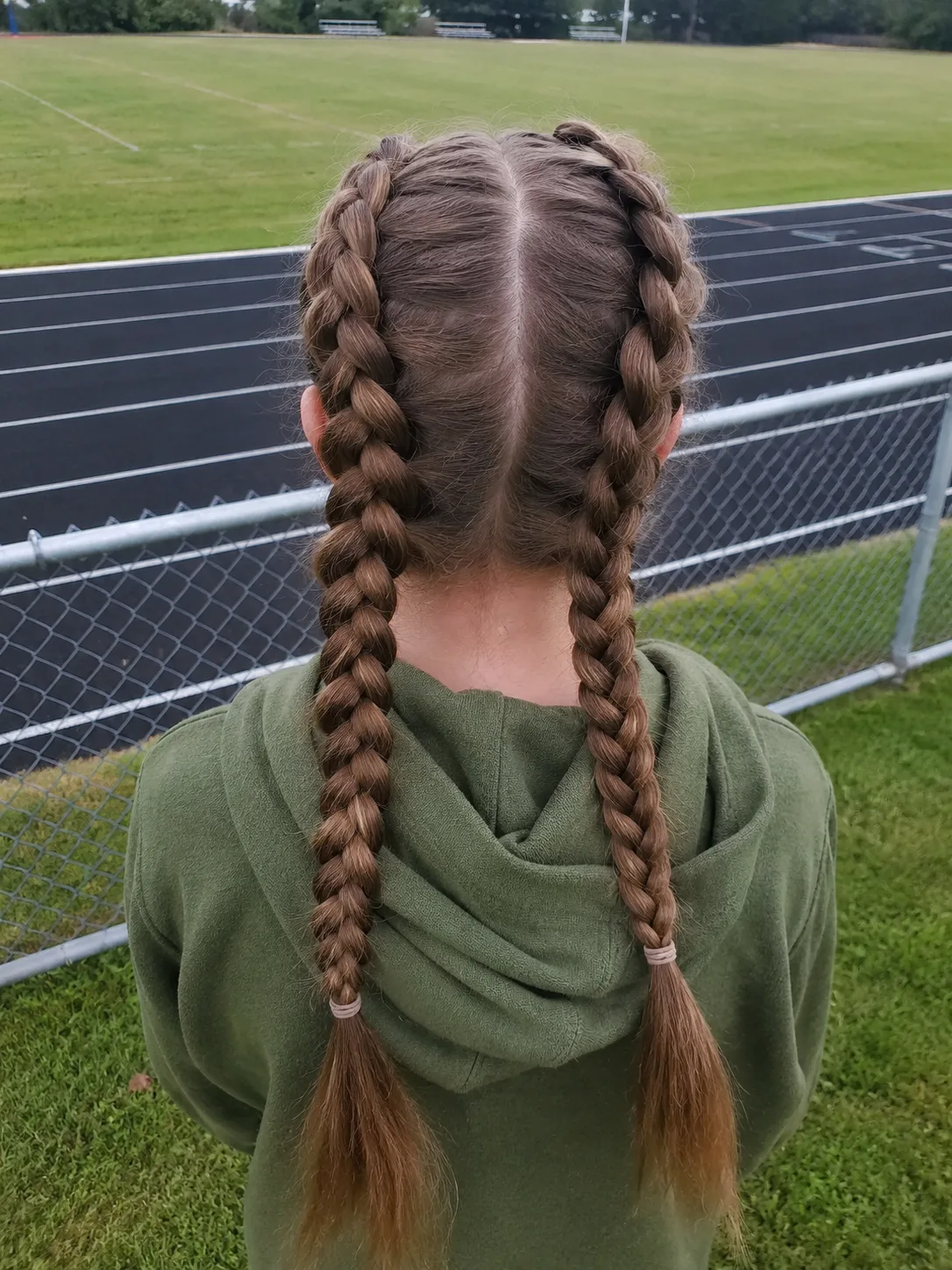
Braided Pigtails
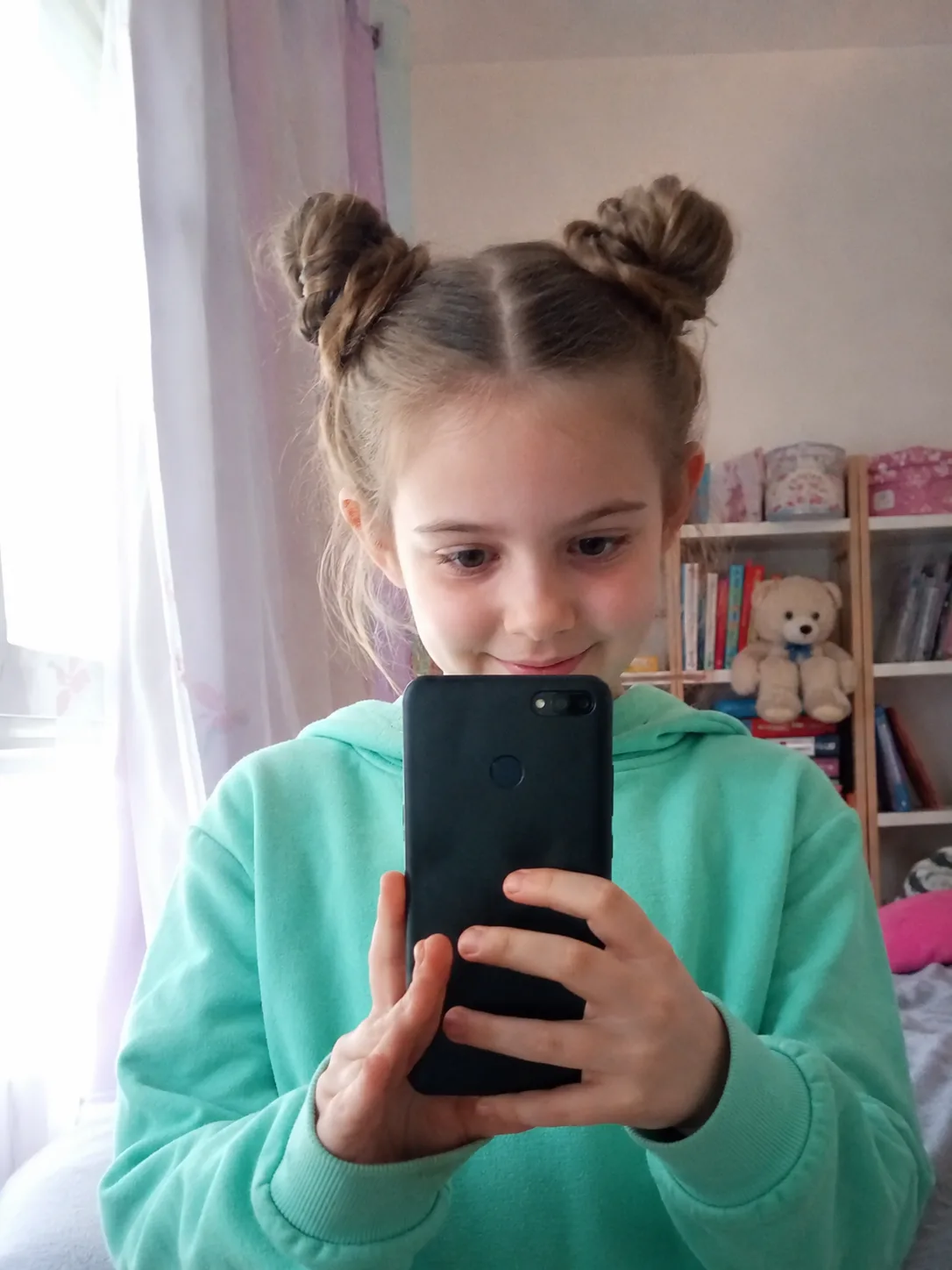
Braided pigtails start with two larger ponytail sections and braid each hanging length. Compared with loose pigtails, the ends stay together and are less likely to tangle around coat collars or straps. The construction is also easy to understand during takedown: release the braids, remove the elastics gently, and detangle without searching through numerous tiny sections.
Flat Twists Into Pigtails
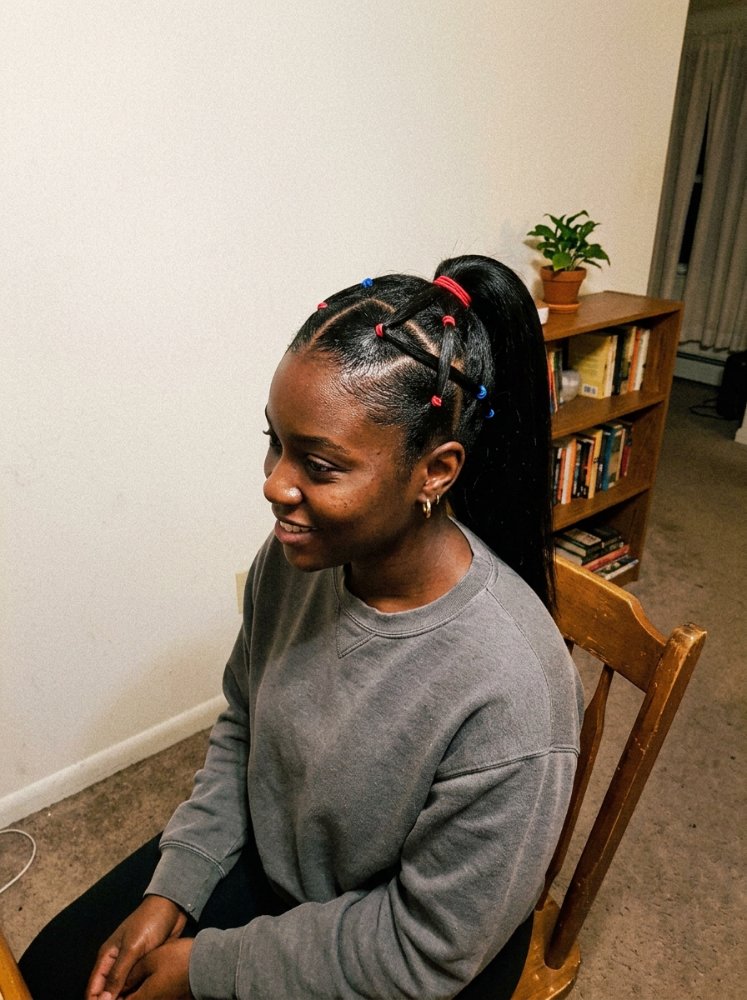
Here the scalp-directed sections do more of the work. Flat twists travel toward two anchors, with the remaining hair forming pigtails, puffs, braids, or twists.
The style is useful when front sections tend to escape from ordinary ponytails. Instead of repeatedly brushing those pieces back, the flat twists guide them toward the anchor.
Watch the convergence points. Several sections meeting near one elastic can create concentrated pulling when each twist is tightened independently. The sections should still move comfortably once everything is secured.
Simple Straight-Back Cornrows
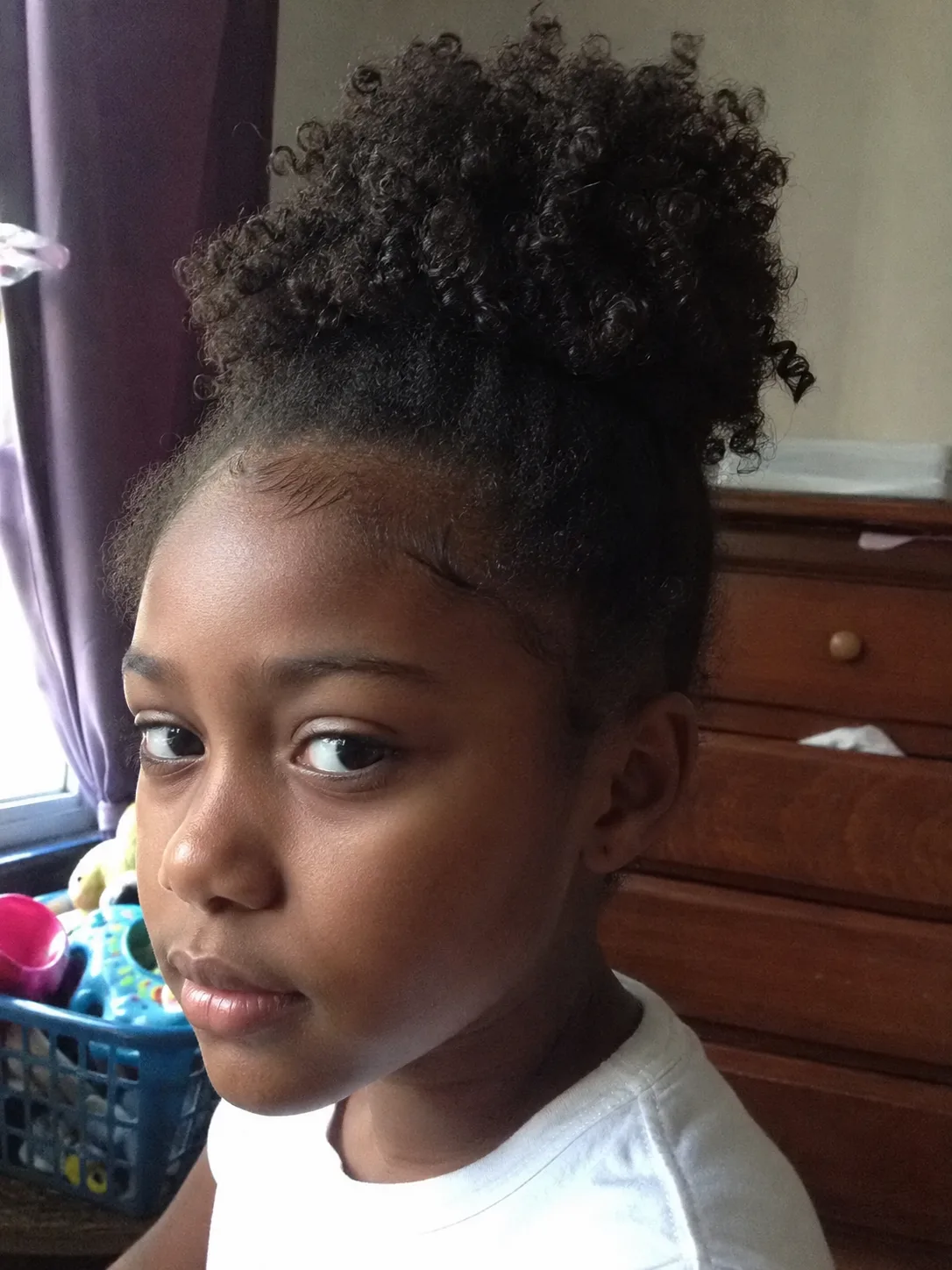
Straight-back cornrows give the hair one clear direction and remove the need to remake ponytails every morning. Using the child’s own hair keeps the construction lighter than an elaborate added-hair installation.
The benefit comes from reduced daily manipulation, not from making the braids extremely tight. The scalp should remain accessible enough for normal care, and the child should be able to move their eyebrows, turn their head, and rest without discomfort.
Cornrows also reveal something loose hairstyles hide: every section line exposes the scalp more clearly. Redness, soreness, bumps, or persistent irritation deserve attention rather than being treated as the price of a neat style.
Cornrows Into Two Puffs
This hybrid gives the front and side hair a braided direction while preserving loose texture at two anchors. It is a strong choice when you want the face-clearing benefit of cornrows without braiding every inch of hair. Because the puffs remain free, they can be refreshed separately from the braided sections. Keep the cornrows large enough for sensible removal and make sure the puffs don’t depend on overly tight elastics for their shape.
Cuts That Reduce the Need for Daily Styling
Rounded Curly Cut
A rounded curly cut lets the haircut itself create much of the hairstyle. The perimeter and internal shape are planned around the curls or coils so the hair forms a balanced outline when worn in its usual state.
Shrinkage is central to the result. Hair that appears considerably longer when wet or stretched may sit much higher when dry. A useful cut accounts for that behavior instead of judging length only under tension.
This is one of the stronger options for a child who enjoys wearing natural texture loose. It won’t remove detangling or wash-day needs, but it reduces the pressure to build a new hairstyle every morning.
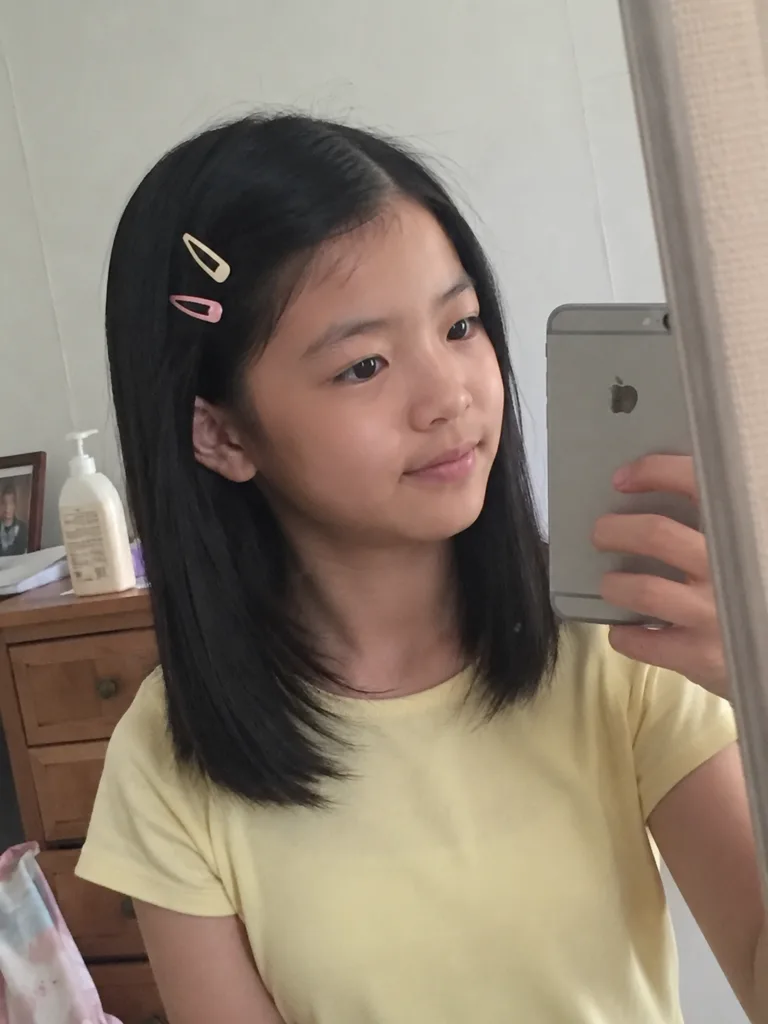
Chin-Length Bob
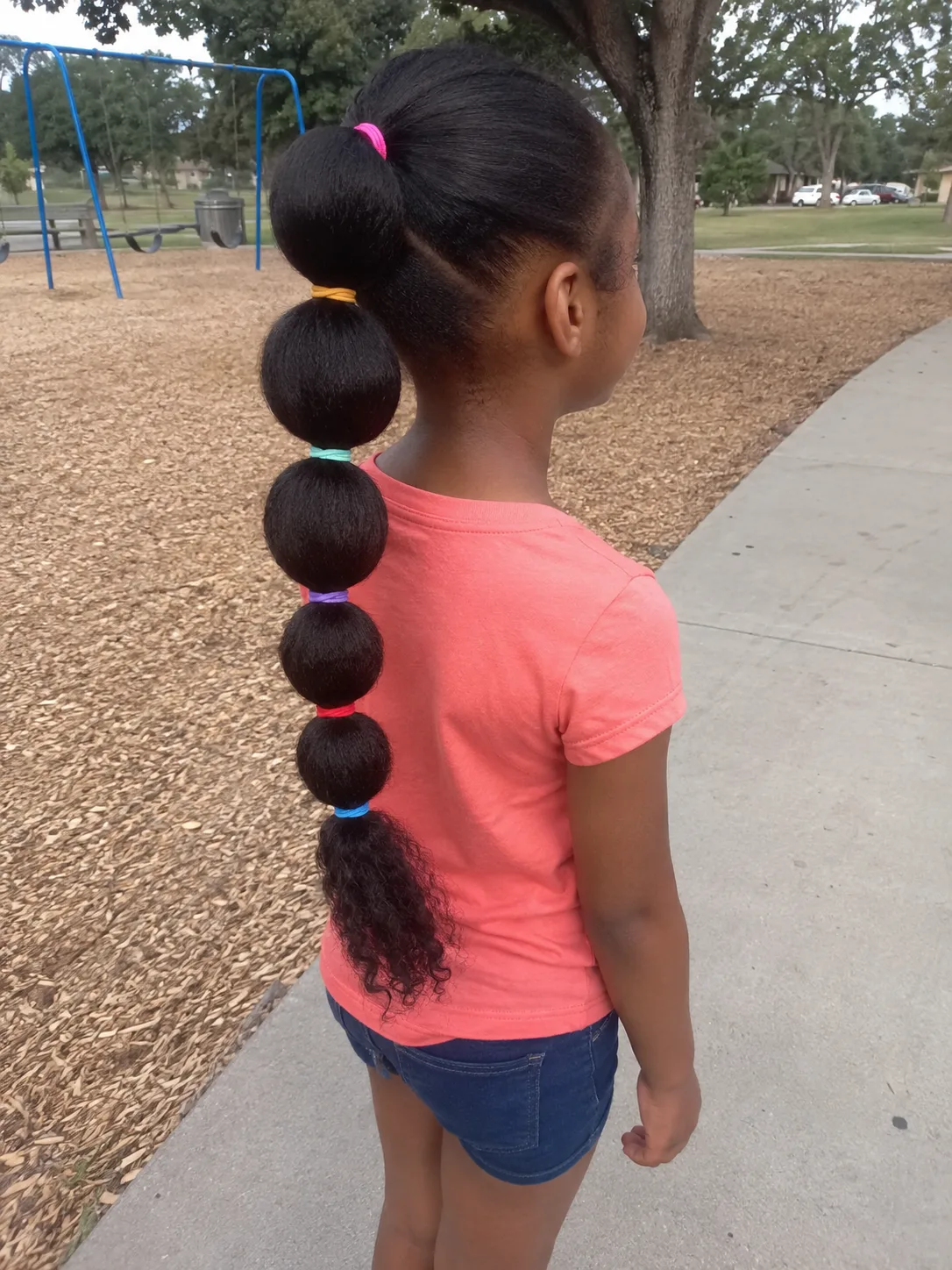
A bob creates a clear lower edge and keeps the hair short enough to stay away from much of the back and shoulders. Straight and wavy hair may show the perimeter very clearly, while curls can make the same cut look rounder and shorter.
Consider where the ends meet clothing. A bob that lands directly on a stiff collar can flip or bunch at the neckline. The cut still works; it simply behaves differently from the smooth salon-style image once backpacks, hoodies, and coats enter the day.
Short Crop
A short crop is the lowest-styling option in this group. It can work with straight, wavy, curly, or coily hair and removes much of the need for ponytails, intricate parts, or lengthy detangling sessions.
The shape matters more because there is less length to disguise uneven growth or bulk. Curly and coily crops should be assessed with their normal shrinkage in mind, while straighter crops may depend more visibly on the outline around the ears and neckline.
Short doesn’t have to mean slicked down. Natural curl, coil, wave, or soft movement can remain part of the haircut.
Soft Shoulder-Length Cut
Shoulder length offers enough hair for ponytails, braids, buns, and half-up styles without committing to very long lengths. A relatively simple perimeter also makes it easy to see when ends are becoming tangled or uneven.
Soft layering can add movement when the hair is bulky, but heavy interior removal isn’t always useful. On lower-density hair, taking too much away from the inside may leave the bottom edge looking thinner.
This is the most flexible haircut here for families who like changing styles. It gives you options while keeping the overall length manageable enough for everyday care.
What Hairstyle Photos Don’t Show Parents
A finished hairstyle freezes one moment. Your child has to wear it through an entire day.
Large buns and puffs can press into car-seat headrests. Long loose sections can become trapped beneath backpack straps. Hair left damp after washing may feel dry on the outside while dense roots remain moist. Decorative clips that look small in a photograph may sit exactly where a helmet, hat, hearing device, or glasses arm needs space.
You also can’t judge comfort from neatness. A very smooth hairline can come from gentle styling or from excessive pulling; the image doesn’t tell you which. Watch the child, not just the mirror. Repeated touching, flinching, complaints of soreness, or difficulty resting are more useful information than whether the style still looks freshly finished.
For little kids, styles that can tolerate normal movement usually outperform elaborate designs that need constant correction.
Comfort Matters More Than How Long the Style Lasts
A children’s hairstyle shouldn’t hurt while it is being installed or afterward. Pain isn’t evidence that braids, ponytails, twists, or buns are secure.
Keep hairline sections especially gentle. Fine strands describe strand diameter, while low density means there are fewer strands overall; either characteristic can affect how much manipulation a section tolerates. Visible thinning is different again and shouldn’t be dismissed as ordinary breakage.
Added hair is rarely necessary to make a little child’s style feel complete. Extra length and density add weight and can make drying and removal more complicated. An elaborate extension style may photograph beautifully while offering very little practical advantage for a young child.
Braids and twists can reduce daily manipulation when they are comfortable, light, easy to cleanse around, and removed patiently. Those conditions matter more than calling a style protective.
Persistent pain, redness, sores, significant irritation, sudden shedding, or a concerning change in density deserves more than another hairstyle adjustment. Remove or loosen the source of pulling and consider talking with a dermatologist or another qualified healthcare professional when symptoms persist or concern you.
A Simple Way to Choose the Right Style
Start with what your child will comfortably allow. A hairstyle that requires a long, stressful session isn’t a practical everyday choice simply because it lasts longer afterward.
Then look at the hair in its normal state. Curly and coily hair may shrink substantially; stretched hair will show more length. Straight or wavy hair may reveal parting and perimeter lines more clearly. A style should work with the state you actually plan to maintain most days.
Think about the day ahead. Naps favor flatter back sections. Sports and playground time favor styles that don’t require frequent repositioning. Hats need room around buns, puffs, and clips. Glasses and hearing devices need clear space near the temples and ears.
Finally, make takedown part of the decision before you start. Larger twists, straightforward braids, simple ponytails, and uncomplicated cuts are often easier to undo or refresh than tiny sections with multiple elastics and accessories. Removal is part of the hairstyle, not an afterthought.
Maintenance Without Turning Hair Time Into a Battle
Young children’s hair care is easier when each styling session doesn’t begin from a completely tangled state. Keep loose hair organized during washing and detangling, working in manageable sections when the texture benefits from it. Start at the ends and work upward instead of dragging through knots from the roots.
Elastics should be removed rather than yanked down the length. Take out pins and clips individually. Braids and twists need to be fully undone before combing through the section.
Nighttime friction can be reduced with a smooth pillowcase, bonnet, or scarf when the child tolerates one comfortably. Those tools may help preserve a style and reduce tangling, but they don’t repair damaged hair or compensate for a base that was pulled too tightly.
There is no useful universal timetable for washing, trimming, or restyling every child’s hair. Scalp comfort, buildup, activity, texture, styling state, and the condition of the hair give you better cues than an arbitrary calendar.
Related Hairstyles to Explore
FAQs
What is the easiest hairstyle for a little kid?
A short crop, bob, two low ponytails, single puff, or loose natural style is usually easier than a design involving many small sections. The most practical option depends on the child’s texture and how much styling they comfortably tolerate.
Are braids good for little kids?
They can be. Larger, comfortable braids may keep hair organized and reduce daily handling. Root tension, section size, scalp access, drying, and gentle removal matter more than how neat or long-lasting the braids look.
Should little kids wear hair extensions?
Extensions aren’t required for children’s braids, twists, or ponytails. Added hair increases length, density, and weight, so a child’s own hair is often the simpler starting point. Any added-hair style should stay light and comfortable and allow straightforward removal.
What hairstyles work well for curly or coily kids?
Wash-and-go styles, rounded cuts, two-strand twists, twist-outs, puffs, flat twists, cornrows, and braided styles can all work. Choose according to the child’s actual curl or coil pattern, shrinkage, density, strand size, and preferred styling state rather than treating all textured hair the same.
How can I keep my child’s hairstyle neat for sleeping?
Choose a shape that doesn’t create a hard lump where the head rests. Loose braids, twists, low ponytails, and some flatter styles can be easier to sleep on than large back buns. A bonnet, scarf, or smooth pillowcase may also reduce friction when the child is comfortable wearing one.
What should I do if a hairstyle hurts my child’s scalp?
Loosen or remove the part creating the tension. Don’t keep tightening a painful style in hopes that it will settle. Persistent pain, redness, sores, irritation, sudden shedding, or a concerning density change should be assessed appropriately, including medical advice when needed.
Hair Texture & Upkeep Style Matcher
Select your natural hair texture and daily maintenance window to get an instant styling formula and heat safety cap.
Heat Cap: 320°F (160°C)
A versatile three-strand braid beginning at the parietal ridge, securing the top half while allowing natural wave texture to flow freely around the shoulders.
Conclusion
The strongest hairstyles for little kids are the ones that fit ordinary childhood: running, resting, dressing, playing, wearing hats, getting into car seats, and changing their mind halfway through hair time.
Start with comfort, then choose the amount of structure you actually need. Loose curls and simple puffs keep styling light. Twists and braids offer more containment. A well-shaped bob, crop, or curly cut can remove the need to build a hairstyle every day.
A style that is easy to wear, easy to remove, and kind to the hair is usually a better choice than one designed mainly to stay perfectly neat.
Editorial Standards & Hair Health Guidance
Every style featured on Tress Atlas is curated with a focus on real-world wearability, scalp tension management, and cuticle preservation. When trying protective styles or tight updos, ensure perimeter hairline sections remain tension-free to avoid traction stress on delicate follicles. For heat styling, cap tools below 350°F (180°C) to prevent thermal keratin denaturation.
Scientific Sourcing: Practices aligned with the American Academy of Dermatology (AAD) on traction alopecia risk reduction and cosmetic trichology research on hair tensile strength.