Cowboy Hat Hairstyles: Styling Guide & Cuts That Still Look Good When the Hat Comes Off
A cowboy hat changes more than the top of your outfit. It limits how much height you can build at the crown, presses directly against the hair around the hat band, and can turn a perfectly good hairstyle into a flattened or tangled one after a few hours.
That makes the most photogenic hairstyle different from the most practical one.
The easiest cowboy hat hairstyles keep their main construction below the hat line. Low ponytails, braids, loose waves, low buns, and styles with controlled side volume tend to cooperate with the hat instead of competing for the same space. Hair texture, density, humidity, and whether you plan to remove the hat during the event also change the decision.
A style that only needs to look good while the hat stays on can be simple. The challenge is choosing something that still has a shape after the hat comes off.
| Your priority | Strong starting choices | Think carefully about |
|---|---|---|
| Hat stays on most of the day | Low ponytail, single braid, braided pigtails | Unnecessary crown volume |
| Hat will come off often | Loose waves, natural curls, low loose bun | Very sleek crown styling |
| Dancing or active wear | Low braided ponytail, bubble ponytail, two braids | Loose styles that tangle easily |
| Formal western outfit | Low chignon, soft side braid, polished ponytail | Bulky accessories under the hat |
| Natural texture | Defined curls, low puff, two-strand twists | Compressing more volume than the hat can hold |
Loose Styles That Keep Their Shape Under a Cowboy Hat
Loose Waves With a Low-Volume Crown
Loose waves are one of the easiest options when you want the hair itself to remain visible around the shoulders. Keep the volume through the mid-lengths and ends instead of concentrating it at the roots. The cowboy hat can then sit where it normally would without crushing the feature you spent the most effort creating.
The key test happens after removing the hat. Extremely smooth roots can reveal a strong indentation where the hat band rested, while some natural movement disguises that transition more easily. Separating the waves gently with your fingers can restore movement without rebuilding the entire style.
Natural Curls Worn Down
You don’t need to straighten curly hair to make a cowboy hat work. Defined curls can create an especially good contrast between a structured hat and softer volume around the shoulders.
Hat fit matters more with substantial curl volume. Trying to compress dense curls into a hat that barely fits can flatten the top excessively and create friction around the perimeter. Let the curls remain fuller below the brim and choose a hat that can sit securely without requiring heavy compression.
Straight Hair With Softly Bent Ends
A relatively flat crown makes straight hair naturally compatible with most cowboy hat shapes. The more interesting decision is what happens below the brim.
A slight bend through the ends keeps the hairstyle from looking severe beside the strong lines of the hat. It also behaves more predictably than elaborate curls during long events, especially when the hair will repeatedly brush a jacket, collar, or shoulders.
Center parts and side parts can both work, but the hat itself may shift the part slightly as it goes on and off. Avoid building the entire look around a perfectly preserved root line.
After removing the hat, loosen the hair at the roots with your fingers rather than aggressively brushing the compressed area. That usually preserves more of the movement through the lengths.
Shoulder-Length Textured Bob
A bob avoids one problem that comes with very long hair: there simply isn’t as much length to trap beneath a bag strap, jacket, or chair back. A softly textured bob can sit beneath a cowboy hat with the movement concentrated around the jaw and shoulders.
Pay attention to the collar of your outfit. A bob that ends directly against a stiff denim or leather collar may flip outward during wear. That isn’t necessarily undesirable—the result can suit the relaxed western styling—but it should be part of the plan rather than a surprise.
Ponytails Built Below the Hat Line
Classic Low Ponytail
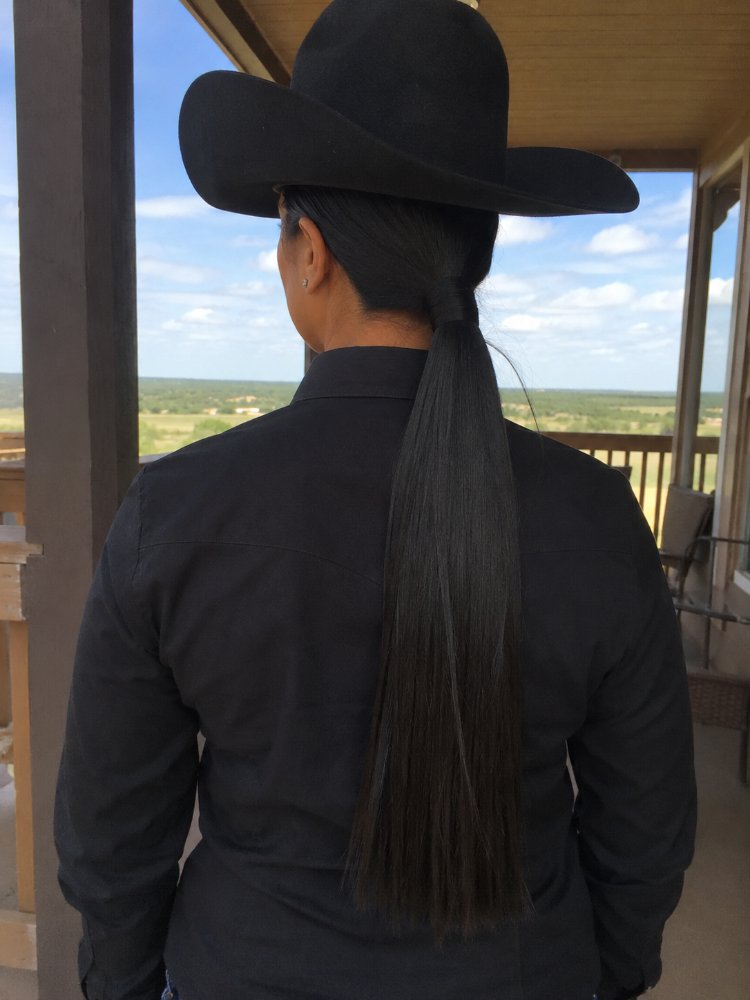
For uncomplicated cowboy hat styling, the low ponytail is hard to beat. Position the elastic below the area where the back of the hat rests so the crown can stay smooth and comfortable.
A fabric-covered elastic gives you a simple anchor, and a small section of hair can be wrapped around it when you want a cleaner finish. Keep the base firm enough to control the hair without pulling the front hairline unnecessarily.
Low Wavy Ponytail
A wavy ponytail gives you more visible styling than a straight low ponytail while preserving the same hat-friendly construction.
Keep the anchor low and let the wave pattern provide the drama through the tail. This is particularly useful with longer hair because the hairstyle still reads clearly from the back even though the cowboy hat hides much of the crown.
The hat-on and hat-off versions will look slightly different. With the hat on, most attention goes to the flowing tail. Once it comes off, the compressed crown becomes visible, so starting with a softer root finish is more forgiving than creating extreme volume.
A few face-framing pieces can also make the transition less obvious, provided they don’t constantly blow into your eyes or become trapped beneath the hat.
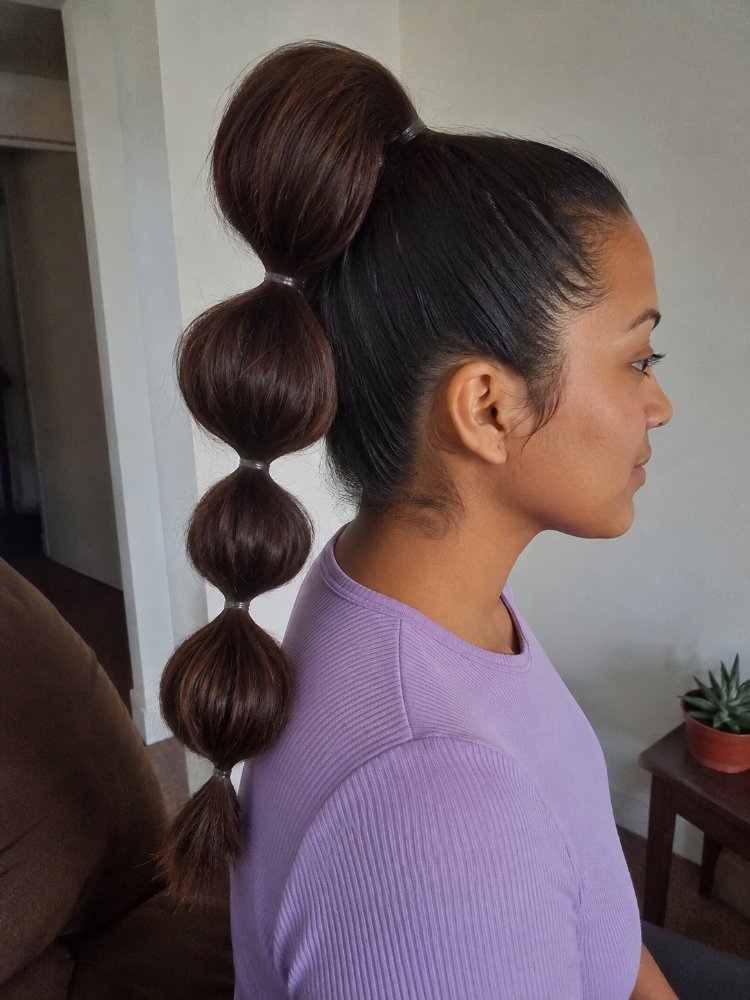
Bubble Ponytail
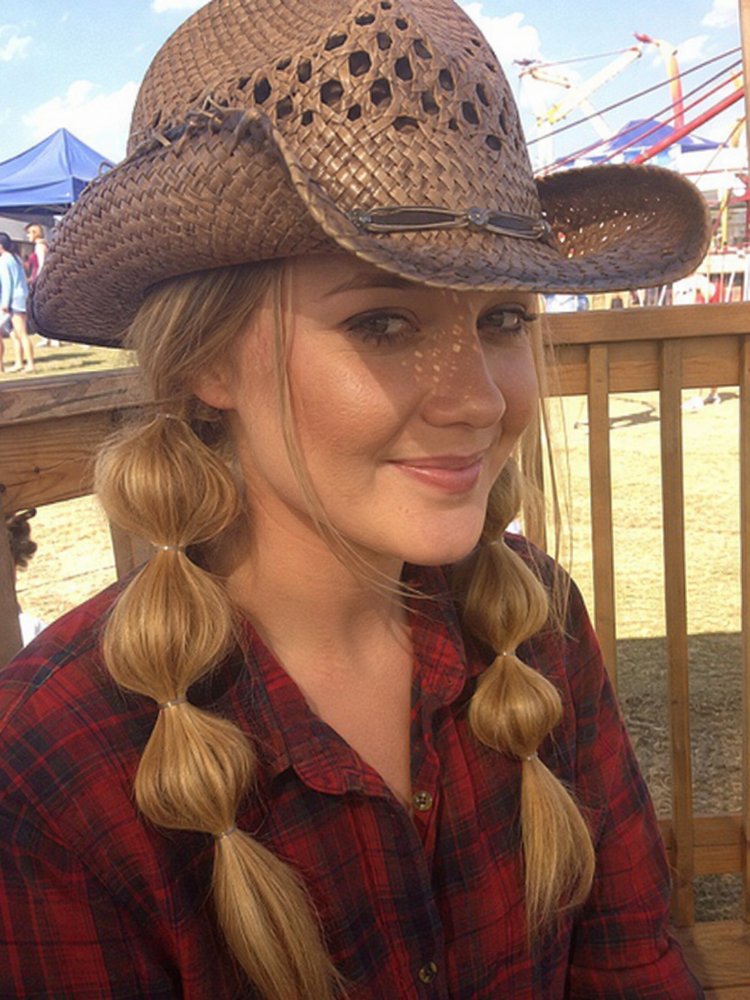
A bubble ponytail is worth considering when a regular ponytail feels too plain but a complicated updo would interfere with the hat. The structure happens entirely down the length of the tail using additional elastics, so the crown remains simple.
This style is especially useful for long hair that tends to move around during dancing or outdoor events. The segmented tail controls some of that movement while still making the hairstyle visible from behind.
Wrapped Low Ponytail With Face-Framing Pieces
A polished low ponytail and a cowboy hat can work for more dressed-up western looks without turning into a full formal updo. Smooth the sides, anchor the ponytail below the hat, and wrap a small section around the elastic.
Leave the front completely sleek for a sharper result or release a few pieces around the face for softness. Consider how those pieces behave in wind before making them very fine or elaborate.
Braids That Stay Secure Through Long Wear
Single Low Braid
The single braid solves several practical problems at once. It keeps long hair controlled, prevents much of the tangling that happens when loose lengths rub against clothing, and requires almost no volume beneath the hat.
Start the braid low enough that the hat isn’t sitting directly over its upper section. A traditional three-strand braid works well because the construction stays compact.
The finished texture depends on your starting hair. Straight hair produces a cleaner braid pattern, while curly or textured hair can create more fullness and softness through the plait.
A low braid is one of the strongest options for outdoor events because it remains recognizable even after wind and movement have softened the surface.
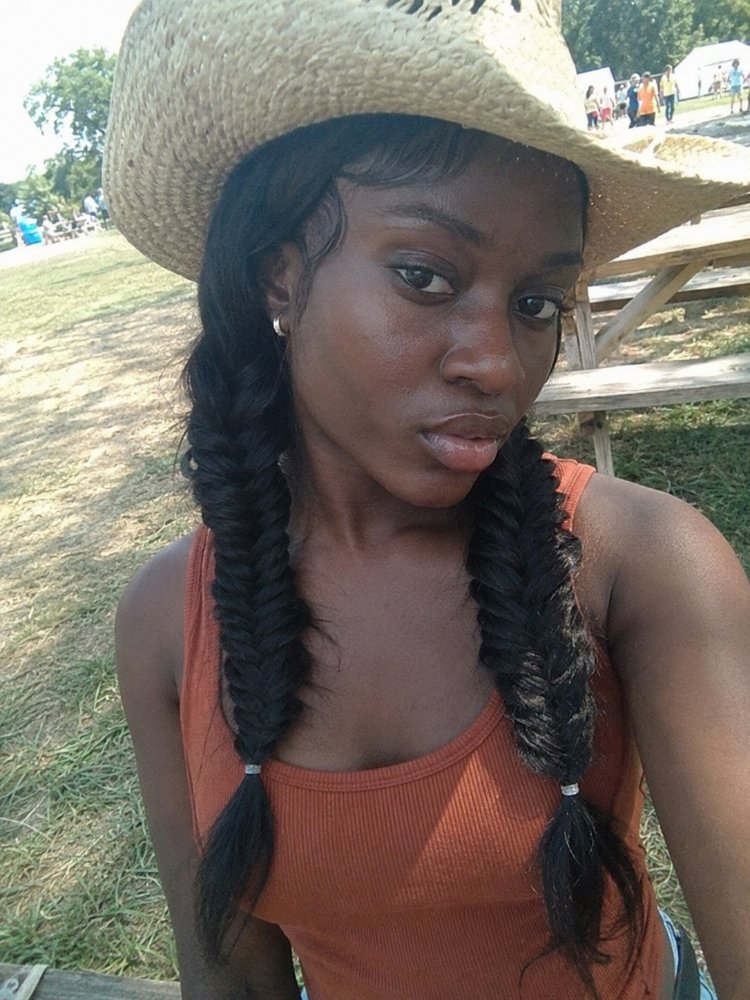
Two Low Braids
Two braids bring a more playful western feel without introducing crown bulk. Divide the hair and begin each braid below the area covered by the cowboy hat.
They also distribute the hair across two smaller sections instead of creating one dense braid down the center of the back. That can feel easier with jackets, backpacks, or seating where a single thick braid would sit directly against the spine.
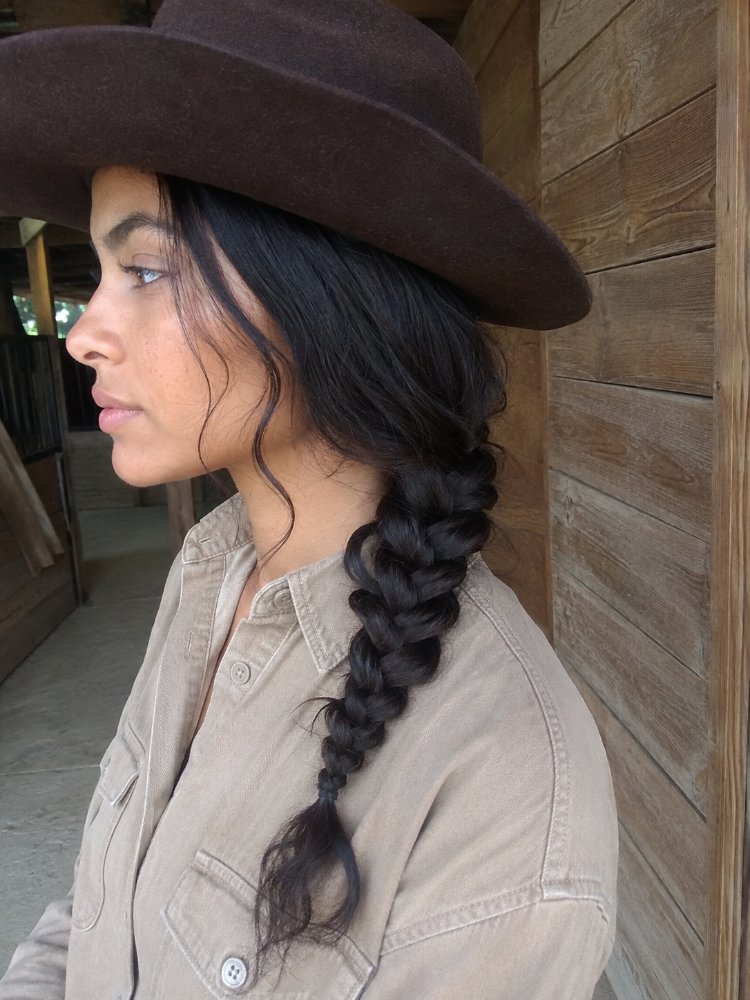
Loose Side Braid
A side braid moves the hairstyle into view from the front, which matters because a cowboy hat already hides much of what happens on top of the head.
Bring the hair over one shoulder and keep the braid relatively soft. Pulling sections slightly wider can create more presence without needing extra height at the crown. This is a better choice for a relaxed outfit than for a setting where you need every strand tightly controlled.
Low Braided Ponytail
Start with the control of a ponytail and add a braid through the tail. That construction keeps the crown compact while reducing movement through longer lengths.
It makes particular sense for dancing or an active event. A loose ponytail can repeatedly swing across the shoulders or become caught behind you, while the braid keeps the length gathered into one defined section.
Low Updos for Dressier Cowboy Hat Outfits
Low Loose Bun
A bun can work beautifully with a cowboy hat, but placement decides whether the combination feels effortless or irritating. Keep it below the back edge of the hat instead of positioning it at the middle or upper back of the head.
A softly gathered bun suits romantic dresses and less structured western outfits. Pins should secure the bun itself without creating bulky areas directly beneath the hat.
The style also gives you a clean neckline, which can be useful with high collars or statement earrings.
Removing the hat later exposes the crown, so avoid depending on high root lift as part of the look. A slightly softer surface usually transitions better.
This is more hat-dependent than a braid. Check the bun placement with the actual cowboy hat before leaving, because a small difference in height can determine whether the hat sits normally or keeps bumping into the updo.
Low Chignon
Compared with a loose bun, a low chignon creates a neater, more deliberate shape at the nape. It suits weddings, country-themed parties, western formalwear, and occasions where a basic ponytail feels too casual.
The chignon should sit low enough to clear the back of the hat. Bobby pins can be arranged through the sides of the roll or twist instead of building a thick cluster where the hat needs to rest.
Low Twisted Updo
A twisted updo adds detail without demanding space at the crown. Sections can travel backward and join near the nape, where they are pinned into a compact shape.
This is an underrated choice for medium-length hair that won’t produce a substantial braid or ponytail. The twists create visible structure around the sides after the hat comes off while keeping the center crown relatively simple.
Cowboy Hat Hairstyles for Natural, Braided, and Textured Hair
Two-Strand Twists Worn Down
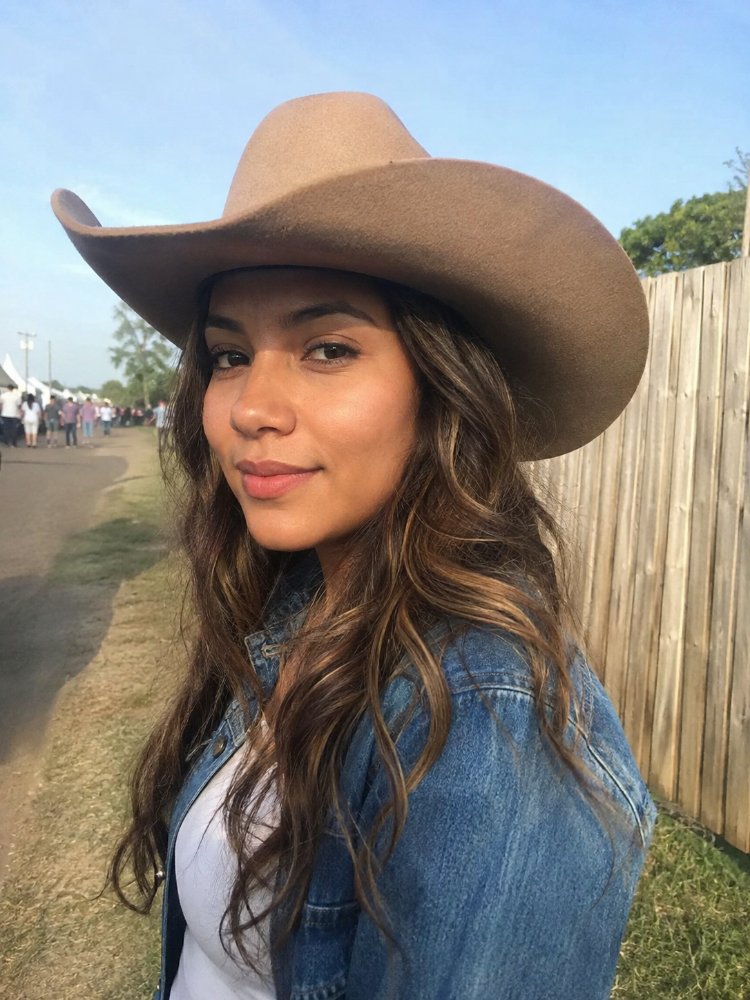
Two-strand twists can work particularly well under a cowboy hat because the individual sections remain controlled while still giving the hairstyle movement. They can hang freely around the shoulders without requiring an additional anchor beneath the hat.
The important issue is bulk. Fuller twists occupy more room between the head and the hat, especially around the sides and crown. A hat that fits comfortably with loose hair may fit differently over a twist set.
Low Puff
A puff doesn’t have to sit at the crown. Moving it toward the nape creates a cowboy-hat-friendly version that keeps natural texture visible without trying to squeeze all of the volume beneath the hat.
Gather the hair toward the lower back of the head while preserving the amount of front and side softness you prefer. The hat should settle above the anchor rather than pressing directly onto it.
Shrinkage changes where the puff appears after the hair is gathered. Check the finished position in the state you actually plan to wear—shrunken, stretched, or otherwise styled.
The low puff also gives you an easy visual transition when the hat comes off because there is already texture around the head. You aren’t relying on a perfectly smooth surface staying untouched.
Comfort takes priority over achieving the smallest possible base. A very tight anchor can turn an otherwise easy hairstyle into an unpleasant one.
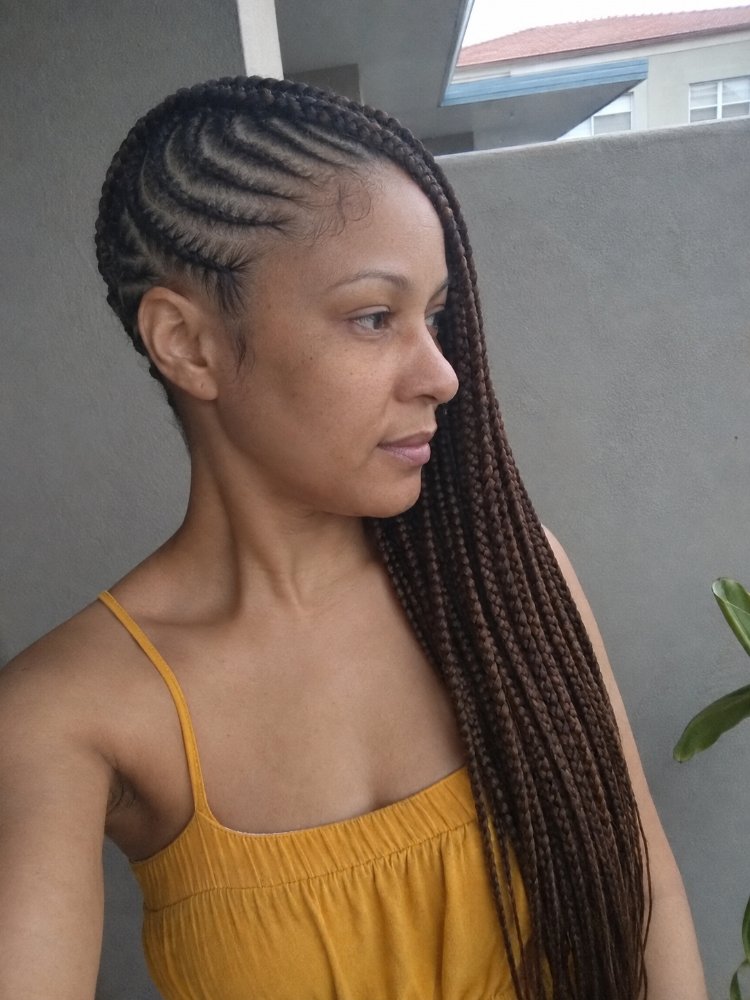
Long Braids or Twists With a Center Split
Already wearing braids or twists? You may not need to create another hairstyle at all. Split the lengths so they fall over both shoulders or allow them to hang evenly down the back, keeping unnecessary bulk away from the crown.
This works especially well when the installation itself already has plenty of visual detail. Adding a bun or high ponytail can create more weight and interfere with the hat.
The hat should sit without forcing the braided roots into an uncomfortable position. Added-hair weight, section size, and existing scalp sensitivity all affect comfort, so avoid tightening the installation simply to make it cooperate with an accessory.
Which Hairstyle Works Best for the Way You’ll Wear the Hat?
The hat-on photograph is only part of the decision. Think about what you’re actually doing during the event.
A concert where the hat stays on for most of the night favors secure low ponytails and braids. A wedding or party where you’ll remove it indoors calls for a hairstyle that remains presentable after crown compression. Outdoor plans add wind, humidity, sweat, and clothing friction to the equation.
| Hairstyle | With the hat on | After the hat comes off |
|---|---|---|
| Loose waves | Soft and visible around shoulders | May need quick root loosening |
| Low ponytail | Very easy to accommodate | Simple shape stays intact |
| Single low braid | Compact and secure | Minimal restyling needed |
| Low chignon | Dressy with little crown bulk | Depends heavily on correct placement |
| Natural curls down | Full texture remains visible | Compressed crown may need reshaping |
| Low puff | Keeps main volume below the hat | Texture helps disguise flattening |
For the easiest all-day option, a low braid or low ponytail has the fewest competing structures. Loose curls and waves are stronger when you care equally about the hairstyle after the hat comes off.
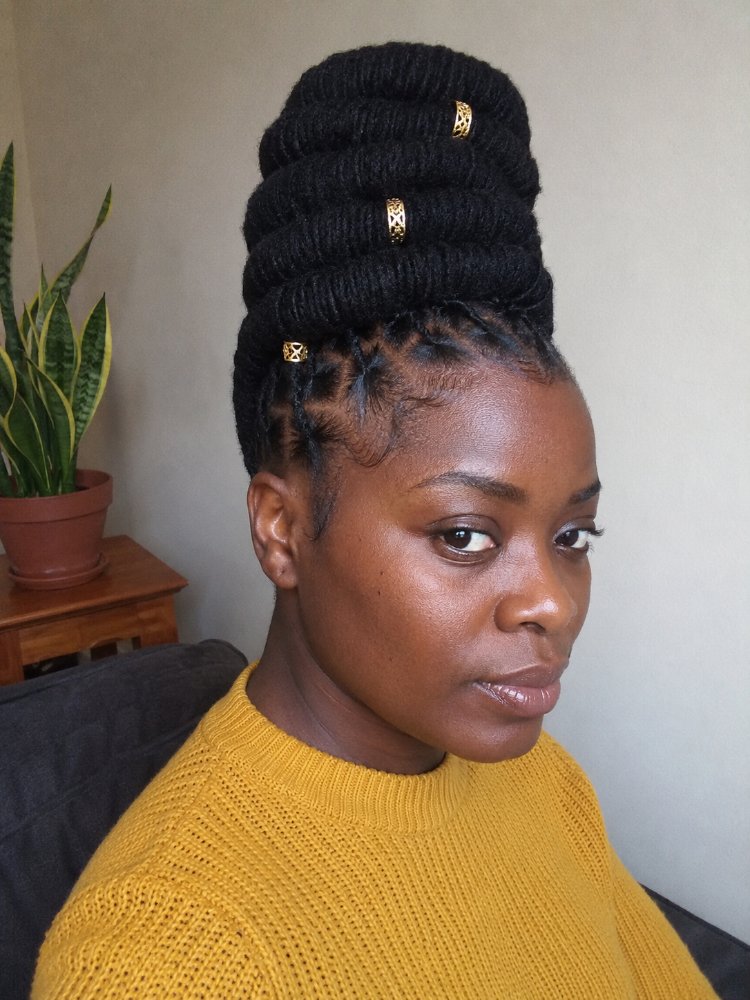
A high bun is usually a poor tradeoff unless the hat is being carried rather than worn. The bun and the hat need the same physical space. High ponytails can create the same problem when their anchor sits directly beneath the back of the crown.
Hat Fit Changes the Hairstyle More Than Most Photos Show
Don’t build the hairstyle first and assume every cowboy hat will slide over it.
The inside crown and sweatband create a fixed amount of space. Adding thick braids, voluminous curls, extensions, clips, or raised twists changes how the hat sits. A hat perched unusually high because the hairstyle is too bulky can become less secure, while forcing it downward can flatten the hair and create uncomfortable pressure.
Try the complete combination before the event whenever possible. Put on the hat, move your head normally, sit against a chair back, and remove the hat again. Check whether pins have shifted, the ponytail anchor is colliding with the hat, or the front has developed a strong line.
Accessories also deserve restraint. Large clips and decorative pieces generally belong below the brim or outside the area where the hat rests. Flat pins are easier to integrate than bulky hardware directly underneath the crown.
Glasses can add another contact point. Hat pressure, hair around the temples, and glasses arms all occupy a small area beside the ears, so keeping that section relatively uncomplicated is usually more comfortable.
Keeping Cowboy Hat Hair Presentable
Start with realistic expectations. A fitted hat touching your hair for hours will affect the surface. The aim is to choose a hairstyle that absorbs that change gracefully instead of needing to remain untouched.
Styles with texture tend to hide slight flattening more easily than a deliberately high, smooth crown. Loose waves, curls, twists, and softly styled roots already contain variation, so a small shift isn’t as visually obvious.
Carry only what serves the hairstyle. A few bobby pins or an extra elastic can solve a loose bun or ponytail problem without turning your bag into a styling kit. Longer loose hair may benefit from being braided temporarily if wind or clothing friction starts creating tangles.
Sweat and moisture matter too. Dense hair, braids, twists, wigs, or extensions can hold moisture around covered areas longer than the exposed lengths suggest. Give the scalp and roots a chance to dry appropriately rather than repeatedly covering damp hair.
Persistent pain, stinging, sores, or worrying changes around the hairline deserve more attention than preserving the style. Loosen or remove the source of pulling, and speak with a dermatologist or another qualified healthcare professional when symptoms persist or concern you.
FAQs
Can I wear a cowboy hat with short hair?
Yes. Pixies, short bobs, and cropped curls can work especially well because there’s little bulk competing with the crown of the hat. The main decision is what happens around the sides and front. You can keep those areas smooth, add texture, or allow a fringe to show beneath the brim. Check the hair again after removing the hat because shorter styles can reveal compression quickly.
How do I keep a cowboy hat from ruining my curls?
Concentrate your curl volume below the brim and avoid forcing a snug hat over more hair than it comfortably accommodates. After removing the hat, use your fingers to separate compressed roots and restore the shape rather than brushing through the curl pattern. The original definition, density, and amount of hat pressure all influence how much reshaping you’ll need.
Can I wear extensions with cowboy hat hairstyles?
Yes, provided the attachment method and added weight remain comfortable. Low ponytails, braids, and loose lengths usually cooperate with the hat more easily than high extension styles. Keep clips, combs, bonds, or other attachment points in mind because pressure from the hat shouldn’t create concentrated discomfort over them.
Should I style my hair before buying or fitting a cowboy hat?
Wear your hair close to the way you expect to wear it most often. Thick curls, braids, twists, extensions, and wigs can all change how much room the hat needs compared with flatter loose hair. A hat that only fits one highly compressed hairstyle gives you little flexibility, while a secure fit that accommodates your real hair volume is easier to work with.
Hair Texture & Upkeep Style Matcher
Select your natural hair texture and daily maintenance window to get an instant styling formula and heat safety cap.
Heat Cap: 320°F (160°C)
A versatile three-strand braid beginning at the parietal ridge, securing the top half while allowing natural wave texture to flow freely around the shoulders.
Conclusion
The strongest cowboy hat hairstyles put their main feature somewhere the hat can’t crush it. That usually means movement through the lengths, texture around the shoulders, or an anchor positioned low at the nape.
For maximum practicality, start with a low ponytail or braid. Choose loose waves, curls, or a low puff when you expect to remove the hat often and still want the hair to carry the look on its own. Dressier outfits can support a low chignon or twisted updo, but test the actual hat against the finished placement before the event.
Build around the space beneath the hat first. The hairstyle becomes much easier once the crown doesn’t have to fight for it.
Editorial Standards & Hair Health Guidance
Every style featured on Tress Atlas is curated with a focus on real-world wearability, scalp tension management, and cuticle preservation. When trying protective styles or tight updos, ensure perimeter hairline sections remain tension-free to avoid traction stress on delicate follicles. For heat styling, cap tools below 350°F (180°C) to prevent thermal keratin denaturation.
Scientific Sourcing: Practices aligned with the American Academy of Dermatology (AAD) on traction alopecia risk reduction and cosmetic trichology research on hair tensile strength.