Vacation Braids: How to Choose a Style That Works for the Whole Trip
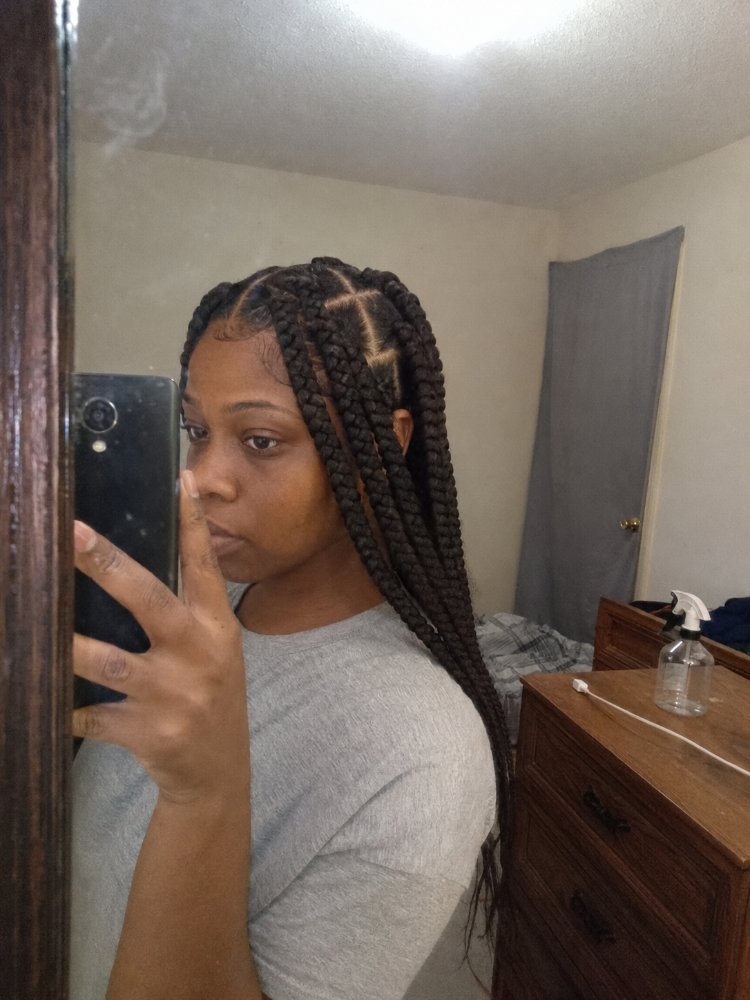
Vacation braids are braided styles chosen with travel in mind: they need to look good, stay manageable through changing routines, and remain comfortable during everything from flights to swimming and sightseeing.
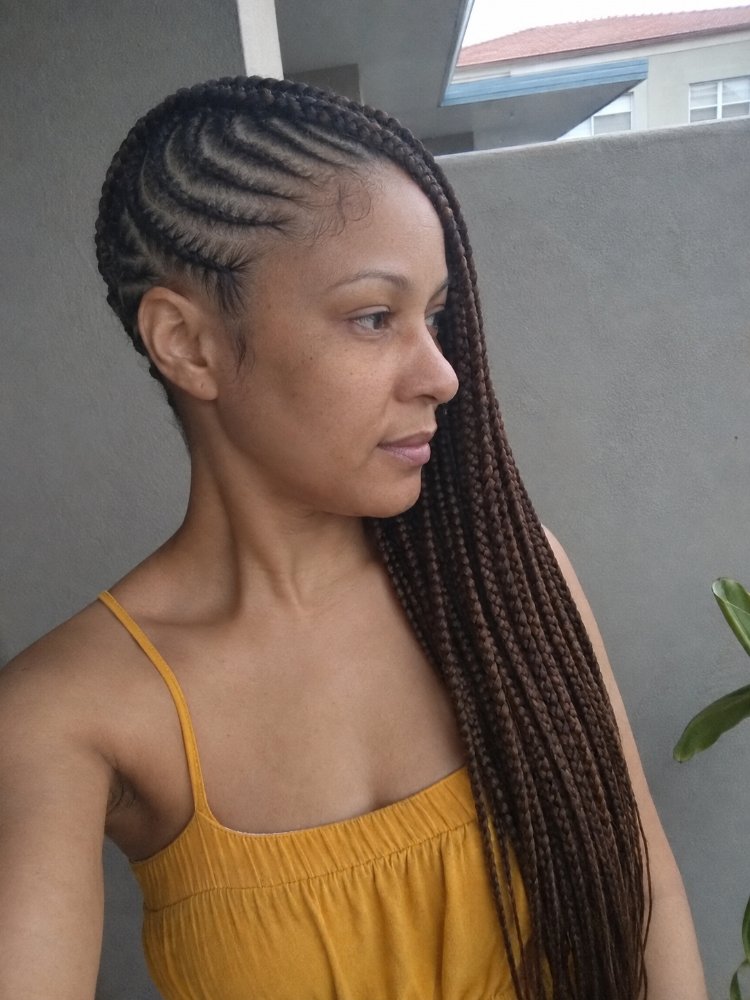
The strongest vacation choice usually isn’t the most elaborate braid style in your saved photos. It’s the one whose length, added-hair weight, root construction, and maintenance demands fit the trip you’re actually taking.
A beach holiday creates different problems from a city break. Frequent swimming makes drying important. Long flights make bulky buns and high anchors annoying against a headrest. Hiking, helmets, backpack straps, humidity, and limited access to your normal wash setup can all change how convenient a style feels.
For many trips, medium-length braids with moderate fullness are the practical default. They still give you styling flexibility without creating as much wet weight, tangling, or luggage-day inconvenience as extremely long, dense braids. Cornrow-based styles can be even easier when you value secure placement and less loose length.
The details matter more than the vacation label.
Choose the Braid Construction Before You Choose the Length
Two sets of braids can reach the same point on your back and behave completely differently.
Individual braids give you the most styling flexibility. You can wear them down, divide them into sections, pull some away from your face, or create loose ponytails and buns. That flexibility is useful on longer trips where you don’t want to look exactly the same every day.
Cornrow-based styles keep more hair secured close to the scalp. They can be particularly practical for active itineraries because there are fewer loose roots moving around. The tradeoff is less styling versatility, and scalp access depends heavily on the pattern.
A combination style—such as cornrows leading into loose braided lengths—sits between those two approaches. It gives you some of the stability of a scalp braid while retaining movement through the ends.
| Vacation priority | Useful starting point | Main tradeoff |
|---|---|---|
| Frequent swimming | Moderate-length individual braids | Added hair still needs thorough drying |
| Active excursions | Cornrows or a cornrow-based style | Less restyling flexibility |
| Lots of outfit changes | Individual braids | More loose length to manage |
| Minimal daily styling | Simple scalp-braided construction | Pattern determines scalp access |
| Dramatic vacation photos | Long individual braids | More weight and movement |
Knotless braids are often associated with vacation styling because the root can look flatter and less bulky. The label alone doesn’t determine comfort. Section size, braider grip, the amount of added hair, and how much length hangs from each section have a greater effect on how the installation feels.
Smaller sections also aren’t automatically the more convenient choice. They can create beautiful movement, but more sections mean more individual braids to cleanse around, dry near the root, gather into an updo, and eventually remove.
For a trip where convenience is the priority, simplicity tends to win.
Vacation Braid Length Changes More Than the Photograph
Long braids photograph beautifully because they create movement and a dramatic vertical line. In real life, every extra section of length has to go somewhere.
Waist-length or longer braids slide behind you when you sit down. They can become trapped between your back and a chair, underneath a cross-body strap, or behind a seatbelt. A backpack can repeatedly rub the same section of braids. At a restaurant, you may find yourself pulling them forward before sitting. On a plane, they can collect between your back and the seat unless you move them aside.
None of that makes long braids a bad vacation style. It makes them a style worth choosing deliberately.
The difference becomes more noticeable around water.
Added hair holds water, and long braided lengths can feel substantially different once they’re wet. After swimming, the bottom half of an extra-long installation may stay against a swimsuit, cover-up, or shirt while you walk around. Gathering those wet lengths into a high bun concentrates more of that weight around the anchor.
Medium braids are the stronger choice when swimming, outdoor activities, and easy drying rank above maximum drama. Shoulder-to-mid-back territory also makes it easier to reposition the hair without repeatedly piling a large amount of braid length on top of the head.
Short braided styles deserve more consideration for active trips. A braided bob, short individual braids, or a compact cornrow design can eliminate much of the seatbelt, backpack, and wet-length problem. You give up some ponytail and bun options, but you gain mobility.
The haircut underneath matters too. Very short natural hair, fragile perimeter areas, or significant length differences can affect which braided construction is realistic without forcing shorter hairs into sections where they don’t comfortably reach.
Swimming Changes the Maintenance Equation
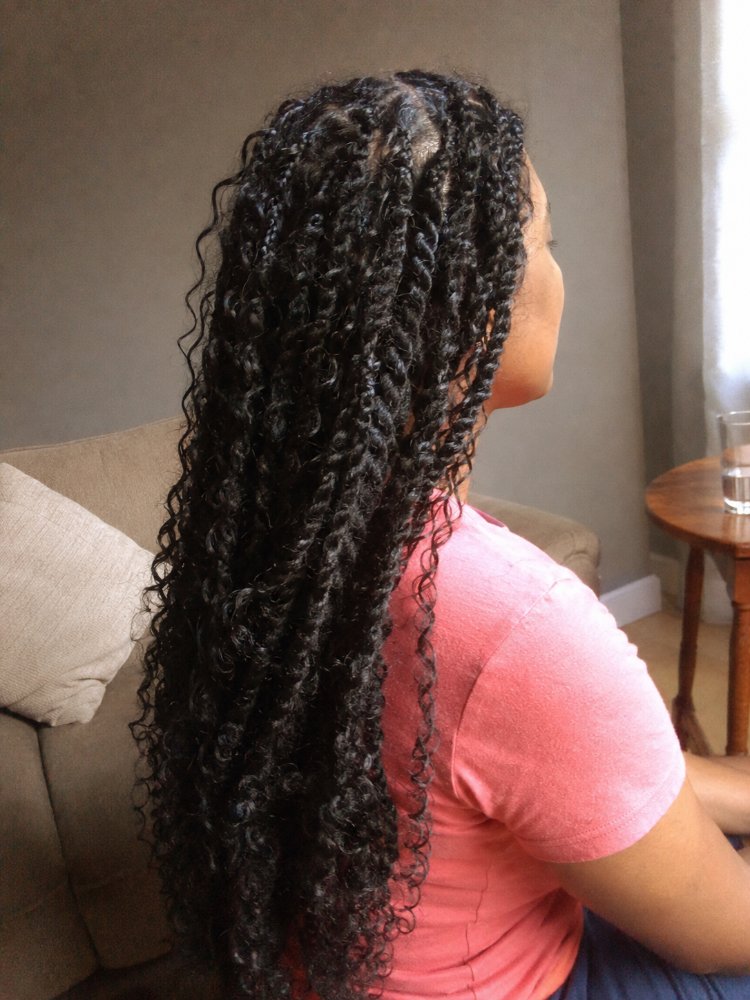
Pool and ocean plans should influence your braid decision before installation, not after you arrive.
The biggest issue is rarely whether braids are allowed to get wet. It’s what happens afterward.
A dense braided installation can feel dry through the exposed lengths while the roots and intersections closer to the scalp remain damp. Cornrow patterns with closely positioned braids can also hold moisture between rows. Added hair increases the amount of material that has to dry.
A vacation schedule makes that inconvenient because swimming is often followed by lunch, sightseeing, transportation, or another activity rather than several quiet hours devoted entirely to hair.
After swimming, rinse or cleanse according to what your scalp and hair need, then focus on removing excess water without rough rubbing. Give the roots access to moving air. Separating loose braid lengths over the shoulders instead of leaving them bundled together can help moisture escape.
Avoid automatically tying very wet braids into a compact bun for the rest of the day simply because you want them out of the way.
Frequent swimmers should also think about what lies underneath the extensions. Natural hair that remains repeatedly wet needs a realistic opportunity to dry. A style that looks tidy from the outside can still be inconvenient when dense roots remain damp.
This is one reason extremely tiny, extremely dense braids aren’t the obvious vacation upgrade they sometimes appear to be. More detail can mean more maintenance.
A trip centered around the pool is better matched to a braid installation that gives you clear access to the scalp and doesn’t overwhelm you with unnecessary added length.
Heat, Humidity, and Frizz Are Normal Parts of the Style
Vacation weather can change the surface of braids even when the installation remains structurally sound.
Humidity, swimming, sweating, hats, sleeping, and repeated styling all affect how neat the roots and lengths look. Natural hair may begin to show more visibly through the braid as it reacts to moisture. Small flyaways can develop around parts and along the braided lengths.
That worn-in appearance isn’t the same thing as an installation failing.
Trying to keep every strand perfectly smooth throughout a hot, active trip can create more work than the hairstyle saves. Repeatedly pulling the edges tight or loading the scalp with styling product just to restore a day-one appearance is rarely a worthwhile vacation routine.
Plan for a softer finish.
A satin or similarly smooth scarf or bonnet can reduce friction while sleeping. A light styling foam or another appropriate finishing product can help neaten the surface when needed, provided it suits your hair and scalp. You don’t need to repeatedly rebuild the entire style.
Hairline styling deserves particular restraint. Your edges don’t have to be incorporated into every braid or slicked firmly into place for the installation to look finished. Leaving shorter or more fragile hairs out can make more sense than repeatedly forcing them into sections.
Humidity also makes the starting state of your natural hair relevant. Curly and coily hair doesn’t need to be pressed bone-straight before braiding. Preparation should make the hair manageable for sectioning while respecting its condition and the amount of manipulation it can comfortably tolerate.
Think About the Flight, Excursions, and Clothing
The beach photo is only one part of a vacation. Your braids also have to survive transportation.
A large high bun looks convenient until it meets an airplane, train, or coach headrest. It can push your head forward or force you to lean at an awkward angle. Very long braids are usually easier on travel days when they can stay low and loose instead of being stacked high at the crown.
Headwear can create another conflict.
Cycling helmets, excursion helmets, wide-brim hats, caps, sun hats, and scarves all need physical space. A braided style with a large amount of volume at the crown may interfere with gear that needs to sit securely on the head. If your itinerary includes an activity requiring fitted safety equipment, plan the hairstyle around the equipment rather than assuming the equipment will fit around the hair.
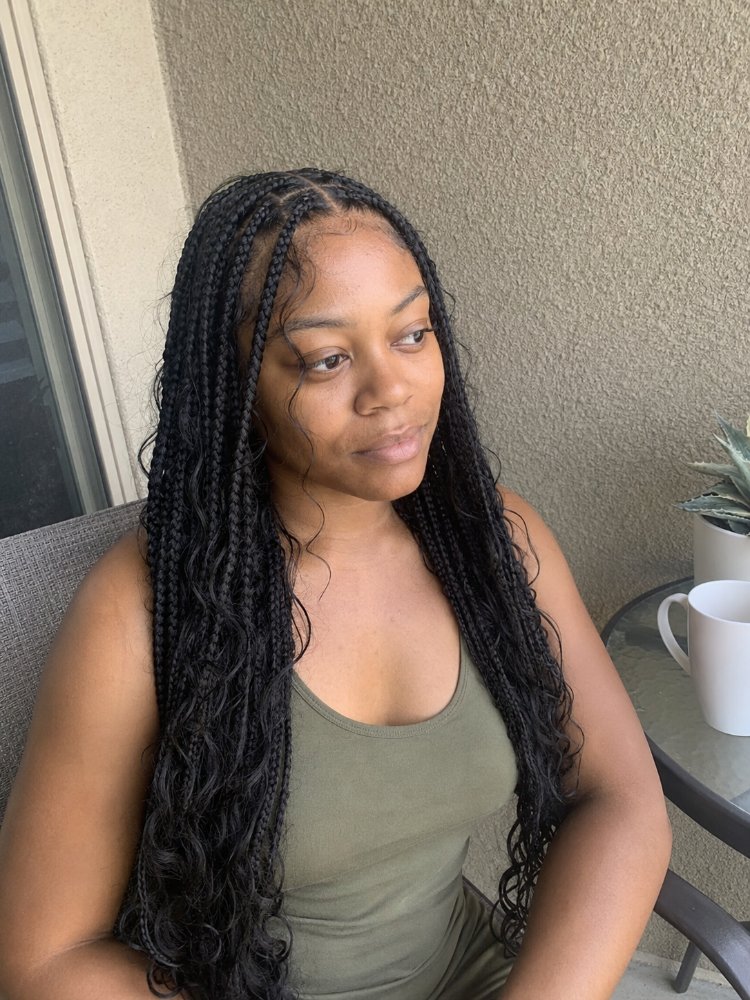
Clothing matters too.
Long braids repeatedly rub against backpack straps and collars. Decorative cuffs, rings, beads, or other braid accessories can catch against clothing, towels, or one another. An ornamented installation may look fantastic for dinners and photographs while becoming irritating during hiking, swimming, or carrying luggage.
Even sunglasses deserve a thought. Dense braid sections positioned directly above or behind the ears can compete with the arms of glasses, particularly when you wear them for most of the day.
These aren’t reasons to strip every vacation hairstyle down to something basic. They simply reveal where the real inconvenience comes from.
Choose drama in the places where you’ll enjoy it.
Comfort Should Be Judged Before You Leave
Fresh braids should feel secure without requiring you to tolerate persistent pulling.
Vacation can amplify a slightly uncomfortable installation. You’re sleeping in unfamiliar beds, moving more, wearing hats, getting wet, and spending long periods away from home. A root that already feels excessively tight before departure isn’t likely to become more convenient once all those variables are added.
Pay attention to ordinary movement after the installation. Turning your head, raising your eyebrows, smiling, bending down, and gathering the braids should not produce persistent pain or strong pulling at the scalp.
Added hair needs particular consideration around fragile areas. Very small perimeter sections carrying relatively long or heavy extensions can place more demand on those hairs than larger, stronger sections elsewhere.
High ponytails and buns deserve restraint as everyday vacation solutions. Gathering a long braid installation at one point changes how the hanging weight is distributed. Loose or lower arrangements are often more comfortable for extended wear.
Don’t use pain as evidence that the hairstyle will last longer.
Persistent irritation, sores, significant redness, or a concerning change in shedding or density deserves attention instead of being hidden under another scarf or layer of styling product. Loosening or removing the source of tension may be necessary, and ongoing or concerning symptoms are a reason to speak with a dermatologist or another qualified healthcare professional.
Install the Style for Your Real Routine
Reference photos are useful for showing color, approximate length, parting, and overall effect. They usually hide the most important construction details.
You can’t easily see how much added hair sits in each section. You may not know whether the model wore the style for one photo session or through days of swimming and exercise. A picture taken from the front won’t show how the longest braids interact with a seatback.
Your braid consultation should therefore cover function as well as appearance.
Bring your visual reference, then explain what the trip actually includes. Mention frequent swimming, outdoor sports, helmet use, long flights, hiking, formal dinners, or any other activity that materially affects the style.
Discuss the amount of added hair as part of the look. Fullness can be adjusted without simply making every section larger or every braid longer.
Also explain how you normally wear your hair. Someone who almost always keeps braids loose has different needs from someone who expects to put them into a ponytail every morning.
A useful pre-vacation discussion includes:
the braid construction you want
realistic finished length
how full you want the installation
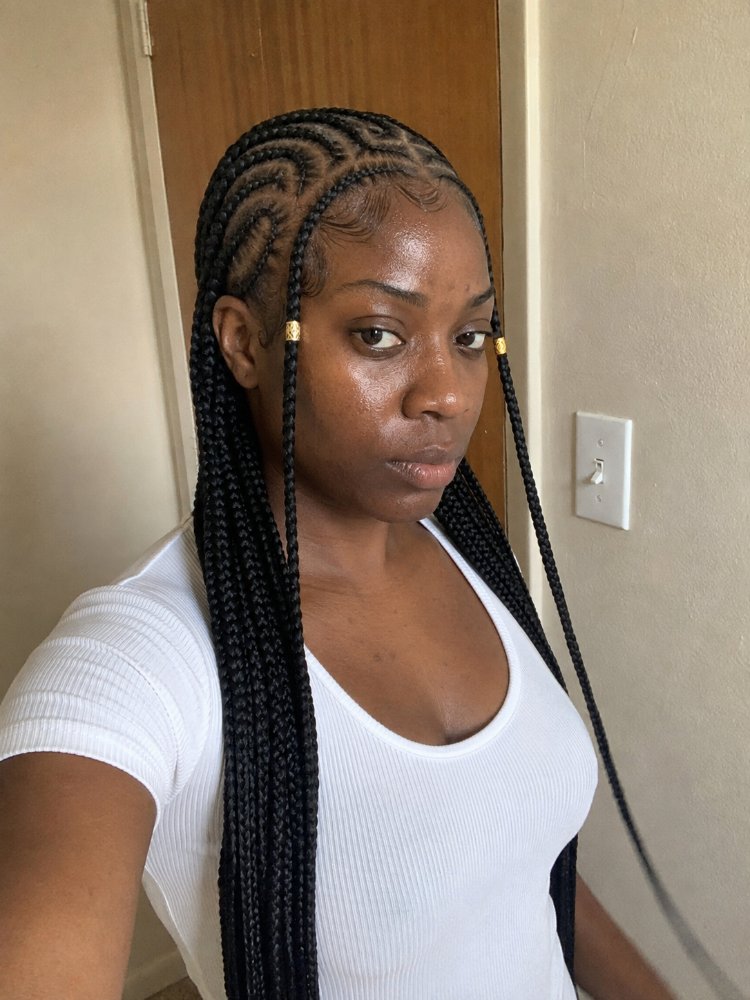
your natural hair’s current condition
any fragile areas you already avoid pulling
expected swimming or heavy activity
whether hats or helmets are part of the trip
how much daily restyling you’re willing to do
how you’ll cleanse and dry the scalp
your takedown plan after travel
Chemical history can matter as well. Previously lightened, relaxed, or otherwise processed hair may need a gentler approach to manipulation than untreated hair in strong condition. That doesn’t rule out braids; it changes what your natural hair can reasonably support.
The Return Home Matters Too
A vacation braid plan shouldn’t end on the final day of the trip.
Travel creates friction, buildup, wetting, styling changes, and general manipulation. Then comes the removal process, which can be more demanding than expected when the installation contains many small sections.
Don’t turn takedown into a race.
The shed hairs naturally retained inside a long-worn braided section need to be separated from actual knots and tangles. Working carefully through each section is more useful than pulling through resistance in an attempt to finish faster.
Buildup around the base can make detangling more difficult. So can cutting braid extensions without clearly identifying where your natural hair ends. Allow enough patience to dismantle the style safely.
After removal, evaluate what your hair actually needs rather than automatically moving straight into another tight installation. Cleansing, detangling, conditioning, and lower-manipulation styling may be appropriate depending on the condition of your hair and scalp.
The vacation style was supposed to make travel simpler. Its removal should be part of that planning.
A Practical Vacation-Braid Decision Checklist
Start with the itinerary, then work backward toward the hairstyle.
For a water-heavy holiday, prioritize manageable length, straightforward scalp access, and a construction you can dry thoroughly.
For a sightseeing trip with lots of walking but little swimming, individual braids give you more styling variety without making daily hair work complicated.
For hiking, cycling, excursions, or other activities involving fitted headgear, compact cornrow-based designs deserve serious consideration.
For a relaxed resort trip where photographs, dinners, and styling versatility matter most, longer braids can be worth the added handling.
Extra-long, heavily embellished braids make the most sense when their visual impact is genuinely one of your priorities. They’re a poor tradeoff when you already know you’ll spend most of the trip swimming, wearing a backpack, sitting on long transfers, or putting your hair into a bun simply to keep it out of the way.
Before confirming the installation, ask yourself:
Can I comfortably sit against a headrest with this style?
Can I manage it after it gets wet?
Will it fit under any required helmet or hat?
Can I reach enough of my scalp to cleanse it?
Am I choosing more length than I actually want to handle?
Can the installation remain secure without relying on painful tension?
Does my natural hair’s current condition support this amount of manipulation?
Have I thought about taking it down, not only putting it in?
A style that passes those questions is far more likely to feel like a vacation hairstyle once you’re actually traveling.
Frequently Asked Questions
Are knotless braids good for vacation?
They can be. Their flatter root appearance and flexible individual sections make them popular for travel, but the quality of the vacation experience depends on more than the knotless technique. Added-hair weight, braid length, section size, root tension, scalp access, and drying all matter. A moderate knotless installation is generally easier to manage on an active trip than an extremely long, very dense one.
Can I get vacation braids if my natural hair is short?
Possibly, depending on how much of the hair can be securely braided without forcing short or fragile sections into excessive tension. The strongest construction may differ across the head, especially around the perimeter. A braider should assess the actual hair rather than promising that every reference style can be reproduced safely on every starting length.
How should I sleep with braids while traveling?
Keep the setup simple. A smooth scarf or bonnet can reduce friction and help contain loose braid lengths. Very long braids may be easier to divide or position so you aren’t sleeping directly on a large bundle of hair. Avoid creating an extremely tight ponytail or high bun solely for sleep, especially if the installation already feels heavy.
Should I get braids immediately before my flight?
Focus less on a fixed number of days and more on how the installation feels before departure. You want enough opportunity to notice excessive tension, uncomfortable sections, or an impractical amount of weight while you still have access to the braider. Leaving for a major trip with a style that already hurts creates an avoidable problem.
Hair Texture & Upkeep Style Matcher
Select your natural hair texture and daily maintenance window to get an instant styling formula and heat safety cap.
Heat Cap: 320°F (160°C)
A versatile three-strand braid beginning at the parietal ridge, securing the top half while allowing natural wave texture to flow freely around the shoulders.
Conclusion
The most useful vacation braids are designed around the trip rather than around one perfect photograph.
Start with construction and manageable weight. Then decide how much length is genuinely worth carrying through swimming, headrests, backpacks, helmets, humidity, and the trip home. Moderate individual braids are a strong all-purpose starting point, while cornrow-based styles make more sense for highly active itineraries and shorter braids deserve consideration when easy drying matters most.
Take your itinerary into the braid consultation along with your reference photo. The activities you have planned may tell you more about the right installation than the picture does.
Editorial Standards & Hair Health Guidance
Every style featured on Tress Atlas is curated with a focus on real-world wearability, scalp tension management, and cuticle preservation. When trying protective styles or tight updos, ensure perimeter hairline sections remain tension-free to avoid traction stress on delicate follicles. For heat styling, cap tools below 350°F (180°C) to prevent thermal keratin denaturation.
Scientific Sourcing: Practices aligned with the American Academy of Dermatology (AAD) on traction alopecia risk reduction and cosmetic trichology research on hair tensile strength.