Summer Hairstyles: Styling Guide & Cuts That Make Heat, Humidity, and Busy Days Easier
The most useful hair styles for summer solve a physical problem before they solve a fashion one. Hair resting on your neck feels different on a hot commute. Dense roots take longer to dry after swimming. Humidity can turn a smooth blowout into a daily restyling project, while very long added hair can feel surprisingly heavy once it gets wet.
That doesn’t mean summer hair has to be purely functional. A strong seasonal choice gives you the shape you want without creating more work than you’re willing to do.
For some people, that means getting the hair completely off the neck. Others will be happier keeping their natural curl or coil pattern visible and choosing a haircut that works with expansion rather than fighting it. Braids, twists, locs, and shorter cuts offer still more options, but construction, weight, scalp access, and drying all matter.
The 22 styles below cover those different needs rather than treating summer hair as one look.
Start With Your Summer Priority
Before choosing a reference photo, decide what you want the hairstyle to make easier.
A summer hairstyle becomes easier to judge once you know which inconvenience you actually want to remove.
Off-the-Neck Summer Hairstyles
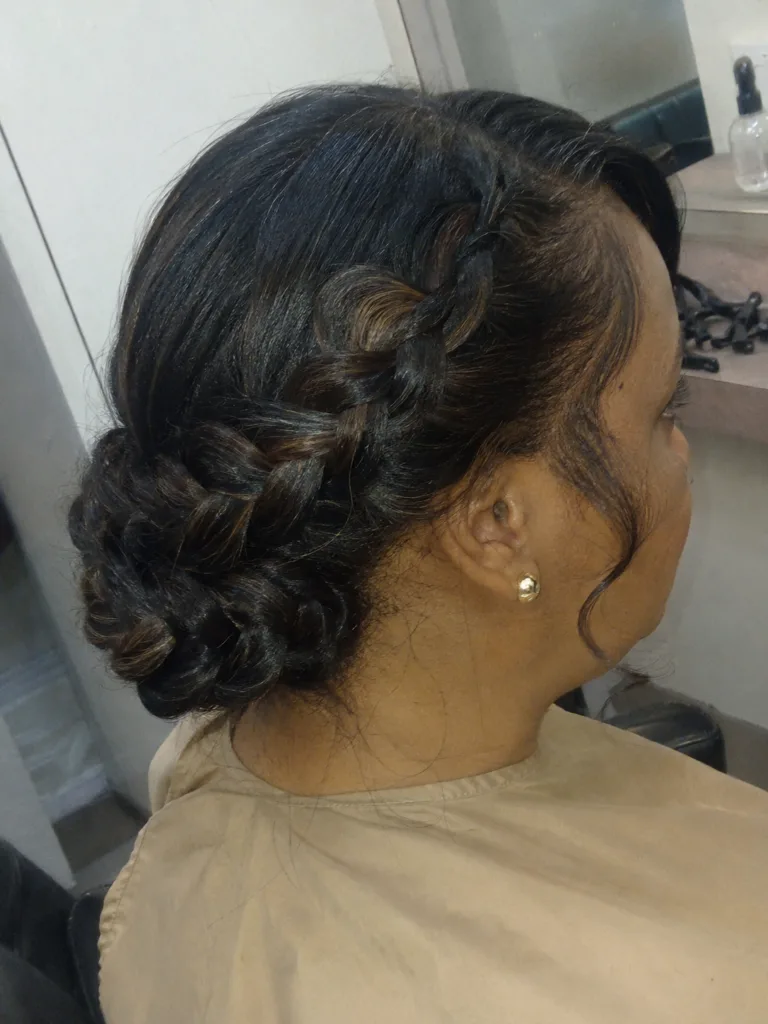
Low Bun
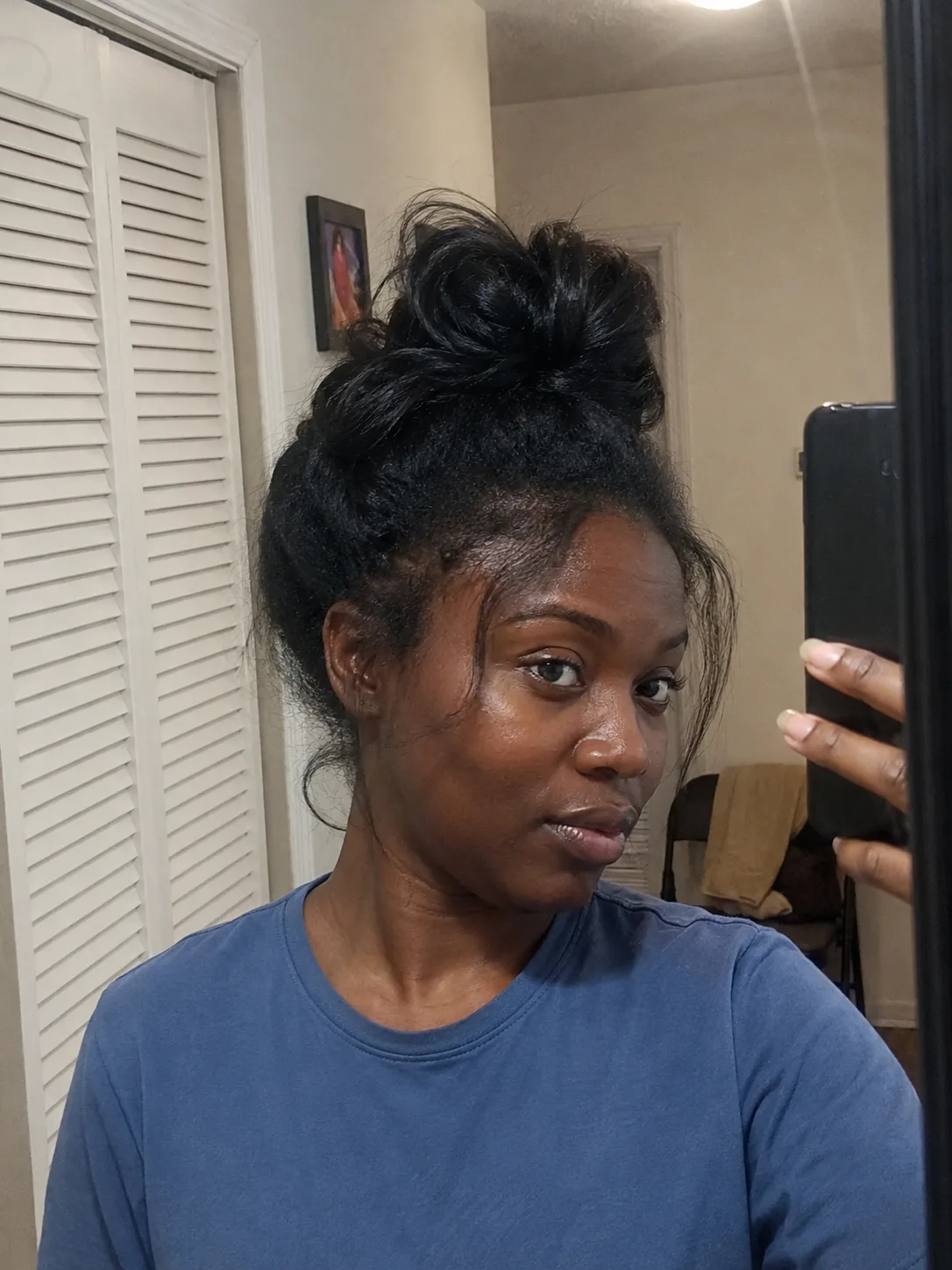
A low bun is one of the strongest summer defaults because it clears most of the hair from your back without concentrating everything at the very top of the head. The finish can stay sleek, softly textured, braided, or loosely twisted depending on your starting hair.
Placement changes how practical it feels. A bun sitting directly against the nape can rub on collars, while one positioned slightly higher may leave more room around the neckline.
It also works well for days that move between casual and formal settings. A clean part and tucked ends make it look deliberate without requiring an elaborate updo.
High Bun
Few styles create as much airflow around the neck as a high bun. It works particularly well when your main summer complaint is simply having too much hair resting on your shoulders.
Very long or dense hair creates a heavier bundle at the crown, so the highest possible placement isn’t always the most comfortable. A slightly lower topknot can give you the same open-neck effect with less movement at the base.
Claw-Clip French Twist
A claw-clip French twist is useful when you want your hair up but don’t want the tightly secured feeling of an elastic-based ponytail or bun. The hair folds vertically against the back of the head, creating a narrower profile than a round bun.
The clip still needs enough grip for your density. Very thick hair may need a larger clip or a partial twist, while fine hair can feel more secure when the fold has enough texture to stop it sliding.
Sleek Low Ponytail
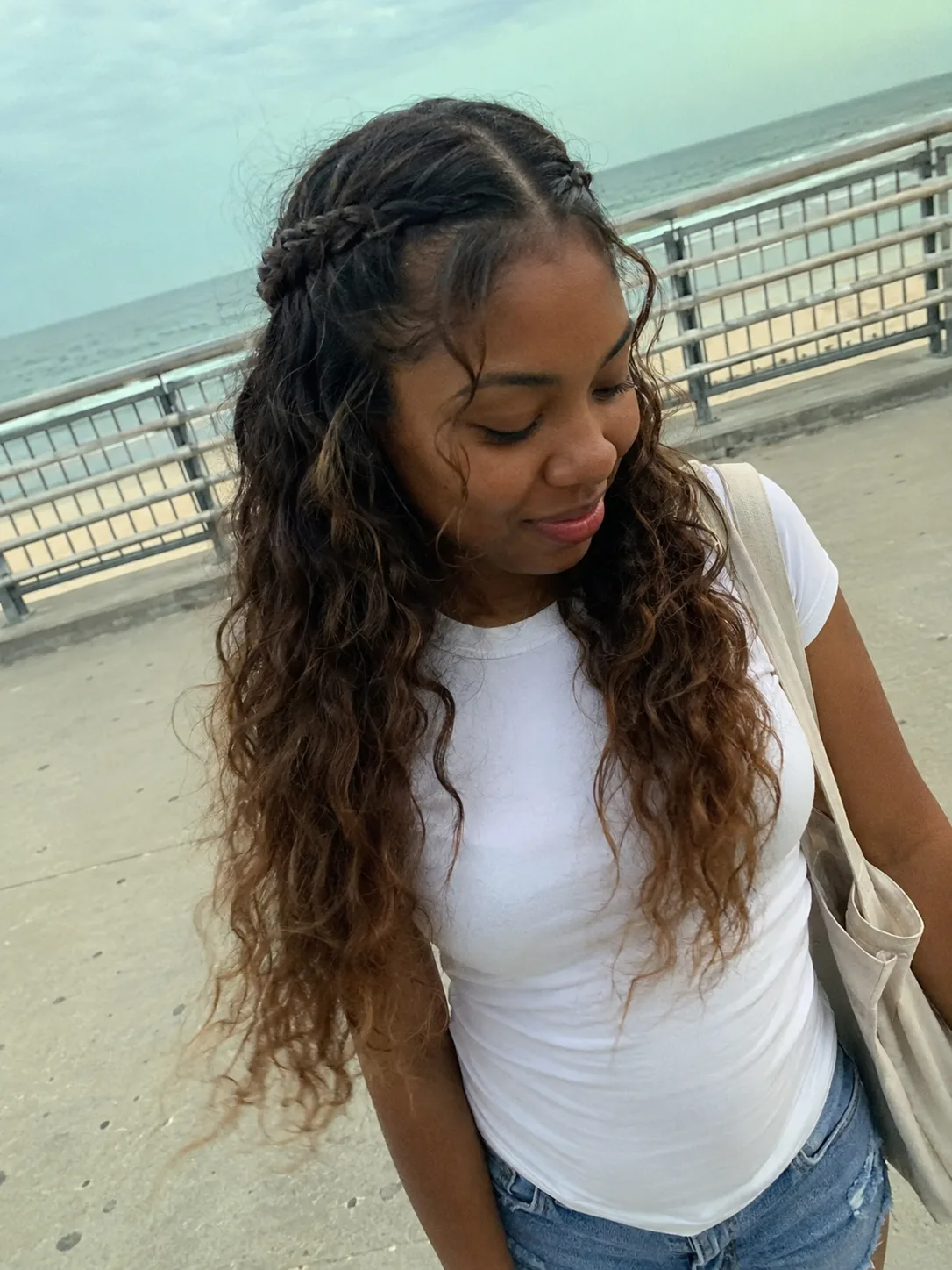
A low ponytail keeps the face and shoulders relatively clear while preserving visible length. It is easier to reposition than a bun and works across straight, stretched, pressed, relaxed, curly, and coily styling states.
The compromise is obvious on extremely hot days: the tail still sits against your back. People who mainly want facial control rather than a completely bare neck often find it more useful than a high updo.
Bubble Ponytail
A bubble ponytail earns its place in summer because the segmented construction controls long hair without hiding all the length. Instead of allowing the tail to move as one loose sheet, additional elastics divide it into rounded sections.
That makes the style particularly effective on long hair that tangles easily during active days.
Keep each section secure without cinching the elastics excessively. The bubbles can be gently expanded after securing, which gives the style its volume without needing extremely tight anchors.
Humidity can soften the surface, but that usually changes the finish more than the basic shape. This is one of the more forgiving options when you don’t need every strand perfectly smooth.
High Curly Puff
Natural curls and coils don’t need to be stretched straight to create a summer updo. A high puff moves the bulk of the hair away from the neck while keeping the natural pattern visible.
The puff can look very different according to shrinkage and density. Strong shrinkage creates a more compact crown shape, while longer stretched curls produce a wider or more elongated puff.
Keep the perimeter comfortable. Pulling short or fragile hairs hard enough to reach the base can create more stress than the finished style is worth. Leaving some curls free at the hairline is often both easier and visually softer.
Braids, Twists, and Loc-Friendly Styles
Crown Braid
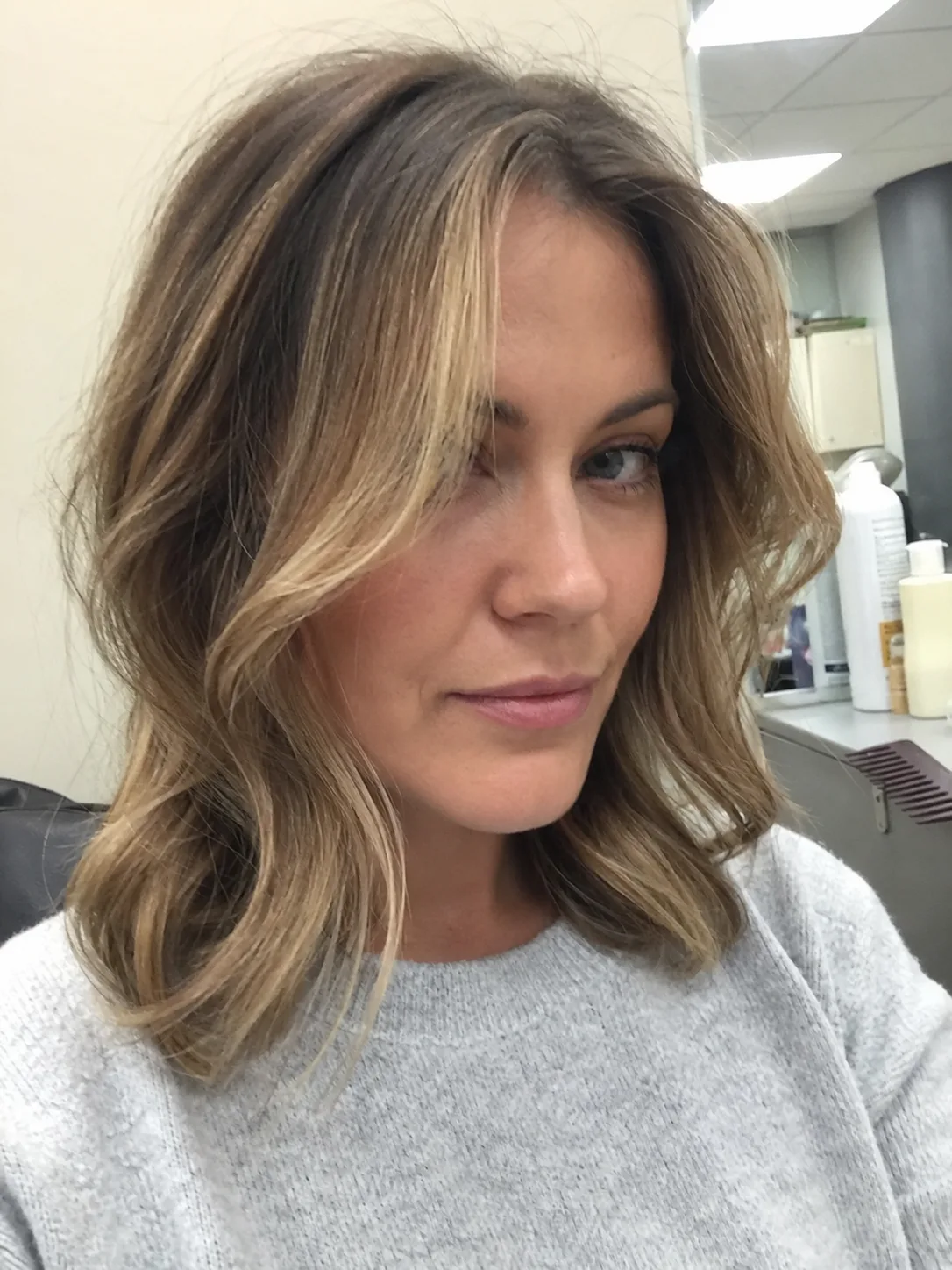
A crown braid moves the length around the head instead of letting it hang down the back. That makes it especially useful for summer events when you want an updo that feels more detailed than a bun.
It can be created from your own length or adapted from existing braids. The practical advantage is the distribution: the hairstyle follows the head instead of concentrating all the hair into one moving ponytail. Pin placement matters more than extreme tightness for keeping the crown secure.
Flat-Twist Updo
For natural or stretched textured hair, flat twists offer a controlled way to direct the hair upward without requiring every strand to lie smooth. The sections can travel toward a tucked center, bun, roll, or pinned crown.
This is a strong choice when humidity makes straightened styles feel like constant maintenance. Texture at the roots is already part of the design.
Section size changes the finished effect. Larger twists read softer and usually create fewer lines across the scalp; smaller sections produce more detail and more handling during installation and removal.
Keep the twists comfortable from the beginning. An updo that depends on painful pulling at the front or temples is too tight, regardless of how neat the parting looks.
Cornrow Ponytail
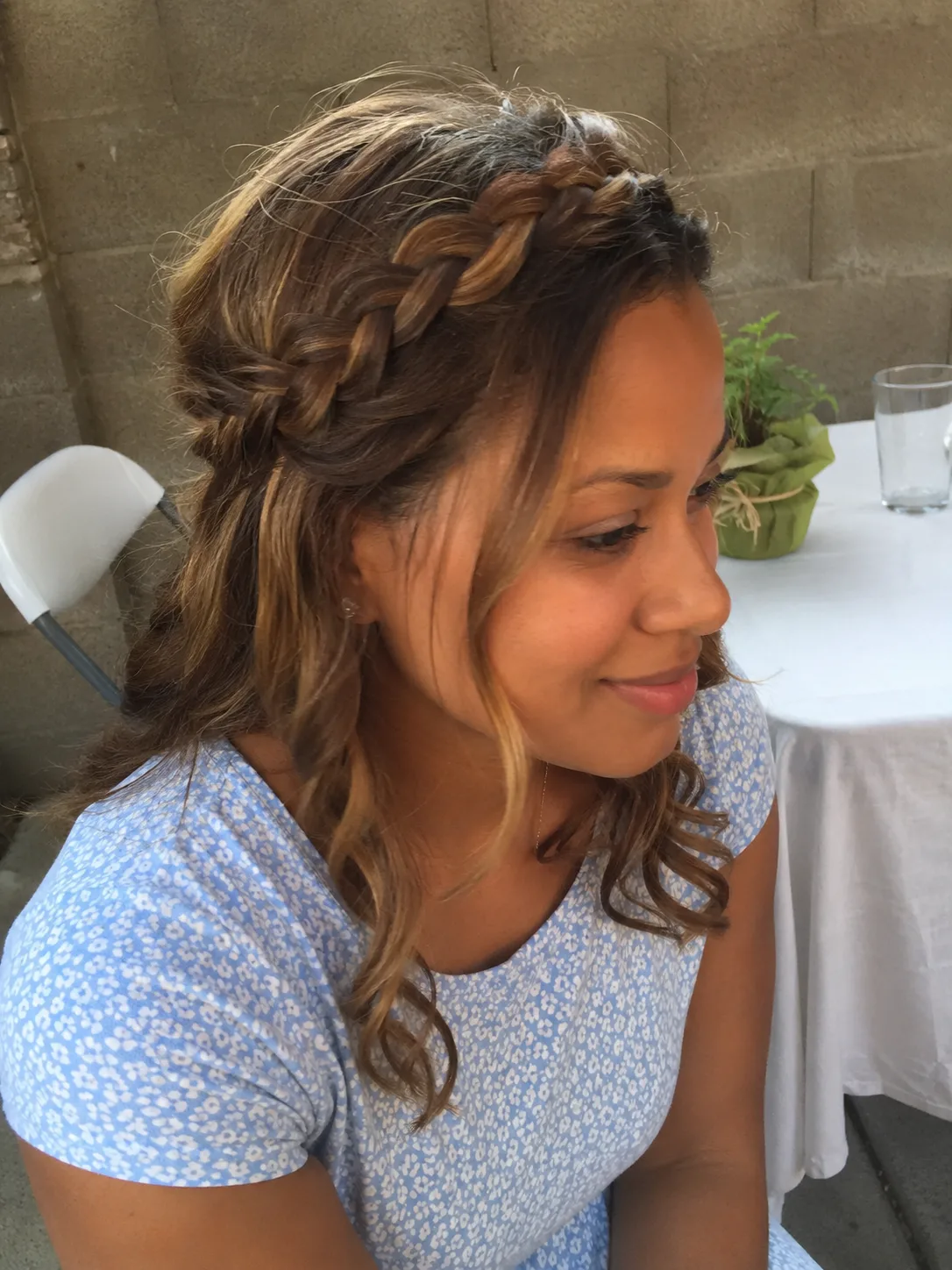
Cornrows directed toward a ponytail create a much cleaner scalp outline than a loose ponytail while keeping the length free. They’re especially effective when you want the front and sides controlled through active summer days.
The convergence point deserves attention because several braided sections meet there. Comfort at that anchor matters more than forcing every braid into the highest possible placement.
Moderate-Length Knotless Box Braids
Box braids can reduce daily manipulation and give you reliable styling options, but summer practicality changes dramatically with length and added-hair density. A moderate length is usually easier to reposition, wash around, and dry than an extra-long, very full installation.
Knotless construction can create a flatter transition at the root. Overall comfort still depends on section size, the braider’s grip, and how much added hair each section carries.
Swimming introduces another consideration: wet added hair is heavier and may stay against your back long after you leave the water. Accessible roots are useful when cleansing and drying become more frequent.
Choose dramatic length because you genuinely want the look, not because longer braids are assumed to be the better summer option.
Braided Bob
A braided bob gives you the structure of an installed braid style without placing long lengths across the back and chest. The shorter outline also makes it easier to wear with backpacks, seatbelts, high collars, and active clothing.
The perimeter can sit near the jaw, shoulder, or somewhere between. Very blunt, dense ends create more visual weight; lighter movement gives the bob a softer edge. The stronger choice for a very hot, active summer is usually a length that clears or barely touches the shoulders.
Mini Twists
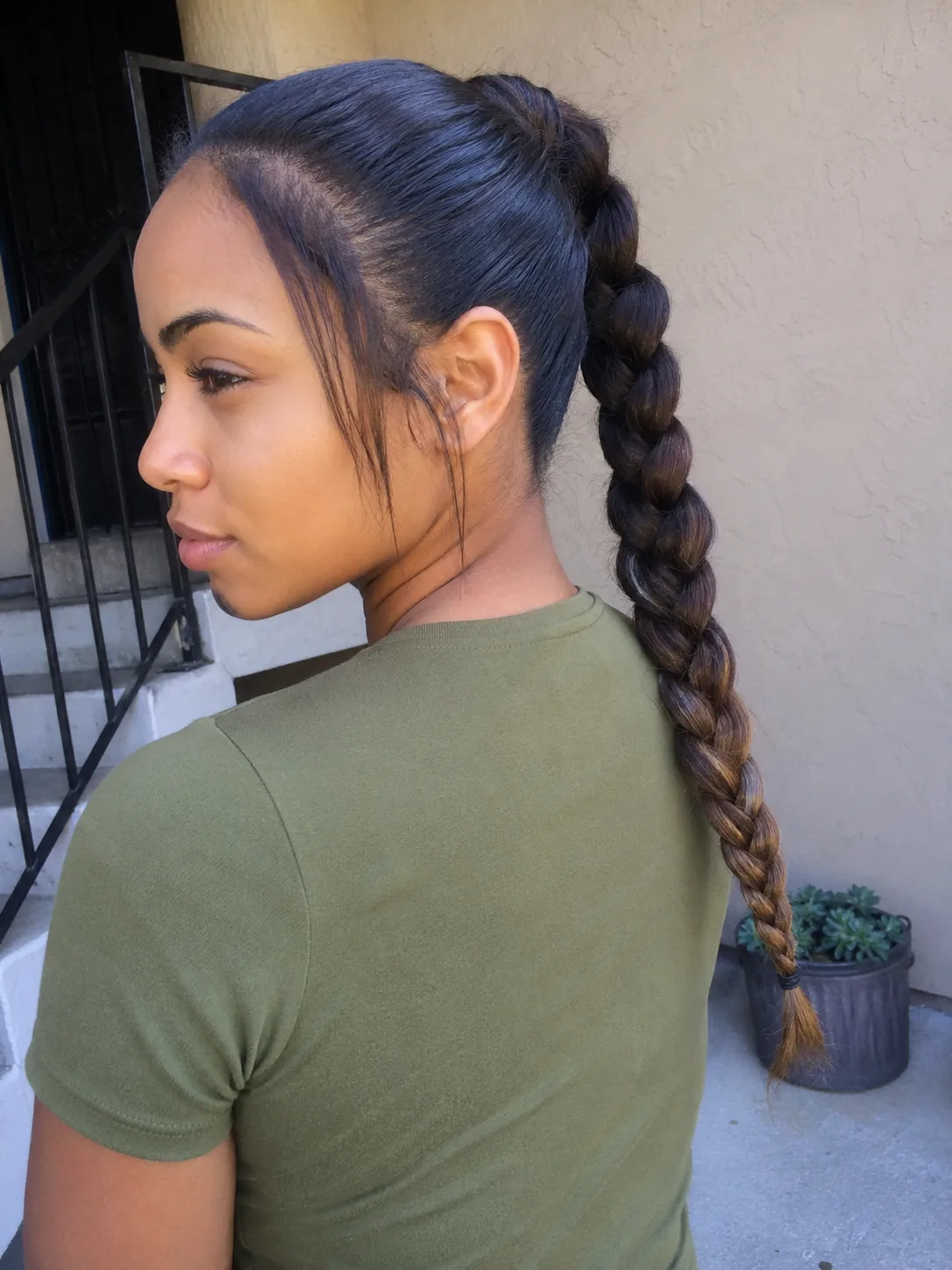
Mini twists preserve visible texture while dividing the hair into manageable sections. They can hang loose, go into a ponytail, or be pinned up, which gives you more day-to-day flexibility than a single fixed updo.
Smaller sections take more effort to install and remove, so choose the scale because you like the appearance and versatility rather than assuming the tiniest twists are automatically the most practical.
Cuts and Texture-Led Styles for Hot Weather
Rounded Wash-and-Go
A wash-and-go becomes much more summer-friendly when the haircut already gives the curls a usable shape. A rounded outline lets natural expansion contribute to the style instead of making every humid day feel like a correction project.
Curl grouping, shrinkage, density, and the way the cut was shaped all affect the result. The finished haircut is best judged in the state you normally wear it, because a stretched shape and a shrunken shape can sit at very different lengths.
Layered Curly Shag
Humidity adds volume. A curly shag can make that behavior useful by building movement through the crown and interior rather than depending on a smooth outer surface.
The cut suits readers who enjoy separation, irregular curl movement, and a less compact outline. It is less useful for someone who wants a heavy, solid perimeter.
Layer placement matters because removing too much interior weight can expose more space in low-density hair. Fine strands and low density aren’t the same thing, and the haircut should respond to the actual distribution of hair rather than assuming all fine-textured hair needs the same approach.
Fringe can stay curly. There’s no practical summer advantage in repeatedly straightening bangs if you prefer their natural pattern.
Curly Bob
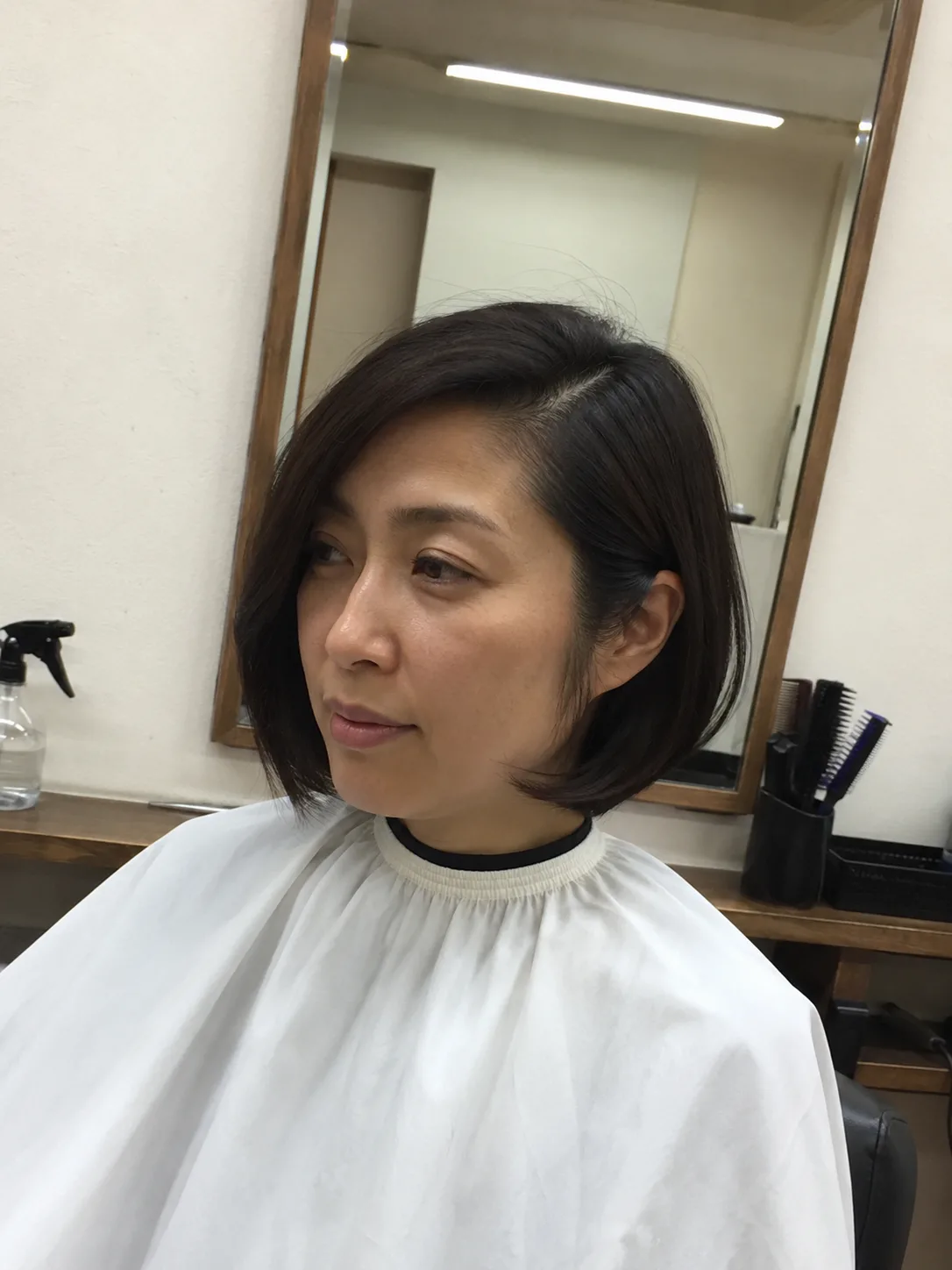
A curly bob offers one of the clearest compromises between wearing hair down and getting most of the length off the back. It can sit full around the jaw, expand into a rounded shape, or fall closer to the shoulders depending on shrinkage and layering.
The key is choosing the visible dry length. A bob that looks shoulder-length while stretched may spring considerably higher once curls return to their usual state.
Blunt Bob
Straight, wavy, relaxed, or pressed hair can look especially sharp in a blunt bob because the perimeter becomes the main design feature. Keeping interior layering restrained preserves that strong lower edge.
Summer exposes one practical issue that photographs rarely show: collar contact. A bob ending exactly where it meets a shirt or jacket collar may flip outward during the day.
A slightly shorter line keeps more hair away from the neck, while a longer bob gives you enough length to tuck or tie back. Pick the compromise based on what you do with the hair between wash days.
Textured Pixie
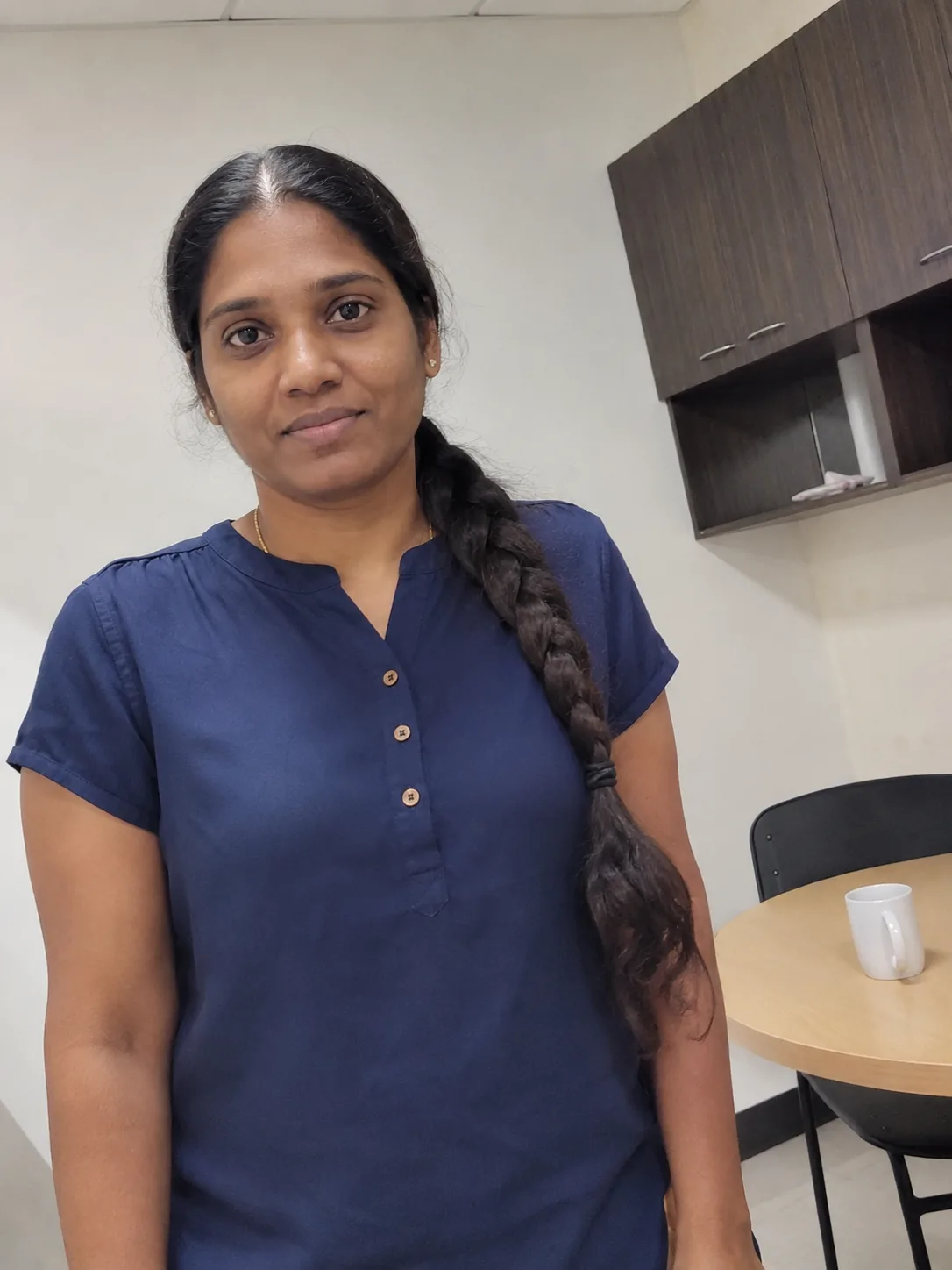
A pixie removes the neck-length problem almost completely and makes the haircut itself responsible for most of the shape. A textured top gives you more styling flexibility than a uniformly short crop.
It is more salon-dependent than a long ponytail or bun because the outline changes as the cut grows. Anyone wanting a pixie mainly to escape summer styling should factor reshaping into the decision.
Short Finger Coils
Finger coils give short natural hair clearly defined sections without requiring straightening or added hair. They can work on a cropped cut, tapered shape, or longer short style.
The visible result depends on how the hair groups and shrinks. Larger coils create fewer, broader sections; smaller coils create more detail and usually more separation work.
Drying matters during summer just as much as styling. Dense roots can remain damp even when the surface feels dry, so give the scalp and inner sections enough air before covering the hair.
Flexible Styles for Work, Weekends, and Events
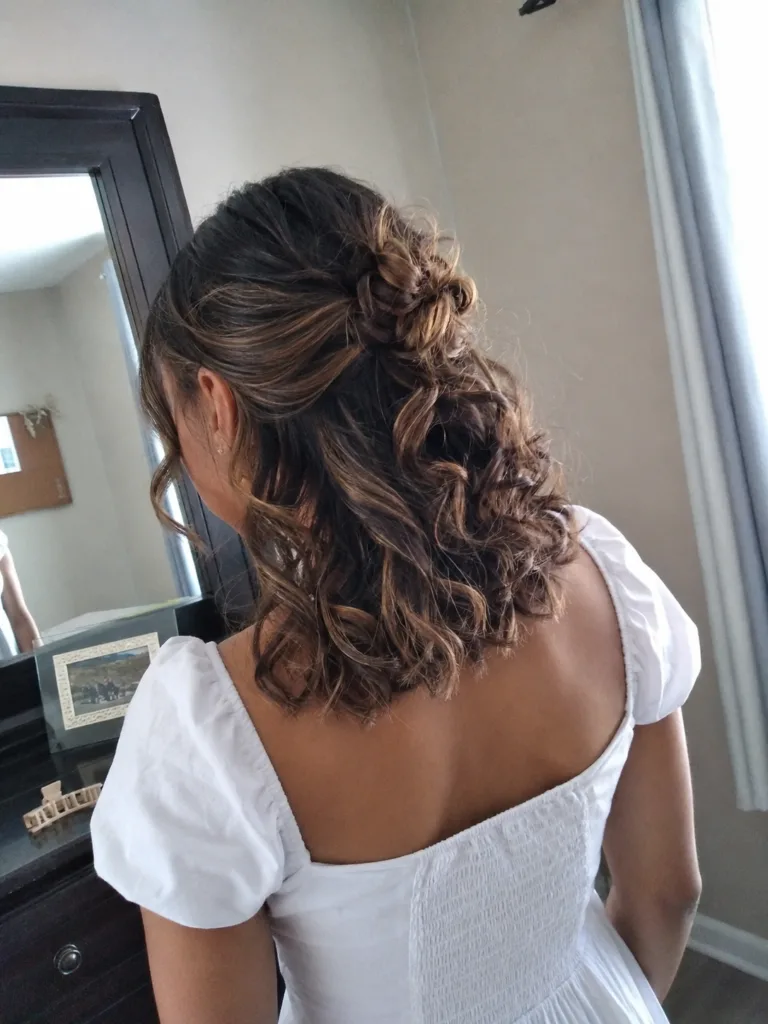
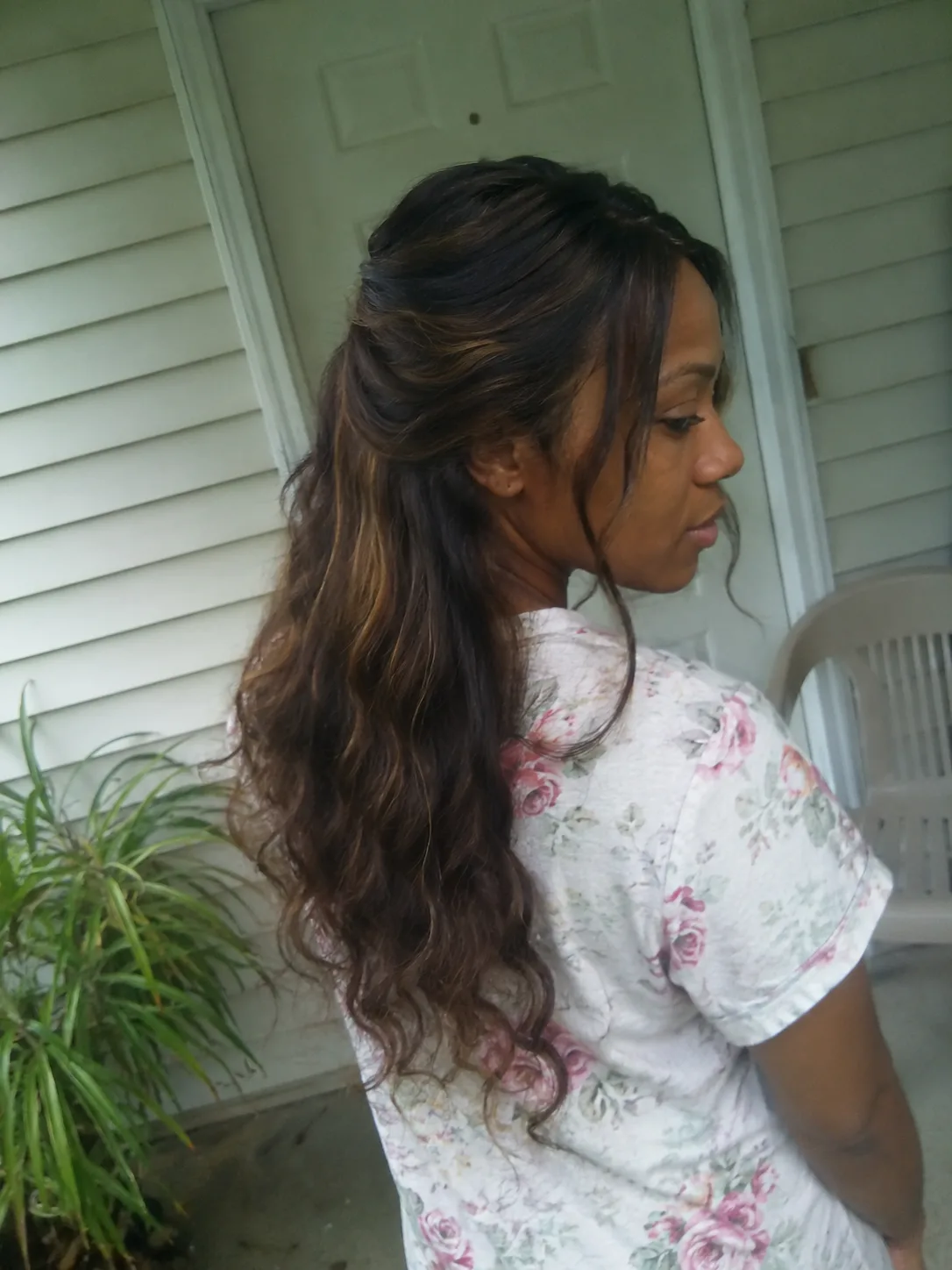
Half-Up, Half-Down Hair
A half-up style solves a different problem from a full summer updo. It clears hair from the cheeks, temples, and front of the shoulders while keeping most of the length visible.
That makes it useful for people who dislike the look of all their hair pulled back but still want some control in wind or humidity.
Curly and coily hair can keep full texture through the lower section. Straight and wavy hair can use a ponytail, small bun, or twist at the crown.
The hidden variable is placement. A very large top section can feel like a full ponytail sitting on the crown while still leaving plenty of hair on the neck. Taking less hair into the upper section usually preserves the relaxed feel that makes this style appealing in the first place.
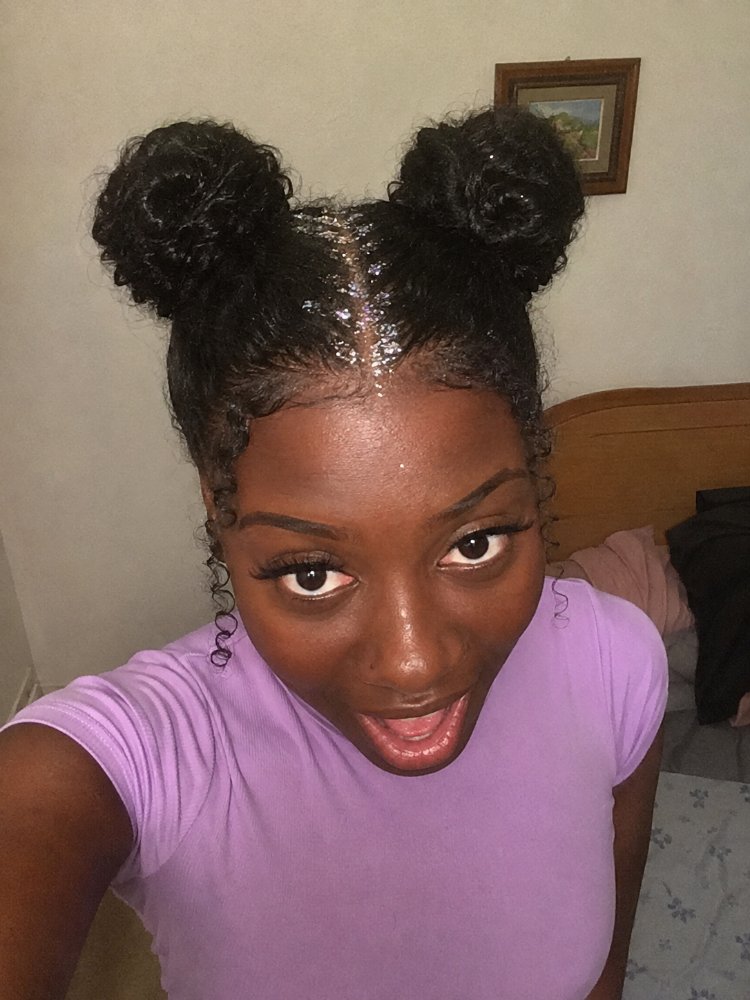
Space Buns
Two buns divide the hair into separate anchors, creating a playful summer shape while lifting the length completely away from the shoulders. They work particularly well for festivals, casual weekends, and active days where a single long tail would get in the way.
The placement can be high or closer to the back of the head, but the defining feature is the split construction rather than a tiny height change.
Pinned Loc Updo
Locs can be folded, rolled, or pinned upward to clear the neck without requiring them to be retwisted into a new base. This is particularly useful for longer locs that feel warm against the back.
Mature or long locs can carry substantial weight, so a compact crown piled very high isn’t always the easiest configuration. Spreading the arrangement across a wider area can feel more balanced.
Large pins or appropriate securing tools need to hold the shape without digging into the scalp. The style should remain comfortable while you turn your head, sit back, and move normally.
Bantu Knots
Bantu knots create a sculptural summer style with the hair fully sectioned and off the neck. They work with natural, stretched, and other compatible textured styling states and can be arranged across the whole head without relying on one central anchor.
Section size controls much of the look. Larger knots create a bolder pattern with fewer sections; smaller knots give more detail and require more handling during both styling and takedown.
What Summer Hairstyle Photos Don’t Show
Reference photos capture the hairstyle at one moment. Summer wear adds movement, sweat, humidity, water, clothing, and travel.
Swimming deserves particular attention. Hair and added hair both behave differently when saturated, and dense roots may stay damp after the outer lengths seem dry. A summer style that regularly gets wet should give you realistic access for cleansing and drying.
Travel creates different friction points. High buns can hit airplane or car headrests. Extra-long braids can become trapped behind your back or under straps. A collar-length bob may turn outward after hours of contact with clothing.
Humidity is often easier to manage through style selection than through constant correction. Curly cuts, puffs, twists, braids, and textured updos already expect some surface movement. A very smooth style asks you to care more about every change in the finish.
How to Choose Before You Cut, Braid, or Style
Start with the state in which you actually plan to wear your hair. Natural, shrunken curls behave differently from stretched hair. A pressed bob gives you a different routine from the same haircut worn curly. Braided, twisted, relaxed, loc’d, and extension styles each bring their own construction and maintenance needs.
Then look at the physical routine of your summer.
Someone swimming frequently needs to think about wet weight, scalp access, and drying. Someone commuting in strong heat may care more about clearing the neck. Frequent formal events could make a low bun or versatile short cut more useful than a casual style that requires rebuilding every time.
Density and strand size also change the outcome. A haircut can redistribute weight and create a stronger-looking perimeter, but it can’t create actual density. Heavy internal removal may expose more space where density is already low.
For installed styles, comfort should be apparent from the beginning. Braids, twists, crochet styles, wigs, weaves, and extensions are most useful when tension, weight, friction, scalp access, drying, and removal all fit the person wearing them. Pain isn’t evidence that a style will last well.
Bring reference images to a haircut or installation appointment, but use them to discuss shape and construction rather than requesting an exact copy. Ask where the perimeter will fall in your normal styling state, how much shrinkage changes the visible length, where added weight will sit, and how easily you’ll be able to reach the scalp.
Summer Maintenance That Protects the Style and Your Routine
Summer maintenance should respond to what your hair is actually doing.
Sweat, swimming, increased activity, and product buildup may change how often cleansing feels necessary. There isn’t one wash interval that suits every scalp or hairstyle. Prioritize cleanliness, scalp comfort, complete drying, and a routine that doesn’t require excessive manipulation.
Smooth nighttime materials such as a bonnet, scarf, or low-friction pillowcase can reduce tangling and surface friction. They won’t correct an uncomfortable installation or repair damaged hair, so treat them as maintenance tools rather than fixes.
Loose styles may need refreshing after humidity changes the surface. Focus first on restoring the important parts of the hairstyle—the parting, curl grouping, perimeter, or anchor—rather than automatically restyling the whole head.
With braids, twists, locs, wigs, or extensions, pay attention to areas where weight or attachment methods repeatedly rub. Persistent pain, redness, sores, irritation, sudden shedding, or a concerning change in density deserves more attention than another round of edge smoothing. Loosen or remove the source of obvious tension when appropriate, and seek assessment from a dermatologist or another qualified healthcare professional for persistent or concerning symptoms.
Related Hairstyles to Explore
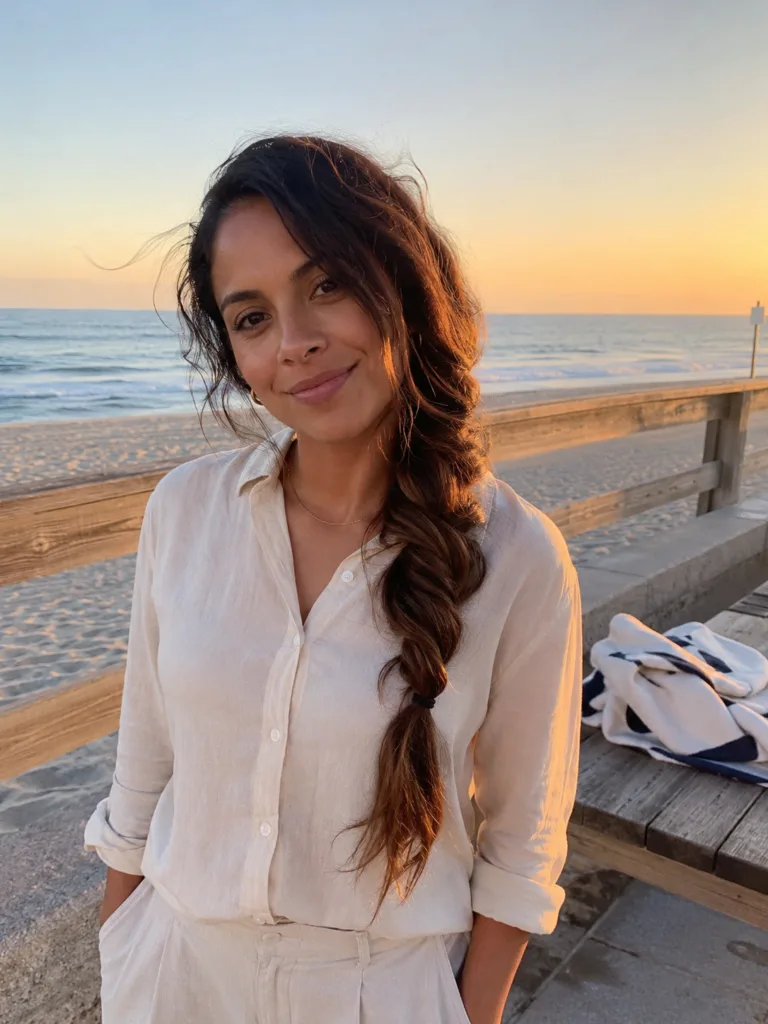
- Summer braids hair styles
- Easy prom hairstyles to do yourself
- Hairstyles for school
- Back to school hairstyles
FAQs
What is the easiest hairstyle for very hot summer weather?
A bun, twist, or updo that keeps the hair completely off the neck is usually the simplest starting point. A low bun spreads the hair differently from a very high topknot and is often easier with long or dense hair. Short cuts are another strong option when you’re already interested in a length change rather than looking for a temporary seasonal style.
Which summer hairstyles work well for curly or coily hair?
Curly puffs, wash-and-go styles, curly bobs, finger coils, Bantu knots, flat-twist updos, mini twists, and shaped layered cuts can all work without requiring the natural pattern to be straightened. Shrinkage and the state in which the haircut was designed matter, so judge length and shape on the hair as you normally wear it.
Are braids a good choice for summer?
They can be very practical because they reduce daily loose-hair styling and provide plenty of updo options. Length, section size, added-hair weight, scalp access, and drying determine how convenient they feel. Extremely long, dense braids create more wet weight and more hair to reposition than a shorter or lighter installation.
What summer hairstyle is easiest for swimming?
A style with accessible roots and manageable wet weight tends to be easier than a dense, extra-long installation. Short cuts, moderate-length braids, mini twists, and some natural styles can all work depending on your routine. The important part is being able to cleanse and dry the scalp and hair thoroughly afterward.
How can I keep my hairstyle from getting ruined by humidity?
Choose a style whose shape can tolerate some expansion. Curly cuts, textured updos, braids, twists, puffs, and finger coils generally rely less on a perfectly smooth surface. With straighter styles, keeping the construction simple can make small humidity changes less noticeable and easier to refresh.
Should I cut my hair shorter just for summer?
Only if you also like what the shorter haircut requires after summer ends. A bob or pixie can make heat easier to manage, but cutting changes your longer-term shape and grow-out, while a bun, braid, twist, or ponytail gives you temporary relief without removing length. A seasonal haircut makes the most sense when you already want the shorter silhouette.
Hair Texture & Upkeep Style Matcher
Select your natural hair texture and daily maintenance window to get an instant styling formula and heat safety cap.
Heat Cap: 320°F (160°C)
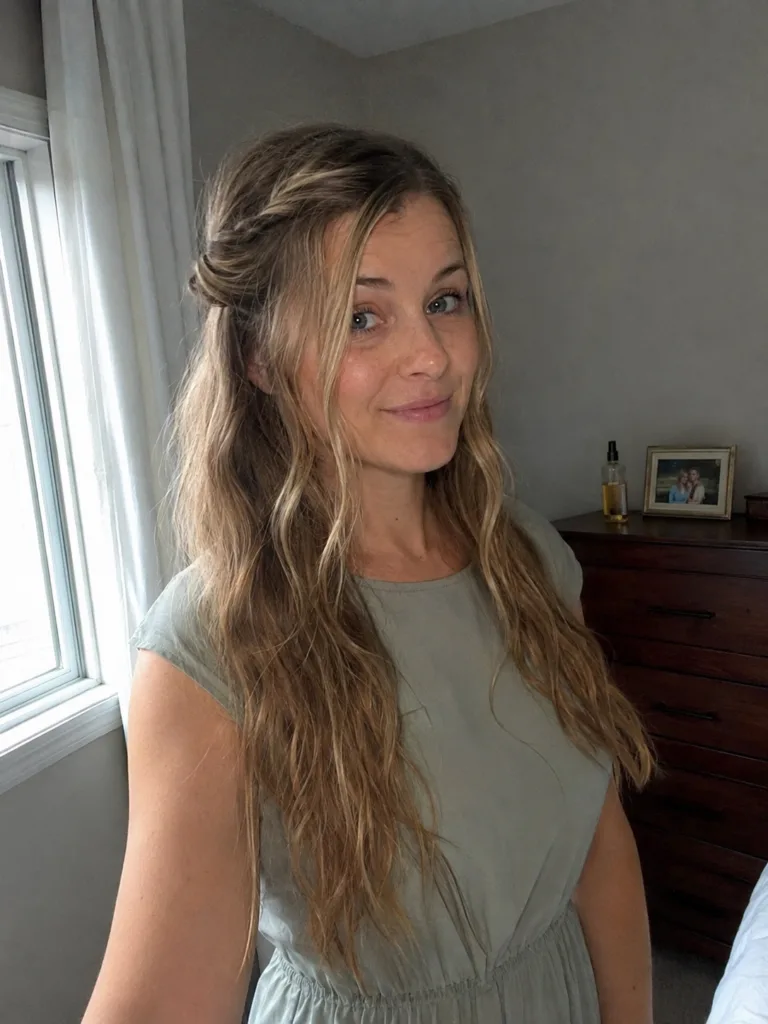
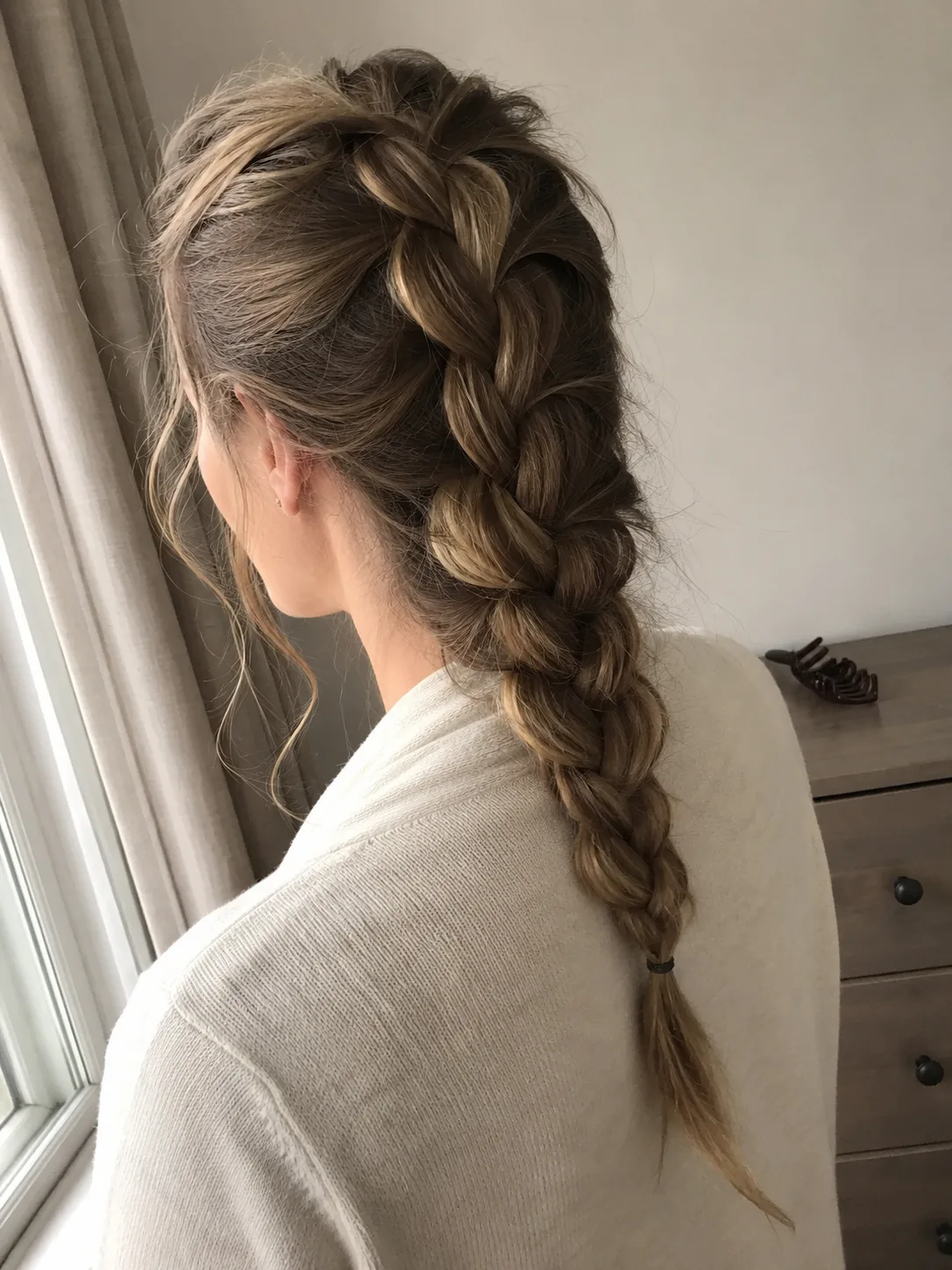
A versatile three-strand braid beginning at the parietal ridge, securing the top half while allowing natural wave texture to flow freely around the shoulders.
Conclusion
The strongest summer hairstyle is the one that removes the problem you notice most. A low bun or twist makes sense when heat at the neck is the issue. Curly bobs, shags, puffs, and wash-and-go shapes are more useful when you want humidity to become part of the style rather than something you constantly fight. Braids and twists can reduce daily styling, provided their weight, scalp access, and drying fit your routine.
Choose the construction first, then the photograph. Summer will quickly reveal whether a hairstyle works only while standing in front of a mirror or still makes sense after heat, movement, swimming, travel, and an ordinary long day.
Editorial Standards & Hair Health Guidance
Every style featured on Tress Atlas is curated with a focus on real-world wearability, scalp tension management, and cuticle preservation. When trying protective styles or tight updos, ensure perimeter hairline sections remain tension-free to avoid traction stress on delicate follicles. For heat styling, cap tools below 350°F (180°C) to prevent thermal keratin denaturation.
Scientific Sourcing: Practices aligned with the American Academy of Dermatology (AAD) on traction alopecia risk reduction and cosmetic trichology research on hair tensile strength.