Platinum Blonde Hair Color Ideas by Tone, Placement, and Upkeep: Complete Styling & Placement Guide
Platinum blonde looks like one destination in a photo, but the real choice is how much brightness, contrast, and maintenance you want around it. An opaque ice-white blonde behaves very differently from a shadow-root platinum, a pearl-toned bob, or a few high-impact face-framing pieces. Similar shades can hide very different regrowth, toning, and condition demands.
Your starting base matters just as much as the target. Natural depth, previous permanent color, old lightener, porosity, strand condition, and other chemical services all affect how far the hair can be lightened comfortably. Previously darkened, repeatedly lightened, relaxed, or otherwise processed hair may need a staged plan or a softer target. A strand test and an honest color history are more useful than assuming every platinum reference can be copied exactly.
Bright, Nearly Uniform Platinum
Icy All-Over Platinum
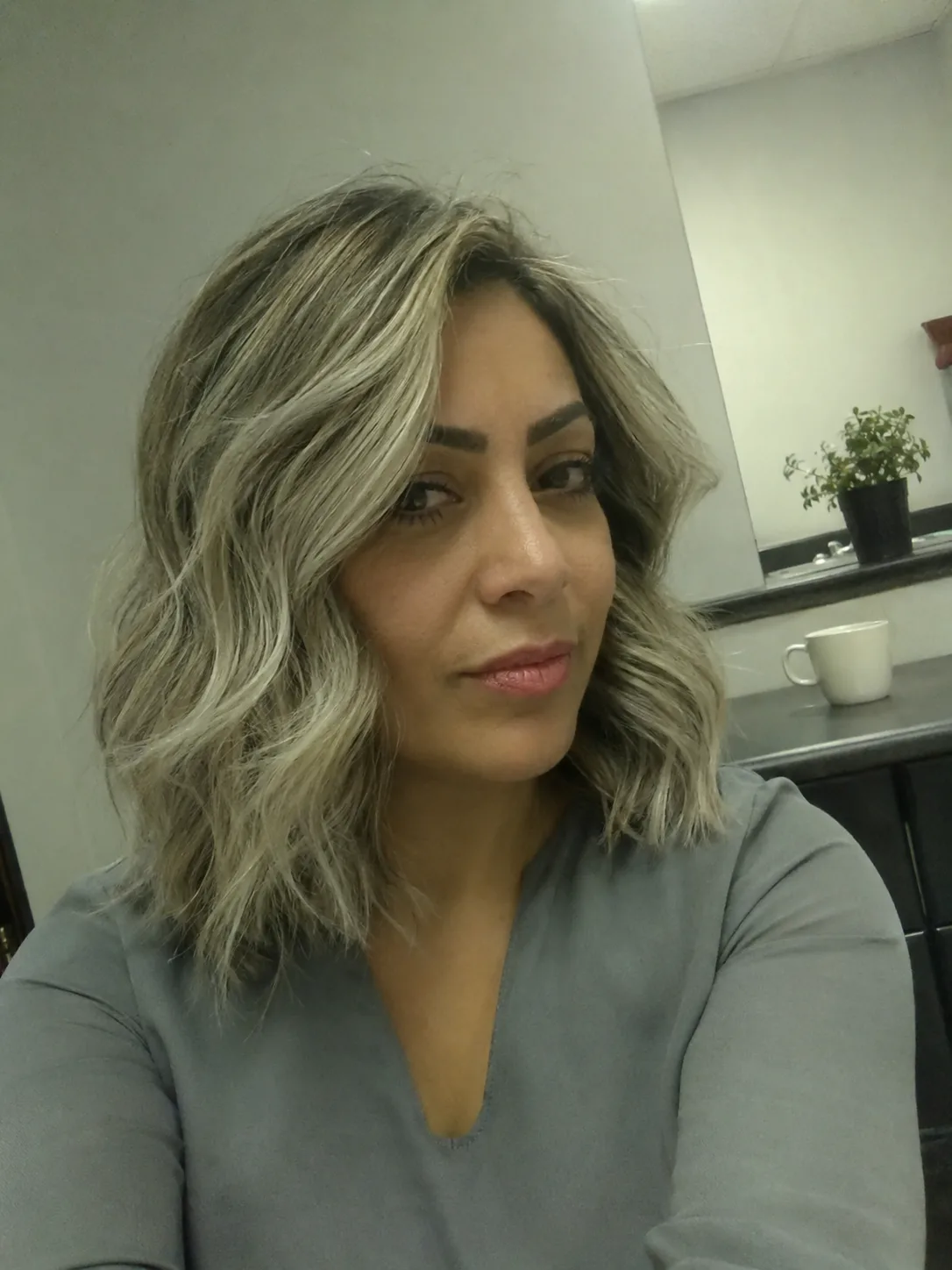
The strongest version of platinum is a nearly uniform, very pale blonde from root area through the ends. It gives short cuts, long hair, and sleek finishes graphic brightness because there is little darker color breaking up the surface. On naturally darker hair, that clarity can require significant lightening, so condition has to outrank the urge to match a photograph exactly.
Cool, icy toning also exposes warmth quickly. As toner fades, pale yellow or warmer areas become easier to see against an otherwise white-blonde canvas. That makes this shade more salon-dependent than a dimensional blonde that can visually absorb small tone changes.
The cleanest result needs even lift and enough strength left in the hair to hold the finish. Transparent ends, heavy breakage, or highly porous sections can make all-over platinum look uneven even when the tone is attractive. A slightly deeper platinum is often the better choice when preserving the perimeter matters more than reaching the palest possible level.
Pearl Platinum
Pearl platinum softens the frosty edge of classic icy blonde with a creamy, reflective finish. It still reads very light, but the tone is less stark and can look more forgiving beside natural warmth in the skin. This is a strong option when you want platinum brightness without pushing every section toward a paper-white effect.
Beige Platinum
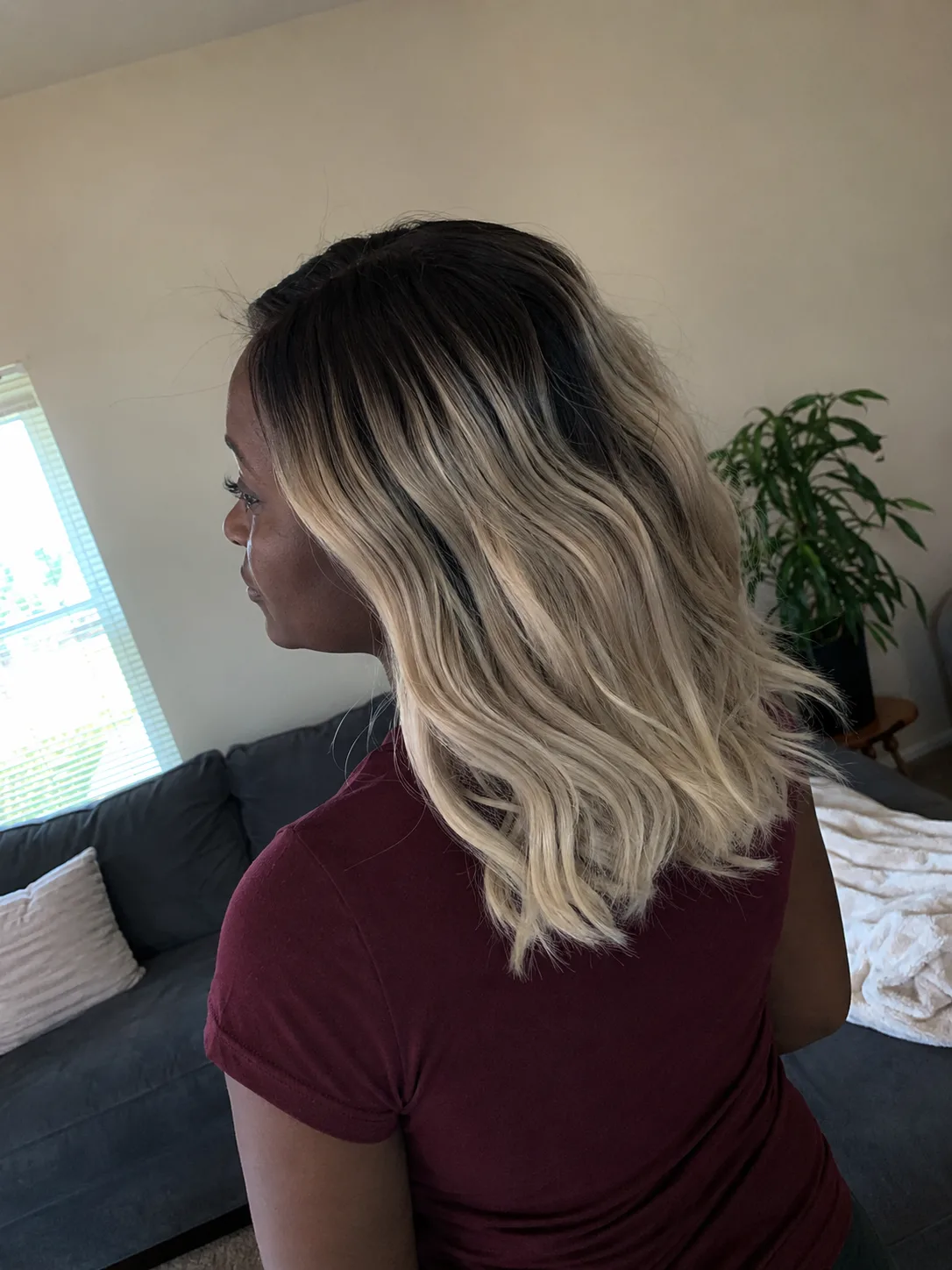
Beige platinum suits readers who like very light blonde but don’t want the color to look blue, silver, or aggressively cool. Its muted warmth gives the shade a softer feel in movement.
It is also more forgiving of slight tonal drift than hard icy platinum because a little warmth doesn’t immediately fight the intended finish. The target still requires careful lightening, especially on dark or previously colored hair, but it leaves more room between pale blonde and pure white.
Silver Platinum
Silver platinum pushes the cool direction further with a visible gray-silver cast over a pale blonde base. It works especially well on blunt shapes and smooth surfaces where the metallic tone can read clearly. Once the cool deposit fades, though, the contrast between silver lengths and newly exposed warmth can become noticeable fast.
Rooted Platinum for Softer Grow-Out
Soft Shadow-Root Platinum
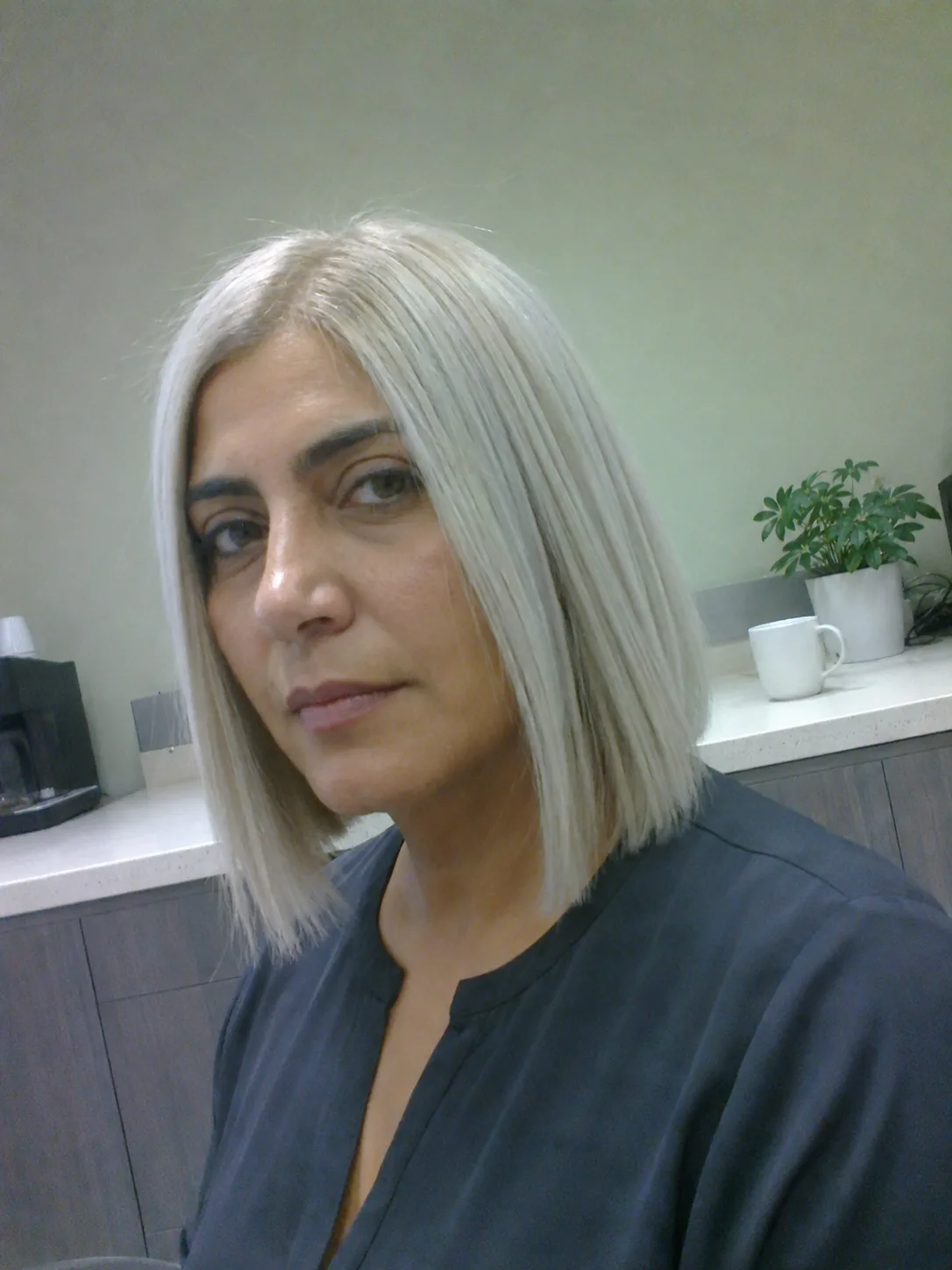
A narrow, diffused root shadow makes platinum easier to live with when you dislike a hard line of regrowth. The root stays slightly deeper, then melts into pale blonde through the mids and ends. Because the contrast is subtle, the overall impression is still very blonde.
This is a practical default for someone who wants a platinum look but doesn’t need the scalp area to be the palest point. It preserves intentional depth at the top while concentrating the brightest work through the visible lengths.
High-Contrast Dark-Root Platinum
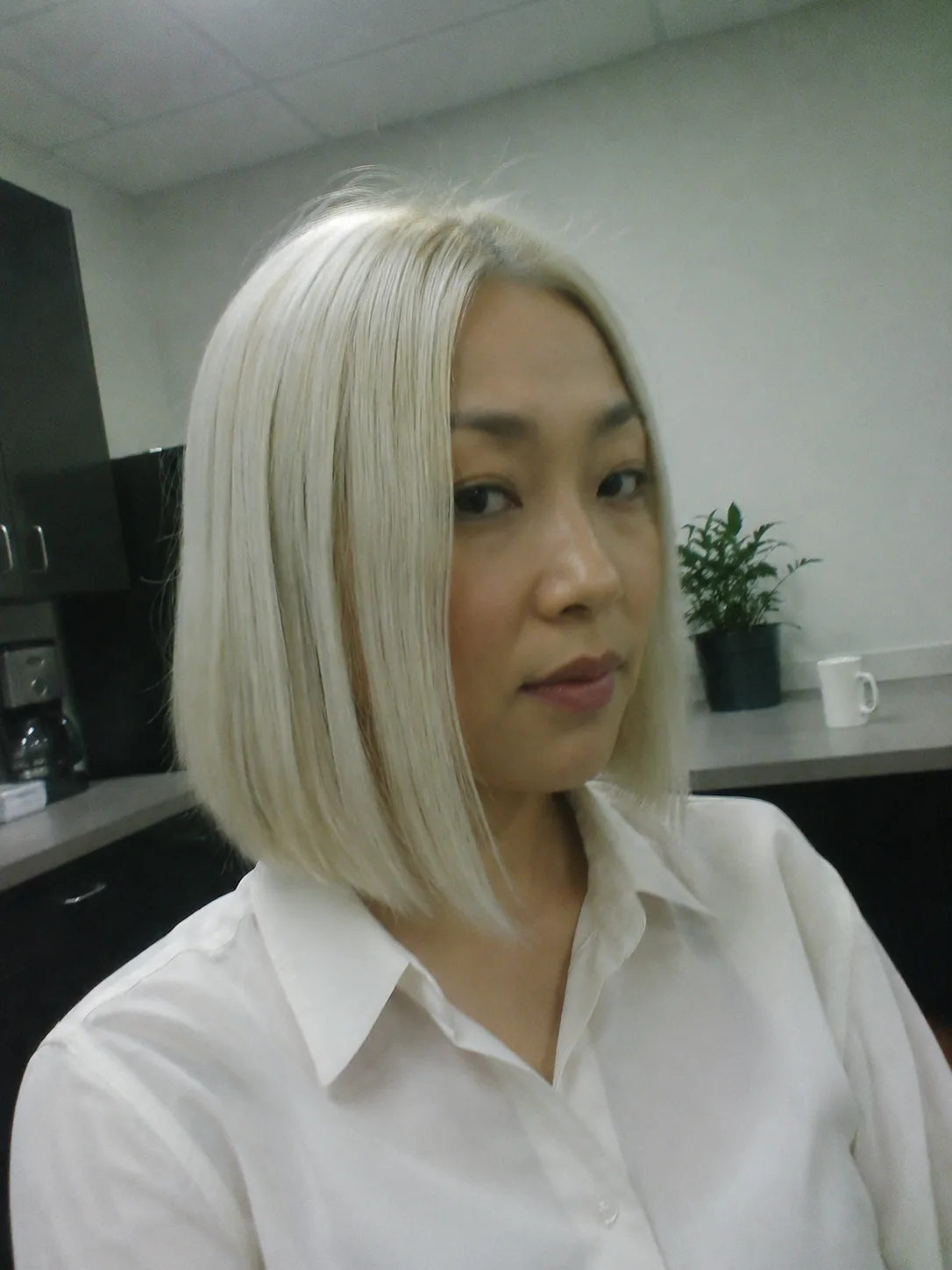
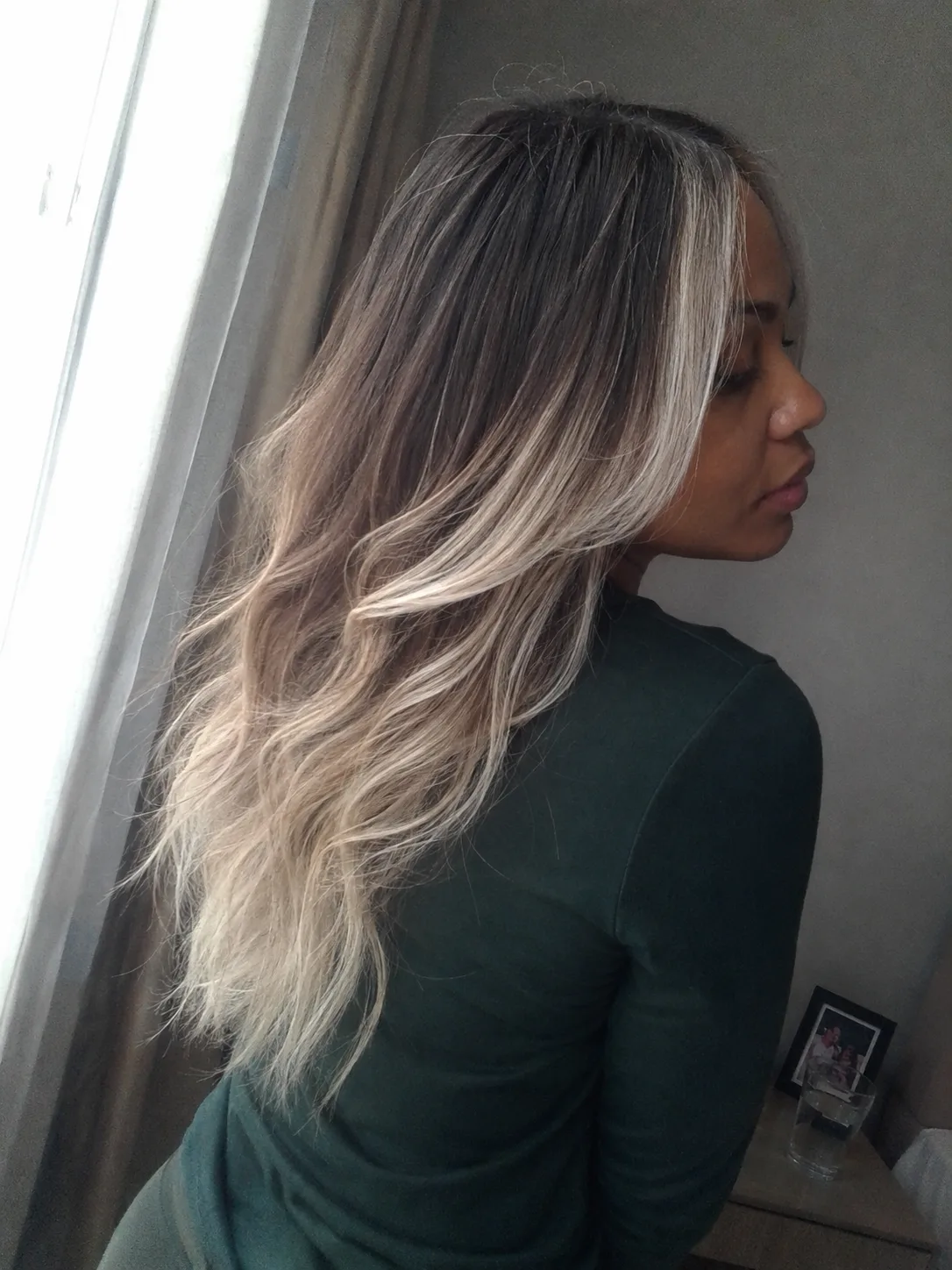
Dark roots paired with very pale lengths create a deliberate two-tone effect instead of trying to disguise regrowth. The contrast can make platinum look even brighter because the eye has a darker reference point next to it. It suits shags, waves, and textured finishes especially well because movement breaks up the transition.
The darker area needs a clear design. A hard band that begins too low can make the blonde look disconnected, while a diffused transition keeps the contrast graphic without looking accidental.
This is stronger than a soft shadow root when you genuinely like visible depth. It is a poor match for someone who wants a seamless, one-color blonde from scalp to ends.
Platinum Balayage
Balayage gives platinum a more selective footprint. Bright pieces create light through the surface and ends while deeper color remains between them. The result can look highly blonde in photographs while still preserving dimension in the interior.
Grow-out is usually softer than with uniform platinum because the lightness doesn’t begin as one solid line across the head. The selected pieces may still need substantial lightening on a dark base, so the placement itself doesn’t remove the need to assess condition.
Platinum Ombré
Platinum ombré keeps the root and upper lengths noticeably deeper, then builds toward pale blonde through the lower half and ends. It is one of the clearest ways to wear platinum without committing the entire head to it. A gradual transition matters; a sudden horizontal band can make the color feel unfinished.
High-Impact Placement Instead of Full-Head Lightening
Platinum Face Frame
A pale face frame concentrates the brightest blonde around the hairline and front sections. It can change the look of the entire hairstyle even when most of the hair remains darker, making it useful for someone who wants a visible platinum effect without turning every strand into a high-maintenance project.
The front hairline deserves careful handling because those strands may be finer, shorter, or more fragile than the interior. A narrow frame reads crisp, while a broader section becomes almost a two-tone front panel.
Platinum Babylights

Babylights create a pale result through many fine highlights instead of one solid bleach-out. On a naturally lighter base, they can push the overall impression toward platinum while preserving tiny threads of depth.
The visual effect is delicate, but the placement is detailed. This is less suited to someone who wants chunky separation; the point is a fine, diffused blonde surface.
As the color grows, the individual pieces break up the root line more softly than a single-process-looking blonde. Platinum babylights are worth the extra placement work when you want brightness with less obvious demarcation.
Chunky Platinum Ribbons
Chunky platinum ribbons are the opposite of babylights. Wider pale pieces sit against a darker or warmer base, so the placement remains visible even from a distance. They work particularly well on waves, curls, layered hair, and shags where the pieces separate as the hair moves. Choose this over all-over platinum when you want the haircut and color to share attention.
Platinum With Lowlights

Adding lowlights to a platinum base restores depth between pale sections and keeps the hair from reading as one flat block of blonde. The deeper pieces can stay close to the platinum or become more obvious for stronger contrast.
This approach is useful when existing platinum feels too stark. Carefully placed depth can create shape through the mids and interior without chasing even more lightness. The visible result stays blonde, but the eye has darker anchors that make the palest sections stand out.
Peekaboo Platinum Panels
Peekaboo platinum places pale blonde underneath, behind the ears, or through selected interior panels so the color appears and disappears with movement. It is an underrated option for dark hair because the contrast can be dramatic without requiring a full-head transformation. Ponytails, half-up styles, and tucked hair reveal more of the platinum.
Platinum Tips

Platinum tips keep the lightest blonde at the ends, creating a dipped or gradient finish depending on how softly the transition is blended. On short hair, the contrast can look graphic; on longer hair, it creates a bright lower edge through the perimeter.
End condition matters here. The oldest parts of the hair often carry the most history from heat, weathering, previous color, and mechanical wear. Weak or see-through ends may look less substantial after aggressive lightening, so a softer target or a higher transition point can protect the shape better.
Platinum That Works With the Haircut or Texture
Platinum Pixie or Cropped Cut
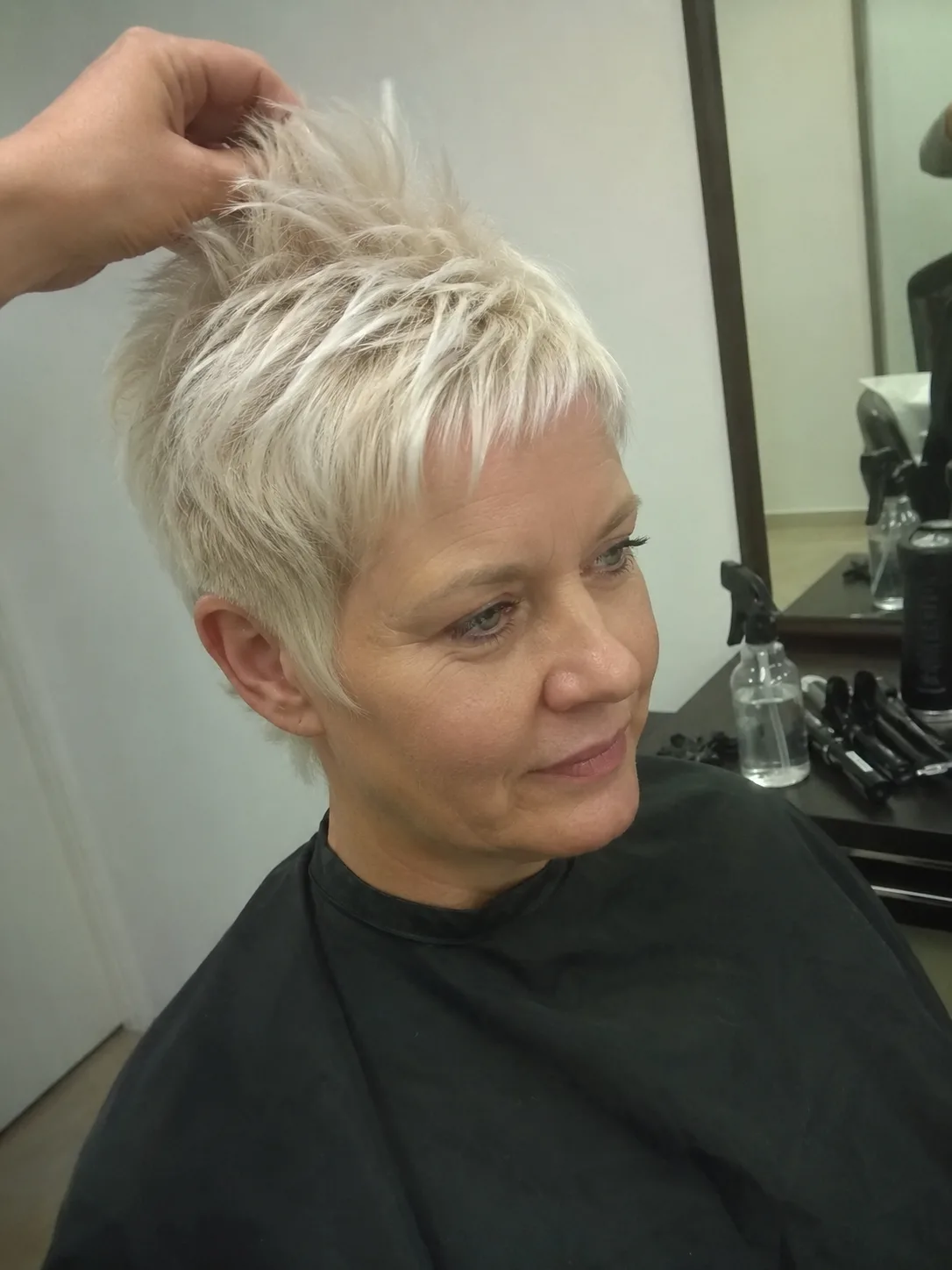
Short hair makes platinum feel immediate because there is less length separating the color from the shape. A pale pixie can emphasize the crown, fringe, taper, or carved perimeter in a way darker shades may not. It is one of the strongest choices when you want the haircut itself to look graphic.
The maintenance tradeoff shifts too. Short hair can remove older lightened ends through reshaping, but root contrast becomes obvious against a very pale crop as it grows. A shadow root softens that effect; all-over platinum makes the regrowth part of the look sooner.
Texture changes the finish. A smooth pixie shows tonal uniformity clearly, while curls and coils scatter light and create natural shadow between bends. Evaluate the color in the state you actually wear most often.
Platinum Blunt Bob
A blunt bob gives platinum a strong lower edge, which can make the color look more substantial when the ends are healthy. The pairing is especially effective when the perimeter is the main feature of the cut. Pale color makes transparency easier to notice, so preserving a solid bottom line usually matters more than adding heavy interior removal.
Platinum on Curly or Coily Hair
Platinum can look striking on curly and coily hair because every bend creates highlight and shadow, so the shade rarely reads as one flat surface. Shrinkage also changes where the brightest sections appear; color that seems evenly distributed while stretched may cluster differently once the hair returns to its usual pattern.
The planning question is condition and chemical history, not curl pattern alone. Highly lightened curls or coils may behave differently after processing, and previously relaxed, permanently colored, or repeatedly lightened hair may need a more conservative target. Judge the finished color in the styling state you normally wear.
Platinum Gray Blend
Existing gray can become part of a platinum plan instead of being covered first. Pale highlights or broader light pieces can connect naturally silver strands with lighter blonde areas, reducing the visual gap between pigmented and unpigmented hair.
This works best as customized placement because gray distribution varies widely. Concentrated silver at the temples calls for a different map than scattered gray through the crown. Gray describes pigment loss, not texture, so strand size, density, porosity, and condition still need separate consideration.
What Platinum Photos Usually Don’t Show
The palest blonde in a reference image may have been photographed immediately after toning, under cool lighting, or with the hair styled in a way that hides uneven porosity. Real-life platinum changes between appointments. Cool tones soften, warmer undertones may become more visible, and new growth creates contrast at the scalp.
Texture changes what you see too. Straight, smooth hair exposes bands and tonal differences quickly. Waves, curls, and coils create shadow that can make the same placement look deeper and more dimensional. A photo taken on pressed hair may not predict how the color distributes visually once natural shrinkage returns.
Condition is the least photogenic part of the decision. Hair can look bright in one still image while the ends feel rough, the curl pattern behaves differently, or the perimeter looks more transparent in motion. The stronger platinum plan protects the shape and feel of the hair instead of chasing the palest screenshot.
Choosing the Right Platinum for Your Starting Point
Natural light blonde hair has a shorter distance to travel toward platinum than dark brown or black hair, but starting depth is only one variable. Artificial pigment can be more stubborn than natural pigment, and previously lightened areas may be more fragile than untouched roots. Two people with the same visible starting color can need very different plans because their chemical histories differ.
At the consultation, mention permanent color, box dye, old highlights, bleach, relaxers, smoothing services, and any sections that have been breaking or feeling unusually rough. A strand test can help show how a selected area responds before a larger service is attempted.
Protecting usable condition matters more than reaching the palest possible blonde. A believable platinum has to work with the strength, porosity, and haircut underneath it.
Maintenance: Tone, Regrowth, and Daily Handling
Cool platinum shows tonal change more readily than warmer blonde. As the cool deposit fades, yellow or warmer notes may become more obvious. Toning products can help when the issue is unwanted warmth, but they should match the tone you’re trying to neutralize. More lightener is not the answer to every color shift.
Regrowth is a separate design choice. All-over platinum creates the clearest contrast at the scalp, while shadow roots, babylights, balayage, and ombré soften that line. Decide how much root depth you can tolerate before the appointment.
Daily care should follow how the hair feels now, not a rigid schedule. Highly lightened hair may need gentler detangling, less friction, and more conservative heat use. A smooth pillowcase or bonnet can reduce rubbing and tangling, while conditioning and styling products should suit the hair’s actual porosity, texture, and weight needs.
What to Ask for at a Platinum Consultation
Bring reference photos that show both the color you like and the root treatment you want. A close-up of the front hairline can reveal whether the blonde is solid, highlighted, shadow-rooted, or blended more clearly than a filtered full-length image.
Be ready to discuss:
Your natural starting depth and current color
Permanent or semi-permanent color history
Previous lightener or highlights
Relaxers, smoothing services, or other chemical processing
Areas with breakage, roughness, or transparent ends
Whether you usually wear the hair straight, curly, coily, stretched, or pressed
How much root contrast you are comfortable seeing
Whether brightness or easier grow-out matters more
The right plan might be all-over platinum, a rooted version, a partial placement, or simply a lighter blonde that protects more of the hair’s strength.
Related Hairstyles to Explore
FAQs
Can dark hair become platinum blonde?
It can, but the path depends on natural depth, artificial pigment, condition, porosity, and chemical history. Very dark or permanently colored hair may need a staged approach, and the safest stopping point may be deeper than the palest reference photo.
Is platinum blonde a good choice for curly or coily hair?
Yes, provided the color plan respects condition and chemical history. Curls and coils can show platinum beautifully because the bends create natural dimension, but significant lightening may change how some hair feels or behaves. Evaluate the final color in the styling state you actually wear.
Which platinum idea is easiest to grow out?
Shadow roots, balayage, babylights, ombré, and selected face-framing placements usually create a softer visual transition than uniform platinum from the scalp. The easiest option depends on how much contrast you like and how much natural color you want to keep.
Can platinum blonde help blend gray hair?
Platinum highlights or broader pale sections can visually connect existing gray with blonde, especially when the goal is integration instead of full coverage. Placement should follow your individual gray pattern because gray may be concentrated at the temples, crown, or scattered throughout the head.
Hair Texture & Upkeep Style Matcher
Select your natural hair texture and daily maintenance window to get an instant styling formula and heat safety cap.
Heat Cap: 320°F (160°C)
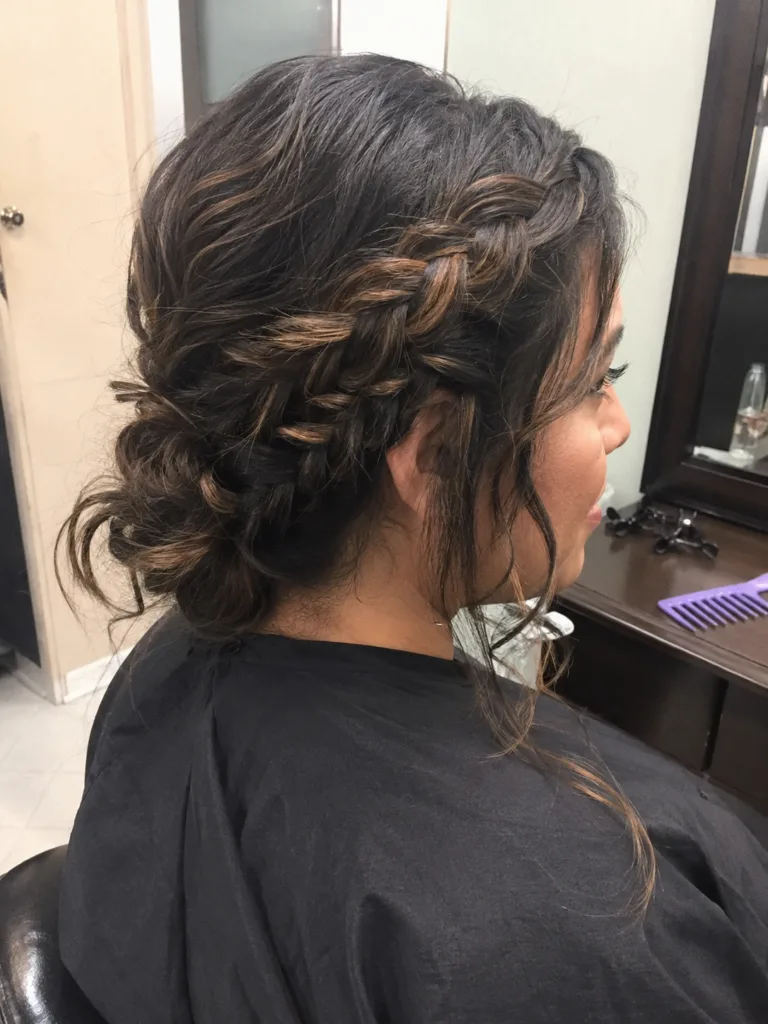
A versatile three-strand braid beginning at the parietal ridge, securing the top half while allowing natural wave texture to flow freely around the shoulders.
Conclusion
The most useful platinum choice is the one that matches both your visual goal and your starting hair. Choose uniform icy blonde for maximum impact, rooted or dimensional platinum for a softer grow-out, and targeted placements when you want brightness without committing the entire head.
Before a salon visit, decide three things: how pale you want the blonde to read, how much natural depth you want to keep, and which part of the hair you most want to protect. Those answers will narrow the reference photos quickly and make the consultation more useful.
Editorial Standards & Hair Health Guidance
Every style featured on Tress Atlas is curated with a focus on real-world wearability, scalp tension management, and cuticle preservation. When trying protective styles or tight updos, ensure perimeter hairline sections remain tension-free to avoid traction stress on delicate follicles. For heat styling, cap tools below 350°F (180°C) to prevent thermal keratin denaturation.
Scientific Sourcing: Practices aligned with the American Academy of Dermatology (AAD) on traction alopecia risk reduction and cosmetic trichology research on hair tensile strength.