Bob Hairstyles for Women Over 60: Styling Guide & Cuts That Balance Shape, Texture, and Upkeep
A bob can make hair feel more deliberate without committing you to an extremely short cut, but the word bob covers very different shapes. A blunt chin-length cut concentrates weight at the perimeter. A stacked bob removes length at the nape and builds volume higher up. A curly bob has to account for shrinkage and curl grouping. Those differences matter far more than age alone.
For women over 60, the useful decision is usually where you want the visual weight to sit and how much styling you want between salon visits. Fine strands, low density, thinning, and breakage also need to be treated as separate concerns. A strong perimeter can make healthy ends look more substantial, but a haircut can’t create actual density.
Gray hair adds another consideration. Gray describes pigment loss, not a particular texture. Silver or white strands may be fine, coarse, straight, wavy, curly, or mixed with pigmented hair, so the cut should follow how your hair actually behaves.
Use the ideas below as starting points for a salon conversation rather than choosing a bob only because the finished photograph looks flattering.
Bobs With a Strong, Clean Perimeter
Chin-Length Blunt Bob

A chin-length blunt bob keeps most of the visible weight along one strong lower edge. It works especially well when you want a cut that looks structured without relying on extensive layering for its identity. Fine strands can benefit visually from this kind of perimeter because the ends aren’t dispersed through several different lengths.
The tradeoff is precision. Once a blunt bob grows enough to sit differently against the jaw or neck, the outline changes quickly. Hair that naturally bends or waves may also need some styling if you want the edge to look perfectly even every day.
You don’t have to wear it glass-straight. A softly air-dried or diffused finish can make the same cut feel less formal while preserving the strong baseline.
Jaw-Length Box Bob
The box bob is a sharper choice for someone who likes noticeable geometry. It usually sits around the jaw with a compact, squared-off shape and relatively little visible tapering through the lower edge.
Compared with a softer blunt bob, this version draws more attention to the perimeter itself. That makes it a strong option when your ends are healthy and you enjoy a defined outline. It can be less forgiving when the hair expands substantially in humidity or develops bends around the ears, because those changes interrupt the boxy shape more visibly.
Glasses matter here too. Temple volume that sits exactly where the arms of your glasses rest can create an unwanted bump, so bring the frames you wear most often to the haircut appointment.
Collarbone Long Bob
A long bob, or lob, is the practical default for anyone intrigued by a bob but hesitant about losing too much length. Keeping the perimeter near the collarbone gives you more flexibility for clipping the hair back, changing the part, or creating a small ponytail than most jaw-length versions allow.
The hidden issue is clothing contact. Hair that lands exactly on a jacket collar, scarf, or shirt neckline can flip outward even when the cut was styled inward at the salon. Moving the perimeter slightly above or below the point where your most-worn collars sit can make everyday styling easier.
For someone growing out a shorter cut, the lob also gives shorter internal layers more room to blend into the overall shape.
A-Line Bob
An A-line bob is shorter toward the back and gradually becomes longer toward the front. The forward length creates direction around the face without requiring lots of interior layering.
This shape earns its place when you like a crisp bob but don’t want the front cut as short as the nape. The longer front sections can also soften the transition for someone coming from medium-length hair.
A dramatic angle demands more maintenance than a subtle one because the geometry becomes obvious as the back grows. A gentler A-line is easier to live with and usually provides enough movement to distinguish it from a one-length bob.
Shape Through the Back and Crown
Stacked Nape Bob
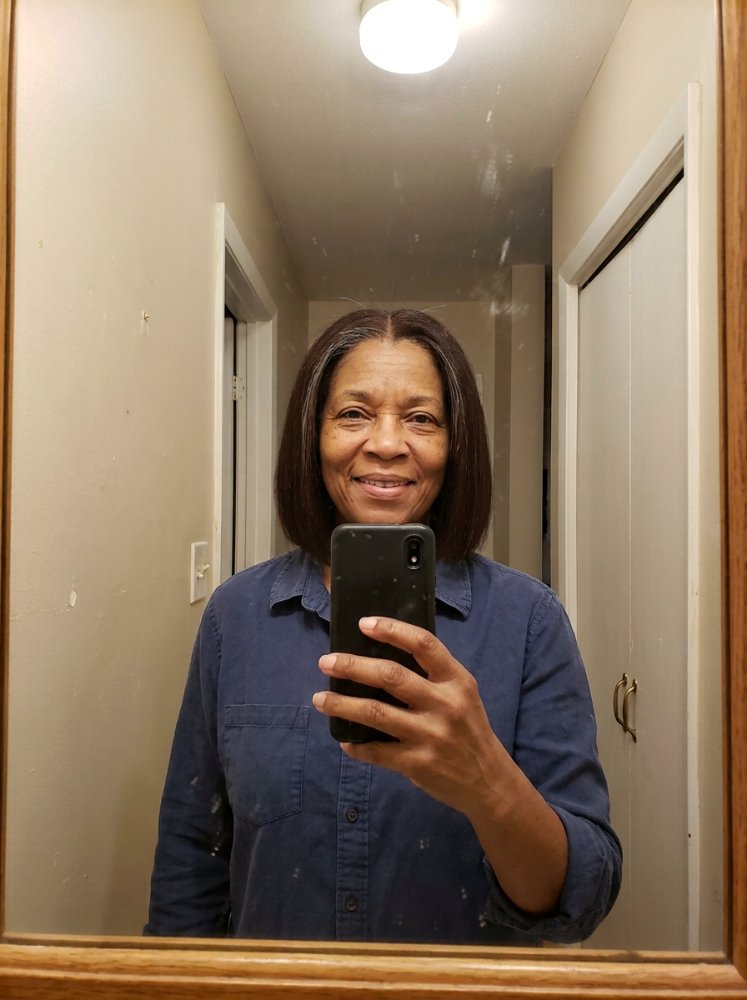
Want a bob that feels noticeably shorter at the back? A stacked version uses graduated lengths through the nape so the hair builds into a fuller curve above it.
The construction matters more than the styling. The nape is cut shorter while successive sections become longer as they travel upward, producing visible lift through the back of the head. On the right density, that can create a beautifully compact profile without needing exaggerated teasing.
Low-density hair deserves a conservative approach. Removing too much hair through the interior can expose more space rather than creating the impression of fullness. Ask for the amount of graduation to match the hair you actually have instead of copying an aggressively stacked reference photo.
Short nape sections also lose their outline relatively quickly as they grow.
Graduated Bob
A graduated bob offers a more continuous build of weight than a sharply stacked style. The back remains shorter, but the transition through the layers can be subtle enough that the haircut still reads as a classic bob.
This is one of the stronger choices for someone who wants lift without an obviously stacked profile. It also works well when you prefer some roundness at the back but still want enough length around the sides to tuck behind the ears.
The haircut is more salon-dependent than a long bob because the graduation controls where the shape sits. Once those short internal sections grow, the bob can begin to feel heavy lower down even before the overall length seems excessive.
Rounded Bob
A rounded bob is about curvature rather than a severe angle. The sides and back form a smooth, fuller outline, usually with enough internal shaping to prevent the cut from falling like a flat curtain.
Straight and softly wavy hair can create this profile naturally with a blow-dry or gentle bend through the ends. Curly hair can also form a rounded bob, although the shape should be planned around curl spring rather than forced into a straight-hair blueprint.
This option is especially useful when you like softness around the head and don’t want the lower edge to dominate the haircut.
Pixie-Bob

The pixie-bob sits between two categories: longer and fuller than a conventional pixie, yet shorter and more exposed through the neck than most traditional bobs. The ears may be partly visible, while the top and front retain enough length for movement.
It makes sense for someone who wants a significant change but still likes having hair to sweep, tuck, or shape around the face. Compared with a blunt bob, it feels lighter and removes more bulk from the lower half of the haircut.
The short sections make the shape less forgiving during grow-out. The outline can start looking different well before the top feels long, so choose it with salon reshaping in mind.
Bobs With Movement Instead of a Solid Edge
Soft Layered Bob
A soft layered bob keeps the familiar bob outline while introducing enough internal variation to stop the hair from moving as one solid block. The most successful versions preserve a visible perimeter instead of thinning every section equally.
This is a useful middle ground for straight or wavy hair that feels bulky when cut completely one length. Layers can release movement through the sides and allow natural bends to appear more clearly.
Fine strands and low density require different decisions. Fine hair can still be dense, while low-density hair has fewer strands overall. Heavy layering on low-density hair may leave the lower edge looking sparse, so perimeter strength becomes more important than creating maximum movement.
Shaggy Bob
The shaggy bob deliberately breaks up the smooth, rounded finish associated with a classic bob. Layers are more visible, the perimeter feels less rigid, and natural bends or curls are encouraged to separate rather than sit in one uniform line.
It’s the stronger choice for someone who enjoys movement and doesn’t want to style the hair into a precise shape every morning. Wavy textures can be especially compatible because the cut gives irregular bends somewhere to go.
There is more visual exposure of the ends, though. Hair with significant breakage or a very transparent lower perimeter may benefit from improving the baseline before adding aggressive shag layers.
A shaggy bob can also handle a little growth without looking immediately out of shape, which gives it an advantage over very geometric bobs.
Textured Choppy Bob
A choppy bob uses more obvious separation through selected areas instead of the blended flow of soft layering. The result is piecey and slightly irregular, with stronger changes in length visible around the surface.
This style is worth the extra styling effort when you like definition and movement more than a perfectly smooth outline. A small amount of setting foam, mousse, or another lightweight styling product can help emphasize separation without requiring every strand to sit in place.
Choppy cutting needs restraint on hair with a low-density perimeter. Too much removal can turn deliberate separation into see-through ends.
Bobs Built Around Natural Texture
Wavy Bob
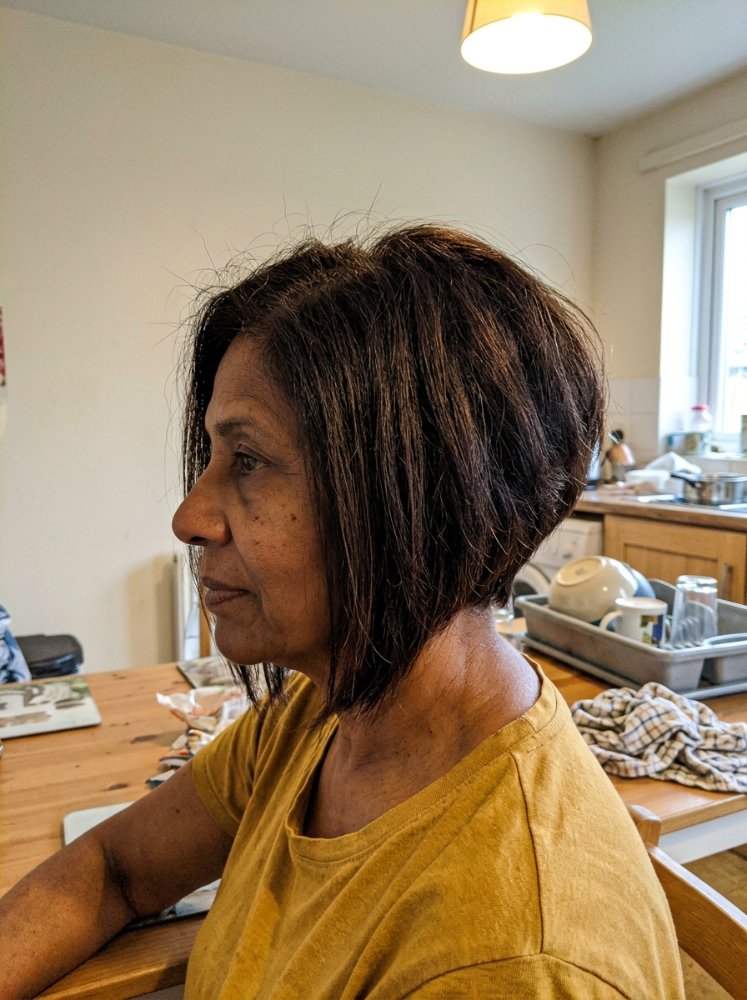
Natural waves can turn a straightforward bob into something far less rigid. The key decision is whether the haircut should work with the hair’s normal wave pattern or whether you’re prepared to restyle it frequently into a smoother state.
A wavy bob benefits from enough room for individual bends to form without bunching heavily at the perimeter. Some waves become stronger as hair gets shorter; others lose part of their pattern once weight is removed. Your usual drying method provides more useful information than a heavily styled reference photograph.
Collar interaction is worth checking on longer wavy bobs. A natural bend plus a coat collar can create a pronounced outward flip.
Curly Bob
A curly bob should be judged in the state you normally wear it. Curl grouping and shrinkage can make a cut that looks shoulder-length when stretched sit substantially higher once fully dry.
That makes the finished dry shape the central planning point. Some curly bobs work beautifully with a fuller lower edge; others need selective shaping so the sides don’t become wider than intended. Curl patterns can also vary across the same head, so an identical cutting length on every section doesn’t necessarily produce an even visual line.
A diffuser can support definition and controlled drying, but a curly bob doesn’t require a perfectly defined finish. Softer, expanded curls can create an equally strong rounded shape.
Sculpted Coily Bob
Coily hair can produce one of the most architectural bob silhouettes because shrinkage allows the shape to sit away from the head rather than falling straight downward.
A sculpted coily bob works best when the cut is planned around the hair’s everyday state: shrunken, stretched, twist-out, braid-out, or another consistent finish. Cutting exclusively for a stretched length and then judging the result fully shrunken can create very different proportions.
Density also changes the outcome. Dense coils may need strategic weight distribution so the shape doesn’t become excessively wide in one area, while lower-density hair may benefit from keeping more of the perimeter intact.
There is no requirement to straighten curly or coily fringe simply because the rest of the haircut resembles a classic bob.
Sleek Pressed Bob
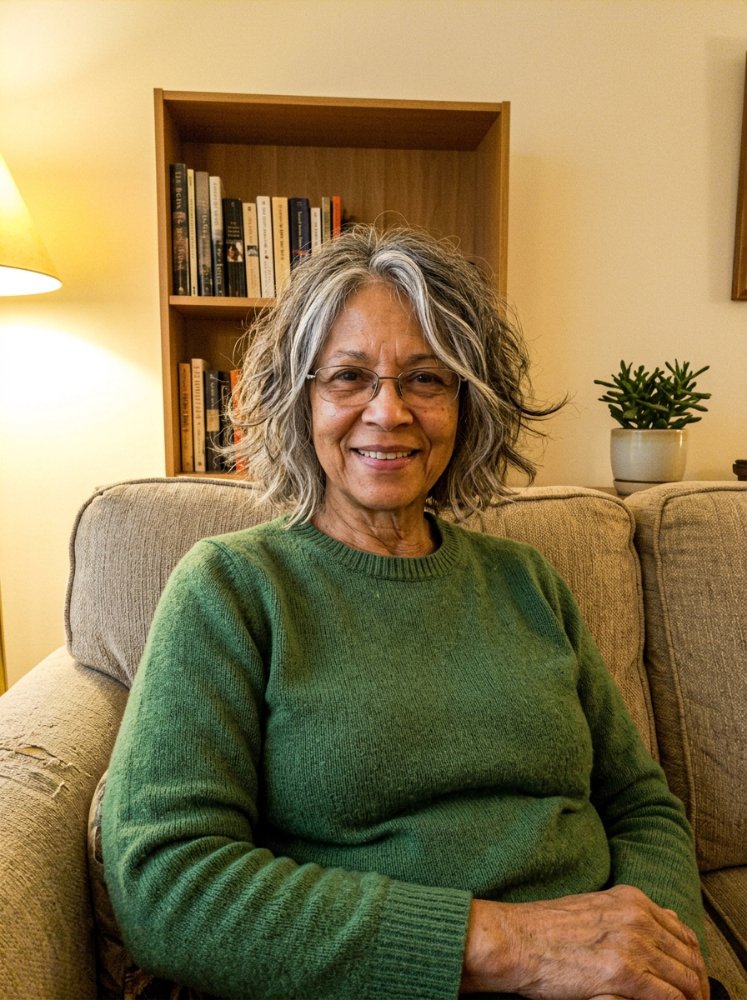
A sleek pressed bob creates a completely different visual result from a naturally curly or coily version of the same underlying length. The hair falls closer to the head, the perimeter becomes more visible, and small differences in cutting length are easier to see.
This option suits someone who already enjoys wearing the hair stretched or pressed and wants the haircut designed for that presentation. The salon conversation should still include what the hair looks like in its natural state, especially if you alternate between straight and textured styling.
Repeated heat isn’t a requirement for maintaining a bob. Tool choice, hair condition, technique, and how often you change styling states all affect the routine.
Short, Directional, and Face-Framing Bobs
Asymmetrical Bob
An asymmetrical bob uses a deliberate difference between the two sides, usually with one side sitting visibly longer. Unlike a simple side part, the haircut itself creates the imbalance.
That makes it one of the bolder choices here without requiring extreme color or a very short crop. The longer side can sweep across the cheek or extend toward the jaw, while the shorter side exposes more of the ear and neck.
Because the imbalance is intentional, an asymmetrical bob benefits from clear salon planning. Decide how obvious you want the difference to be and whether you still need enough length on both sides for tucking behind the ears.
Glasses, hearing devices, and preferred ear exposure are practical details worth discussing before the shorter side is cut.
Ear-Length Micro Bob
The micro bob moves the entire shape upward, usually placing the perimeter around or close to ear level. It exposes more of the neck and places greater emphasis on the cheek and jaw area than a chin-length bob.
This cut is less flexible than a longer bob because there isn’t much spare length to tie back or reposition. That’s part of the appeal for someone who wants a clean short haircut without moving all the way into pixie territory.
Hair with strong waves, curls, or cowlicks needs enough length for the natural movement to be assessed carefully. A slight change in shrinkage or bend is much more visible when the perimeter is this short.
French Bob With Soft Fringe
A French bob typically combines a shorter bob shape with fringe, creating a compact frame around the face. The fringe changes how the haircut distributes attention, so it deserves more thought than simply adding bangs to any bob.
Soft fringe can reduce the severity of a very short perimeter and add movement through the front. Straight fringe may need more deliberate styling, while wavy or curly fringe can follow its natural pattern. It doesn’t need to be forced smooth.
This is a poor match for someone who dislikes hair touching the forehead or wants maximum styling flexibility. The combination of a short perimeter and fringe creates two areas whose growth changes the look noticeably.
How to Choose the Right Bob After 60
Start with your normal hair rather than the salon finish you hope to achieve occasionally. A bob that works beautifully after a round-brush blow-dry can require considerably more effort when your everyday routine is air-drying. Curly and coily hair should be assessed in the state you wear most often, particularly when shrinkage changes the apparent length.
Next, look at density and the perimeter. Low-density hair usually benefits from thoughtful control of interior removal. Someone with dense hair may want more weight released so a chin-length bob doesn’t become overly triangular or bulky through the sides. Strand diameter is a separate factor: fine hair can still be very dense.
Decide how much of the haircut you want to depend on precision. Blunt, box, stacked, micro, and strongly asymmetrical bobs reveal growth quickly because their outlines are part of the design. Wavy, shaggy, softly layered, and longer bobs tolerate some change more gracefully.
Bring daily-life details into the consultation. Glasses can push out a bulky temple section. Hearing devices may make extra hair around the ears inconvenient. A high coat collar can flip a neck-length bob outward. None of these details should automatically rule out a cut; they help determine where the perimeter and weight should sit.
Finally, think about how much length you want available for problem-solving. A lob gives you room to clip or tie the hair back. An ear-length bob gives you very little. Shorter isn’t necessarily simpler when the shape relies on regular styling.
What Bob Photos Often Hide
Reference images usually show the haircut immediately after styling, with the hair placed exactly where the photographer or stylist wants it. Real life adds humidity, sleep, collars, glasses, natural root direction, and different drying methods.
Pay particular attention to the back of the haircut. A front-facing photograph won’t tell you whether the nape is heavily stacked, softly graduated, undercut, or simply styled to look fuller. Those construction choices affect how the bob grows and how much reshaping it needs.
Curl photographs can hide shrinkage differences as well. Two people with similar dry silhouettes may have very different stretched lengths. For curly or coily hair, photos of the shape from several angles are more useful than trying to duplicate an exact cutting length.
Color can also change how a bob reads visually. Gray, white, salt-and-pepper, highlighted, and darker hair reflect light differently, which can make layers or a perimeter appear more or less obvious. The underlying haircut still needs to suit the hair’s density, strand size, condition, and texture.
Maintaining a Bob Without Making It Your Full-Time Job
The easiest bob to maintain is the one that agrees with your normal routine. Someone who enjoys blow-drying may be perfectly happy with a box bob that needs surface control. Someone who prefers air-drying is likely to get more value from a cut designed around natural wave, curl, or coil formation.
Watch the perimeter as the cut grows. Bobs often lose their intended balance before they feel dramatically longer. Stacked shapes may become heavy at the nape. Chin-length cuts can begin sitting on the shoulders. Fringe changes how the front behaves before the rest of the bob needs much attention.
At home, focus on reducing unnecessary friction and keeping the hair manageable for its texture. A smooth pillowcase or bonnet can help limit tangling for some hair types. Curly and coily hair may benefit from preserving curl groups overnight, while straight and wavy bobs may need only light reshaping in the morning.
Base your cleansing routine on scalp comfort, activity, buildup, and styling products rather than an age-based washing schedule. The same applies to heat. There isn’t one temperature or frequency that suits every head of hair.
A sudden increase in shedding, persistent scalp irritation, sores, pain, or a concerning change in density belongs outside ordinary haircut troubleshooting. A dermatologist or another qualified healthcare professional can assess those changes appropriately.
What to Ask for at Your Bob Consultation
A useful consultation goes beyond showing one picture. Bring images that demonstrate the length and outline you like, but be ready to discuss how the haircut should behave without salon styling.
Ask where the perimeter will fall when your hair is dry, particularly if you have substantial shrinkage or wave. Discuss how much layering is necessary and what removing that weight will do to your ends. With a stacked or graduated bob, ask how the back will change as it grows.
It also helps to state what you don’t want. You may want no fringe, no exposed nape, enough length to tuck behind the ears, or a shape that works with glasses. Those are more useful instructions than relying on broad face-shape rules.
For curly or coily hair, explain whether you normally wear it shrunken, stretched, pressed, or in a defined set. Someone who alternates between natural and straightened states may need a compromise shape that remains workable in both.
Related Hairstyles to Explore
- Curly hairstyles for women over 60
- Hairstyles for women over 60 with fine hair
- Long hairstyles for women over 60
- Wash and wear haircuts for women over 60
FAQs
Are bobs flattering for women over 60 with fine hair?
They can be particularly effective when the cut preserves a strong perimeter. Fine hair refers to strand diameter, so a woman can have fine strands with either high or low density. A blunt or lightly layered bob often keeps more visual weight at the ends than a heavily layered style.
Which bob is easiest to maintain for a woman over 60?
A long bob or softly layered bob is usually more forgiving than a highly stacked, micro, or sharply asymmetrical cut because slight growth changes the outline less dramatically. Your natural texture matters just as much: a bob designed to air-dry with your waves or curls may be easier than one requiring frequent smoothing.
Can women over 60 with curly or coily hair wear a bob?
Yes. The haircut should account for shrinkage, curl grouping, density, and the state in which the hair is usually worn. A curly or coily bob can be rounded, layered, sculpted, or more perimeter-focused. The dry shape is often more useful for planning than the stretched length alone.
Does gray hair need a special type of bob?
Gray hair doesn’t require one specific haircut because gray refers to pigment loss, not texture. The best shape depends on strand size, density, curl pattern, condition, and styling routine. A silver bob can be blunt, layered, curly, stacked, or long just like pigmented hair.
What bob works well if my hair is thinning?
A haircut can’t restore lost density, but preserving a stronger lower edge may make healthy ends appear more substantial. Heavy interior removal can expose more space in low-density hair. A noticeable or sudden change in density should also be discussed with a qualified healthcare professional rather than treated only as a haircut problem.
Can I wear a bob if I use glasses or hearing devices?
Yes, but the hair around the temples and ears deserves extra planning. Bulky sections can be pushed outward by glasses arms, while very short or dense hair around the ear may interfere with hearing devices. Ask your stylist to assess the haircut while you’re wearing the items you use every day.
Hair Texture & Upkeep Style Matcher
Select your natural hair texture and daily maintenance window to get an instant styling formula and heat safety cap.
Heat Cap: 320°F (160°C)
A versatile three-strand braid beginning at the parietal ridge, securing the top half while allowing natural wave texture to flow freely around the shoulders.
Conclusion
The strongest bob isn’t defined by being youthful, age-defying, or appropriate for a particular birthday. It is the version whose perimeter, internal weight, length, and styling state match the hair you have and the routine you actually want.
A long bob is the safest starting point when flexibility matters. A blunt or box bob gives healthy ends a stronger visual edge. Stacked and micro bobs make more sense when you value a precise short shape enough to maintain it, while wavy, curly, coily, and shaggy versions allow natural movement to become part of the haircut.
Before committing, decide where you want the bob to sit when dry, how much of your natural texture you want visible, and how often you are willing to have the shape refined. Those decisions will tell you far more than age alone.
Editorial Standards & Hair Health Guidance
Every style featured on Tress Atlas is curated with a focus on real-world wearability, scalp tension management, and cuticle preservation. When trying protective styles or tight updos, ensure perimeter hairline sections remain tension-free to avoid traction stress on delicate follicles. For heat styling, cap tools below 350°F (180°C) to prevent thermal keratin denaturation.
Scientific Sourcing: Practices aligned with the American Academy of Dermatology (AAD) on traction alopecia risk reduction and cosmetic trichology research on hair tensile strength.