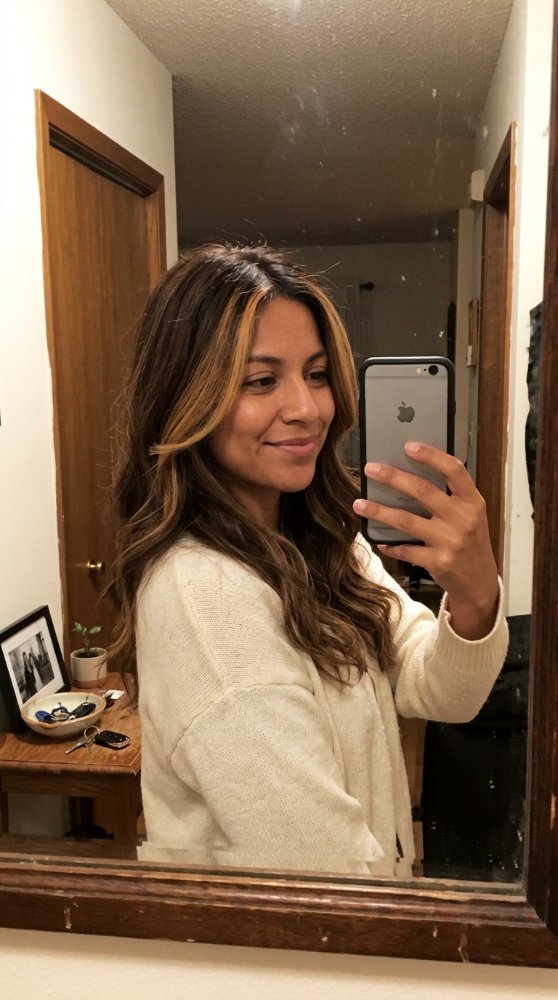
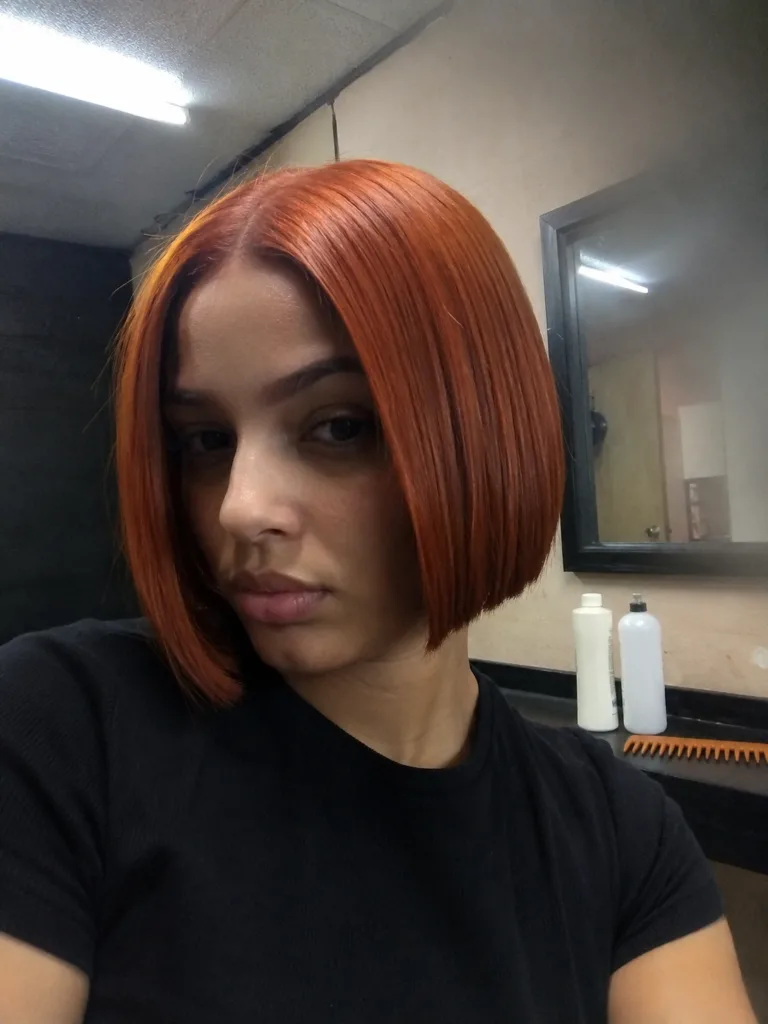
Dark Brown Hair With Blonde Ideas: Styling Guide & Cuts That Change the Contrast, Not Just the Color
Dark brown hair gives blonde color something valuable to work against: depth. The real decision is how much of that dark base you want to keep visible.
A few blonde pieces around the face create a completely different effect from an all-over highlighted brunette. Balayage can leave the root area mostly untouched, while fine highlights distribute brightness much closer to the scalp. Blonde underneath dark brown hair may barely show at rest and become obvious once the hair moves.
Tone matters too. Honey and caramel usually create a softer transition from deep brown. Beige and sandy blondes can feel quieter. Very pale, cool, or champagne-colored pieces create sharper separation, especially against a rich brunette base.
Your starting color and chemical history affect what is realistic. Naturally dark brown hair, permanently colored brunette hair, and previously lightened hair may require different approaches. Hair condition matters more than forcing a photograph’s exact shade.
Here are 22 ways to combine dark brown and blonde, organized by the decision each one asks you to make.
Start With the Amount of Contrast You Actually Want
Soft Blonde Blends That Keep the Brunette Base Dominant
Caramel Blonde Balayage
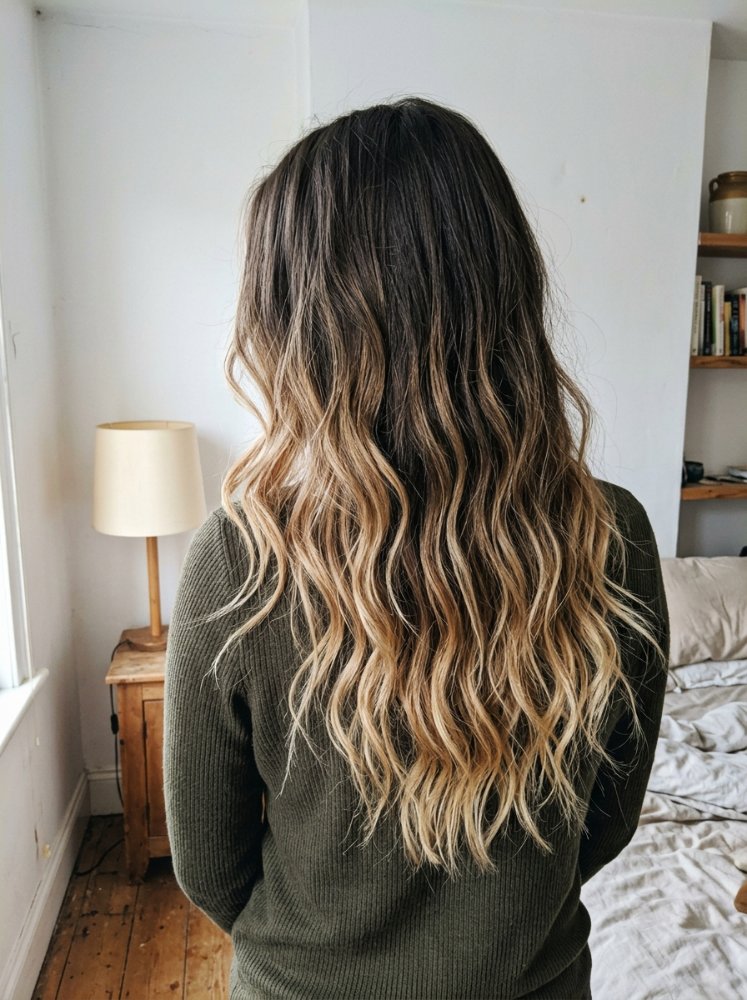
Caramel is one of the easiest directions to integrate visually with dark brown because the transition doesn’t have to jump immediately from deep brunette to very pale blonde. Hand-painted brightness through the mid-lengths and ends can preserve substantial brown at the roots while making waves, curls, and layers look more separated.
This is a strong starting point when you want people to read the hair as brunette first and highlighted second.
Placement matters more than covering every section. Brighter pieces near the face and surface can produce plenty of visible change while deeper hair remains underneath.
Honey Blonde Ribbons
Honey blonde brings more golden warmth than a neutral beige highlight. On dark brown hair, wider ribbons create visible streaks of light without requiring the entire head to become blonde.
The effect works especially well when the hair has enough movement for those sections to separate. Waves expose alternating dark and light areas; straighter styling makes the placement appear more graphic.
Honey is worth considering when very cool blonde feels too severe against your base or when warmth is part of the result you actually want. Don’t choose it merely because a reference photograph is labeled blonde—look closely at whether the image leans gold, beige, or cool.
Soft Bronde Melt
Bronde sits in the middle ground between brunette and blonde. Instead of trying to preserve very dark hair beside very light pieces, the color builds intermediate tones that soften the jump between them.
This is the practical choice for someone attracted to blonde dimension but uncomfortable with obvious striping. The overall impression stays deeper than a conventional highlighted blonde, and the brunette root can remain an important part of the finished color.
A bronde result also relies less on achieving the palest possible ends. That can matter when hair condition or previous color makes a dramatic lightening goal less sensible.
Beige Blonde Balayage
Beige blonde is quieter than a strongly golden blonde and softer than an icy result. Combined with balayage placement, it produces a muted brunette-to-blonde transition that can feel dimensional without looking highly streaked.
The tone becomes especially important once the color begins to shift between appointments. Beige may gradually reveal more warmth depending on the underlying pigment, cleansing routine, sun exposure, water, and previous color history.
Choose the tone because you like its slightly neutral appearance, not because beige promises a completely warmth-free result.
Sandy Blonde Through the Mid-Lengths
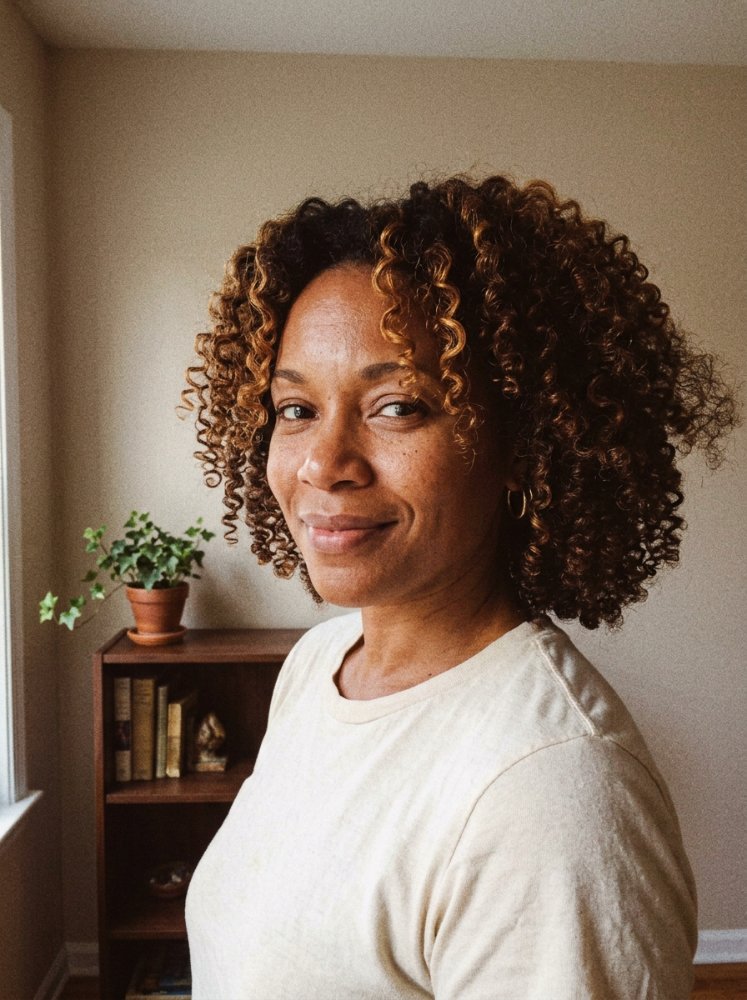
Sandy blonde works well when you want the center of the hair to look lighter without turning the root area into the main event. Think soft tan-blonde and beige-gold sections beginning below the darkest part of the base.
This placement gives long hair a clear transition: brunette around the crown, mixed depth through the middle, then more blonde toward the lower lengths. It also avoids the sharply divided line associated with a traditional two-tone effect.
The longer the hair, the more room there is for that transition to unfold.
Blonde Placement That Changes Where You Notice the Color
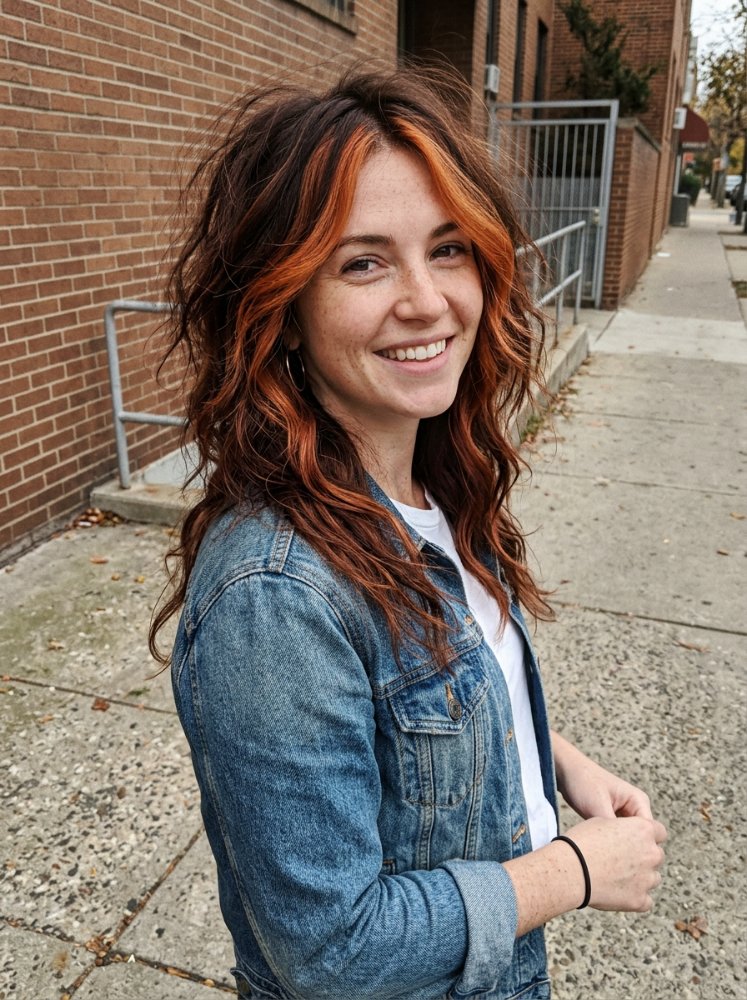
Bright Blonde Money Piece
A money piece concentrates blonde around the front hairline, so a relatively small amount of light hair can change the appearance of the entire color.
This is one of the strongest options for someone who wants visible blonde without distributing equal brightness everywhere. The front sections show in a ponytail, bun, middle part, side part, and many half-up styles.
The tradeoff is equally visible. Because the brightest hair sits right beside the face and close to the root, new growth and tonal changes attract attention sooner than they do on hidden or lower balayage pieces.
A high-contrast money piece makes the most sense when that bold framing effect is the point, not when you’re hoping for nearly invisible grow-out.
Fine Face-Framing Highlights
A money piece isn’t the only way to brighten the front. Several narrow highlights around the face give dark brown hair a more diffused transition.
This arrangement is less graphic because brunette remains woven between the lighter strands. It can also be easier to integrate with fine highlights elsewhere in the hair.
Fine doesn’t mean sparse hair, and strand diameter shouldn’t be confused with density. Here, fine describes the width and visual delicacy of the highlighted sections.
Blonde Halo Highlights
Halo placement follows the areas people see most readily around the hair’s outer perimeter. Lightness can appear around the face, through the surface, and along exposed edges while deeper brown remains inside the shape.
That creates an interesting illusion: the hair can look substantially lighter from certain angles without every interior section being highlighted.
A halo effect becomes especially noticeable in updos and ponytails because hair that usually sits underneath may become part of the visible surface. Plan the placement around how you actually wear your hair, not only how it looks worn down.
Blonde Underlayer
Putting blonde beneath dark brown hair reverses the usual highlight logic. The brunette surface stays dominant, while the lighter section appears through movement, half-up styles, tucked hair, or deliberate separation.
This is an underrated option when you like contrast but don’t want blonde framing your face every day.
Haircut construction influences the result. Dense, one-length hair may conceal much more of the blonde. Layers can expose the underlayer frequently. A short bob may reveal it along the perimeter, while very long hair can create large flashes of blonde as the lengths shift.
Partial Crown Highlights
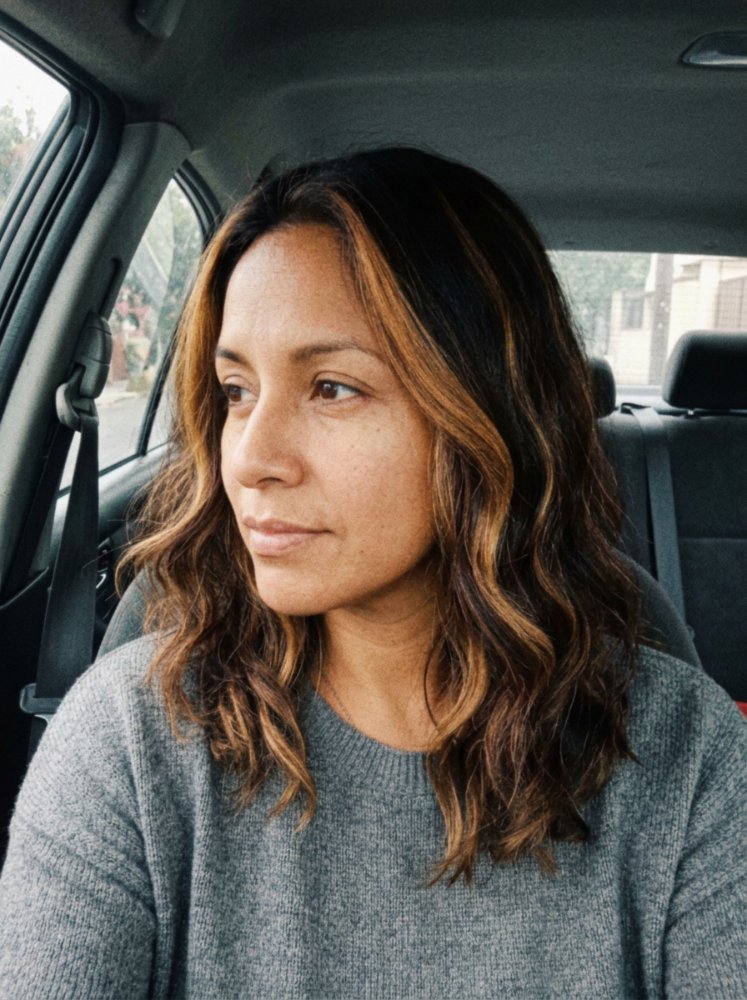
Concentrating highlights through the crown and top surface gives visible brightness where light naturally catches the hair while leaving more of the underneath brunette.
Compared with a heavily highlighted full head, the dark foundation remains easier to see. Compared with ends-only balayage, the blonde begins closer to the top.
This placement is particularly useful when you wear your hair down most of the time. Someone who frequently wears high ponytails or updos should also consider how much darker hair will become visible once the underneath sections are lifted.
Stronger Contrast for a More Obvious Brown-and-Blonde Result
Chunky Blonde Ribbons
Wide blonde ribbons make the color pattern part of the hairstyle. Instead of blending into dozens of tiny strands, the blonde reads as deliberate sections against the dark background.
Straight hair makes this contrast look crisp. Waves break up the bands and create broader flashes of light. On curls, placement should follow the way curl groups actually sit so the blonde doesn’t disappear inside the shape.
This look benefits from commitment to contrast. Making the ribbons too narrow or tonally too close to the brunette can remove the graphic quality that gives the idea its appeal.
Pale Blonde Front Panels
Front panels take the money-piece idea further by making the light sections wider and more visually independent from the rest of the hair.
Dark brown provides a dramatic frame behind a pale blonde panel. The effect can be striking with a center part because the placement appears almost symmetrical, although symmetry isn’t required.
The color difference is less forgiving of grow-out and tone drift than a softer caramel face frame. Pale blonde against deep brown highlights every change in depth, warmth, and root length. It’s worth the upkeep when you specifically want that sharp two-tone effect.
High-Contrast Blonde Streaks
Scattered blonde streaks create a less blended result than traditional fine highlights without concentrating all the brightness at the front. The lighter pieces can travel through the top, sides, and lengths as separate visual accents.
Spacing is crucial. More brunette between the blonde sections increases contrast; tightly packed light pieces move the overall impression closer to highlighted blonde.
Bring reference photos that show both the width and location of the streaks. Two images described as chunky highlights can look completely different because one keeps large areas of brown intact and the other uses blonde throughout most of the head.
Dark Brown With Champagne Blonde Accents
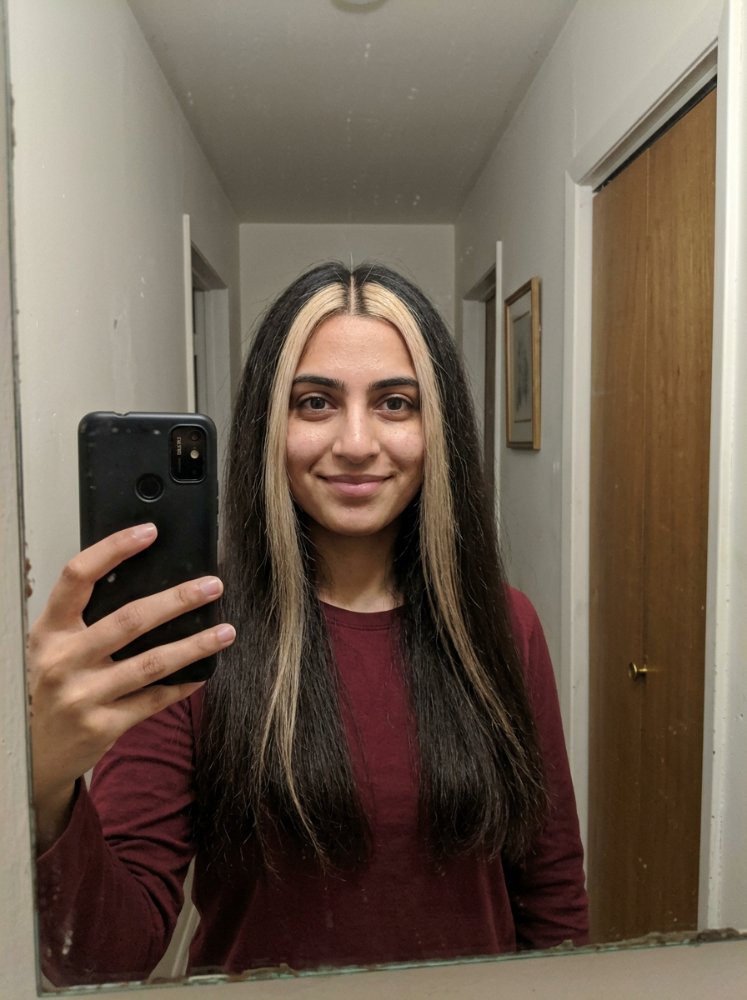
Champagne blonde is a light, refined-looking direction that may combine neutral, beige, and subtly warm qualities depending on the target. Against dark brown, it creates more tonal distance than caramel or bronde.
Use it selectively when contrast matters. A few lighter accent pieces can stand out dramatically without requiring the whole head to reach the same brightness.
Previously darkened or heavily processed hair may complicate a pale target. Chemical history and current condition should guide how light the hair can reasonably go and whether the desired result is better approached gradually.
Blonde That Gets Stronger Toward the Ends
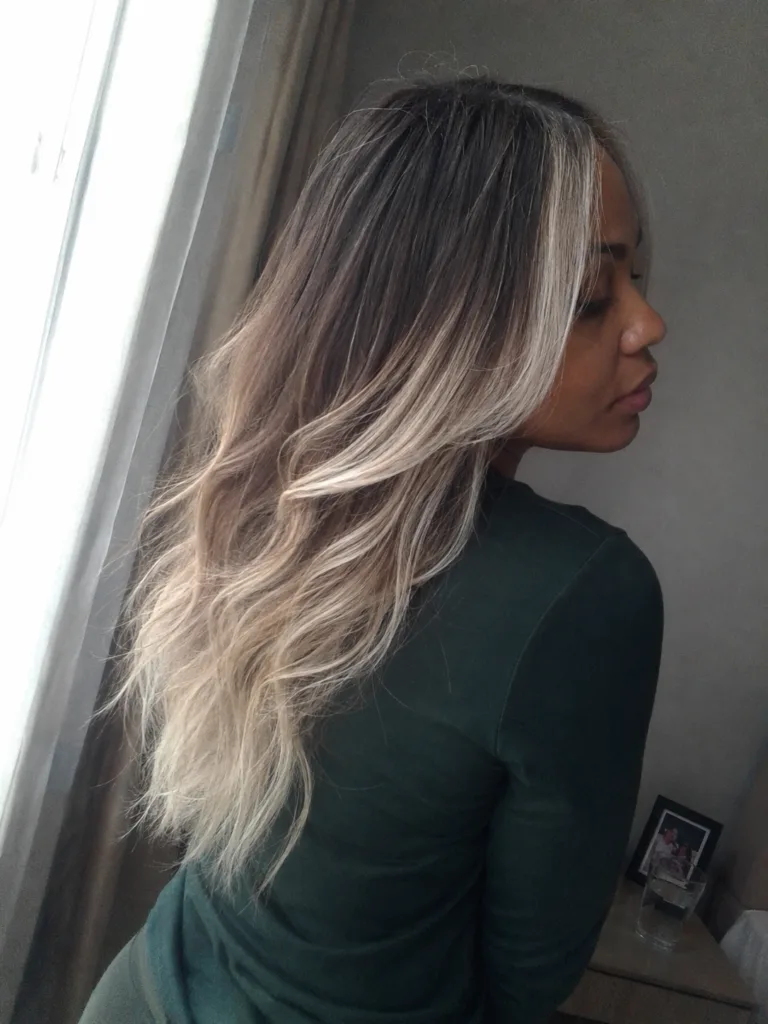
Golden Blonde Ombré
Ombré creates a clear progression from dark roots to lighter ends. Unlike scattered highlights, the lower portion of the hair becomes the main blonde zone.
Golden blonde makes that transition warm and noticeable without requiring the ends to look icy. Long hair gives the colorist more vertical space to blend between the deepest and lightest areas.
This is particularly useful for someone who likes a dark root and doesn’t need blonde sitting close to the scalp. The photograph to inspect carefully is the back view: that’s where an abrupt horizontal transition is easiest to spot.
Blonde Ends With a Dark Brown Top
Ends-only blonde is more graphic than a diffused ombré. The brown occupies most of the hair, then the lightest color collects toward the bottom.
A blunt haircut makes the blonde edge look stronger because many light ends terminate along the same perimeter. Layers scatter those ends at several heights and create a softer, more broken effect.
This idea is easier to change by cutting than a root-to-end highlight pattern, but heavily lightened ends also occupy the oldest portion of long hair. Condition should influence how ambitious the blonde target becomes.
Dark Root With a Blonde Melt
A root melt preserves deliberate depth at the top while connecting it into lighter mids and ends. The important visual feature is the softened transition close to the scalp, not simply having dark roots.
This approach suits someone who enjoys a predominantly blonde lower half but doesn’t want the color to begin as a bright band at the root.
It remains a color-maintenance choice, though. Blonde lengths can change tone and condition even when the root transition grows out softly. Lower root maintenance and low overall maintenance aren’t always the same thing.
Beige-Blonde Gradient on Long Layers
Long layers create multiple exposed edges through the hair, so a brunette-to-blonde gradient can appear at several heights rather than only across the bottom.
The lighter areas become particularly noticeable with a blowout or loose wave because the layers separate and reveal the color underneath. Worn straight and compact, the blend may look much more continuous.
This is a stronger option than blunt ends when you want movement to reveal the blonde.
Blonde Ideas That Work With Texture and Haircut Shape
Hand-Painted Blonde on Curly Hair
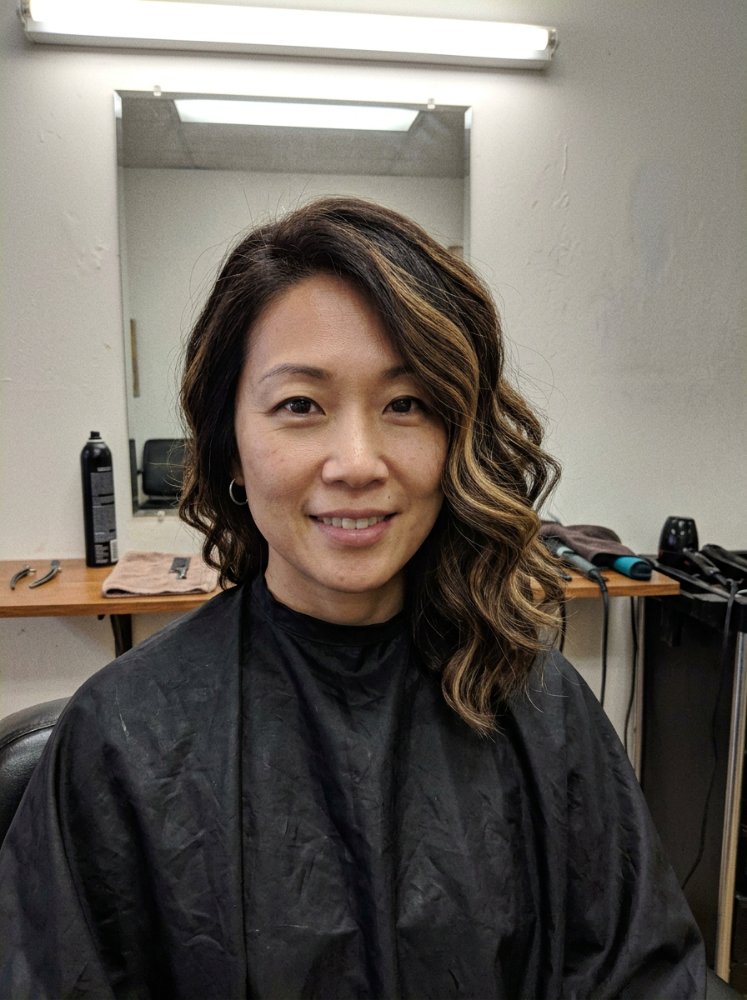
Curly hair changes how a highlight is seen. Color that looks evenly distributed while the hair is stretched may cluster into bright spots once curls spring back into their usual groups.
Strategic painting can place blonde on selected curl sections so the brightness follows the visible pattern of the hair. The finished result should be considered in the state you normally wear it—shrunken, stretched, diffused, or otherwise styled.
Shrinkage also changes where the color appears vertically. A section painted several inches from the scalp while stretched can sit much closer to the face or crown after it contracts.
Curly and coily hair can be highlighted, but previous chemical services, porosity, condition, and the integrity of the curl pattern all belong in the color consultation. Very light blonde is not worth chasing at the expense of the hair’s condition.
Blonde Tips on Coils and Curls
Concentrating blonde at the tips creates specks and clusters of light around the outside of curly or coily hair. Instead of long highlight ribbons, you see brightness where curl ends sit.
The result becomes more pronounced as the shape gets more layered because the ends appear throughout the haircut. On a compact one-length shape, the blonde may concentrate around the lower edge.
This placement makes the haircut itself part of the color design. A trim can remove more visible blonde than expected when most of the lightness lives at the ends, so discuss how much blonde you want to retain whenever the shape is adjusted.
Blonde Accents Through a Shag or Heavily Layered Cut
Shags and heavily layered cuts already produce separation around the crown, face, and ends. Blonde accents can exaggerate those disconnected pieces and make the layering much easier to see.
A few light sections near the face and through selected upper layers often have more impact than an evenly distributed highlight pattern. The haircut supplies much of the movement.
This combination is worth the extra color planning when you want the layers themselves emphasized. Someone trying to make a shag look calmer or denser through the ends may prefer less color contrast, since bright pieces naturally call attention to separated sections.
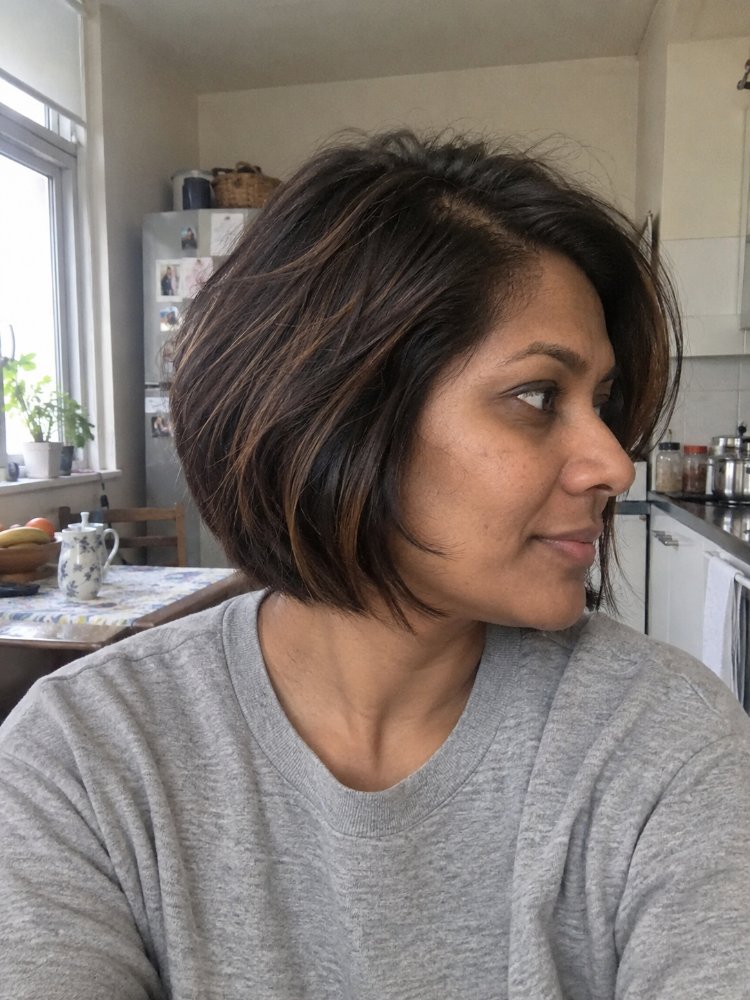
Blonde Perimeter on a Dark Brown Bob
A bob offers a completely different canvas from long balayage. There is less length for gradual transitions, and the perimeter often carries much of the haircut’s visual weight.
Keeping the interior predominantly dark brown while adding blonde through selected ends or outer sections draws attention to the outline of the cut. A blunt bob can create a crisp light edge. A textured bob breaks the blonde into smaller pieces.
Consider where the bob meets your jaw, neck, clothing collars, and shoulders. Hair that repeatedly flips against a collar can change how those highlighted ends sit from one day to the next.
What Your Starting Hair Can Change
Dark brown isn’t one identical starting point. Natural brunette hair may respond differently from hair that has been repeatedly colored dark, previously lightened, relaxed, or otherwise chemically processed.
Artificial dark pigment is especially important to disclose. A photograph of naturally dark hair transformed into blonde highlights doesn’t tell you what will happen over existing permanent color.
Hair condition can also change the sensible target. Dry, fragile, or heavily processed sections may need a more conservative plan than strong, minimally processed hair. A staged approach can be more realistic than insisting on the lightest reference shade immediately.
Tone deserves its own conversation. Blonde can reveal warm underlying pigment during lightening, and maintaining beige, ash, champagne, honey, or golden directions involves different priorities. A toner or toning product should address the tone actually present rather than being treated as a universal requirement.
What Blonde Reference Photos Often Hide
A finished photograph captures one styling state on one day. The color may look very different once the same hair is straightened, curled, tied back, or allowed to shrink.
Look beyond the shade name and study these details:
How much dark brown is still visible at the crown?
Does blonde begin at the root, through the mid-length, or mostly at the ends?
Are the light sections fine, medium, or deliberately broad?
Is the front considerably brighter than the back?
Does the haircut expose hidden blonde underneath?
Is the photograph showing smooth salon styling that separates every highlight?
Bring more than a front-facing image when possible. A back view explains the blend; a side view shows how the face frame connects; hair worn up can reveal whether the underneath sections are dark or light.
Those details are often more useful than asking for a shade name alone.
Keeping Dark Brown and Blonde Looking Deliberate
Two-tone color depends on preserving both sides of the contrast. If the blonde becomes noticeably warmer or duller than you want, the dark brown may suddenly look harsher beside it. If the brunette is repeatedly colored deeper, the difference between the two can become stronger.
Cleansing frequency should fit your scalp, styling routine, activity, and buildup rather than a rigid schedule. Blonde hair that has been lightened may also respond differently to heat and mechanical handling than untouched brunette sections, so treat the most processed areas according to their current condition.
Heat protection, gentler detangling, and reducing unnecessary repeated passes with hot tools are more useful than relying on one universal temperature recommendation.
Root upkeep depends heavily on placement. A bright money piece exposes growth sooner. Balayage and ombré generally preserve more dark area around the scalp, so the transition can remain visually softer as hair grows. Tone maintenance is a separate issue because blonde mids and ends can shift even while the root still looks intentional.
A trim can alter color placement too. Ends-only blonde, light tips on curls, and highlighted bob perimeters lose more of their defining color when length is removed than highlights extending farther up the hair.
Planning the Salon Conversation
Choose the placement before getting lost in blonde terminology. Decide whether you want the brightest area at your face, through the surface, underneath, or mainly toward the ends.
Then establish how much brunette you want to preserve. Saying you still want to look dark brown gives a different direction from wanting the overall result to read blonde with a shadowed brunette root.
Bring photographs that match your preferred contrast as closely as possible. Show the width of the highlights you like, where the lightness begins, and how bright the ends appear compared with the crown.
Be clear about permanent dark color, previous lightening, relaxers, and other chemical services. Even color from months or years earlier may still be present through the lengths.
Finally, allow the target shade to respond to what your hair can support. The strongest version of dark brown with blonde hair isn’t always the palest one. Good placement can create plenty of contrast without pushing every light section to the same extreme.
Related Hairstyles to Explore
- Dark Brown Hair With Highlights
- Chocolate Brown Hair With Highlights
- Dark brown hair color ideas
- Platinum blonde hair color ideas
FAQs
Can dark brown hair have blonde highlights without looking striped?
Yes. Softer balayage, bronde blending, fine highlights, and intermediate caramel or beige tones can reduce obvious striping. Highlight width and spacing are as important as the blonde shade itself. Keeping some brunette between the light sections gives the color depth instead of turning the entire surface uniformly light.
Which blonde shade looks most natural with dark brown hair?
Caramel, honey, beige, sandy, and bronde directions often create a gentler transition because they sit closer visually to brunette than very pale blonde. Natural-looking is still subjective, though. Your undertone preference, starting pigment, placement, and desired contrast matter more than choosing one supposedly universal brunette-friendly blonde.
Can you add blonde to dark brown curly or coily hair?
Yes. The placement should account for curl grouping, shrinkage, usual styling state, condition, and chemical history. Highlights that appear evenly spaced on stretched hair may cluster differently once the hair contracts. Planning the color around how the hair is normally worn gives a more useful picture of the finished placement.
What should I do if my dark brown hair has been permanently colored before going blonde?
Tell your colorist what was used and where that pigment remains in the hair. Previously darkened lengths can behave differently from natural new growth during a lightening service. A softer target, different placement, or staged approach may be more appropriate depending on the existing pigment and condition of the hair.
Hair Texture & Upkeep Style Matcher
Select your natural hair texture and daily maintenance window to get an instant styling formula and heat safety cap.
Heat Cap: 320°F (160°C)
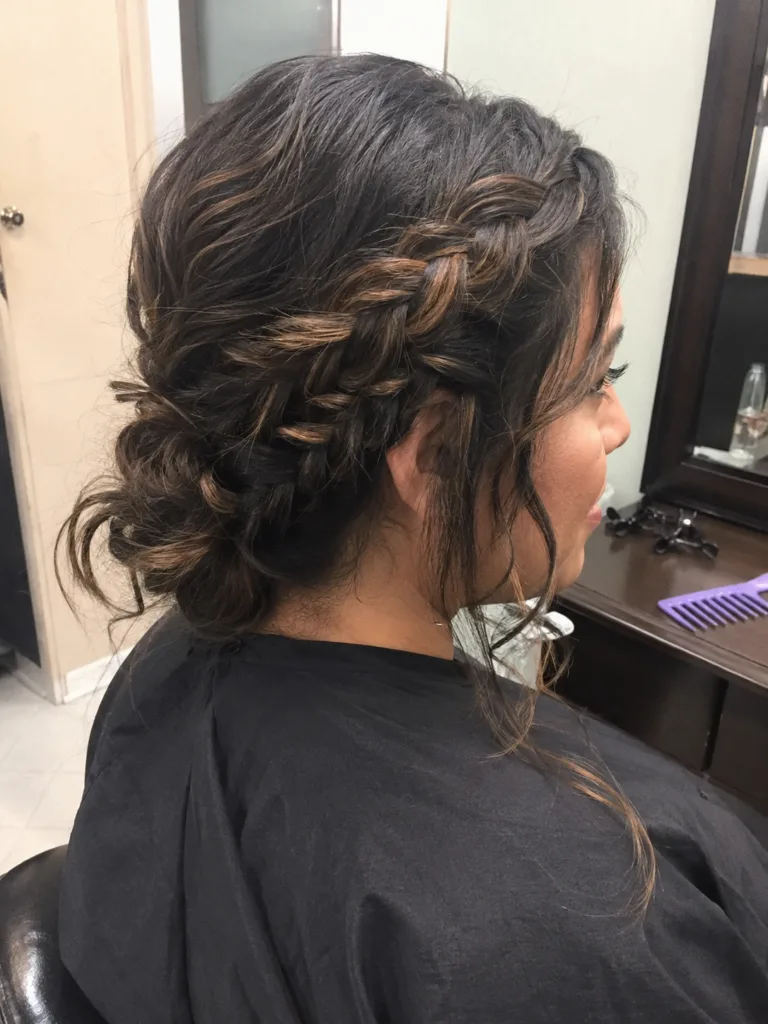
A versatile three-strand braid beginning at the parietal ridge, securing the top half while allowing natural wave texture to flow freely around the shoulders.
Conclusion
Dark brown hair gives you enough depth to make even a relatively small amount of blonde noticeable. The most important choice is where you want that contrast to live.
Choose caramel balayage, bronde, or fine highlights when the brunette base should remain dominant. A money piece, pale panel, or chunky ribbon works better when you want the blonde to announce itself. Ombré and light ends shift the commitment away from the root, while underlayers create contrast that appears mainly through movement.
Take a reference photo into your consultation, but pay as much attention to placement as shade. Decide how much dark brown you want left, where the brightest blonde should appear, and whether your current color history and condition support the target. Those decisions will shape the result far more than the word blonde alone.
Editorial Standards & Hair Health Guidance
Every style featured on Tress Atlas is curated with a focus on real-world wearability, scalp tension management, and cuticle preservation. When trying protective styles or tight updos, ensure perimeter hairline sections remain tension-free to avoid traction stress on delicate follicles. For heat styling, cap tools below 350°F (180°C) to prevent thermal keratin denaturation.
Scientific Sourcing: Practices aligned with the American Academy of Dermatology (AAD) on traction alopecia risk reduction and cosmetic trichology research on hair tensile strength.