Dark Brown Hair With Highlights: What Changes the Result
Dark brown hair gives highlights a strong background, which is exactly why small color decisions become so visible. A few lighter pieces can make the hair look more dimensional and bring movement into layers or curls. Push the contrast much further, and the highlights become a dominant feature instead of quiet dimension.
The useful decision is therefore bigger than choosing caramel, blonde, or copper from a photograph. You need to decide how light you want the highlighted hair to appear, where you want that brightness concentrated, and how much visible grow-out fits your routine.
Your starting hair matters just as much. Naturally dark brown hair, previously highlighted hair, and hair that has been permanently colored dark are very different color situations. Condition, porosity, texture, and chemical history also influence what can be achieved comfortably. Previously lightened, permanently darkened, relaxed, or otherwise processed hair may require a different target or a staged approach.
For many people, the strongest starting point is moderate contrast with deliberate placement. It keeps the richness of the brunette base while adding enough brightness to show around the face and through the lengths. From there, you can decide whether you want a soft brunette result or highlights that clearly read as lighter color.
Decide How Much Contrast You Actually Want
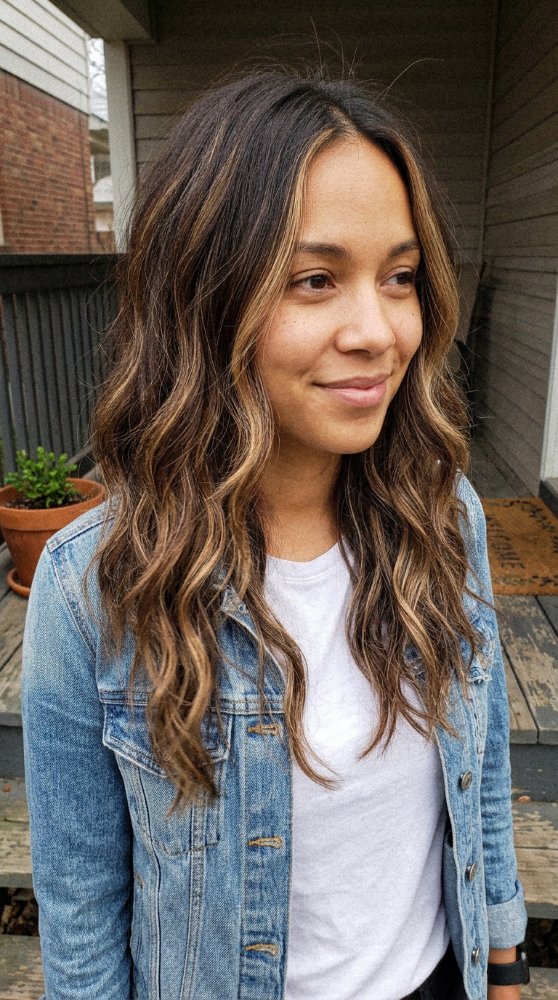
A reference photo described as dark brown hair with highlights can represent very different outcomes. One image may contain barely lighter ribbons that show mainly in daylight. Another may have bright pieces around the face and noticeably lighter ends.
That contrast level affects nearly everything else.
Low-contrast highlights stay relatively close to the brown base. Think of this as dimension rather than a dramatic color change. The lighter pieces break up a solid brunette surface, help layers show, and can make curls or waves easier to see without making the overall hair read as blonde.
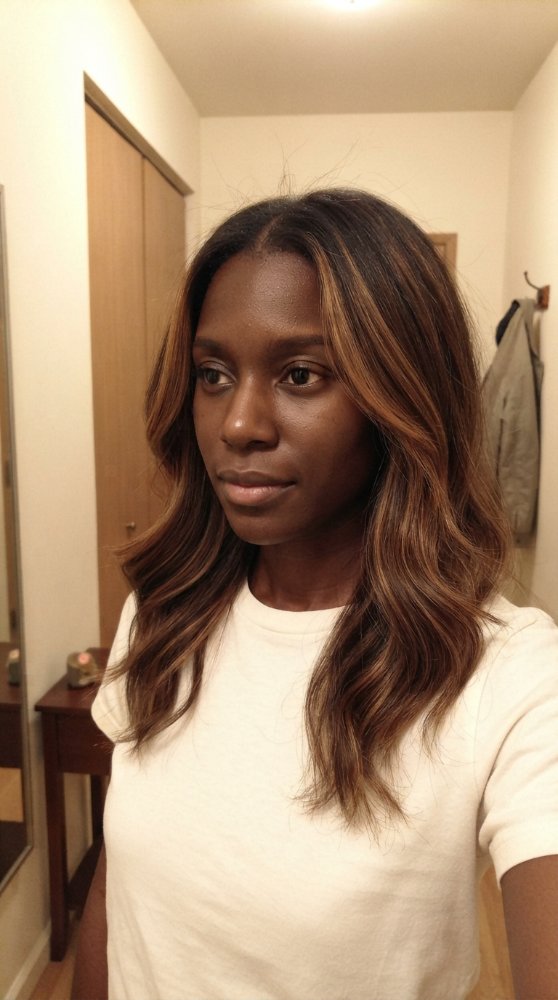
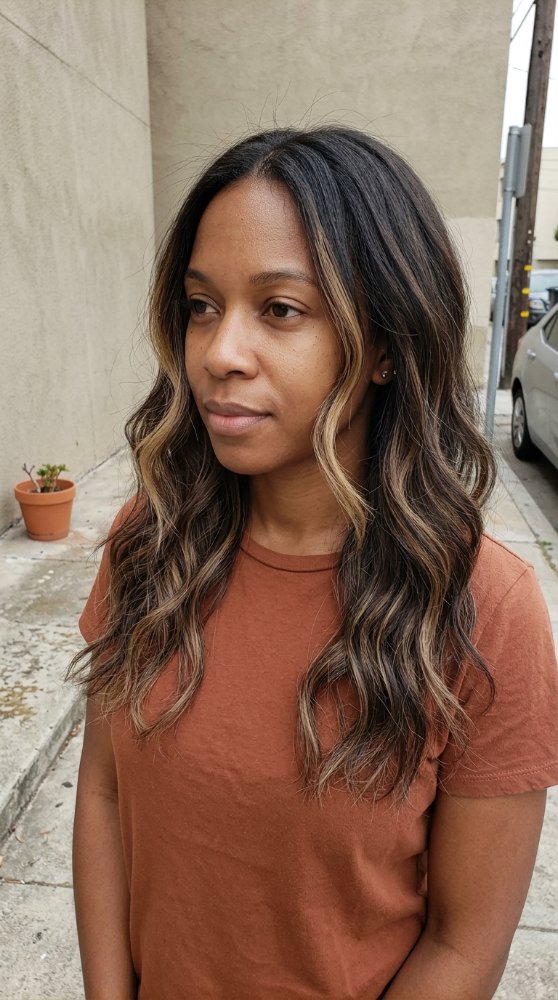
Medium contrast makes individual highlights easier to recognize. Caramel, honeyed brunette, beige-brown, and brighter dimensional pieces can all sit in this territory depending on the starting base. The brunette background still carries much of the overall color, but the lightness becomes part of the first impression.
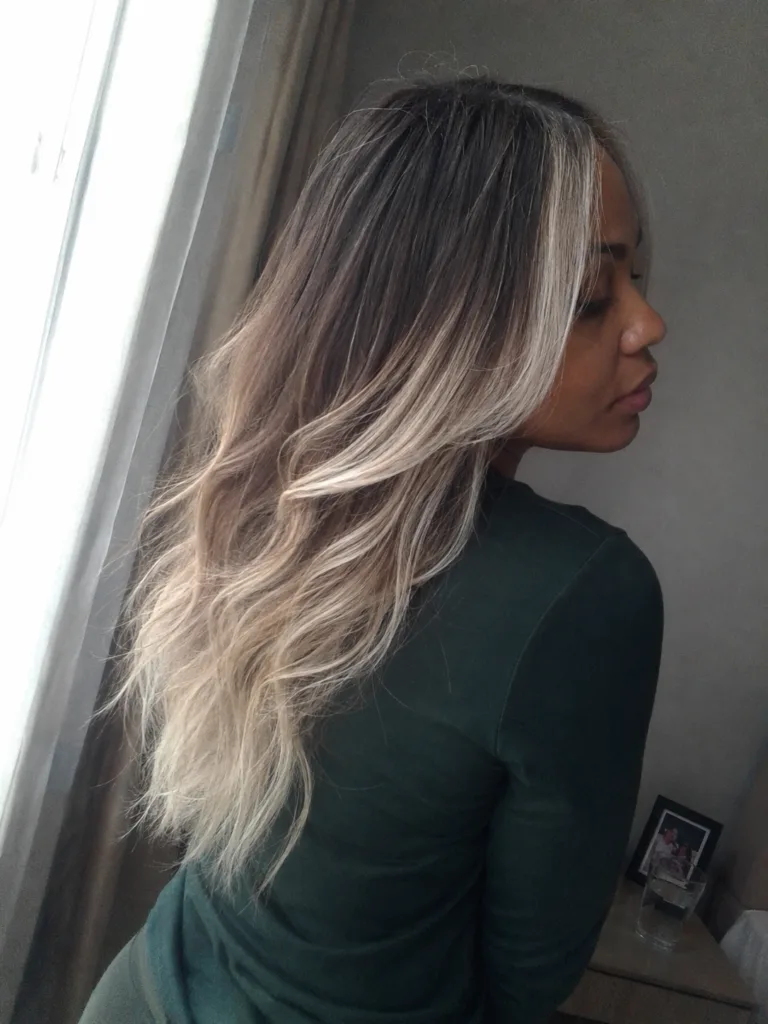
High contrast puts far more emphasis on the highlighted sections. Bright face-framing pieces, pale ribbons, or much lighter ends against a deep brown base have greater visual separation. They can be striking, but they also make placement, tone drift, regrowth, and the condition of the lightened hair more noticeable.
A useful salon conversation starts with contrast, not simply the word highlights. Ask yourself whether you want someone to notice that your brunette looks richer or immediately notice that your hair has been highlighted.
Your Starting Brown Is More Important Than the Shade Name
Two people can both describe their hair as dark brown and still need very different color plans.
Naturally dark brunette hair contains its own underlying pigment. Lightening it exposes warmer tones as depth is removed, and the final appearance depends on how far the hair can reasonably be taken and what tonal direction is chosen afterward.
Previously colored dark brown hair adds another variable: artificial pigment. A dark permanent color through the lengths can respond differently from untouched roots. Repeated dark coloring can also leave sections with different histories, even when the hair looks like one even shade before highlighting.
Previously highlighted hair presents another situation. Some strands may already be lighter and more porous than the surrounding brunette. Treating every section as though it were untouched can create unnecessary overlap or unevenness.
This is why chemical history deserves a direct conversation before the color service. Mention permanent color, lightening, relaxers, smoothing or other chemical services, and any areas you know have been repeatedly processed. The goal isn’t to produce the longest possible history. It’s to identify information that changes how safely and predictably the hair can be approached.
Condition can also change the target. Hair with a strong, healthy-feeling perimeter and relatively even condition offers a different starting point from hair with fragile sections, heavy breakage, or highly porous ends. Going lighter is only useful when the resulting hair still fits the way you want to wear and maintain it.
A slightly deeper highlight that keeps the hair looking substantial is often a better trade than chasing a pale reference shade at the expense of already stressed lengths.
Placement Changes the Hair More Than a Tiny Tone Adjustment
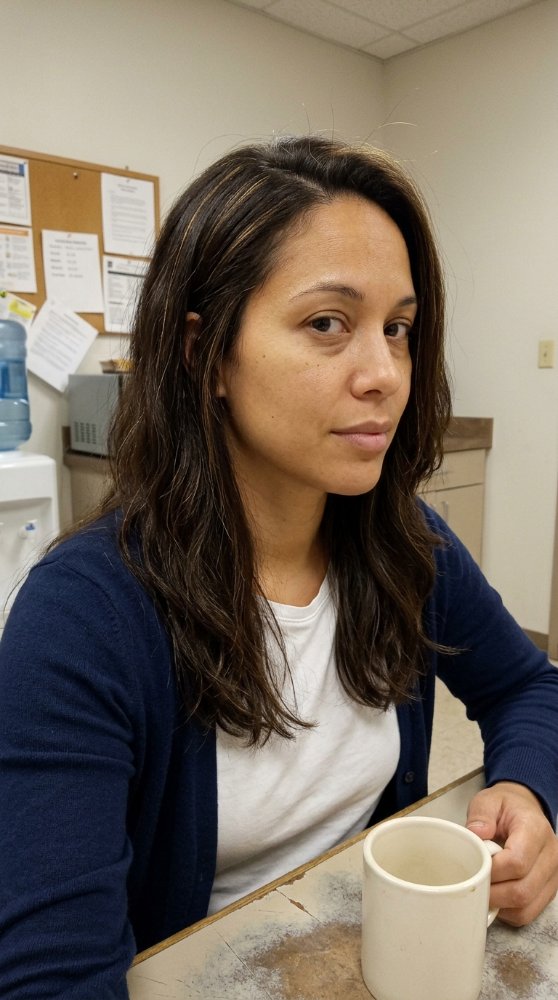
Highlight placement controls where your eye sees movement and brightness. For dark brown hair, this can matter more than choosing between two very similar shade labels.
Face-framing highlights put the strongest brightness around the hairline. They work well when you want the color to be obvious without lightening a large proportion of the hair. The tradeoff is visibility during grow-out. Because those pieces sit near the face, even a relatively small change at the roots can attract attention.
Fine highlights through the interior produce a more blended effect. They break up a dark brunette surface without creating large light sections. On straight or smooth hair, close placement can create an even veil of brightness. On wavy, curly, or layered hair, the individual ribbons may appear and disappear as the hair moves.
Larger ribbons create more separation. They make sense when you want the highlights to remain visible from a distance or when the hairstyle has enough movement to display them. Large bright sections against very dark brown hair are less forgiving of imprecise placement.
Mid-length and end-focused brightness keeps more depth near the roots. This can make the grow-out feel softer because the lightest sections aren’t beginning at the scalp. It also gives long layers and waves a more obvious shift in color toward the lower half of the hair.
A photograph can hide much of this construction. Hair may be curled specifically to expose the light pieces, while the same color worn straight places those highlights in completely different positions. A dramatic front view may also reveal very little about how much of the back and underneath has actually been lightened.
Bring reference images for the placement you like, not only the shade.
Warm, Neutral, and Cool Highlights Create Different Effects
Dark brown hair naturally gives lighter color a deep backdrop, so temperature becomes easy to notice.
Warm highlights
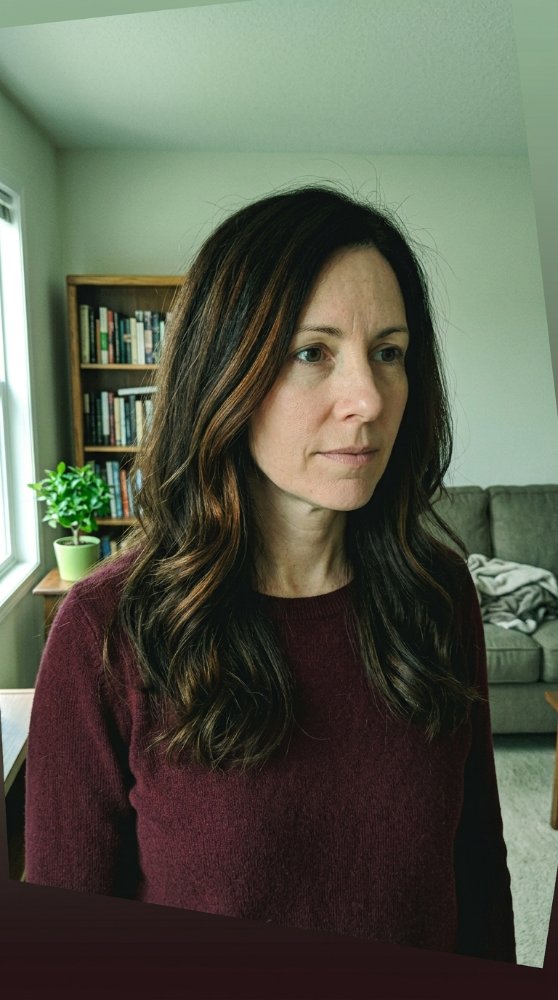
Caramel, amber, golden-brown, honeyed brunette, and copper-leaning pieces add visible warmth. They usually create a richer transition from dark brown because some warmth is expected as brunette hair becomes lighter.
Warm highlights are especially useful when you want brightness without demanding that every lightened section appear very pale or cool. Caramel through a deep brunette base can show plenty of dimension while remaining connected to the darker color.
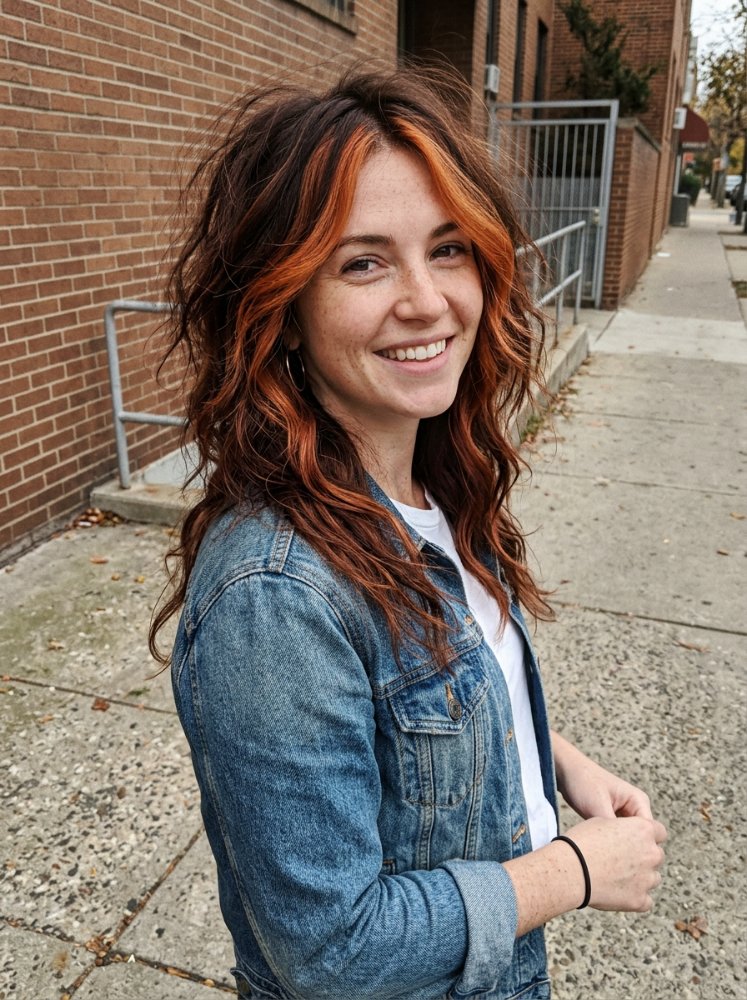
Copper deserves separate consideration because it changes the character of the brunette more strongly. A copper-brown highlight can read spicy or autumnal rather than simply sunlit. It works best when that warmer identity is actually part of the target.
Neutral highlights
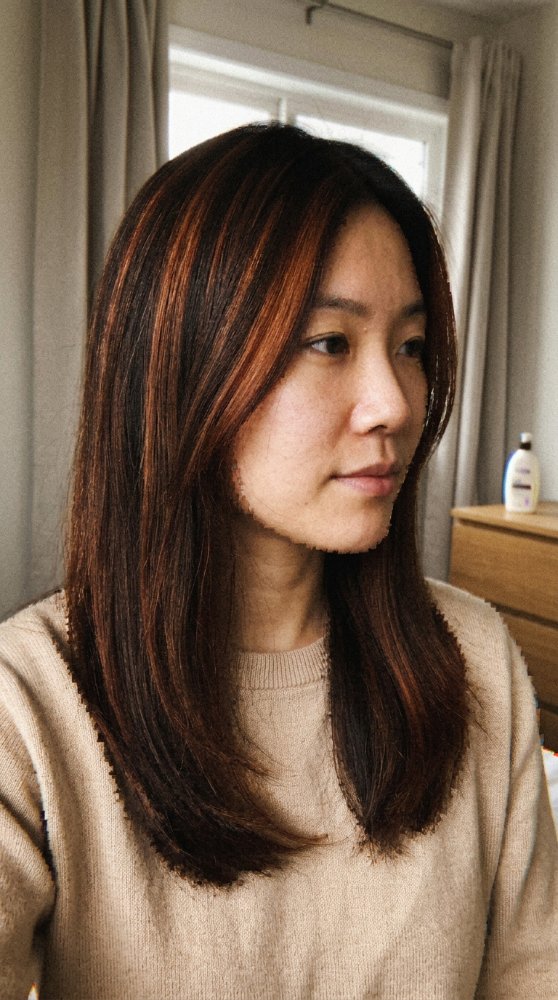
Neutral brunette and beige-brown highlights sit between strongly golden and strongly cool territory. They are a practical choice when you want dimension without making warmth or ashiness the headline.
Against very dark brown hair, neutral highlights can still reveal some warmth depending on the starting base and lighting. Shade names are less reliable than the visual target, so reference pictures are particularly useful here.
Cooler highlights
Cool beige, taupe, mushroom-brown, and ash-influenced highlights create a smokier contrast. They can look striking against a deep neutral or cool brunette base, but coolness shouldn’t be treated as a simple switch that erases everything underneath.
The lighter the target becomes, the more the starting pigment and condition influence what is realistic. Extremely cool-looking photographs may also reflect professional lighting, filters, styling, or a base that was already lighter than yours.
Choose cool highlights because you like the muted result, not because you’ve been told warmth is inherently undesirable. Warmth is part of many successful brunette color designs.
Hair Texture and Styling State Change What You See
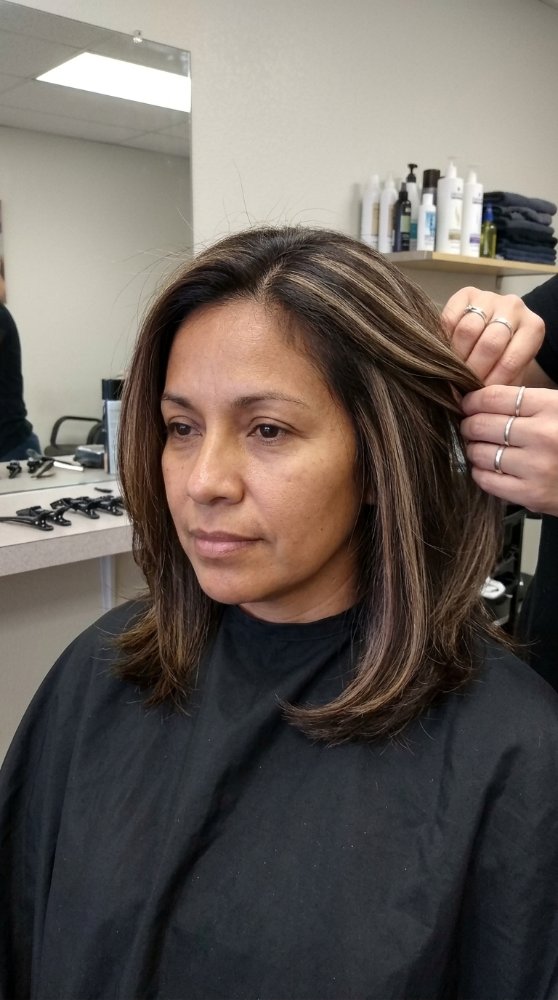
Highlight placement that looks perfectly even on straightened hair can appear very different once curls return.
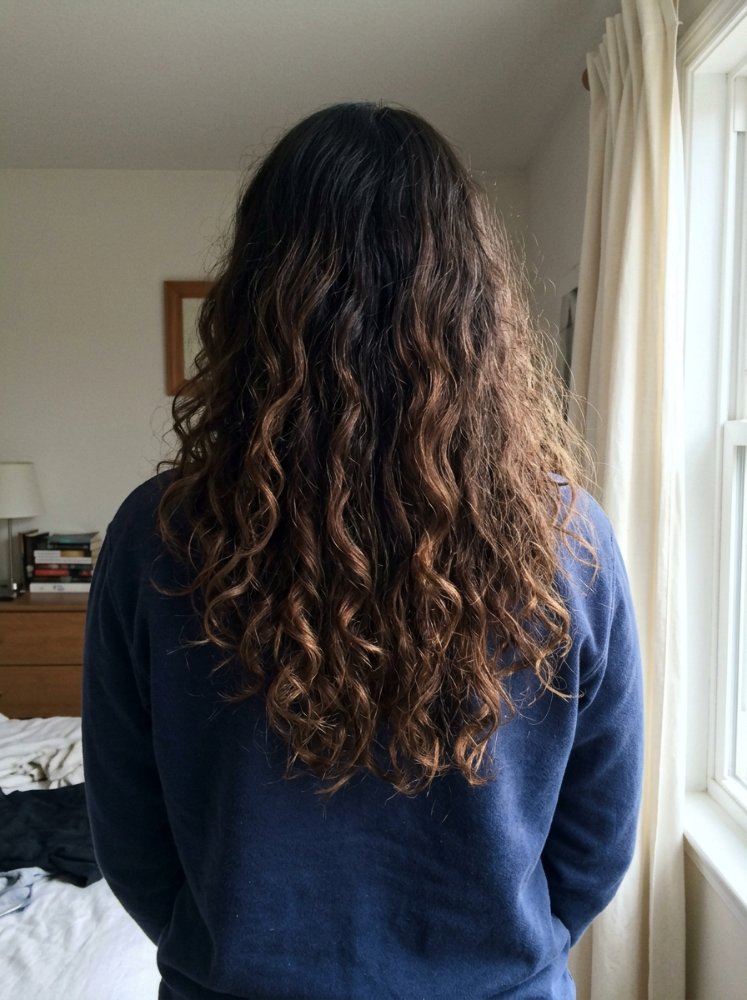
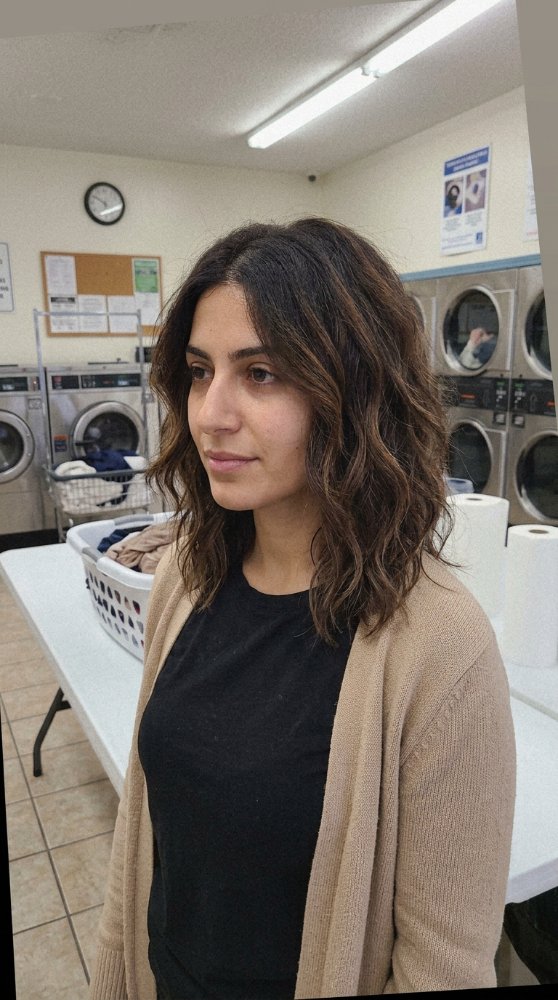
On curly and coily hair, color follows the movement of each curl grouping. A lightened section may coil underneath darker hair, reappear farther down the strand, or sit prominently across the surface. Shrinkage also changes where the brightest points appear relative to the haircut.
This makes the normal styling state important during consultation. Someone who wears natural curls most of the time needs the color evaluated with that shape in mind. A person who regularly alternates between curly and stretched styles may want placement that works acceptably in both rather than being designed around only one finish.
Density and strand size are separate issues. Fine hair refers to the diameter of individual strands, while low density describes how much hair is present overall. Highlighting doesn’t create actual density, although contrast can affect how full or separated the hair appears visually.
On lower-density hair, large areas of strong contrast can sometimes make the gaps between sections easier to see, particularly around a visible part. More diffused placement can preserve a fuller-looking brunette field.
Very dense hair presents a different challenge: surface highlights alone may look dramatic from the outside while much of the interior remains dark. That can be exactly right if the objective is visible brightness without extensively lightening the whole head.
Texture also changes maintenance. Curly and coily hair may already have a routine built around moisture, detangling, stretching, diffusing, or air-drying. Color needs to fit that routine instead of turning every wash day into a corrective project.
The Lightest Pieces Usually Demand the Most Attention
A dimensional brunette can contain several levels of lightness, and those lightest sections are often the first place where condition and tonal changes become noticeable.
Lightened hair may respond differently to washing, heat styling, environmental exposure, and repeated manipulation than the darker base. More porous areas can also take in or lose tone differently from healthier sections.
This doesn’t mean every highlighted brunette requires an elaborate product routine. Start with what the hair actually shows. Does the lightened area feel rougher? Does it tangle more easily? Has the tone shifted warmer or duller than you prefer? Is heat styling making the ends harder to manage?
Toning products can be useful when they match an unwanted tonal shift, but they aren’t a universal requirement and they can’t reverse structural damage. More lightener is also not the default answer when the color looks different from the reference.
Heat deserves the same individualized approach. Tool design, hair condition, technique, and the desired finish matter more than prescribing one temperature for everyone.
Keep the maintenance focused: gentle handling where the hair is most lightened, sensible heat use, adequate conditioning for your actual texture and condition, and reassessment before repeatedly pushing the same pieces lighter.
Grow-Out Should Be Part of the Color Design
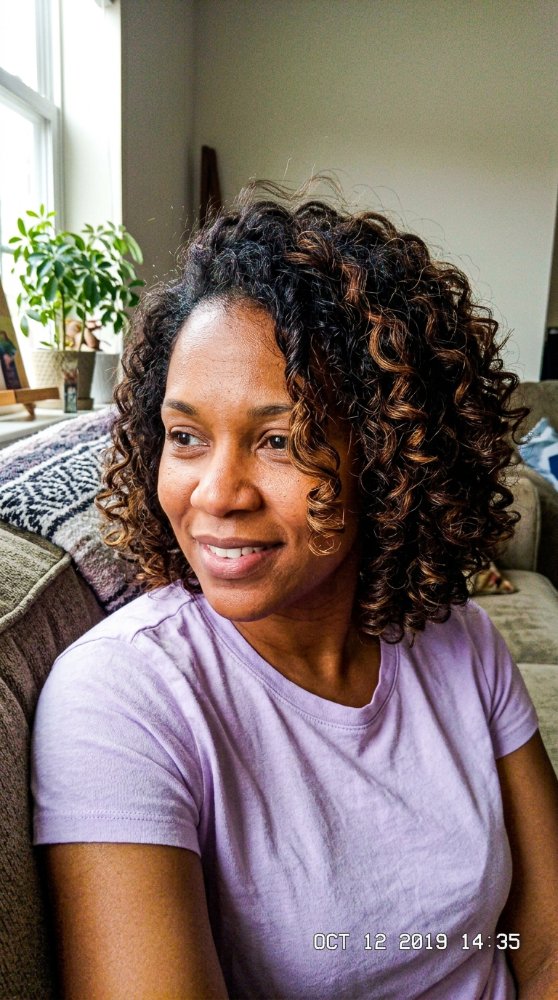
Highlights look very different after the roots begin to grow, and placement determines whether that change feels soft or obvious.
Highlights placed very close to the scalp create brightness from the root area. This gives a more illuminated result immediately, particularly around the part and hairline. It also makes the difference between natural regrowth and highlighted hair easier to see.
Diffused placement gives the root area more depth from the beginning. The color may appear less bright at the scalp, but the transition tends to feel less abrupt as the hair grows.
Face-framing pieces sit somewhere in between. They can deliver a lot of impact with relatively limited lightening, yet their location means you see them constantly in the mirror. Someone who dislikes noticeable regrowth may find a very bright front section more maintenance-dependent than expected.
There isn’t one maintenance interval that suits every highlight design. The useful timing depends on how close the highlights begin to the scalp, how much contrast exists between the natural base and the lighter hair, whether gray regrowth is also part of the concern, and how precise you want the original pattern to remain.
A soft brunette highlight design can often tolerate more visible evolution than a crisp, high-contrast pattern. Plan around your tolerance for grow-out instead of choosing the most dramatic freshly colored photograph and dealing with maintenance afterward.
What Reference Photos Fail to Show
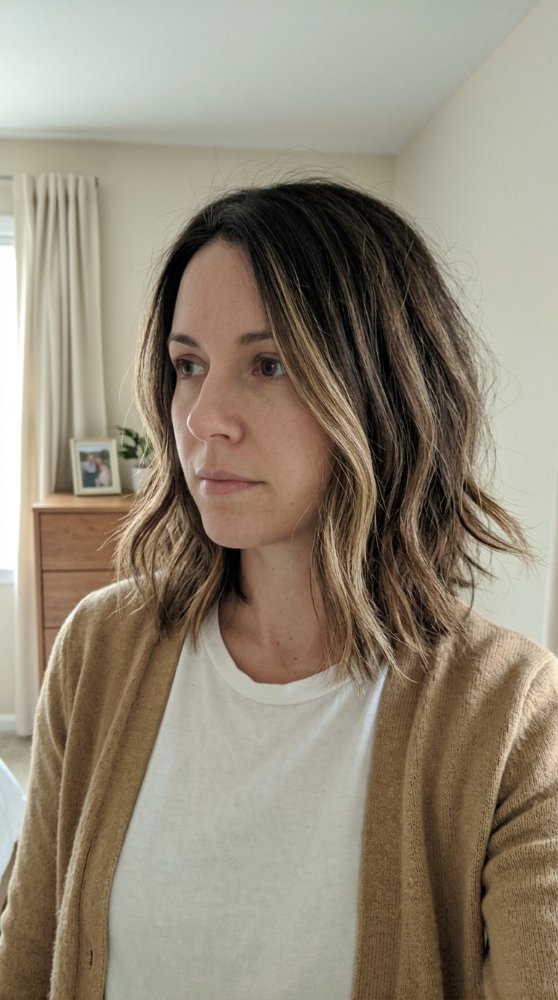
Highlight photographs are unusually easy to misread because lighting changes both brunette depth and highlight tone.
Bright sunlight can make dark brown hair look several shades more reflective than it appears indoors. Warm artificial lighting can exaggerate gold. Cool lighting can mute it. A photograph taken against a dark background can make highlighted pieces appear brighter simply because the contrast is stronger.
Styling creates another illusion. Waves physically separate sections of hair, allowing light pieces to sit beside dark ones. The same hair brushed smooth may blend into a much softer brunette.
You also rarely see the entire color pattern in one image. A front-facing photograph may show a bright money piece and several surface ribbons while hiding a largely dark back section. Copying the visible front without discussing the overall distribution can produce a result you weren’t expecting.
Use several images where possible: one for the brightness level, another for placement, and perhaps one that shows the overall brunette-to-highlight balance clearly. The shades don’t need to match perfectly. You’re using the pictures to communicate separate decisions.
Also consider how the model’s starting hair compares with yours. A photograph showing pale beige highlights on naturally medium-brown hair represents a different color journey from creating the same apparent lightness on hair that has repeatedly been colored very dark.
A Better Salon Consultation Starts With Five Decisions
You don’t need to speak in technical color terminology. Clear visual priorities are more useful.
Start by explaining your preferred overall identity: should the finished hair still read primarily as dark brunette, or do you want the lighter pieces to be a major feature?
Next, point out where you want brightness. Around the face? Through the crown? Mostly through the lengths? Concentrated toward the ends?
Then discuss contrast. Show how much separation you like between the brown base and the lighter sections. This gives more information than asking for something vague such as subtle or natural.
Be direct about chemical history. Mention permanent dark color, previous lightening, relaxers, or other relevant processing, especially through the same lengths you want highlighted.
Finally, describe your maintenance tolerance. Some people are comfortable watching highlights soften and grow away from the root. Others want the color to stay close to its freshly finished pattern. Neither preference is difficult to communicate once it is stated before the service.
A good consultation also leaves room for the target to change after the hair is assessed. An inspiration image is a direction, not evidence that every starting base can reach the same lightness in the same way. Tress Atlas’s broader editorial approach emphasizes precisely these real-life tradeoffs—shape, routine, chemical history, condition, and what finished photographs conceal.
Related Hairstyles to Explore
- Chocolate Brown Hair With Highlights
- Dark brown hair with blonde ideas
- Dark brown hair color ideas
- Whimsical Hairstyles
FAQs
Can you get highlights on dark brown hair without bleach?
Some color approaches can shift certain natural brunette bases without traditional lightener, but the possible amount of brightness depends heavily on the starting hair and whether artificial dark pigment is present. Noticeably lighter highlights on very dark or previously colored hair often require a professional lightening strategy. The safest plan is based on the actual base, chemical history, condition, and target rather than assuming one method fits every brunette.
Do highlights work on short dark brown hair?
Yes. On short hair, placement becomes especially visible because there is less length for color to diffuse through. Highlights around the fringe, top, or face can change the haircut quickly, while large contrasting sections may dominate a short shape. Bring a reference with a haircut length and styling direction similar to yours so the placement translates more predictably.
Can highlights help blend gray hair into dark brown hair?
They can be part of a gray-blending approach, particularly when the goal is to reduce the visual contrast between lighter gray strands and a deep brunette base. The useful placement depends on where the gray is concentrated and whether the remaining brown is natural or colored. Gray describes pigment loss rather than a particular texture, so the color plan and the hair’s physical condition still need separate consideration.
What should you do if highlighted hair starts looking too warm?
First decide whether the warmth is actually unwanted. Caramel and golden brunette highlights are supposed to contain visible warmth. If a previously cooler result has shifted warmer than you prefer, a suitable toning approach may help adjust the appearance. The correct choice depends on the tone that is showing and the condition of the hair; repeatedly lightening the section simply because it looks warm can create more problems than it solves.
Hair Texture & Upkeep Style Matcher
Select your natural hair texture and daily maintenance window to get an instant styling formula and heat safety cap.
Heat Cap: 320°F (160°C)
A versatile three-strand braid beginning at the parietal ridge, securing the top half while allowing natural wave texture to flow freely around the shoulders.
Conclusion
Dark brown hair gives you enough depth to make even a modest amount of highlighting visible, so the strongest result usually comes from controlling contrast and placement before chasing a shade name.
Keep more brunette depth when you want easy dimension and a softer grow-out. Concentrate brightness around the face when impact matters more than subtlety. Push the highlights much lighter only when that contrast is worth the added attention to condition, tone, and regrowth.
For your consultation, bring references that show the brightness level and placement you want, explain any previous color or chemical services through the lengths, and decide how much visible grow-out you’re comfortable wearing. Those choices will do more to shape the final result than asking for caramel, beige, or blonde highlights on their own.
Editorial Standards & Hair Health Guidance
Every style featured on Tress Atlas is curated with a focus on real-world wearability, scalp tension management, and cuticle preservation. When trying protective styles or tight updos, ensure perimeter hairline sections remain tension-free to avoid traction stress on delicate follicles. For heat styling, cap tools below 350°F (180°C) to prevent thermal keratin denaturation.
Scientific Sourcing: Practices aligned with the American Academy of Dermatology (AAD) on traction alopecia risk reduction and cosmetic trichology research on hair tensile strength.