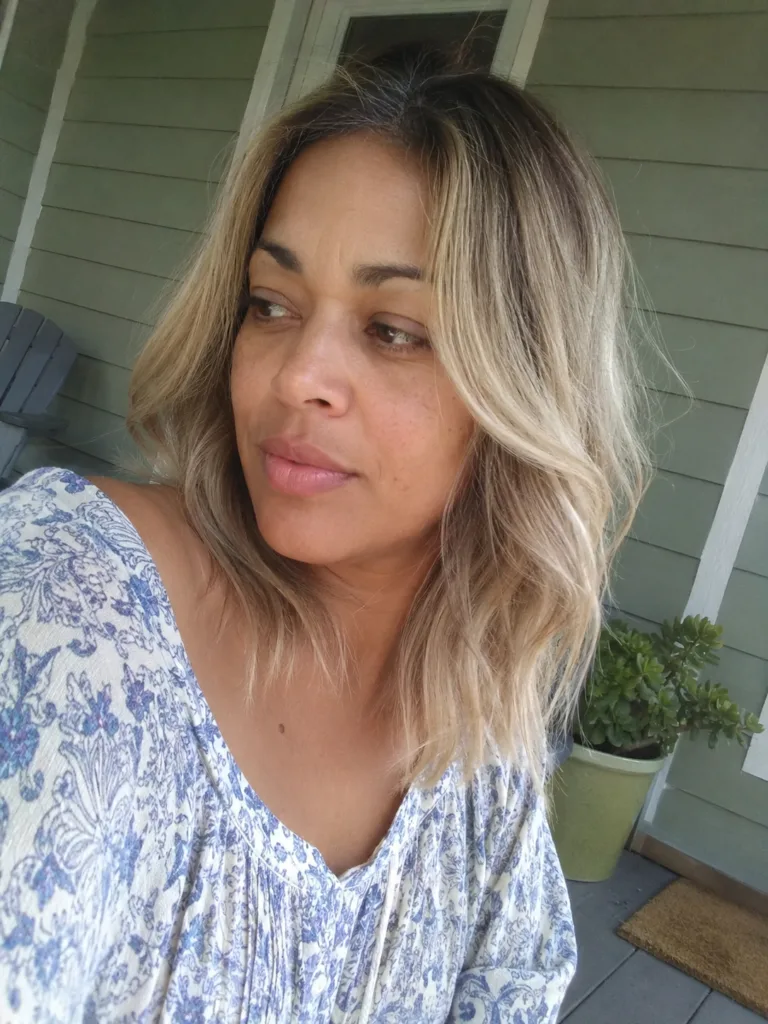
Hair Color Ideas: Complete Styling & Technique Guide
A hair color can look simple in a photograph while requiring a very different plan in real life. The biggest variables are usually hidden: your natural depth, old permanent color, previous lightening, gray percentage, porosity, and how much contrast you’re willing to maintain.
Placement matters just as much as shade. A warm caramel ribbon through brunette hair behaves differently from an all-over lighter brown, even when both photographs seem similarly bright. Face-framing pieces grow out differently from scattered highlights. Platinum puts far more emphasis on condition and regrowth than a rooted beige blonde. Vivid shades introduce another issue: fading can change the visible color long before the placement itself needs changing.
Use these hair color ideas as consultation directions rather than formulas. The strongest choice is the one whose brightness, contrast, grow-out, and maintenance fit both your starting hair and your routine.
Deep Color With More Dimension Than Flat Darkness
Espresso Gloss
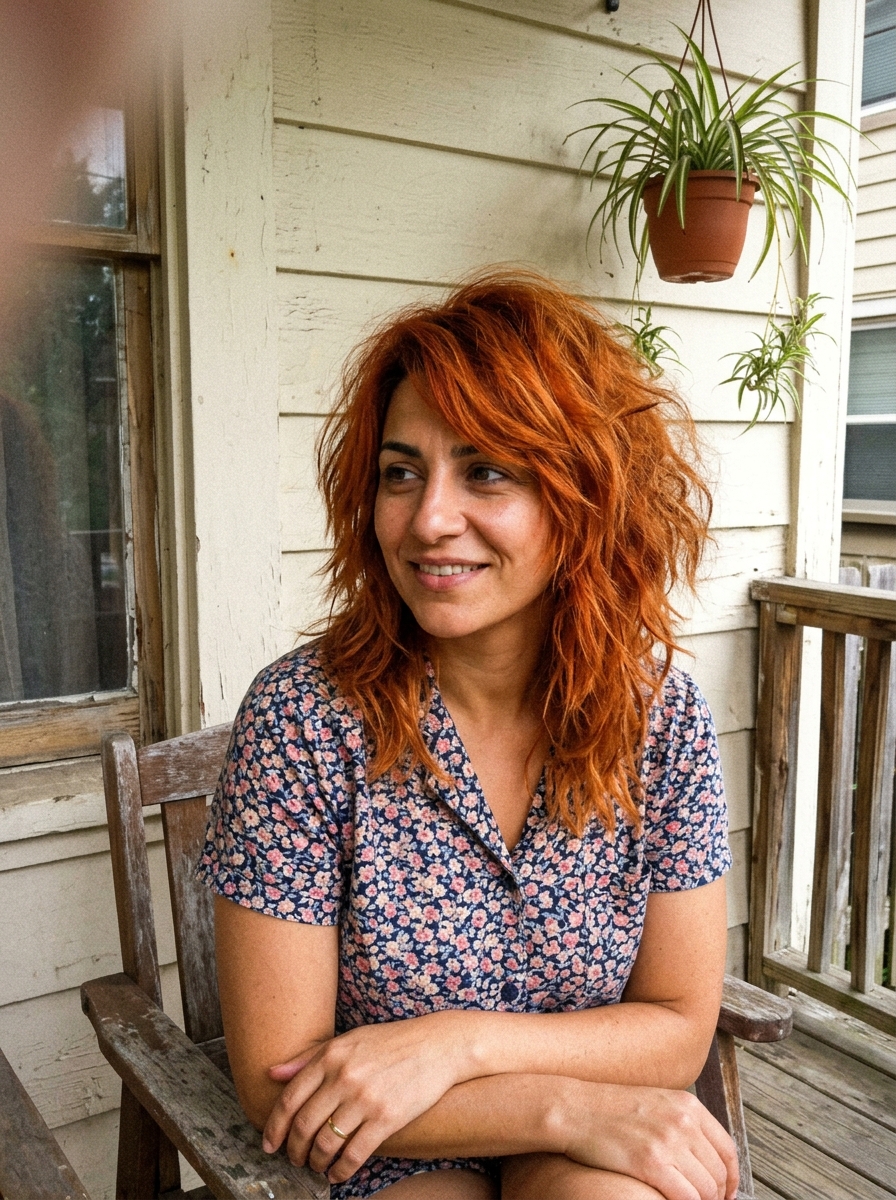
Espresso keeps the overall impression dark while adding a richer brown cast than a flat black result. It works especially well when you want shine and depth to carry the look instead of obvious highlighted pieces. On naturally dark hair, the change can read quietly indoors and become more noticeable under stronger light. That subtlety is the point, so choose it when you want refinement without a dramatic grow-out line.
Blue-Black
Blue-black has a cooler, inkier effect than ordinary soft black, and that difference becomes especially visible beside warm skin tones, warm clothing, or reddish natural pigment. The color can look almost neutral in low light before the blue cast appears in brighter conditions.
This is a stronger commitment than a sheer dark gloss because very dark artificial pigment can affect later plans to go significantly lighter. Someone considering blonde or copper in the near future has more reason to think carefully before making the hair extremely dark.
The shade also places attention on the surface of the hair. Smooth waves, curls with defined clumps, a sharp bob, and sleek styles all show the reflective depth differently.
Soft Black With Brown Ribbons
This direction keeps the root area and most of the hair dark, then adds restrained brown ribbons through selected sections. The result has more movement than an uninterrupted black shade without turning the hair visibly highlighted from every angle.
Placement should follow the haircut. Broad ribbons can break up a dense-looking shape, while finer pieces keep the effect quieter. On curls and coils, consider how the color will appear in the state you actually wear most often because shrinkage and curl grouping can change where those lighter sections visually land.
Chocolate Brown
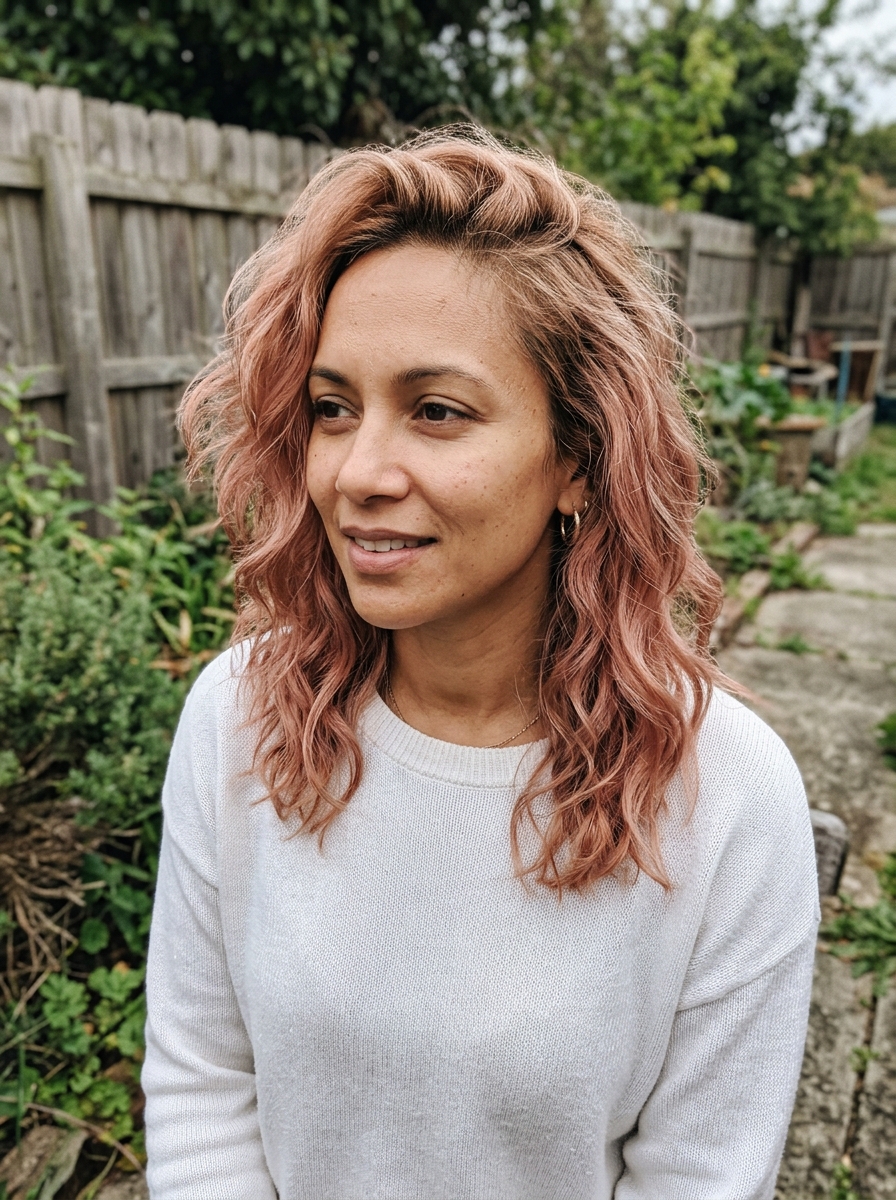
Chocolate brown is a useful middle ground for anyone who finds very dark brunette too severe but doesn’t want obvious light pieces. The visible effect comes from a warm-to-neutral brown depth that remains cohesive from roots to ends. It can make an existing layered cut look softer because movement reveals slightly different reflections without creating hard color blocks.
Mushroom Brown
Mushroom brown sits in a cooler, more muted brunette family. It makes the most sense for someone who prefers restrained beige or taupe tones over golden warmth.
The starting base matters. Hair with strong warm underlying pigment may need a different strategy from naturally cooler brown hair, and previously colored lengths can respond differently from untouched roots. Maintaining a muted result also means accepting that warmth may become more visible as the color wears.
Chestnut Brown
Chestnut brings controlled red-brown warmth into brunette hair without reaching the brightness of copper. It works particularly well when you want the hair to register as brown first and warm second. Because the warmth is part of the design instead of something being completely neutralized, the color can be more forgiving for readers who genuinely like reddish reflections.
Brighten Brunette Hair Without Making Blonde the Main Story
Caramel Balayage
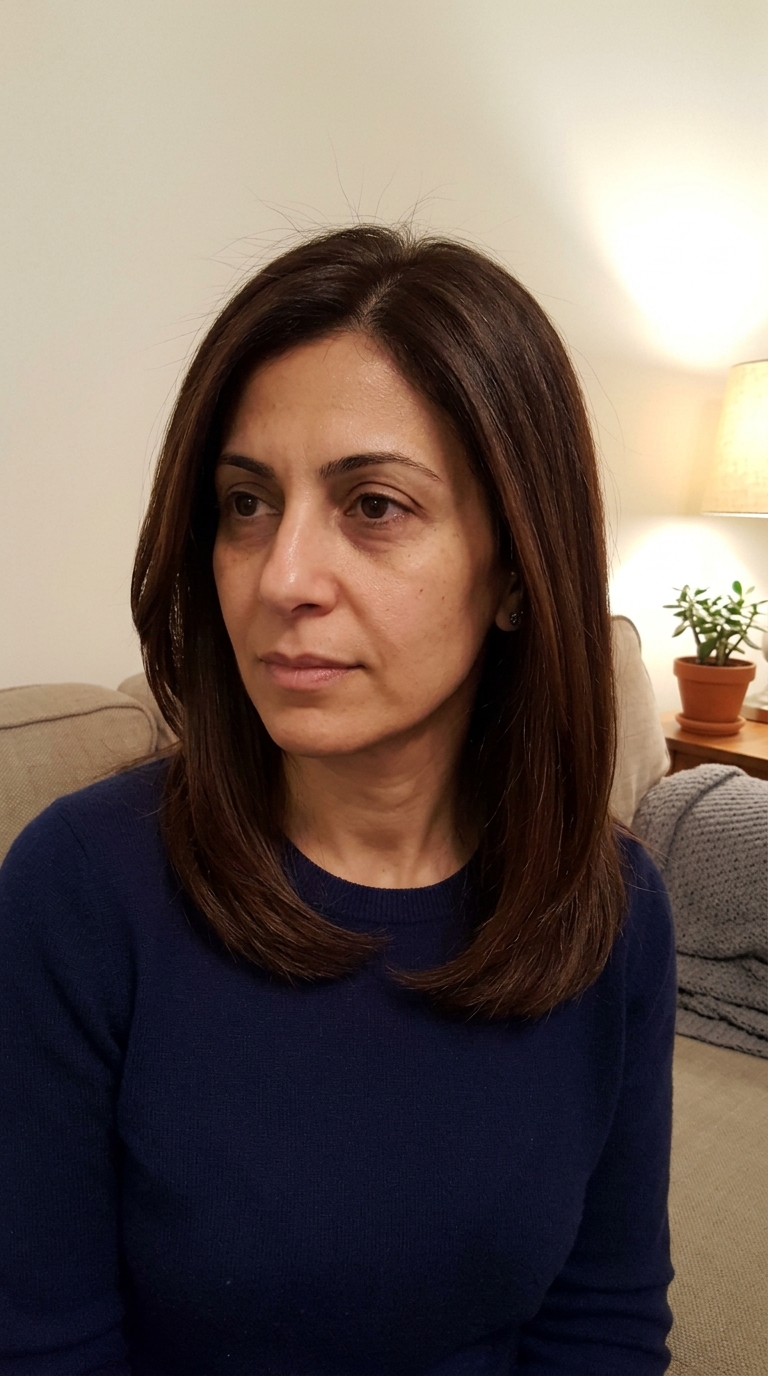
Caramel balayage is one of the more practical choices for dark hair when the goal is visible brightness with depth left at the roots. The lighter sections can be concentrated around the face, carried through the mids, or kept mainly toward the surface depending on how much contrast you want.
A reference photo can hide how light those selected pieces actually became before they were toned warmer. Starting depth, existing artificial pigment, condition, and previous chemical services all influence whether the target is sensible in one plan or better approached gradually.
Placement also changes the maintenance experience. A softer transition near the root generally gives the grow-out more room than brightness taken high throughout the entire head.
Mocha Highlights
Mocha highlights create a quieter contrast than golden caramel on deep brunette hair. Think brown-on-brown dimension rather than clearly blonde ribbons.
They are particularly useful in layered cuts and textured hair where movement already creates visual separation. Large high-contrast pieces can sometimes compete with that movement; mocha keeps the shape readable while still stopping the color from looking flat.
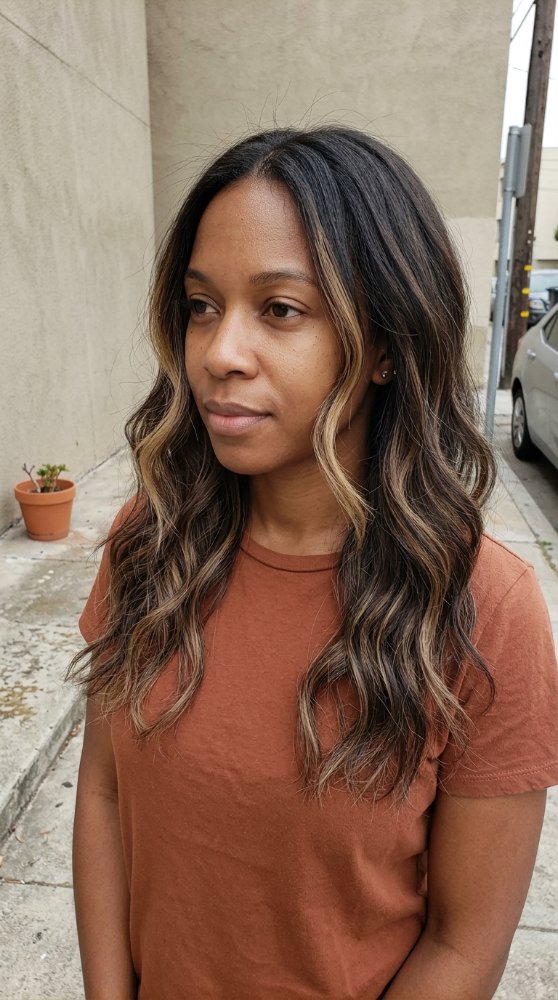
Toffee Face Frame
A toffee face frame concentrates warmth near the front instead of spreading lightness across the whole head. That makes it useful for someone craving an obvious change but unwilling to lighten large amounts of hair. The exact width matters: a narrow ribbon feels integrated, while a broader panel makes the front section a deliberate feature. Glasses, fringe, face-framing layers, and your usual part all affect how much of the color remains visible.
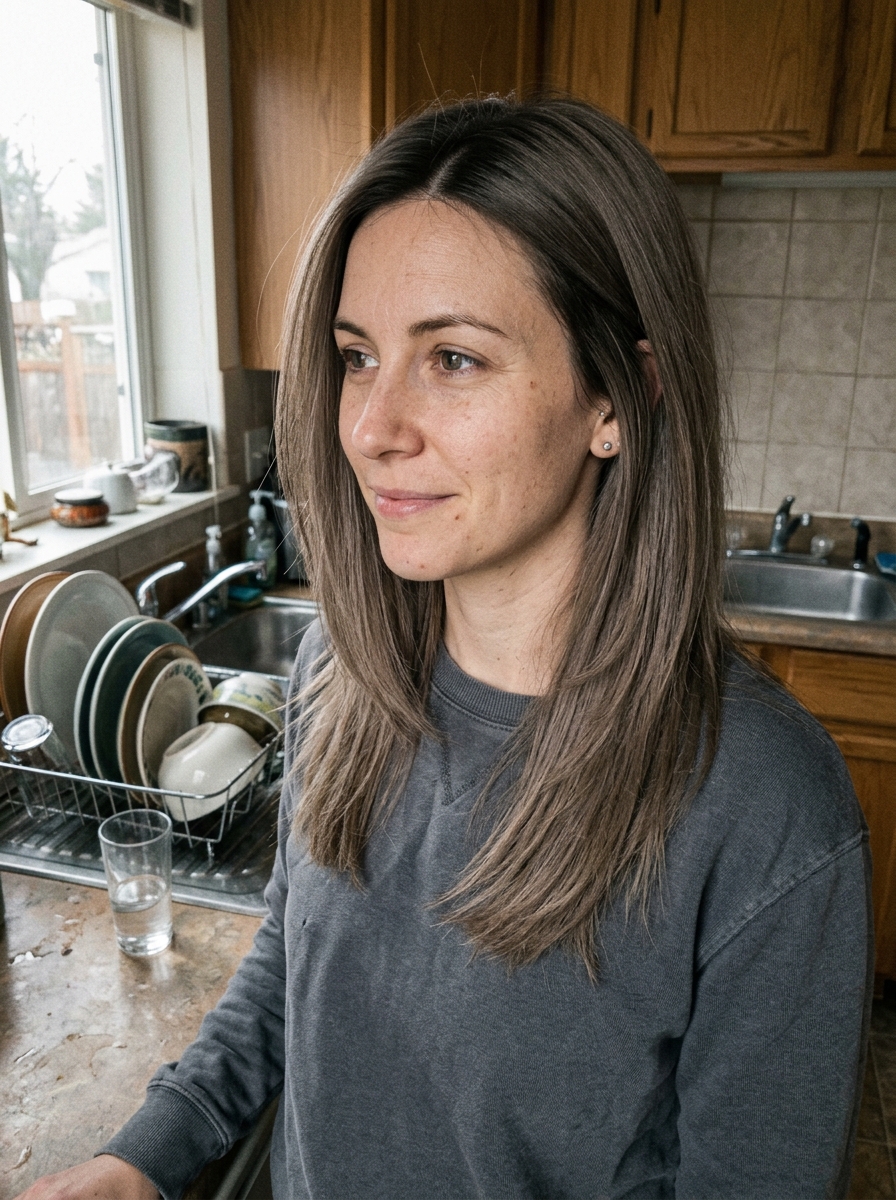
Bronde
Bronde works between brunette and blonde, but its real value is flexibility in deciding which side should dominate. A brunette-led version keeps deeper roots and more dark hair between lighter sections. A blonde-led version uses enough brightness that the overall result reads lighter.
This is often a stronger choice than forcing naturally dark hair toward an evenly blonde appearance when you still enjoy visible depth.
The haircut changes the balance. Long layers reveal scattered lightness through movement, while a blunt perimeter may make the contrast at the ends more obvious. Decide whether your reference image depends on waves, curls, or a blowout before judging the color alone.
Lighter Hair Color Ideas With Different Levels of Commitment
Honey Blonde
Honey blonde gives blonde hair clear golden warmth without pushing into orange or strongly copper territory. It suits readers who actually want warmth to remain visible rather than continually chasing an icy finish.
On deeper natural bases, the route to honey can involve substantial lightening even though the finished tone looks soft. Previously darkened or chemically processed hair deserves particular attention before deciding how bright the target should be.
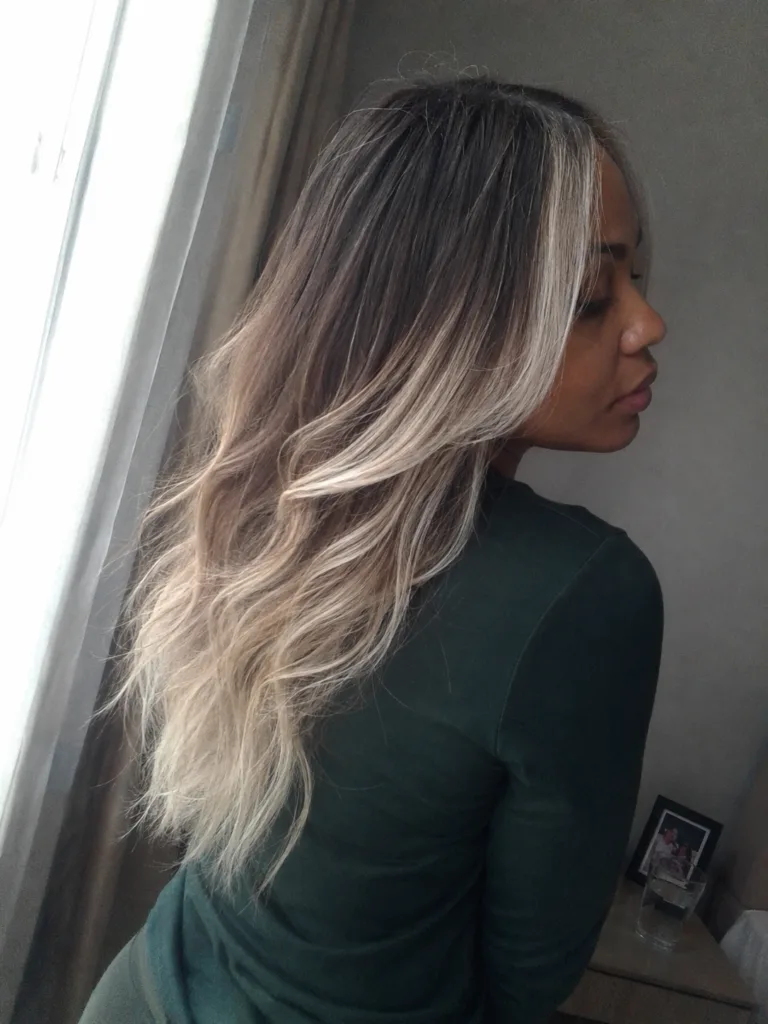
Beige Blonde
Beige blonde sits between obvious warmth and very cool blonde. Its muted appearance is especially attractive when you want lightness to be the feature without strongly golden or silvery toning.
A beige reference image can be deceptive because surrounding darker pieces often create much of the effect. The same beige tone used over a very uniform blonde canvas may look flatter and brighter.
Ask where the depth is located. A darker root, deeper interior sections, and selectively bright ends produce a different result from evenly light hair. Those construction choices also change how obvious regrowth becomes.
Rooted Blonde

Rooted blonde deliberately keeps or recreates depth near the scalp while the mids and ends remain considerably lighter. It is a strong option for someone who likes blonde but dislikes the visual impact of a stark light-to-dark regrowth line. The root area can also make pale lengths look brighter by comparison, so more lightening isn’t always needed to make the finished result feel high-impact.
Champagne Blonde
Champagne blonde combines pale brightness with a softly balanced finish that can lean slightly beige, creamy, or subtly cool depending on the starting canvas. It reads more luminous than a deeper honey blonde.
The demanding part is the level of lightness underneath. A delicate-looking finish may still require significant preparation on darker hair.
Previously lightened ends deserve separate consideration from stronger new growth. Porous areas can take and release tone differently, which means even-looking hair in a reference photograph may have required different treatment across the head.
A champagne direction is worth the extra upkeep when pale brightness is genuinely the priority. It makes less sense as a compromise for someone who wants very infrequent color attention.
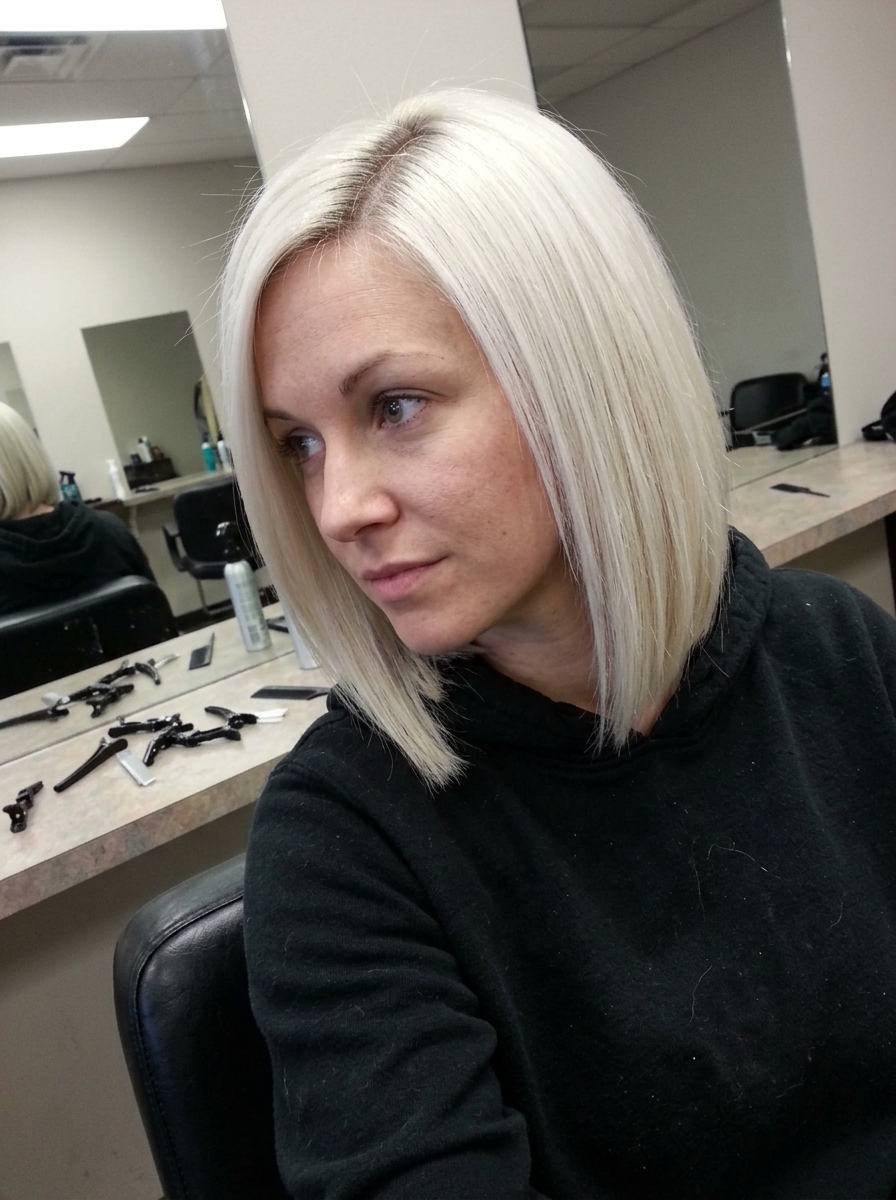
Platinum Blonde
Platinum is the clearest high-commitment blonde idea in this list. The effect depends on very high visible lightness, so your natural depth, artificial color history, condition, and previous chemical processing become central to the consultation. A shorter haircut can reduce the amount of older length you’re managing, but length alone doesn’t make aggressive lightening appropriate. Condition still sets the boundary.
Reds and Coppers That Change the Mood of the Whole Color
Strawberry Blonde
Strawberry blonde blends blonde brightness with a soft copper or golden-red influence. It looks lighter and more delicate than classic copper, making it useful when a full red feels too strong. Natural base depth changes how realistic the target is; on darker starting hair, creating the blonde component can be a much bigger transformation than the gentle finished color suggests.
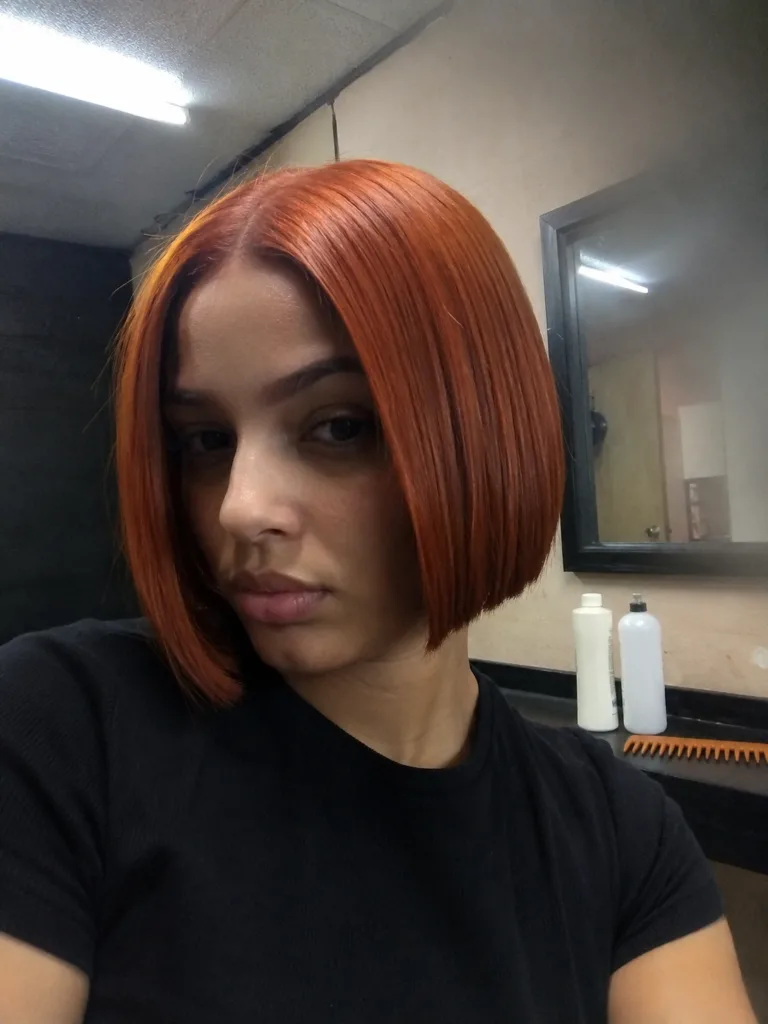
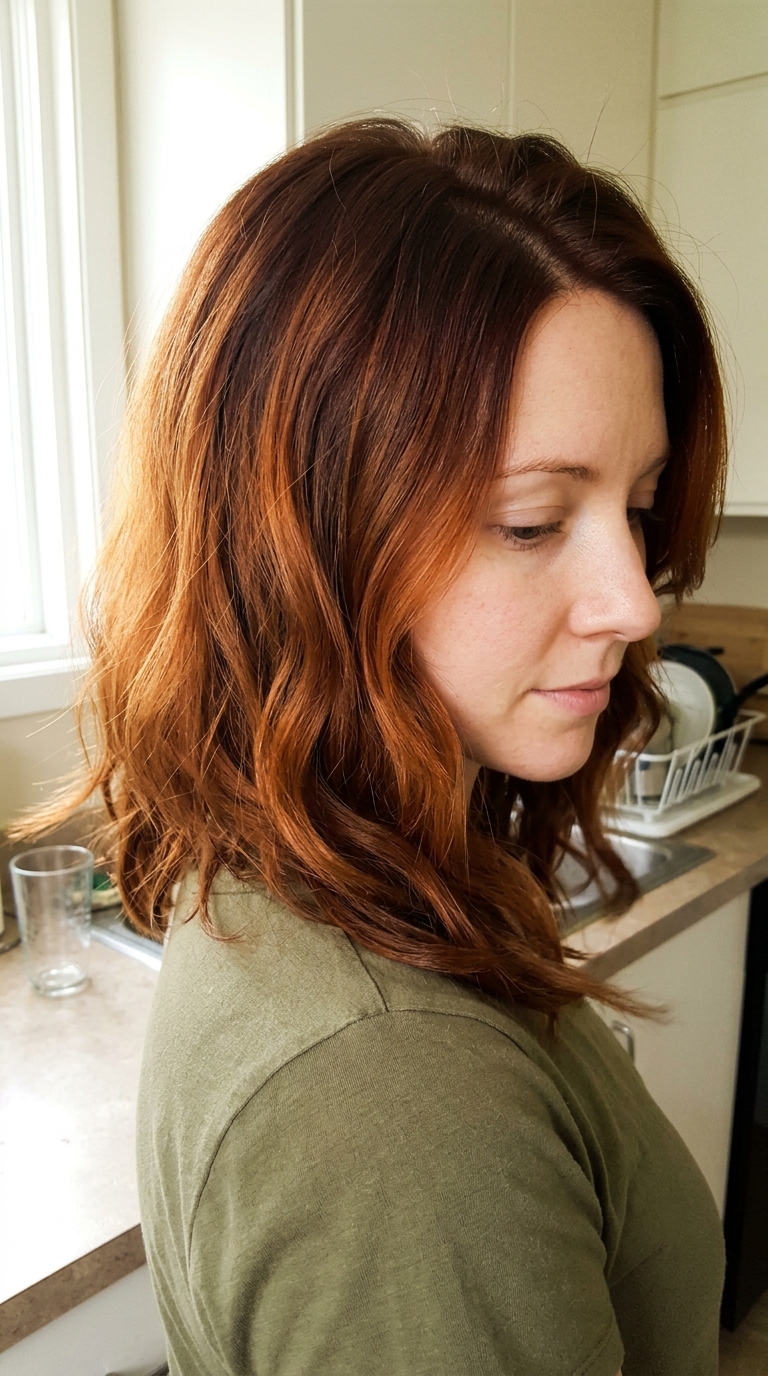
Copper
Copper is unapologetically warm. Unlike brunette with a slight red reflection, this color lets orange-red warmth become the main visual feature.
Depth changes its personality. A deeper copper can look rich and saturated, while a lighter copper feels brighter and more reflective. The haircut also matters because broad smooth surfaces show the color as one field, while curls and layers create shifting bands of light and shadow.
Copper can lose or shift visible intensity as it wears, so it suits someone comfortable paying attention to tone between major color changes.
Auburn
Auburn keeps more brunette depth than bright copper. That makes it a strong choice for anyone attracted to red hair but wanting something grounded and less luminous.
The most convincing versions keep the relationship between brown and red clear. Push too dark and the red may only appear in strong light; push too bright and the color begins moving toward copper.
For naturally deep bases, auburn can also preserve more visual depth around the root while still producing an unmistakably warmer overall result. Discuss how red you want the hair to appear indoors, not only in sunlight.
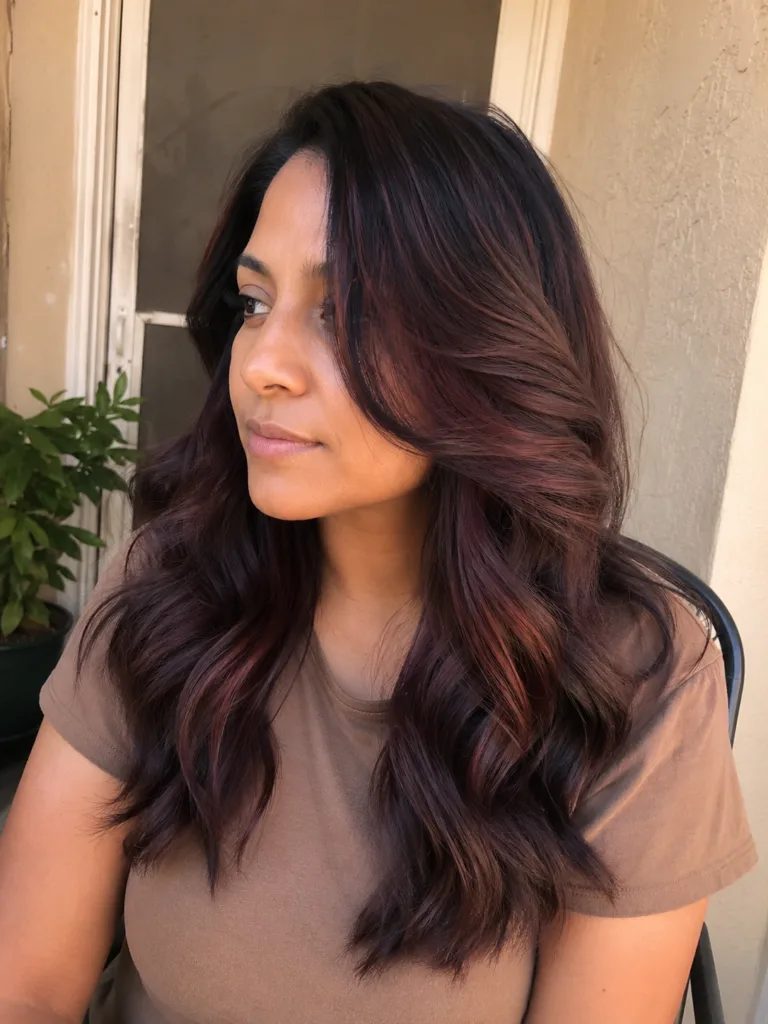
Cherry Cola
Cherry cola combines a dark brunette or near-black impression with a visible red-to-violet cast. It has more drama than chestnut yet retains enough depth to avoid looking like a bright fashion red. The color shows especially well where the hair bends, curls, or catches light, so straight studio photographs can underrepresent how dimensional it may look during normal movement.
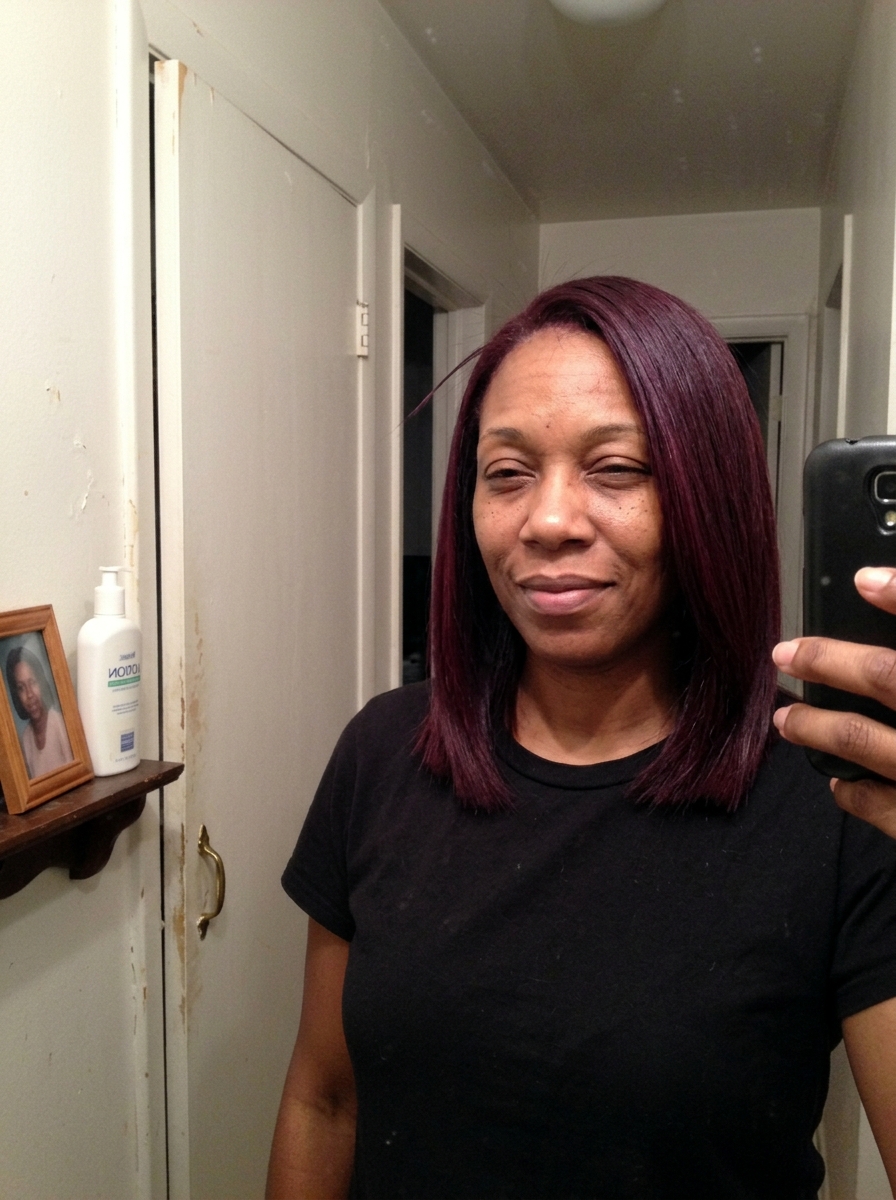
Burgundy
Burgundy moves further into red-violet territory and usually reads cooler than copper or auburn. It can be used as a deep all-over statement or kept more dimensional with darker areas left between colored sections.
The distinction from cherry cola is intensity. Cherry cola tends to preserve a stronger dark-brown identity, while burgundy allows the wine-toned color to become more obvious.
Violet-red tones can drift as they fade. Anyone choosing burgundy should like the family of tones around the target shade, not only the freshest version of the color.
Creative Color Without Treating Every Vivid Shade the Same
Rose Brown
Rose brown keeps a brunette base visible while introducing muted pink or rosy reflections. It is more wearable than a fully pastel pink because depth remains part of the design. This works particularly well when the goal is creative color without making the entire head very light, though the brightness of the rosy pieces still depends on what lies underneath them.
Peach
Peach lives between warm blonde, soft orange, and pink. The palest versions require a sufficiently light canvas to appear airy rather than deep copper.
That starting requirement is the hidden commitment. A pale-looking creative shade may involve more preparation than a much darker dramatic color.
Peach also changes noticeably as saturation drops, so maintenance should be discussed as part of the aesthetic. Someone who enjoys a family of warm faded tones may find that evolution easier to live with than someone attached to one exact photograph.
Smoky Lilac
Smoky lilac pairs violet with a grayer, muted finish. It is less candy-like than bright purple and often relies on substantial lightness in the sections meant to look pale.
Hair condition matters here because the target depends on both lightness and tonal clarity. Uneven porosity can make muted creative shades appear different from section to section.
This is a salon-dependent direction for anyone beginning with dark permanent color or a complicated lightening history. The finished softness shouldn’t be mistaken for a low-effort transformation.
Emerald Peekaboo Panels
Peekaboo placement hides much of the emerald beneath a darker top layer, allowing the green to appear during movement, updos, half-up styles, or tucked sections. It gives creative color a structural role instead of distributing it everywhere. The amount of visible green depends heavily on the haircut and parting, so choose the placement while wearing your hair in its normal state rather than relying only on a posed reference photograph.
Gray Blending as a Color Direction of Its Own
Gray Blending With Silver Ribbons
Gray blending uses the existing pattern of pigment loss as part of the color design instead of treating every silver strand as something to cover. Strategic lighter or cooler pieces can reduce the visual boundary between pigmented hair and gray hair, especially through areas where the natural silver is already concentrated.
Gray describes pigment loss, not a texture type. The hair still needs to be assessed for its actual strand size, density, curl pattern, porosity, condition, and styling state.
The strongest plan starts with your real distribution of gray. A photograph showing silver concentrated around the face may require completely different placement for someone whose gray is scattered mainly through the crown.
Match the Color Method to the Result You Want
Two colors can share a similar tone and still demand very different maintenance because placement controls what happens at the root and through the lengths.
What Your Hair Color Reference Photo May Be Hiding
Start by identifying the base underneath the color. A caramel brunette photographed in waves may contain more light pieces than you notice because the bends blend dark and light sections together. The same placement worn straight can appear more striped or contrast-heavy.
Lighting creates another distortion. Warm indoor lighting can make beige blonde look golden and copper look more saturated. Strong daylight may reveal red, violet, blue, or silver undertones that disappear in a darker room. Bringing several reference images is more useful than relying on one highly specific photograph.
The haircut deserves equal attention. Short layers expose different pieces every time the hair moves. A blunt bob concentrates color around the perimeter. Long curls can hide entire interior sections until the hair stretches or shifts. Color should be planned for the texture and styling state you normally wear.
Chemical history is the part no photograph can reveal. Permanent dark color, previous lightening, relaxing, and other chemical services can change what is sensible for the next transformation. That history matters even when the hair currently looks uniform.
Choosing Between Subtle, Dimensional, and High-Contrast Color
A subtle result stays close to your existing depth. Espresso, chocolate, chestnut, and muted brunette variations belong here. They are useful when you want the haircut, curls, or overall finish to remain more noticeable than the color technique.
Dimensional color uses separation between darker and lighter areas. Caramel balayage, bronde, mocha highlights, and rooted blonde fit this category. Placement becomes the main decision: more brightness around the face feels different from lightness concentrated toward the ends.
High-contrast color makes the color construction visible on purpose. Platinum against darker regrowth, a bright face frame, or emerald peekaboo panels all rely on a stronger difference between sections. That contrast can be visually exciting, but it also makes changes in tone and regrowth easier to notice.
Choose the strongest contrast you genuinely enjoy between appointments, not only the version you like on the day the color is freshly finished.
Maintenance Starts With the Type of Change
Color upkeep isn’t one universal calendar. It depends on the distance between your natural base and the colored result, how visible the root transition is, whether the tone fades noticeably, and the condition of the hair.
Very dark artificial color creates one kind of commitment because a future lightening goal may become more complicated. Very pale blonde creates another because maintaining bright lightness can place more demand on already processed lengths. Reds and creative shades may keep their placement while the visible tone shifts.
Home care should protect the result without turning into a rigid product prescription. Cleansing frequency can reflect your scalp needs, activity level, styling state, and buildup. Heat use should also be adjusted to the tool, technique, condition, and desired finish instead of following one temperature rule.
Curly and coily hair deserves planning in its normal wearing state. Lightened curls can show dryness, uneven definition, or shrinkage differently from straightened reference images. Color placement should support the shape you actually wear most.
A Better Color Consultation Checklist
Before committing to a shade, bring the discussion back to the physical starting point:
Your natural depth and visible gray pattern
Permanent or semi-permanent color already in the hair
Previous lightening and other chemical services
Areas with noticeably different porosity or condition
The styling state you wear most often
How much root contrast you want to see during grow-out
Whether warmth is welcome or something you prefer minimized
The amount of fading or tonal change you’re comfortable maintaining
Which part of the reference image matters most: overall brightness, placement, tone, or contrast
It also helps to identify what you’re willing to sacrifice. Someone prioritizing maximum lightness may need a more condition-led plan. Someone prioritizing easy grow-out may get a better result by keeping strategic depth. Someone who loves vivid color but dislikes frequent tonal maintenance may enjoy a hidden panel more than an all-over pastel.
Related Hairstyles to Explore
- Dark brown hair color ideas
- Pink hair color ideas
- Copper hair color ideas
- Platinum blonde hair color ideas
FAQs
What hair color is easiest to choose if I want a subtle change?
Stay close to your current depth and change the tone or dimension first. Espresso, chocolate brown, chestnut, soft brunette ribbons, and similar directions can produce a visible refresh without making lightness the main feature. The right choice still depends on whether your hair is natural, previously colored, or chemically processed.
Can curly or coily hair use the same color ideas?
Yes, but placement should be evaluated in the state the hair is normally worn. Curl grouping and shrinkage can move highlighted pieces closer together or hide sections that look prominent when the hair is stretched. Lightening decisions should also account for existing condition and previous chemical services.
Should I color my hair darker before deciding whether to go blonde later?
Think carefully before making hair significantly darker with artificial pigment when a major lightening goal is already on your mind. Previously darkened hair can require a different path from untouched hair. Discuss the future blonde target as part of the current color decision instead of treating the two changes as unrelated.
What should I do if my scalp becomes painful or irritated after a color service?
Persistent pain, burning, redness, sores, or significant irritation deserves attention rather than another cosmetic adjustment. Stop using anything that appears to aggravate the area and talk with a dermatologist or another qualified healthcare professional when symptoms persist or concern you.
Hair Texture & Upkeep Style Matcher
Select your natural hair texture and daily maintenance window to get an instant styling formula and heat safety cap.
Heat Cap: 320°F (160°C)
A versatile three-strand braid beginning at the parietal ridge, securing the top half while allowing natural wave texture to flow freely around the shoulders.
Conclusion
The most useful hair color idea isn’t simply the most dramatic shade in the photograph. Decide first how much of your natural depth you want to keep, where the contrast should sit, and how much tonal change you’re willing to maintain.
For a lower-commitment refresh, deeper brunette and softly dimensional options leave more room for your existing color to remain part of the result. Blonde, vivid, and high-contrast transformations put more emphasis on condition, chemical history, and future upkeep. Gray blending works differently again because the natural silver pattern becomes part of the placement plan.
Take the reference image to your consultation, but be ready to discuss the structure behind it. Shade gets attention first. Starting base, placement, and maintenance determine whether the color still makes sense after the photograph is out of view.
Editorial Standards & Hair Health Guidance
Every style featured on Tress Atlas is curated with a focus on real-world wearability, scalp tension management, and cuticle preservation. When trying protective styles or tight updos, ensure perimeter hairline sections remain tension-free to avoid traction stress on delicate follicles. For heat styling, cap tools below 350°F (180°C) to prevent thermal keratin denaturation.
Scientific Sourcing: Practices aligned with the American Academy of Dermatology (AAD) on traction alopecia risk reduction and cosmetic trichology research on hair tensile strength.