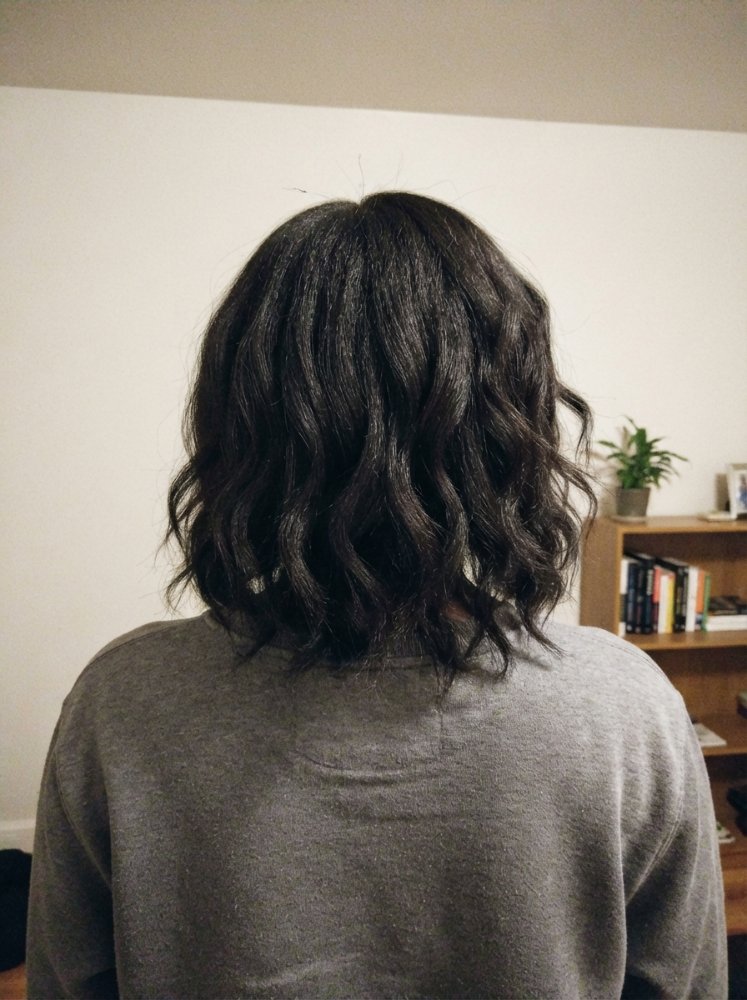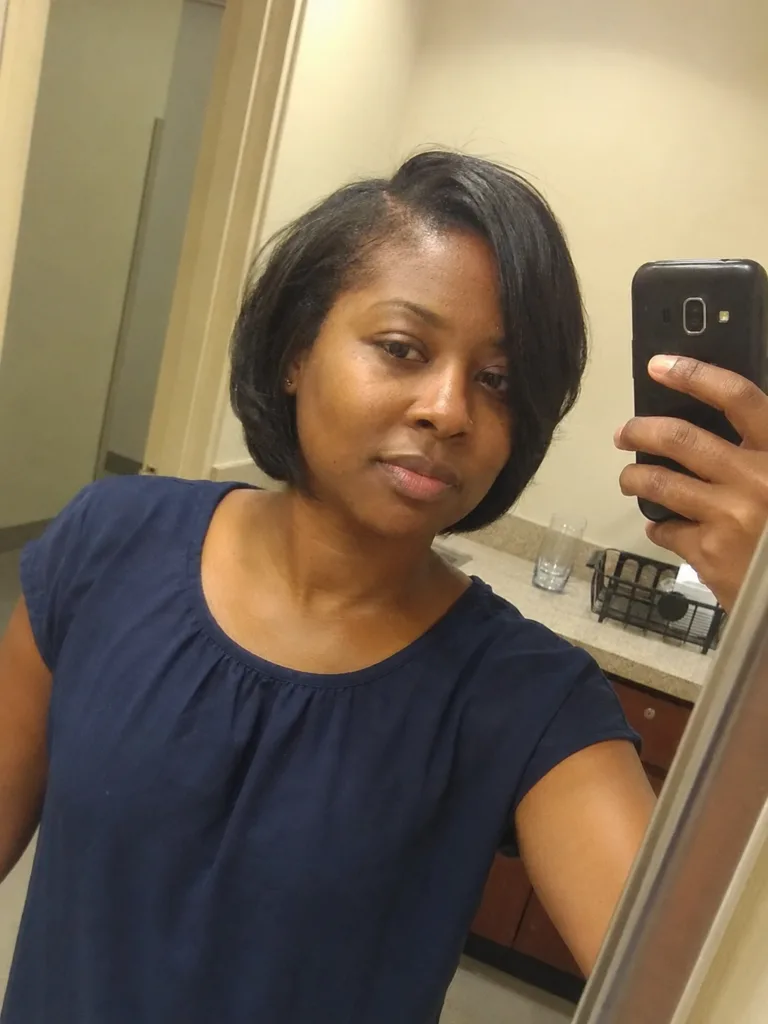
Layered Haircuts for Long Hair: What Changes the Result
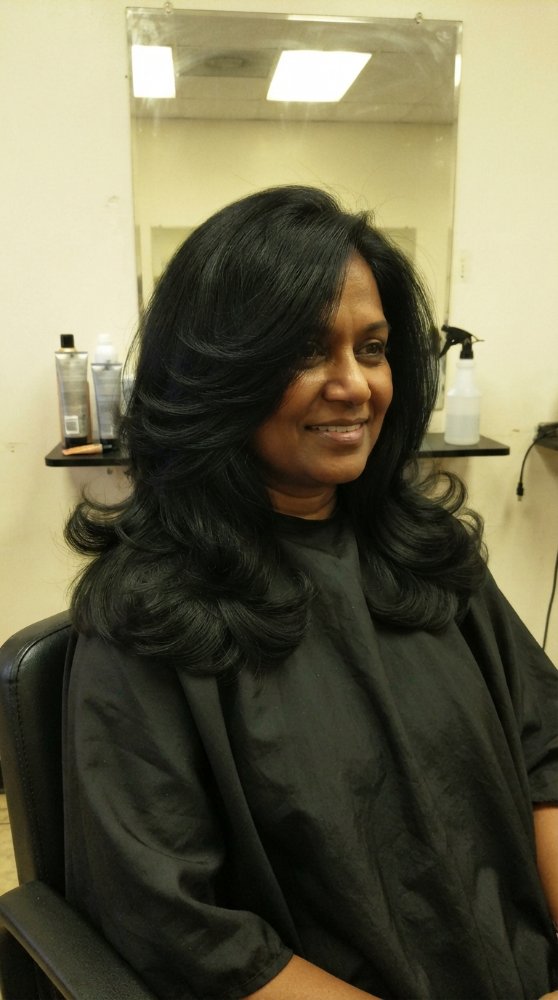
Long hair can take layers in very different directions. The same overall length can look dense and flowing, airy and separated, rounded through the back, or dramatically shorter around the face depending on where the first layer begins and how much hair is removed underneath it.
That makes the decision more important than simply asking for “long layers.” A haircut with subtle movement through the last section of the hair behaves very differently from one with short crown layers, extensive face framing, and a heavily broken-up perimeter.
The practical starting point is straightforward: decide how much of your existing length you want to feel layered. Keeping the shortest layers below the shoulders usually preserves more weight and makes the change easier to live with. Bringing layers higher creates stronger movement, but it also affects ponytails, air-drying, styling time, and the visual fullness of the ends.
Your natural texture, density, strand size, usual styling method, and current condition all change that equation.
What Layers Actually Do to Long Hair
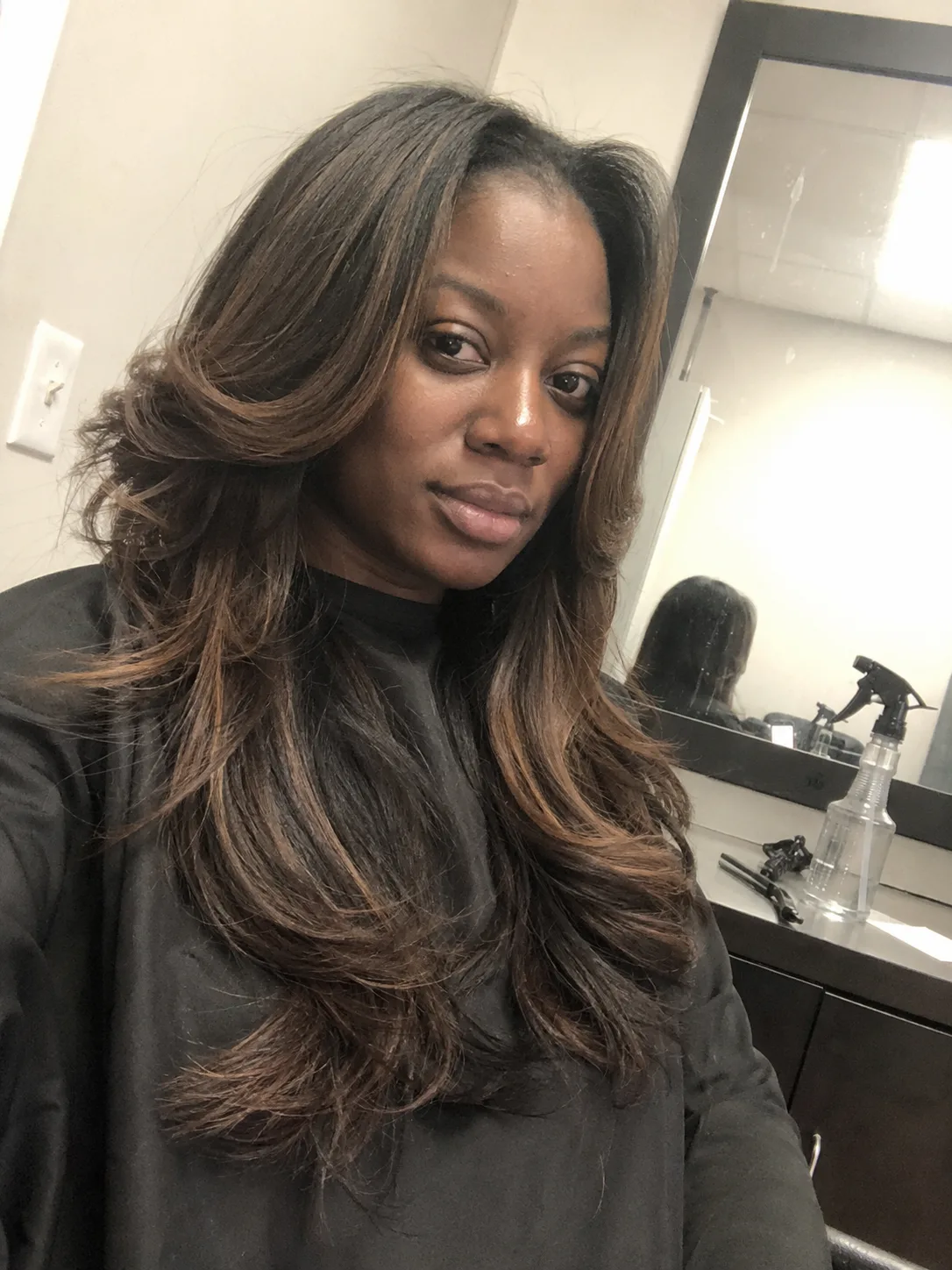
Layers redistribute hair rather than simply making a long haircut more interesting.
A one-length or minimally layered cut keeps much of the hair’s weight around the lower perimeter. Adding layers shortens selected sections, allowing those pieces to move independently instead of falling into the same bottom line.
A small amount of layering can soften a heavy length without substantially changing its overall presence. More aggressive layering creates greater separation between the crown, mid-lengths, and ends.
That affects several things at once:
how full the bottom edge appears
how easily the hair develops movement
where waves and curls sit
how much volume can develop around the crown
how many shorter pieces escape from ponytails and buns
how much styling is needed to show the cut clearly
Layers can make very long hair feel lighter, especially when excess weight has been pulling the shape downward. They can also make the ends appear less substantial when too much hair is removed from a perimeter that was already sparse or damaged.
Haircuts cannot create actual density. What they can do is distribute existing hair in a way that makes some areas look fuller and others lighter.
That distinction matters most when the ends are already transparent. In that situation, preserving a stronger bottom line may improve the haircut more than adding another level of layering.
Where the Shortest Layer Starts Changes Everything
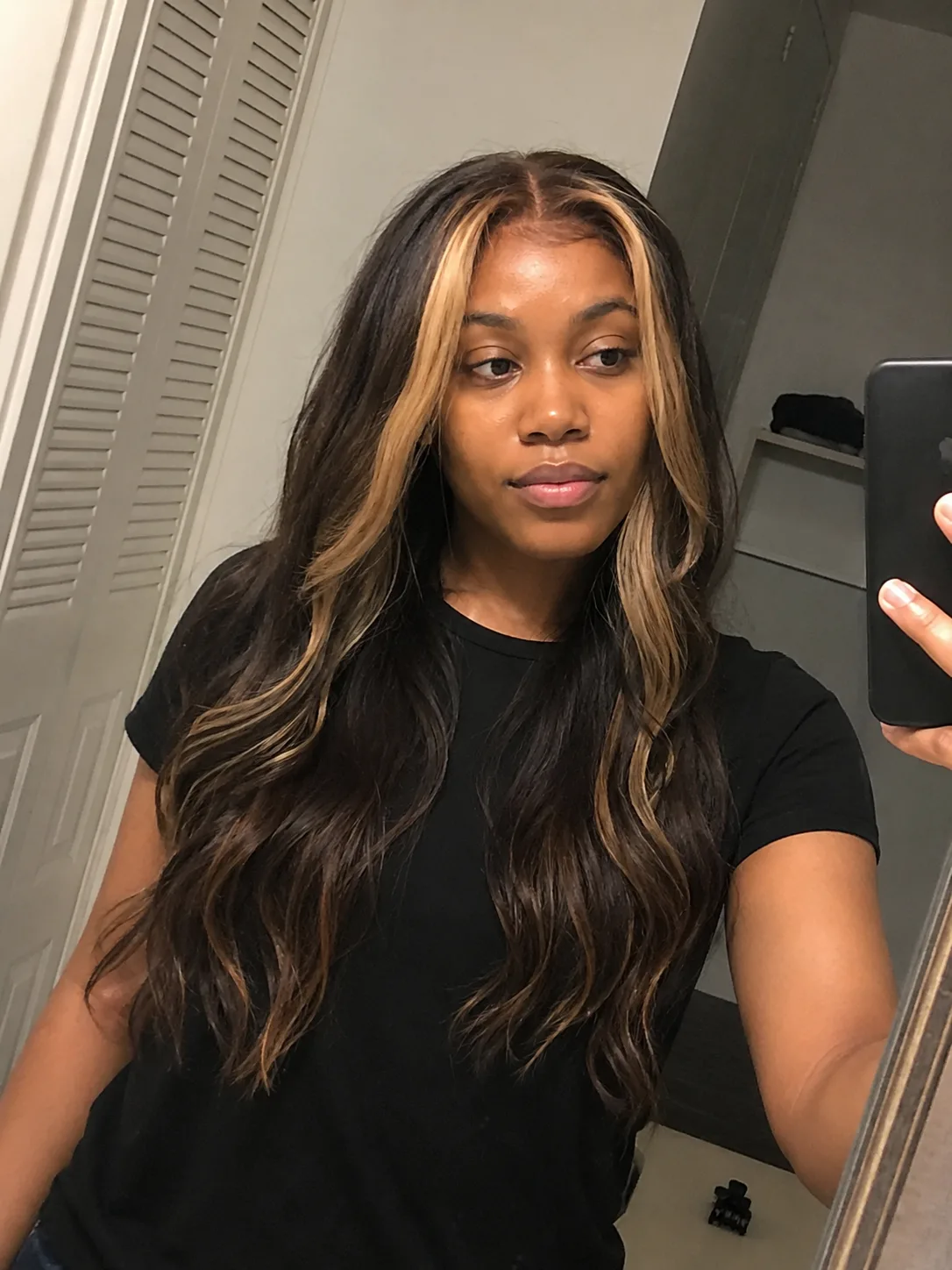
“Long layers” is an imprecise salon request because two people can use the phrase for very different cuts.
The location of the shortest layer gives you a much clearer way to discuss the haircut.
For someone nervous about losing the feeling of long hair, lower layers are the stronger starting point. You retain more of the heavy sweep through the back while introducing enough movement to prevent the cut from looking completely solid.
Short crown layers are a bigger commitment. They can create an impressive rounded or cascading shape, especially after a blowout, but they remove more weight from the upper lengths and take longer to blend back into a one-length shape if you change your mind.
Face-framing pieces are a separate decision. You can have significant movement around the cheekbones, jaw, or collarbone while keeping the interior and back relatively long. That combination works particularly well for someone who wants a visible change from the front without sacrificing much density at the lower perimeter.
Your Density and Strand Size Should Influence the Amount of Layering
Fine hair and low-density hair aren’t the same thing.
Fine hair describes the diameter of individual strands. Low density means there are fewer strands overall. Someone can have fine strands and a high overall density, while another person may have thicker strands but relatively low density.
That distinction changes how much layering the haircut can comfortably carry.
Long, dense hair often has enough material for internal weight removal and multiple visible layer lengths while retaining a convincing perimeter. The exact amount still depends on texture and condition, but there is usually more room to redistribute weight.
Low-density long hair needs a more selective approach. Removing a large amount from the interior can expose more space between strands and leave the ends looking thin. A strong perimeter with restrained layering is frequently the better choice.
Fine but dense hair sits somewhere else entirely. The strands may benefit from movement because one-length hair can collapse into a flat sheet, yet overly wispy ends can lose presence quickly. Soft, connected layers generally make more sense than aggressive thinning.
Coarse strands can also occur at any density. Larger strand diameter doesn’t automatically mean the hair needs extensive weight removal. A person with coarse strands and moderate density may want smoothness and perimeter weight more than a highly fragmented cut.
Pay attention to the condition of the bottom few inches as well. Splitting, breakage, and transparent ends can make an otherwise well-designed layered cut look underbuilt. Establishing a healthier-looking perimeter may need to come before chasing dramatic movement.
A sudden or concerning change in density is a different issue from choosing layers. That deserves assessment by a dermatologist or another qualified healthcare professional rather than trying to disguise the change through increasingly complex cutting.
Straight, Wavy, Curly, and Coily Hair Make the Same Layers Behave Differently
Layer placement should be planned around the state in which you normally wear your hair.
Straight hair
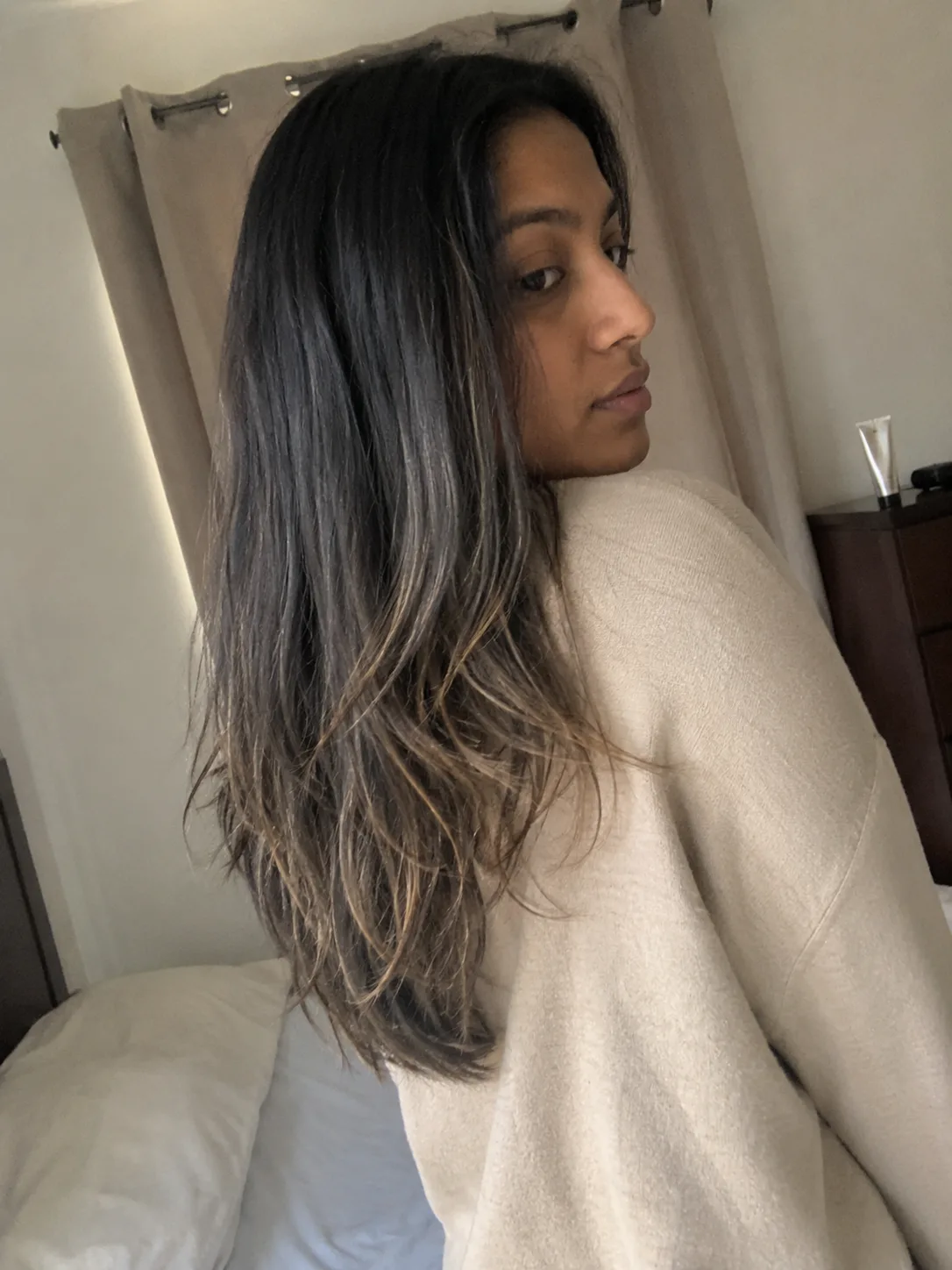
Straight hair shows the geometry of a layered haircut clearly. Poorly connected sections can look like obvious steps because there isn’t much texture to disguise the transitions.
Long, blended layers produce softer movement. Shorter, more dramatic sections create visible separation and often become much more noticeable after round-brush styling or another method that bends the ends.
Very straight hair may look considerably flatter when air-dried than it does in a reference photo showing a voluminous blowout. The cut and the styling are producing that photograph together.
Wavy hair
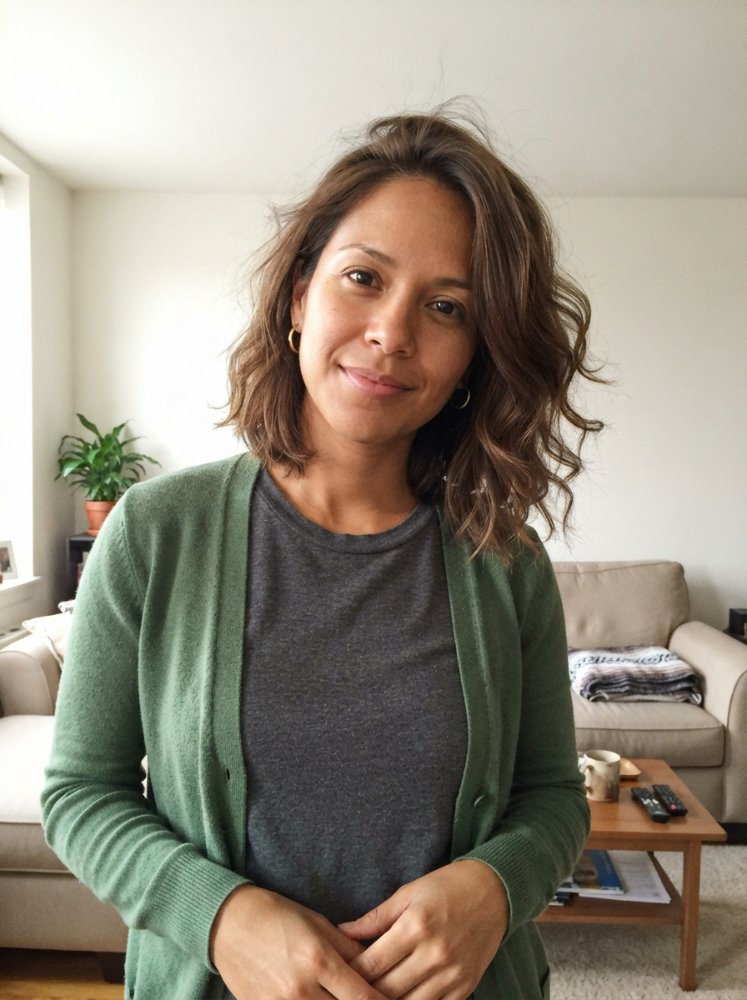
Length can stretch waves downward, so removing some weight may allow more bend to appear through the mid-lengths.
The strongest layers don’t always produce the strongest wave pattern, though. Short pieces can behave differently from the lengths beneath them, particularly where some sections of the head are naturally straighter than others.
A layered wavy haircut should work reasonably well in your ordinary styling routine. A shape that looks excellent only after extensive heat styling may be a poor trade when you mostly air-dry.
Curly hair
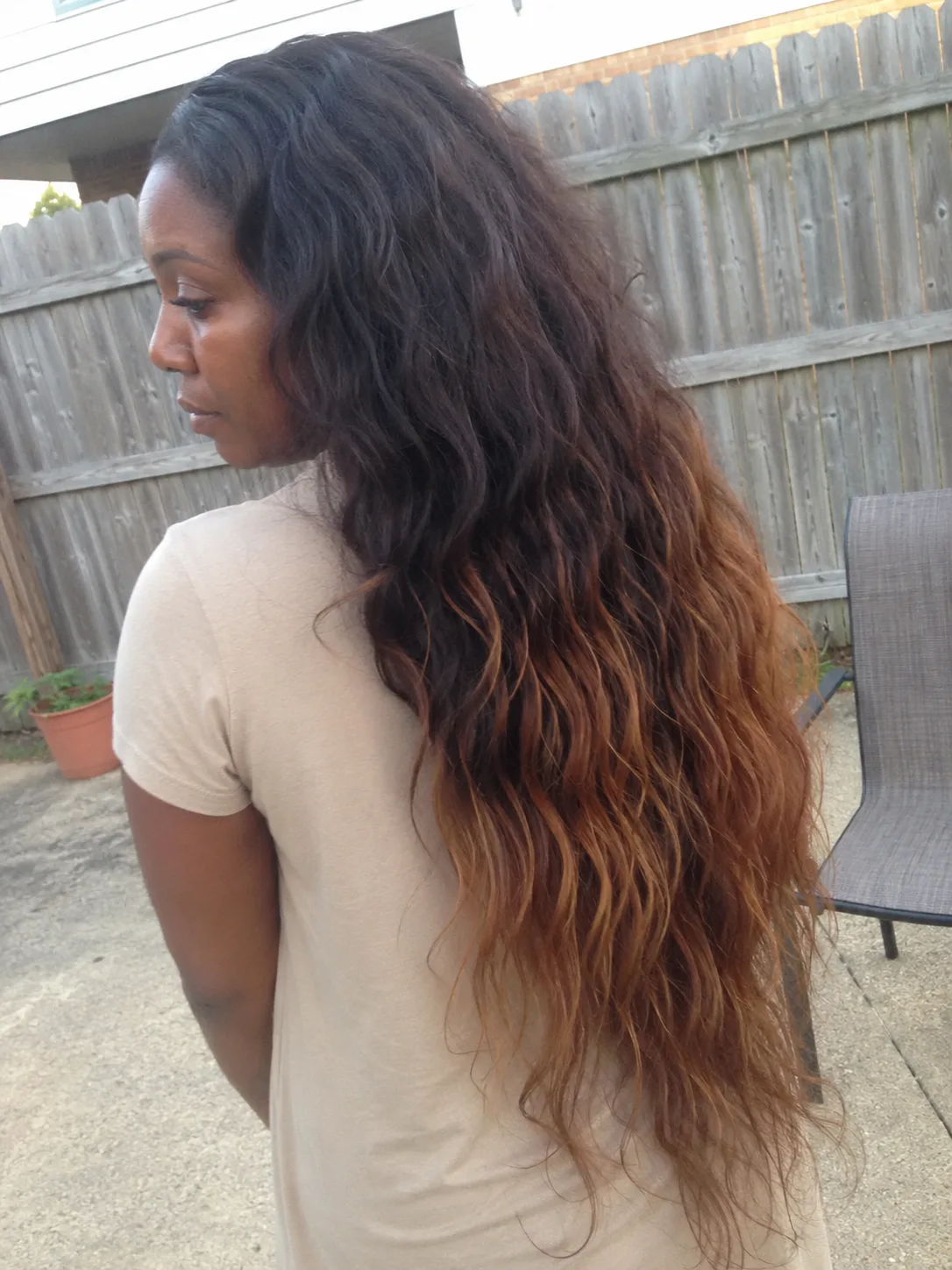
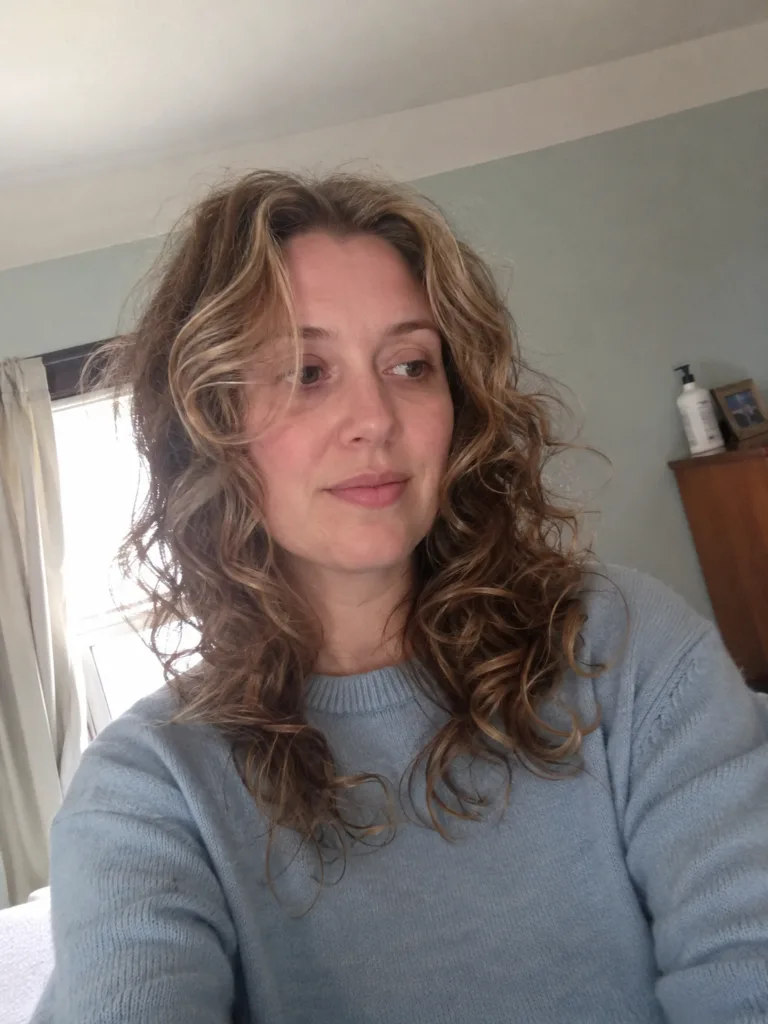
Curly hair makes layer placement more three-dimensional. A section that appears moderately shorter while wet can spring considerably higher once dry.
The finished shape should therefore be considered in the state in which the curls are usually worn. Curly cuts may be performed wet, dry, or through a combined approach; the important issue is how the final distribution works with the actual curl pattern and shrinkage.
Higher layers can prevent long curls from forming a heavy triangular outline, while excessive shortening near the crown can create far more height than expected.
Coily hair
Shrinkage becomes particularly important with tighter coil patterns. Visible dry length may differ substantially from stretched length, and different areas of the head can contract by different amounts.
Layers can create a rounded, graduated, or cascading outline while preserving substantial overall length. Cutting decisions based only on stretched hair can miss how the sections stack after shrinkage.
Anyone who regularly alternates between shrunken, stretched, and pressed styles should discuss which state matters most. One haircut can’t produce identical proportions in every state.
Face-Framing Layers and Interior Layers Solve Different Problems
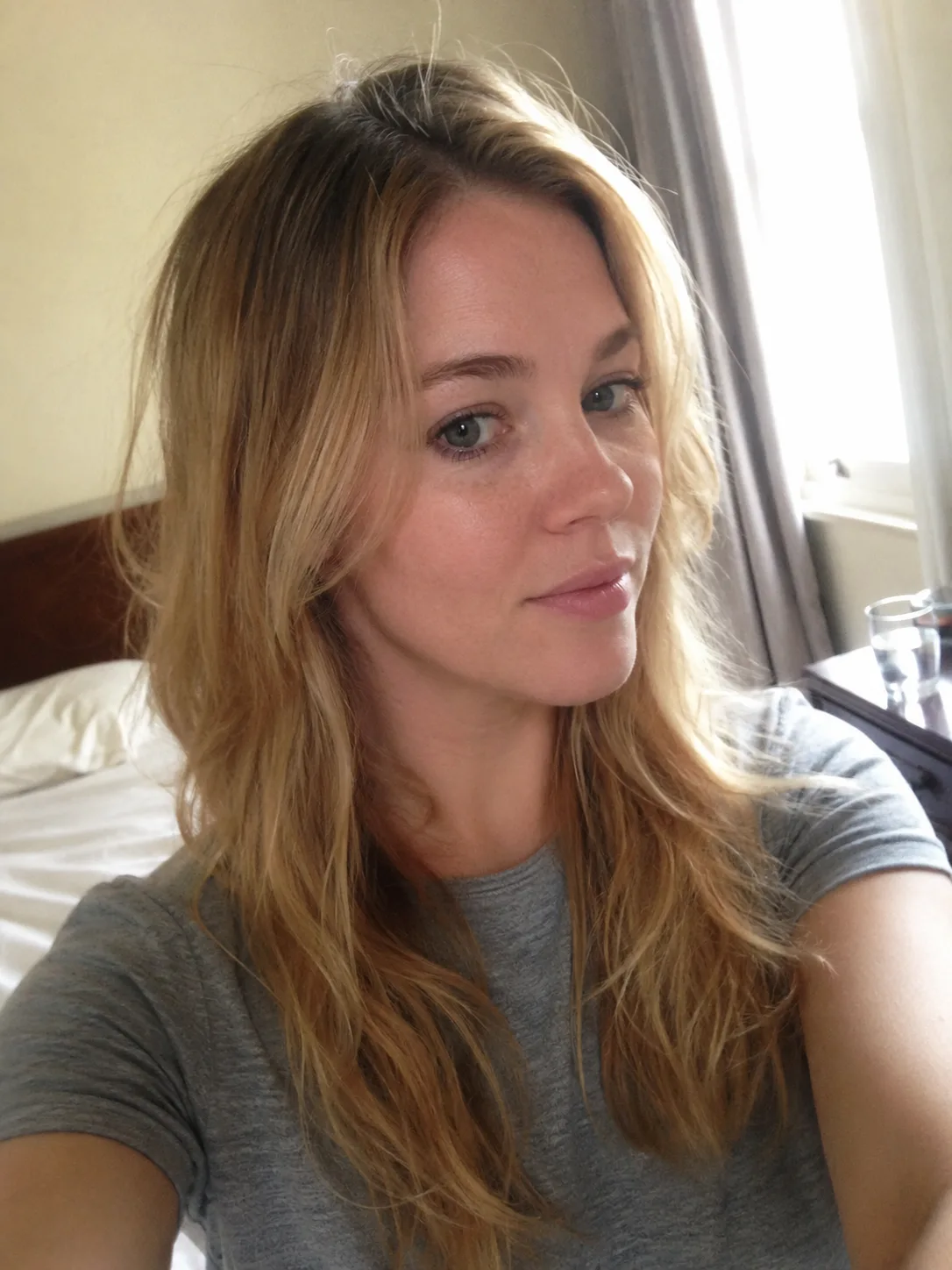
The front of the haircut doesn’t have to dictate what happens through the entire back.
Face-framing layers shorten selected pieces around the front perimeter. Depending on where they begin, they can draw attention toward the cheekbones, jaw, shoulders, or collarbone and create movement without substantially reducing the mass of the back section.
Interior layers redistribute more hair throughout the cut. They influence the overall movement, crown volume, bulk, and bottom weight rather than just changing the front view.
That separation is useful for long hair.
Someone with healthy but lower-density lengths may be better served by restrained face framing and a strong back perimeter than by extensive layering through the whole head. You still see a noticeable haircut from the front while retaining more hair through the ends.
Dense hair that feels heavy through the mid-lengths may need the opposite solution. Cutting only the front can leave the back feeling like a thick curtain. Connected interior layers allow the mass to break up and move.
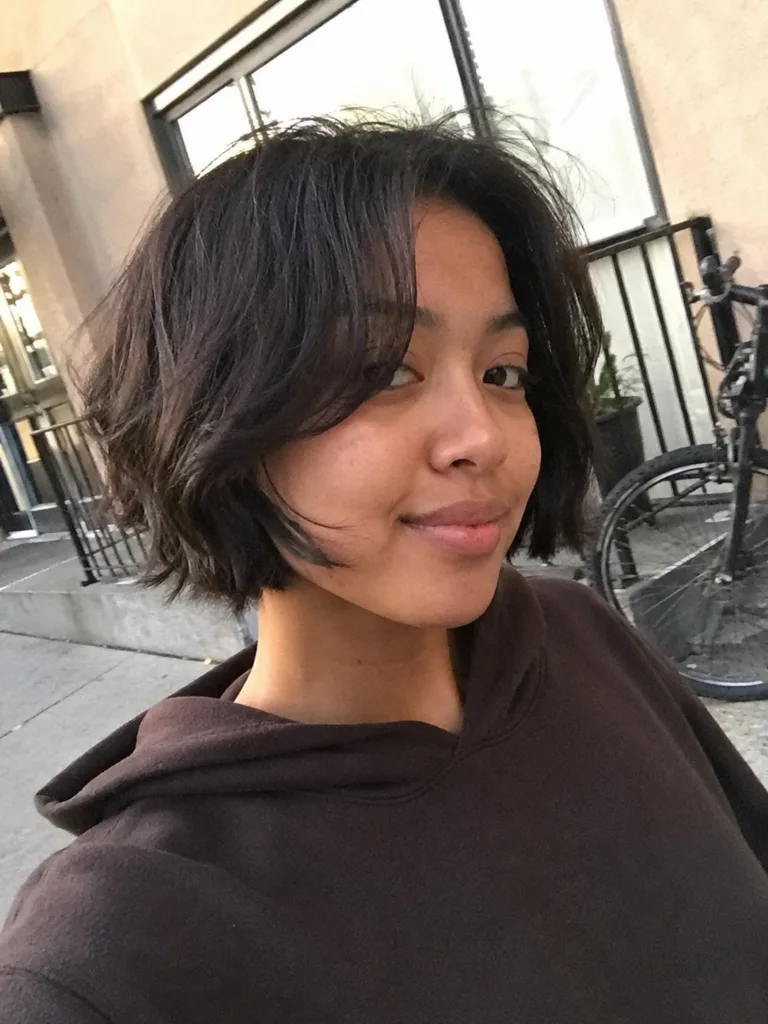
There is also a middle ground: a longer interior shape combined with more noticeable framing near the front. This tends to be more versatile than a heavily layered crown because the longest sections retain enough weight for braids, ponytails, buns, and smoother styles.
Where those front pieces begin should reflect how you actually wear your hair, not a rigid face-shape rule. Think about your regular part, whether you tuck hair behind your ears, glasses, your preferred level of cheek exposure, and how short pieces behave on rushed mornings.
What Layered-Hair Photos Often Leave Out
A layered haircut is usually photographed in its most expressive styling state.
The crown has lift. Each level curves away from the next. The ends are separated enough for you to see every section of the haircut.
Ordinary life can flatten much of that distinction.
Very long straight layers may merge visually after an air-dry. Waves can shrink certain sections and make others appear disproportionately long. High crown layers that look dramatic from the front may create many loose pieces when the hair is pulled into a ponytail.
A reference photo also rarely shows the back of the head after several hours against a chair or car headrest. A high-volume blowout gradually compresses. Long layers move underneath coat collars. Shorter face-framing sections escape from a low bun. Humidity can expand naturally textured hair and change the spacing between layers.
None of those effects make layering a poor choice. They simply belong in the decision.
Pay particular attention to photos where the ends have been curled strongly away from the face. That styling creates separation between layers and can make the haircut appear more dramatic than it looks when straight.
You also need to distinguish haircut volume from styling volume. A cut can make lift easier by removing weight, but it can’t reproduce a round-brush finish without the styling that created it.
This is one reason screenshots are more useful when you bring several examples. One photograph can communicate mood; several can reveal which features you repeatedly prefer. Perhaps it’s the full perimeter, the short front pieces, or the movement beginning around the shoulders rather than the extreme crown height.
Daily Styling Determines Whether More Layers Are Worth It
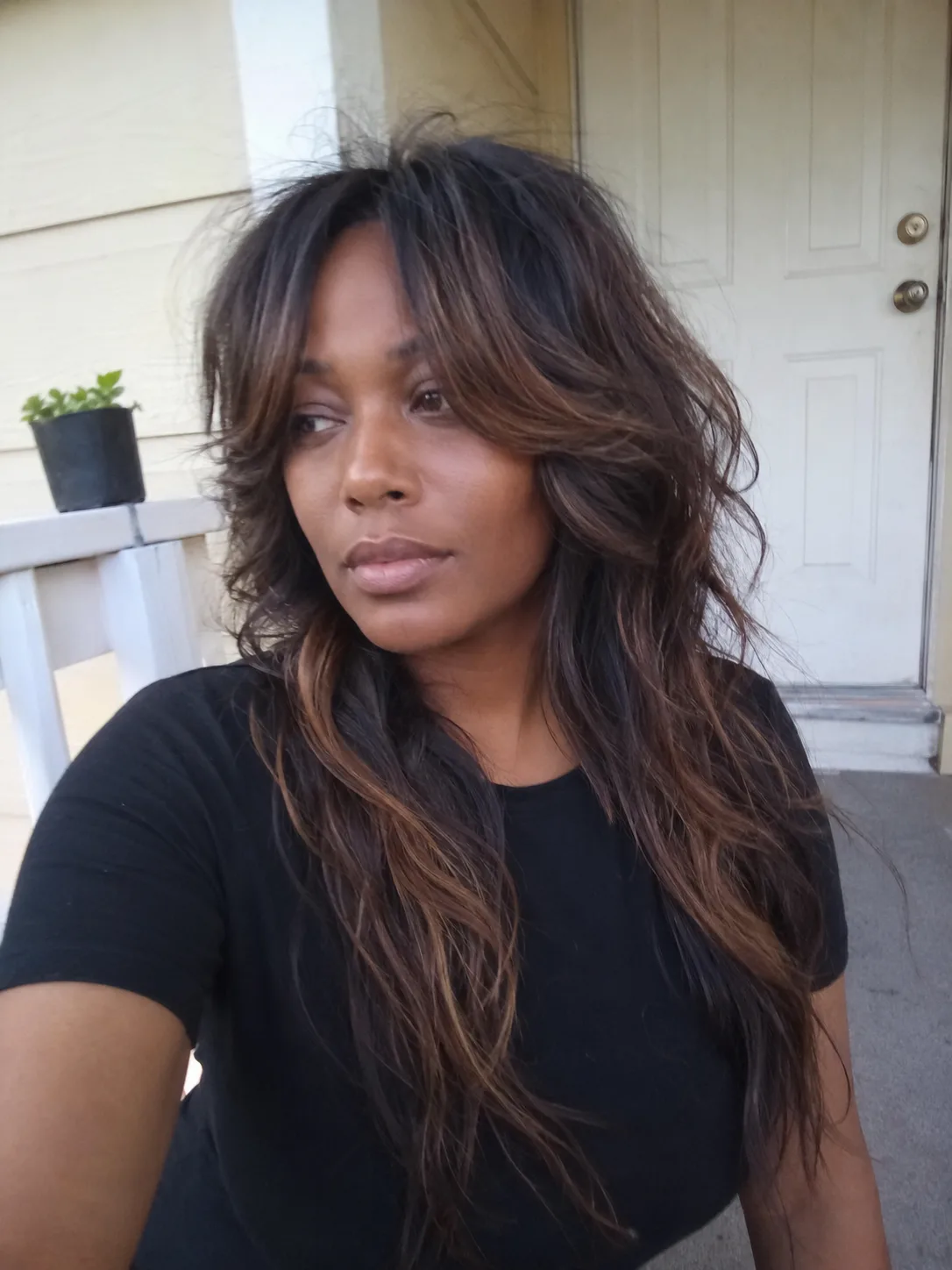
The easiest layered haircut is one that still makes sense when you don’t style it perfectly.
Someone who enjoys blow-drying or shaping individual sections can take advantage of greater separation between layers. Shorter pieces respond readily to a round brush, rollers, or other setting methods and can create the airy cascading effect associated with dramatic long layers.
Low-styling routines need a different priority.
Subtle layers have less to prove. The haircut keeps its length and natural movement even when the hair is simply dried and worn down. This is a safer choice for someone who likes layers in photographs but rarely recreates that type of finish at home.
Natural texture can reduce the need for elaborate styling because curls and waves already create visible separation. The haircut still needs to cooperate with the actual pattern, shrinkage, and drying routine.
Think about tied-up styles too.
A low ponytail is most forgiving when the shortest layers are long enough to reach the elastic. High face-framing sections can be left loose intentionally, but shorter crown pieces may escape in less predictable places. Braids can develop pieces sticking out at different points as the layers travel down the plait.
None of this requires avoiding layers. It simply means that someone who wears a sleek ponytail almost every day should usually choose a less fragmented cut than someone who wears their hair loose most of the time.
Grow-Out and Maintenance Are Part of the Cut
Long hair can disguise grow-out better than a precision bob, but heavily layered shapes still change as they lengthen.
Lower layers usually grow out quietly because the distance between sections is modest. They gradually become less noticeable without dramatically changing the overall outline.
Shorter crown layers create a longer transition. As they grow, the cut may lose some lift through the top while retaining a noticeable difference between the upper and lower sections. Someone trying to return to a heavier one-length shape will need more patience with this version.
Face-framing pieces have their own grow-out pattern. They can shift from cheek-level movement toward jaw, shoulder, and collarbone lengths without affecting the back very much. That makes front-focused layering easier to modify over time.
Maintenance should follow the condition and shape of the haircut rather than a universal calendar. A reshaping appointment becomes useful when the layers stop connecting the way you want, the perimeter needs attention, or damaged ends are interfering with the outline.
Between cuts, detangling technique deserves more attention with heavily layered hair because different lengths can catch against one another. Smooth pillow surfaces or a bonnet can help reduce nighttime friction, particularly on hair that tangles easily, although they don’t repair existing damage.
Heat styling also needs to suit your hair’s condition, tools, and technique. There isn’t one temperature that works safely for every person or every styling method.
Plan the Salon Conversation Around Shape, Not Just the Word “Layers”
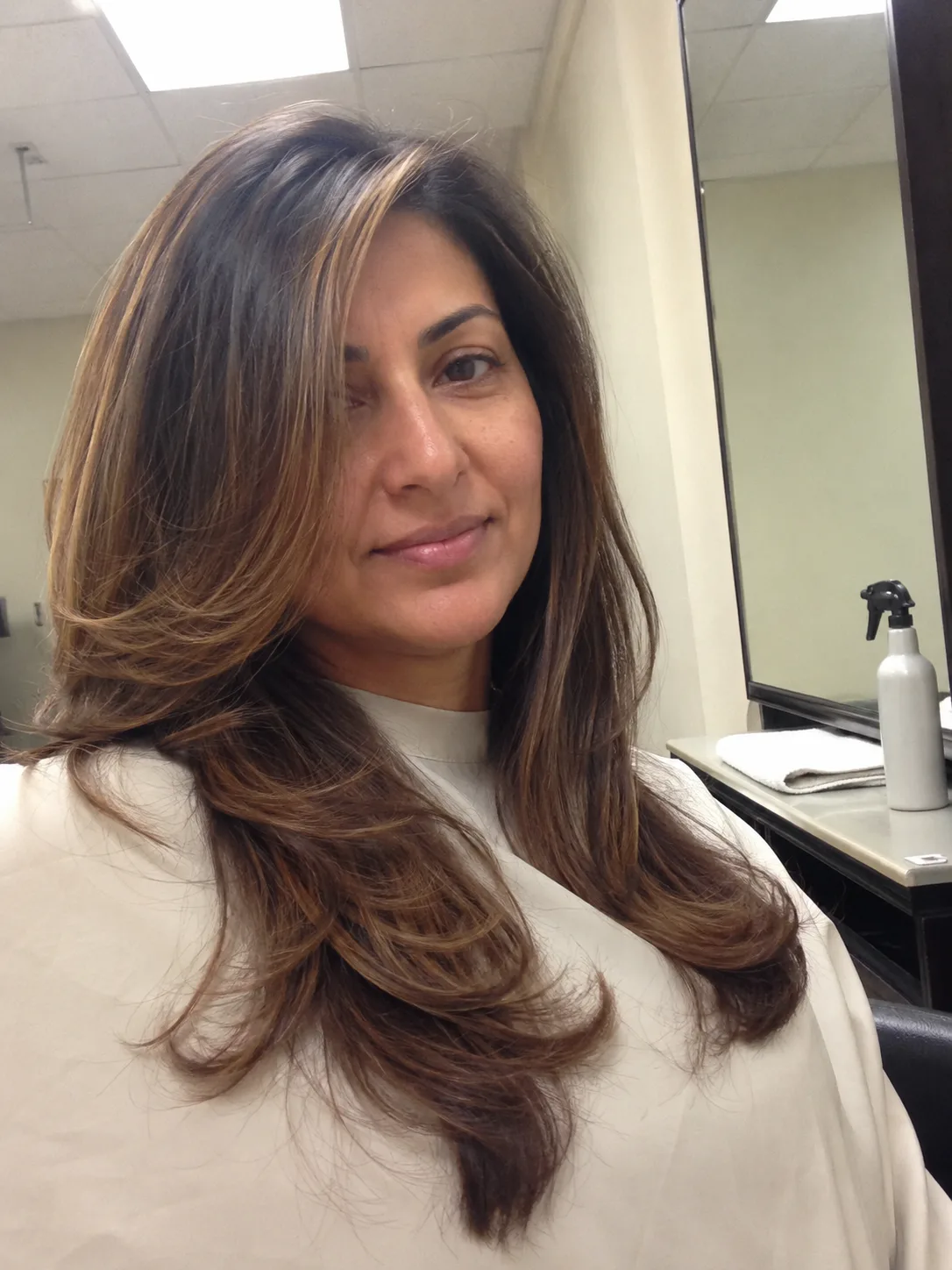
The clearest consultation starts with what you want to keep.
Tell your stylist whether preserving the apparent thickness of the bottom edge is a priority. Then identify the shortest point you’re comfortable seeing through the front and through the back.
Useful details to discuss include:
your usual part
whether your hair is normally straight, wavy, curly, coily, stretched, or pressed
how often you wear ponytails, braids, or buns
how much daily styling you realistically do
areas where the ends already look sparse or damaged
how much crown volume you actually want
Next, separate the front from the interior.
You might want cheekbone or collarbone framing while keeping long, restrained layers everywhere else. You may instead want a much more obvious cascading shape through the whole haircut. Those are different instructions.
Reference images still help, especially when they show similar hair texture and an overall length close to yours. Pay attention to the styling in the photo. A curled blowout demonstrates one possible finish, while an air-dried image tells you more about how the haircut behaves without deliberate shaping.
A practical consultation phrase is more useful than naming a trend: “I want to keep a substantial perimeter, create movement beginning below my shoulders, and add stronger framing around the front.” Adjust those priorities to fit your own hair.
That gives the stylist something concrete to design around.
Related Hairstyles to Explore
FAQs
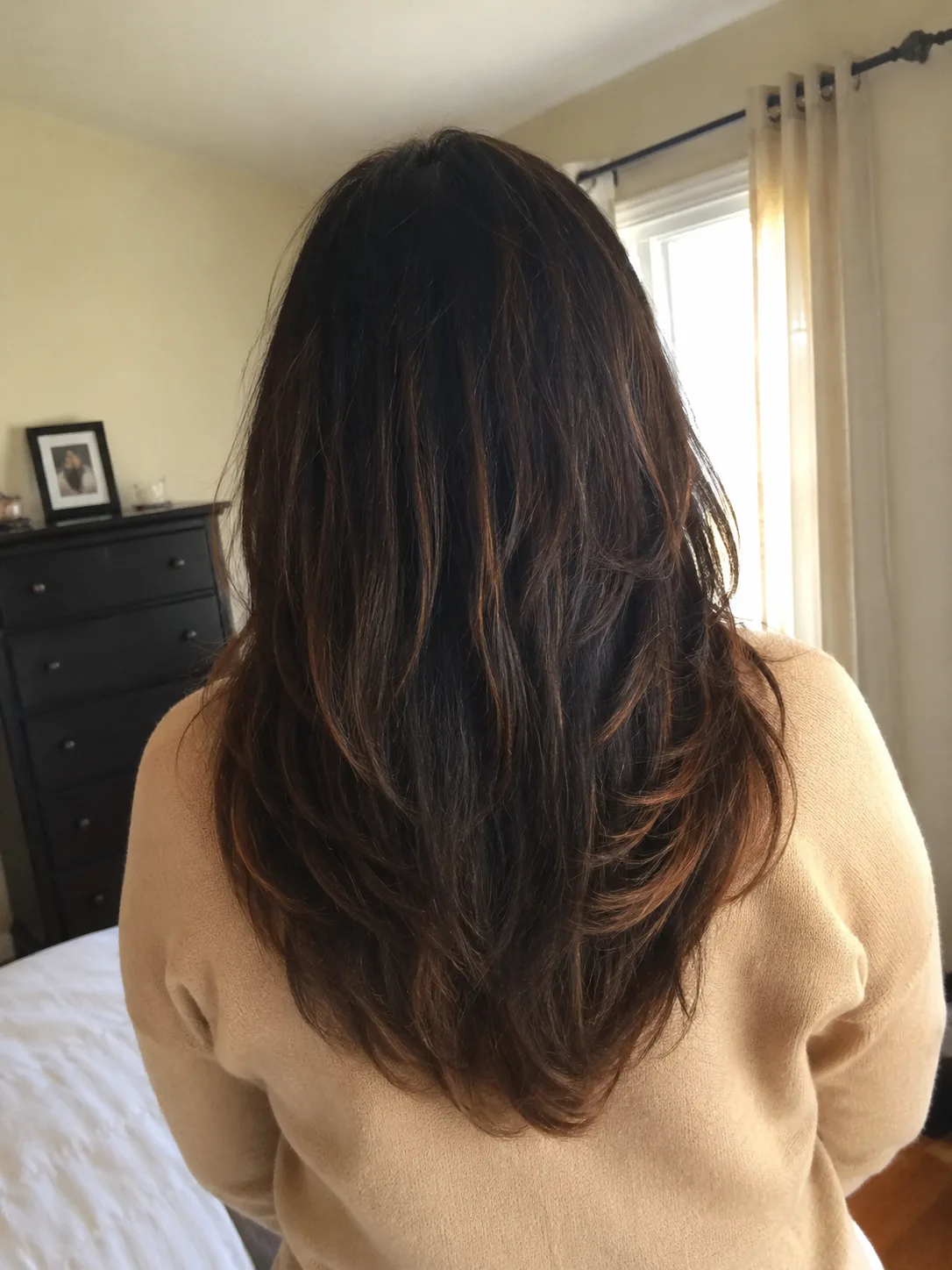
Do layers make long hair look thinner?
They can make the lower lengths look less full when a large amount of hair is removed, particularly on low-density hair or hair with transparent ends. Subtle layering with a stronger perimeter usually preserves more visual fullness. Fine strands alone don’t mean you must avoid layers; overall density and condition matter too.
Are layers good for long curly hair?
Yes, well-planned layers can redistribute weight and create a more balanced curly shape. Shrinkage and curl grouping make the placement especially important. The finished cut should be assessed in the state you normally wear your curls, since wet or stretched length may give a misleading impression of where shorter sections will sit.
Can I have face-framing layers without layering all of my long hair?
Yes. Front perimeter pieces can be shortened while the back remains relatively long and substantial. This is one of the strongest choices when you want a visible change around the face but don’t want to remove much weight from the interior or ends.
What should I ask for if I want layers but don’t want to lose fullness?
Start by saying that maintaining a strong perimeter is important to you. Ask for restrained, connected layering and clearly identify the shortest length you’re comfortable with. It also helps to show reference photos where the ends still appear substantial rather than highly feathered or wispy.
Hair Texture & Upkeep Style Matcher
Select your natural hair texture and daily maintenance window to get an instant styling formula and heat safety cap.
Heat Cap: 320°F (160°C)
A versatile three-strand braid beginning at the parietal ridge, securing the top half while allowing natural wave texture to flow freely around the shoulders.
Conclusion
The most useful decision with layered haircuts for long hair is how high you want the layering to affect the shape.
Lower, connected layers are the practical default when you want movement without giving up much fullness or versatility. Higher layers create more dramatic lift and separation, but they change the way the hair ties back, grows out, air-dries, and shows density through the ends.
Before the cut, decide on three things: the perimeter you want to preserve, the shortest layer you’re comfortable wearing, and the styling state you expect the haircut to work in most days. Those choices will tell you far more about the result than asking for “long layers” alone.
Editorial Standards & Hair Health Guidance
Every style featured on Tress Atlas is curated with a focus on real-world wearability, scalp tension management, and cuticle preservation. When trying protective styles or tight updos, ensure perimeter hairline sections remain tension-free to avoid traction stress on delicate follicles. For heat styling, cap tools below 350°F (180°C) to prevent thermal keratin denaturation.
Scientific Sourcing: Practices aligned with the American Academy of Dermatology (AAD) on traction alopecia risk reduction and cosmetic trichology research on hair tensile strength.