Short Hairstyles for Women Over 60: Complete Shape, Texture & Upkeep Guide
A short haircut can simplify your routine, but length alone doesn’t determine whether a style feels easy. The bigger decisions are where the haircut carries weight, how much styling the shape needs, and what happens as it grows beyond the freshly cut version you saw in a photograph.
For women over 60, those decisions become especially useful when density has changed, gray is becoming more visible, glasses affect the shape around the temples, or you simply want a haircut that behaves predictably between appointments. Fine strands and low density also need to be treated separately: fine hair describes strand diameter, while low density means there are fewer strands overall.
Gray hair doesn’t require a particular haircut either. Pigment loss and texture are different characteristics, so silver hair may be straight, wavy, curly, coarse-feeling, fine, dense, or sparse.
The strongest short hairstyle is usually the one whose construction matches the way you already wear your hair. A highly sculpted pixie can be wonderfully efficient for someone comfortable with frequent reshaping, while a soft bob may be easier for someone who prefers more styling flexibility and a less noticeable grow-out.
Close-Cropped Shapes With a Clear Outline
Classic Pixie
A classic pixie keeps the sides and back short while leaving enough length through the top to create direction. It works particularly well when you like seeing the ears, neckline, glasses, or cheek area rather than surrounding them with hair. The compact outline can also make getting ready feel straightforward because there isn’t much length to detangle, dry, or reposition.
The hidden commitment is reshaping. A pixie often loses its deliberate outline before it feels conventionally long, especially around the ears and nape. Choose it because you enjoy the cropped shape itself, not solely because you expect short hair to require no maintenance.
Soft Tapered Crop
A tapered crop removes bulk progressively toward the sides and nape instead of creating one uniformly short length. That graduation makes the haircut look lighter around the perimeter while keeping more presence on top.
It’s one of the stronger choices for someone who wants neatness without a severe geometric finish. The taper can also keep bulky temple sections from competing with glasses arms.
Long-Top Pixie
Keeping extra length through the crown and front changes a pixie from a close crop into a much more flexible haircut. The top can sweep sideways, lift away from the forehead, separate into piecey sections, or sit flatter for a quieter finish.
That extra length is useful when you don’t want every feature exposed at once. A longer front section can soften the transition from forehead to cheek without relying on a heavy fringe.
The tradeoff appears during styling. Long top layers may collapse on fine strands or separate more visibly where density is low, so the cutting pattern matters as much as the length. Heavy thinning through the interior can expose more scalp in low-density hair; thoughtful weight placement is usually more useful than aggressively removing bulk.
Side-Swept Cropped Pixie
The appeal here comes from directional cutting, not merely moving the part. The top and front remain long enough to travel across the forehead while the back stays distinctly cropped.
This is a practical middle ground for someone drawn to a pixie but reluctant to wear a very open forehead. It also gives you a visible styling feature without needing much overall length.
Bixie
A bixie sits between a bob and a pixie, with a cropped back and longer pieces around the crown, ears, or face. Compared with a classic pixie, it looks less tightly sculpted and gives you more movement.
It can also be more forgiving during grow-out because the haircut already relies on uneven lengths and softer edges. That doesn’t make it maintenance-free: too much interior layering can leave fine or low-density hair looking wispy, especially near the bottom. A stronger outer edge usually serves that situation better than chasing maximum texture.
Short Cuts With Movement Instead of Precision
Cropped Shag
A short shag shifts attention away from a perfect perimeter and toward movement through the crown and sides. Layers create separation, while shorter pieces around the face stop the haircut from reading like a conventional bob.
This works best when some irregularity suits your natural styling habits. Wavy hair can expand into the layers, while straighter hair may need more deliberate styling to keep the pieces from lying together.
Density deserves attention before committing to heavy shag layering. On dense hair, internal removal can release welcome movement. On lower-density hair, the same amount of layering can make the ends look transparent.
A photograph taken immediately after styling can hide that difference, so ask to see where the strongest perimeter will remain.
Feathered Short Cut
Feathered layers direct the hair away from the face and create a lighter surface than a blunt cut. The look depends on movement through the layers rather than a hard edge at the bottom.
This is worth considering when you like volume around the crown but don’t want a round, helmet-like shape. Hair that naturally bends or responds easily to blow-drying tends to show the feathering more readily than hair that falls completely flat without styling.
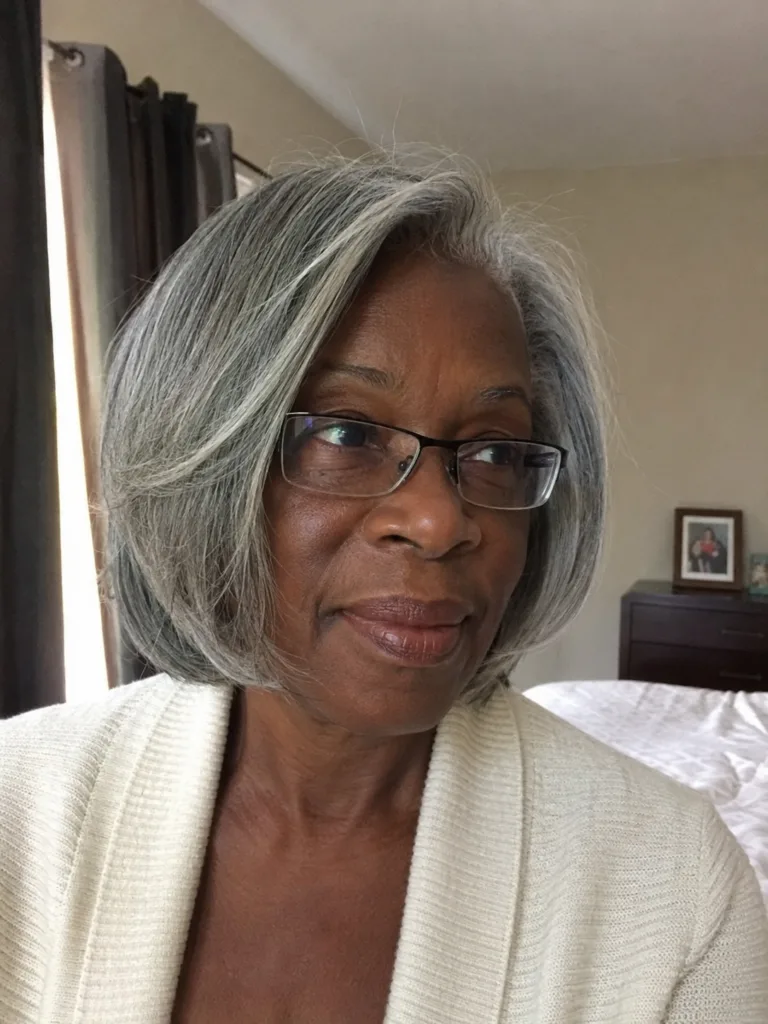
Short Layered Bob
A layered bob keeps the recognizable bob length while releasing some weight through the interior. It gives straighter or wavier hair more movement and can prevent dense hair from forming a solid triangular shape.
The important question is how much layering you actually need. Fine strands can still be high density, and thick-feeling hair can be lower density with coarse strands. The cutting plan should respond to the hair present rather than to a vague label such as thin or thick.
A layered bob is particularly useful when you want short hair without committing to exposed ears or a tightly cut nape.
Short Shaggy Bob
Compared with a smooth layered bob, a shaggy bob deliberately breaks up the outline with more visible separation and uneven movement. It suits air-dried waves, bends, and naturally irregular texture particularly well.
It’s a poor match for someone who wants the ends to look perfectly dense and level every day. The slightly undone quality is the point.
Bob Shapes Where the Perimeter Does More of the Work
Blunt Chin-Length Bob
Few short hairstyles rely on the bottom edge as heavily as a blunt bob. The hair falls toward a comparatively solid perimeter, creating a clean visual line around the jaw or chin.
That construction can be helpful when healthy ends are the feature you want to emphasize. Keeping more weight at the bottom can make the edge look fuller than a heavily layered cut, although a haircut cannot create actual density.
A blunt bob also reveals its condition clearly. Split, fragile, or very transparent ends interrupt the line more noticeably than they would in a deliberately textured haircut.
Think about clothing too. Depending on your neck length and exact cut placement, a bob that reaches the top of a high collar can flip outward where the hair repeatedly meets fabric.
French Bob
The French bob is shorter and more compact than many conventional bobs, usually emphasizing the jaw area with a strong perimeter and an optional fringe. Its charm comes from the relationship between the short length and the face rather than from elaborate layering.
This is a strong option when you want an unmistakably short haircut without moving into pixie territory. A fringe adds another styling zone, however, so decide whether you actually enjoy managing hair across the forehead before making it central to the cut.
Graduated Bob
A graduated bob is built shorter through the back and progressively longer toward the front. The graduation creates lift and weight distribution rather than relying on surface layers alone.
It can make the back of a short haircut look structured without exposing as much scalp as an extremely cropped nape. The geometry matters, so it tends to be more salon-dependent than a loose, shaggy shape.
Stacked Bob
A stacked bob creates noticeable build-up through the back, using graduated sections to form a rounded profile. It has more architectural volume than a simple blunt bob and can make the back view of the haircut a deliberate feature.
Dense hair may need careful internal control so the stacked area doesn’t become overly bulky. Lower-density hair requires the opposite consideration: too much removal can weaken the very fullness the stack is meant to show.
This cut is most worthwhile when you genuinely like a shaped back. Someone who prefers soft grow-out and minimal concern about the nape will usually find a less structured bob easier.
Asymmetrical Bob
An asymmetrical bob creates an intentional difference between the two sides of the haircut. One side may sit noticeably shorter while the opposite side travels farther toward the jaw, producing movement before any styling product is added.
The advantage is visual interest without a complicated layered pattern. Even smooth, straight hair has something happening.
That geometry also means an uneven grow-out shows sooner. The design depends on the relationship between both sides, so a substantial change in length can weaken the effect.
Glasses deserve a place in the consultation. Look at where the longer side falls in relation to the frames and temple arms. A dramatic front section that constantly catches against glasses can become more irritating than attractive.
Short Styles That Let Curls and Coils Build the Shape
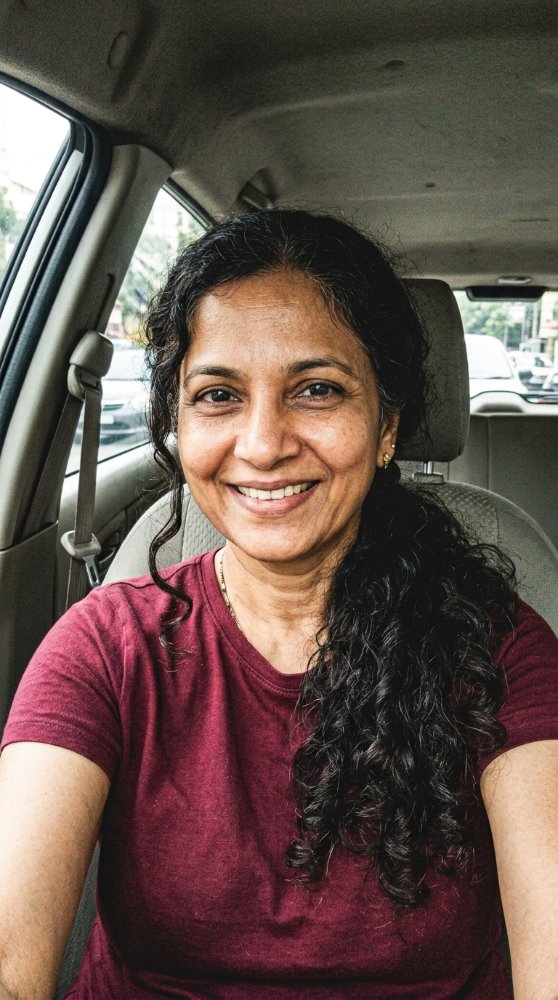
Curly Pixie
A curly pixie keeps enough length for curl grouping through the top while shortening the perimeter substantially. It can produce a lively, compact shape without requiring the curls to be straightened to fit the haircut.
Visible length should be judged in the state you normally wear. Shrinkage can make the finished cut appear much shorter once curls are fully dry, so a consultation based only on stretched or wet hair can give an incomplete picture.
Rounded Curly Bob
A rounded curly bob allows curl volume to build through the sides while keeping the overall length above or around the jaw. Unlike a blunt straight bob, its outline comes from the arrangement of curl groups as much as from the cut perimeter.
The haircut should account for how different areas spring up after drying. Crown curls may behave differently from those near the nape, and one side may naturally group more tightly than the other.
This is the stronger choice over a cropped pixie when you want your curls to remain a major visual feature and still have enough length to reshape the part or volume.
Tapered Afro
A tapered Afro keeps more volume through the top while progressively reducing width toward the sides and nape. The shape can be soft and rounded or more defined, depending on the coil pattern and the amount of contrast between top and perimeter.
Shrinkage is central to the design. A cut that looks balanced while stretched can sit very differently once the coils return to their everyday state, so the usual wearing state should inform the final outline.
The taper also creates a clear relationship with earrings and glasses because the sides remain relatively compact.
Gray coils may look especially dimensional because lighter strands can create visible contrast within the shape, but gray itself doesn’t determine softness, dryness, or coil pattern. Those characteristics vary independently.
Finger-Coiled Short Crop
Finger coils use the existing curl or coil pattern to create deliberately grouped sections across a short haircut. The finished look is more defined than a free-form Afro and less dependent on straight-line cutting than a sleek pixie.
This option makes the most sense when you enjoy styling individual sections after cleansing. Definition can gradually loosen as the hair is slept on, touched, or exposed to moisture, so it favors someone comfortable refreshing selected areas instead of expecting the first-day pattern to stay unchanged.
What Short-Hair Photos Often Fail to Show
Freshly styled photographs make almost every short haircut look cooperative. Daily life introduces several details that are easy to overlook.
A pixie may flatten at the crown after sleep. A bob can turn outward where it meets a coat collar. Curly cuts can look considerably shorter after complete drying. A precisely graduated back can lose its geometry while the front still looks perfectly acceptable.
Your preferred styling state matters too. A cut designed around a smooth blowout may behave very differently when air-dried. Curly and coily hair should be evaluated in the state you normally wear, whether that’s shrunken, stretched, or otherwise styled.
Hair around the ears deserves practical attention for anyone who wears glasses or hearing devices. Extra bulk in that area can press against frames, while very short sections may sit exactly where an aid or glasses arm needs space.
Density, Fine Hair, and Changing Hairlines
Shorter hair can make certain areas look more substantial because the ends aren’t stretched across as much length, but the haircut itself can’t add follicles. The useful strategy is to place existing weight where it gives the strongest visual result.
Low-density hair often benefits from restraint with interior layering. A strong lower edge or carefully placed graduation may preserve more visible mass than aggressive texturizing. Fine strands with high density are a different situation; they may still produce plenty of overall volume.
A changing hairline also influences pixie and cropped styles. Longer front sections provide more styling flexibility than an extremely short fringe, while a side-swept top can redirect attention without trying to conceal every visible area.
Sudden shedding, persistent scalp irritation, sores, pain, or a concerning change in density belongs outside a haircut consultation alone. A dermatologist or another qualified healthcare professional can assess symptoms that appear unusual or persistent.
Planning the Cut Around Your Actual Routine
Bring reference photos, but use them to discuss construction rather than asking for an exact copy. Look for a person whose hair behaves somewhat like yours and then identify the feature you care about: the tight nape, the strong bob perimeter, the rounded curls, or the extra length over the forehead.
Tell your stylist how you normally dry and style your hair. Mention whether you wear glasses or hearing devices, whether your hair usually air-dries, and whether you prefer tucking it behind the ears. Those details can change the most practical length around the sides.
Also ask what the cut will look like as it grows. A shag and a bixie usually tolerate extra length more quietly than a sharply sculpted pixie or geometric graduated bob. Someone who dislikes frequent shape changes may prefer a haircut with softer transitions.
For curls and coils, discuss shrinkage and your usual wearing state before significant length comes off. Wet, stretched, and fully dry hair can occupy very different spaces around the head.
Maintenance That Keeps Short Hair Looking Deliberate
Short hair tends to make the haircut itself more visible, so maintenance is less about following a universal appointment schedule and more about watching the outline.
Notice what changes first. A pixie may become bulky around the ears. A bob may lose its clean bottom edge. A tapered Afro can widen around the sides. Those changes tell you more about when reshaping is useful than an arbitrary calendar rule.
At home, work with the finish your haircut was designed to support. Air-dried curls need a different routine from a smooth bob, and a feathered cut may rely on directional drying to show its layers. Keep heat choices appropriate to your hair’s condition, the tool, and the technique rather than relying on one temperature for everyone.
Sleeping on a smooth pillowcase or using a bonnet can reduce friction and tangling where appropriate, particularly for curls and coils. It won’t replace a haircut once the shape itself has grown out.
Related Hairstyles to Explore
- Curly hairstyles for women over 60
- Hairstyles for women over 60 with fine hair
- Long hairstyles for women over 60
- Hairstyles for women over 60 with glasses
FAQs
What is the easiest short hairstyle for a woman over 60 to maintain?
A simple tapered crop or classic pixie can reduce washing and drying effort, but both need periodic reshaping to keep their outline. A softer bixie may be easier for someone who prefers a more forgiving grow-out. The easiest option depends on whether daily styling or salon reshaping is the bigger inconvenience for you.
Which short haircut makes fine hair look fuller?
Cuts that preserve weight can make the perimeter appear more substantial. A blunt bob, carefully graduated bob, or restrained pixie may work better than heavy interior layering. Fine strands are different from low density, so the best cutting strategy depends on both strand diameter and how much hair is present overall.
Can women over 60 with curly hair wear a pixie?
Yes. A curly pixie can keep enough length on top for curl grouping while shortening the sides and back. The key issue is shrinkage: assess the intended shape in the dry state you normally wear so the haircut doesn’t end up significantly shorter than expected.
Do gray hairstyles need different haircuts?
Gray hair doesn’t require a special haircut because gray describes pigment loss, not texture. Choose the cut according to curl pattern, density, strand size, condition, routine, and the shape you want. The lighter color may make layering or curl definition more visually noticeable, but it doesn’t dictate the haircut.
Are short hairstyles better for thinning hair?
Shorter lengths can sometimes make existing hair look more compact because the perimeter isn’t stretched across a long distance, but a haircut cannot restore lost density. Heavy texturizing can expose more space in lower-density hair. Sudden or concerning density changes should be discussed with a dermatologist or another qualified healthcare professional.
Should I choose a pixie or a bob after 60?
Choose a pixie when you want a clearly cropped outline, exposed ears or neckline, and less length to manage day to day. A bob is the more practical choice when you want styling flexibility, stronger perimeter weight, or enough length to tuck and reposition. Your tolerance for salon reshaping is often the deciding factor.
Hair Texture & Upkeep Style Matcher
Select your natural hair texture and daily maintenance window to get an instant styling formula and heat safety cap.
Heat Cap: 320°F (160°C)
A versatile three-strand braid beginning at the parietal ridge, securing the top half while allowing natural wave texture to flow freely around the shoulders.
Conclusion
The most useful way to choose among short hairstyles for women over 60 is to decide what you want the haircut itself to do. A pixie emphasizes a compact outline. A bob gives the perimeter more influence. Shags create movement, while curly and coily cuts need their shape planned around shrinkage and everyday styling state.
Before cutting, identify the feature you want to preserve most—crown volume, a strong edge, curl fullness, softness around the forehead, or a clean tapered nape. Then choose the shortest style that gives you that feature without demanding a routine you don’t want to maintain.
Editorial Standards & Hair Health Guidance
Every style featured on Tress Atlas is curated with a focus on real-world wearability, scalp tension management, and cuticle preservation. When trying protective styles or tight updos, ensure perimeter hairline sections remain tension-free to avoid traction stress on delicate follicles. For heat styling, cap tools below 350°F (180°C) to prevent thermal keratin denaturation.
Scientific Sourcing: Practices aligned with the American Academy of Dermatology (AAD) on traction alopecia risk reduction and cosmetic trichology research on hair tensile strength.