Traction Alopecia & Protective Styling: Biomechanics of Tension, Hairline Preservation, and Follicular Recovery
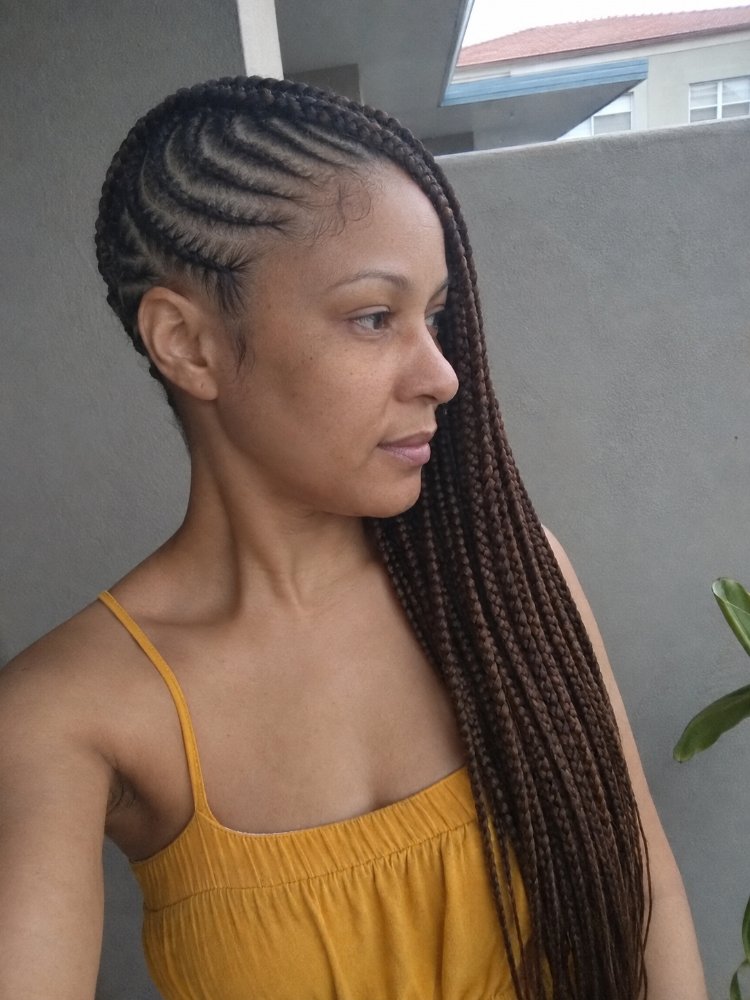
Traction alopecia is a form of mechanical hair loss caused by repetitive, prolonged tensile stress exerted on the hair follicle apparatus. While frequently linked to popular protective hairstyles—such as box braids, knotless braids, cornrows, micro-locs, tight ponytails, and sew-in weaves—it is fundamentally a mechanical biomechanics failure. Understanding the physics of root-to-length tension ratios and the histopathology of follicular ischemia allows individuals to enjoy versatile styling without risking irreversible scarring alopecia.
1. Histopathology of Traction Alopecia: From Tension Erythema to Fibrotic Scarring
Traction alopecia does not happen instantaneously; it progresses through distinct pathological stages across weeks, months, or years of mechanical overload:
- Stage 1: Perifollicular Erythema & Folliculitis: Excessive tensile pull mechanically distorts the outer root sheath. Capillaries feeding the dermal papilla become compressed, inducing micro-ischemia. White or red follicular pustules (“tension bumps”) erupt around the hair perimeter 24 to 72 hours after styling.
- Stage 2: Premature Catagen Induction & Trichomalacia: Traumatized by mechanical force, anagen (growth phase) follicles are prematurely shock-forced into catagen (transition) and telogen (resting) phases. Hairs shed prematurely, and the newly developing hairs exhibit fractured, deformed shafts (trichomalacia).
- Stage 3: Follicular Miniaturization: Repeated bouts of traction compromise the stem cell niche in the follicular bulge. Each consecutive growth cycle produces a finer, shorter, more fragile vellus-like hair fiber.
- Stage 4: Cicatricial (Scarring) Fibrosis: Over prolonged periods (typically 3 to 10+ years), chronic perifollicular inflammation destroys the follicular unit entirely. The living follicle is replaced by a fibrous connective tissue scar, creating a smooth, shiny scalp perimeter where natural regrowth is biologically impossible without surgical hair restoration.
2. The Biomechanics of Tension: Root-to-Weight Ratios
Every individual hair follicle can withstand a specific threshold of mechanical force before cellular attachment is compromised. When synthetic extension hair (such as kanekalon or toyokalon fibers) is incorporated into a braid, the total mass anchored to a localized scalp base multiplies dramatically.
The danger is dictated by the Extension Mass to Natural Hair Base Ratio:
- Safe Ergonomic Ratio (1:1 or less): The weight of the added synthetic fiber does not exceed the weight of the natural hair bundle gathered within the parting grid. The natural root distributes gravitational and dynamic shear stress evenly across 200–400 follicular anchors.
- Dangerous High-Risk Ratio (3:1 or greater): Heavy synthetic extensions are attached to an undersized or fragile base (frequently seen in micro-braids or waist-length box braids). As the client moves, walks, or exercises, the dynamic swinging momentum exerts extreme rotational shear stress on the outermost perimeter follicles.
3. Clinical Warning Signs: When a Style Must Be Removed Immediately
A widespread, dangerous cultural myth asserts that “if a braid doesn’t hurt, it won’t hold” or that post-installation scalp tenderness is normal. From a trichological perspective, persistent pain indicates active tissue trauma. Watch for these non-negotiable red flags:
- Persistent Cephalea (Headaches): Throbbing tension headaches that persist longer than 2 to 3 hours post-installation indicate severe galeal tension.
- Perifollicular Pustules (“Tension Bumps”): Small, painful, white or red pimples forming along the temporal hairline, nape, or parting rows indicate ruptured follicular infundibula.
- Facial Skin Distortion: If the skin around the temples, eyebrows, or forehead feels visibly pulled taut or restricted when blinking or speaking, the tension is critical.
- The “Fringe Sign”: Retained tiny vellus hairs along the outermost edge with broken, snapped terminal hairs directly behind them—a hallmark sign of early marginal traction alopecia.
4. Evidence-Based Hairline Rehabilitation Protocol
If you observe early thinning or tension sensitivity around your edges, execute the following 4-step recovery protocol immediately:
- Immediate Tension Elimination: Undo the tight braid or ponytail immediately. Do not “wait for it to loosen up” over 3 days—irreversible follicular avulsion can occur within 48 hours.
- Anti-Inflammatory Scalp Soothing: Apply chilled aloe vera gel or topical 1% hydrocortisone cream (under dermatological guidance) for 3 days to extinguish acute perifollicular inflammation.
- Microcirculation Stimulation: Once acute tenderness subsides, perform 3 to 5 minutes of gentle fingertip circular massage daily using a carrier oil blended with standardized Rosmarinus officinalis (rosemary) essential oil or topical copper peptides (GHK-Cu), which have been clinically shown to support microcapillary perfusion around the dermal papilla.
- Low-Tension Styling Holiday: Commit to 8 to 12 weeks of zero-tension styling: loose twists, satin-lined bonnet resting, and wide-tooth comb detangling.
5. Clinical Trichology References
- Haskin, A., & Aguh, C. (2016). All styles are not created equal: An analysis of traction alopecia risk factors and styling practices. Journal of the American Academy of Dermatology, 75(3), 606–611.
- Samrao, A., & Mirmirani, P. (2011). Traction alopecia in children and adolescents: A review of diagnostic and management strategies. Pediatric Dermatology, 28(6), 629–635.
- Billero, V., & Miteva, M. (2018). Traction alopecia: The root of the problem. Clinical, Cosmetic and Investigational Dermatology, 11, 149–159.