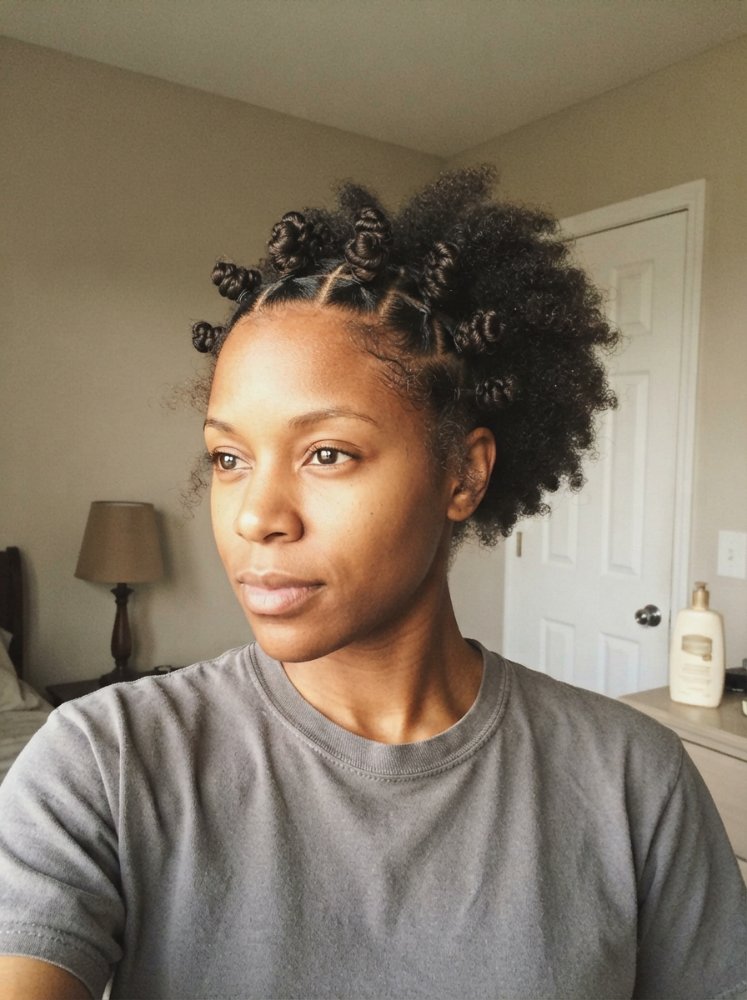
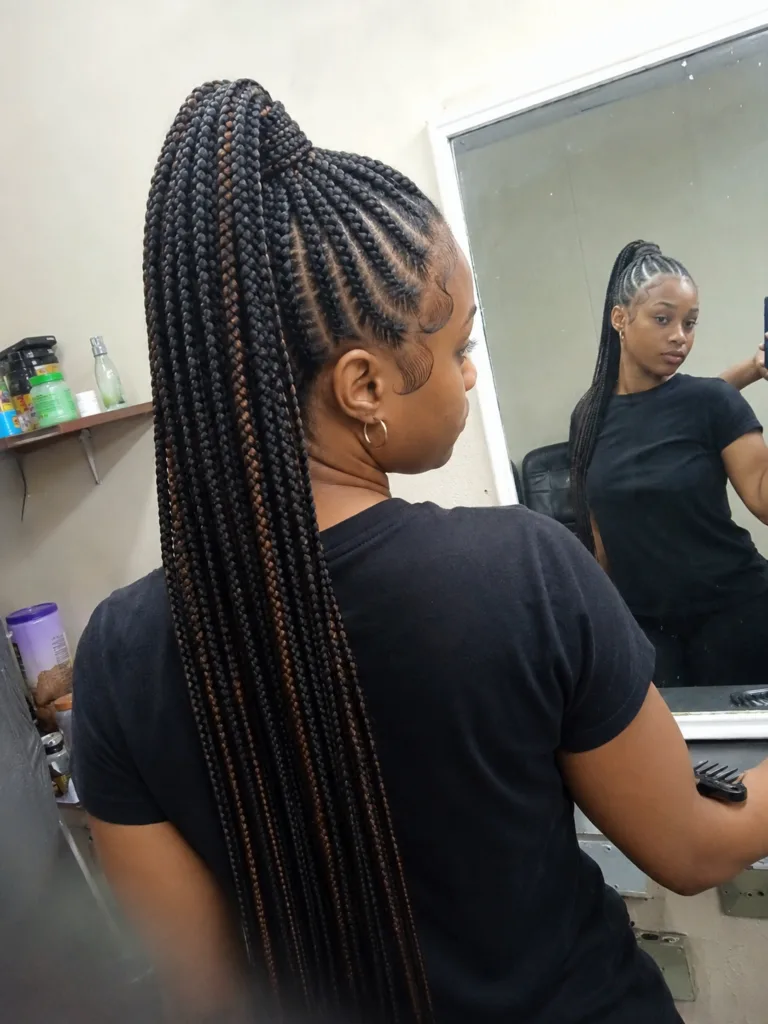
Hair Braid Designs: Complete Styling & Technique Guide
Hair braid designs can look deceptively similar in a photograph. The real differences show up in how the sections are built, where the weight sits, how much scalp remains accessible, and what happens once you sleep, exercise, wash, or pull the braids into another style.
That makes construction a better starting point than decoration. Small individual braids offer movement but increase the amount of sectioning and takedown work. Large braids create a bolder outline with fewer individual pieces. Cornrow-based designs keep most of the hair close to the head, while loose-ended or bohemian styles introduce more texture and detangling into the routine.
The strongest choice is the one whose real-life behavior matches what you want from your hair. These 22 designs cover genuinely different braid structures and silhouettes, from straightforward box braids to sculptural updos and mixed-texture finishes.
Individual Braids for Movement and Styling Freedom
Individual braids are the most flexible family when you like changing your part, wearing half-up styles, gathering the hair into a ponytail, or letting the braids hang loose. The size of each section changes far more than the appearance. It affects movement, scalp visibility, bulk at the roots, and the amount of work involved during removal.
Classic Box Braids
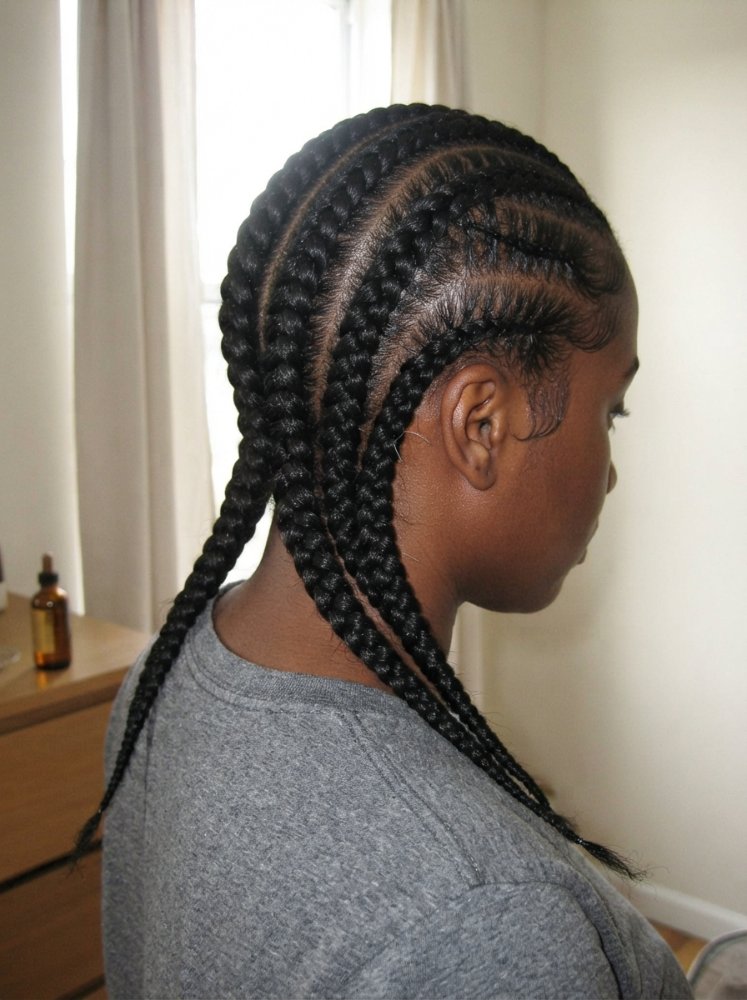
Classic box braids remain useful because the construction is straightforward: the hair is divided into individual sections and braided from the root through the length. Their main strength is freedom. The braids can fall in different directions instead of being committed to a cornrow pattern.
Medium-sized sections are the practical middle ground for many people. Very small sections create more movement and more scalp parting, while much larger sections produce a bolder result with fewer braids.
The reference photo should never be the only guide to size. Your density, strand condition, desired length, and amount of added hair all affect how the installation feels. The perimeter deserves particular care because fine, short, or fragile hairs around the hairline don’t need to be forced into the same section size as stronger areas.
Knotless Box Braids
Choose knotless braids when you prefer a root that transitions more gradually into the braided length. Instead of beginning with a prominent knot of added hair at the base, the braid is built so additional hair is incorporated progressively.
Visually, that can create flatter roots and make ponytails or side parts feel less bulky near the scalp. It also makes the sectioning especially visible, so clean part placement becomes a significant part of the design.
Knotless construction still needs sensible section size and added-hair weight. A flatter-looking root can carry a heavy or excessively long braid just as any other root can.
Jumbo Individual Braids
Jumbo braids trade delicacy for impact. Large sections and thicker braid bodies create a strong, graphic shape that reads clearly from across a room.
They are especially effective when the braid itself is meant to be the feature rather than an intricate parting pattern. Fewer, larger sections also change the way the hair moves: you get distinct ropes of hair instead of the fluid curtain created by smaller braids.
The size needs to make sense at the root. A thick braid attached to a relatively small or fragile section creates an unfavorable weight relationship. Strong jumbo work starts with an appropriate foundation, not simply more added hair.
Micro Braids
Micro braids sit at the opposite end of the scale. Their appeal is movement. Because each braid is very small, the finished hair can behave more like loose strands and may offer extensive styling flexibility.
That flexibility comes with a substantial maintenance consequence: there are many more individual sections to monitor and eventually undo. Loose shed hairs can also become tangled around the roots during extended wear.
Micro braids are therefore a poor choice when quick takedown is one of your priorities. They make more sense when the fine, highly mobile appearance is worth the detailed installation and removal.
Braided Bob
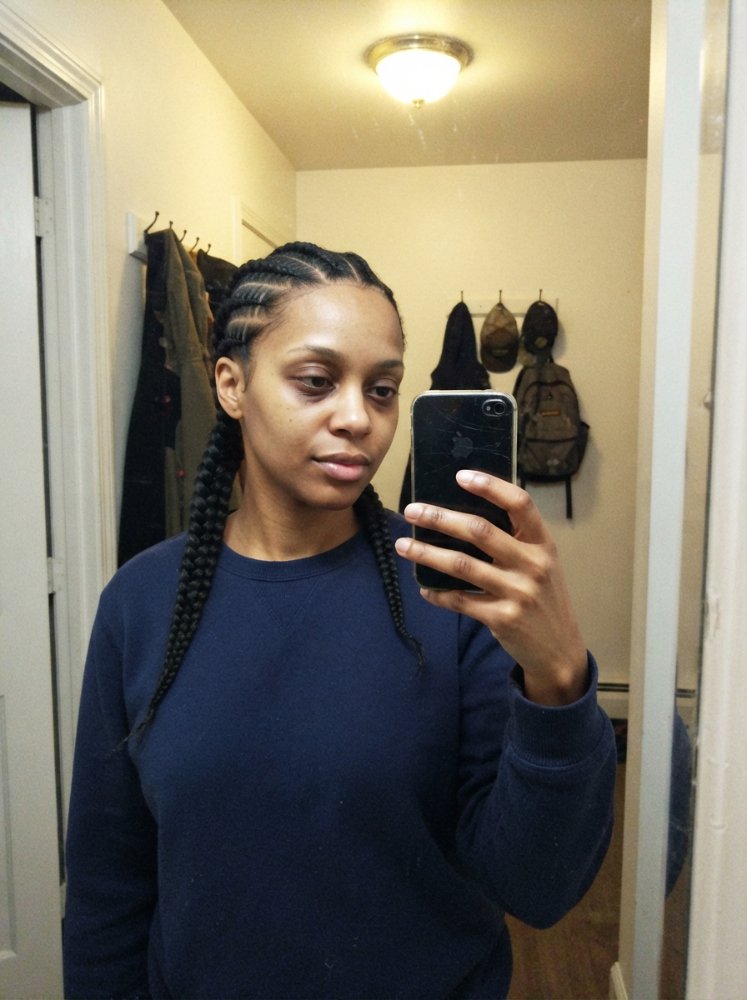
Length changes the personality of an individual-braid installation almost as much as section size. A braided bob brings the ends close to the jaw, neck, or shoulders and turns the perimeter into a major design feature.
A blunt-looking braid line feels graphic and structured. A slightly graduated or irregular perimeter can soften the outline. Either way, end placement deserves attention because the braids may repeatedly meet collars, scarves, and jacket necklines.
Shorter doesn’t mean invisible weight at the roots, but it removes the leverage and constant repositioning associated with very long braids. For someone who likes individual braids but dislikes managing a large amount of length, the bob is one of the strongest alternatives.
Scalp-Following Designs Built With Cornrows
Cornrow-based styles behave differently because the braid direction is planned before the loose length appears. The pattern can sweep backward, curve around the head, converge into a ponytail, or create geometric lines across the scalp.
This family is particularly useful when you care about a defined shape from the first day rather than restyling the braids into a completely different arrangement later.
Straight-Back Cornrows
Few designs are as visually direct as straight-back cornrows. The braids travel from the front toward the back, keeping most of the hair close to the scalp and making the parting pattern easy to read.
That simplicity has practical value. The roots remain relatively accessible compared with a dense mass of loose individual braids, and there is little hair falling forward around the face.
Comfort depends on how the rows are formed, especially around the hairline. The first sections don’t need to capture every tiny perimeter hair to look neat. A clean front edge can still respect shorter or more delicate areas.
Stitch Braids
The appeal of stitch braids is the repeated, highly defined sectioning visible inside each cornrow. Those narrow horizontal divisions make the scalp pattern part of the finished design instead of merely the foundation underneath it.
This works particularly well when you want a crisp, geometric appearance. The detail is strongest on larger or moderately sized rows where the internal pattern has room to show.
Because the design is so structured, fuzzy regrowth and new growth change the visual effect more noticeably than they do in a deliberately softer braid style. Choose stitch work because you enjoy the precision, not because you expect that precision to remain unchanged indefinitely.
Feed-In Cornrows
Feed-in cornrows create a braid that develops in thickness along its path rather than beginning with the full visual bulk at the hairline. That gradual build can give the front of the style a more tapered appearance.
The technique is especially useful in designs where the direction of each braid matters: straight back, diagonally swept, curved, or gathered toward another point.
The strongest versions keep the added-hair amount proportionate to the natural section supporting it. Extra length and density remain extra load regardless of how seamlessly the braid begins.
Side-Swept Lemonade Braids
A dramatic directional sweep separates this design from ordinary straight-back cornrows. The braids travel across the head and fall predominantly toward one side, making asymmetry the main feature.
That direction can frame earrings, emphasize one side of the face, and create a strong line even before any accessories are added. It also means the style has a preferred orientation. You don’t get the same freedom to flip the hair from side to side as you would with individual braids.
Consider your everyday habits before committing to the sweep. Glasses, a frequent side of sleeping, and where the braid lengths rest against your shoulder can all influence how the arrangement feels.
Fulani-Inspired Braids
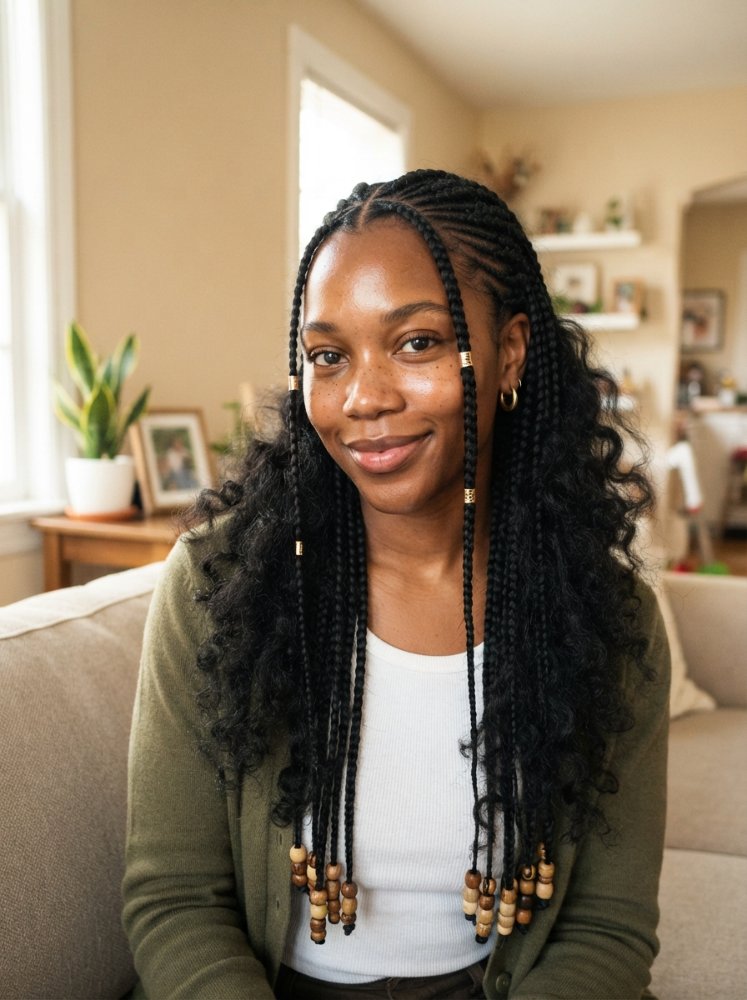
Fulani-inspired braid designs combine scalp braiding with freer hanging braids, often using a central or directional cornrow arrangement to shape the front of the style. The appeal comes from the contrast between controlled scalp patterning and movement through the lengths.
This construction is more visually layered than a simple set of straight-back rows. The front design remains visible even when the hanging braids are moved.
Decorative cuffs or beads may be added, but the underlying braid structure should carry the look without relying on accessories. Ornament also changes the way the ends swing and can introduce additional contact against the face, neck, or clothing.
Braids That Build Height, Curves, and Updos
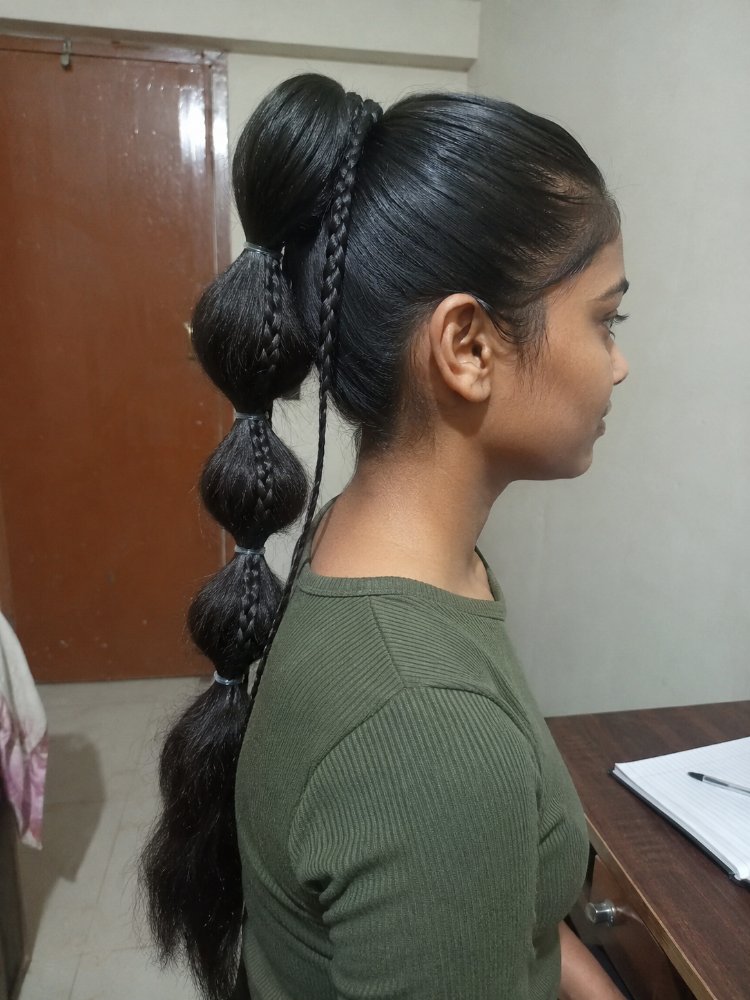
Braids don’t have to finish as loose lengths. Bringing them toward a single point or wrapping them into a contained shape creates more height and keeps hair away from the neck, but concentrated styling changes where the load is felt.
Cornrow Braided Ponytail
A cornrow ponytail begins as a directional design. Each row has to travel toward the intended anchor, which means the braid map matters before the ponytail exists.
A high anchor creates a lifted, dramatic profile. A mid or lower anchor usually interacts less with headrests and can be easier for long periods of sitting. Added braided length can be secured at the convergence point when the design calls for more fullness or length.
This style is worth choosing when you want the scalp pattern and ponytail to function as one design. Simply gathering ordinary loose braids into a ponytail creates a different structure.
Braided High Bun
A high braided bun keeps the lengths completely contained and makes the crown the visual focus. It is particularly effective when loose braid length would interfere with an outfit, neckline, or formal look.
The bun’s diameter depends on how much braided material is wrapped at the top. Very long or dense braids create a larger bundle and can also make the crown feel more substantial.
Headrests are the hidden inconvenience. A high bun can press directly into a car seat, airplane seat, or reclining chair. For an event with a long journey beforehand, finishing the bun closer to arrival may be more comfortable than wearing it in its final position all day.
Low Braided Bun
Moving the bun down changes both its appearance and its daily behavior. A low braided bun sits nearer the nape and creates a smoother, less vertical profile than a crown bun.
It works especially well when the front or side braid pattern deserves attention and the lengths simply need an understated finish. The lower placement can also work beneath some hats more easily than a high bun, depending on the hat’s construction.
Collars become the competing factor. A bulky low bun may rub against a raised jacket collar or sit precisely where a neckline closes.
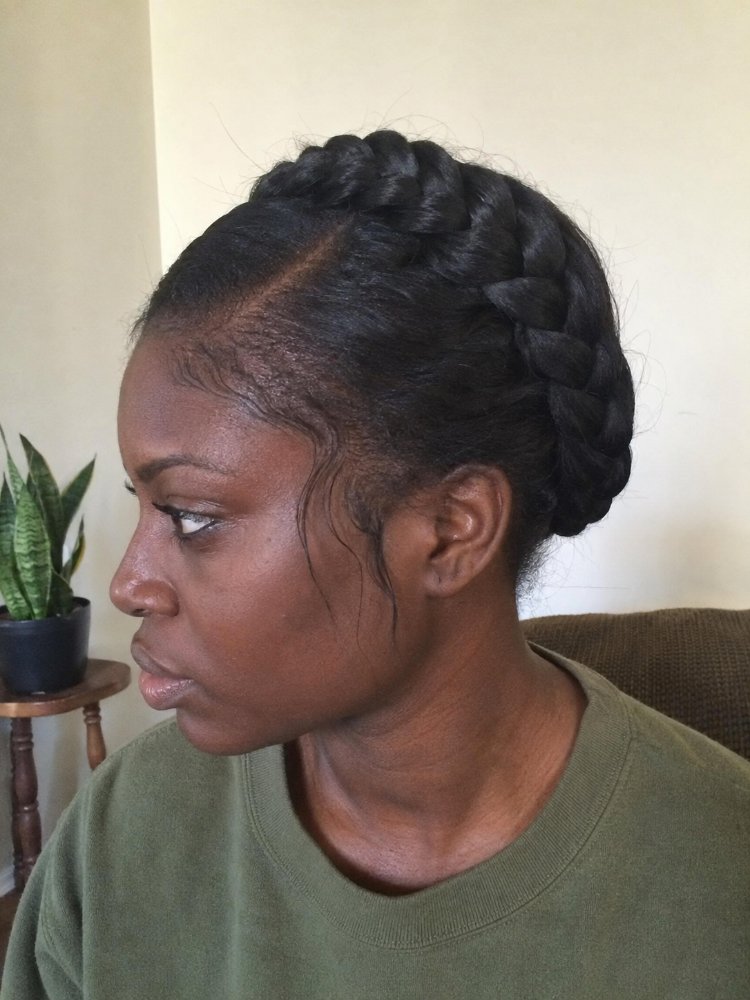
Halo Braid
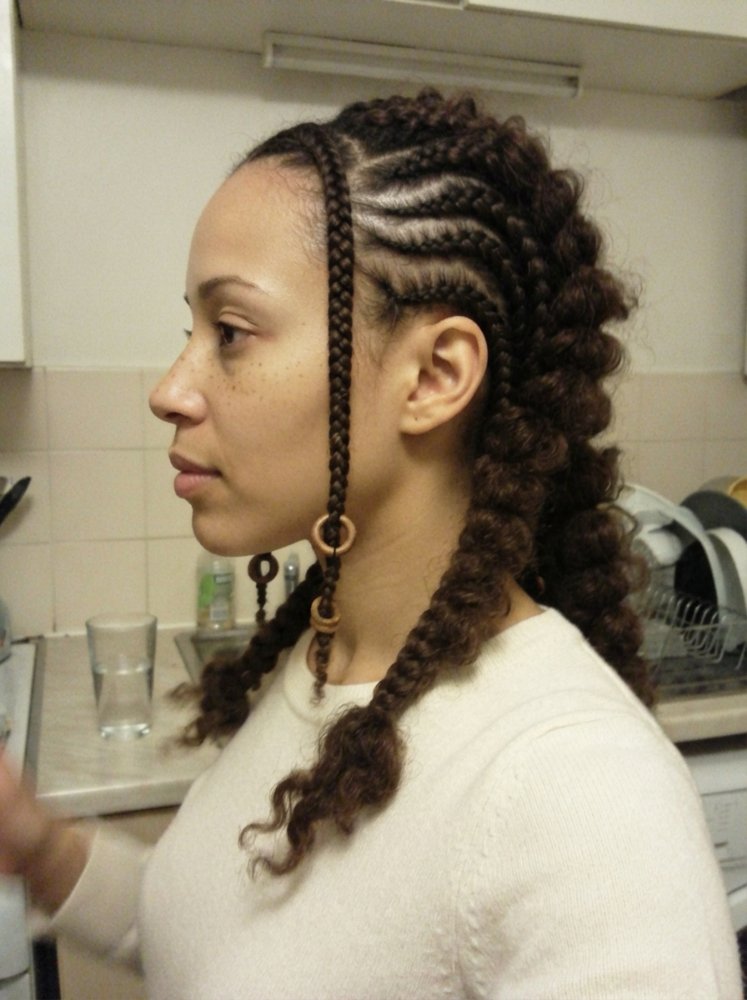
The halo braid uses one continuous-looking braided line around the head to create a circular silhouette. The hair is kept up and away from the neck without being concentrated into a central bun.
Its main visual strength is continuity. The braid itself traces the head, so even a relatively simple construction reads as finished without hanging lengths.
This design can work on natural hair or with added hair, depending on the required fullness and construction. The braid should sit securely without relying on excessive tightness. Pins used to secure ends need to lie flat enough that they don’t become the most noticeable part of the style.
Crown Braid Updo
A crown braid places braided structure across the upper head but allows more variation than a classic halo. Several braided sections can cross, overlap, or wrap into the crown area to build a sculpted updo.
That makes it the more adaptable choice for formal styling. Volume can be concentrated toward the back, kept flatter above the ears, or arranged to leave room for a veil or decorative comb.
Accessories need a stable place to attach. A heavy comb pushed into a delicate braid section can flatten the very area intended to provide height, so accessory placement should be planned alongside the braid map.
Designs That Mix Braids With Loose Texture
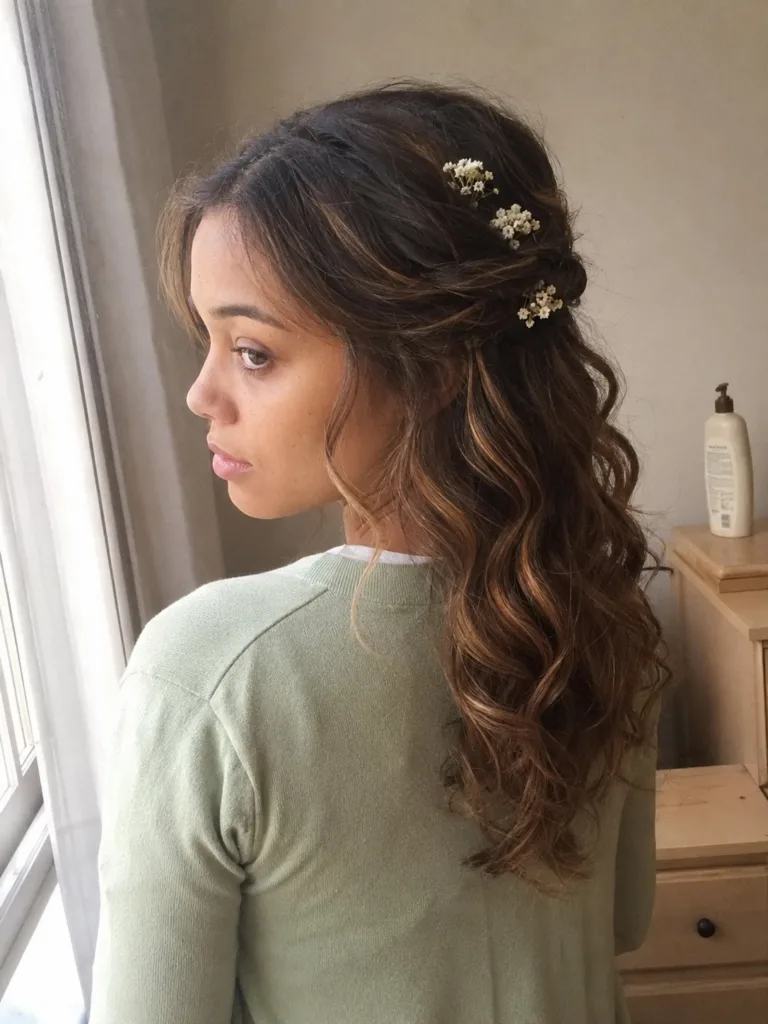
Mixed-texture braid designs look softer because some hair remains loose, curled, waved, or otherwise unbraided. That softness changes maintenance. Loose hair tangles and responds to moisture differently from the braided sections, so these aren’t the most hands-off choices in the group.
Bohemian Box Braids
Bohemian box braids combine individual braids with intentionally loose pieces through the lengths. The result has more texture and irregular movement than a fully braided installation.
The loose pieces are the feature and the maintenance responsibility. They can rub against clothing, intertwine with nearby braids, and require more gentle separation than completely braided lengths.
For someone choosing primarily for minimum daily involvement, conventional box braids are usually the stronger option. Bohemian braids earn their extra work when the soft, undone texture is central to the look you want.
Curly-Ended Braids
Keeping the main braid body intact and leaving texture primarily at the ends creates a useful compromise. You get the definition of fully braided roots and mid-lengths with softer movement near the perimeter.
The result changes considerably with length. Short curly ends can create a buoyant bob-like outline, while long ends move across the shoulders and back.
Those loose ends need detangling attention, but the maintenance area is more concentrated than it is with loose pieces scattered throughout bohemian braids. That makes curly-ended braids an underrated option for someone who wants visible texture without mixing loose hair through the entire installation.
Half-Up Braided Design
Half-up styling gives individual braids a different silhouette without committing every braid to one anchor. The upper section is gathered while the lower braids continue to hang freely.
This is especially useful for keeping hair away from the face while preserving length and movement through the back. A top knot creates more height; a small ponytail keeps the profile lighter.
Avoid repeatedly pulling the same front sections tightly into the half-up portion. The versatility of individual braids is most useful when you can alter the styling without making one group of roots carry all the work every day.
Braided Front With Loose Natural Texture
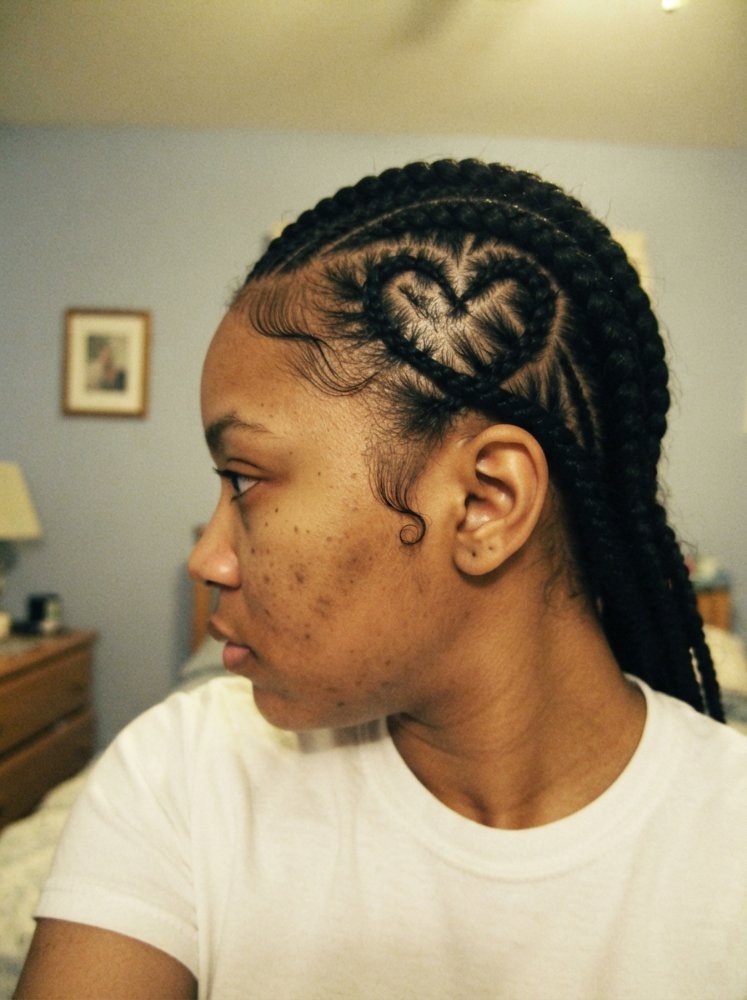
A few cornrows or flat braided sections through the front can open the face while the remaining natural hair stays loose. Unlike a full braided installation, this design intentionally preserves the hair’s natural curl or coil pattern as a major part of the result.
Shrinkage matters here because the loose section determines the final proportions. A photograph taken on stretched curls may produce a very different outline from the same arrangement worn in a shrunken state.
The strongest planning approach is to decide how you actually intend to wear the loose hair—shrunken, stretched, defined, or in a fuller picked-out shape—and build the braid placement around that state.
Statement Patterns and Braids With a Strong Visual Identity
Some braid designs succeed because the construction itself creates the drama. These styles leave less room for the pattern to disappear into the background, which makes good planning more important than adding decoration afterward.
Snake or Curved Cornrows
Curved cornrows use the scalp almost like a drawing surface. Rows bend, arc, or snake across the head rather than following straight directional lines.
The look is strongest when the pattern has enough negative space to remain legible. Packing in too many competing curves can make the design difficult to read once the braids begin to soften with normal wear.
Curved work is more pattern-dependent than standard straight backs, so a reference image is especially useful during consultation. The photo should be treated as a map for direction and proportion rather than a guarantee that the same pattern will sit identically on a different head shape or hairline.
Crisscross Cornrow Design
Crisscross braiding creates intentional intersections or visual crossings between sections, producing a more architectural result than parallel rows.
Because the eye follows the points where the lines meet, symmetry and section placement carry a lot of the design. The style can be continued into loose braids, a ponytail, or another braided finish without losing the distinctive front pattern.
This is a better choice for someone who wants the scalp design to remain noticeable than for someone who plans to cover most of the top with hats or scarves.
Braided Mohawk
A braided mohawk concentrates visual height or braided volume through the center of the head while the sides stay flatter. The sides may be cornrowed upward or backward, with the central braid work left fuller.
Its strength is proportion. The narrow sides make the middle appear taller and more pronounced without requiring every section to be bulky.
This design can range from a restrained central ridge to a dramatic braided updo. The more material placed through the center, the more important balance becomes. You want the style to feel stable during ordinary movement rather than relying on tight side braids to control a heavy center.
How to Choose Between Hair Braid Designs
A useful braid consultation starts before deciding whether the parts should be square, curved, or decorative. Those details matter visually, but construction controls how the finished hair behaves.
Start with the styling freedom you want. Individual braids make the most sense when you plan to change your part, create ponytails, or alternate between loose and half-up styles. Cornrow-dominant designs are stronger when you want the arrangement to stay visually consistent from day to day.
Then look at weight distribution. Extra-long, very dense braids create more mass and movement than shorter or lighter installations. A ponytail or bun concentrates that material at one point. A full set of individual braids distributes it across many sections. The most dramatic option isn’t worth choosing if the construction needs more root support than your hair can comfortably provide.
Hair state matters too. Natural, stretched, pressed, relaxed, or previously processed hair can behave differently during preparation and braiding. Curly and coily hair also varies widely in shrinkage, strand size, density, and condition. A braid design should be adjusted to the hair being worked with instead of forcing every head into the same section map.
Maintenance, Scalp Access, and Comfortable Wear
A braid style should remain comfortable during normal facial movement, sleeping, and everyday activity. Pain isn’t the price of a neat installation. Excessive pulling also shouldn’t be used to make a style look cleaner or last longer.
Scalp access varies widely among designs. Larger cornrows expose clear rows of scalp, while dense individual braids create many small sections that can be more cumbersome to reach. Cleanse according to your scalp, activity level, buildup, and installation rather than following one rigid timetable.
Drying deserves equal attention. Braided roots may still hold moisture after the outer braid lengths feel dry, especially where sections are dense or added hair is involved. Give the roots appropriate airflow and time to dry thoroughly instead of immediately covering damp hair.
At night, a smooth scarf or bonnet can reduce friction and help contain longer braids. Extra-long lengths may be gathered loosely so they aren’t trapped beneath your body. Any method that requires pulling the roots tightly to fit beneath the covering defeats the purpose.
Removal is part of the hairstyle too. Tiny sections, decorative intersections, and loose curly pieces may need more patience than larger, straightforward braids. Work carefully through shed hair and buildup near the roots rather than rushing through tangles.
Persistent pain, sores, redness, stinging, or a concerning change in density deserves more attention than a styling adjustment. Loosen or remove an uncomfortable source of tension and consider speaking with a dermatologist or another qualified healthcare professional when symptoms persist or concern you.
What to Bring to a Braid Consultation
A reference image is useful, but bring more information than the photograph can provide. Decide which part of the design you actually care about: the section size, the braid pattern, the length, the amount of fullness, the placement of a ponytail, or the loose texture through the ends.
Be clear about your everyday routine as well. Someone who wears glasses needs to consider bulky sections around the temples. Frequent exercise makes scalp access and drying more important. Long hours against a headrest can make a high braided bun less appealing. Hooded coats, scarves, and raised collars interact with bob-length or nape-level braid shapes.
Mention your current hair condition and relevant chemical history. Previously lightened, relaxed, or otherwise processed hair may require a different approach from hair that hasn’t undergone those services.
A useful final check is simple:
Can you move your face and turn your head comfortably?
Is the added-hair amount appropriate for the sections carrying it?
Are fragile perimeter areas being handled conservatively?
Can you reach the scalp well enough for your normal care?
Does the finished length make sense for sleeping, clothing, exercise, and work?
Do you understand what will be involved at takedown?
The photograph shows the design. Those questions reveal whether you will actually enjoy wearing it.
Related Hairstyles to Explore
FAQs
Which hair braid design is easiest to restyle?
Individual box braids and knotless braids usually provide more restyling freedom than fixed cornrow patterns because each braid can move independently. You can change the part, create a half-up style, or gather the braids at different heights. Very large or extra-long braids may limit that flexibility because the gathered bundle becomes bulkier.
Can short natural hair be used for braid designs?
Many braid designs can be adapted to shorter hair when there is enough length for the chosen technique to hold securely without excessive pulling. The appropriate option depends on the actual length, condition, strand size, density, and whether added hair will be used. A braider should assess sections individually rather than forcing short perimeter hairs into a design that needs more grip.
Can I exercise with braids?
Yes, but the design affects how convenient exercise feels. Long braids may need to be loosely secured so they don’t swing heavily, while cornrow-based designs keep more hair close to the head. Sweat and scalp buildup can also increase cleansing needs. After washing or heavy sweating, pay particular attention to drying the roots thoroughly.
Are braids protective hairstyles?
Braids can reduce some daily manipulation, but their effect depends on how they are installed and maintained. Section size, tension, added-hair weight, scalp access, friction, drying, and removal all matter. A braid that is painful, excessively heavy, difficult to cleanse, or rough to remove can work against the reason you chose the style.
Hair Texture & Upkeep Style Matcher
Select your natural hair texture and daily maintenance window to get an instant styling formula and heat safety cap.
Heat Cap: 320°F (160°C)
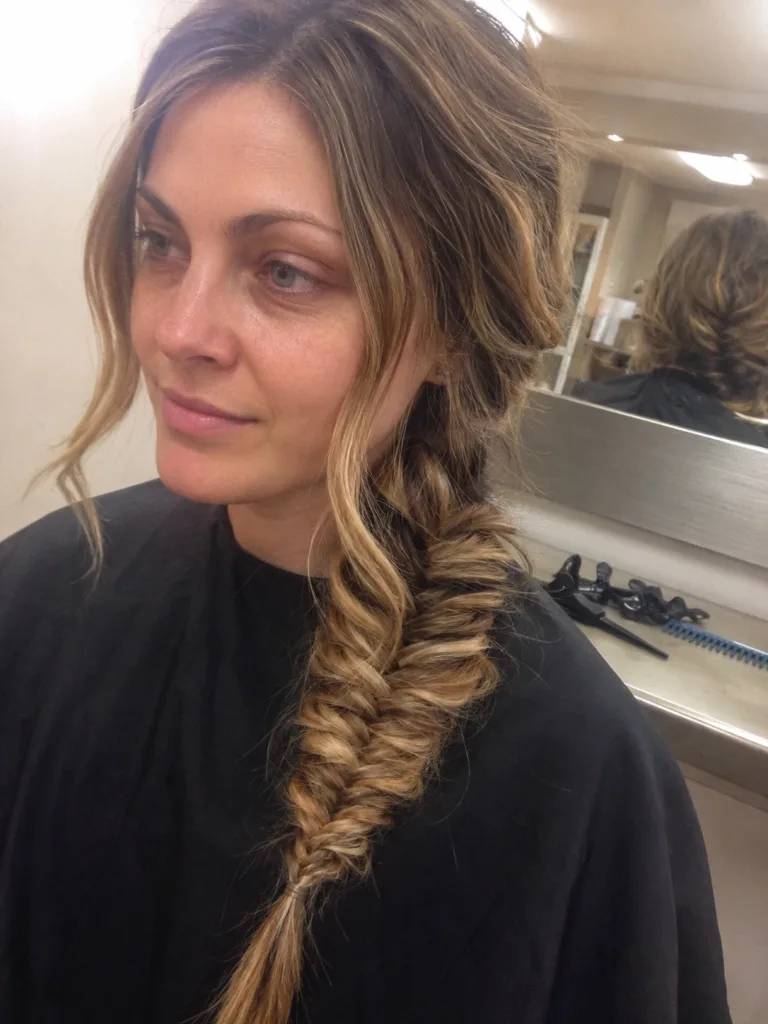
A versatile three-strand braid beginning at the parietal ridge, securing the top half while allowing natural wave texture to flow freely around the shoulders.
Conclusion
Hair braid designs become much easier to choose once you stop treating every option as a variation of the same hairstyle. Individual braids prioritize movement. Cornrows prioritize direction and scalp pattern. Updos concentrate the shape. Loose-texture designs add softness along with more detangling responsibility.
Choose the construction first, then refine the braid size, length, pattern, and decorative details. A design that suits your hair, feels comfortable at the roots, and fits the way you actually sleep, dress, wash, and move will usually be more satisfying than the most elaborate reference photo.
Editorial Standards & Hair Health Guidance
Every style featured on Tress Atlas is curated with a focus on real-world wearability, scalp tension management, and cuticle preservation. When trying protective styles or tight updos, ensure perimeter hairline sections remain tension-free to avoid traction stress on delicate follicles. For heat styling, cap tools below 350°F (180°C) to prevent thermal keratin denaturation.
Scientific Sourcing: Practices aligned with the American Academy of Dermatology (AAD) on traction alopecia risk reduction and cosmetic trichology research on hair tensile strength.