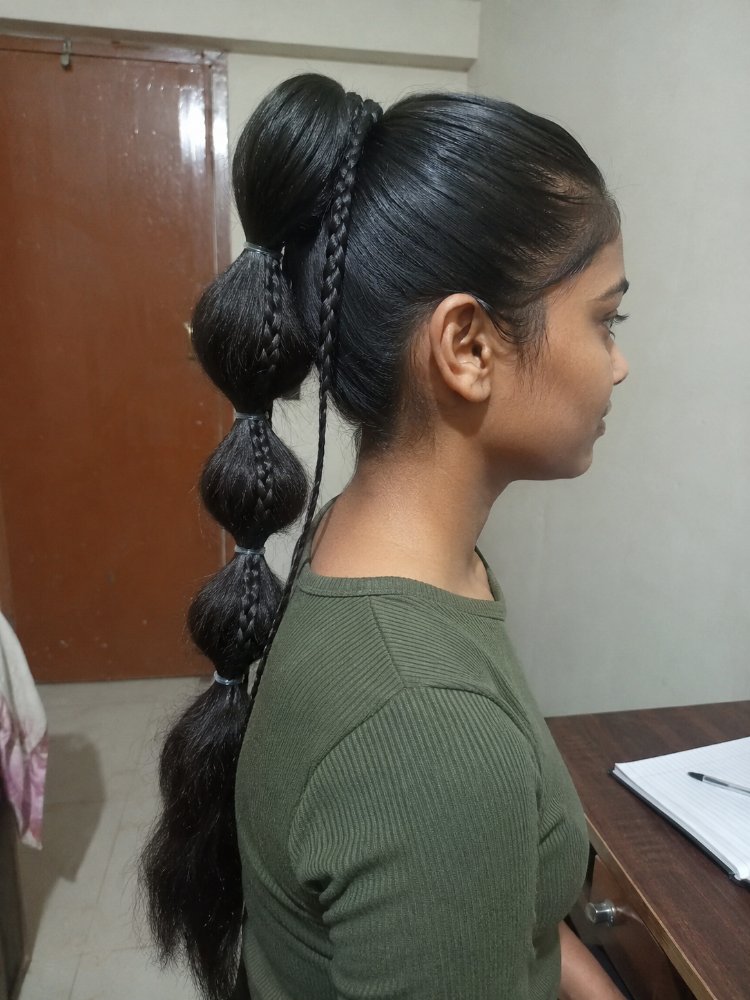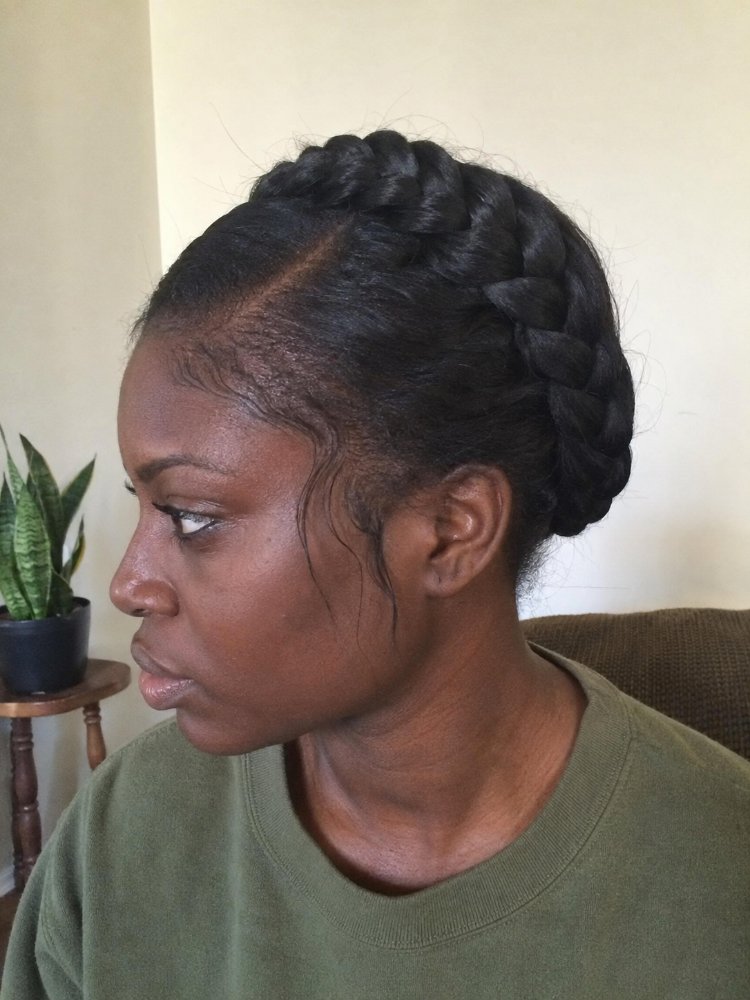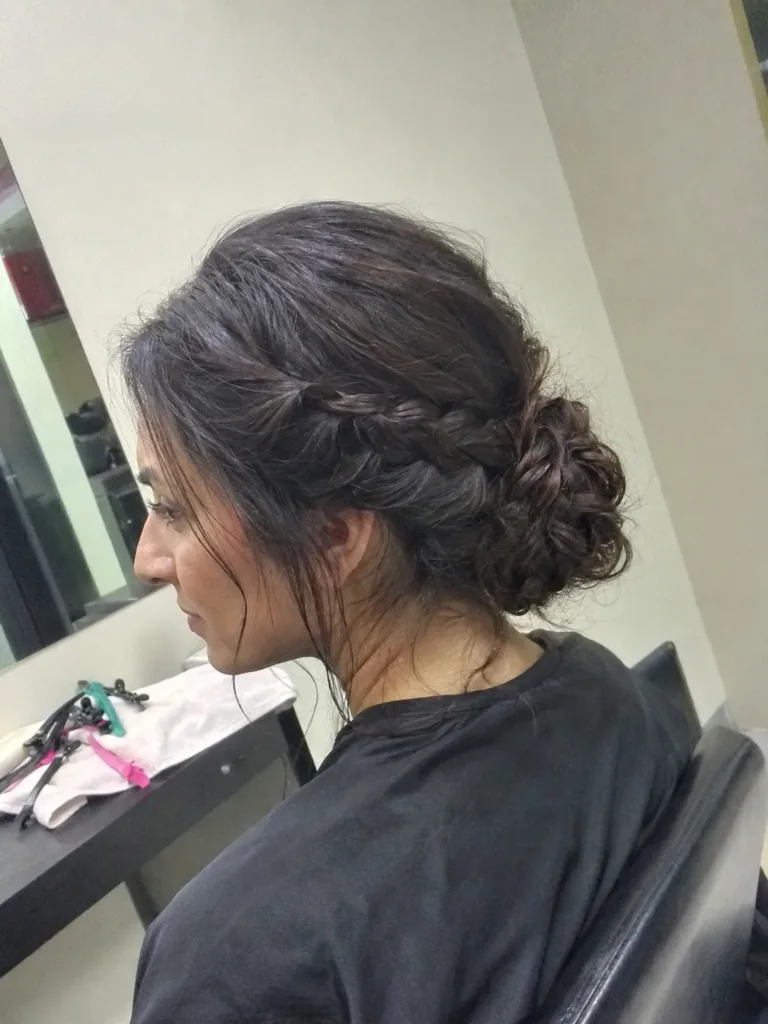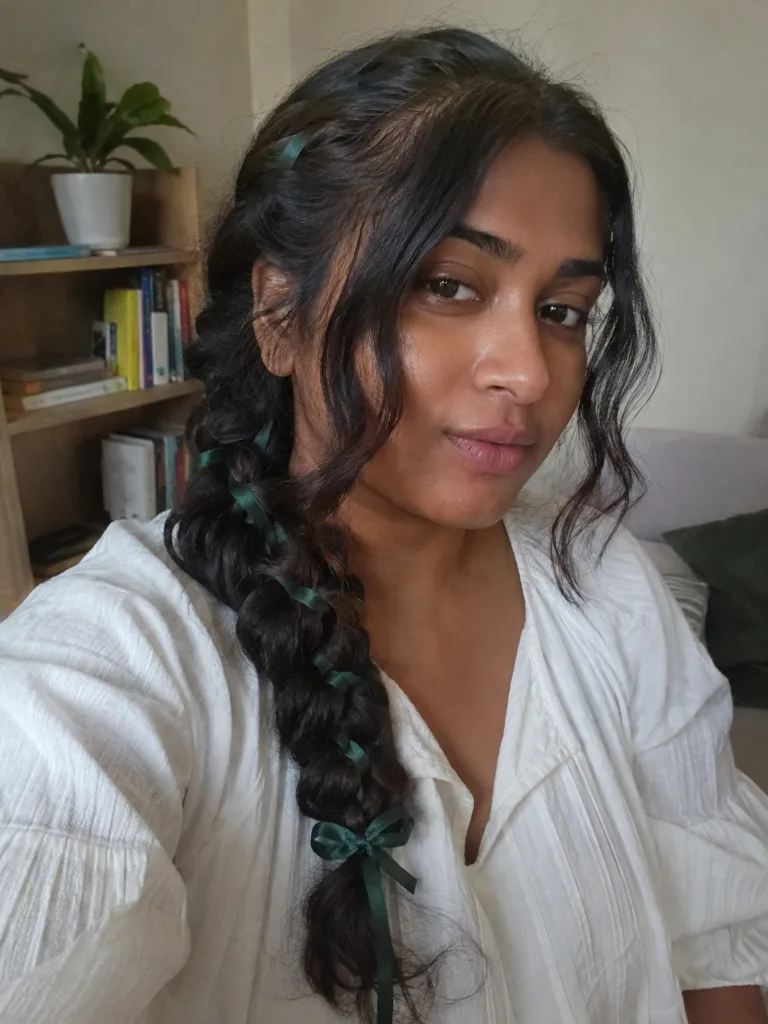
Celtic Hairstyles: Braids, Shape, and What Changes the Result
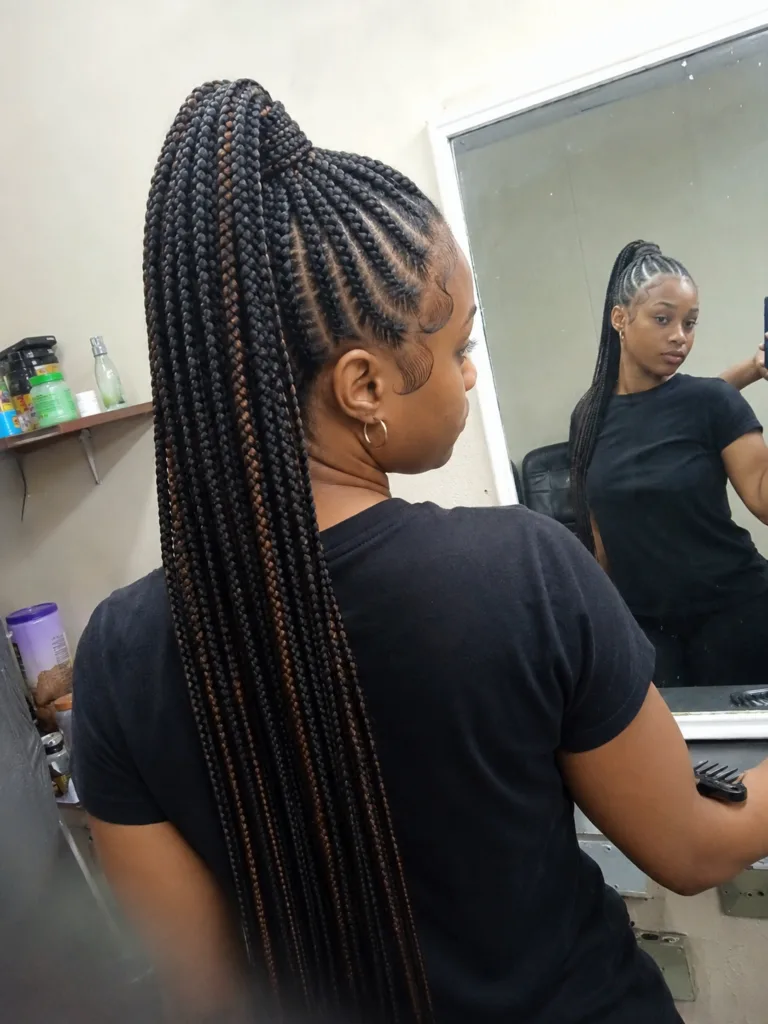
Celtic hairstyles are usually approached today as Celtic-inspired styling: braided crowns, woven side sections, half-up braids, twisted knots, textured updos, and loose hair combined with decorative braid work. The strongest versions have an obvious structure. You can see where the braids begin, how they travel around the head, and how they connect with the loose hair or pinned sections.
There is an important historical distinction. Celtic peoples and material described as Celtic span different regions and periods, including Iron Age Britain and Europe as well as later Celtic Britain and Ireland. That makes “the authentic Celtic hairstyle” too broad a label for one modern braid pattern. (British Museum) A contemporary fantasy braid can still look beautiful; it simply makes more sense to describe it as Celtic-inspired unless you’re recreating a documented hairstyle from a particular place and period.
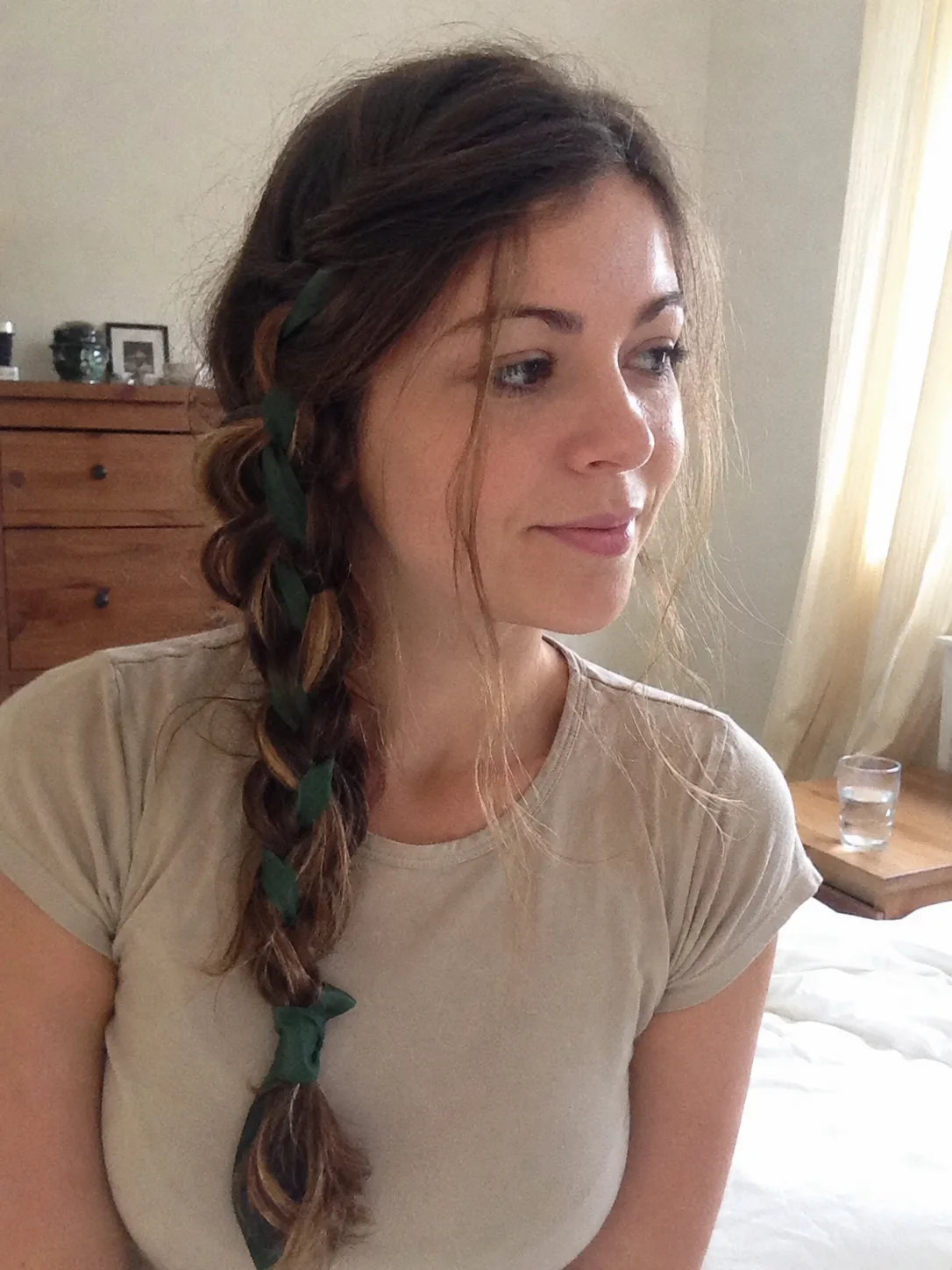
From a styling perspective, the biggest decision is how much of the look should come from braiding. A small temple braid gives loose hair a Celtic-inspired accent. A wrapped crown braid changes the entire outline of the head. Multiple narrow braids feeding into a low knot create far more detail, but they also demand cleaner sectioning and make takedown more involved.
The photo you love may tell you which braid you want. It rarely tells you how that braid will behave on your hair.
What Makes a Celtic-Inspired Hairstyle Read Clearly?
Complexity alone doesn’t create a convincing result. Five tiny braids scattered through the hair can look less distinctive than one strong braid that travels from the temple around the back of the head.
Start by choosing a main visual line. That might be a braid wrapping over the crown, two side braids meeting at the back, a central braid running toward a bun, or a pair of braided sections framing loose curls. Once that line is established, smaller details can support it.
Modern Celtic-inspired styling tends to fall into a few useful construction families:
For everyday wear, a half-up construction is the easiest starting point. It gives you enough braided detail to communicate the theme without turning the whole head into a complicated installation.
A full crown or multi-braid updo earns the extra work when the hairstyle itself is meant to be a major part of the outfit—for a wedding, festival, performance, themed event, or formal photograph.
The Braid Architecture Matters More Than Tiny Details
A Celtic-inspired hairstyle becomes easier to choose once you stop treating every braid variation as a separate look.
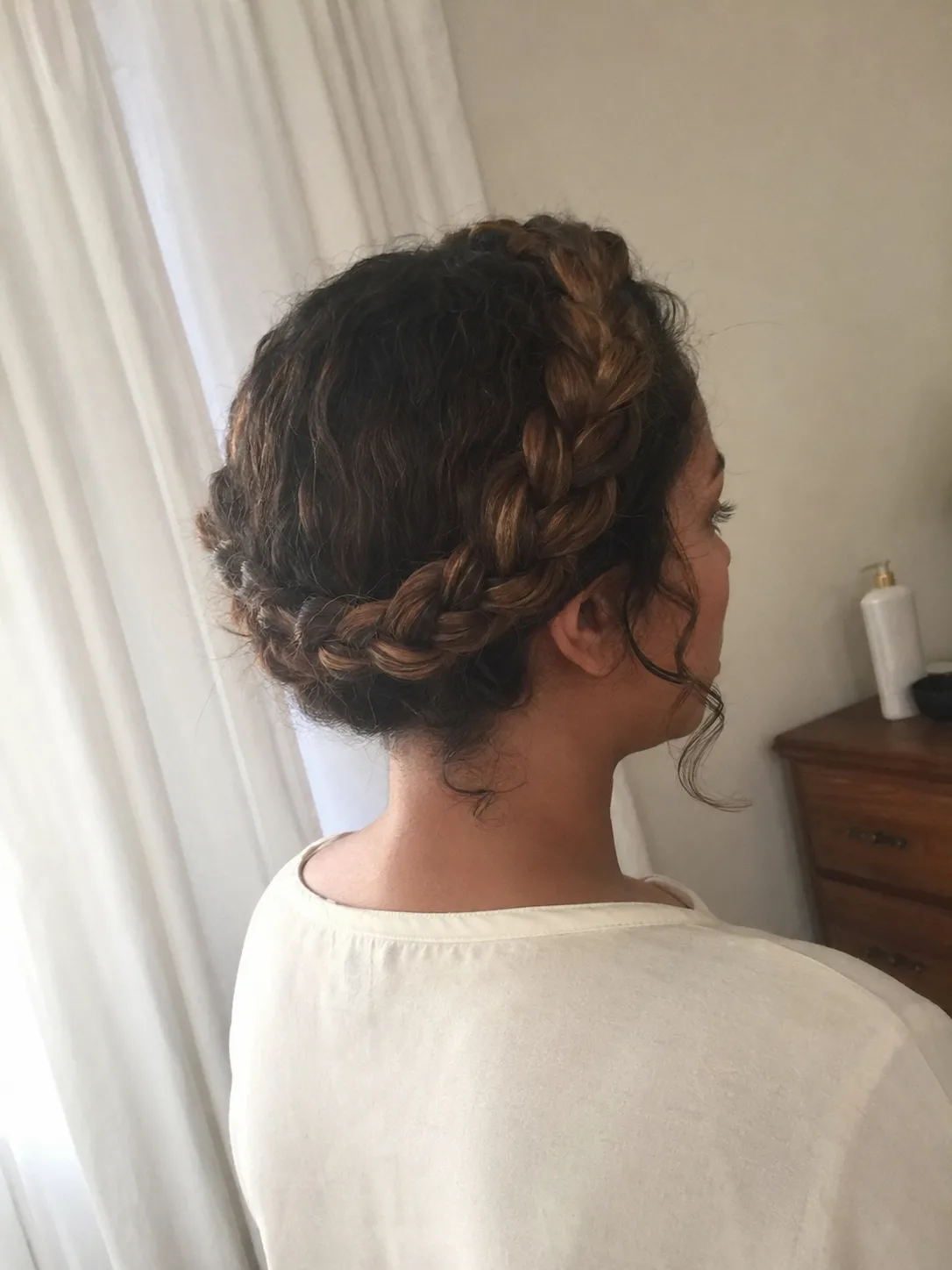
Crown and halo structures
A braid that follows the circumference of the head creates the strongest all-around shape. Depending on your hair length and technique, the braid may be formed from the natural hair, built from several connected sections, or created with added hair.
This construction keeps most of the hair controlled and makes decorative elements visible from several angles. It also places the braid near the areas where glasses arms, veils, hats, or other accessories may sit, so placement deserves attention before everything is pinned.
Two side braids meeting at the back
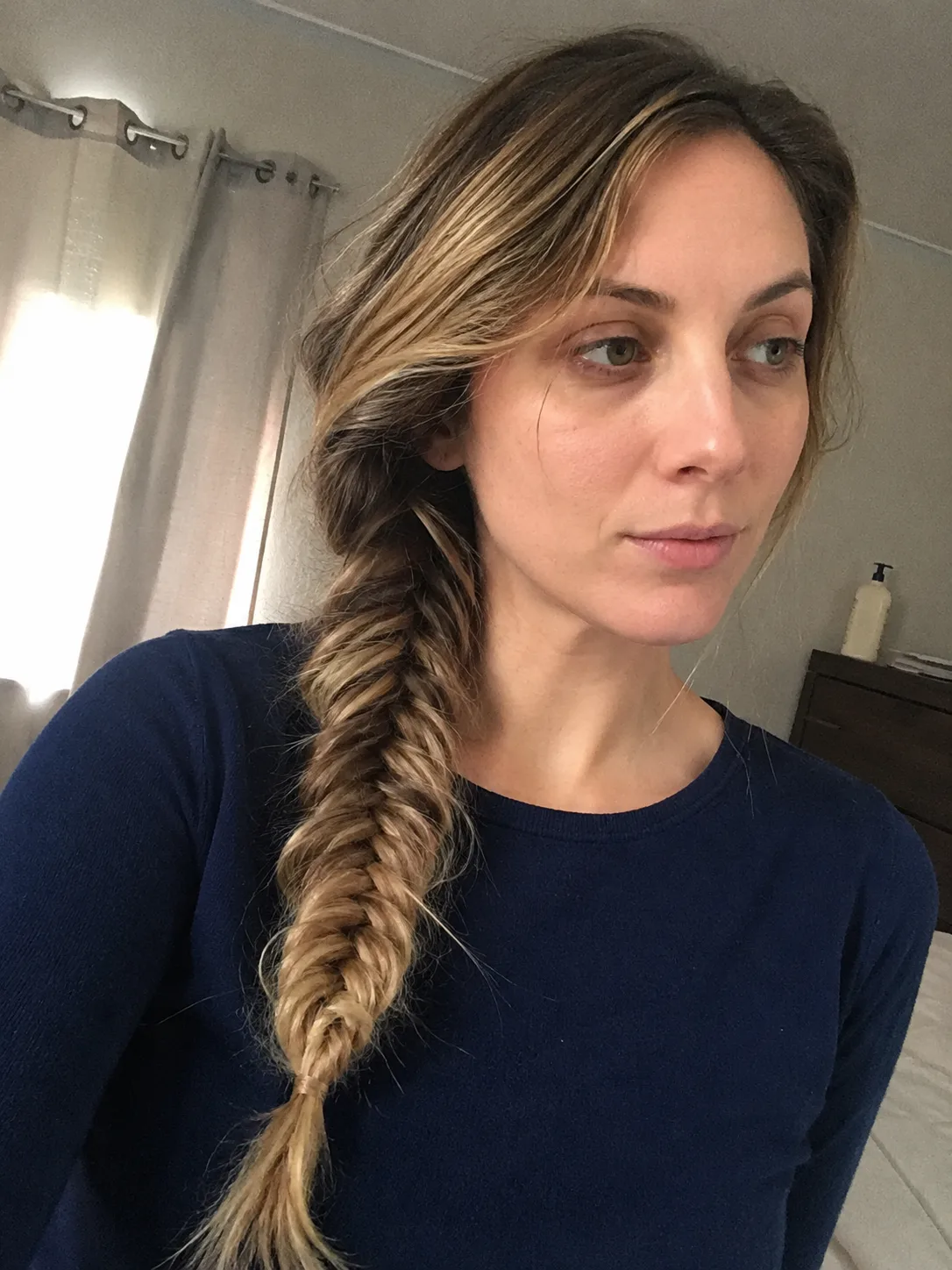
This is the practical default for someone who wants Celtic influence without a full updo. Each side section travels away from the face and meets around the back of the head. The remaining hair can stay straight, wavy, curly, coily, or gathered into another braid.
The style is forgiving because the lower lengths remain independent from the braided structure. You can also control how much hair you commit to the braids. Smaller side sections preserve more volume below; broader sections make the braided portion dominate.
Braids feeding into a low knot
This construction looks more formal because the hairstyle has a definite ending point. Side or crown sections travel toward the back and disappear into a knot, bun, or tucked arrangement.
Keep the convergence area readable. Too many braids, twists, pins, and decorative pieces packed into the same small area can turn beautiful individual details into visual clutter.
A low braided knot is also more comfortable against many chair and vehicle headrests than a large knot positioned directly at the back of the crown.
Loose hair with isolated braid accents
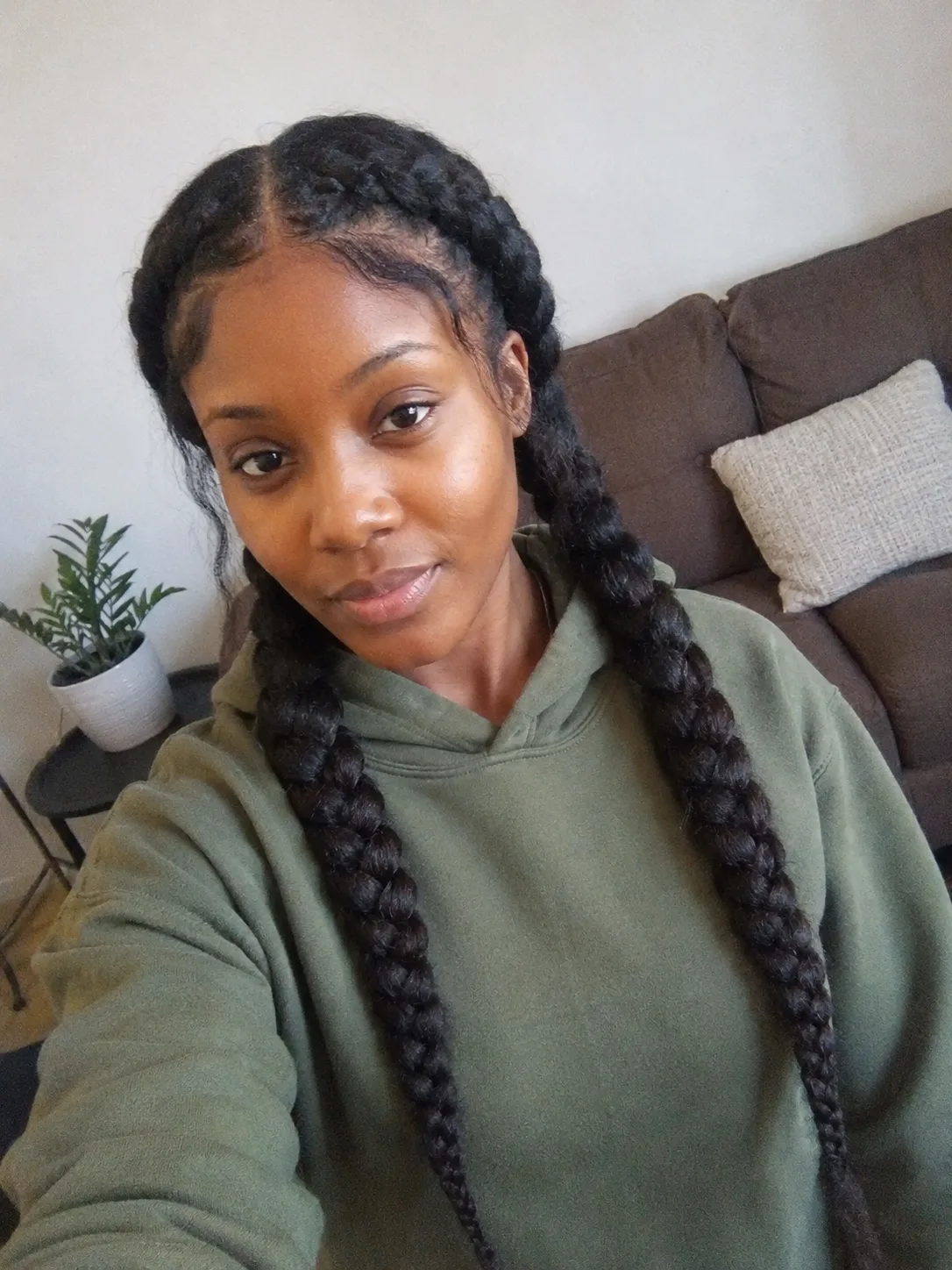
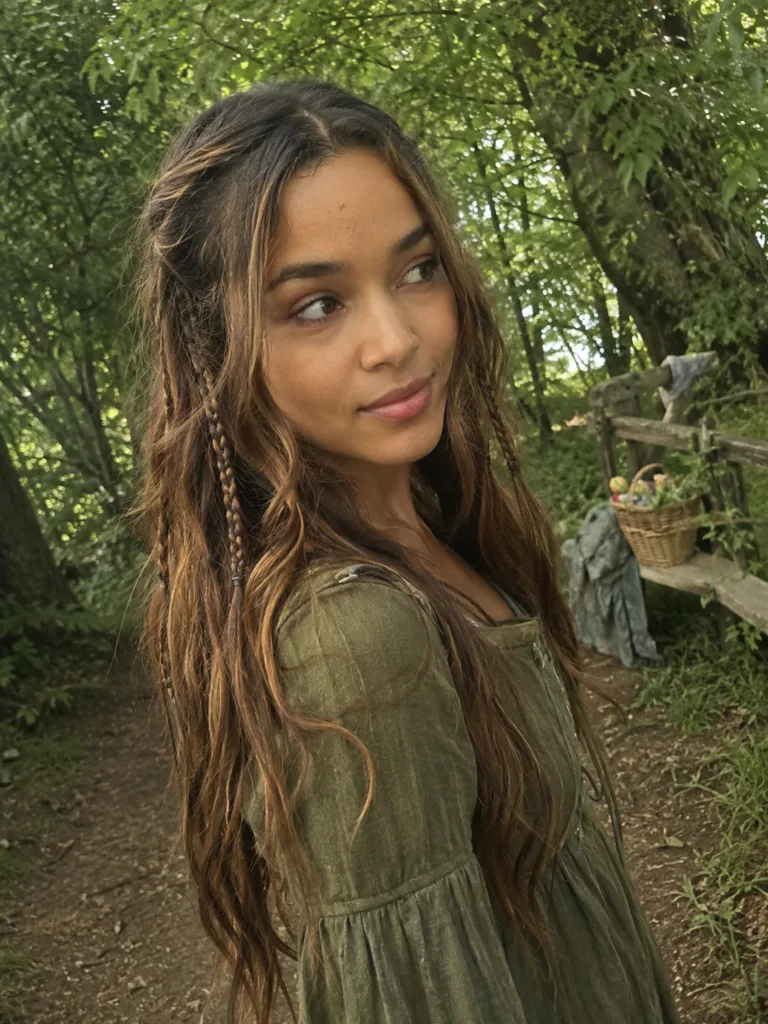
This option deserves more attention than it gets. One substantial temple braid or a pair of narrow braids can add the woven detail people associate with Celtic-inspired styling while allowing the natural movement of the hair to remain the main feature.
It works especially well on hair with visible waves, curls, or coils because the difference between the compact braid and the fuller loose texture creates contrast without requiring excessive ornamentation.
Your Hair Texture and Styling State Change the Design
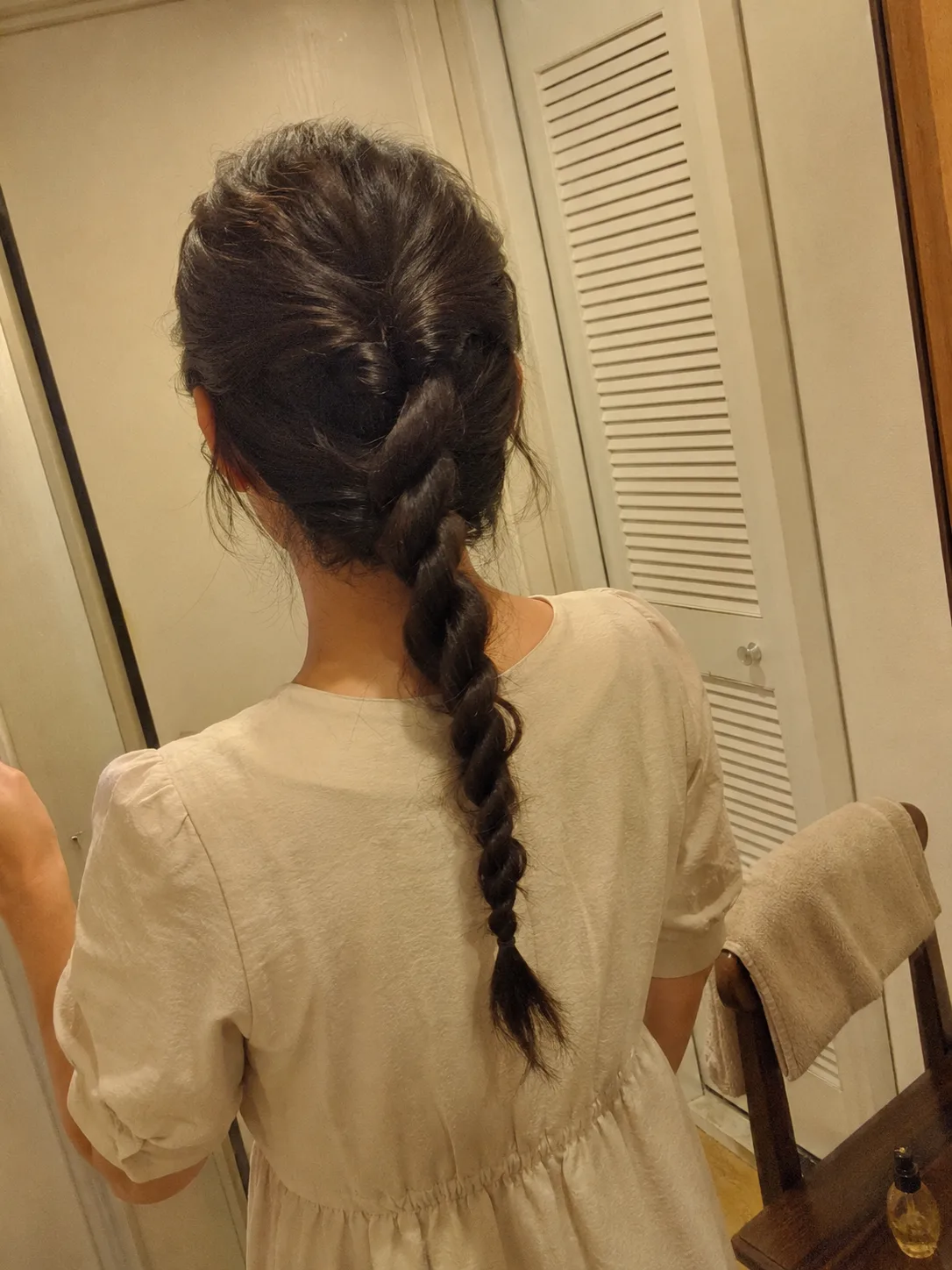
Reference photos often hide the starting state of the hair. A braid photographed on stretched hair won’t occupy exactly the same position after highly shrinkage-prone curls or coils return toward their natural length.
For naturally curly and coily hair, decide whether you want the final hairstyle worn shrunken, stretched, or otherwise elongated through styling before choosing the braid map. The braid itself can be created on textured hair. Straightening is not a requirement.
Leaving the lower hair naturally curly or coily can make a half-up Celtic-inspired hairstyle especially effective. The braids control the upper sections while the ends retain volume and movement.
Straight and loosely wavy hair behaves differently. Individual sections may lie flatter, which can make interwoven details easier to see. Very silky hair may also slip more readily during braiding, so clean sectioning and secure finishing matter more than repeatedly tightening the braid.
Pressed or heat-styled hair can produce a smoother, more uniform braid surface. Treat that as a styling choice, not as the default preparation for the look.
Relaxed hair requires its own assessment because previous chemical processing affects condition and handling. Gentle sectioning matters more than forcing the hair into an elaborate braid simply because the reference image has one.
The finished state should also guide the haircut assumptions. Layers can create shorter pieces that leave the braid or soften the perimeter around the face. That may suit a romantic style beautifully. A very clean, contained braid requires a different finishing approach.
Length, Density, and Strand Size Affect What Is Realistic
Long hair gives a stylist more material to wrap, cross, and redirect, but length alone doesn’t determine whether an elaborate Celtic hairstyle will work.
Density affects how much hair is available across the scalp. Strand size describes the diameter of each individual hair. Someone can have fine strands and high density, coarse strands and lower density, or many combinations between those examples.
That distinction matters with braid size.
Taking large sections from lower-density hair can quickly use up the available hair and leave less volume elsewhere. A half-up design with carefully placed braids may create a fuller overall impression than dividing most of the head into several small braids.
With very dense hair, an intricate updo can become physically bulky before the styling is finished. You may not need every braid shown in an inspiration photo. One broad woven section can create enough visual detail.
Shorter hair still has options. Temple braids, small side braids, partial crown details, and pinned twists can introduce the aesthetic without pretending the hair has enough length for a complete wraparound braid.
Extensions can increase available length or braid volume, but added hair changes more than appearance. It also changes weight, movement, drying, and the amount of material that must be secured.
The strongest design usually uses your available hair efficiently instead of making every possible section elaborate.
A Practical Half-Up Celtic-Inspired Braid to Start With
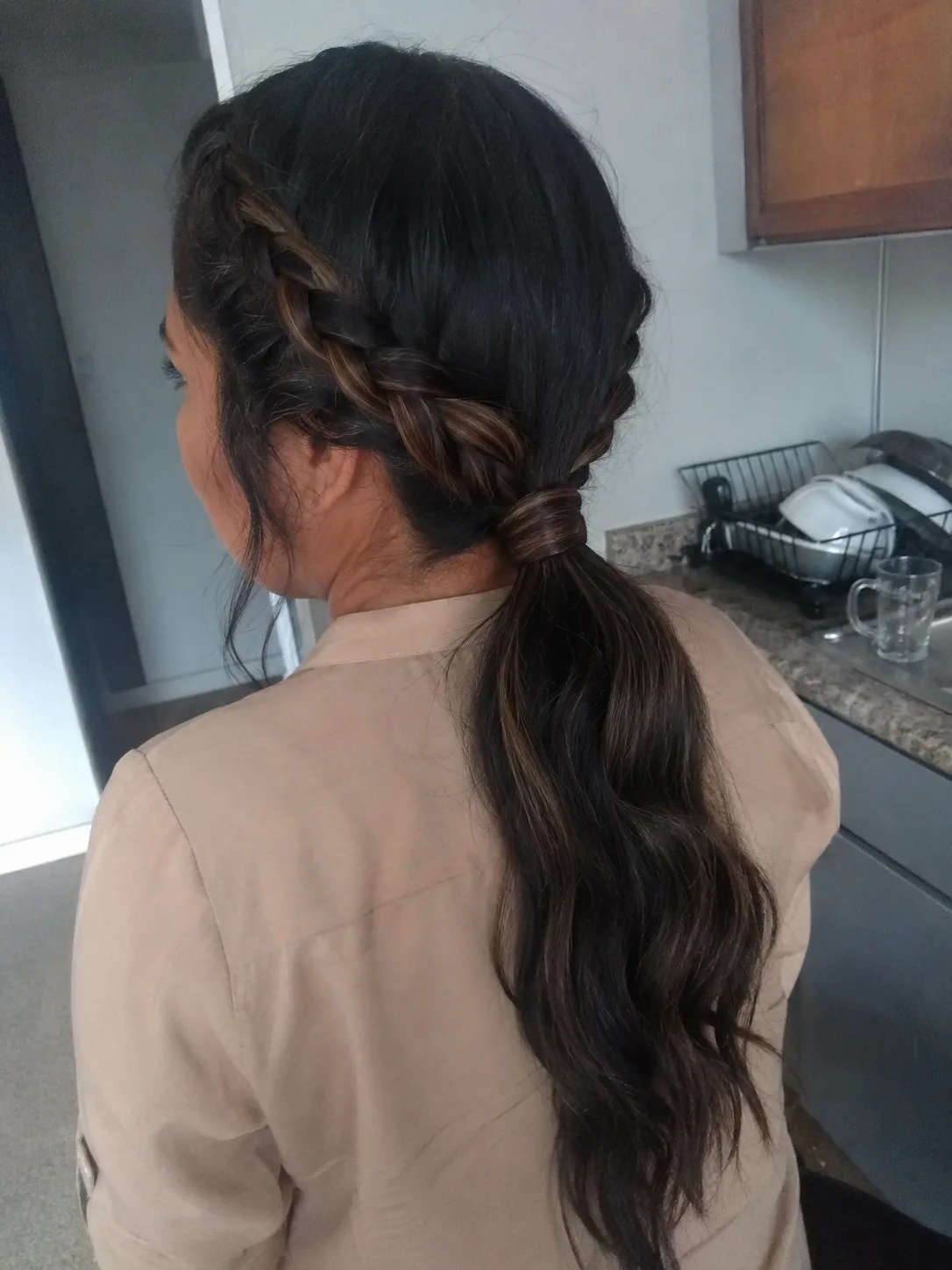
For a wearable version that doesn’t require a full braided updo, build the design around two side sections meeting at the back.
Begin with detangled hair in the state you intend to wear it. Establish your usual part or brush the front back depending on the desired finish.
Separate a section above one ear. Keep enough loose hair beneath it to preserve the volume you want through the lower half of the style.
Braid that section toward the back of the head instead of allowing the braid to hang straight down beside the ear. The direction matters. A braid designed to meet another braid should travel toward that meeting point from the beginning.
Repeat on the opposite side while checking their position in a second mirror. Perfect symmetry isn’t required, but one braid sitting near the crown and the other close to the nape will make the finished connection look accidental.
Bring the two sections together at the back. Depending on the look, they can be secured together with a small covered elastic, pinned so the ends disappear beneath each other, or continued into a single braid.
Now decide what happens to the remaining hair.
Loose curls or waves give the style a softer finish. Straight lengths create a sharper contrast with the braid work. Another low braid creates a more fully woven effect. A small knot gives the design a formal stopping point.
Check the hairstyle from the side as well as the back. Braids that look beautifully arranged in a rear photograph can sit flatter or bulkier than expected around the temples.
Finally, move your head normally. Turn left and right. Look down. Put on your glasses if you wear them. The braid should remain secure without making the scalp feel as though the style needs to be tolerated.
Accessories Can Help—or Overload the Braid Work
Metallic cuffs, decorative pins, ribbons, cords, flowers, combs, and other ornaments can all work with Celtic-inspired hairstyles. They have the most impact when they follow an existing line in the hairstyle.
A single decorative pin where two braids meet emphasizes the construction. A row of ornaments placed through every available braid can compete with it.
This is also where historical language deserves restraint. A modern accessory inspired by Celtic art, fantasy costume, medieval imagery, or contemporary festival styling shouldn’t be assigned a specific ancient meaning without evidence. Museums use “Celtic” across material from different periods and contexts, so visual resemblance alone isn’t enough to establish historical symbolism. (British Museum)
For weddings, place the veil comb or headpiece before committing to the final braid map. A beautifully raised braided section loses its purpose if a comb needs to occupy exactly the same space.
Glasses need the same consideration around the temples. Leaving a little less bulk immediately above the ear can feel better than placing a thick braided section where the glasses arm needs to sit.
Flowers and larger decorative elements work better after the structural pins are secure. Decoration shouldn’t be responsible for holding the hairstyle together.
What the Finished Photograph Usually Hides
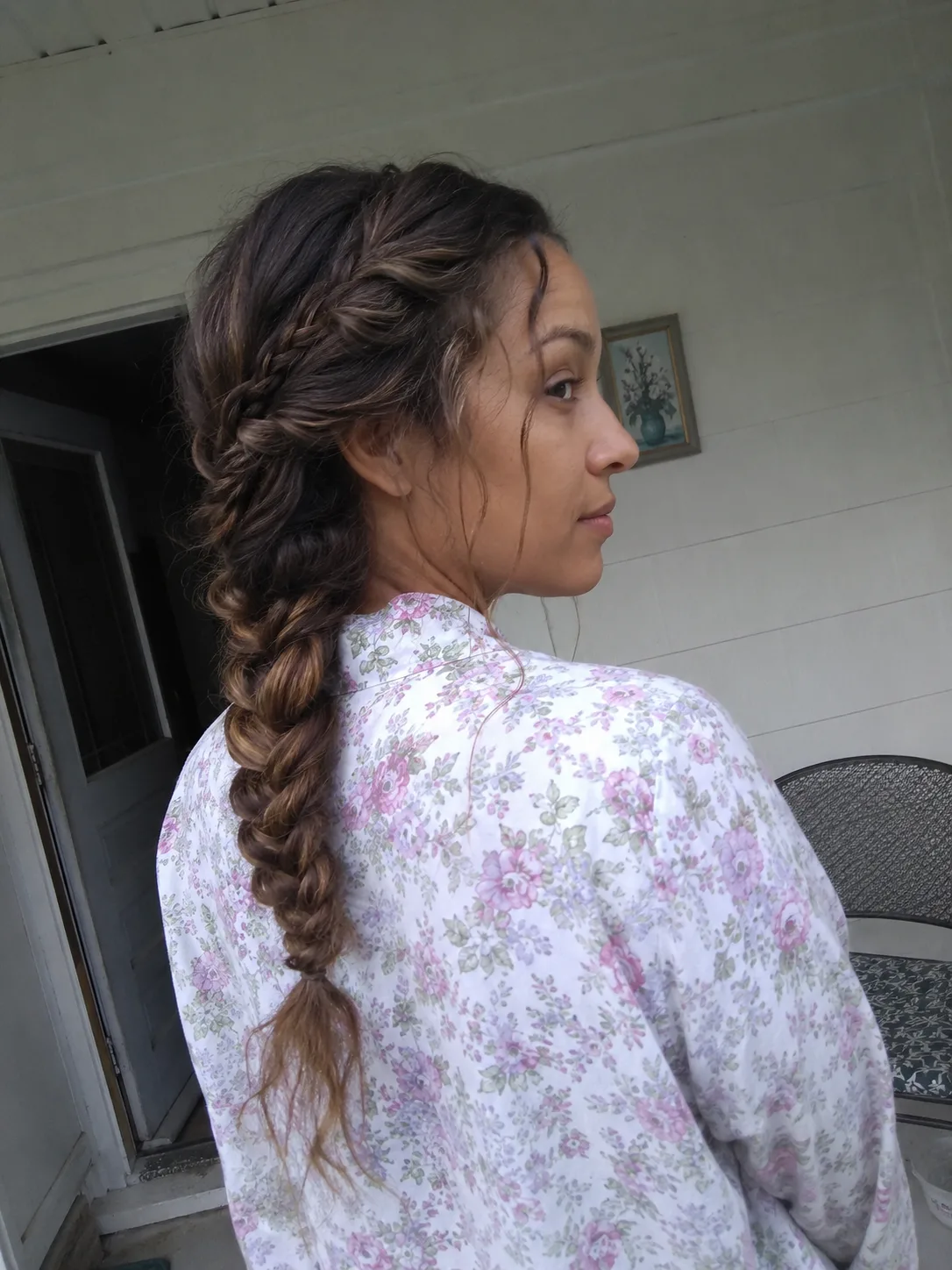
Celtic-inspired hairstyles photograph exceptionally well from the back because that angle shows weaving, intersections, and ornamentation. Daily life happens from every angle.
A large braided bun can press directly against a car seat or headrest. That pressure may push the head forward or slowly disturb the pins.
Long loose hair beneath a half-up braid still tangles against coat collars, scarves, backpack straps, and textured clothing. The braid controls only the section actually braided.
Humidity can change the surface finish of loose hair while the braided portion remains relatively contained. That creates a different result from the smooth reference image, particularly on hair that naturally expands or shrinks with moisture.
Shrinkage also changes proportion. A braid placed neatly across stretched curls can rise or shorten as the rest of the hair contracts.
Formal styles need to survive accessories and movement, not merely the first photograph. Put on the clothing, earrings, veil, headpiece, glasses, or collar that will be worn with the hairstyle during a trial whenever practical. An elaborate braid can be technically excellent and still fight with everything surrounding it.
Sleeping in a heavily pinned version is another matter. Remove temporary formal styling when appropriate instead of expecting an intricate arrangement to function like a long-term installation.
Comfort, Maintenance, and Salon Planning
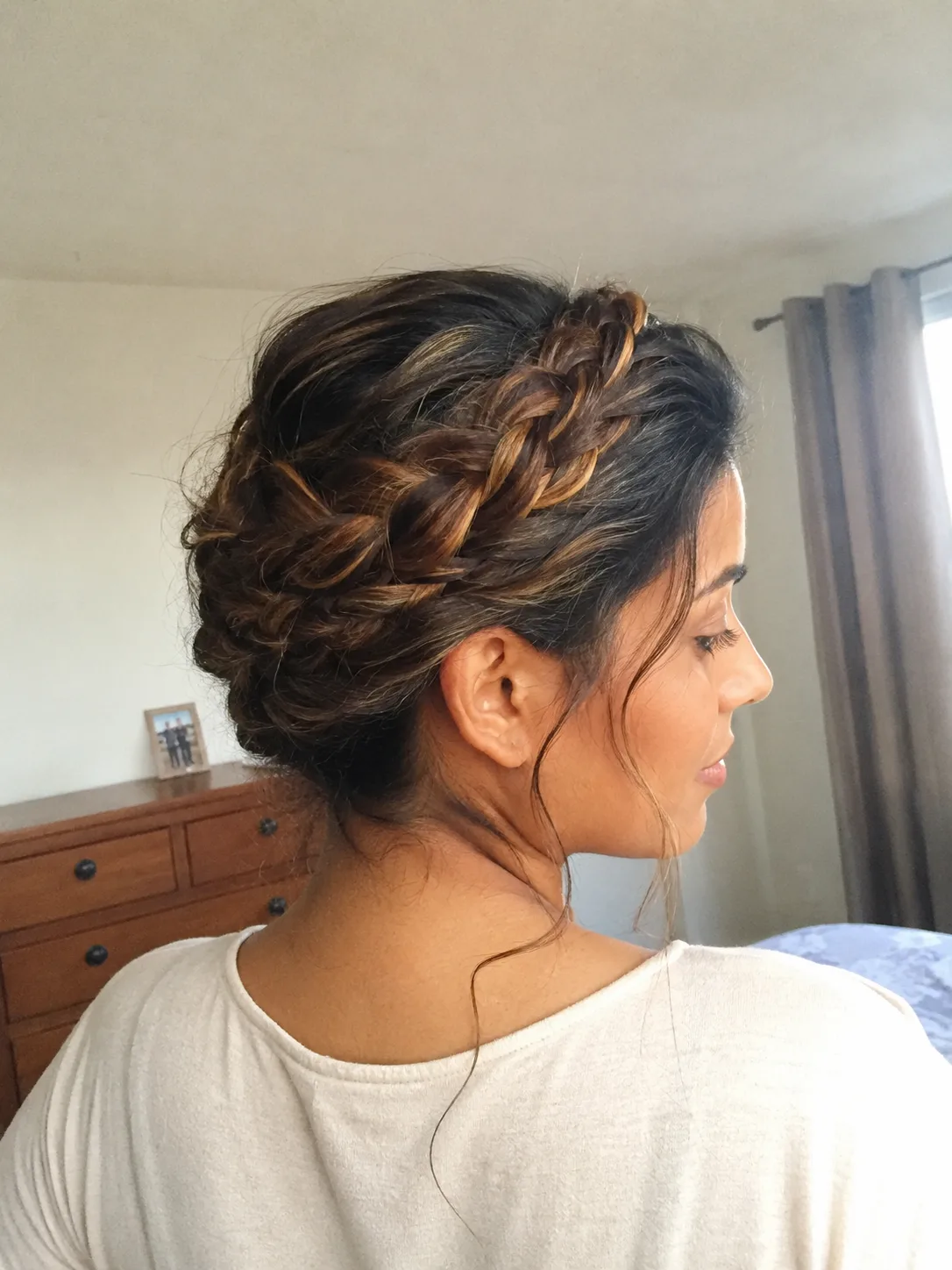
Braided Celtic-inspired hairstyles range from a loose half-up style you can dismantle easily to extensive braid work that benefits from professional construction.
The scalp should feel comfortable during ordinary movement. Braids and updos that repeatedly pull at the roots can stress the hair, and dermatologists specifically advise against frequently wearing tightly pulled braids, buns, ponytails, and similar styles. Pain or stinging from a hairstyle is a reason to address the tension rather than accepting discomfort as part of the finished look. (AAD)
That becomes especially important around the hairline and any area already showing fragility.
Maintenance depends on the construction. A loose half-up style may simply need to be recreated after sleep. An event updo with multiple hidden pins is usually better treated as temporary styling. Added-hair versions need enough scalp access for cleansing and appropriate drying.
Before a salon appointment, bring reference images that show more than the back. A front or side view helps clarify how much height, temple coverage, face-framing hair, and ear exposure you actually want.
Discuss these points before the braid work begins:
whether your hair will be worn natural, stretched, pressed, or otherwise styled;
which braid or braided line should be the main feature;
how much loose hair you want to keep;
whether added hair is being considered;
where a veil, headpiece, glasses, or other accessory needs to sit;
which areas of your scalp or hairline need gentler handling.
You can also simplify a reference photo. Removing one secondary braid often preserves the entire character of the hairstyle while making the result easier to wear and easier to take down.
For most people exploring Celtic hairstyles for the first time, two side braids meeting into a half-up arrangement are the strongest starting point. They show the woven construction clearly, work across several styling states, and leave room to increase the complexity later without committing the whole head to the design.
Frequently Asked Questions
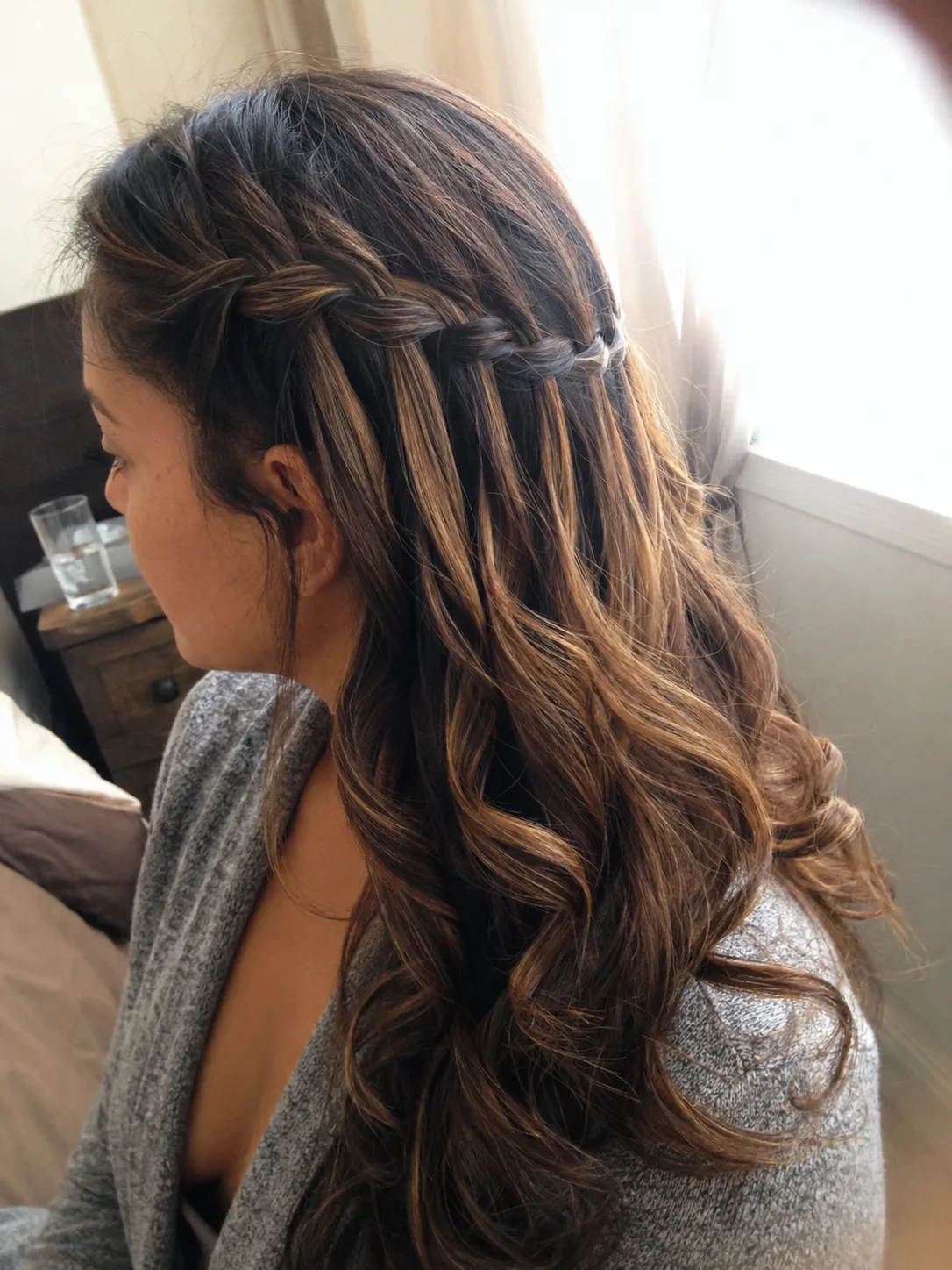
Can you do Celtic hairstyles on short hair?
Yes. Short hair works better with localized details than with a full wraparound braid. Try temple braids, braided front sections, small twists pinned toward the back, or a partial crown effect. The haircut and shortest layers determine how far each section can travel before pieces begin to escape.
Do Celtic-inspired hairstyles work on curly or coily hair?
They can work beautifully on curly and coily hair. Decide first whether the final style will remain shrunken, be gently stretched, or use another styling state, because shrinkage changes where the braids sit. Leaving the lower curls or coils loose can also create useful contrast with the braided upper section.
Can extensions be used for a Celtic braided hairstyle?
Extensions can supply extra braid length or volume when the chosen construction needs it. Keep the added amount proportional to the natural hair and the anchor points supporting it. Extra length also means extra movement and weight, so a dramatic wraparound braid may be less comfortable than a lighter partial version.
How do you keep an intricate Celtic hairstyle secure without making it too tight?
Build security through good section direction, balanced anchors, covered elastics where appropriate, and strategically placed bobby pins. Pulling harder at the roots is a poor substitute for sound construction. Persistent pain, stinging, sores, sudden shedding, or a concerning density change deserves attention; loosen or remove the source of tension and talk with a dermatologist or another qualified healthcare professional when symptoms are persistent or concerning. (AAD)
Related Hairstyles to Explore
Hair Texture & Upkeep Style Matcher
Select your natural hair texture and daily maintenance window to get an instant styling formula and heat safety cap.
Heat Cap: 320°F (160°C)
A versatile three-strand braid beginning at the parietal ridge, securing the top half while allowing natural wave texture to flow freely around the shoulders.
Conclusion
Celtic hairstyles work best when you choose the braid architecture first and decoration second. Decide whether you want a subtle woven accent, a half-up arrangement, a complete crown, or a formal braided updo, then adapt that structure to your real hair length, density, texture, and usual styling state.
For a modern look, “Celtic-inspired” also leaves room to enjoy braids and ornamentation without presenting a fantasy or contemporary design as a universal historical hairstyle.
Take your reference image apart before copying it. Identify the main braid, where it begins, where it finishes, what remains loose, and what the photograph hides. That gives you a hairstyle that makes sense from the front, survives normal movement, and still delivers the woven detail that drew you to Celtic hairstyles in the first place.
Editorial Standards & Hair Health Guidance
Every style featured on Tress Atlas is curated with a focus on real-world wearability, scalp tension management, and cuticle preservation. When trying protective styles or tight updos, ensure perimeter hairline sections remain tension-free to avoid traction stress on delicate follicles. For heat styling, cap tools below 350°F (180°C) to prevent thermal keratin denaturation.
Scientific Sourcing: Practices aligned with the American Academy of Dermatology (AAD) on traction alopecia risk reduction and cosmetic trichology research on hair tensile strength.