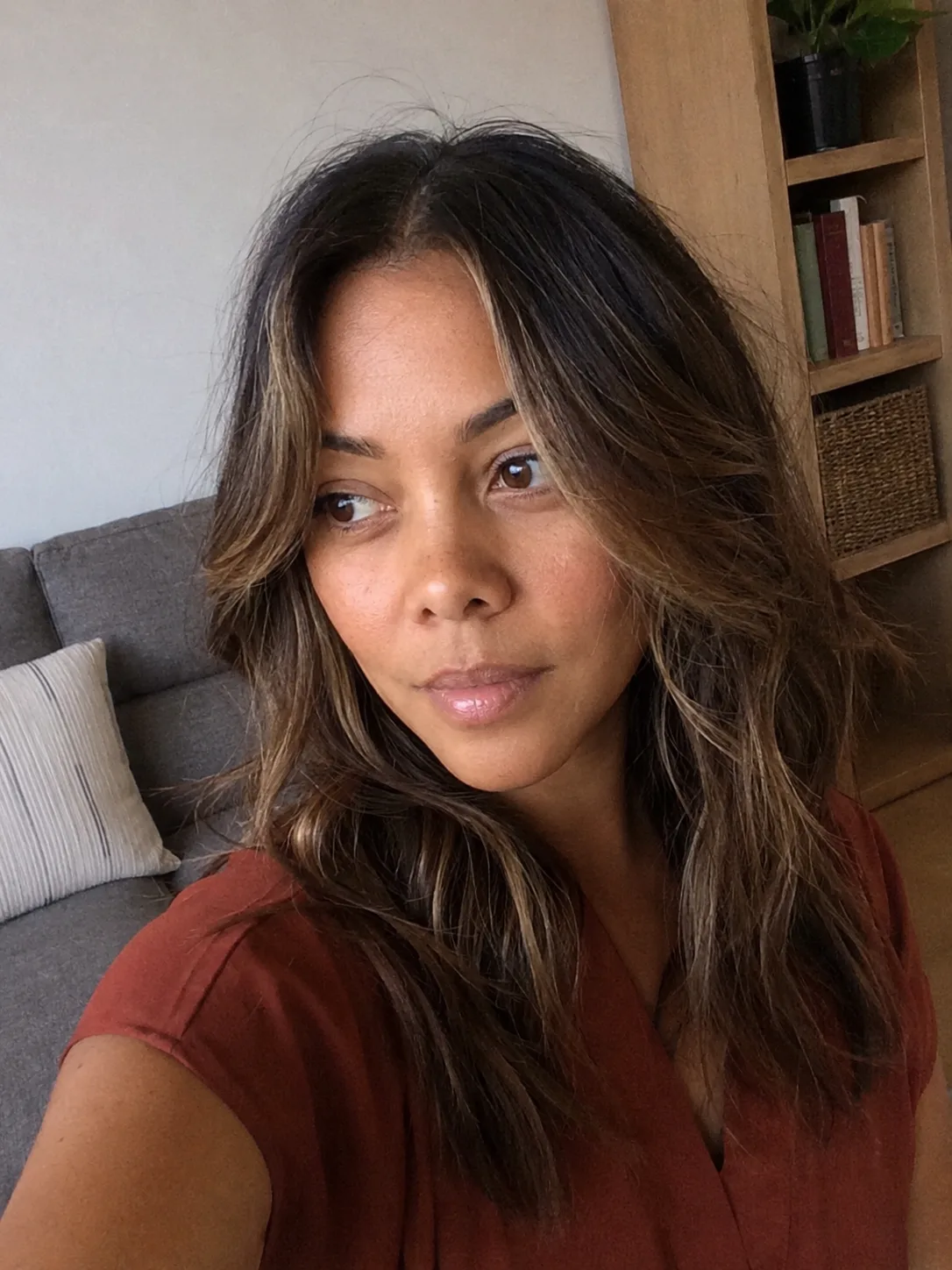
Beach Waves Hairstyles: Complete Styling Guide for Different Lengths, Cuts, and Textures
Beach waves look casual in photographs, but the result depends on more than adding a loose bend. Where the wave begins, how much weight sits at the perimeter, whether the ends stay straight or curved, and the way your haircut distributes volume all change the effect. A beachy finish on a blunt bob behaves very differently from the same wave pattern on long layers.
The practical choice starts with your real styling state. Natural waves may need definition more than reshaping. Straight hair usually needs a setting method. Curly or coily hair may need to be stretched first if the goal is a looser S-pattern. Fine strands and low density also need different decisions: fine describes strand diameter, while low density describes how much hair is present overall.
The strongest beach-wave hairstyle is the one that still looks good after the initial styling loosens. Use the ideas below to choose a shape that works with your cut, texture, and routine instead of relying only on a reference photo.
Beach Waves That Work With the Haircut
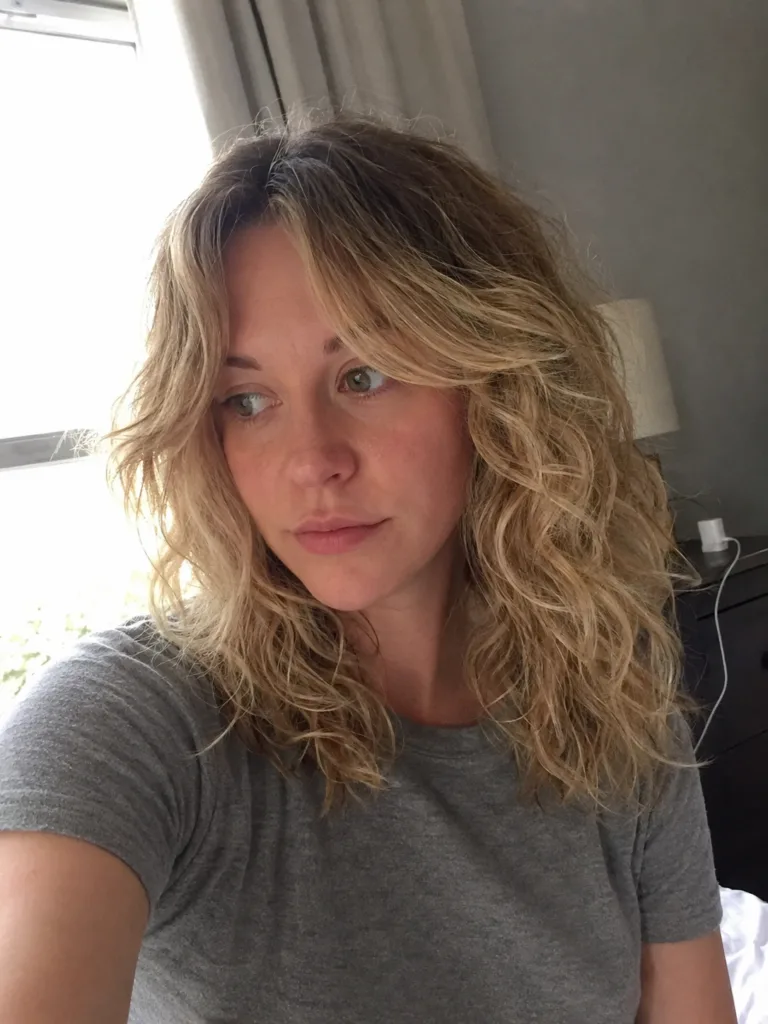
Long Layered Beach Waves
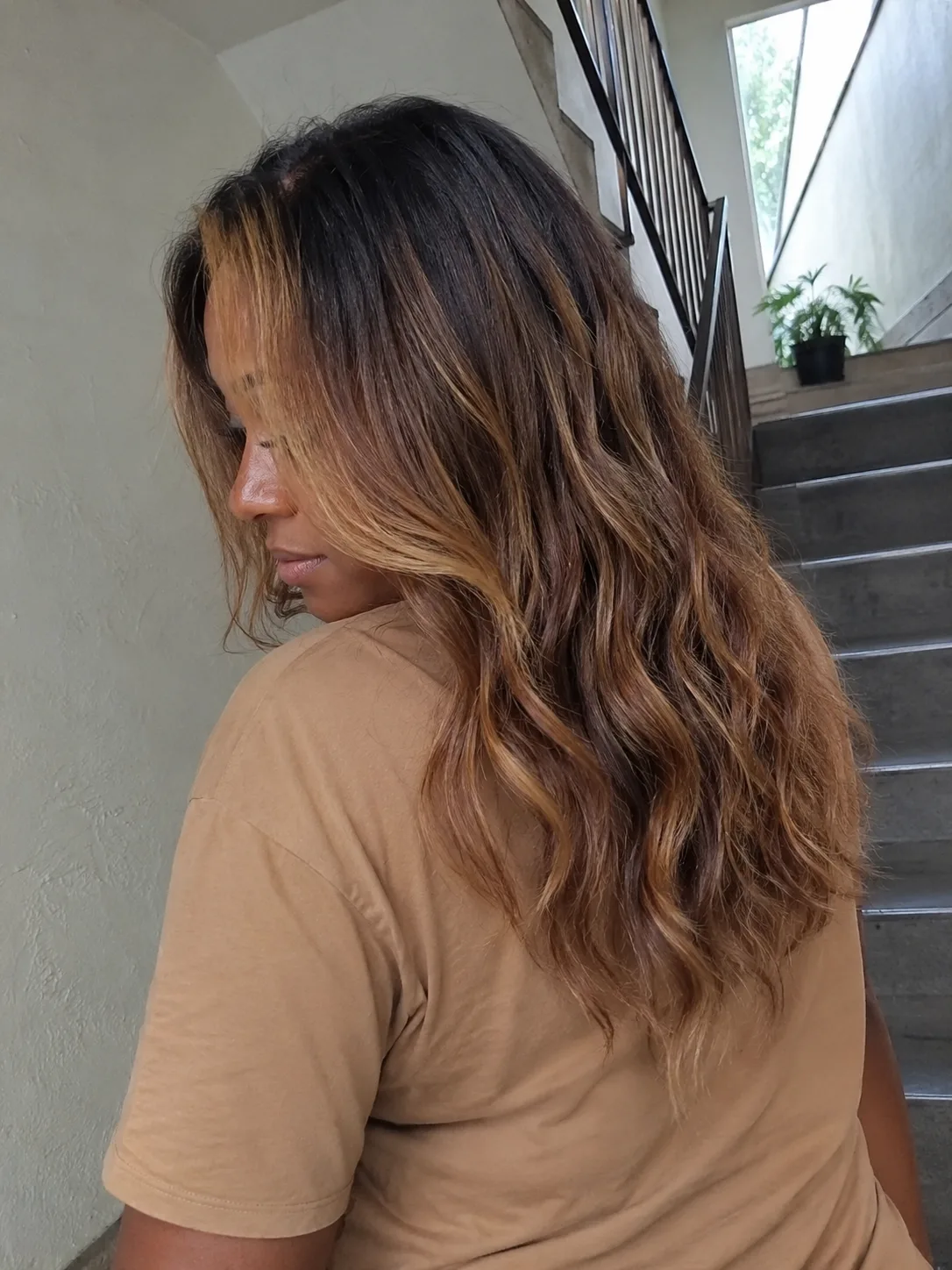
Long layers are one of the strongest pairings for beach waves because the haircut already creates movement before styling begins. The shorter pieces release some weight through the mids and ends, so the wave can separate instead of forming one heavy curtain.
The useful decision is how high the layering starts. Layers concentrated mostly below the shoulders keep more fullness through the upper lengths and give you a softer, longer wave. Higher layers create more lift and separation, but they can also make the ends look thinner when the perimeter is already sparse.
This version earns the extra shaping when your priority is visible movement. It is less convincing on heavily over-layered hair, where the wave can expose uneven or transparent ends instead of disguising them.
One-Length Long Beach Waves
A one-length cut gives beach waves more weight at the bottom edge. That makes it a strong choice for hair that looks better with a substantial perimeter than with lots of internal movement. Keep the bends broad and avoid curling every end under; a few straighter ends stop the style from turning into a traditional curled finish. The look is especially useful when you want softness without sacrificing the visual strength of a blunt baseline.
Shoulder-Length Beach-Wave Lob
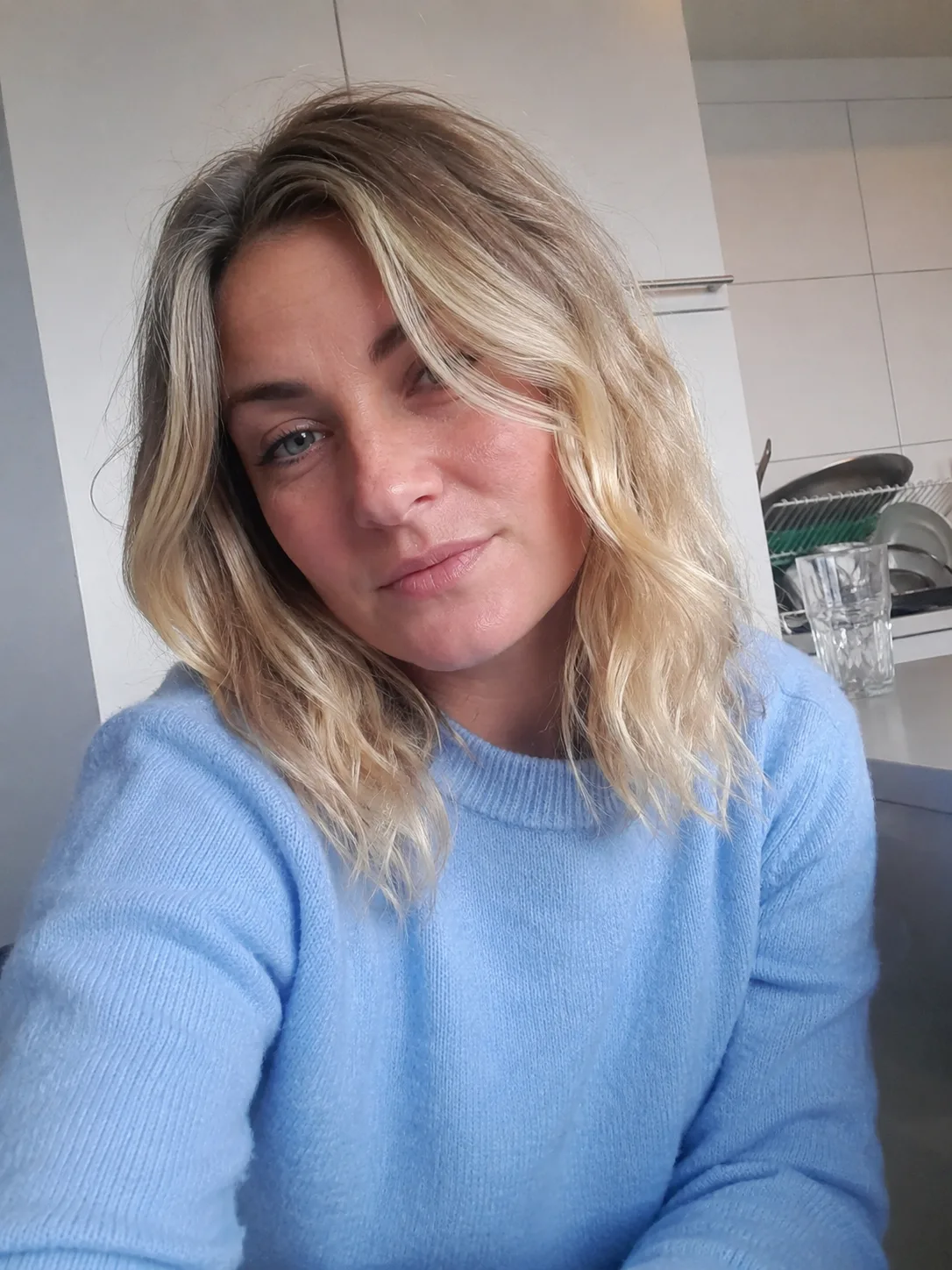
The lob sits in a practical middle ground: long enough for visible S-bends, short enough that the wave is not pulled down by as much length. A shoulder-length version can look relaxed with only a few well-placed bends through the mids.
Where the cut meets your shoulders matters. Hair that lands directly on a collar or shoulder may flip outward as it moves. That can look intentionally beachy, but it makes a very uniform wave pattern harder to maintain. A slightly longer or slightly shorter lob often behaves more predictably around clothing.
Blunt Bob With Soft Beach Waves
A blunt bob changes the beach-wave idea from flowing to graphic. The perimeter stays strong while the surface gains movement, which makes this option more structured than long, layered waves.
The most flattering version usually keeps the wave loose and irregular. Too many identical curls can make a short blunt cut expand sideways. A flatter bend near the roots with movement through the middle of the hair keeps the outline cleaner and lets the cut remain visible.
Tousled Waves on a Pixie-Bob
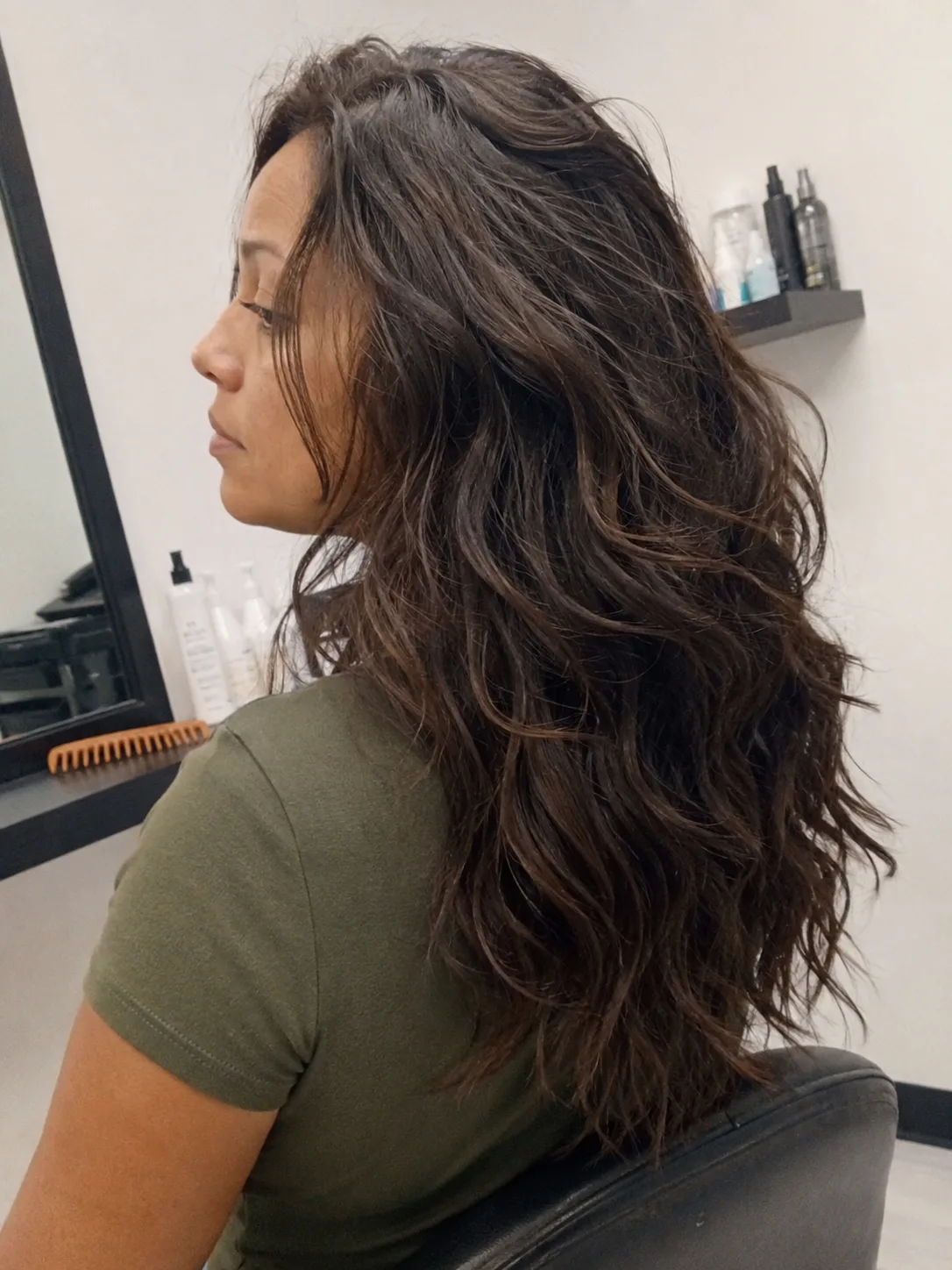
Short hair only needs a small amount of bend to read as beachy. On a pixie-bob or very short crop with enough length through the top, the texture can be concentrated around the crown and front while the sides stay closer to the head. This is more practical than trying to force a full S-wave into every short section, especially around the nape where there may not be enough length for a complete bend.
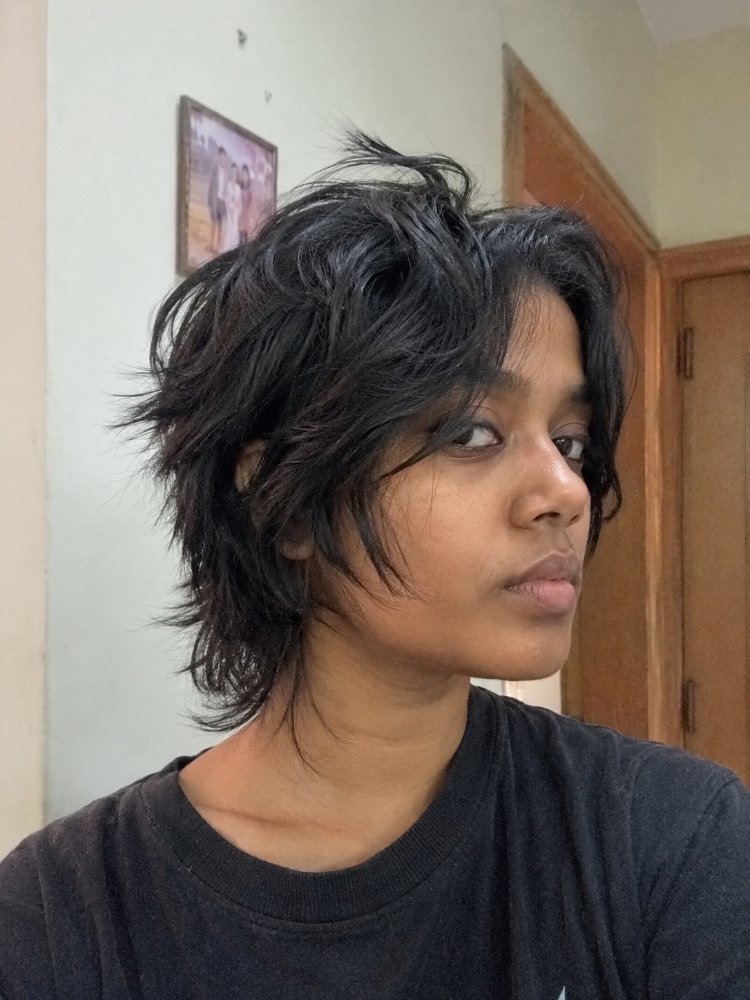
Shaggy Beach Waves
A shag works because the haircut already breaks up the surface. Beach waves exaggerate that separation, giving the crown lift, the mids movement, and the ends a lighter finish. The result is intentionally less uniform than a classic polished wave.
This style makes the most sense on hair that can tolerate visible layering. Dense hair may benefit from thoughtful weight distribution, while low-density hair can look too open through the ends if the layering is aggressive. The wave should reveal the layers without turning the lower half into a thin, feathered edge.
The reference photo matters less than the actual cut. A shag with a strong perimeter behaves differently from one with very wispy ends, even when both are styled with the same loose wave. Look at the back and sides as carefully as the face-framing pieces, since that is where excess removal becomes most obvious.
Beach Waves With Strong Face-Framing Layers
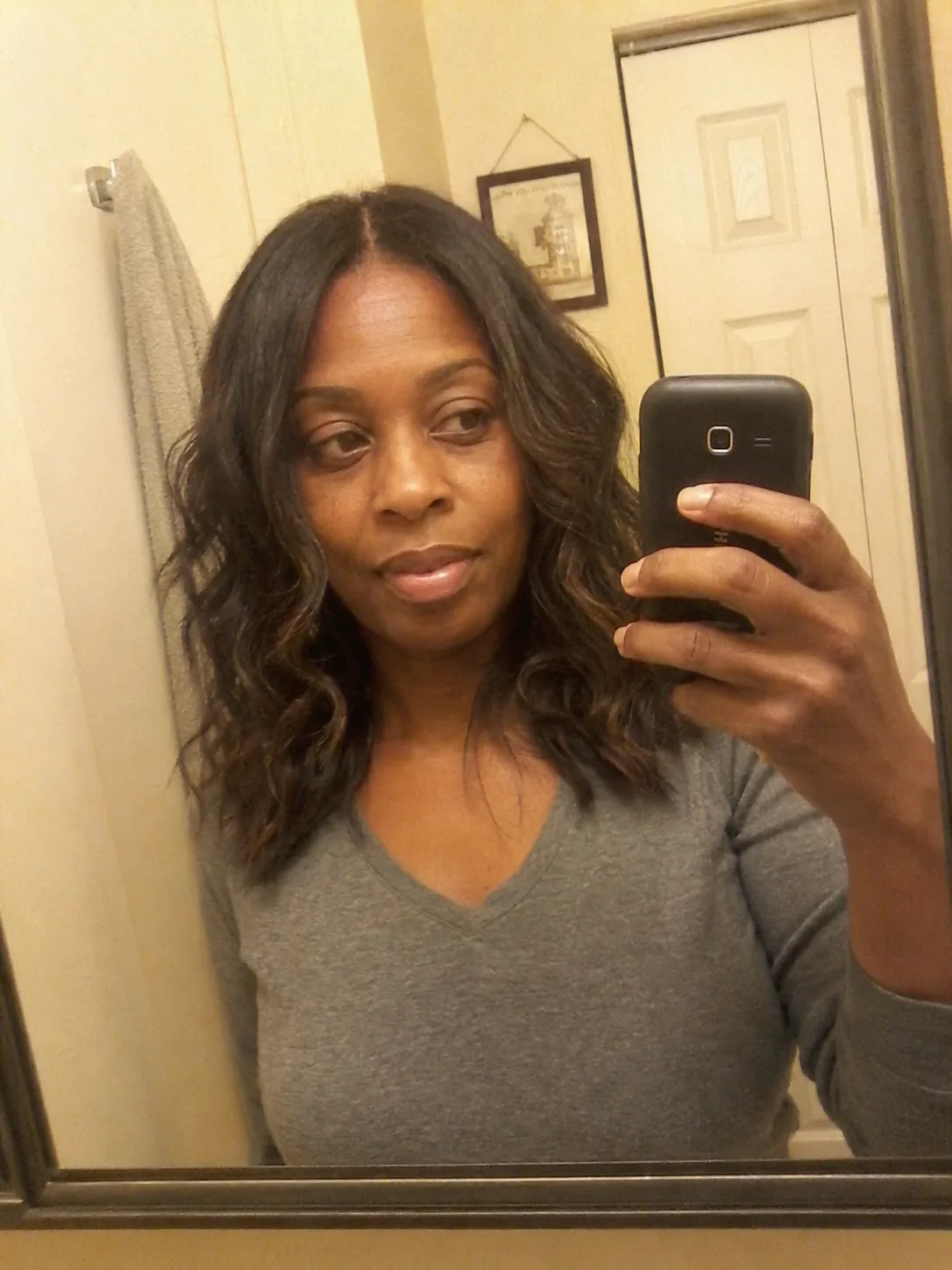
Face-framing layers can make beach waves look more deliberate without changing the whole haircut. The front sections bend away from the face while the rest of the hair stays looser, so the eye is drawn toward the cheekbones, jawline, or collarbone depending on where those pieces end.
This is a good choice when you like long hair but want more movement around the front. It is also more salon-dependent than simply changing your part, because the result depends on where the shortest pieces are cut and how they connect into the rest of the length.
Beach Waves for Different Texture and Density Needs
Natural Wavy Beach Texture
Natural wavy hair often needs less manipulation than the finished photo suggests. Instead of rebuilding the entire pattern, define the sections that already form well and reshape only the flatter or straighter areas. A diffuser, air-drying routine, or light setting product can preserve the variation that makes the style look relaxed. Uniformity isn’t necessary here; the irregularity is part of the appeal.
Beach Waves on Straight Hair
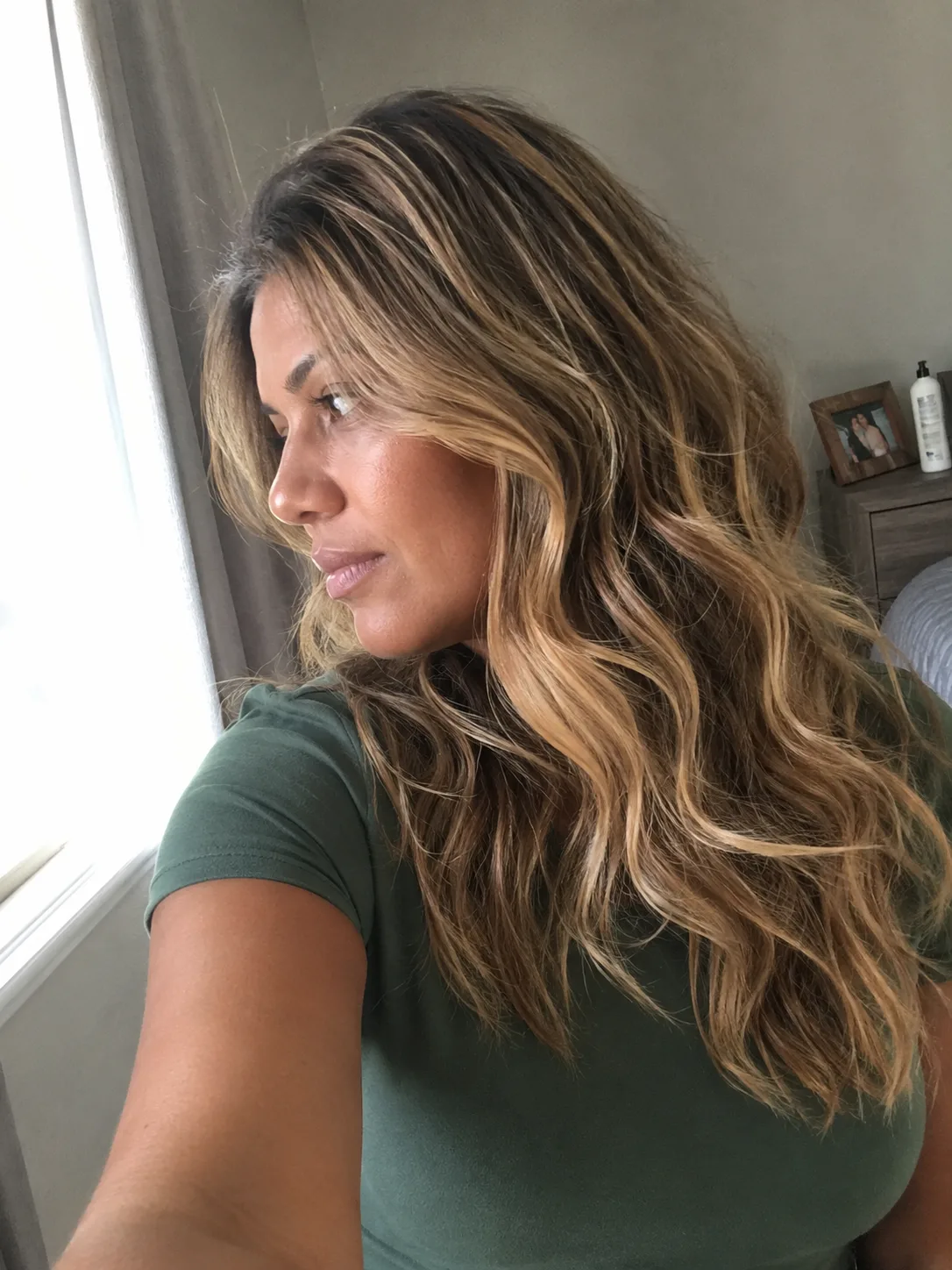
Straight hair usually needs a more deliberate setting method because it has less natural bend to support the shape. Alternating the direction of sections can stop the style from merging into one continuous curl pattern.
The strongest version leaves some space between the root and the first bend. That keeps the crown from becoming overly rounded and makes the wave look longer and looser. Hair that drops shape quickly may need smaller sections or a setting step, but overworking the ends can make them look dry or overly curled.
Beach Waves on Curly or Coily Hair in a Stretched State
A loose beach-wave pattern on curly or coily hair is usually easiest to read when the hair has first been stretched, whether by a low-manipulation drying method or another appropriate styling process. The final wave can then be added on top of that stretched base.
The condition of the hair matters more than matching a photograph. Hair that is already dry, fragile, or heavily processed may not be a good candidate for repeated heat-based restyling. A heatless set can be the more sensible route when preserving condition is the priority.
Curly and coily hair can also be cut in different states, and the finished shape should be judged in the state you normally wear. A cut that looks balanced in a stretched state may sit very differently after full shrinkage returns.
Beach Waves for Fine Strands
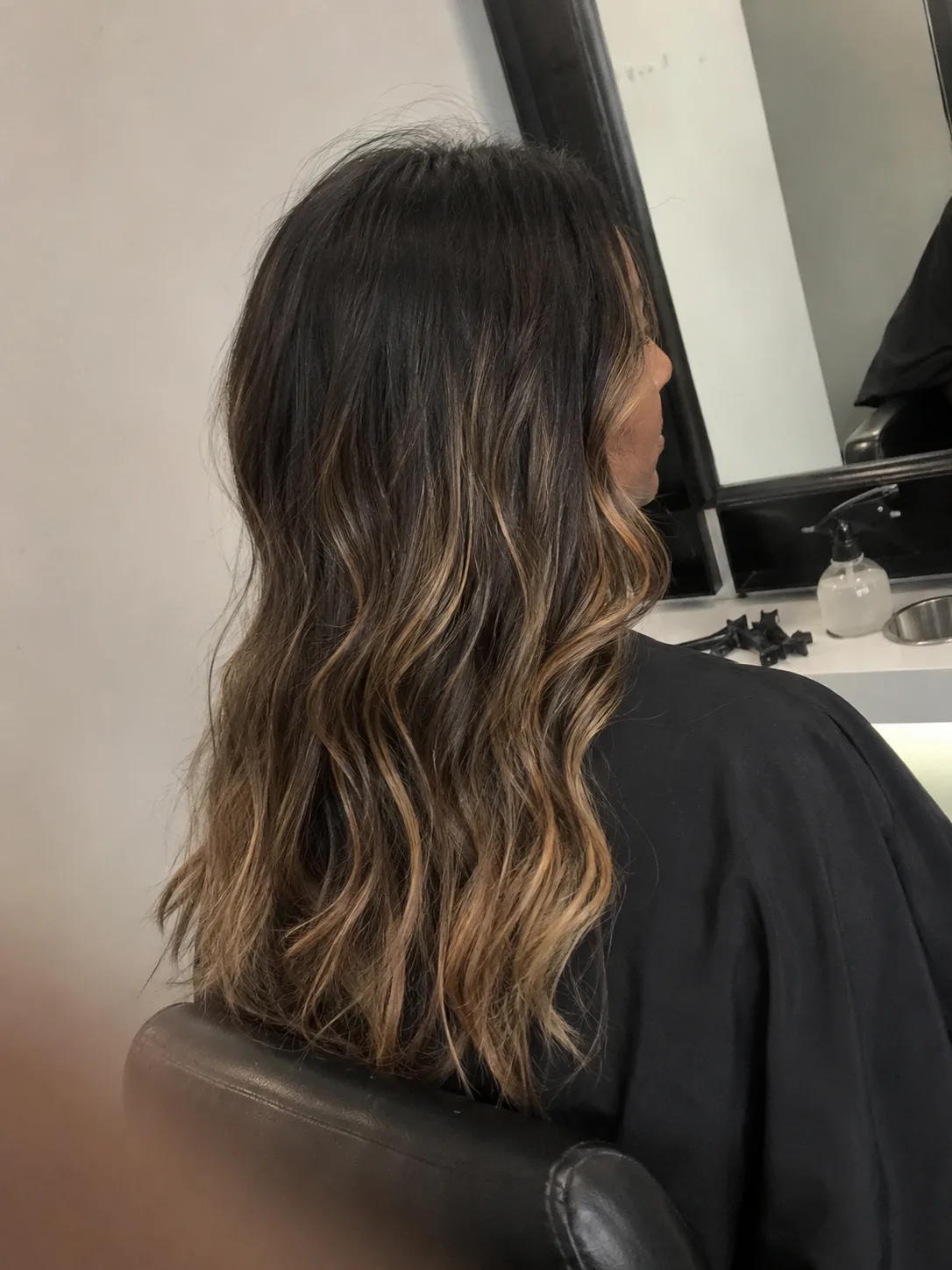
Fine strands benefit from restraint. Large sections, a lighter styling product, and a visible perimeter often look better than aggressive layering plus heavy texture products. The idea is to create movement without coating the hair so heavily that the waves collapse. Fine hair can still be high density, so the correct approach depends on how much hair you have as well as how small each strand is.
Beach Waves for Dense Hair
Dense hair gives you plenty of material for a full wave pattern, but the weight can make the style expand or feel bulky through the lower half. Strategic layering or interior weight removal can help the bends separate.
The haircut should still preserve enough structure to avoid a hollowed-out look. Dense hair doesn’t require thinning everywhere. The stronger choice is targeted weight control based on where the bulk actually sits, especially around the sides and lower back of the head.
Beach-Wave Finishes That Change the Result
Loose S-Waves With Straighter Ends
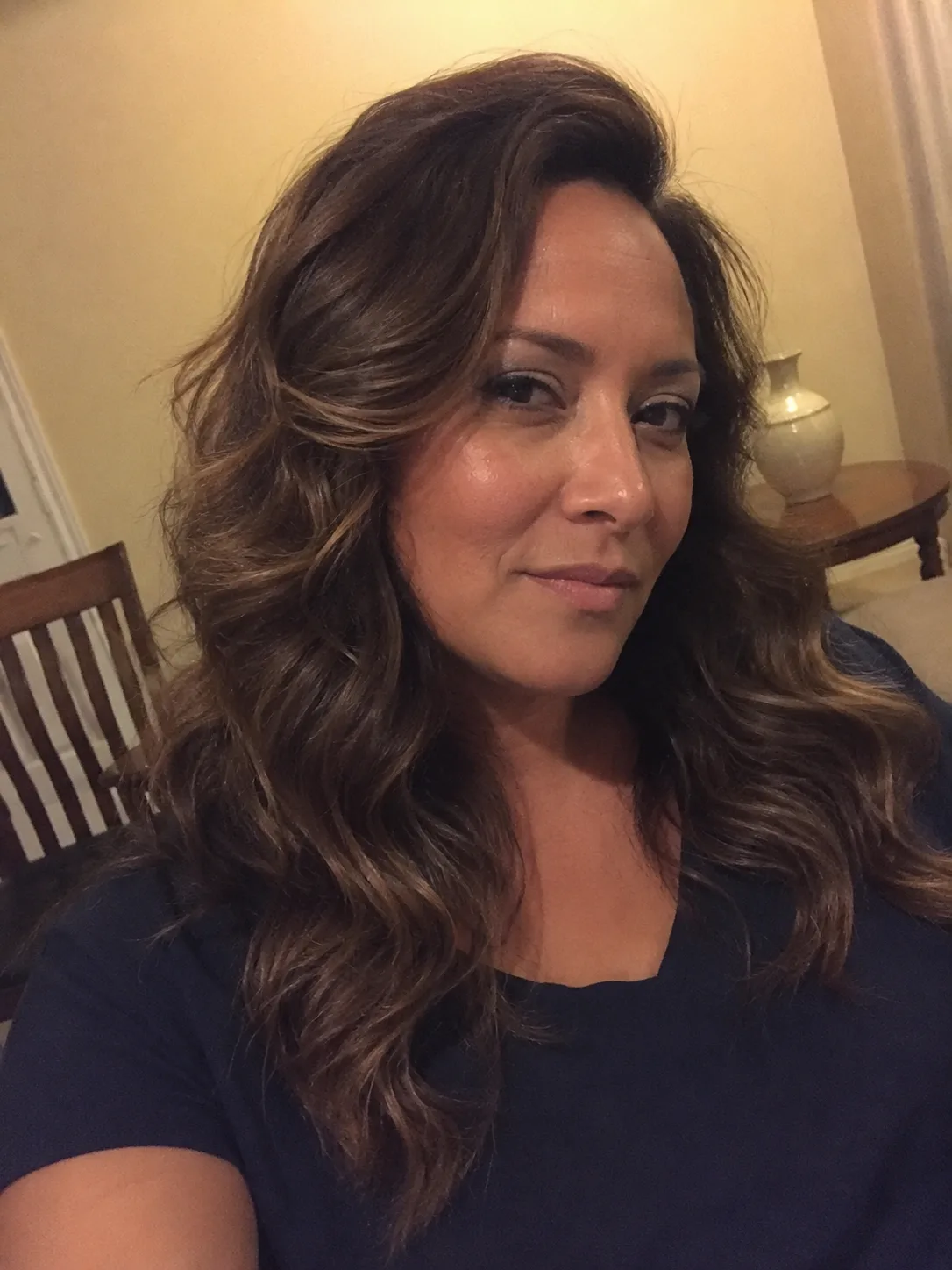
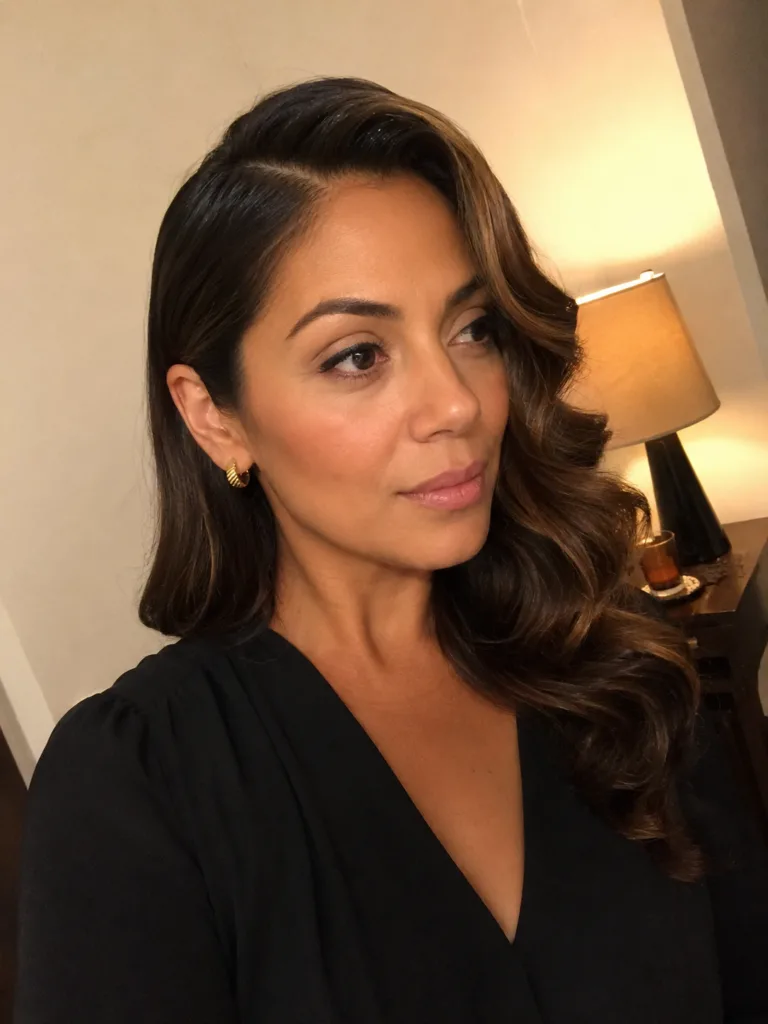
Leaving the last section of the hair straighter creates one of the clearest modern beach-wave finishes. The S-bend lives through the middle of the length, while the ends stay more relaxed. This is a strong option for blunt cuts because it keeps the perimeter visible and prevents the bottom from curling into a rounded shape. It also tends to grow out gracefully through the day because a little softening only makes the wave look looser.
Brushed-Out Beach Waves
Brushed-out waves trade piecey separation for a softer, wider pattern. Start with a more defined set, allow it to cool or settle, then gently break the sections apart with fingers or a brush suited to your hair type.
This finish works particularly well for occasions where you want beach-wave movement without an obviously tousled surface. The downside is that the individual bends can merge quickly on very smooth or heavy hair, so root support and a light hand with finishing products matter.
Piecey, Separated Beach Waves
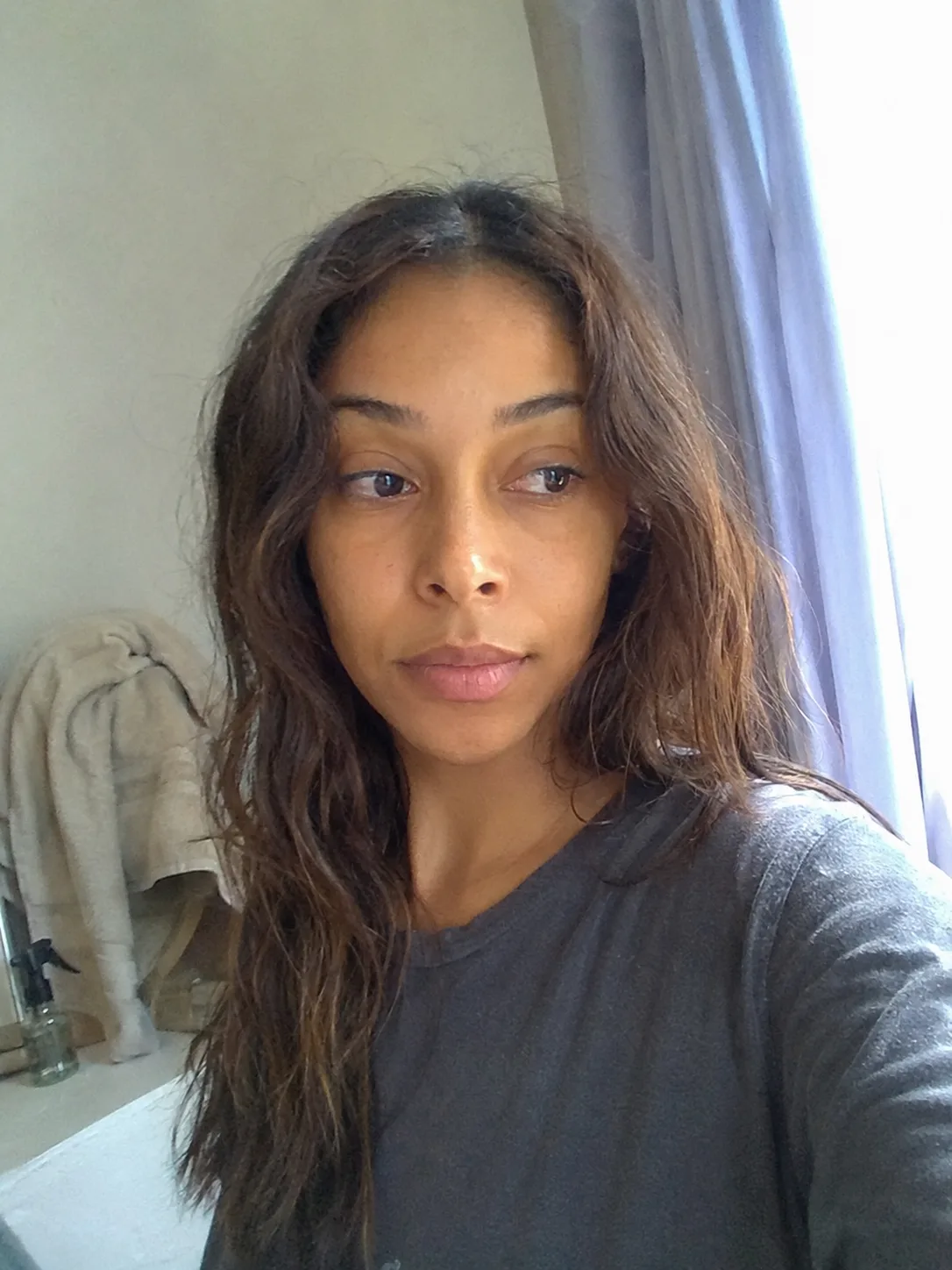
Piecey waves create more visible gaps between sections, which makes the style look airy and textured. The effect comes from separation rather than making the wave tighter.
A small amount of lightweight styling product through selected mids and ends can help keep pieces distinct. Coating every section heavily usually works against the movement you’re trying to show. Use your fingers to separate larger groups first; breaking the hair into too many tiny pieces can turn defined texture into surface frizz.
This finish is worth choosing when your haircut has layers or a strong surface texture that deserves to be seen. It is a weaker match for fragile, see-through ends because separation can make the perimeter look even more sparse. On a blunt cut, keep more sections connected near the bottom so the baseline still reads clearly.
Beach Waves Styled Up or Back
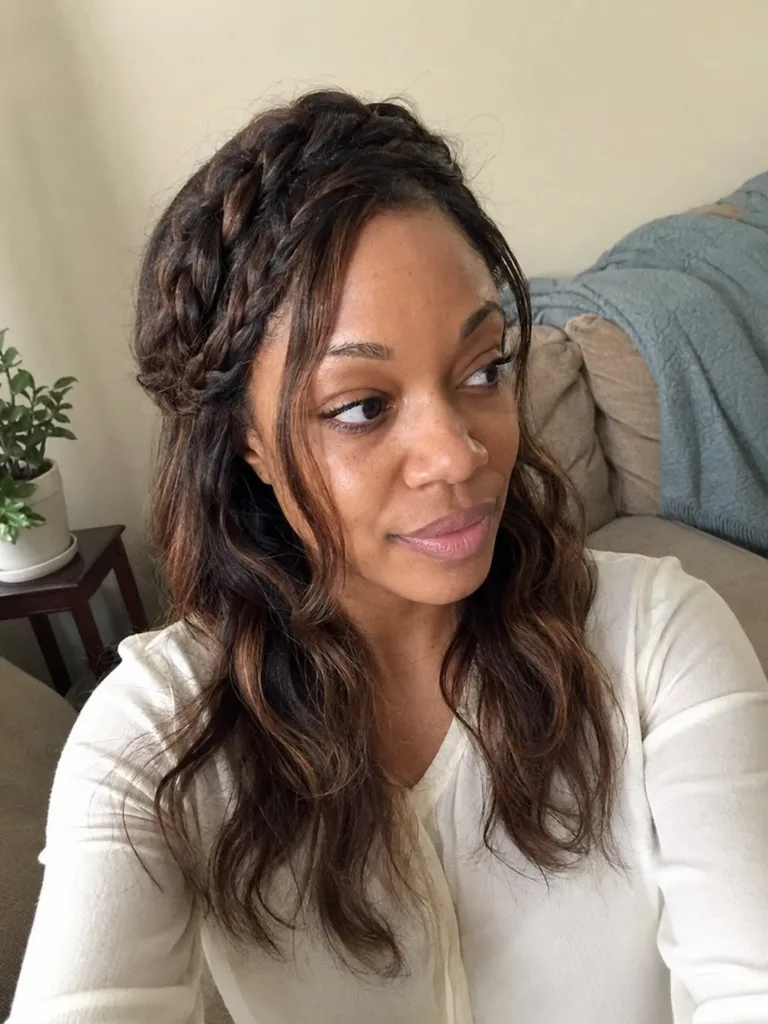
Half-Up Beach Waves
A half-up style is one of the easiest ways to change beach waves without hiding them. Pulling back the top section clears the face and adds a little crown structure while leaving most of the wave visible through the lengths. Keep the gathered section soft enough that the hair below it can still move; a very tight, slick top can make the relaxed texture underneath feel disconnected.
Low Beach-Wave Ponytail
A low ponytail turns beach waves into a practical day-to-evening style. The wave gives the tail volume and movement, while the low anchor keeps the shape softer than a high, sporty ponytail.
This works best when some texture remains above the elastic. Flattening every bump at the crown can make the ponytail look severe, especially when the tail itself is loose and airy. A fabric-covered elastic and a few pins can secure the base without requiring a very tight pull.
Loose Beach-Wave Low Bun
A low bun built from waved hair keeps more texture than a sleek bun because the bends create natural separation as the length is twisted or pinned. Let a few shorter pieces stay loose around the front only when they are already part of the haircut; pulling random pieces out can create frizz instead of softness. This is the strongest updo option in the list when you want to keep the relaxed character of beach waves while getting the hair off your neck.
How to Choose the Right Beach-Wave Style
Start with the haircut, not the styling tool. A blunt bob, long layers, a shag, and a one-length cut distribute weight in different places, so they need different wave patterns. The more structured the perimeter, the more useful it is to keep the ends relatively clean. The more layered the cut, the more easily the wave can separate.
Then decide how much effort you want to spend recreating the pattern. Natural wavy hair may only need selective definition. Straight hair generally needs a setting method to create the bend. Curly or coily hair may involve stretching first when a loose S-wave is the target. That extra preparation belongs in the decision, especially if heat or repeated manipulation would become part of the routine.
Use reference photos for shape, not as a promise of identical texture. Pay attention to the length where the first bend begins, how full the perimeter looks, whether the ends are straight or curved, and how much root lift is visible. Those details are more useful than asking for beach waves as a single generic finish.
Keeping Beach Waves Looking Good
Beach waves usually look better with some movement, so maintenance should protect the pattern without freezing it in place. At night, loosely gathering the hair or using a smooth pillowcase or bonnet can reduce friction and tangling. The right choice depends on your length and texture; shorter cuts may need very little overnight setup.
Refreshing also works better when you target the sections that actually lost shape. Reworking the entire head every day adds more manipulation than most people need. A few flattened pieces around the face or crown can be reset while the rest is left alone.
With heat styling, condition should control the plan. Tool design, hair history, strand condition, technique, and desired result all matter more than one universal temperature. Previously lightened or chemically processed hair deserves extra caution because repeated heat can add stress to already vulnerable areas. A heatless reset or a looser finish may be the better tradeoff.
The haircut itself will eventually change how the waves sit. A bob can begin flipping against collars, long layers can lose their separation, and heavily textured ends can start looking thinner as they grow. A reshaping appointment is most useful when the outline stops behaving the way you want, not because a fixed calendar says it’s time.
Related Hairstyles to Explore
FAQs
Can you get beach waves on short hair?
Yes. Short hair usually looks better with partial bends and directional texture than with a complete wave in every section. A bob, pixie-bob, or longer crop can carry a beachy finish as long as there is enough length to create visible movement.
Are beach waves suitable for naturally curly hair?
They can be, but the method depends on the result you want. Keeping your natural curl pattern creates a more texture-led beach finish, while a looser S-wave may require stretching first. Choose the version that fits your hair condition and usual styling state.
How can beach waves look fuller on low-density hair?
Keep the perimeter strong, avoid excessive interior removal, and use broader waves that don’t split the hair into too many thin sections. A lower-density head of hair can look fuller when the ends remain visually connected.
Can beach waves be done without heat?
Yes. Braids, twists, rollers, or other heatless setting methods can create a loose wave, although the result varies with your starting texture, dampness, section size, and how well your hair holds a set. Heatless methods are especially useful when you want to reduce repeated thermal styling.
Hair Texture & Upkeep Style Matcher
Select your natural hair texture and daily maintenance window to get an instant styling formula and heat safety cap.
Heat Cap: 320°F (160°C)
A versatile three-strand braid beginning at the parietal ridge, securing the top half while allowing natural wave texture to flow freely around the shoulders.
Conclusion
Beach waves are most convincing when the wave pattern respects the haircut underneath it. Long layers can carry more separation, blunt cuts benefit from cleaner ends, natural waves often need selective definition, and short cuts need only enough bend to create movement.
Choose the version by asking one practical question: where do you want the hair to look fuller, lighter, or more mobile? Once that’s clear, the styling method becomes much easier to choose.
Editorial Standards & Hair Health Guidance
Every style featured on Tress Atlas is curated with a focus on real-world wearability, scalp tension management, and cuticle preservation. When trying protective styles or tight updos, ensure perimeter hairline sections remain tension-free to avoid traction stress on delicate follicles. For heat styling, cap tools below 350°F (180°C) to prevent thermal keratin denaturation.
Scientific Sourcing: Practices aligned with the American Academy of Dermatology (AAD) on traction alopecia risk reduction and cosmetic trichology research on hair tensile strength.