Short Korean Hair Styles: What Changes the Result
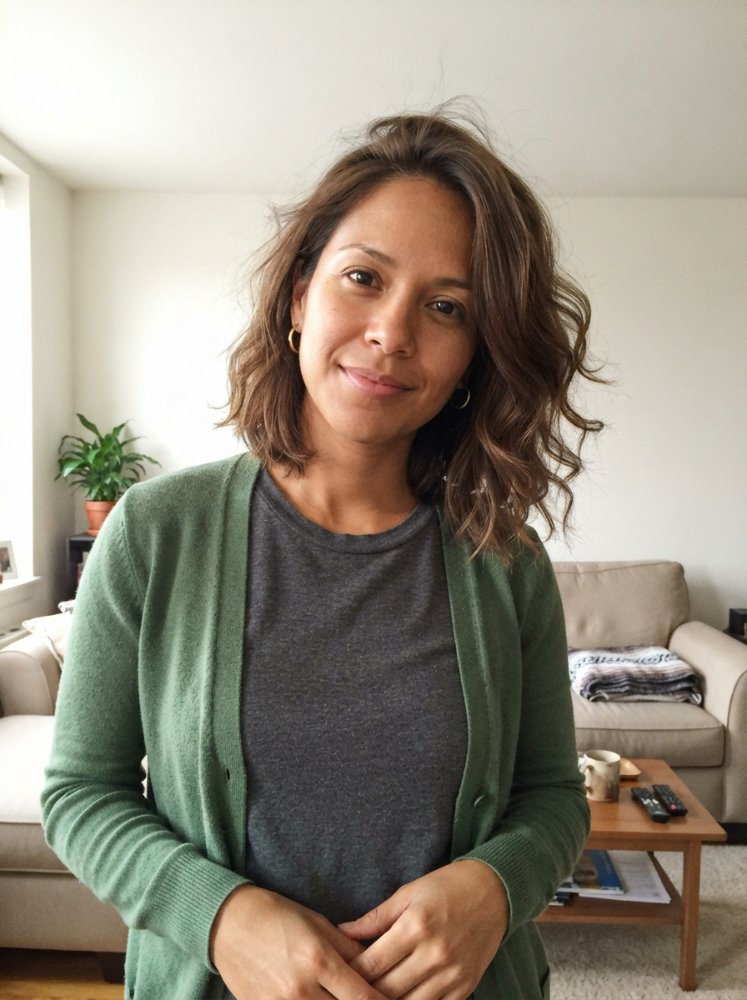
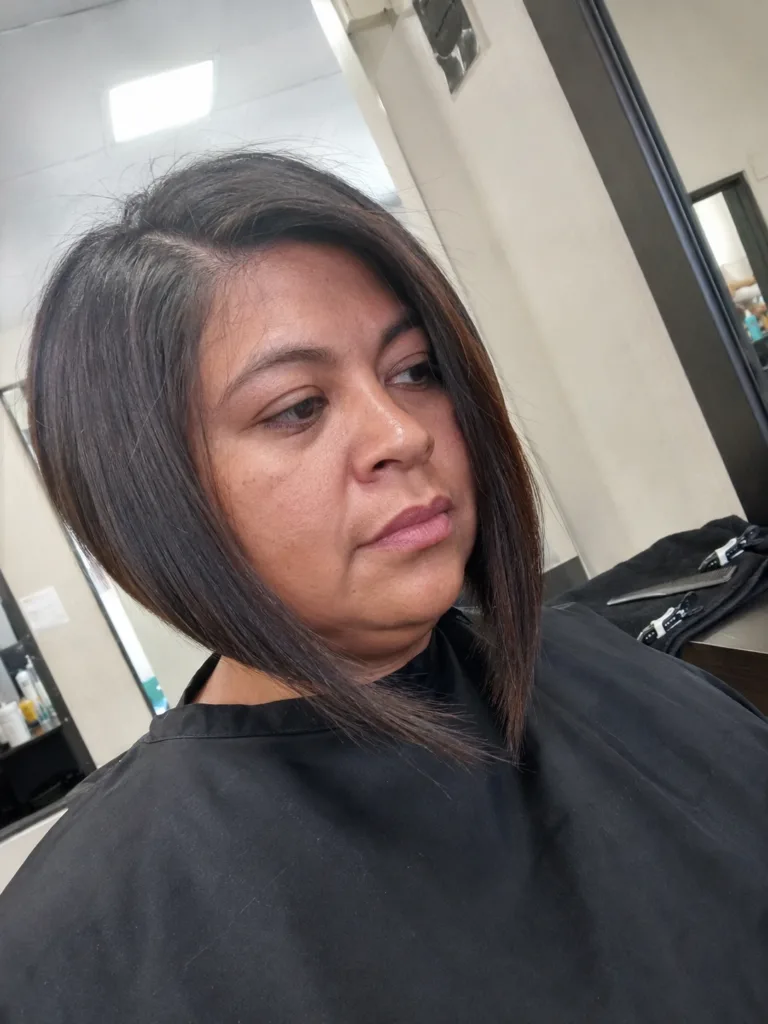
Short Korean-inspired hair can look deceptively simple in photographs. A neat jaw-length bob, wispy fringe, or softly curved pixie-bob may appear to depend on little more than cutting the hair short. In practice, the result comes from the relationship between the perimeter, internal layers, fringe, root volume, and the way the ends are styled.
That distinction matters when you’re deciding whether the look fits your routine. A blunt bob with curved-under ends behaves very differently from a feathered short cut with movement around the cheekbones. Both might be described online as Korean short hair, yet they require different cutting decisions and different amounts of styling.
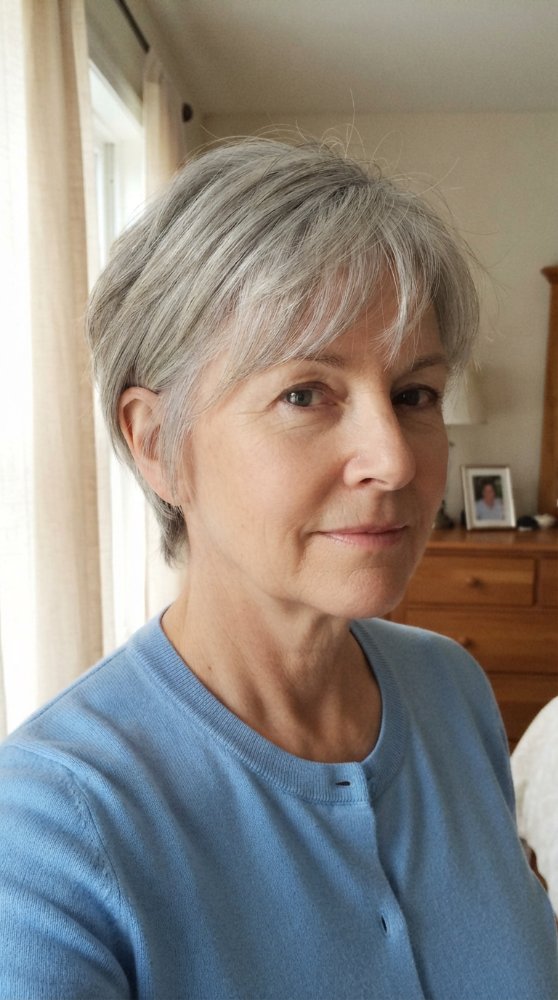
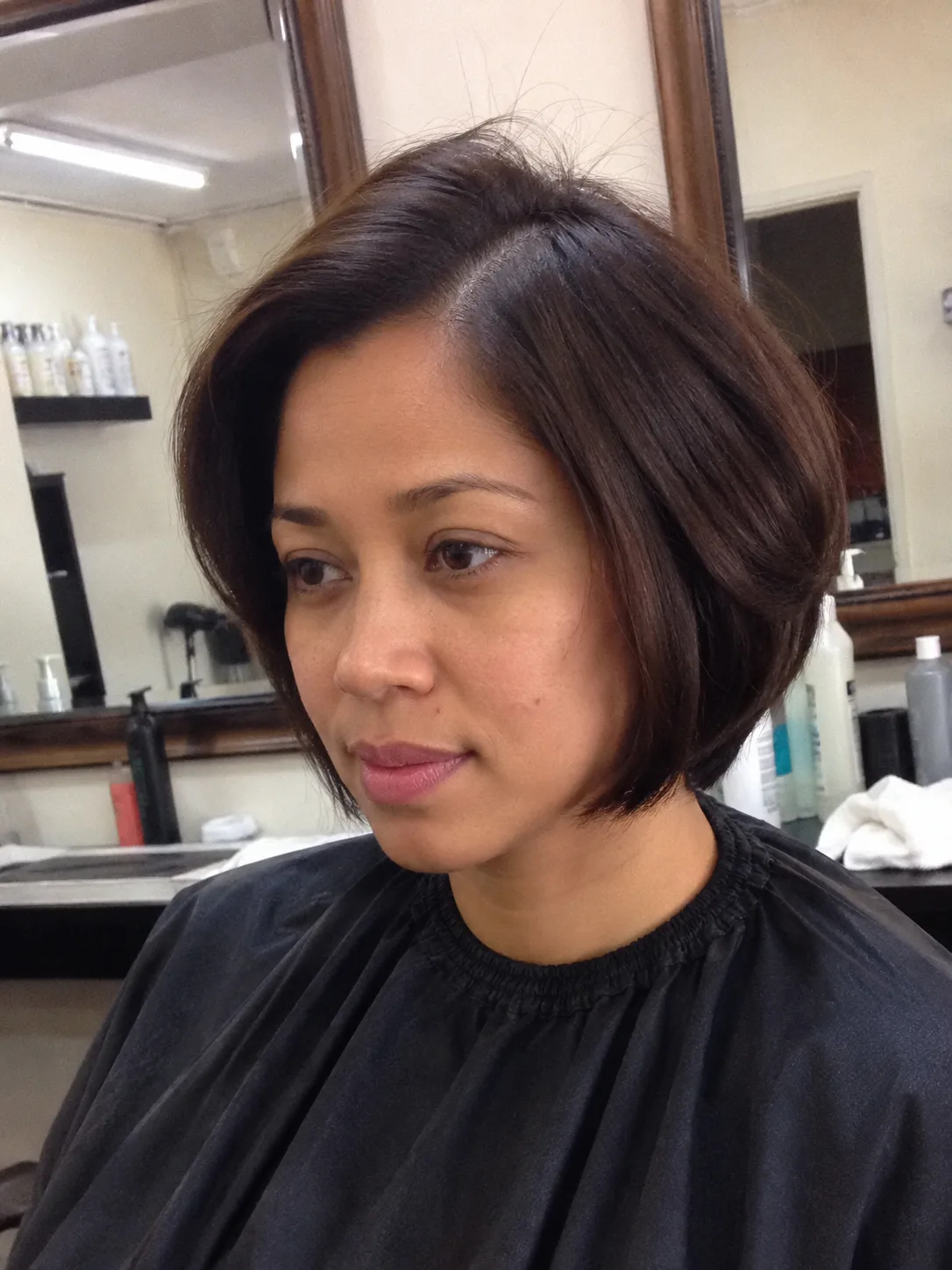
The most practical starting point is to choose the shape before worrying about the finishing details. A compact bob gives you a stronger outline. A layered bob feels lighter and moves more freely. A pixie-bob exposes more of the neck and ears. Soft C-shaped bends can make several of these cuts appear smoother and rounder without changing the underlying haircut.
Your natural texture also matters. Straight hair may fall close to the reference image with relatively little manipulation, while wavy, curly, or coily hair will show the same cut through its own pattern and shrinkage. The haircut should be planned for the state in which you actually intend to wear it.
What Does “Korean Short Hair” Usually Describe?
Korean short hair is better understood as an aesthetic family than one specific haircut. The common thread is usually a short or bob-length shape with careful control of weight around the face and ends.
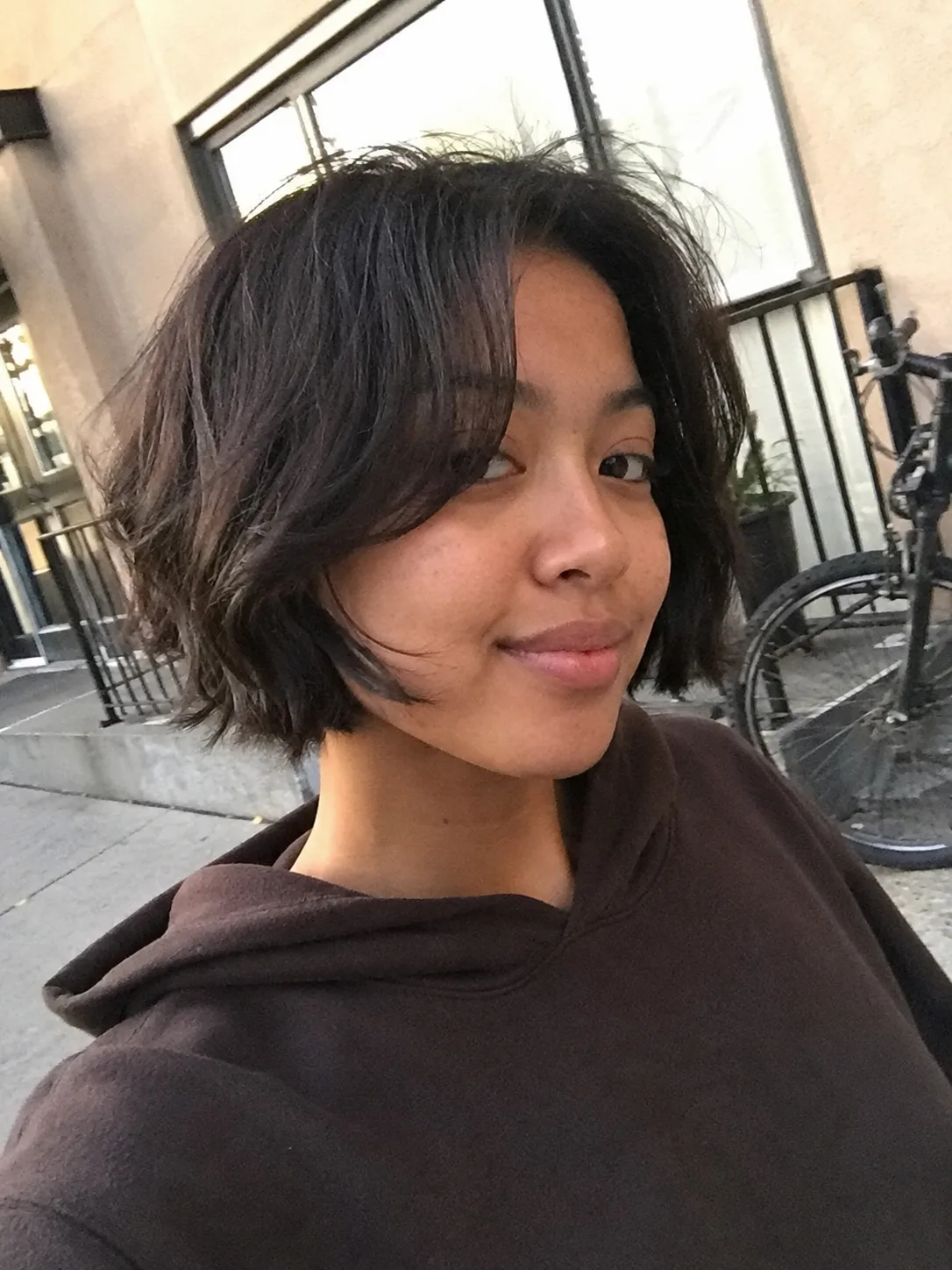
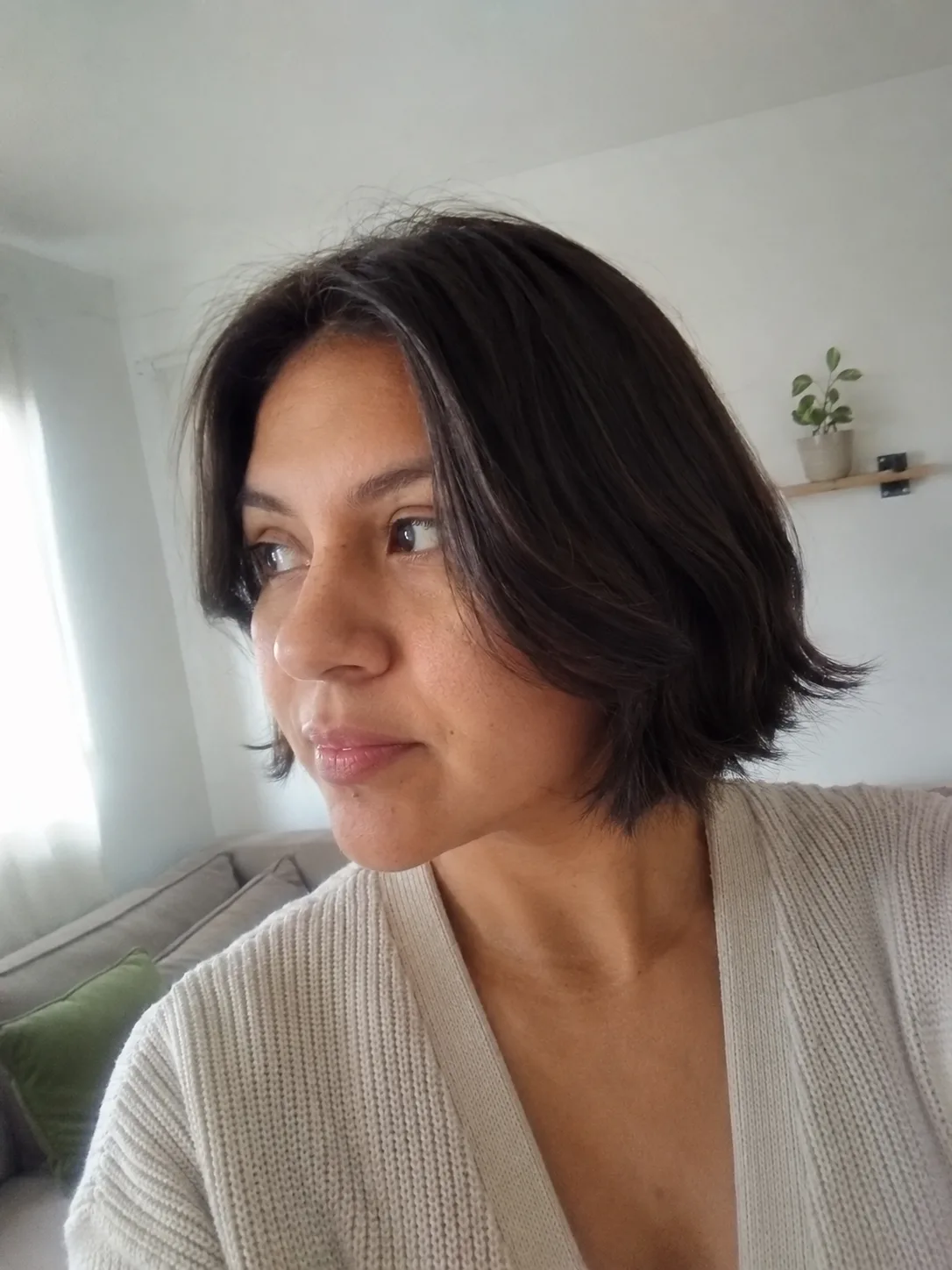
Some versions have a crisp perimeter. Others use soft internal layering so the hair separates into lighter pieces. Fringe may be airy and broken up, swept to the side, curved around the forehead, or left out entirely.
The end treatment changes the character just as much as the fringe. Ends tucked slightly inward create a rounder, more compact shape. Straighter ends make a bob look sharper. Pieces bent away from the face create more movement around the cheekbones and jaw.
That gives you several genuinely different directions:
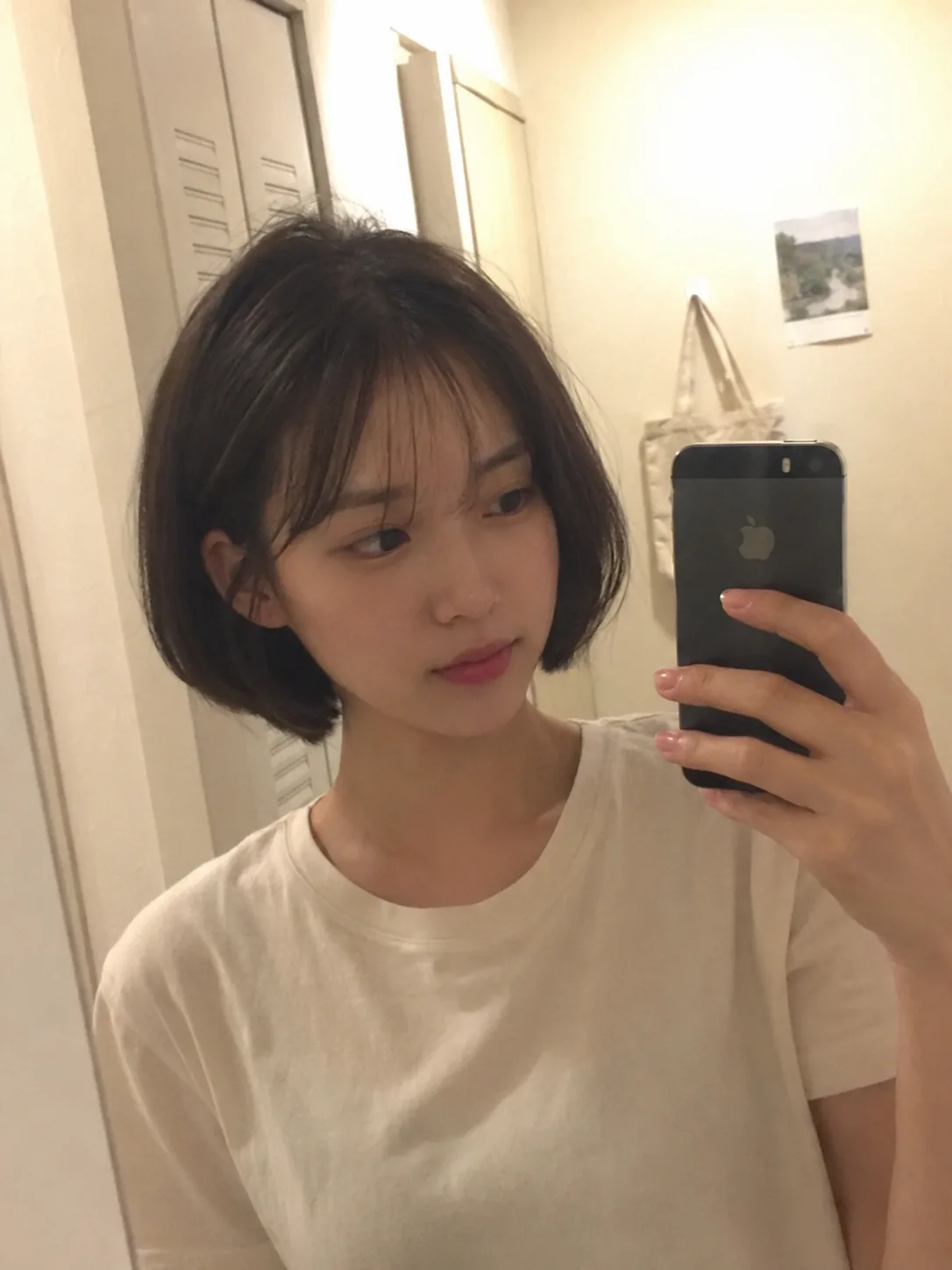
The compact bob is the strongest starting point when you want the haircut itself to carry most of the look. Layered versions make more sense when a solid block of hair feels too heavy or static for your preference.
The Perimeter Changes More Than the Length
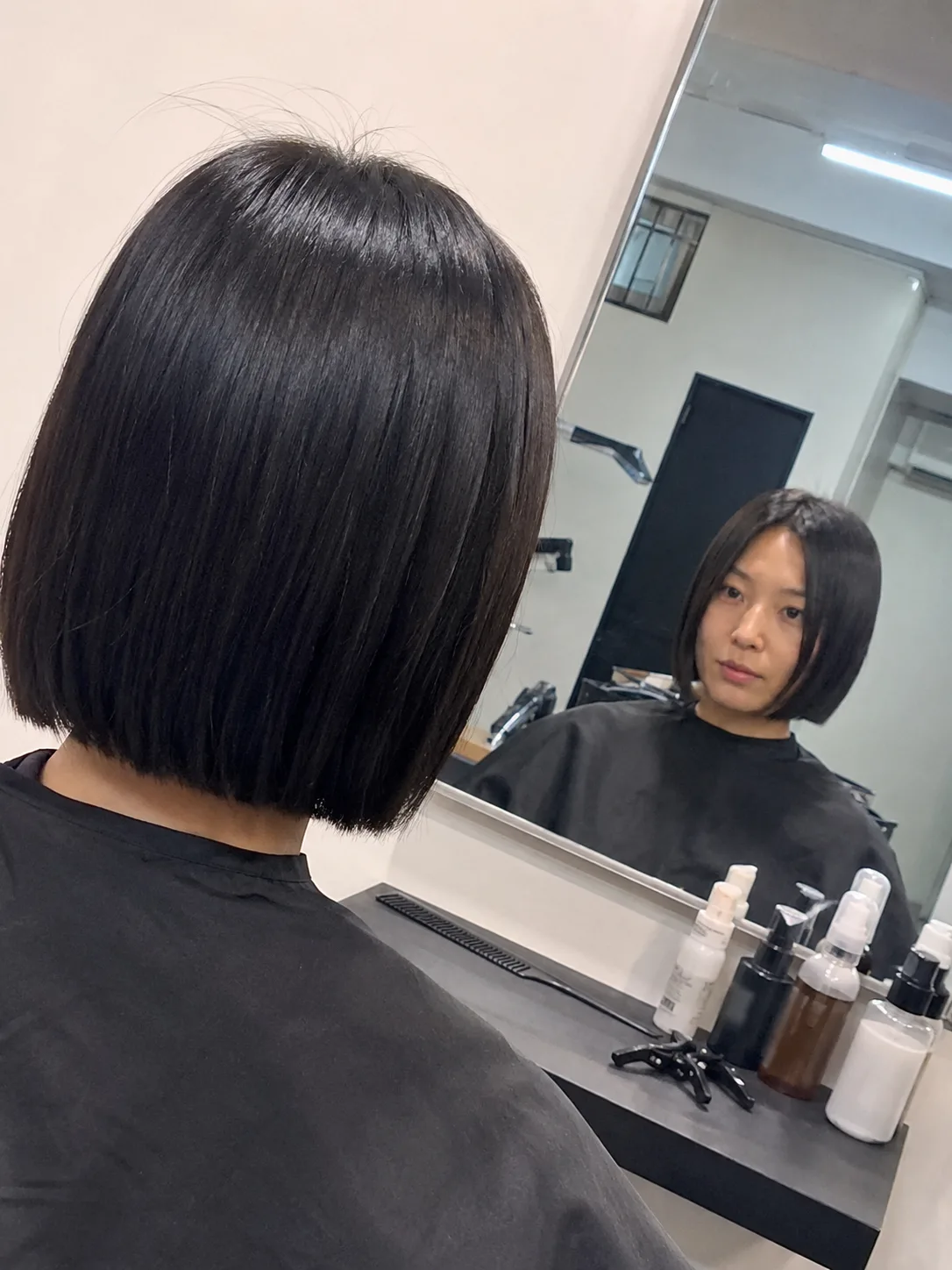
Two chin-length haircuts can look unrelated because their weight sits in different places.
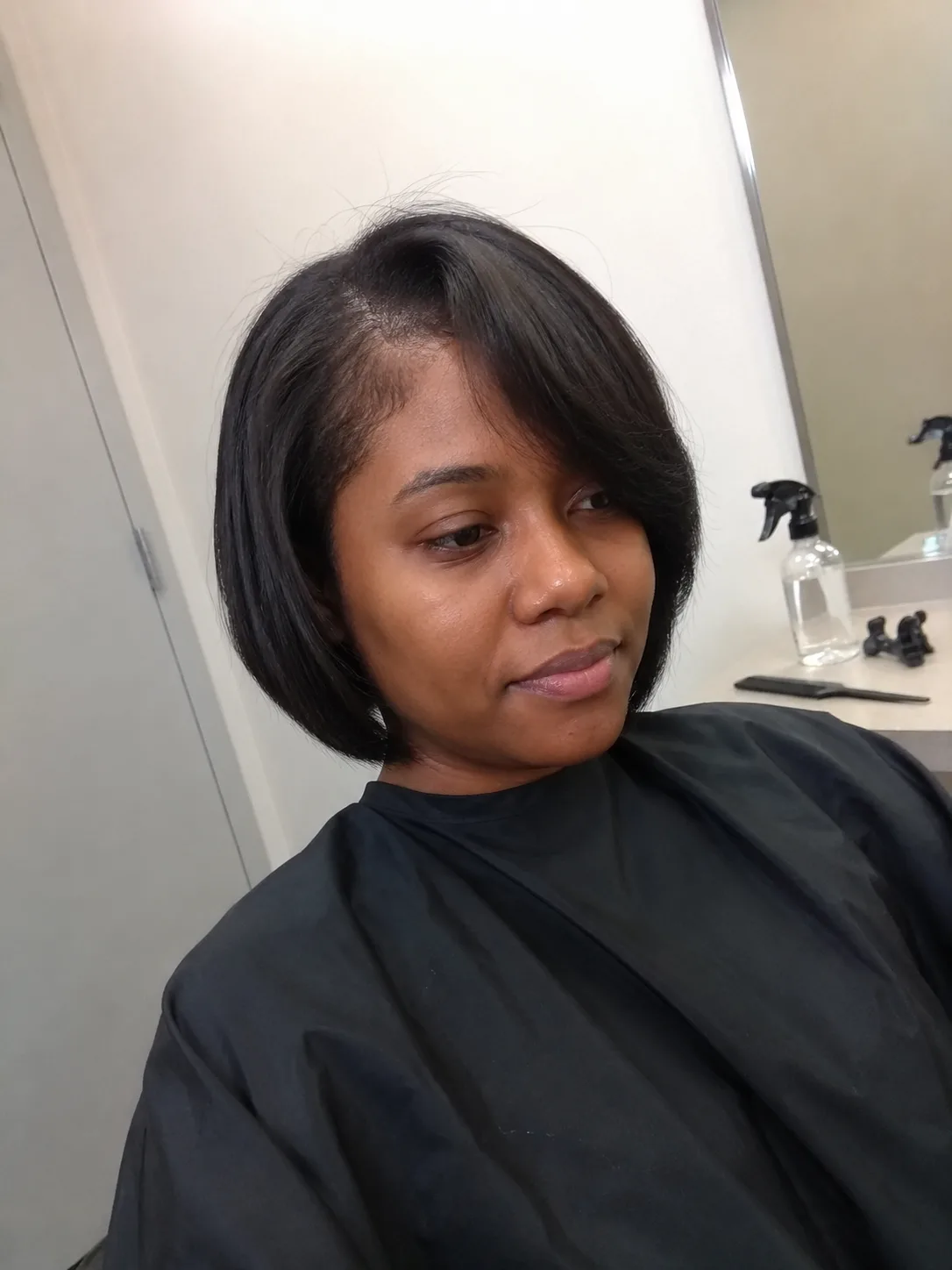
A strong perimeter keeps more hair concentrated at the bottom. From the front, that gives the ends a clearer line around the jaw or below it. Healthy ends can appear more substantial because fewer interior layers are breaking up the lower edge.
This can be useful for hair with fine strand diameter or lower density, although those are different characteristics. Fine hair refers to the thickness of each strand. Low density means there are fewer strands overall. Heavy interior removal can expose more space in low-density hair, so a highly feathered reference photo may not produce the fullest-looking result.
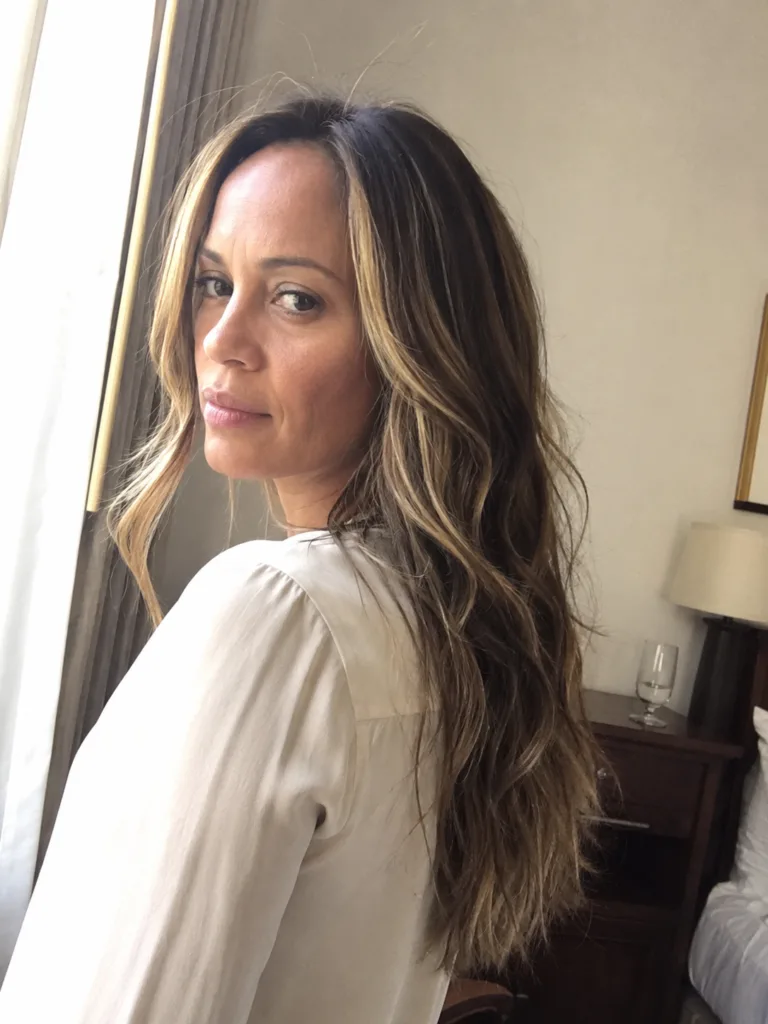
A layered perimeter behaves differently. Shorter pieces release weight from the sides and allow more lift or movement. That makes sense for someone who dislikes a compact bob spreading outward around the lower face or collapsing into one solid shape.
Texture changes the equation again. A wavy bob may expand where the wave bends. Curly and coily hair can shrink substantially above the apparent cutting length. A reference photo showing smooth, stretched hair doesn’t tell you how the same outline will sit in a shrunken state.
This is one of the most useful details to settle during a consultation: where should the visual weight sit when your hair is in its normal styling state?
For a classic compact result, keep enough weight through the lower section to make the perimeter visible. For an airier Korean-inspired short cut, allow more internal movement while protecting the areas where you still want fullness.
Fringe Can Make the Cut Look Completely Different
Fringe is often the first detail people notice in Korean-inspired short styles, but it shouldn’t be chosen independently from the rest of the haircut.
An airy fringe exposes some forehead between small groups of hair. It creates a softer effect than a dense, straight-across bang because the hair isn’t forming one heavy horizontal line. The appearance depends on controlled spacing and the way the roots fall, so simply removing more hair doesn’t create a better wispy fringe.
A fuller fringe gives the front of the haircut more weight. It can work beautifully with a compact bob, especially when you want the eye drawn toward the brows and upper face.
Longer curtain-like pieces are easier to blend into the sides and usually give you more styling options as they grow. They can be worn toward the forehead, swept away, or tucked depending on their length and your natural fall pattern.
Short hair also makes awkward fringe growth more visible. The main haircut may still look intentional while the front pieces begin sitting directly in the eyes or losing their original bend.
Glasses deserve attention here. A dense section of hair directly at the temples can compete with the arms of your frames. Keeping those pieces light, tucked, or slightly longer can make daily wear easier.
Curly fringe can remain curly. There is no requirement to straighten the front simply because the reference image is smooth. The important part is judging shrinkage and cutting enough length for the curl to settle where you want it.
Which fringe is the easiest starting point?
Longer, broken-up fringe is generally more forgiving than a very short or highly precise bang. It gives you room to adjust the part, move pieces away from your eyes, and incorporate the fringe into the rest of the haircut during grow-out.
Choose a shorter airy fringe because you specifically want the forehead detail, not because it appears effortless in a styled photograph.
C-Curls, Straight Ends, and Flipped Pieces Are Styling Decisions
One of the biggest mistakes with short Korean-inspired hair is treating the reference finish as though it came entirely from the haircut.
A bob with ends curving inward has a different visual effect from the same bob dried straight. The inward bend — often described as a C-curl finish — rounds the lower edge and directs the hair toward the neck or jaw. It can make a short cut feel softer without adding extra layers.
A few outward-moving pieces create the opposite effect. They open the area around the face and can make layered cuts look livelier. That finish depends on where the layers were placed and how the ends are directed while styling.
Straight ends reveal more of the actual perimeter. This is particularly useful when the cut has a strong line that you want to see clearly.
Think about your normal wash-day habits before choosing among them. Someone who air-dries and does very little reshaping will experience the haircut differently from someone who regularly uses a blow-dryer, round brush, straightening iron, or another heat tool to direct the ends.
You don’t need to commit to one finish every day. The haircut should simply make your preferred finish reasonably achievable.
A simple way to style the soft curved-under finish
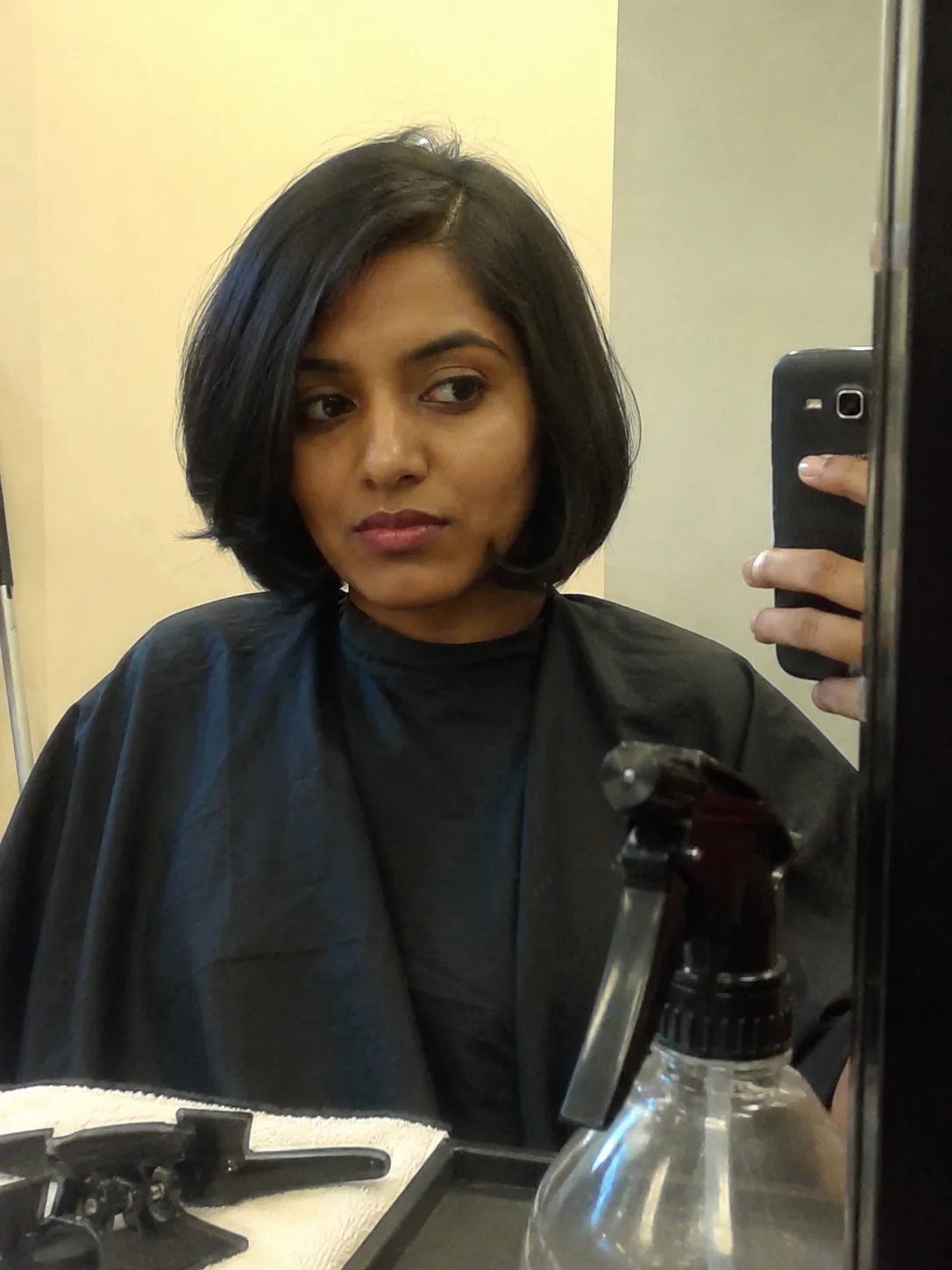
Start with hair prepared in the state you normally style it. Detangle as appropriate for your texture and use your usual heat protection when heat styling is part of the routine.
Dry the roots in the direction you want them to fall. A middle or slightly off-center part can change how the front sits, so establish the part before concentrating on the ends.
Work through manageable sections. Direct the lower few centimeters of the hair inward with a round brush or styling tool instead of creating a full curl. The bend should follow the haircut rather than turning into a pronounced ringlet.
Around the face, decide whether the front pieces should follow the inward curve or move gently away from the cheeks. Layered cuts often benefit from a little more separation here.
Finish by checking the haircut from both sides and from the back. Short hair can look balanced from the front while one side is turning under more strongly than the other.
Your natural texture, tool design, hair condition, and previous chemical services should guide how much heat and manipulation you use. There isn’t one appropriate temperature or number of passes for every head of hair.
Straight, Wavy, Curly, and Coily Hair Won’t Produce the Same Silhouette
The strongest Korean-inspired short haircut is one designed for your actual hair rather than copied literally from a reference image.
Straight hair makes the perimeter and layering pattern easy to see. A bob cut near the jaw will often display that line clearly, particularly when the ends are styled smooth. Very straight hair may also reveal uneven cutting or an imbalanced perimeter more readily because there is little texture to disguise it.
Wavy hair adds expansion and bends through the outline. A lightly layered short bob can encourage movement, but placing layers carelessly can create bulky areas where the natural wave already wants to lift.
Curly and coily hair need extra attention to shrinkage and curl grouping. A chin-length appearance in a stretched state may sit considerably higher once the hair recoils. The finished shape should be assessed in the state you plan to wear most often.
That might mean a curly interpretation of the cut rather than a daily attempt to duplicate a smooth reference photograph.
A curly short bob can keep fullness through the ends while shaping the sides so they don’t form an unwanted triangle. A short layered shape can place more volume at the crown or around the face. Fringe can be cut to work with the curl pattern instead of being separated into a straight section.
Hair may be cut wet, dry, or with a combined approach depending on texture, technique, and the intended finish. What matters most is that the final balance is checked in the relevant wearing state.
Pressed, relaxed, and chemically processed hair create additional considerations. Previous processing affects condition and how much manipulation the hair tolerates. Tell your stylist about chemical and color history before making a dramatic change, particularly when the new haircut will expose sections that have different textures or levels of damage.
Pixie-Bob or Short Bob? The Grow-Out Is the Real Divider
The choice between a pixie-bob and a short bob isn’t only about which photograph you prefer.
A bob keeps more continuous length around the head. Depending on where the perimeter sits, some of it may eventually tuck behind the ears, reach a small clip, or transition toward a longer bob without completely changing the haircut’s structure.
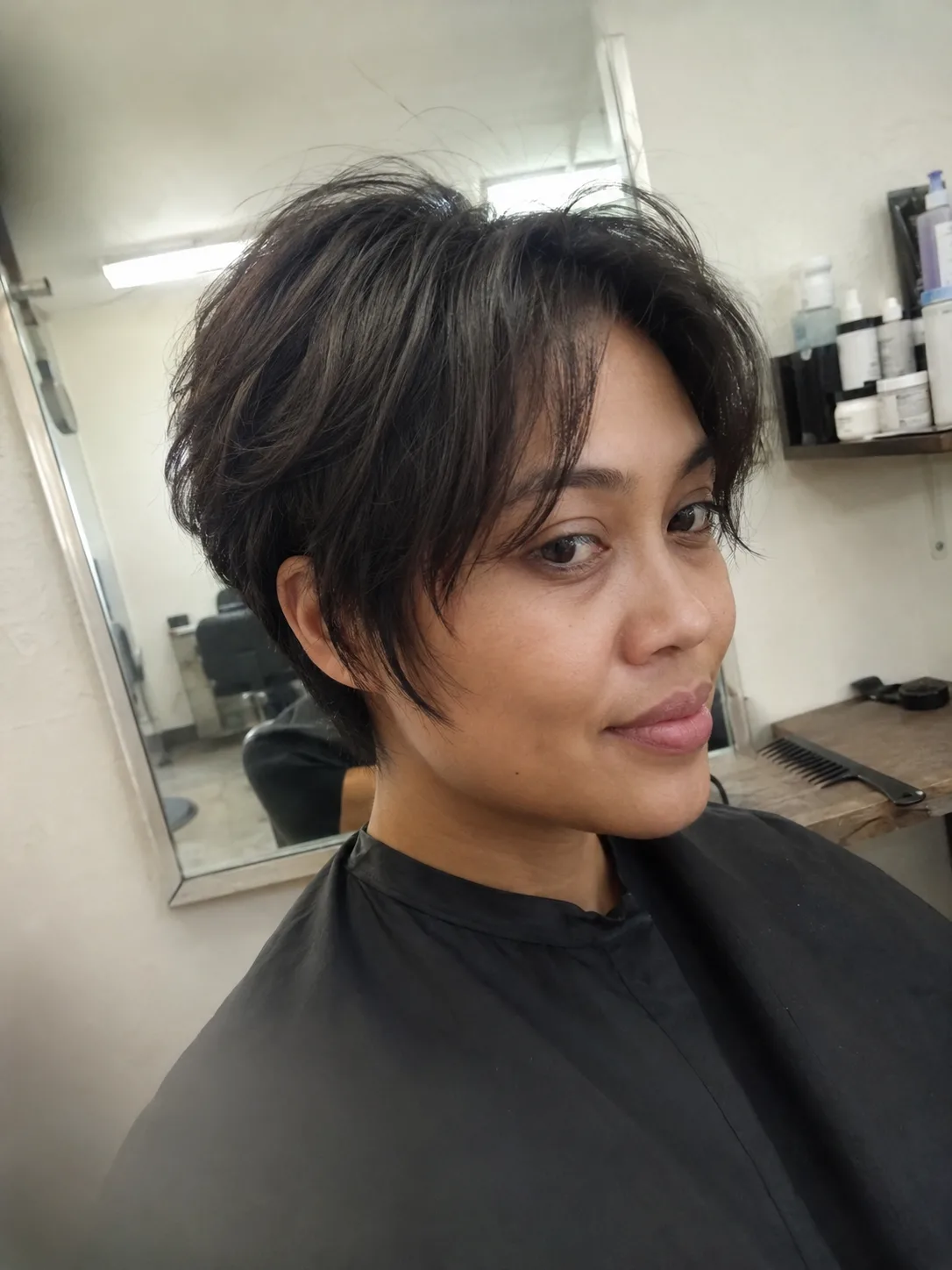
A pixie-bob usually introduces a bigger difference between the shorter back or sides and the longer top or front. That contrast is part of its appeal. It also means the shape becomes less defined as the short sections grow.
The perimeter may lose its intended position before you feel that your hair has become long.
That makes the pixie-bob more salon-dependent. Choose it when you genuinely like a short nape, visible ear area, and sculpted shape enough to maintain the outline. It is a poor tradeoff when your main priority is going long stretches without thinking about reshaping.
A short bob gives you more room to delay a major decision. You can alter the part, tuck it, change the end direction, grow the fringe, or let the whole shape move gradually toward medium length.
There is another practical detail: collars.
A bob that lands directly against a jacket or coat collar can flip outward where the hair makes repeated contact with the fabric. A slightly shorter line clears the collar; a longer bob may eventually fall past it. The in-between length can require more restyling during colder-weather dressing.
Choose a pixie-bob when:
You like seeing more of the ears and neckline.
A deliberately short back is part of the appeal.
You don’t mind the haircut changing noticeably as it grows.
You prefer a sculpted short shape over maximum styling flexibility.
Choose a bob when:
You want a stronger lower perimeter.
Tucking or gradually growing the hair matters.
You’d rather keep more length around the sides.
You want several styling finishes from the same basic cut.
What Reference Photos Don’t Show
A polished reference image usually captures one moment: the haircut has been styled, the part is sitting correctly, and the photographer has chosen a flattering angle.
Your daily life adds movement.
A soft bob may flatten behind the ears after repeated tucking. Fringe separates differently after a humid walk than it does immediately after styling. A rounded shape can become straighter after sleeping on one side. The back of a very short cut may press flat against a headrest while the front still looks untouched.
Those details aren’t reasons to avoid the style. They help you choose the version that demands the least fighting with your routine.
Look at a reference image and ask three practical questions.
Where is the fullness coming from? It may come from actual density, styling at the roots, layering, an inward bend, or some combination of them. A haircut can’t create follicles or actual density.
Which areas are clearly styled? Very smooth roots, curved ends, separated fringe, and face-framing bends usually require some direction during drying or finishing.
What does the back probably look like? Front-facing photographs can hide the most important part of a short haircut. The nape might be blunt, stacked, graduated, heavily layered, or considerably shorter than the front suggests.
Save reference images from more than one angle whenever possible. A side and back view can tell your stylist more about the construction than several nearly identical front portraits.
Salon Planning: Describe the Shape, Not Just the Aesthetic
Bringing the phrase “short Korean hair” to a salon gives a general direction, but it doesn’t fully describe a haircut.
A useful consultation gets more specific.
Start with length. Decide whether you want the perimeter around the cheek, jaw, below the jaw, or closer to the neck. Remember that curl and wave shrinkage can change where that line appears after drying.
Then discuss weight. Do you want a solid lower edge or visible movement through the interior? Someone with low-density hair may prefer to preserve more perimeter weight. Dense hair might benefit from strategic internal shaping, but aggressive removal is still a design decision rather than an automatic solution.
Clarify the nape. A bob that looks short from the front can still cover much of the neck, while a pixie-bob may expose it significantly.
Fringe comes next. Show where you want it to fall when styled normally and explain whether you expect to wear it forward every day. A fringe that only works after extensive styling may become annoying quickly for someone who prefers a minimal routine.
Finally, show the styling finish you actually like. Point out inward-curved ends, straight ends, lifted roots, or pieces moving away from the face. This helps separate what must be built into the haircut from what will be created during styling.
A concise salon checklist:
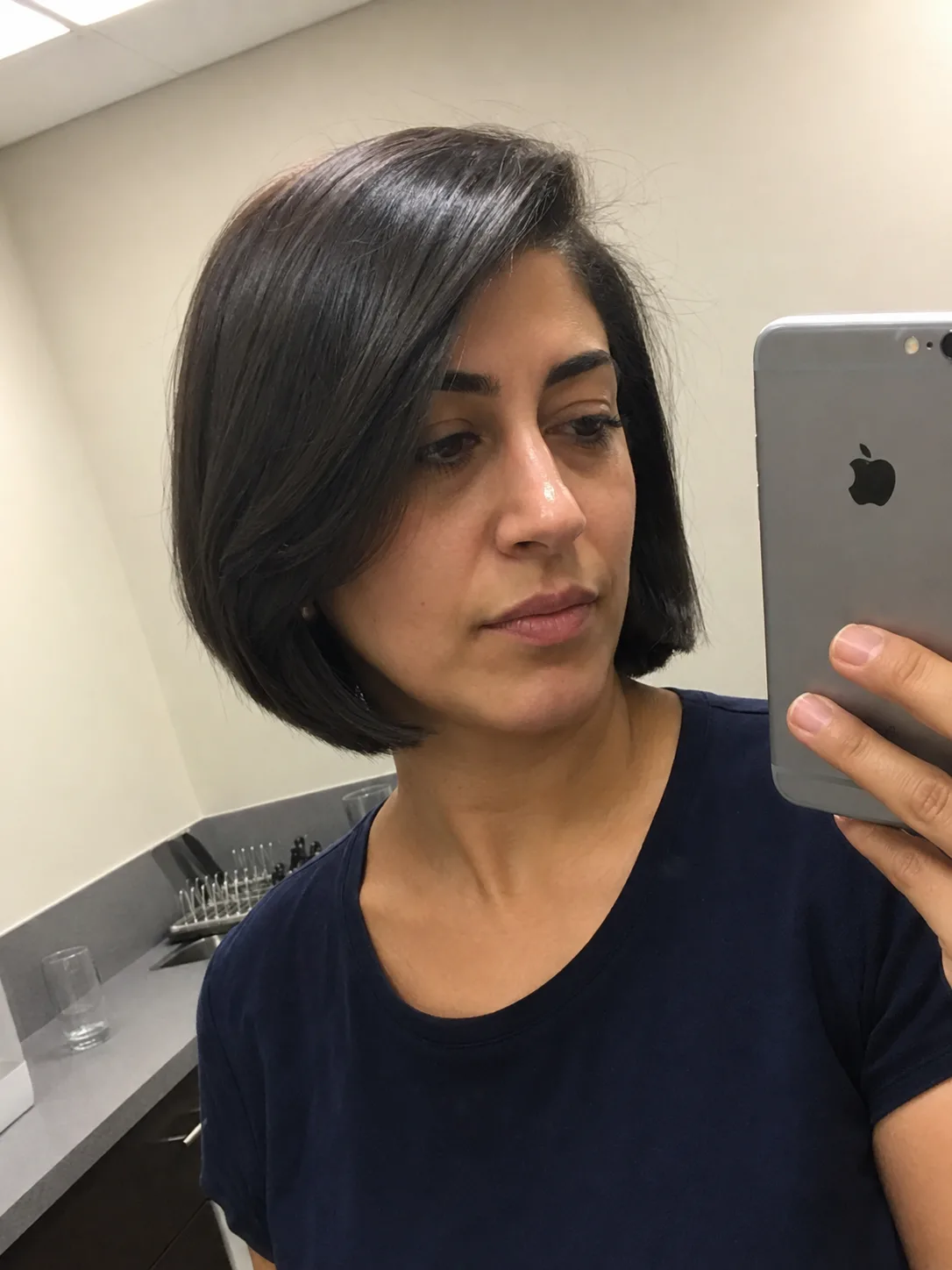
Desired perimeter length after the hair is dry
Strong versus softened lower edge
Amount and location of layering
Nape coverage
Fringe length and density
Normal texture or styling state
Preferred end direction
Any regular glasses, hearing devices, helmets, or other items that interact with the sides of the haircut
Previous chemical or color services that affect condition
The consultation should also account for areas that already feel fragile or sparse. A haircut can redistribute visible weight, but it can’t replace lost density.
Daily Maintenance Is Mostly About Restoring the Shape
Short hair doesn’t necessarily require more daily work than long hair, but the work becomes more visible.
A long hairstyle has enough weight for small changes in root direction to disappear into the overall length. With a short bob or pixie-bob, sleeping on one side can shift an entire section.
Morning maintenance may be as simple as dampening and redirecting a few pieces. Fringe often needs attention first because it sits against the forehead and moves during sleep.
A smooth scarf or bonnet can reduce friction and tangling where it suits your texture and routine. It won’t preserve every curve exactly as it looked the previous day, so expect some light reshaping.
The neckline deserves attention on very short cuts. As the hair grows, the back can lose its deliberate outline before the sides seem much longer. A compact bob tends to transition more gradually.
Heat styling also deserves restraint when you’re repeatedly touching the same short sections. Match tool use to your hair’s condition and use appropriate heat protection. More passes don’t automatically create a better finish.
Wash according to your scalp, styling habits, activity, buildup, and hair needs instead of trying to follow a universal short-hair schedule. Product residue can make airy fringe separate poorly or weigh down roots, while insufficient conditioning may leave textured hair harder to shape.
Sudden shedding, persistent scalp pain, redness, sores, ongoing irritation, or a concerning change in density belongs outside ordinary styling troubleshooting. A dermatologist or another qualified healthcare professional can assess those concerns.
Related Hairstyles to Explore
- Short haircuts for women
- Round face haircuts short
- Short layered haircuts
- Short haircuts for older women
FAQs
Is short Korean-style hair suitable for round faces?
It can be. Face shape doesn’t dictate one correct haircut. Look at where the perimeter lands, how much width sits beside the cheeks, the fringe placement, and whether you prefer to emphasize or soften particular features. A jaw-length compact bob gives a different effect from a layered pixie-bob even at similar overall lengths. Reference photos showing several angles are more useful than a rigid face-shape rule.
Can curly hair get a Korean-inspired short haircut?
Yes. The cut should be adapted to the curl pattern and the state in which you normally wear your hair. Shrinkage, curl grouping, density, and weight distribution affect where the final shape sits. You can keep curly fringe and a curly perimeter rather than straightening the hair to duplicate a smooth reference image. Have the finished balance evaluated with the curls in their intended state.
Which Korean short hairstyle is easiest to grow out?
A simple bob with moderate layering is usually more forgiving than a strongly sculpted pixie-bob. More continuous length gives you additional options for tucking, clipping, changing the part, or transitioning toward a longer bob. A pixie-bob’s shorter nape and side sections create a more noticeable shift as they grow.
Can I get the Korean short-hair look without bangs?
Absolutely. Fringe is one design element, not a requirement. A clean jaw-length bob, layered short bob, or pixie-bob can still create the same soft, compact aesthetic through the perimeter, face-framing pieces, root direction, and curved or straight end styling. Skipping bangs is particularly practical when you don’t want hair sitting on the forehead or don’t want to restyle a fringe regularly.
Hair Texture & Upkeep Style Matcher
Select your natural hair texture and daily maintenance window to get an instant styling formula and heat safety cap.
Heat Cap: 320°F (160°C)
A versatile three-strand braid beginning at the parietal ridge, securing the top half while allowing natural wave texture to flow freely around the shoulders.
Conclusion
The most useful way to choose short Korean-inspired hair is to stop treating it as one haircut. Decide first whether you want a strong bob perimeter, lighter layers, or the shorter structure of a pixie-bob. Then choose the fringe and styling finish that support that shape.
For the lowest styling commitment, a relatively simple short bob with controlled layering is the practical starting point. Choose a pixie-bob because you genuinely want its exposed, sculpted shape. Choose an airy fringe because you like the way it frames the forehead enough to manage its grow-out.
Take reference photos that show the sides and back, wear your hair to the consultation in a state that helps communicate its normal behavior, and be clear about which parts of the photograph you expect the haircut itself to reproduce.
Editorial Standards & Hair Health Guidance
Every style featured on Tress Atlas is curated with a focus on real-world wearability, scalp tension management, and cuticle preservation. When trying protective styles or tight updos, ensure perimeter hairline sections remain tension-free to avoid traction stress on delicate follicles. For heat styling, cap tools below 350°F (180°C) to prevent thermal keratin denaturation.
Scientific Sourcing: Practices aligned with the American Academy of Dermatology (AAD) on traction alopecia risk reduction and cosmetic trichology research on hair tensile strength.