Stylish Short Hairstyles: Complete Styling Guide for Women Over 50
A short haircut can look simple in a photograph while asking very different things of you in real life. A close pixie exposes the haircut quickly as it grows. A bob gives you more styling flexibility but can lose its clean perimeter around collars and necklines. Curly and coily crops depend heavily on shrinkage and the shape you wear most often.
Age alone doesn’t determine which of these cuts works. Strand size, density, curl pattern, styling habits, gray percentage, glasses, and willingness to reshape the cut all matter more. Gray hair also isn’t a texture type; pigment loss and changes in texture are separate considerations.
For most women deciding where to start, the practical question is whether you want a close shape that relies on the haircut, a short bob with a stronger perimeter, or a texture-led cut that leaves more natural movement.
Close Crops That Put the Haircut in Charge
Classic Close Pixie
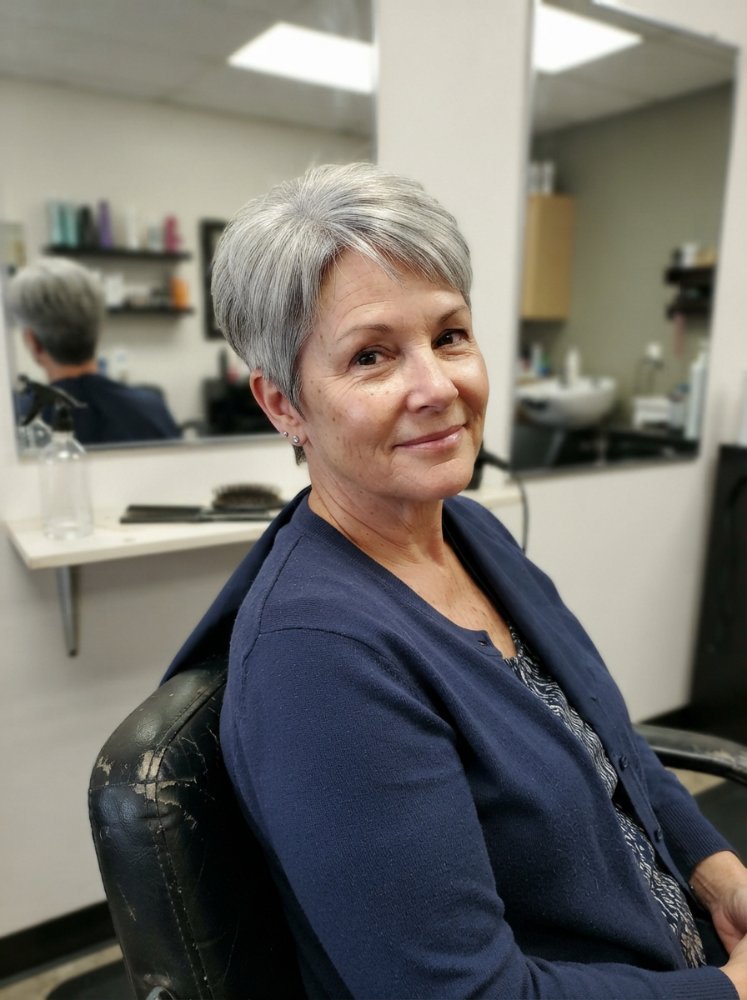
A classic pixie keeps the nape and sides compact while leaving enough length through the top to create shape. It’s one of the strongest choices when you prefer a haircut that looks finished without relying on curling or elaborate styling. The tradeoff is precision: once the sides and neckline grow out, the outline changes before the hair feels especially long.
Long Side-Swept Pixie
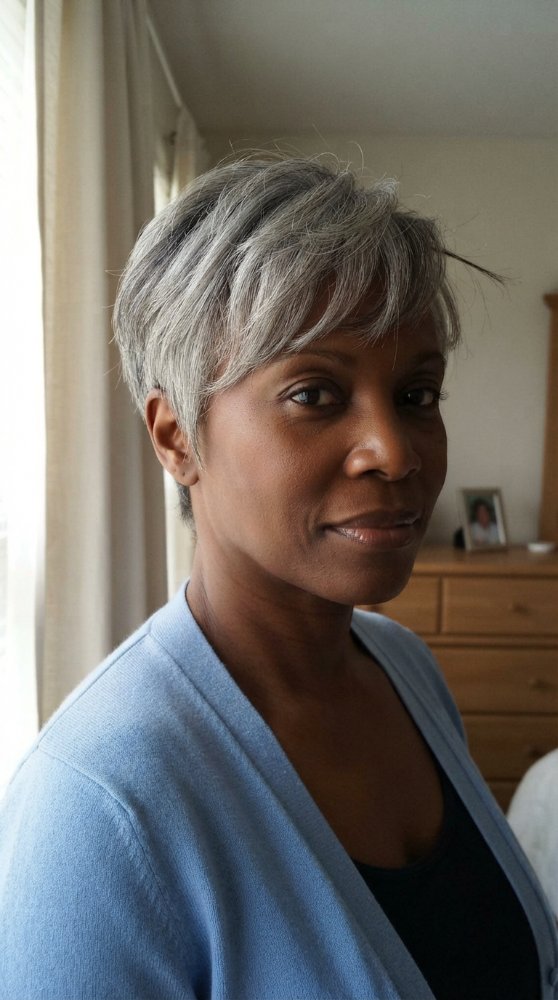
More length through the front gives a pixie noticeably more flexibility. You can sweep it across the forehead, direct it away from the face, or create lift through the top without giving up the exposed neck and compact sides.
This version is easier than a very short pixie for anyone who likes changing the front from day to day. Fine strands may benefit from controlled layering rather than aggressive thinning, while dense hair may need internal weight adjusted so the longer top doesn’t sit like a solid cap.
Tapered Natural Crop
A tapered crop makes the transition from shorter sides and nape to a fuller crown the main feature. On curly and coily hair, that contrast can create a defined shape without requiring the texture to be stretched straight.
Shrinkage deserves attention before the cut is finalized. The outline should be judged in the state you normally wear—shrunken, defined, stretched, or otherwise styled—because the same measured length can sit very differently once curls and coils contract.
The taper can also make glasses easier to accommodate than a shape with bulky temple volume. The arms have less hair to push through, while the crown remains full enough to show your texture.
Curly Pixie
A curly pixie keeps enough length for visible curl grouping while removing much of the bulk associated with a longer curly cut. The result can be soft and rounded or tighter through the sides, depending on the haircut. It works especially well when you want your natural curl pattern to provide movement instead of smoothing the hair into a rigid pixie finish.
Textured Spiky Crop
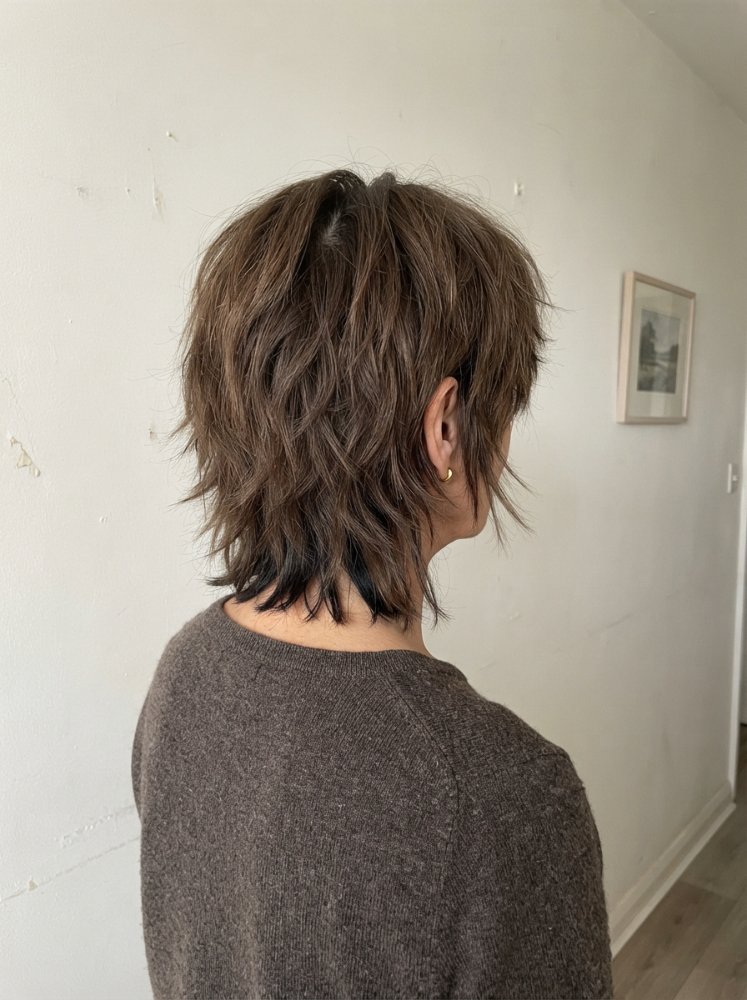
Piecey, directional texture gives a short crop more energy than a smoothly brushed pixie. The haircut needs enough separation through the top for sections to lift without the whole crown becoming bulky.
This is worth considering when you enjoy using a small amount of styling product and reshaping the top with your fingers. It’s less practical for someone hoping to air-dry every day and have the haircut land in exactly the same position.
Short Bobs With More Perimeter and Swing
Blunt Jaw-Length Bob
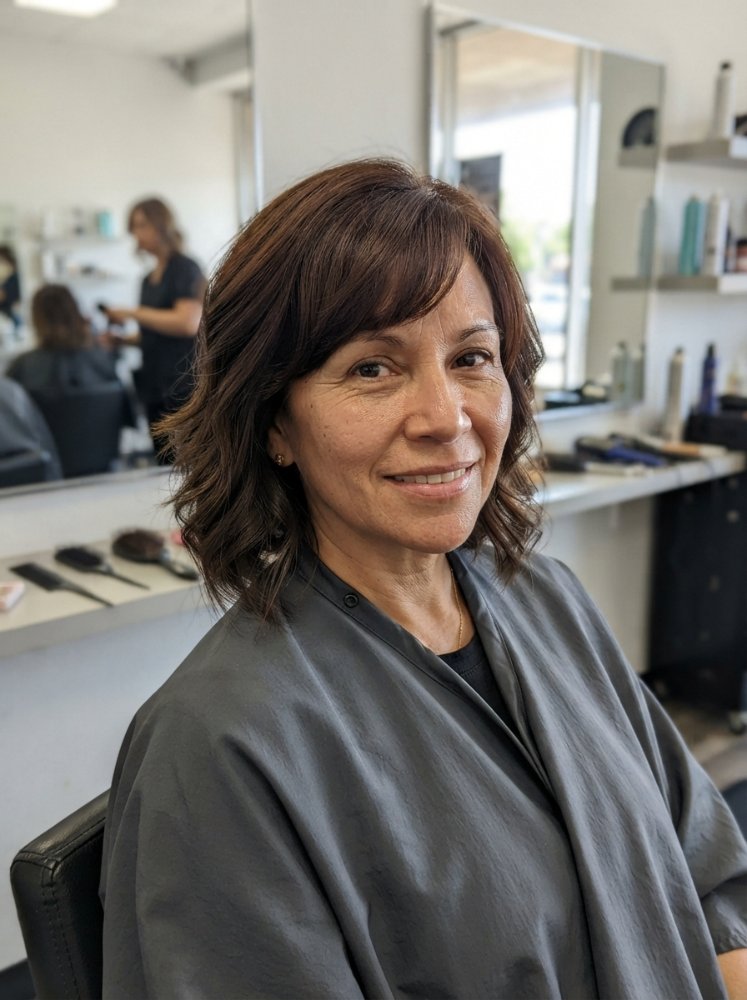
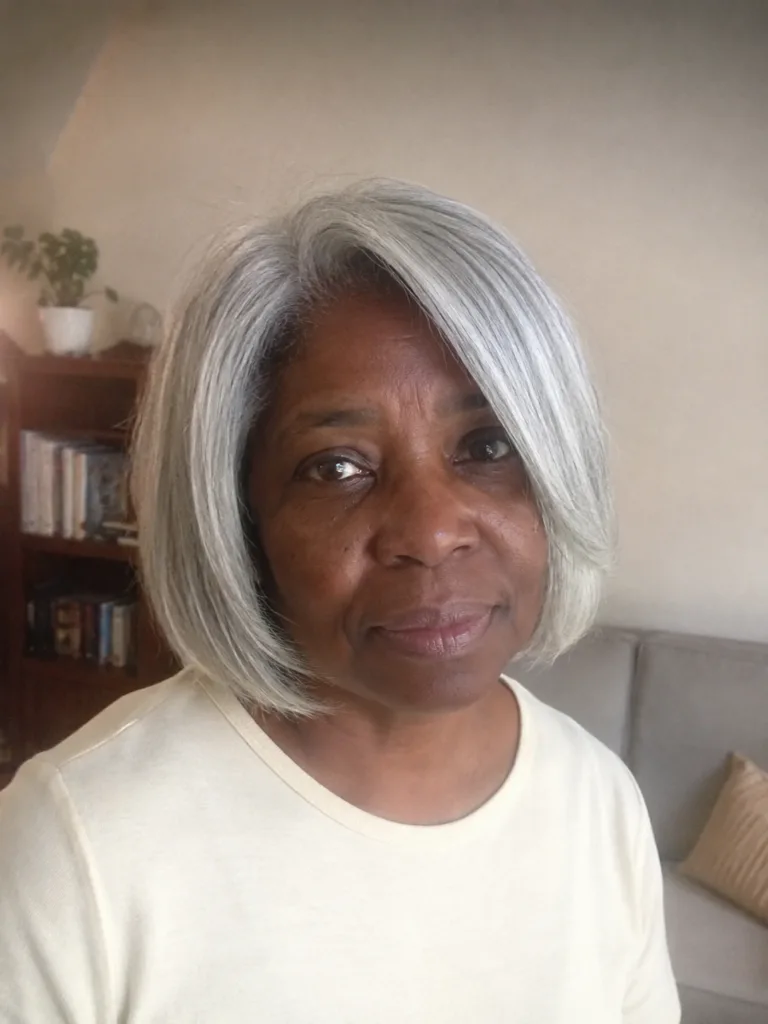
Few short cuts make the perimeter as visible as a blunt bob. A strong lower edge can give healthy ends a more substantial appearance, particularly when heavy interior layering would expose too much space.
That doesn’t create actual density. Fine strands refer to strand diameter, while low density means fewer strands overall. A consultation should consider both before deciding how much weight to keep at the bottom.
Length placement matters too. A bob ending near the jaw behaves differently from one sitting directly on a high collar. Hair that repeatedly meets a coat, scarf, or neckline can flip outward even when the salon finish originally curved inward.
Graduated Bob
A graduated bob builds more weight toward the back, then follows a cleaner line toward the front. It creates a shaped rear profile without requiring dramatic layering everywhere. This is a useful middle ground when a blunt bob feels too blocky but a heavily layered cut would remove more interior weight than you want.
Short Layered Bob

Movement is the reason to choose this version. Layers break up the solid surface of a bob and can help waves or bends appear more freely, especially when a one-length shape tends to sit heavily.
Layer placement deserves more attention than the number of layers. On low-density hair, aggressive interior removal can make the perimeter look more transparent. On very dense hair, carefully placed removal can stop the cut from becoming triangular or overly wide.
Asymmetrical Bob
An asymmetrical bob makes imbalance deliberate: one side sits visibly longer or stronger than the other. That creates a sharper, more directional result than simply changing your part.
The strongest versions show enough difference for the shape to read clearly. A tiny variation can look accidental once the cut begins growing.
Glasses also become part of the composition. One side may tuck neatly behind the frame while the longer side remains forward, so it’s useful to assess the haircut with your usual eyewear in place.
French-Inspired Short Bob
A compact bob paired with a defined fringe gives the face a strong frame and keeps the overall cut close to the head. Compared with a longer blunt bob, the effect is more graphic and the front becomes a much bigger part of the haircut.
A fringe adds its own routine, especially with cowlicks, curls, or strong growth patterns. Choose this version because you want that front detail, not because a reference photo makes it look effortless.
Cuts Built Around Texture and Movement
Bixie
The bixie occupies useful territory between a bob and a pixie. It leaves more length around the ears, crown, and perimeter than a close crop but avoids the continuous lower edge of a conventional bob.
It’s a strong choice for someone nervous about going directly from longer hair to a tight pixie. You retain enough hair to tuck, sweep, or rough-dry into different positions while still getting the lighter feel of a short haircut.
Short Shag
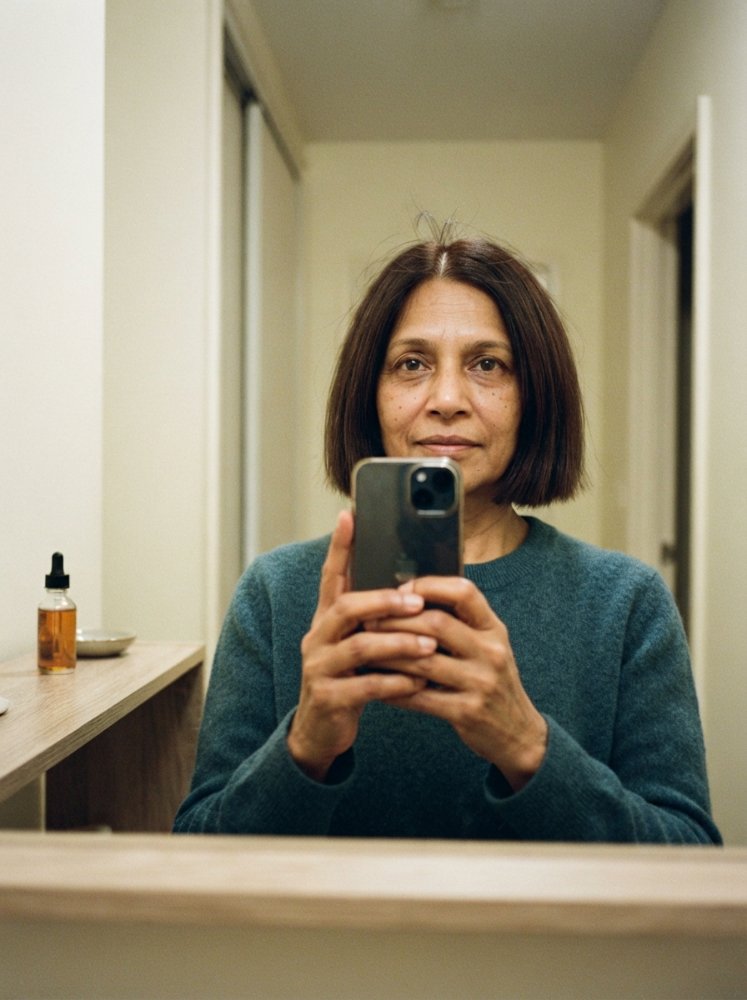
Layers take over from the perimeter in a short shag. The crown has more lift, the edges are lighter, and the shape works with movement instead of depending on one crisp baseline.
Wavy and curly hair can make those layers especially visible, although shrinkage should be considered before the shortest pieces are chosen. Straighter hair usually needs more styling input to display the separation seen in heavily textured reference images.
A shag is less forgiving when low density is concentrated through the ends. Too much removal can leave the lower sections looking sparse, so the haircut should preserve weight where you need it.
Rounded Curly Bob
A rounded curly bob distributes fullness around the head instead of concentrating everything at a straight lower edge. It gives curls room to form while keeping the overall length manageable. This is particularly useful when a conventional one-length curly bob becomes wide at the bottom but flat through the crown. The cut should be assessed in your normal curly styling state so the final balance reflects actual shrinkage.
Rounded Afro Crop
A rounded afro creates its impact through a continuous sculpted outline and visible natural texture. Unlike a tapered cut, it keeps more width around the sides so the full shape becomes the focal point.
This is an excellent option when you enjoy volume and don’t want the sides reduced simply for the sake of making the hair look smaller. Picking, separating, or defining the hair differently can shift the daily outline, which is part of the appeal.
Sculpted TWA
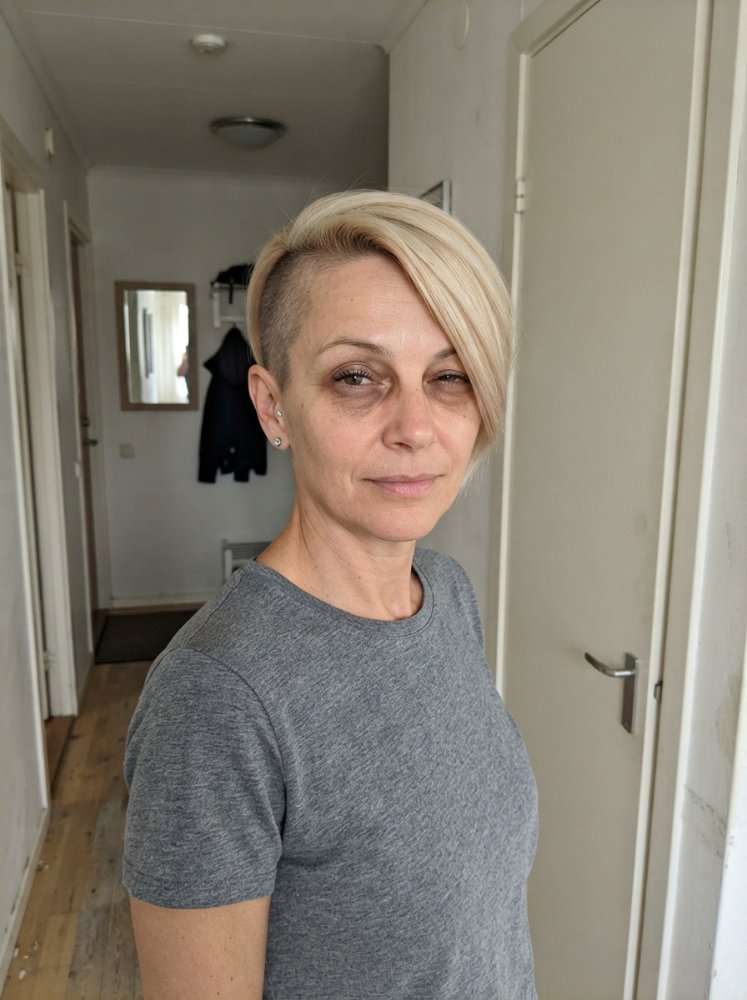
A teeny weeny afro leaves the hair very short while preserving the visible character of coils and curls. It removes much of the daily detangling associated with longer natural hair and puts the focus on the head shape, hairline, and texture itself. Compared with a longer rounded afro, there is less volume available to redistribute, so the cut and final outline carry more of the visual work.
Bolder Short Shapes
Undercut Pixie
An undercut creates a deliberate separation between very short areas and a longer top. That contrast can make thick or dense hair feel dramatically lighter around the sides and nape while preserving enough length above for sweeping, curling, or directional styling.
The concealed-versus-visible decision matters. A subtle undercut can disappear beneath the top layers; a higher one becomes an obvious design feature.
Grow-out deserves consideration before committing. As the shortest sections lengthen, they pass through stages that may not blend naturally into the longer top. This is more salon-dependent than a softly tapered pixie.
Soft Short Mullet
A short mullet keeps more length behind the ears or through the nape while the sides and upper sections stay noticeably shorter. The modern versions can be soft and textured rather than sharply disconnected.
It’s a better choice than a conventional pixie when you want movement at the back and a less traditionally neat outline. Wavy or curly texture naturally reinforces the shape, while straighter hair may need more deliberate styling to keep the layers from lying flat.
Buzz Cut
A buzz cut removes almost all reliance on styling and puts the emphasis directly on the head, hairline, and color. Natural gray, silver, white, dark, or colored hair can all become visually prominent because there is very little length to distract from it. The simplicity of daily styling is balanced by a highly exposed outline and a grow-out that changes the look quickly.
Choosing Between a Pixie, Bob, and Texture-Led Crop
The easiest way to narrow 18 options is to decide what you want the bottom edge of the haircut to do.
A pixie or tapered crop removes most of that perimeter and relies on the crown, fringe, or top for character. A bob keeps a visible edge that can look stronger and more substantial. Shags, curly shapes, and rounded natural cuts move the emphasis away from a crisp edge and toward texture.
Then look at the state in which you actually wear your hair. A reference photo of pressed hair tells you little about how the same length will behave in a shrunken coil pattern. Likewise, a diffused curly bob can appear much shorter than the same hair stretched straight.
Hair color can change how the shape reads too. Gray and silver sections may create strong contrast within a short cut, especially around the temples or front. That visual contrast comes from pigment distribution; it shouldn’t be assumed to mean those strands are coarse, wiry, or dry.
What Short Hair Photographs Often Hide
The salon photograph captures one styling state. Your haircut has to work after sleep, washing, humidity, exercise, and ordinary movement.
Short bobs can catch against coat collars. Longer pixies may separate differently around glasses arms. A precisely tapered neckline loses its original outline as new growth appears. Curly crops can look considerably shorter after full shrinkage than they did while damp or stretched.
Product and heat aren’t mandatory features of short hair either. A highly sculpted crop photographed with a smooth surface may depend on blow-drying or finishing product, while a texture-led cut may be designed around air-drying or diffusing. Bring reference images, but discuss the construction underneath the finish.
A short haircut is easier to live with when you like what it does in its ordinary state, not only after its most polished styling session.
Salon Planning and Maintenance
Be specific about the areas you want to preserve. Saying “short but feminine,” for example, leaves much more room for interpretation than explaining that you want the ears visible, some softness at the temples, and enough length through the front to sweep sideways.
Your consultation should cover the neckline, sideburn area, crown behavior, fringe, and how much styling you’re comfortable doing. With curls and coils, make the usual styling state clear and account for shrinkage before removing the shortest pieces.
Maintenance should follow the haircut rather than a universal calendar. A tight pixie may bother you as soon as its outline softens, while a shag can absorb considerably more growth without appearing unfinished. Bobs often tell you they need reshaping through the perimeter: the ends begin sitting differently against the neck or losing the line you chose.
Pay attention to hair changes separately from ordinary haircut maintenance. Sudden shedding, persistent scalp pain or redness, sores, or a concerning change in density deserves appropriate professional assessment rather than simply cutting the hair shorter to disguise it.
Related Hairstyles to Explore
- Short hairstyles for women over 50
- Hairstyles for women over 50 with fine hair
- Long hairstyles for women over 50
- Curly hairstyles for women over 50
FAQs
Does short hair make thin or thinning hair look fuller?
Certain cuts can make the appearance of the perimeter stronger, but a haircut can’t create actual density. A blunt or lightly layered edge may look more substantial than heavily thinned ends. Fine hair and thinning are also different: fine describes small strand diameter, while thinning describes a reduction or change in density.
Which short hairstyles work well with glasses?
Pixies, tapered crops, bobs, and curly shapes can all work with glasses. Look closely at the temple area. A bulky section directly where the glasses arms sit may constantly be pushed outward, while a tapered side or tuckable bob often leaves more room. Wear your normal frames during the consultation so the haircut can be assessed with them.
Can naturally curly or coily hair wear these short cuts?
Yes. Curly pixies, tapered crops, rounded bobs, afros, TWAs, shags, and many other short shapes can be built around natural texture. Shrinkage, curl grouping, density, and the state in which you normally wear the hair should guide the cutting approach. Curly fringe also doesn’t need to be straightened simply because it’s short.
Which short haircut is easiest to grow out?
Softly layered cuts such as a bixie or short shag usually provide more flexibility during grow-out than an undercut or very close graphic pixie because the length differences are less extreme. A bob can also be a practical transition point. The easiest route depends on the shape you’re growing toward and which areas become awkward first.
Hair Texture & Upkeep Style Matcher
Select your natural hair texture and daily maintenance window to get an instant styling formula and heat safety cap.
Heat Cap: 320°F (160°C)
A versatile three-strand braid beginning at the parietal ridge, securing the top half while allowing natural wave texture to flow freely around the shoulders.
Conclusion
The most stylish short hairstyle is rarely the one with the most dramatic before-and-after photograph. It’s the cut whose shape still makes sense with your real texture, density, glasses, neckline, and styling routine.
Start by deciding where you want the visual weight: close around the head with a pixie, concentrated at the perimeter with a bob, or distributed through curls and layers. From there, choose the amount of precision you’re willing to maintain. That decision narrows the options far more effectively than age alone.
Editorial Standards & Hair Health Guidance
Every style featured on Tress Atlas is curated with a focus on real-world wearability, scalp tension management, and cuticle preservation. When trying protective styles or tight updos, ensure perimeter hairline sections remain tension-free to avoid traction stress on delicate follicles. For heat styling, cap tools below 350°F (180°C) to prevent thermal keratin denaturation.
Scientific Sourcing: Practices aligned with the American Academy of Dermatology (AAD) on traction alopecia risk reduction and cosmetic trichology research on hair tensile strength.