Short Layered Haircuts: Complete Styling & Technique Guide
Short layered haircuts can make a crop feel lighter, give a bob more movement, or help curls sit in a clearer shape. The part that matters most, though, is where the layers begin and how much weight they remove.
Two cuts can both be described as short and layered while behaving completely differently. Layers concentrated at the crown create lift. Layers through the sides break up a solid outline. Short pieces around the face bring movement forward. Heavy interior layering can make dense hair easier to style, yet the same approach may expose more scalp or weaken the perimeter on lower-density hair.
Your usual styling state matters too. A layered cut designed around smooth, stretched hair won’t fall exactly the same way when worn naturally curly or coily. Shrinkage can move the apparent length considerably, while collars, glasses, humidity, and air-drying can all change how a short cut behaves after you leave the salon.
This table gives you a practical starting point.
Softer Layered Cuts That Keep Some Weight
Soft Layered Bob
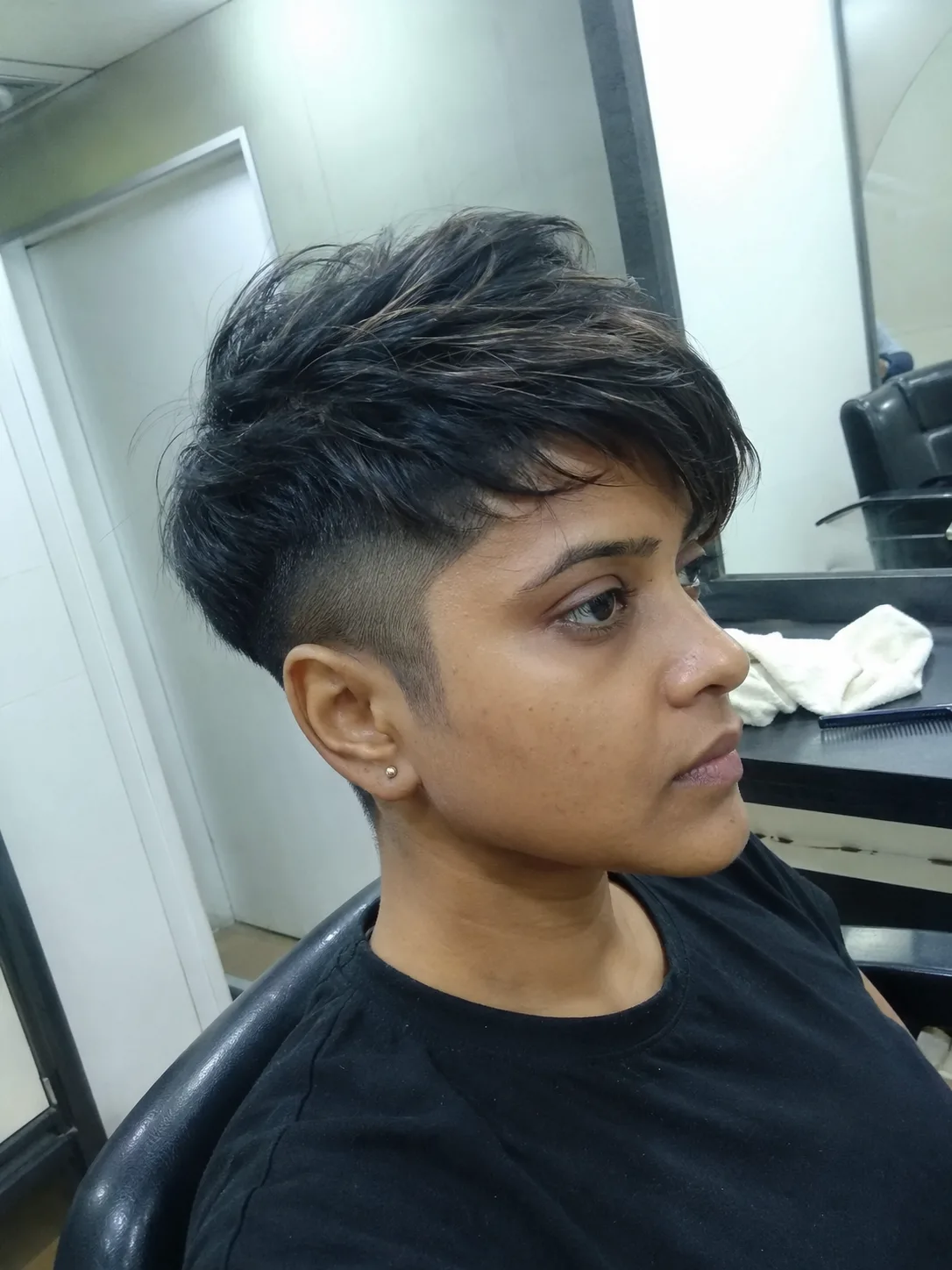
A softly layered bob is one of the easiest places to start if you like short hair but don’t want the ends to look aggressively chopped. The perimeter still reads as a bob, while gentle internal layers release enough weight for movement.
That balance makes the cut more forgiving than heavily layered versions. You can wear it smooth, lightly waved, or with natural bend without needing every piece to separate perfectly.
Ask where the shortest layer will sit. Layers beginning too high can change a calm bob into a much rounder haircut, especially on dense hair. Keeping more length through the lower sections preserves the recognizable bob outline.
Jaw-Length Bob With Long Layers
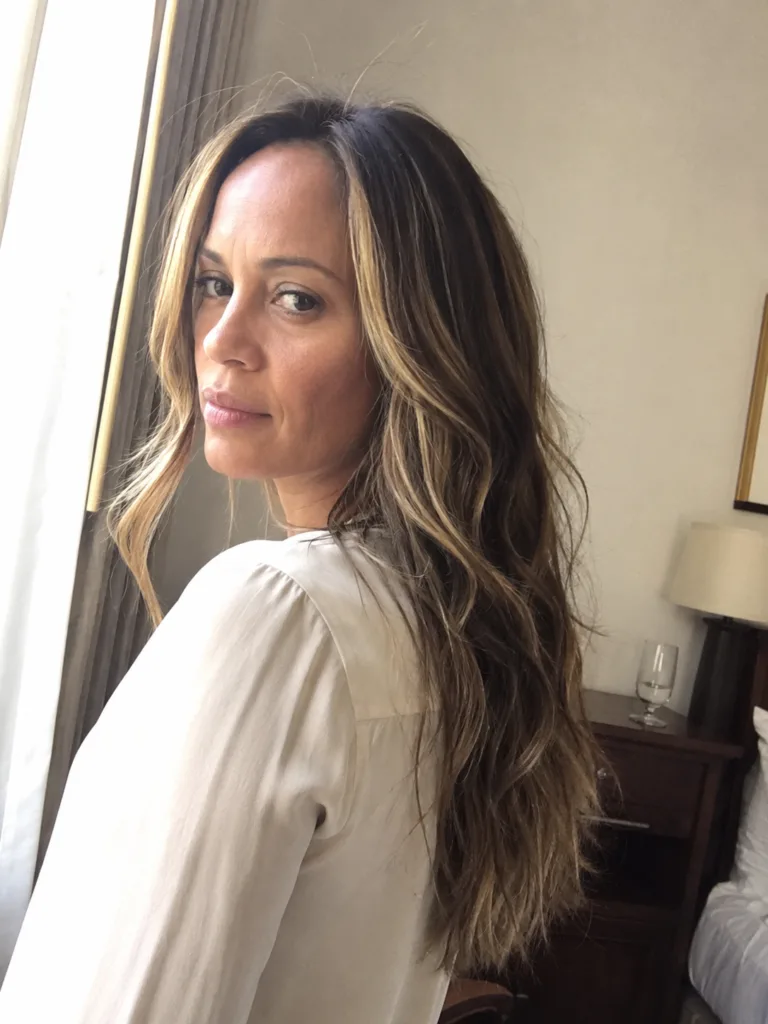
Long layers on a jaw-length bob change the movement without removing the haircut’s strongest feature: its lower edge. The effect is subtler than a shag or graduated bob, making it useful when you want short hair to feel lighter but still substantial.
It also behaves well with tucked styling because the sides retain enough length to sit behind the ears. Glasses wearers may prefer this over a fuller temple-heavy crop, since there is less bulk competing with the arms of the frames.
French Bob With Broken-Up Ends
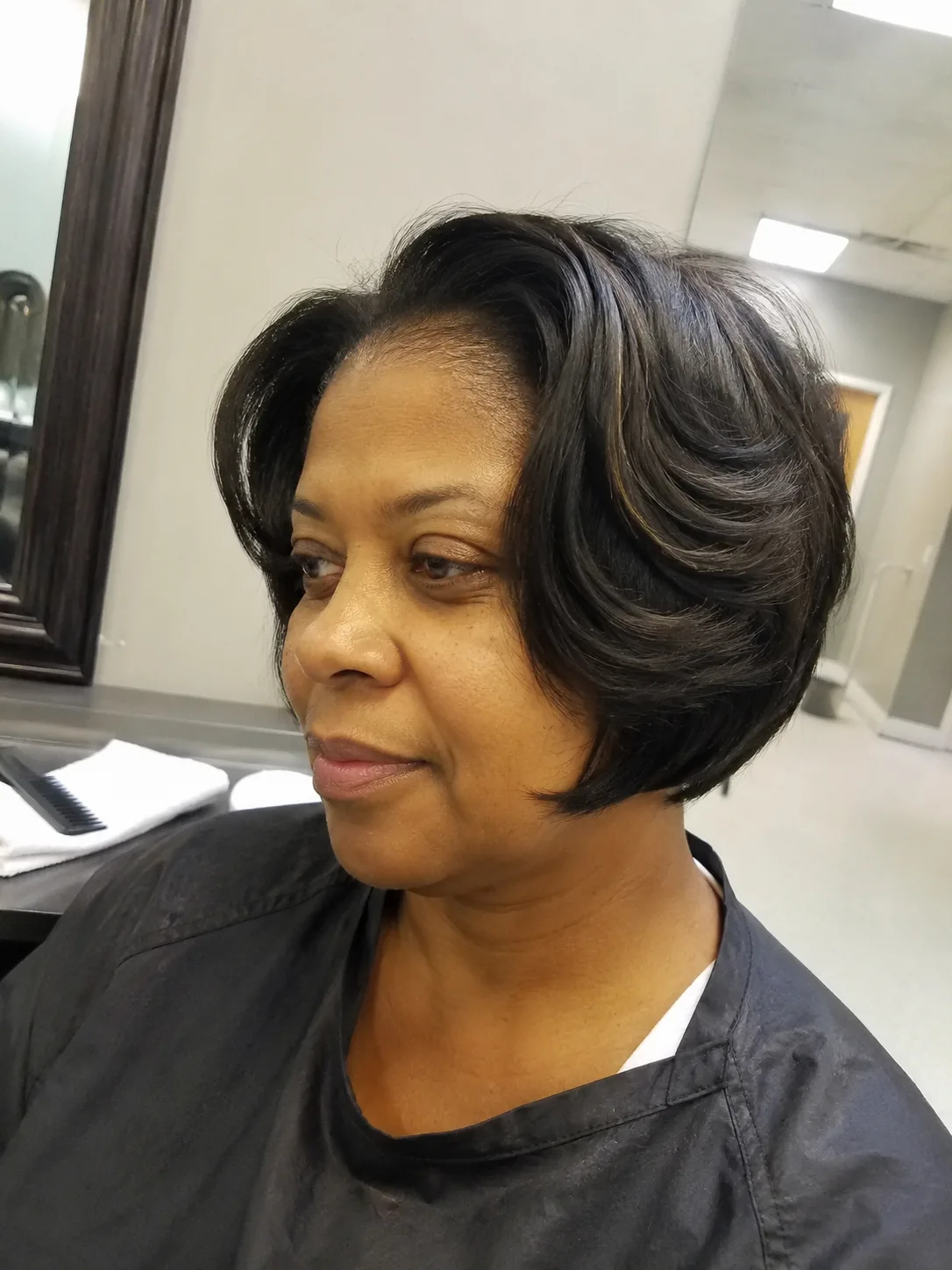
A French-bob-inspired shape becomes more casual when the ends are lightly broken up instead of forming one perfectly solid line. The shorter overall length keeps the haircut compact, while restrained layering prevents it from becoming bulky at the sides. This version works particularly well when you want visible texture without committing to the much more fragmented structure of a shag.
Tucked Layered Bob
The practical advantage of a tucked layered bob is easy to miss in photographs. Enough length stays around the ears to tuck back, while shorter surface pieces stop the haircut from looking like one rigid block.
That makes it useful for readers who frequently wear glasses, earrings, or headphones. Tell your stylist that ear-tucking is part of your normal routine so the front pieces aren’t cut to a length that constantly slips forward.
Short Layers With More Crown Shape
Layered Bixie
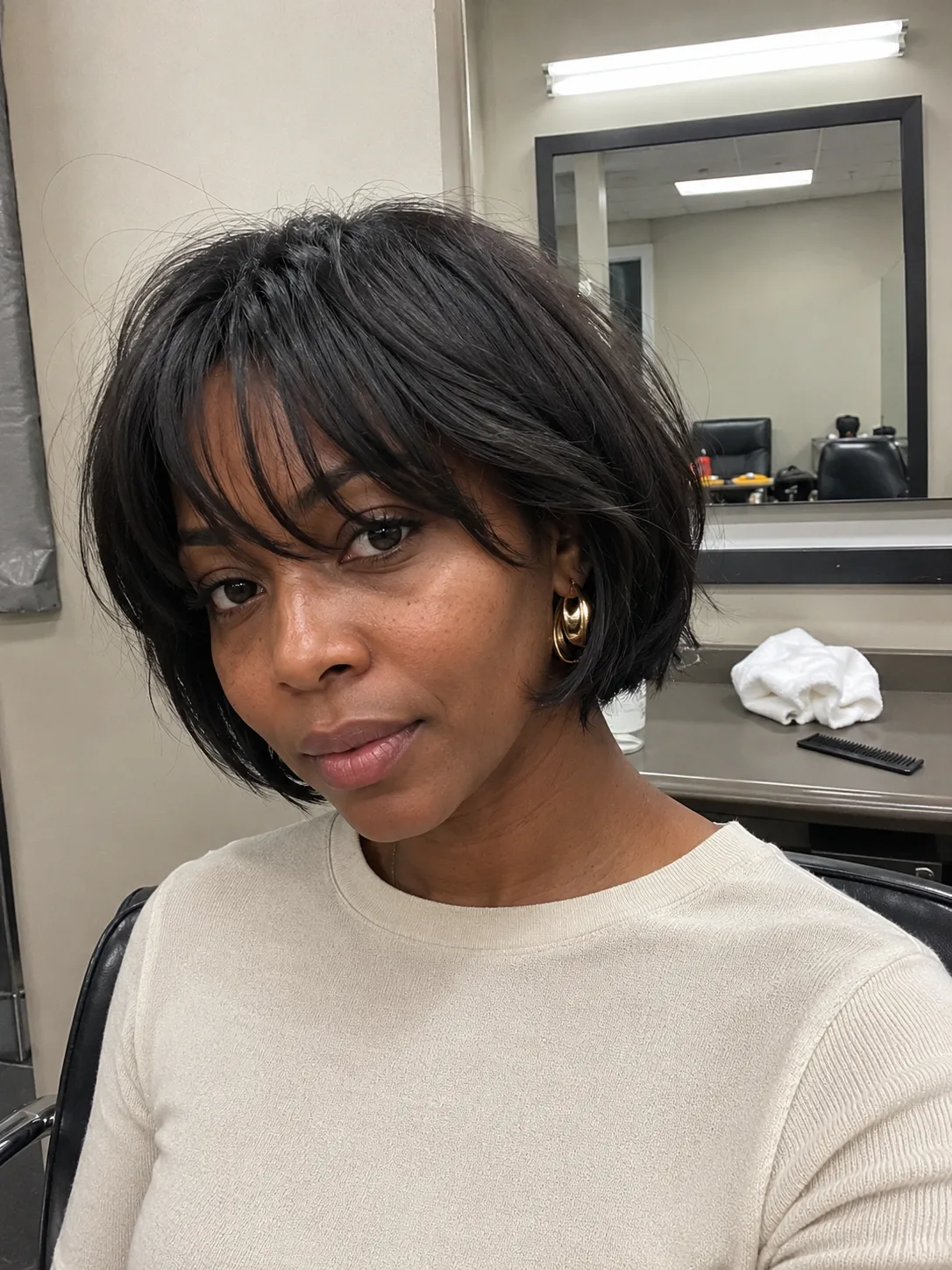
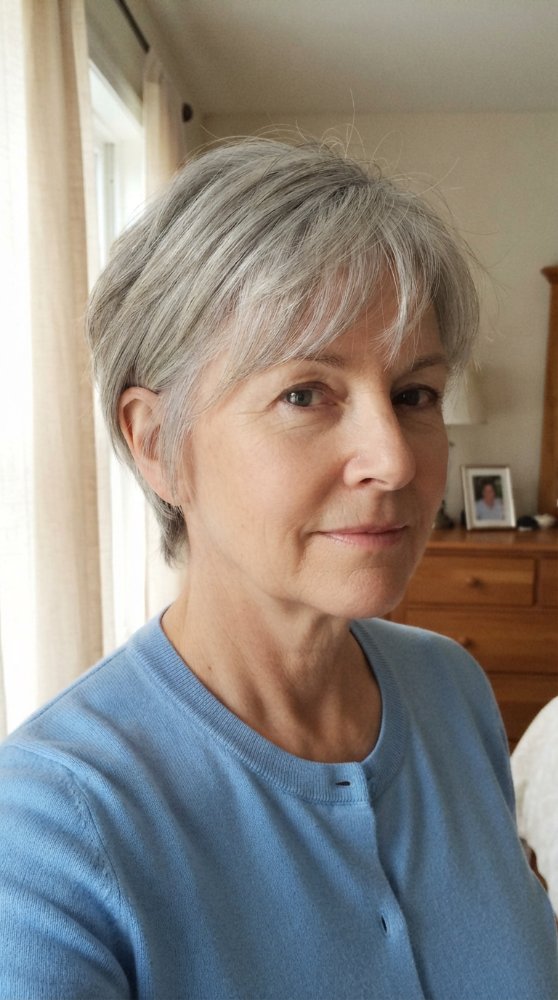
The bixie sits between a bob and a pixie, and layering is what gives the hybrid shape its identity. You keep more coverage around the sides and back than a classic pixie while gaining shorter pieces through the crown.
This is a stronger choice than a blunt short bob when your priority is movement at the top. The cut can also keep enough length around the face for sweeping, tucking, or loose texture.
Grow-out deserves consideration. The crown can become full before the lower sections feel particularly long, so reshaping may matter more than simply waiting for additional length. A good consultation should establish whether you want the bixie to grow toward a bob or remain compact.
Long Pixie With Crown Layers
A long pixie gives you short-hair convenience without taking every section close to the head. Crown layers provide lift, while longer top pieces leave room for side-swept, textured, or softly pushed-back styling. It’s a practical middle ground for someone who likes pixie proportions but wants enough hair to change the front from day to day.
Tapered Pixie With a Piecey Top
The contrast drives this haircut. The nape and sides stay relatively close, while the top has enough layered length to separate into visible pieces.
That structure puts more attention on the crown and fringe area. It also reduces the bulky transition that can develop behind the ears on a uniformly long crop.
The top doesn’t have to be sharply spiked. Curl, bend, soft separation, or a smoother swept finish can all work. The strongest version is one where the top length matches how you actually style your hair, instead of relying on a finish you rarely recreate.
Graduated Short Bob
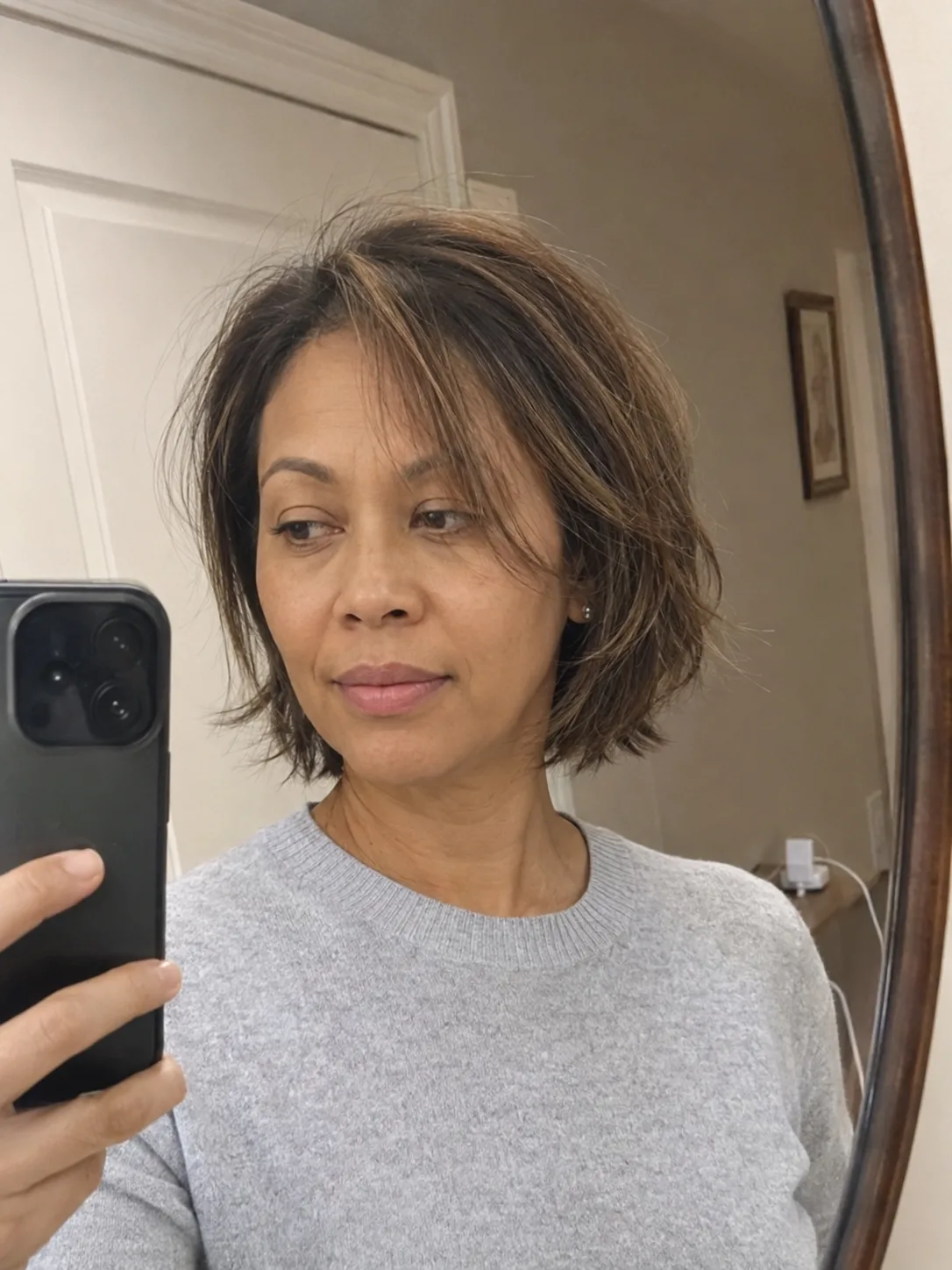
Graduation builds weight into the shape while creating lift through the back, so this is different from simply scattering layers throughout a bob. The stacked effect can make the nape feel neat and the back of the haircut appear fuller.
It is more salon-dependent than a soft layered bob because the graduation creates the architecture. As it grows, that architecture changes. Choose it because you like the raised back profile, not merely because you want “more volume.”
Texture-Forward Short Layered Haircuts
Curly Layered Bob
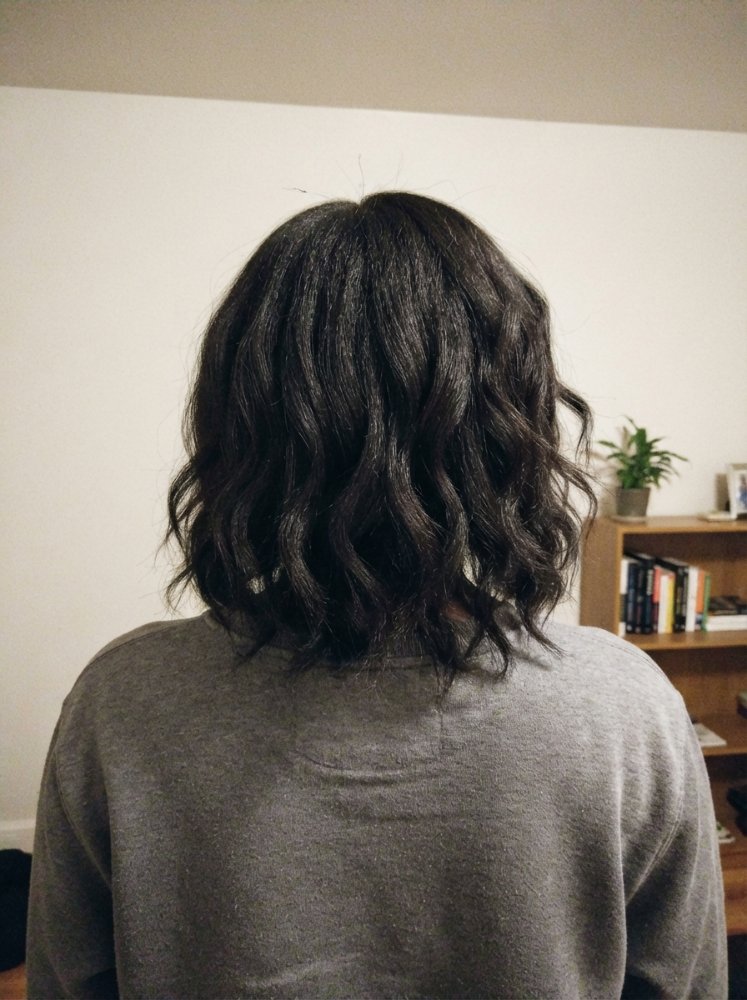
A curly layered bob uses varying lengths to keep curls from collecting into one heavy triangular shape. The exact layer placement should reflect your curl grouping, shrinkage, density, and the state in which you normally wear the haircut. A cut that looks jaw-length while stretched may sit considerably higher once the curls contract, so the finished curly shape deserves as much attention as the cutting technique itself.
Rounded Coily Crop
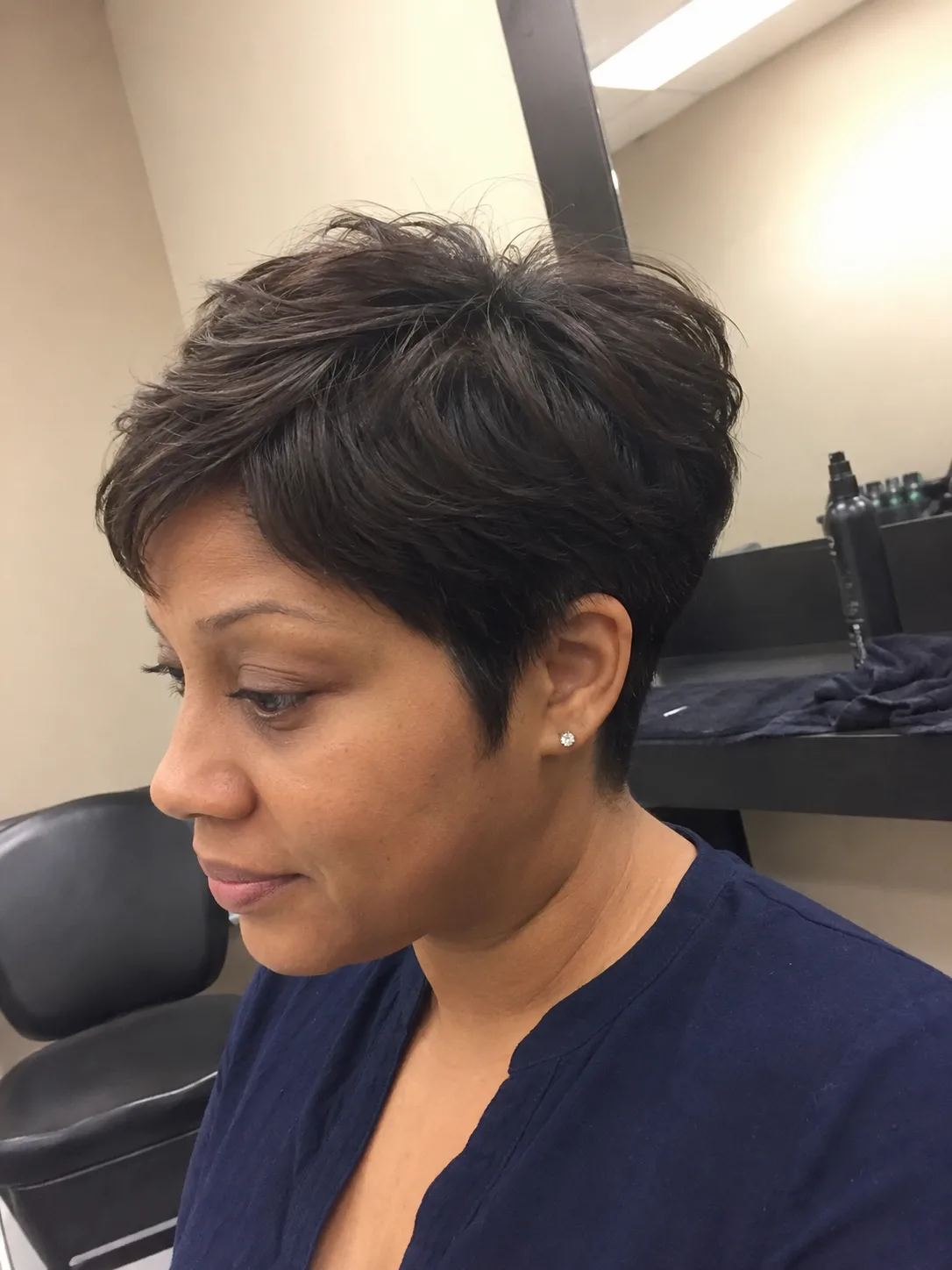
A rounded crop works especially well when the visible outline comes from the coils themselves. Layers are used to control where fullness sits rather than trying to flatten or thin the texture into submission.
The shape can stay fuller through the crown and upper sides while becoming shorter around the perimeter. Coily hair doesn’t need to be straightened for the cut to make sense; the shape should be assessed in a state that reflects how you usually wear it.
Short Shag
The short shag is deliberately less contained than a classic bob. Shorter crown layers, visible separation, and movement around the face create a cut that looks lived-in even before much styling happens.
Its strength is also its main commitment: the haircut relies on layering as part of the design. Someone seeking a dense, weighty lower edge may find a shag too fragmented.
Texture changes the effect dramatically. On wavy hair, the layers can encourage bends to appear at different heights. On straighter hair, separation may need more deliberate styling. Curly versions require enough planning around shrinkage to stop the shortest sections from springing much higher than expected.
Short Wolf-Inspired Cut
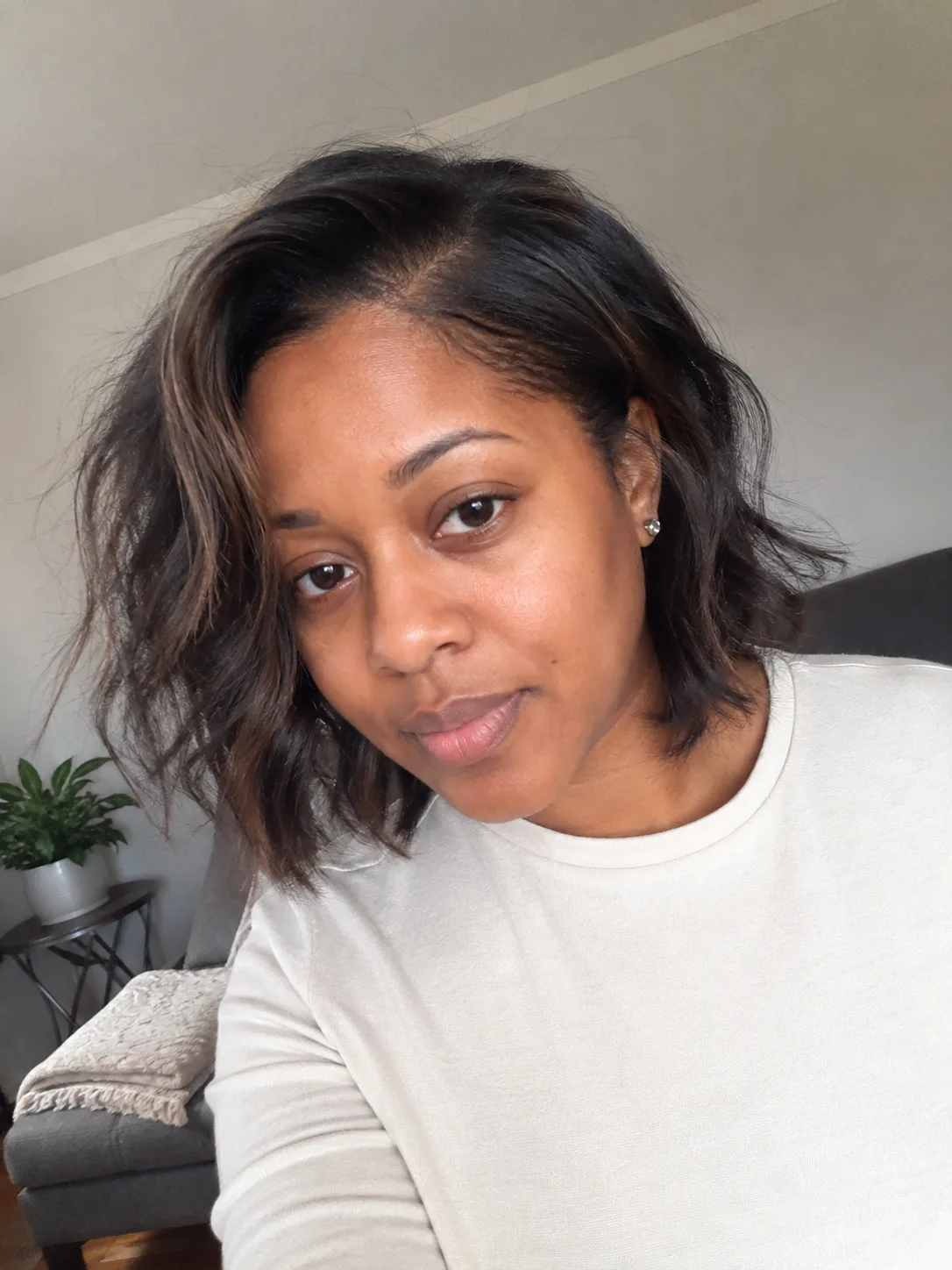
A short wolf-inspired cut keeps noticeable volume through the top and lets the lower sections narrow toward the neck. Compared with a traditional shag, the contrast between the fuller crown and slimmer lower outline tends to be more obvious. It’s worth the extra styling attention when you specifically want that top-heavy shape; readers hoping for an understated, easy-growing bob will usually be happier elsewhere.
Fringe and Face-Framing Change the Whole Cut
Short Layered Cut With Curtain Fringe
Curtain fringe connects naturally with longer face-framing layers, making the front of a short haircut feel softer without requiring a full blunt fringe. The central opening also leaves more forehead visible than straight-across bangs.
The important salon decision is how the fringe connects to the sides. A smooth transition reads soft and blended; a stronger jump in length makes the fringe stand out as its own feature.
Layered Bob With Full Fringe
A full fringe shifts attention forward immediately. Paired with a layered bob, it creates a strong frame around the eyes while the rest of the cut gains movement through the sides and back.
This can be more styling-dependent than a fringe-free bob because the front has its own drying pattern. Cowlicks, natural curl, humidity, and how the fringe sits after sleep all affect the result.
Curly fringe is an option too. It doesn’t need to be straightened to qualify as bangs. The length simply has to be planned around the curl’s spring and the amount of forehead coverage you want.
Side-Swept Layered Crop
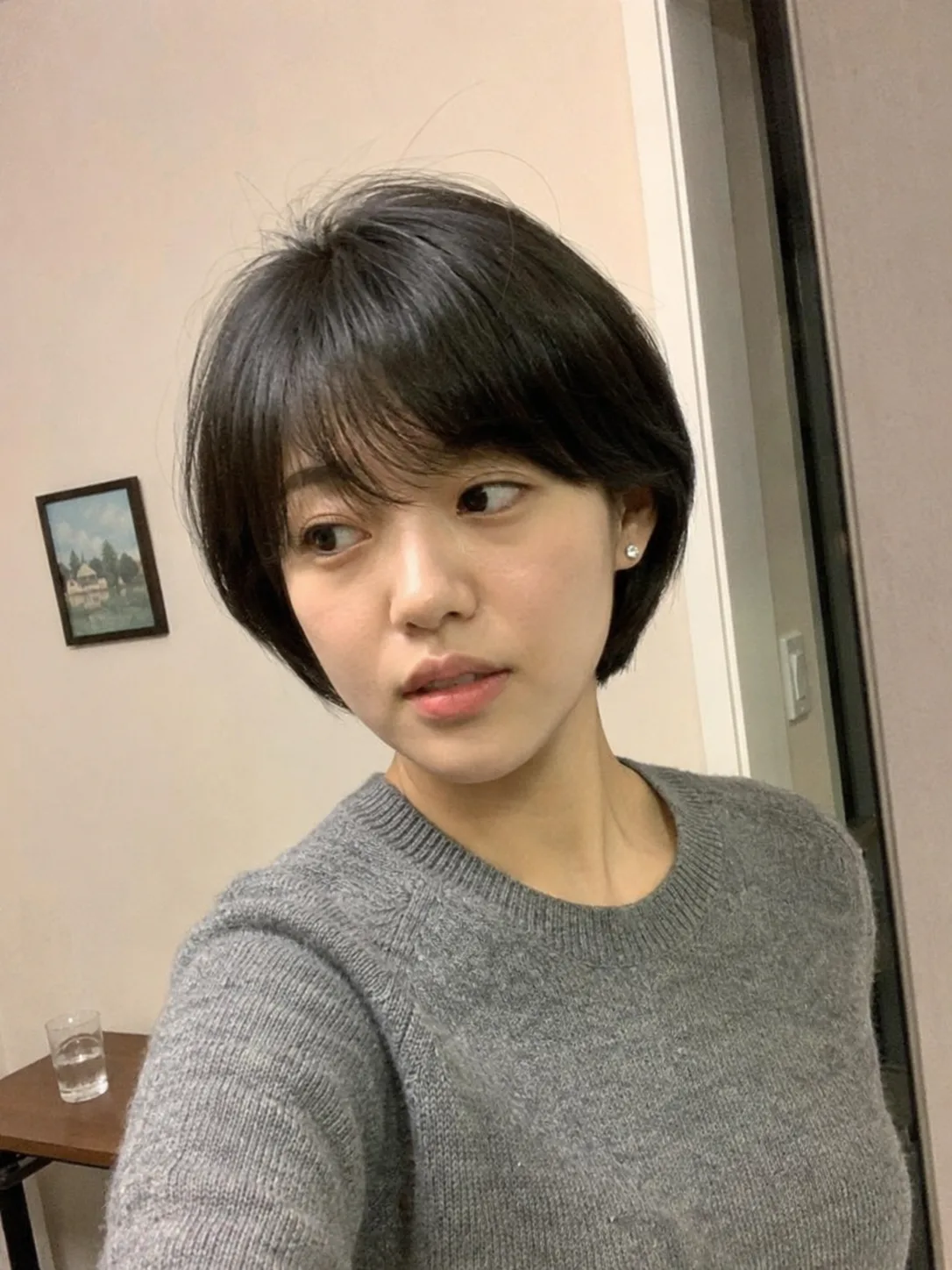
A side-swept crop puts most of its visual movement on a diagonal. One side of the front stays long enough to sweep across, while shorter layers prevent the top from collapsing into a heavy curtain. This is useful when you want short proportions with a noticeable front feature, but it makes your natural part and growth patterns more relevant than they would be in a deliberately tousled crop.
Layered Cut With Cheekbone-Length Front Pieces
Keeping the front pieces around cheekbone territory gives a short haircut movement without turning them into full bangs. They can break up a blunt front edge, soften a tucked bob, or connect a shorter crown to longer sides.
This option is especially useful for people who want framing but dislike hair sitting directly on the forehead. Ask how those pieces will behave after air-drying or curling, because bend and shrinkage can make them appear shorter than they did during the cut.
More Defined Layering for a Stronger Statement
Razor-Layered Short Crop
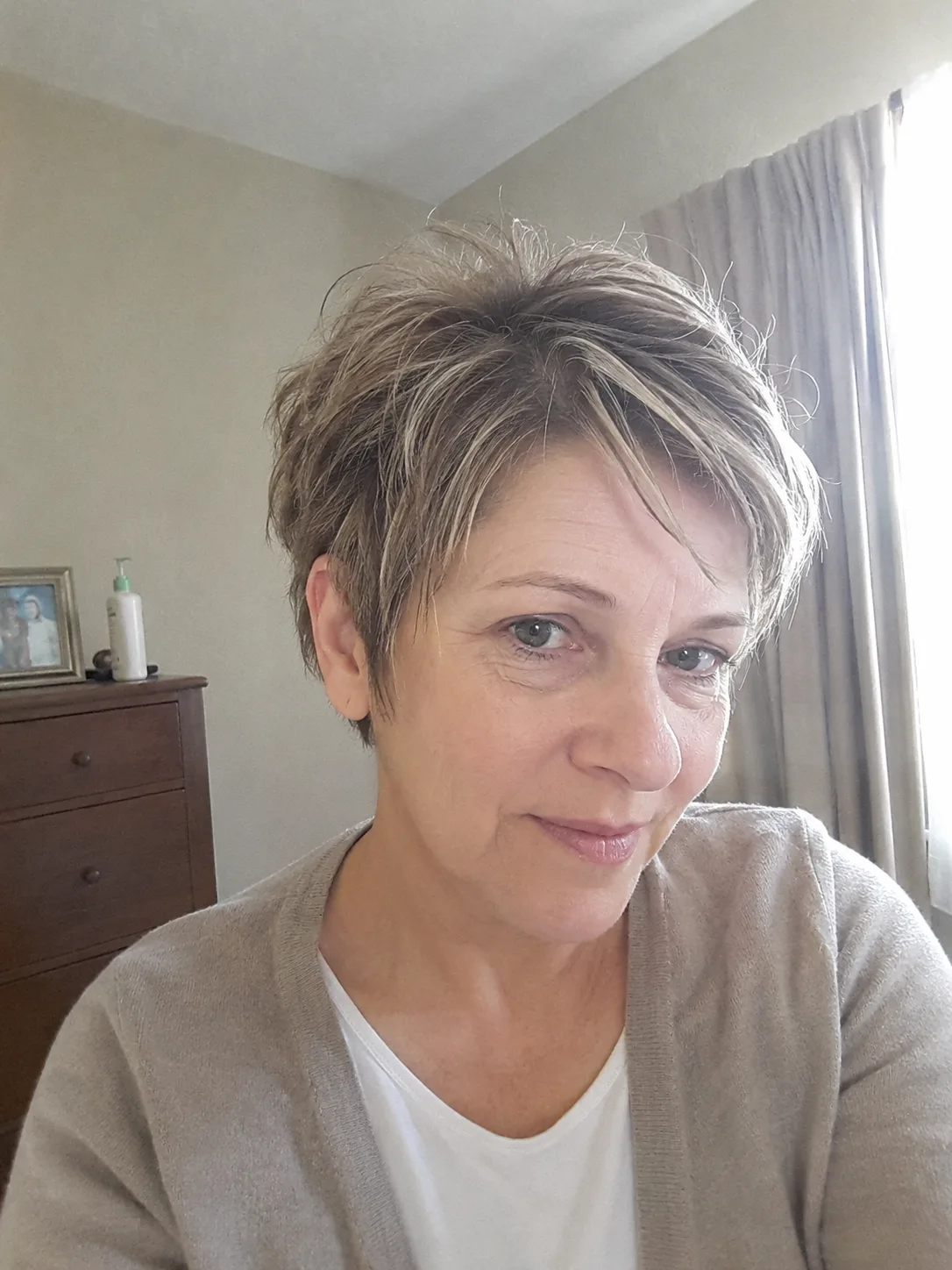
Razor cutting can create soft, feathered separation and less obviously blunt ends. On the right hair and in the right hands, it gives a short crop a light, fluid finish that moves differently from scissor-cut chunky layers.
Condition matters here. Hair that is already fragile, highly compromised, or prone to excessive breakage needs a more cautious cutting plan rather than automatically chasing the lightest possible edge. The technique should serve the hair’s condition and the desired finish.
Asymmetrical Layered Bob
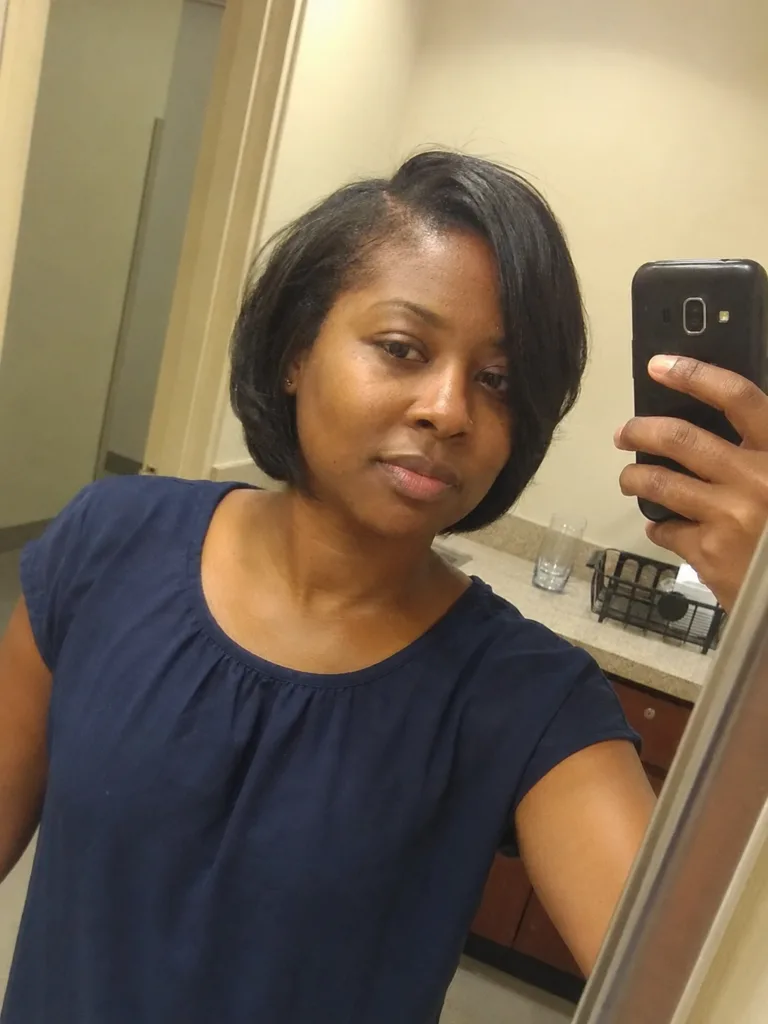
An asymmetrical bob changes the overall geometry instead of relying on minor styling differences. One side is visibly longer or carries more length through the front, while layering keeps the shape mobile rather than blocky. This is one of the stronger options in the list because the imbalance remains part of the haircut even when you aren’t styling it carefully, so choose it when you genuinely want asymmetry to be seen.
Fine Strands, Low Density, and Thick Hair Need Different Layering Decisions
“Fine” describes the diameter of individual strands. “Low density” describes having fewer strands overall. Those aren’t interchangeable, and they can call for different cutting choices.
Fine strands with medium or high density may still tolerate substantial layering because there is plenty of hair contributing to the overall shape. Low-density hair often benefits from more restraint through the interior, particularly when the lower edge already looks transparent. A strong perimeter can make healthy ends appear more substantial; a haircut can’t create actual density.
Dense hair presents a different problem. Strategic internal layering can release bulk and improve movement, but removing weight everywhere may make the haircut expand in areas you expected to become smaller. Curl pattern, strand size, and daily styling all change how much reduction makes sense.
What Short Layers Look Like Outside the Reference Photo
A photograph captures one styling session. Your haircut has to work through washing, sleeping, weather, exercise, and ordinary movement.
Short layers around the crown can stick up after sleep until they are reset. A jaw-length bob may begin flipping where it hits a high collar. Pieces around the temples can sit differently once glasses are added. Curly and coily layers can contract to different heights as moisture levels change.
The perimeter also tends to announce grow-out differently from the internal layers. A pixie may lose its clean outline around the ears and nape before the top feels long. A graduated bob can become heavier at the back as its stacked structure grows downward. A shag is often more visually forgiving during growth because irregularity is already part of its design, although the proportions will still shift.
Think about how much resetting you actually enjoy. Cuts with soft, blended layering usually leave more room for imperfect styling. Choppy crops, sculpted graduation, and strong fringe place more responsibility on the haircut’s details.
Planning Your Salon Consultation
Bring reference images, but use them to discuss construction rather than asking for an exact copy. Point out which feature attracts you: crown height, a strong jaw-level edge, wispy movement, a narrow nape, cheekbone framing, or visible curl volume.
Then discuss your real starting point. Useful details include how you normally wear your hair, whether it shrinks significantly, whether you air-dry or style it smooth, and which areas tend to become bulky or fall flat.
A few questions can make the consultation far more useful:
Where will the shortest layer sit?
How much weight will remain at the perimeter?
What will the cut look like in my normal styling state?
Which part of the shape is likely to change first as it grows?
Will I still be able to tuck the sides behind my ears?
How will the front work with my natural part, glasses, or usual fringe routine?
A stylist may cut curly or coily hair wet, dry, or through a combined approach. What matters is that the finished shape is evaluated in a state that represents how you normally wear it.
Maintaining a Short Layered Haircut
Short layers expose changes in shape quickly, but maintenance shouldn’t be reduced to one universal appointment calendar. A close pixie, soft bob, shag, and curly crop all grow out differently.
Watch the haircut itself. The crown may begin collapsing, the nape may feel bulky, fringe can stop sitting where intended, or the lower edge may lose its original relationship to the layers. Those changes are more useful signals than following a rigid schedule that ignores your growth pattern and chosen shape.
At home, concentrate on preserving the behavior you liked about the cut. Reset areas flattened during sleep, direct the roots where you want lift, and avoid turning every styling session into a fight against your natural texture. Curly and coily cuts generally make more sense when the routine supports the curl pattern the haircut was shaped around.
Sudden shedding, persistent scalp pain, redness, sores, or a concerning change in density falls outside normal haircut maintenance and is worth discussing with a dermatologist or another qualified healthcare professional.
Related Hairstyles to Explore
FAQs About Short Layered Haircuts
Do short layered haircuts make hair look thicker?
They can change the appearance of fullness by redistributing weight and creating lift, particularly around the crown. They don’t increase the number of hairs you have. Low-density hair often looks stronger when layering is selective and enough weight remains around the perimeter.
Are short layers good for curly hair?
Yes, provided the layers are planned around the curl pattern, shrinkage, density, and usual styling state. Good layering can prevent too much weight from accumulating at the bottom and help curls form a more balanced outline. The finished shape should be checked with the curls behaving close to the way you normally wear them.
Which short layered haircut is easiest to maintain?
A soft layered bob is one of the more forgiving choices because the layering is subtle and the perimeter remains clear. Highly graduated bobs, detailed pixies, full fringe, and strongly disconnected shags tend to show changes in shape sooner or require more deliberate styling.
Can you get short layers without losing much overall length?
Yes. Layers remove length from selected sections rather than necessarily shortening the entire perimeter. A stylist can keep the lower edge close to your existing length while introducing longer internal layers or face-framing pieces for movement.
Are short layered haircuts suitable for thin or thinning hair?
The terminology matters. Fine strands, naturally low density, and active thinning are different situations. Hair with fewer strands may benefit from limited internal layering and a stronger lower edge. A haircut can improve the visual shape, but it can’t restore lost density. A new or concerning density change deserves qualified assessment.
Should short layered hair be cut wet or dry?
Either approach can be appropriate. Straight and stretched hair is commonly assessed differently from curly or coily hair that changes considerably as it dries. Some stylists also combine wet and dry cutting. The useful question is whether the method lets the stylist control the technical cut while still evaluating the shape in the state you normally wear.
Hair Texture & Upkeep Style Matcher
Select your natural hair texture and daily maintenance window to get an instant styling formula and heat safety cap.
Heat Cap: 320°F (160°C)
A versatile three-strand braid beginning at the parietal ridge, securing the top half while allowing natural wave texture to flow freely around the shoulders.
Conclusion
Short layered haircuts work best when the layers have a clear job. Crown layers create lift, longer layers preserve weight, graduation builds a sculpted back, and curl-focused layers control where natural volume sits.
Before choosing the shortest or most dramatic reference photo, decide which part of the haircut you want to notice every day. Then ask where the weight will remain, where the shortest pieces will land, and how that shape will behave once your own texture, routine, and grow-out take over.
Editorial Standards & Hair Health Guidance
Every style featured on Tress Atlas is curated with a focus on real-world wearability, scalp tension management, and cuticle preservation. When trying protective styles or tight updos, ensure perimeter hairline sections remain tension-free to avoid traction stress on delicate follicles. For heat styling, cap tools below 350°F (180°C) to prevent thermal keratin denaturation.
Scientific Sourcing: Practices aligned with the American Academy of Dermatology (AAD) on traction alopecia risk reduction and cosmetic trichology research on hair tensile strength.