Short Hair for Kids: Choosing a Cut That Works in Real Life
Short hair for kids can make mornings easier, reduce tangling, and keep hair away from the face during school, sports, and play. The part that deserves more thought is the haircut itself. A short style that looks simple in a photograph may rely on frequent reshaping, careful curl styling, regular detangling, or a child who is comfortable having hair handled around the ears and neckline.
The most practical cut is one that works with the child’s usual hair state and daily routine. A curly cut should make sense when the curls are actually worn curly. A straight or wavy crop needs enough shape to behave reasonably after sleeping on it. Coily hair needs length decisions that account for shrinkage instead of judging only the stretched measurement.
Comfort deserves equal weight. Kids shouldn’t have to tolerate pulling, painful detangling, stiff styling, or a haircut they strongly dislike simply because the result is convenient for adults.
Before choosing a short cut, decide what you want it to solve. Less detangling? Faster washing? Fewer ponytails? Better comfort during sports? A neater grow-out? Those answers lead to a better haircut than choosing by the photograph alone.
What Counts as Short Hair for a Child?
Short hair covers more than one look. It can mean a closely cropped cut, a longer pixie, a short curly shape, a tapered cut, an ear-length bob, or a cut that leaves enough length on top for twists, braids, clips, or small ponytails.
The amount of exposed neck and ear area changes how a haircut behaves. A crop that sits well above the ears usually feels very different from a chin-length bob, even though both may be described as short. The shorter cut removes more hair from the daily routine but also makes its outline more visible as it grows.
Hair texture changes the apparent length too. Straight hair tends to show its cut length directly. Waves can spring upward after drying. Curls and coils may shrink substantially, so a cut that appears moderately short while stretched can look much shorter in its everyday state.
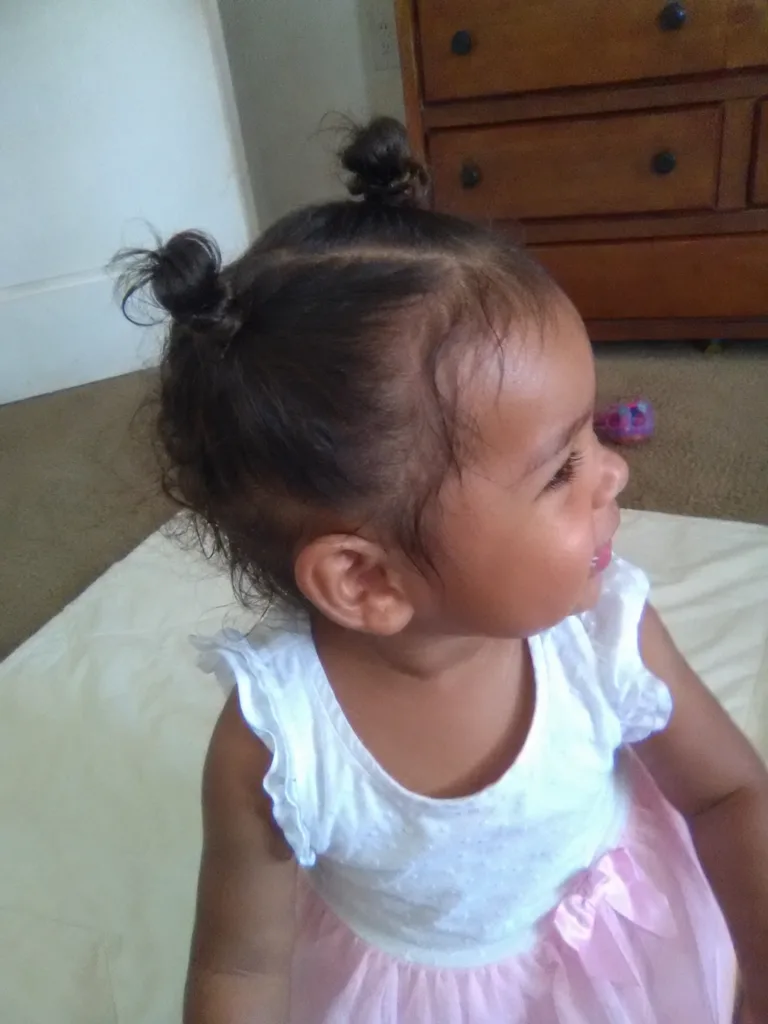
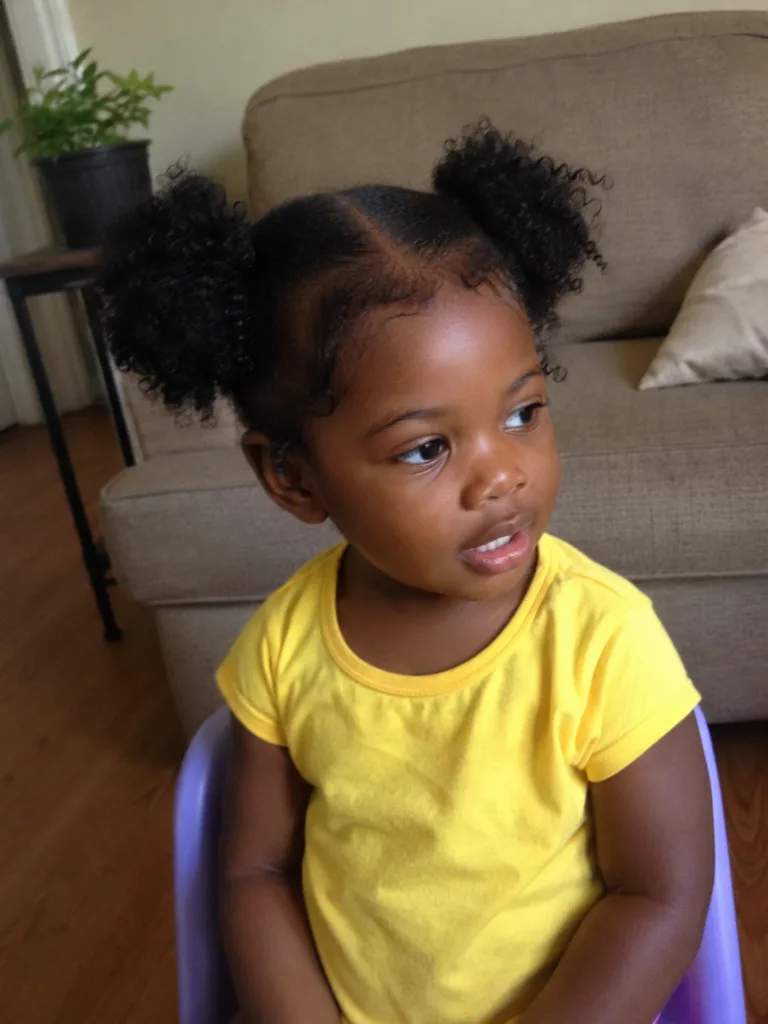
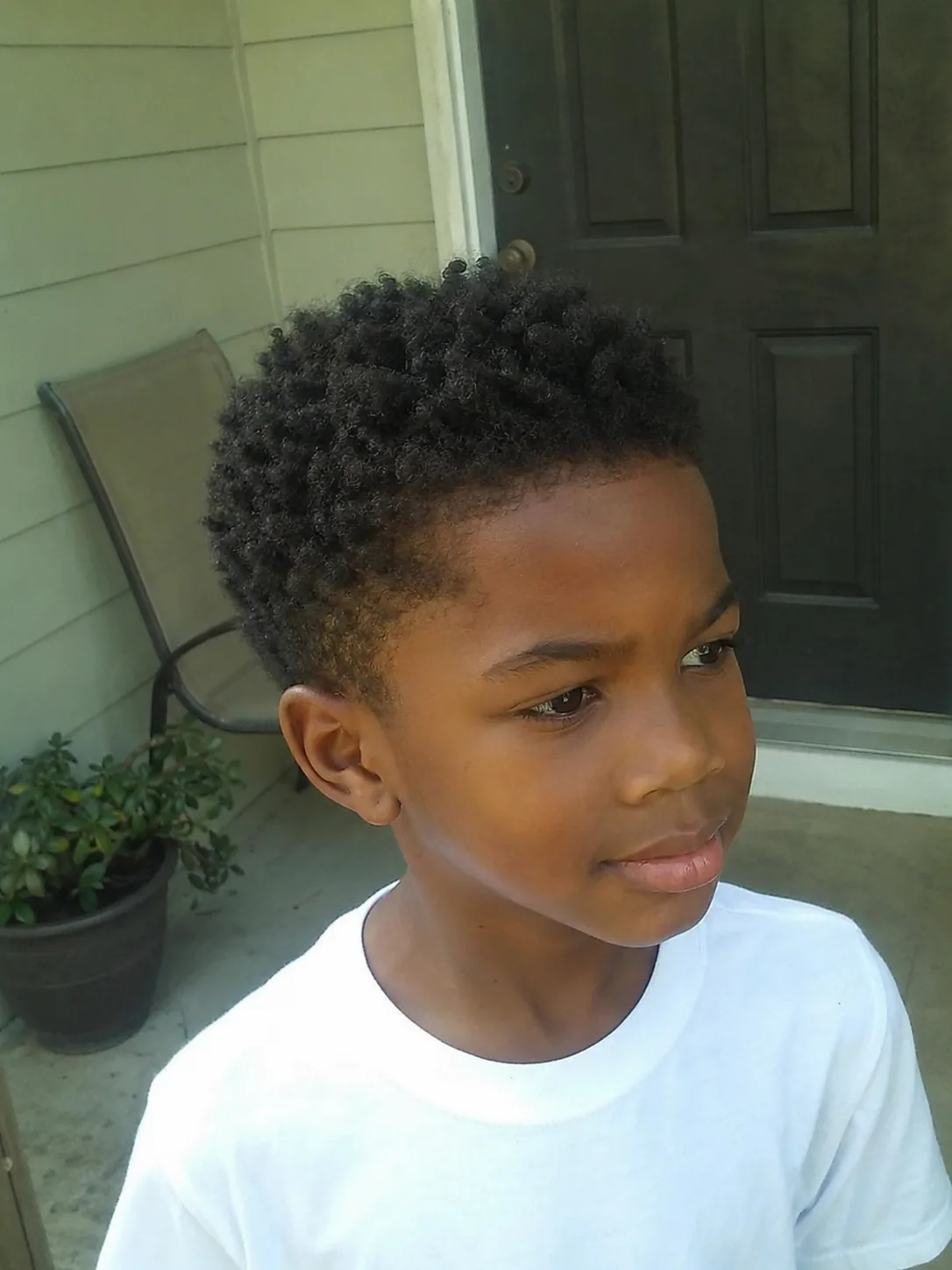
For children with dense curls or coils, leaving more length through the top can preserve styling flexibility while reducing bulk at the sides and back. A child who likes barrettes, mini twists, braids, or other small styles may prefer this over an all-over crop.
A reference image helps, but look beyond the hairstyle name. Notice where the hair meets the ears, whether the neckline is exposed, how much length remains at the crown, and whether the photo shows natural, stretched, blow-dried, or otherwise styled hair.
Start With the Child’s Everyday Hair State
A haircut works best when it’s designed around how the hair is worn most of the time.
Natural curls and coils should be judged in their usual finished state because shrinkage affects both length and shape. Cutting based only on fully stretched hair can hide how much the hair will lift once it contracts. Some curly and coily cuts are performed dry, some wet, and some with a combination of methods. The important part is assessing the final shape in the state the child normally wears.
Straight and wavy hair presents a different problem. Short pieces around the crown can stick up after sleep, while a strong cowlick can redirect a fringe or front section. Removing more length may make those growth patterns more noticeable.
Fine strands and low density also need to be separated. Fine hair describes the diameter of individual strands; low density means there are fewer strands overall. Heavy interior removal in low-density hair can leave the perimeter looking sparse, while a cleaner edge may give the lower part of the haircut more presence.
With dense hair, removing some bulk may improve movement, but aggressive thinning isn’t automatically an advantage. Very short internal pieces can spring outward, especially through wavy, curly, or coily textures.
The haircut should cooperate with the hair the child actually wakes up with.
Short Haircuts That Make Sense for Different Routines
There isn’t one short haircut that works equally well for every child. A few broad shapes are especially useful because they solve different practical problems.
The simple crop
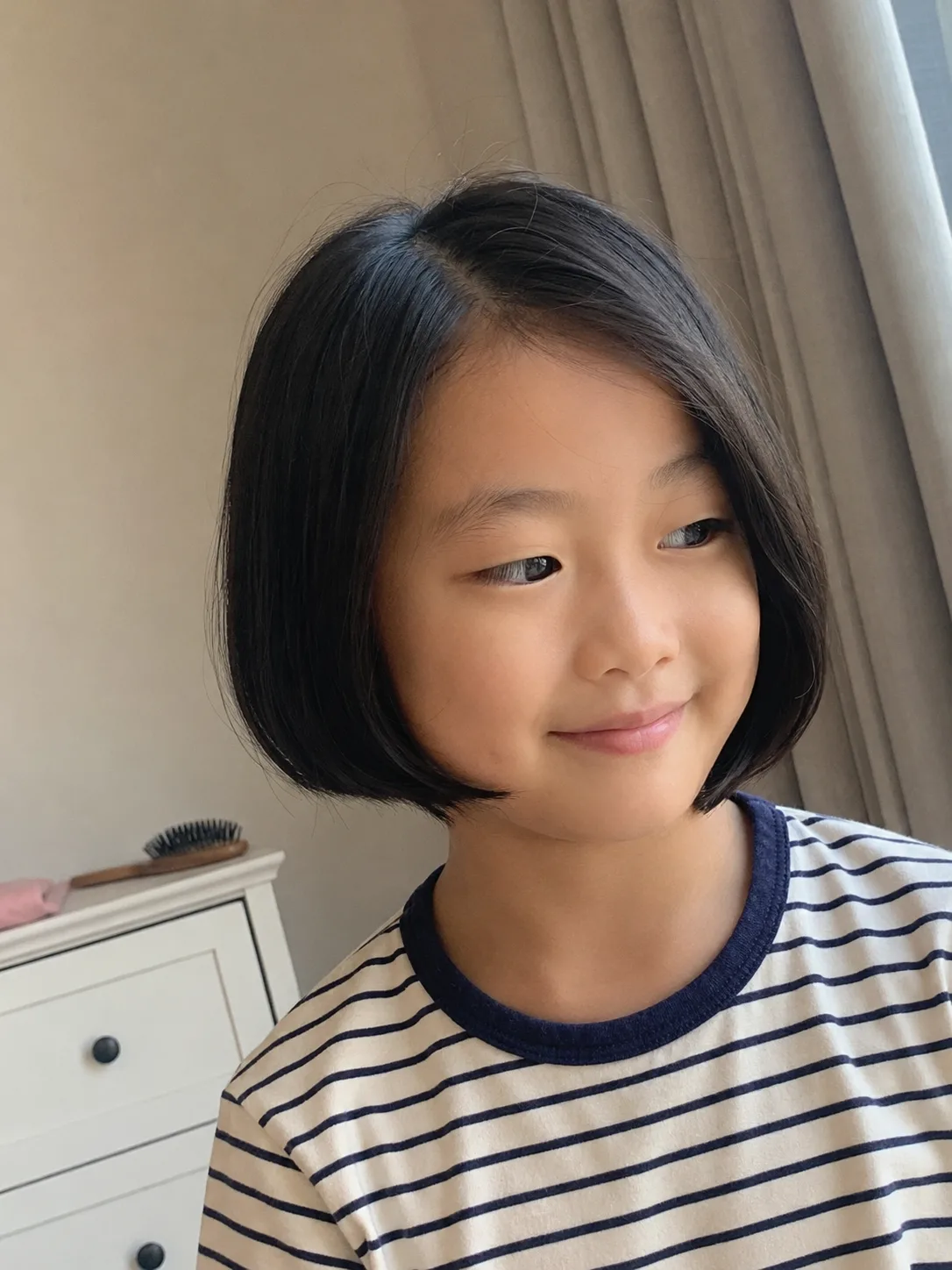
A crop removes much of the length that creates tangles and can be particularly convenient for active children. The strongest versions follow the child’s natural growth pattern instead of forcing every area to lie in one direction.
Very short hair also exposes the haircut’s outline. As the sides, neckline, and area around the ears grow, the change becomes obvious earlier than it would on a longer style. Parents choosing a crop primarily to reduce maintenance should consider whether periodic reshaping fits their routine.
The longer pixie
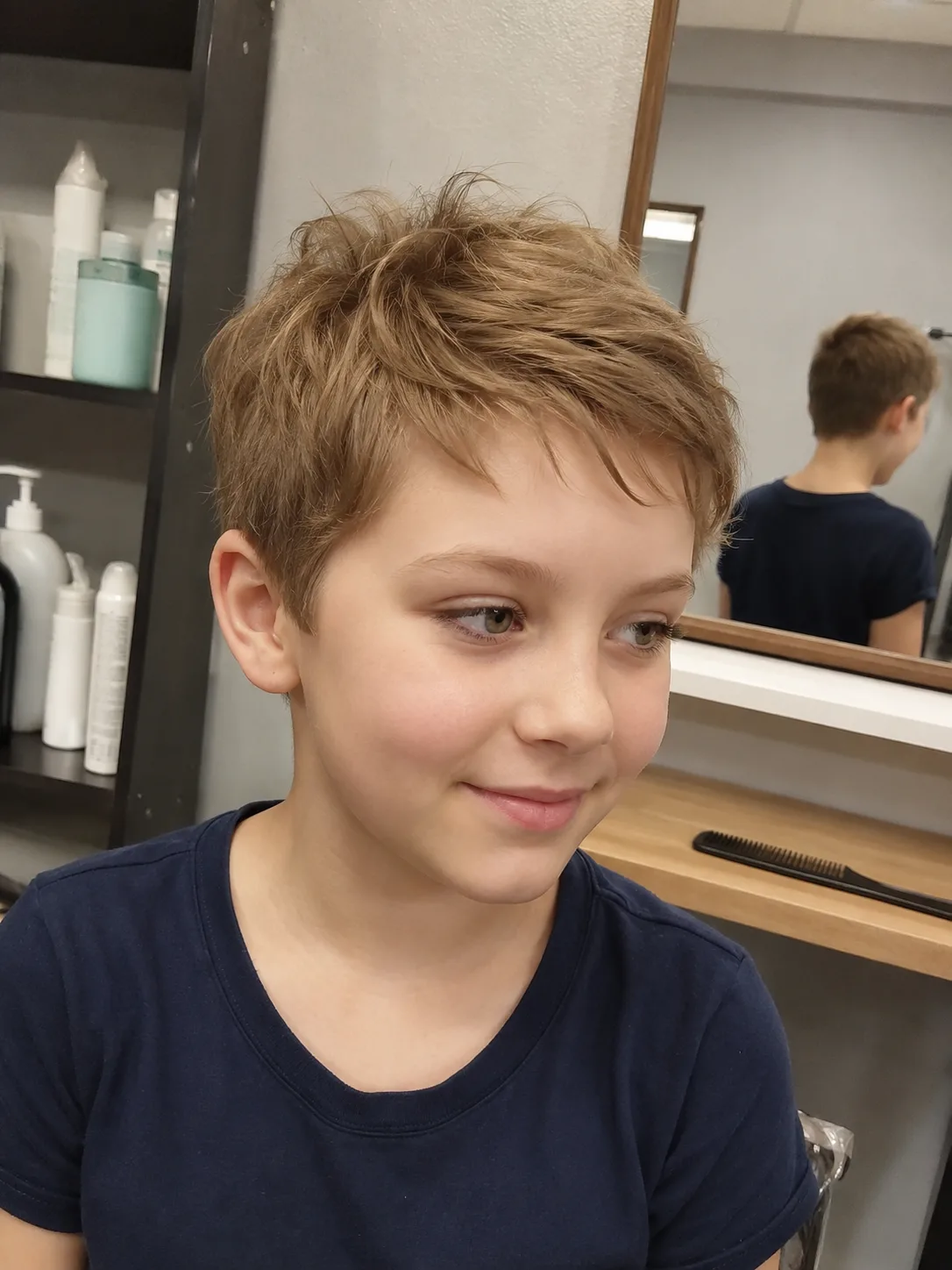
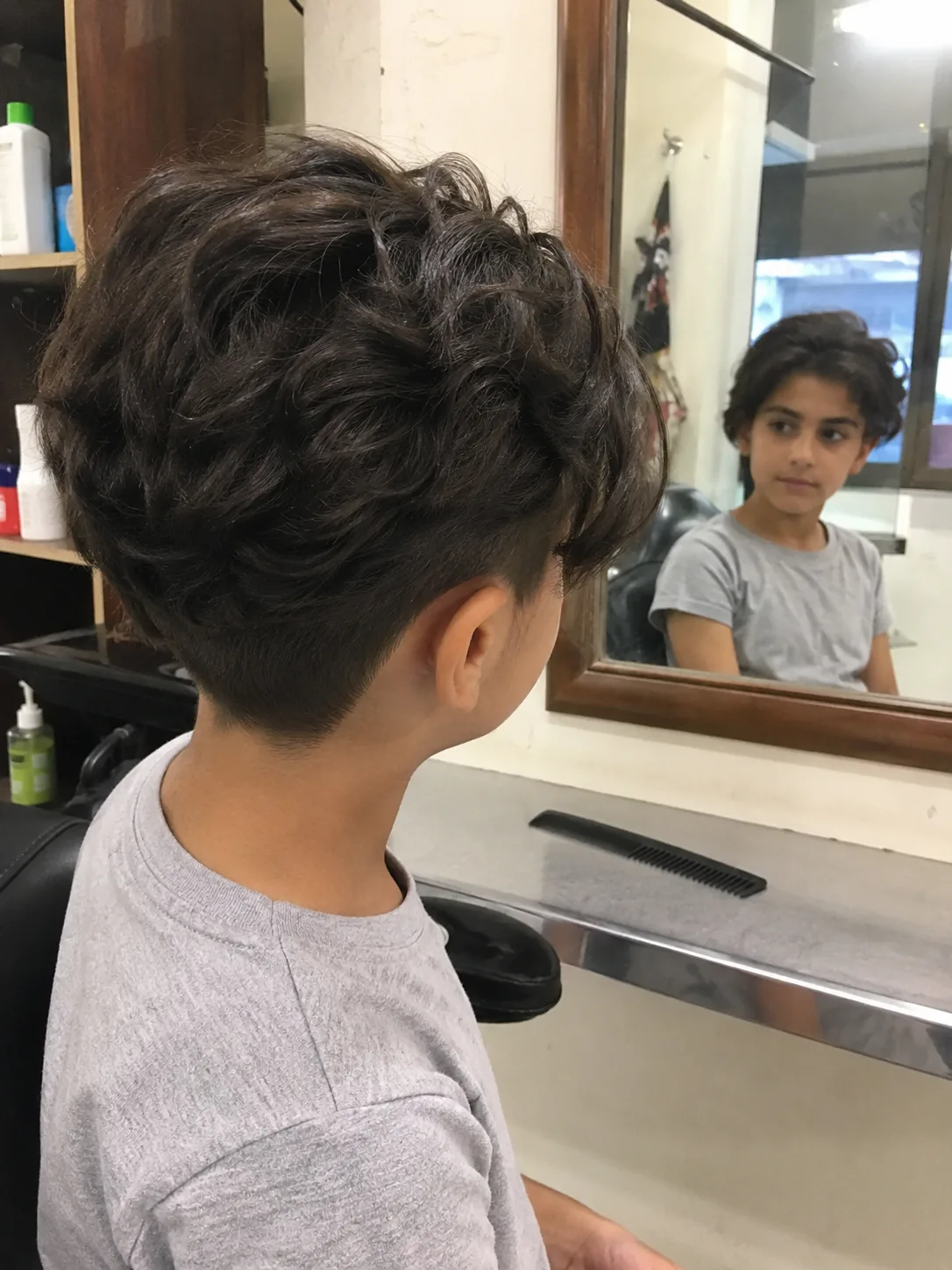
A longer pixie keeps the sides and back relatively short while leaving extra movement through the crown or front. It gives a child more styling variety than an all-over crop and can accommodate clips, a side sweep, curls, or textured pieces.
The front length matters. A long fringe can repeatedly fall into the eyes during reading, sports, or meals. Keeping enough length to move the hair aside or secure it can be more useful than choosing an awkward in-between length.
The ear-length bob
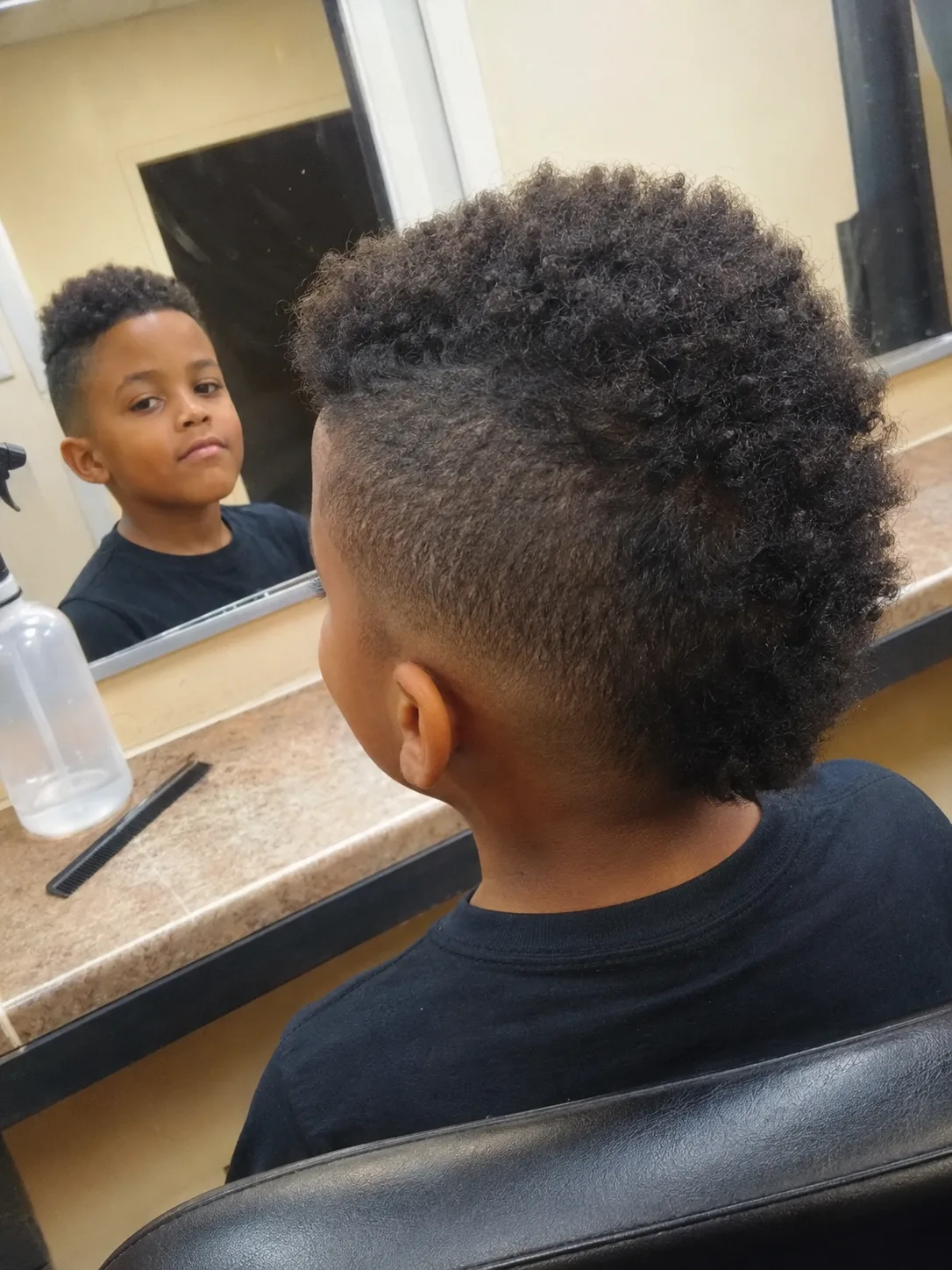
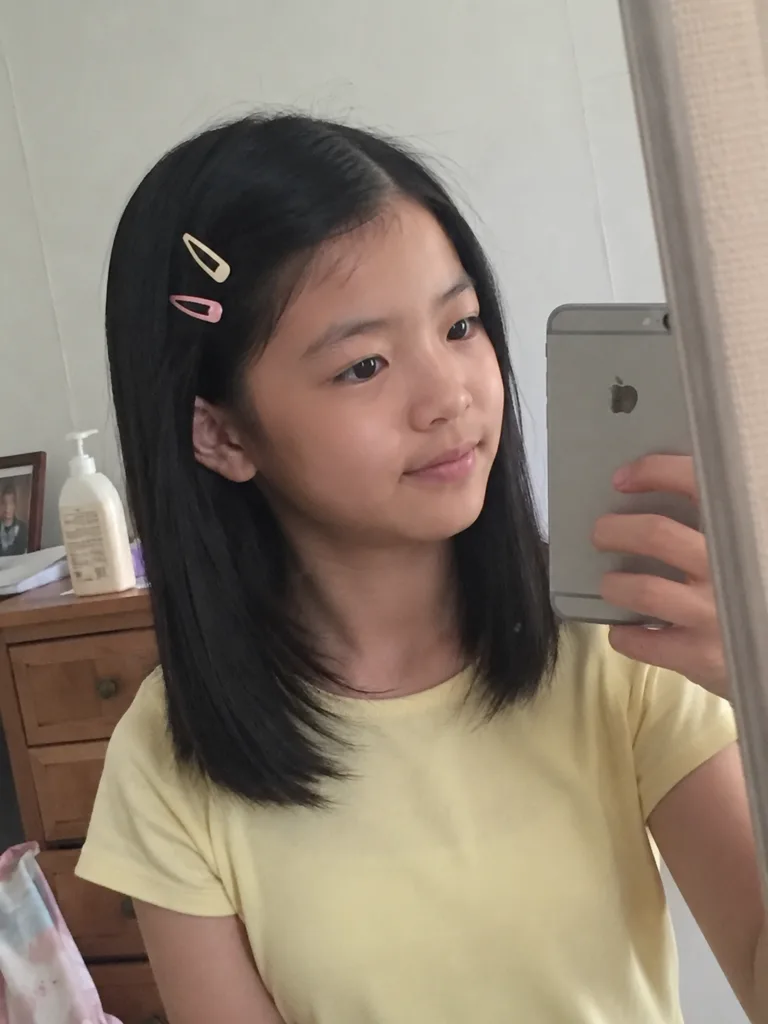
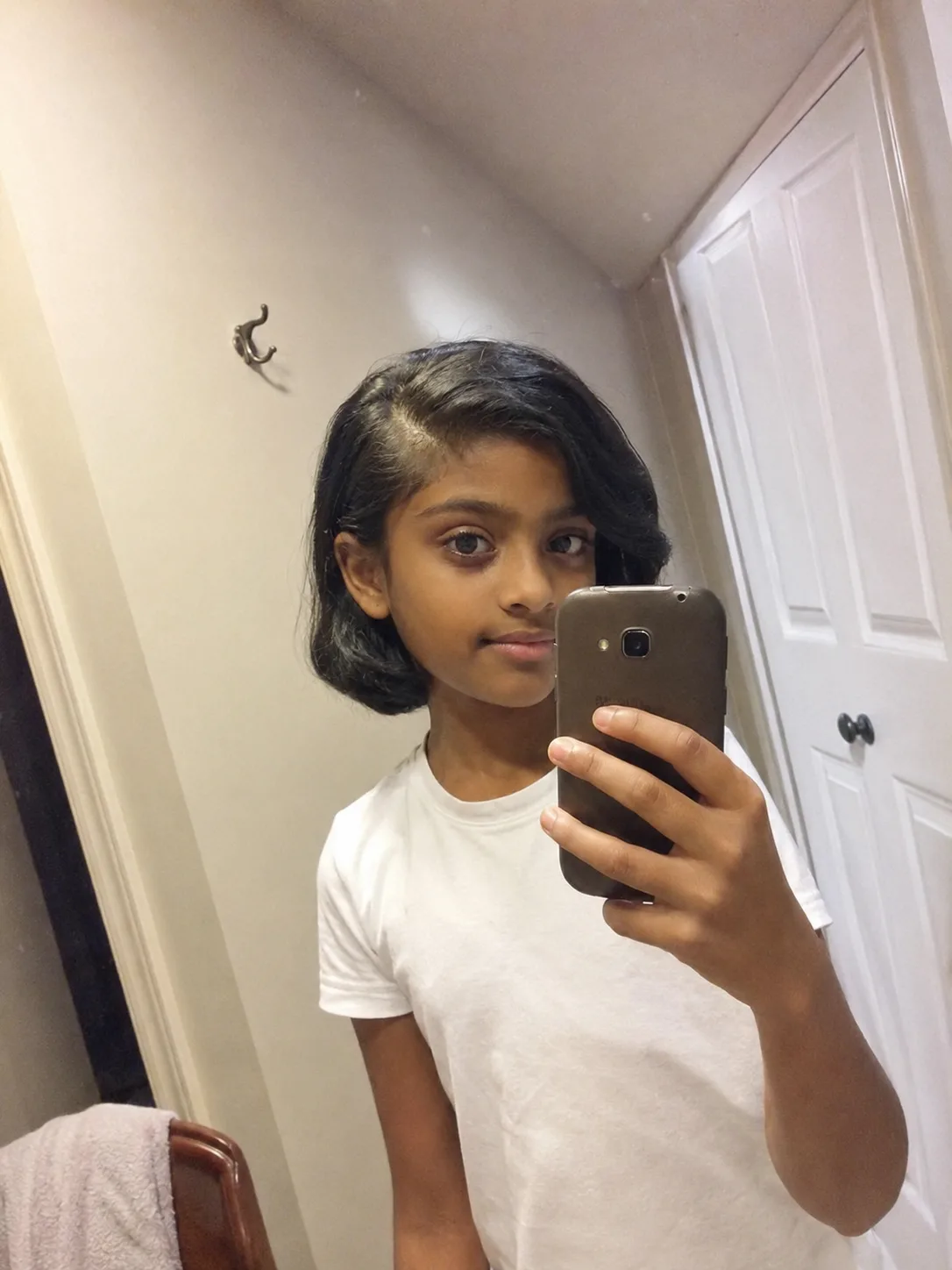
For a child who wants short hair without moving into crop territory, a bob around the ears or jaw is a practical middle ground. It removes much of the length from the back while preserving a clear, familiar shape.
The hidden issue is the collar line. A bob that ends exactly where it meets a jacket, hoodie, or school uniform collar can flip outward during the day. That isn’t a haircut failure; it’s a physical consequence of hair repeatedly rubbing against clothing.
A bob is one of the stronger options for families that want easier detangling while keeping enough hair for clips, headbands, or partial tying.
The short curly shape
Curly hair often benefits more from deliberate shaping than from simply cutting everything to one length. Length can be distributed to keep the crown from becoming too flat or the sides from expanding far beyond the intended outline.
Shrinkage needs to be visible during the decision. A curl near the cheek while stretched may sit much higher after drying.
The practical advantage is that short curly hair can retain movement without carrying the detangling workload of longer lengths. It still needs gentle cleansing, conditioning, and styling appropriate to the child’s curl pattern and comfort.
The tapered curly or coily cut
A taper keeps more length through selected areas while gradually reducing it around the sides or neckline. It works particularly well when a child wants visible curls or coils on top but less bulk elsewhere.
This shape provides more flexibility than an extremely close cut. Depending on the remaining length, the top may be worn loose, defined, twisted, or lightly accessorized.
A taper is also more haircut-dependent than a soft bob. The contrast between the shorter and longer areas is part of the design, so grow-out changes the look noticeably.
Don’t Sacrifice Styling Flexibility Too Quickly
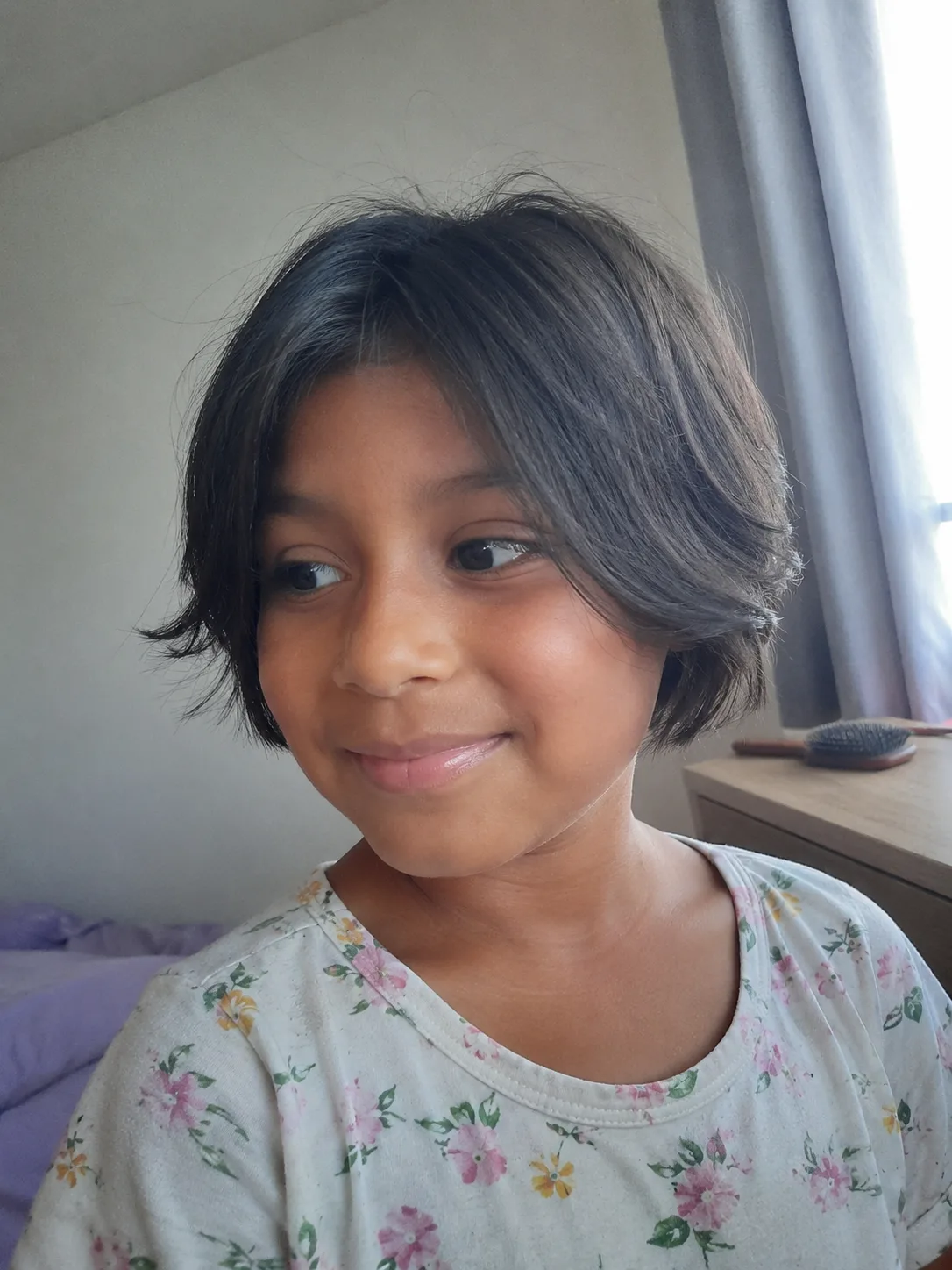
Cutting hair short can reduce daily work, but removing too much length can eliminate useful options.
This matters for kids whose routines change. Loose hair may be ideal most school days, while dance, swimming, gymnastics, football, or another activity creates a need to secure it away from the face. Enough length for a clip, headband, small twist, or short ponytail can make the haircut more adaptable.
Curly and coily hair deserves particular attention here. A stretched section that appears long enough for a small braid or twist may become significantly shorter after shrinkage. Discuss the child’s usual styles before choosing how much to remove.
A child who enjoys changing their hair may also find an extremely short cut limiting. Short doesn’t have to mean one styling option. Longer crown sections, a shaped fringe, or enough hair for small twists can preserve some variety.
Accessories need to be comfortable. Hard clips pressing against the scalp, tight elastics, or repeated pulling at the same small sections can make a simple style unpleasant. Fabric-covered elastics, smooth clips, or a soft headband may be easier depending on the hair and activity.
The Hairline, Ears, Glasses, and Sensory Comfort Matter
Short cuts bring the areas around the face into focus. That can make tiny practical details surprisingly important.
Hair around the ears may interfere with glasses arms. A bulky temple section can repeatedly lift when glasses are taken on and off, while an extremely close cut may feel unfamiliar to a child who prefers some coverage around the ears.
Some children dislike clippers near the ears or neck. Others find longer hair touching the face more irritating than the sound or sensation of a close haircut. Comfort preferences should influence the plan.
Fringe is another decision. A short fringe can stay clear of the eyes but leaves fewer options for moving it aside as it grows. A longer one offers flexibility but may require clips or regular repositioning.
Cowlicks deserve attention before the first snip. A strong growth pattern near the hairline or crown can cause short pieces to stand away from the head. Leaving slightly more length in that area may give the hair enough weight to settle more predictably.
There is no need to force every short haircut into a face-shape formula. For children, practical considerations such as visibility, comfort, glasses, hair movement, and personal preference are usually more useful.
Short Hair Can Reduce Work Without Becoming Maintenance-Free
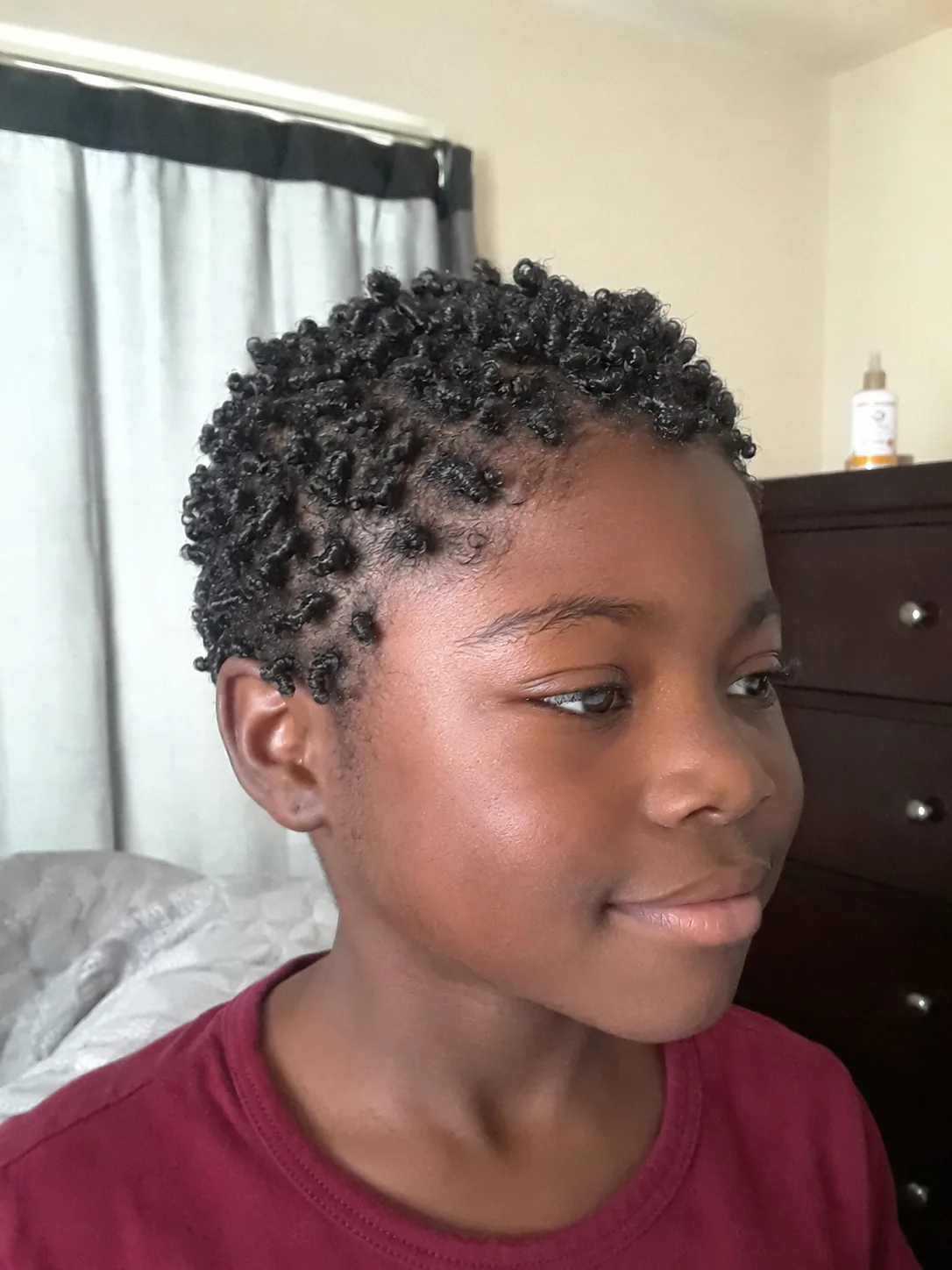
The phrase low maintenance can be misleading with children’s hair. Shorter hair may reduce detangling and drying work, but the haircut itself can require attention.
A closely shaped crop loses its original outline as the hair grows. A bob may remain wearable longer because its basic structure changes more gradually. Curly shapes can expand in different areas depending on shrinkage and growth.
Morning styling also depends on texture. Straight hair may flatten on one side after sleeping. Waves may need a little water and reshaping. Curls or coils may need gentle rehydration, finger arranging, or attention to sections that became compressed overnight.
Short hair still needs cleansing based on the child’s scalp, activity level, buildup, and styling routine. A universal wash schedule isn’t useful because a child who swims frequently has different needs from one with a lower-activity routine.
Nighttime friction can also affect the result. A smooth pillowcase, scarf, or bonnet may reduce tangling and roughness when the child is comfortable wearing one. It won’t correct a poor haircut or replace proper conditioning.
The easier routine is usually the haircut that still looks acceptable on an ordinary morning, not only after careful styling.
Curly, Coily, and Natural Short Hair Needs Its Own Plan
Short natural hair shouldn’t be approached as a smaller version of straight hair.
Shrinkage is one of the first considerations. The visible finished length can differ sharply from the length seen during stretching or washing. Ask that the haircut be evaluated after the curls or coils settle into the state the child normally wears.
Shape also matters more as length decreases. Extra volume through the sides creates a rounder result. More height through the top creates a different outline. A taper changes the distribution again. None of those is inherently better; the strongest choice depends on the desired look and daily routine.
Detangling should remain gentle. Shorter length can make sectioning easier, but tightly coiled hair may still tangle close to the roots. Working in manageable sections with adequate slip is more comfortable than pulling a brush repeatedly through resistant areas.
Braids and twists remain possible when enough length is retained. Small sections should never be pulled tightly just because short hair is harder to grip. Added hair also deserves caution with children: heavy extensions or excessive tension at small sections create an unnecessary load.
Natural short hair can be worn in its own texture without being pressed straight to make the haircut look finished.
Let the Child Have a Say in the Cut
A practical haircut still has to belong to the person wearing it.
Children may care strongly about whether their ears show, whether they can still use a favorite hair clip, whether their curls remain visible, or whether they can tie part of the hair back. Those details can seem minor during an adult consultation but become the reason a child dislikes the finished haircut.
Show reference photos that resemble the child’s actual hair state where possible. A sleek straight bob isn’t an especially useful predictor for a child who will wear a springy curly bob every day.
It also helps to describe the change in concrete terms. Instead of talking only about taking several inches off, discuss what will happen: the neck will show, the hair won’t reach an elastic anymore, the curls will sit higher, or the ears will be more visible.
For a child who feels uncertain about a dramatic change, leaving a little more length initially preserves options. Hair can always be shortened further during the appointment once the new shape becomes easier to visualize.
Preference isn’t an obstacle to practicality. A haircut that a child constantly tries to hide, pull, or change creates its own maintenance problem.
Plan the Salon Conversation Around Daily Life
A useful haircut consultation should go beyond showing one photo.
Explain how the child’s hair is normally worn. Mention whether it air-dries, curls naturally, gets stretched, is usually brushed smooth, or tends to be put into small braids or twists. That gives the stylist more relevant information than a photograph by itself.
Also describe the routines the haircut needs to handle. Frequent swimming, helmets, glasses, school uniforms, dance, and sports can all change where hair rubs, falls, or needs to be secured.
Before cutting, clarify a few visible decisions:
How much of the ears should show?
Should the neckline be exposed or covered?
Does the child want enough length for clips, twists, or tying?
How short should the front be around the eyes?
Will the hair normally be worn curly, coily, wavy, straight, stretched, or another way?
For curls and coils, ask how the final shape will be assessed after shrinkage. For straight and wavy hair, point out any cowlicks or areas that routinely stick up.
The photograph should guide the conversation, not dictate an identical result. Hair density, strand size, curl pattern, growth direction, and the child’s usual styling state all affect what the same haircut looks like on a different head.
Growing Out Short Hair Without Fighting Every Stage
Parents sometimes hesitate over short hair because of the grow-out. The transition is easier when the original cut leaves a structure that can gradually soften.
A very close crop shows change around the ears and neckline first. Longer pixies often reach an awkward stage where the front and crown have enough length to move but the shorter sides haven’t yet joined them. Bobs tend to grow more predictably because the overall perimeter remains recognizable.
Accessories can help during transitional stages. A headband can control front pieces. Small clips can move growing fringe away from the eyes. Curly and coily hair may offer additional flexibility through twists or small sections once enough length returns.
Avoid treating every uneven-looking stage as a reason to remove more hair. Sometimes reshaping the perimeter while preserving length in the areas being grown is the more useful move.
Hair growth also doesn’t need to become a countdown toward long hair again. A child may prefer the shorter shape and simply want it adjusted as their preferences change.
A Practical Checklist Before Choosing Short Hair for a Kid
Before the haircut, make sure the plan answers the questions that affect everyday life:
The child is comfortable with the general amount of length being removed.
The reference style resembles the hair’s usual styling state closely enough to be useful.
Shrinkage has been considered for curly or coily hair.
The front won’t repeatedly interfere with the child’s vision or activities.
Glasses, helmets, headbands, or other regularly worn items have been considered.
Enough length remains for any styling options the child wants to keep.
The household routine can manage the amount of reshaping the haircut is likely to need.
Detangling and styling can be done without unnecessary pulling.
The child understands what will look visibly different, such as exposed ears or a shorter neckline.
Related Hairstyles to Explore
- Cute Hairstyles For Kids
- Hairstyles For Little Kids
- Quick and easy hairstyles for kids
- Short hairstyles for black women
FAQs
Is short hair easier to manage for kids?
It often reduces tangling, brushing, and the amount of hair that needs washing or drying. Ease still depends on the haircut. A detailed crop that needs frequent reshaping or a fringe that must be reset every morning may create more work than a slightly longer, simpler shape. Choose according to the child’s texture and normal routine.
Can kids with curly or coily hair wear very short cuts?
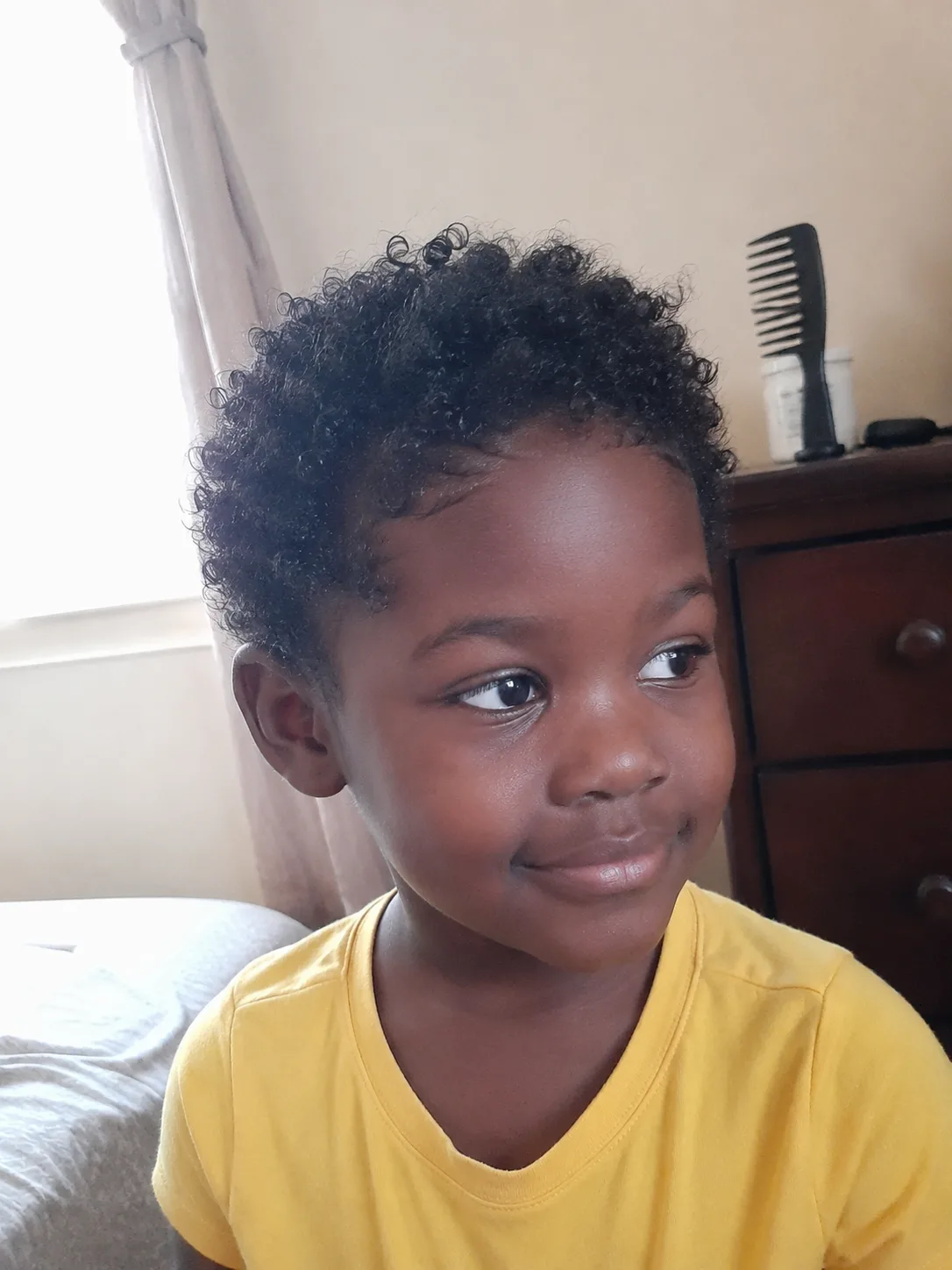
Yes. Crops, tapers, short rounded cuts, and longer-on-top shapes can all work with curls and coils. The main planning issue is shrinkage. The finished haircut should be evaluated in the state the child normally wears so the visible length and balance aren’t based only on stretched hair.
What if my child wants short hair but still likes braids or ponytails?
Keep strategic length instead of cutting every area equally short. A longer top, ear-length shape, or slightly longer perimeter may preserve options for clips, small twists, braids, or partial ponytails. Tell the stylist which styles the child wants to continue wearing before the cut begins.
What should I do if a short hairstyle seems to cause scalp pain or irritation?
Pain isn’t something a child should be expected to tolerate for a hairstyle. Loosen or remove anything creating obvious pulling, including tight elastics, braids, clips, or added hair. Persistent pain, redness, sores, sudden shedding, or a concerning change in density should be discussed with a dermatologist or another qualified healthcare professional rather than diagnosed through styling advice.
Hair Texture & Upkeep Style Matcher
Select your natural hair texture and daily maintenance window to get an instant styling formula and heat safety cap.
Heat Cap: 320°F (160°C)
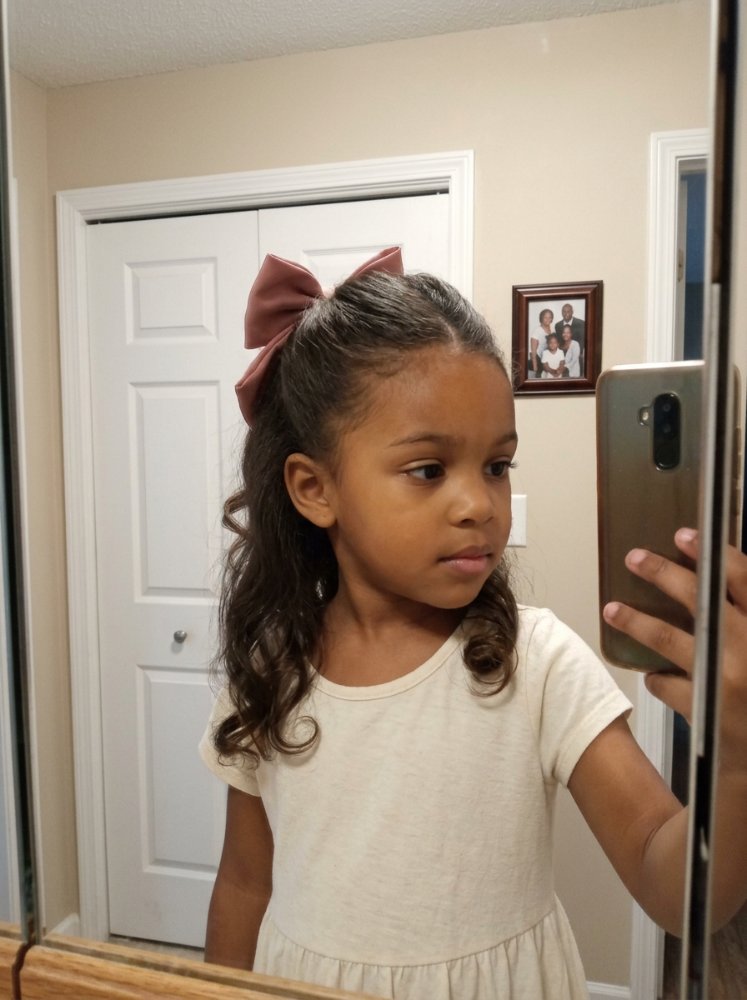
A versatile three-strand braid beginning at the parietal ridge, securing the top half while allowing natural wave texture to flow freely around the shoulders.
Conclusion
Short hair for kids works best when the haircut removes the problems the family actually wants to solve without creating a new routine the child dislikes. A very short crop offers maximum length reduction but makes grow-out and haircut shape more visible. A bob or longer pixie keeps more styling flexibility. Curly and coily cuts need enough attention to shrinkage and everyday texture that the child recognizes the haircut after it dries.
Choose the everyday version of the haircut, not just the best photograph of it. Before the first cut, settle three practical details: how much length the child wants to keep, how the hair will normally be worn, and which activities or styling options the haircut still needs to accommodate.
Editorial Standards & Hair Health Guidance
Every style featured on Tress Atlas is curated with a focus on real-world wearability, scalp tension management, and cuticle preservation. When trying protective styles or tight updos, ensure perimeter hairline sections remain tension-free to avoid traction stress on delicate follicles. For heat styling, cap tools below 350°F (180°C) to prevent thermal keratin denaturation.
Scientific Sourcing: Practices aligned with the American Academy of Dermatology (AAD) on traction alopecia risk reduction and cosmetic trichology research on hair tensile strength.