Formal Hairstyles for Long Hair: 22 Elegant Ideas and How to Choose
Long hair gives you plenty of formal styling options, but more length doesn’t always make an elaborate hairstyle the smarter choice. The real decision is where you want the hair’s weight to sit, how much movement you want around the face and shoulders, and whether the style needs to survive dancing, photographs, travel, a veil, or hours of sitting.
A high sculpted bun can keep every inch off your neckline, while a low chignon feels softer and usually interferes less with headrests. Long waves showcase the hair itself but leave the ends exposed to humidity, clothing friction, and constant repositioning. Braided styles can add structure without requiring a glass-smooth finish.
Use the event, your usual styling state, and the neckline of your outfit to narrow the options before focusing on decorative details.
Formal Updos That Keep Long Hair Completely Off the Shoulders
Low Chignon
A low chignon is one of the most useful formal hairstyles for long hair because it controls a lot of length without making the crown feel visually heavy. The hair gathers near the nape and folds, rolls, or coils into a compact shape. A center part can make it feel restrained and architectural; a softer front creates a more romantic effect.
Long hair gives the chignon enough material to look substantial, but extremely dense hair may create a wider bun than the reference photograph suggests. The internal pinning matters more than adding extra decoration.
This is a particularly strong choice with open backs, statement earrings, or dresses that already have considerable detail. Check where the bun sits against a collar before the event. A beautiful nape placement can become annoying when a stiff neckline repeatedly pushes it upward.
French Twist
For a sharper, more vertical shape, the French twist uses long hair unusually well. Instead of spreading the length into a round bun, the hair folds upward through the back of the head, creating a clean line from the nape toward the crown.
The style tends to look more structured than a loose chignon and can work beautifully with minimalist gowns, tailored formalwear, or events where you want the hairstyle to feel deliberate without being ornate. Long, very layered hair may need more strategic pinning because shorter pieces can escape from the roll.
High Sculpted Bun
A high bun puts the hairstyle where it will be visible from almost every angle. That makes it effective for dramatic formal looks, especially with high necklines or shoulders you don’t want hidden by long hair.
Height changes the physical feel, though. A large amount of hair sitting high on the head can create noticeable pull if the base is made too tight. The bun can also become broader than expected when long hair is especially dense.
A compact base with the remaining length wrapped or pinned around it usually gives more control than trying to secure the entire mass in one motion. Keep delicate perimeter hairs out of the foundation when pulling them tightly would create discomfort.
Twisted Low Updo
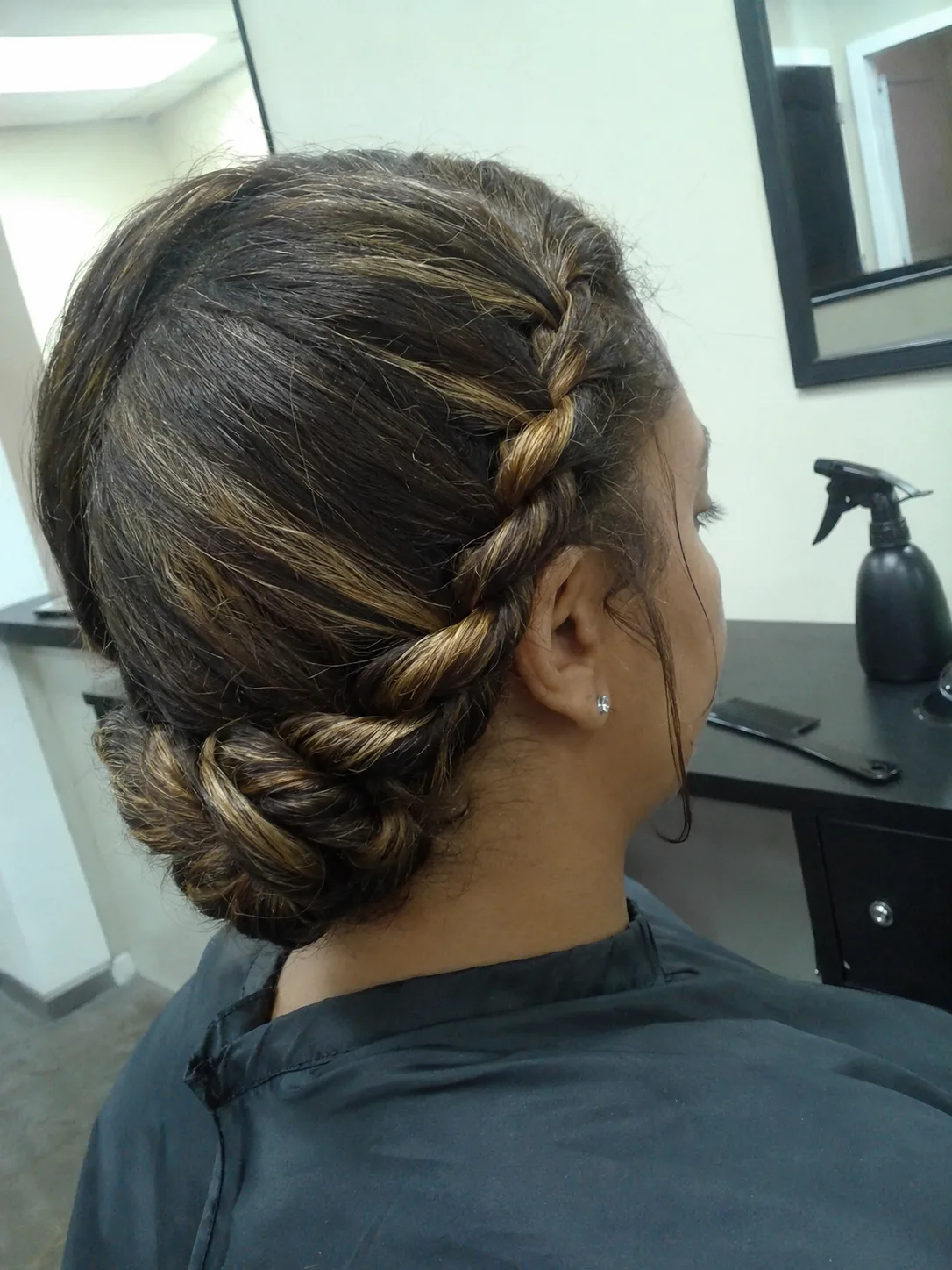
Softness comes from the construction here. Sections from the sides are twisted toward the back and pinned into a low gathered shape, so the final style has visible direction instead of one solid surface.
This works particularly well on hair with natural wave, curl, or intentionally added bend because small variations become part of the design. A few shorter pieces around the face can stay free, but the updo still needs a stable center underneath. Too many deliberately loosened sections can leave long hair hanging from a small number of pins.
Braided Chignon
A braid gives a low bun immediate structure. It may run through the back of the style, form the bun itself, or wrap around the outside of a secured base.
The braided surface is especially useful when you want detail that remains visible on dark, one-tone hair, where a very smooth twist may photograph as a single shape. It also works well when the hair has enough length to create an interesting braid without added hair.
Keep the braid proportionate to the rest of the style. Pulling every loop extremely wide can create a bulky bun that dominates the back of the head, while a tighter braid produces a more tailored finish. This is one of the stronger formal options for someone who wants visual interest without relying on jeweled accessories.
Romantic Formal Styles With Movement
Hollywood Waves
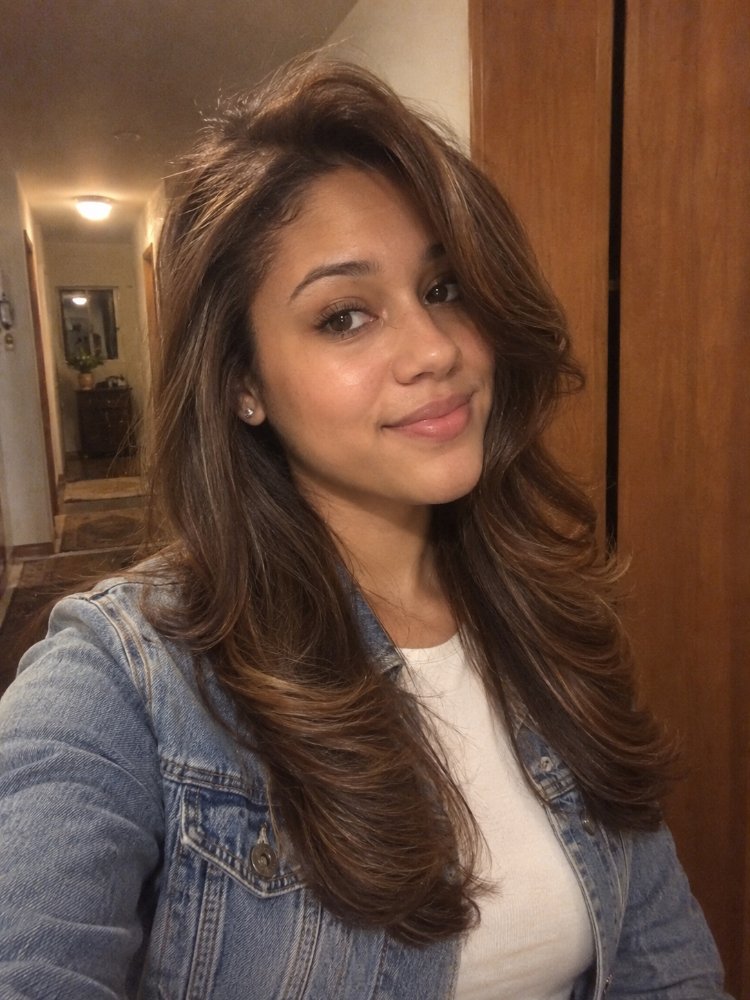
Few styles show off long hair as directly as large, uniform waves. The formal effect comes from consistency: each bend follows the same general rhythm, and the hair reads as a continuous surface instead of separate curls.
This is a strong choice when the length itself is part of the look. It requires more maintenance during the event than an updo because the hair stays in contact with shoulders, fabric, humidity, and hands. Long layers can add movement, while very heavily layered ends may make the wave pattern look less continuous.
Deep Side-Parted Curls
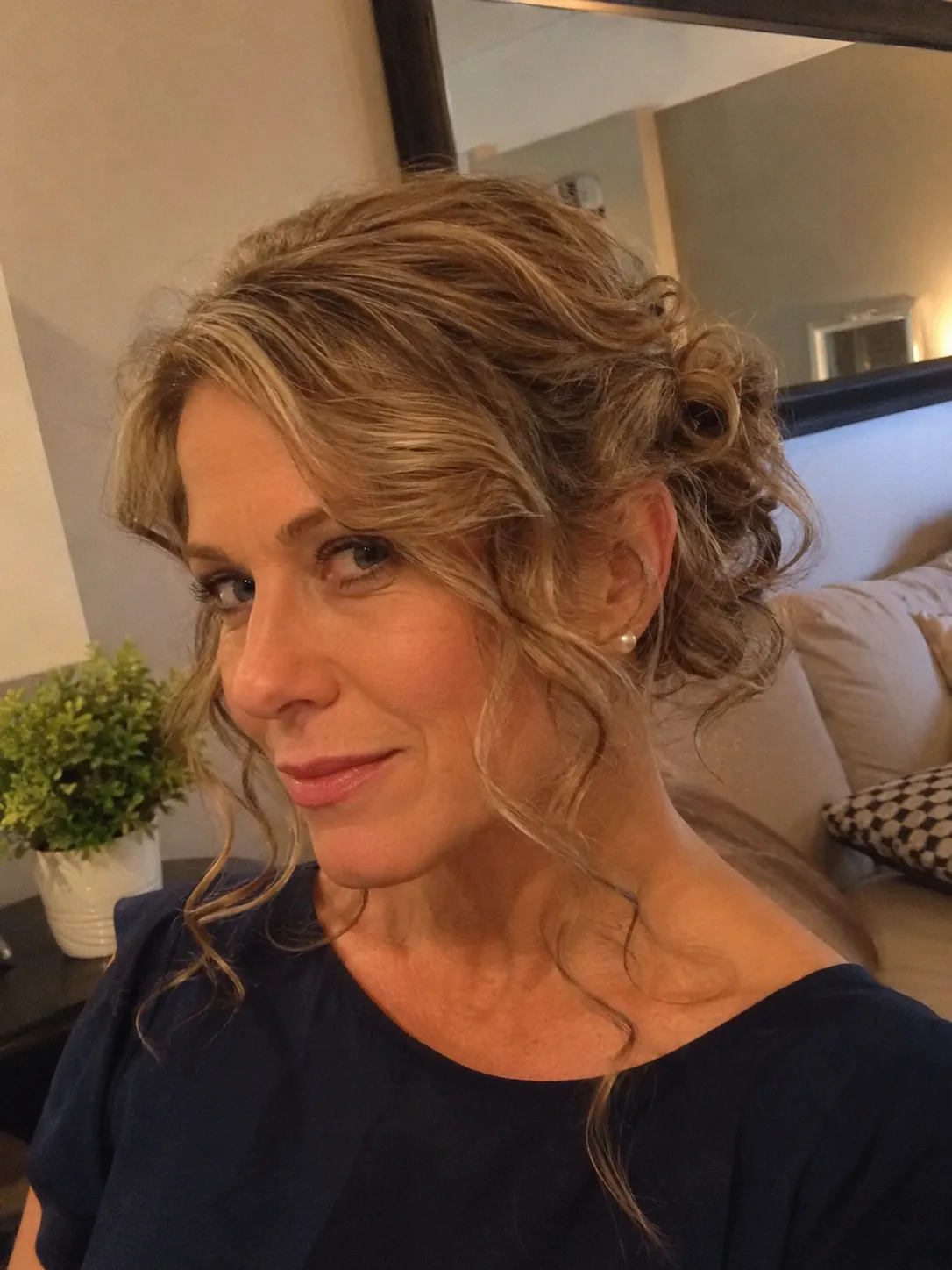
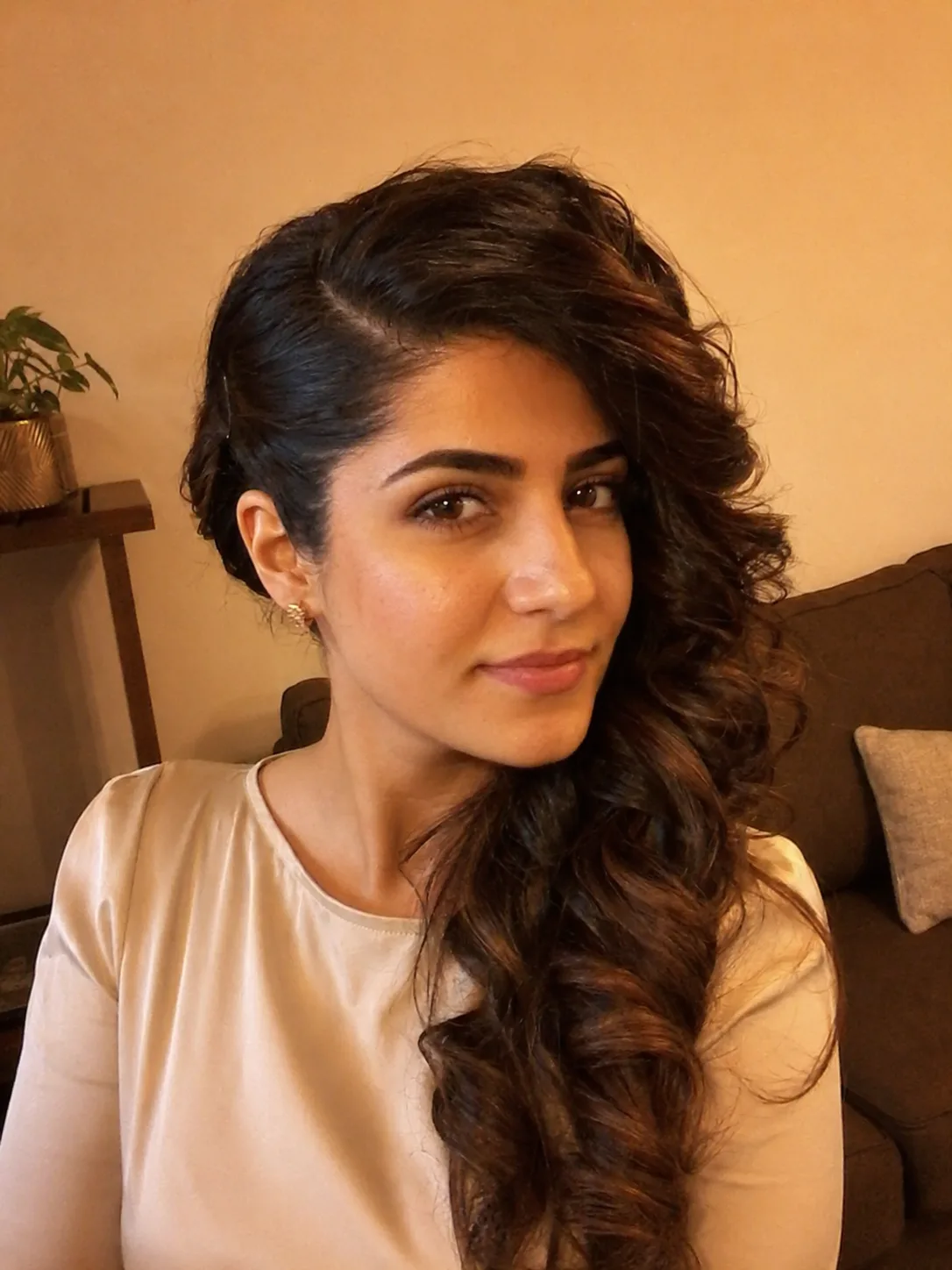
Moving most of the hair to one side changes an ordinary curled finish into something more formal. The fuller side frames the face and exposes the opposite shoulder, which can work particularly well with asymmetrical dresses or one-shoulder necklines.
The practical detail is the back. Hair needs enough hidden support that the heavier side doesn’t gradually migrate toward the center. Pins placed beneath the top layer can control direction without making the style look pinned in place.
Long, dense curls create considerable volume on one side, so keep the crown proportionate instead of adding height everywhere.
Half-Up Soft Waves
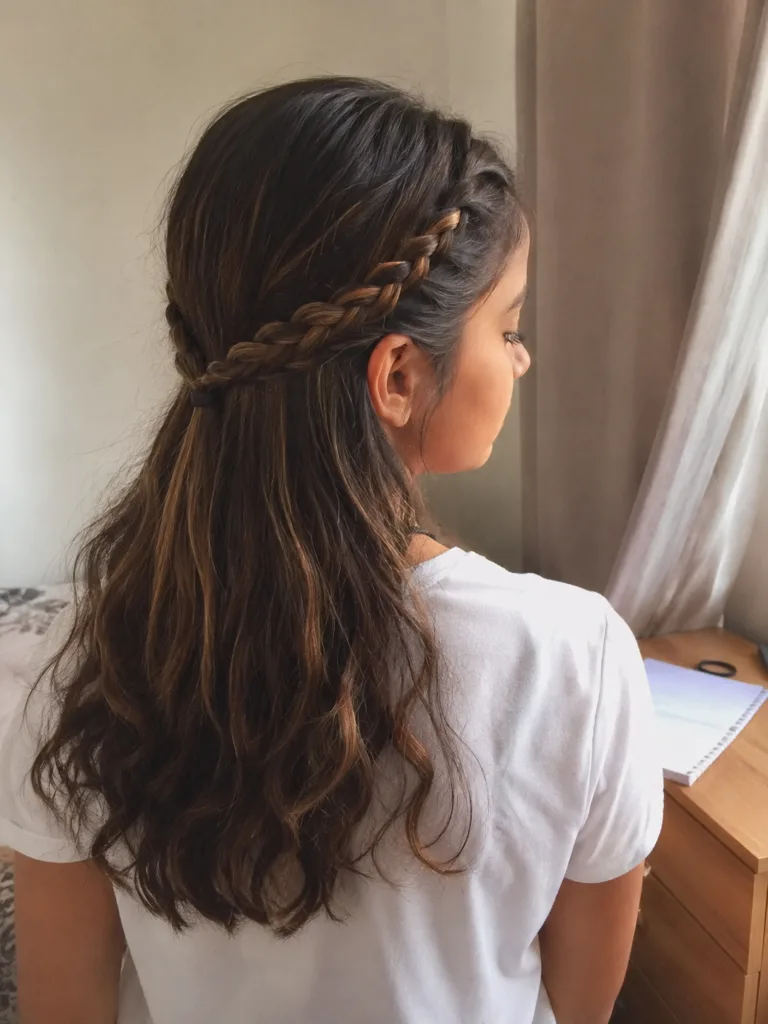
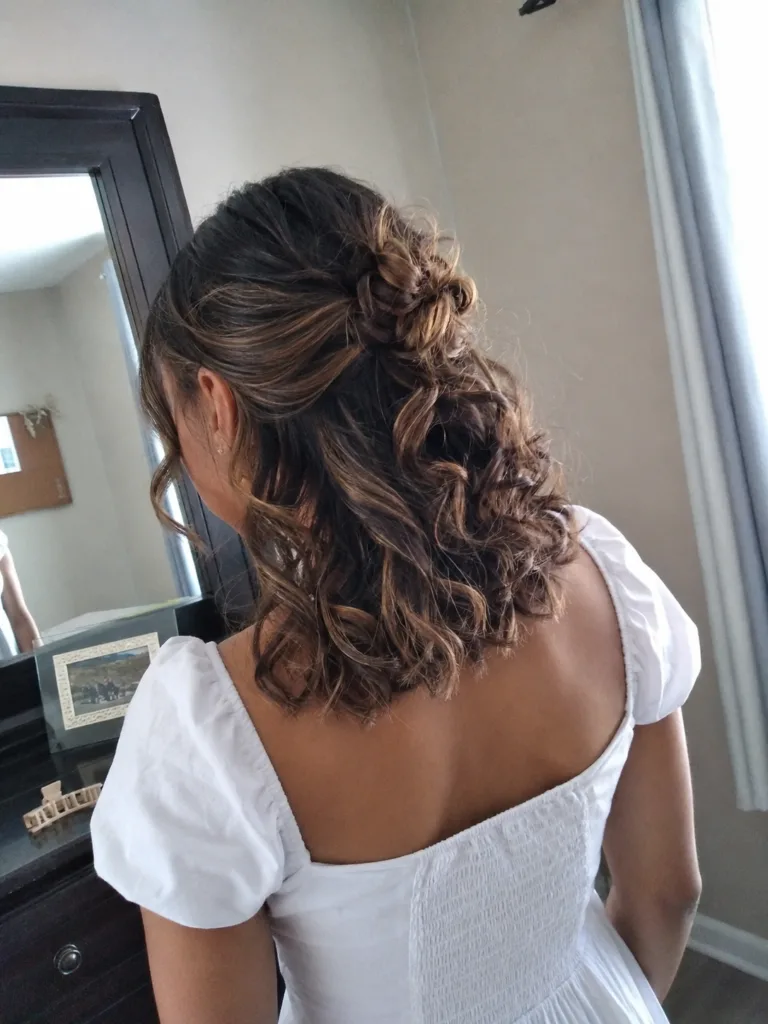
A half-up style is a useful middle ground when you want the romance of loose long hair but don’t want every front section falling forward. The upper portion is secured at the back while the remaining length stays loose.
It suits many hair textures because the lower section doesn’t have to be completely smoothed. Waves can stay soft, curls can remain defined, and naturally textured hair can keep its body.
The secured section should have a reason to exist beyond holding an accessory. A slightly lifted crown, a clean twist, or two sections crossing at the back gives the style form. Pulling a small amount of hair backward with no structural shape can make long hair look more casual than intended.
Waterfall-Style Braided Half-Up Hair
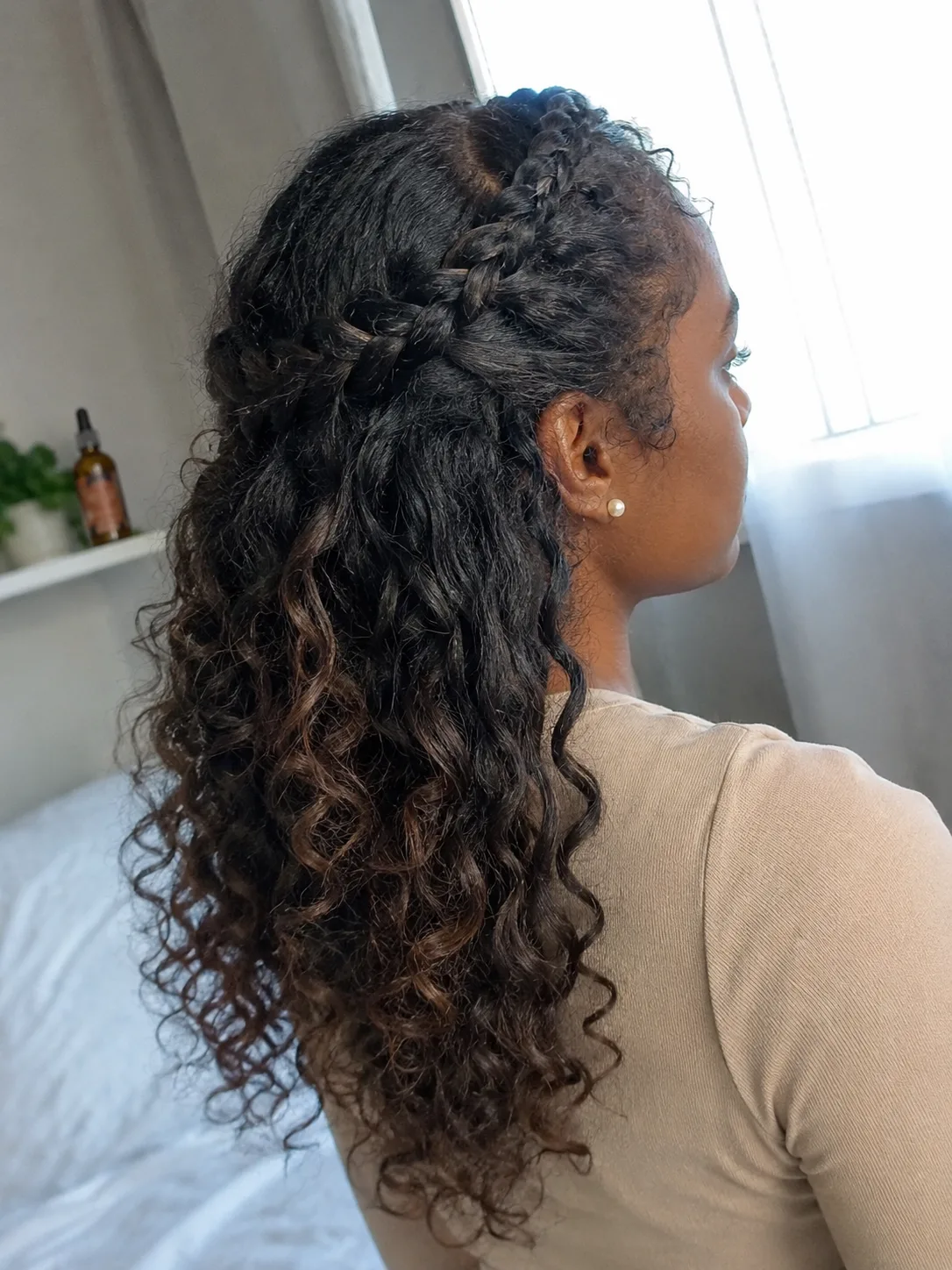
This style lets sections of long hair fall through or around a braid across the back or side of the head. The effect is decorative without hiding the overall length.
It makes the most sense when the braid itself will remain visible. Very dark hair, dense curls, or heavily textured finishes can sometimes obscure an intricate pattern, so a simpler, more dimensional braid may photograph better than an extremely complex one. The loose lengths can be waved, curled, or worn closer to their natural pattern.
Brushed-Out Long Curls
Defined curls look more formal once they are intentionally shaped into a larger, cohesive mass. Brushing or separating a set can soften individual curl lines while preserving volume through the lengths.
This finish is particularly flattering when you want hair to move rather than stay rigid. The downside is that a brushed-out surface exposes more hair to humidity than a contained updo.
Hair that already forms curls or coils doesn’t need to be straightened first to create a formal shape. Work from the texture and finish you actually want to wear, then decide how much separation or elongation suits the event.
Sleek Formal Hairstyles for Long Hair
Polished Low Ponytail
A low ponytail is deceptively demanding because there is nowhere for messy construction to hide. The part, surface, elastic placement, and tail all remain visible.
Long hair makes the tail feel substantial without adding much complexity. Wrapping a small section around a fabric-covered elastic can conceal the base, while a gently curved or straight tail changes the mood without changing the construction.
This is one of the strongest choices for modern, minimal formalwear. It also keeps the hairstyle narrower than a large low bun, which can help around structured collars.
High Formal Ponytail
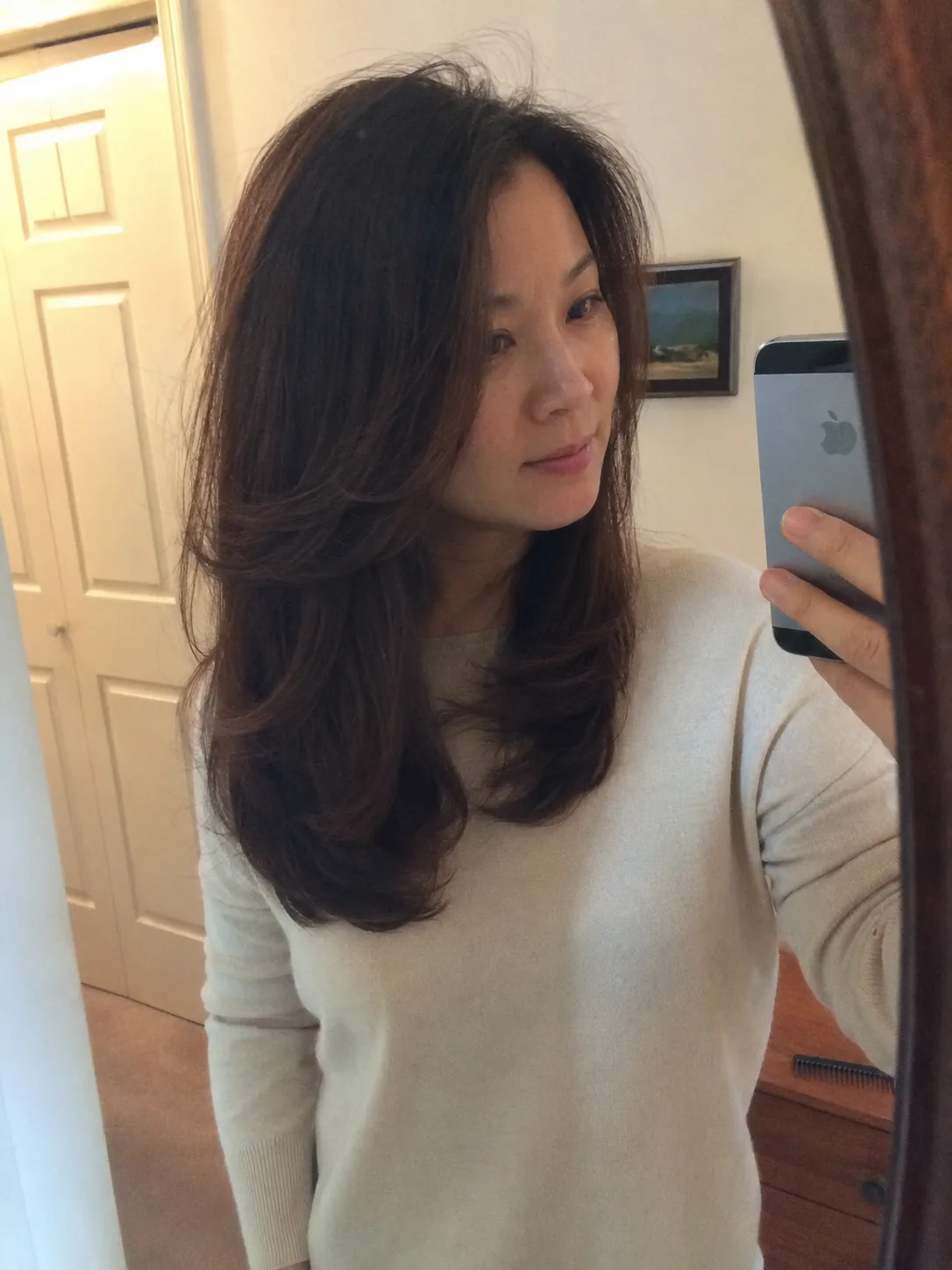
The high ponytail trades subtlety for movement. Long hair swings behind the shoulders and keeps the face and neckline open, making it an effective option for dancing or a dress with strong back detail.
Placement matters more as the tail becomes longer or heavier. The anchor needs to feel secure during normal head movement without pulling painfully at the hairline. Extensions can increase both length and load, so added hair should be treated as a construction decision rather than an automatic upgrade.
Keep the crown smooth or deliberately textured. A half-finished combination of slick roots and uncontrolled crown volume tends to read less formal.
Bubble Ponytail
A bubble ponytail divides the length into rounded sections using multiple small ties down the tail. Compared with a plain ponytail, it creates a stronger graphic shape and makes very long hair part of the design.
This is worth choosing when a conventional curled ponytail feels too familiar. Each section should look proportionate, and the bubbles need enough fullness to appear deliberate. Extremely tight ties can create unnecessary stress along the length, so the structure should come from controlled shaping rather than excessive tension.
Sleek Center-Parted Hair Tucked Behind the Ears
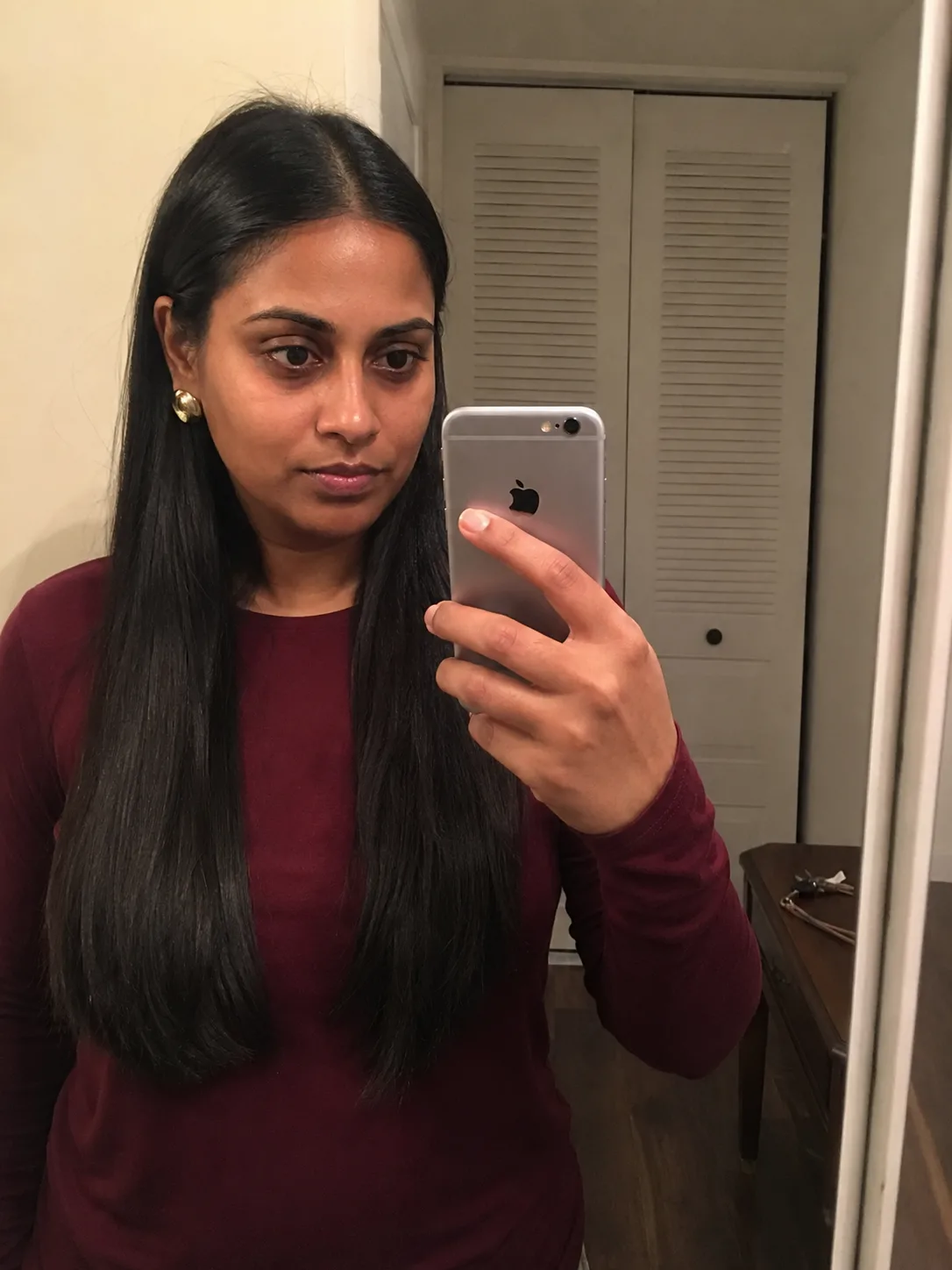
Long hair doesn’t have to be pinned up to look formal. A clean center part, controlled surface, and lengths positioned behind the ears can create a sharp, understated result.
The style places more attention on the face, earrings, makeup, and the cut of the outfit. It works best when the ends look purposeful, whether worn straight, softly bent, or naturally smooth.
Because there is so little decorative styling, condition and perimeter quality become visible. Transparent or heavily weathered ends won’t suddenly look denser because the hair is sleek; shaping the perimeter is a haircut decision.
Braids, Twists, and Texture-Led Formal Styles
Crown Braid With Long Hair Pinned Up
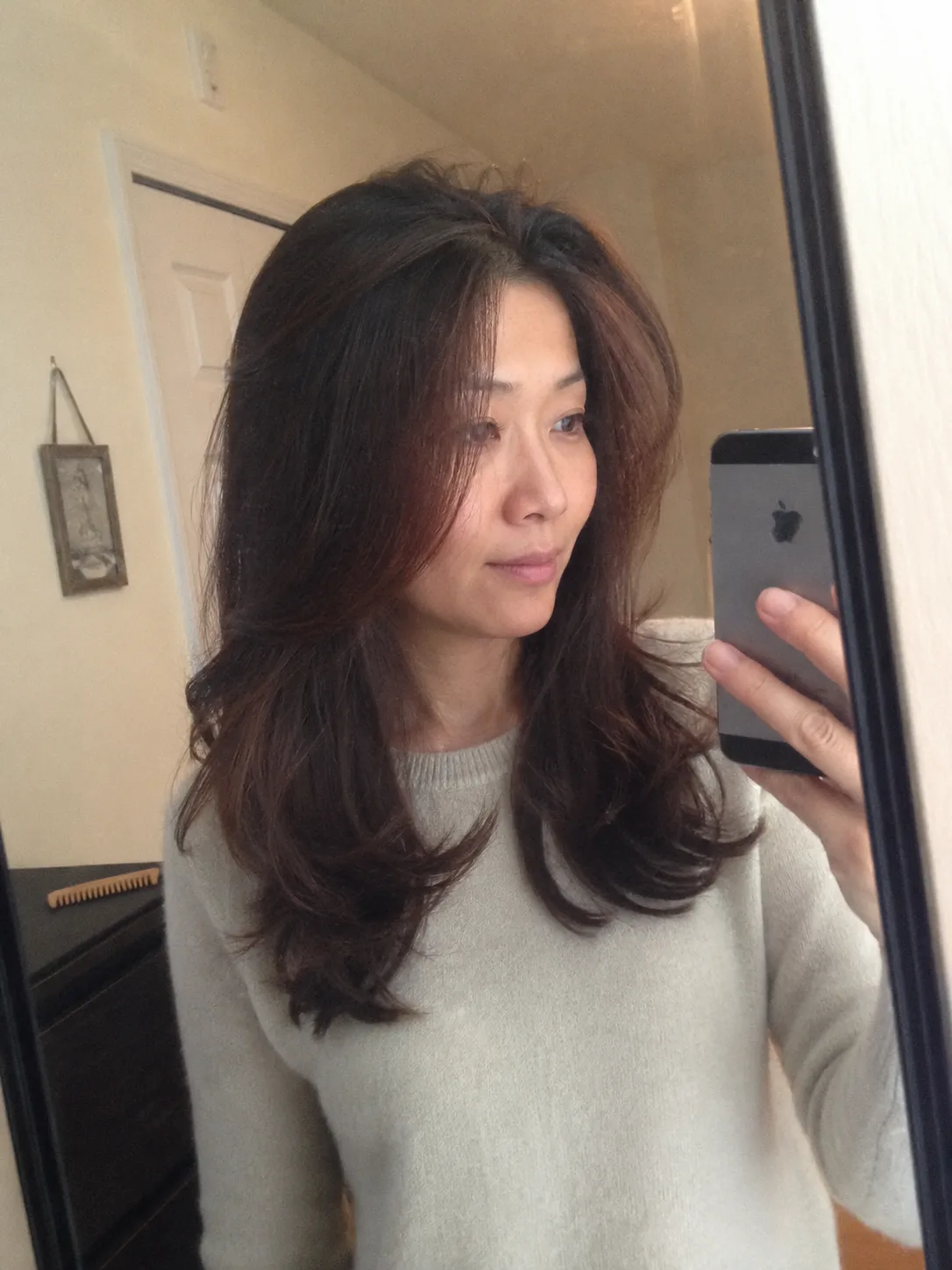
A crown braid wraps braided hair around the head, turning long length into a decorative frame. It keeps the back and neckline clear while creating detail from every side.
Very long hair gives you enough length to complete the wrap without forcing several separate braids into the same area. The finished crown should sit securely without feeling as though the braid is being pulled tightly against the scalp.
This is particularly effective when you want a formal style that feels less conventional than a smooth bun. Natural texture can remain visible within the braid and around selected edges instead of being flattened out purely for formality.
Side Braid With a Formal Finish
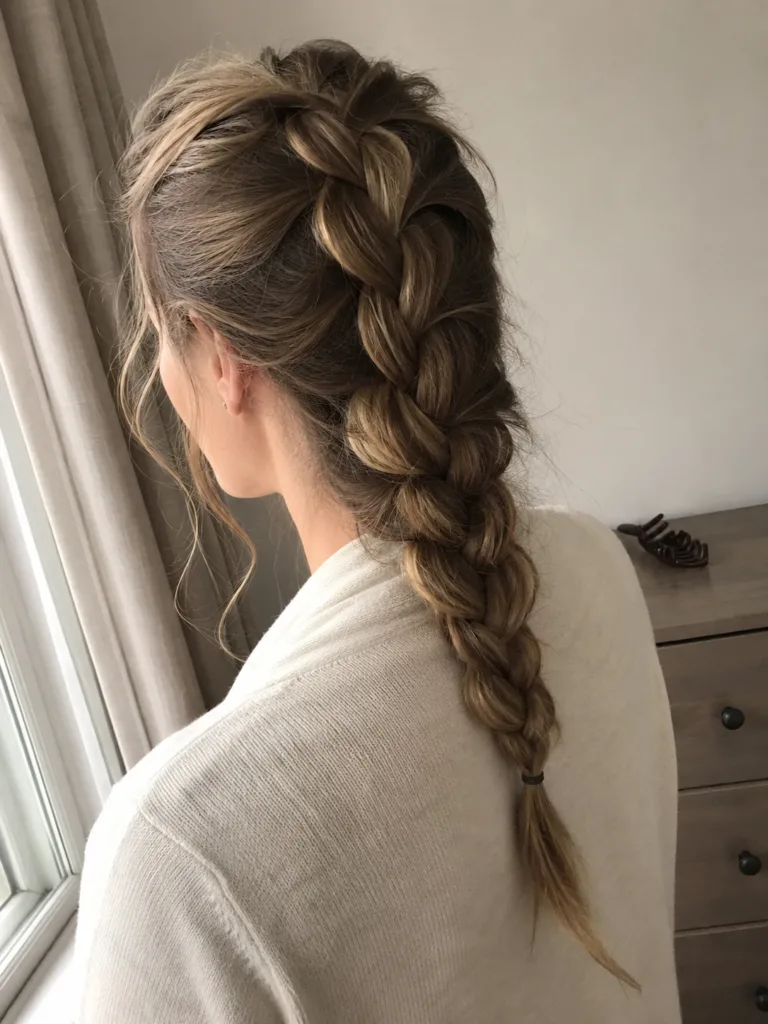
A long side braid works best when its scale matches the hair. Thick, full hair can support a substantial braid, while finer or lower-density hair may look more balanced with a narrower construction that doesn’t rely on exaggerated pulling.
What makes it formal is the overall control: a considered part, smooth or deliberately textured roots, and a braid that keeps its form through the length.
This is also easier to reposition than a large bun when you’re sitting for long periods. The braid can come forward over one shoulder instead of pressing between your head and a chair.
Braided High Ponytail
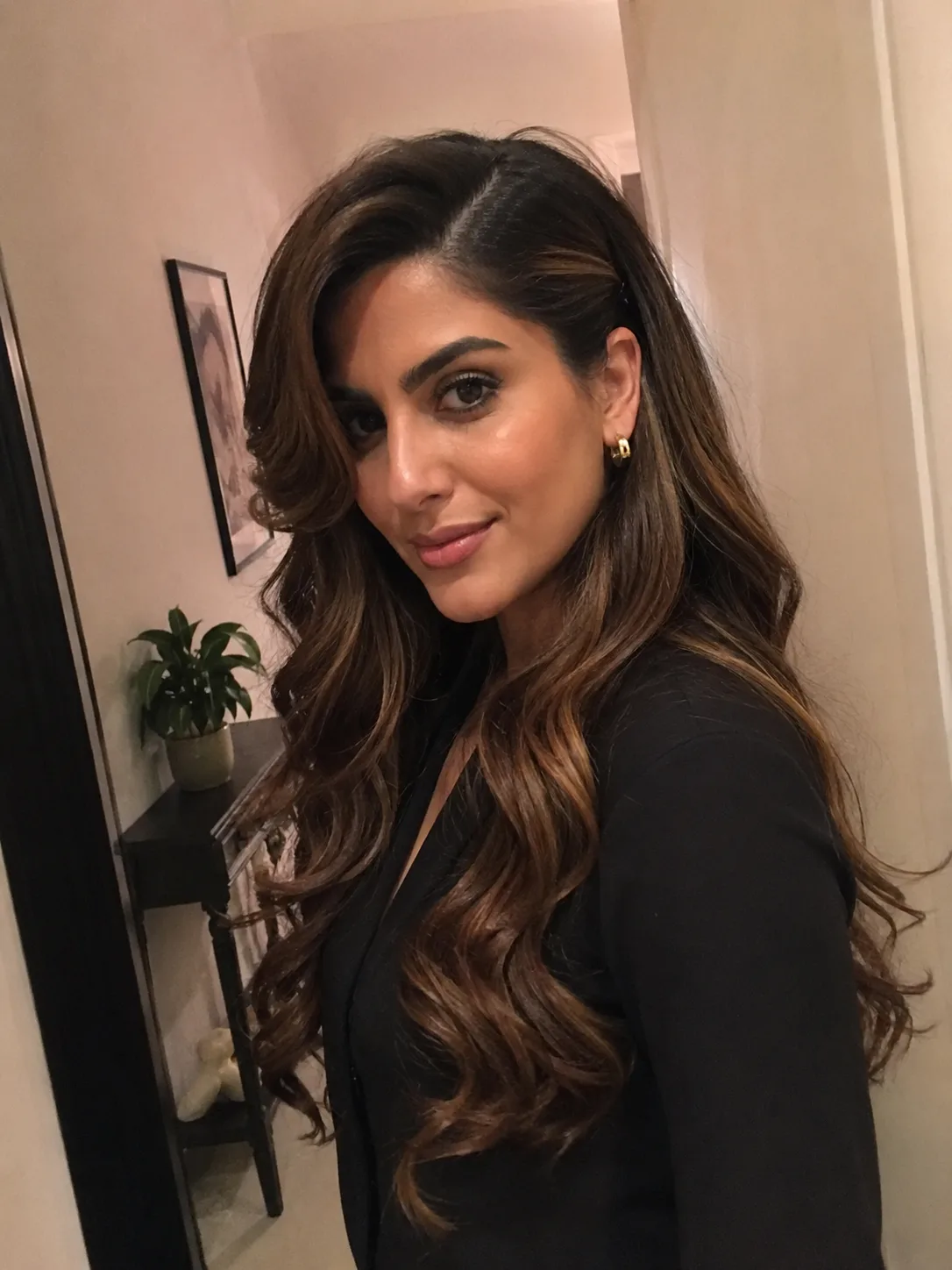
Here, the ponytail is secured first and the hanging length is braided, creating a cleaner and more controlled alternative to a loose high ponytail.
The braid limits tangling and reduces the amount of hair sweeping across the back during movement. Added hair can create extra length, but more length also produces more leverage at the anchor. A dramatic version makes sense only when that extra weight remains comfortable.
A moderate-length braid is the more practical formal choice when dancing and easy movement matter more than maximum drama.
Curly High Updo
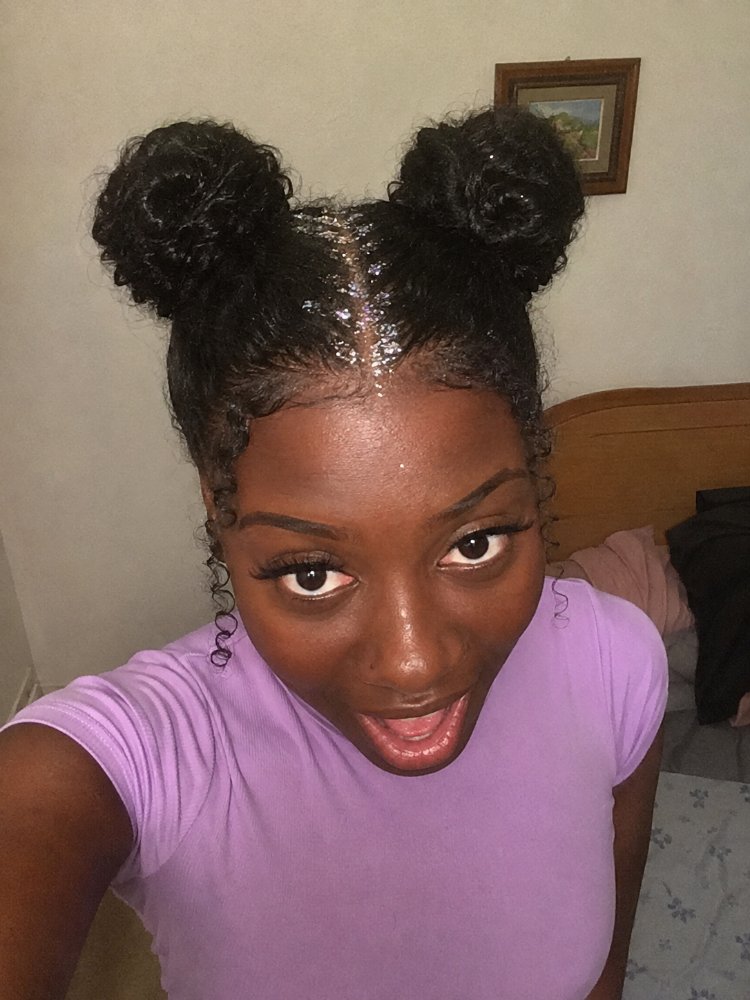
Curly and coily hair can create formal height without being pressed smooth. The curls are gathered toward the crown and arranged so the texture forms the visible shape of the updo.
This works especially well when the natural curl pattern is already a major visual feature. Leave enough room for the curls or coils to keep their dimension instead of compressing everything into a tight ball.
Shrinkage affects the apparent size and placement. Plan the style in the state you intend to wear—shrunken, stretched, or somewhere between—because the same length can create very different proportions in each state.
Twisted Natural-Hair Updo
Two-strand twists, flat twists, or larger rolled sections can be directed into an updo that keeps the texture visible while controlling long hair. The pattern itself becomes the ornament.
This is an underrated option for formal events because it can provide more predictability than leaving the entire length loose, especially when the environment is humid. A twist-based structure also allows volume to stay through selected areas rather than requiring the whole surface to look uniform.
Scalp access and comfort remain important with any firmly anchored style. The sections should feel stable, not painfully tight.
Statement Styles for Weddings, Galas, and Special Events
Voluminous Low Bun
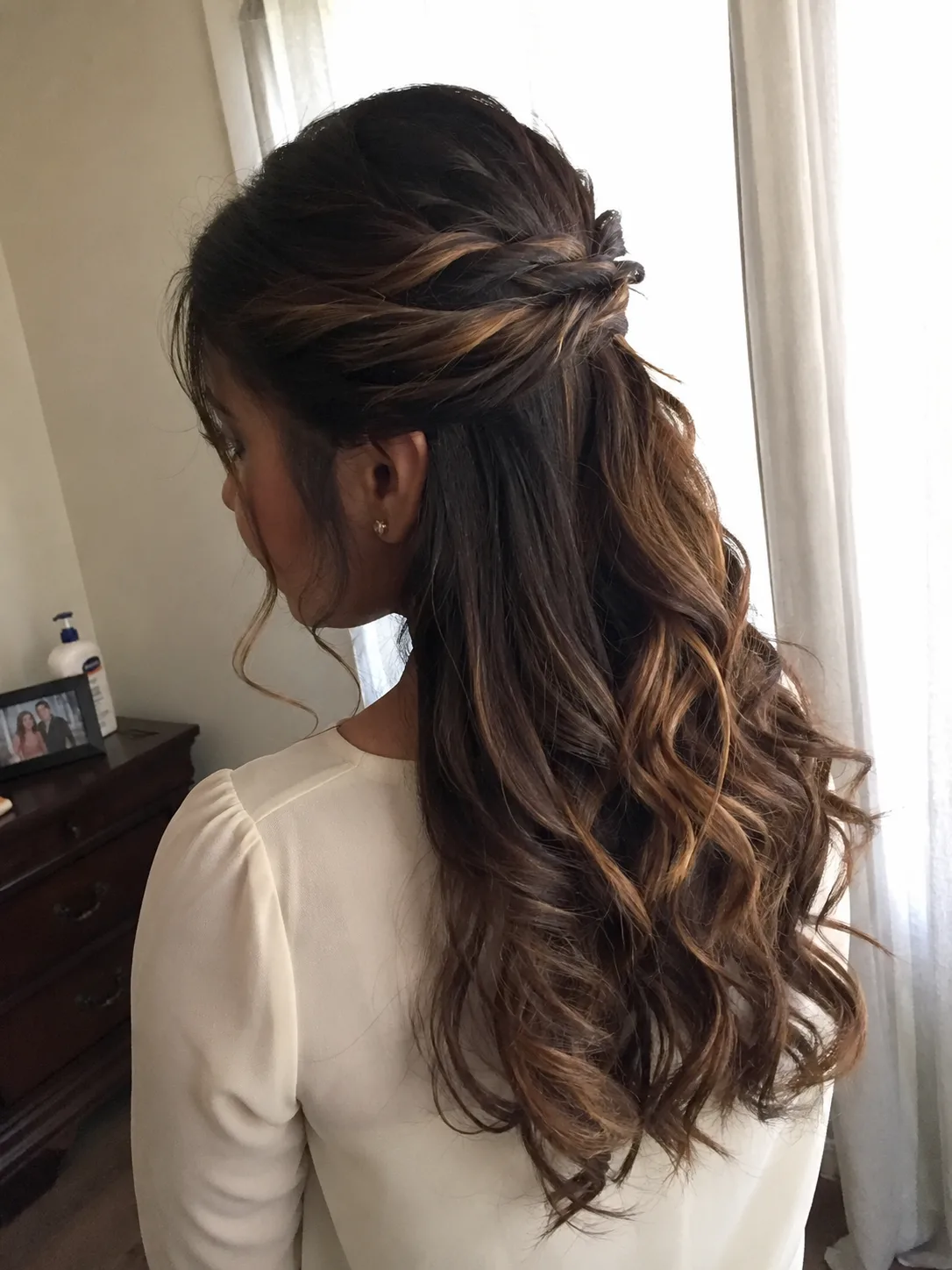
A voluminous low bun creates a wider, softer shape than a compact chignon. Long hair can be folded into overlapping loops or sections, giving the bun dimension without placing everything high on the head.
This style photographs especially well from the back, making it useful for weddings and events where rear-view details matter.
The hidden issue is scale. Hair length, density, padding, and extensions can all enlarge the bun quickly. A very large structure may compete with a detailed dress or interfere with a veil comb. Decide which element should dominate before building both into the same area.
Formal Ponytail With Glamorous Waves
This style keeps the control of a ponytail while preserving the movement of long curls or waves through the tail. It can be worn at a mid or high placement depending on how much lift you want around the face.
The waved tail gives more visual drama than a straight ponytail but also takes up more space behind the shoulders. A smooth base creates strong contrast with the softer lengths.
Formal ponytails are especially useful when you want a hairstyle that looks finished from the front yet still behaves like long hair in motion. Check that the tail doesn’t constantly catch on sequins, beading, or textured fabric at the back of the outfit.
Accessorized Twisted Bun
An accessory works best when it completes an already secure hairstyle. Build a twisted bun first, then place a comb, decorative pins, flowers, or another formal hair ornament where it supports the composition rather than holding the entire structure together.
Placement needs to account for anything else occupying the back of the head. A veil comb may need the exact space where a decorative clip looks most attractive. Glasses, headpieces, and earrings can also make bulky temple details feel crowded.
The accessory should remain comfortable from more than one angle. A pin that feels fine while standing may press against the head once you lean into a chair.
Which Formal Hairstyle Fits Your Event?
Long hair gives you enough material for almost every category above, but the occasion should decide how much of that length you actually use.
Your outfit provides another useful filter. High necklines usually benefit from getting more hair off the neck, while open or strapless designs leave room for waves and curls over the shoulders. Strong earrings often read better with at least one side of the hair tucked, swept back, or pinned away.
Photographs can hide several practical problems. A low bun may be positioned exactly where a stiff collar hits. Loose waves may have been arranged seconds before the image was taken. A very high ponytail may look weightless even though added hair concentrates considerable load at the base.
Choose the version you can comfortably wear through the actual event, not only the version that looks impressive from one camera angle.
Making Long Formal Hair Stay Secure Without Overloading It
Long hair needs an internal foundation before decorative shaping. For an updo, that may mean a secure ponytail, crossed bobby pins, a small braid, or several controlled sections rather than one enormous section twisted into place.
Pins work better when they support the direction of the hair instead of being inserted randomly wherever a section starts to fall. A fabric-covered elastic can create a dependable base for buns and ponytails. Setting foam, mousse, or another suitable styling product can help control flyaways or support texture, but product alone can’t compensate for weak construction.
Avoid chasing hold by making the base painfully tight. A style should remain comfortable while you turn your head, sit down, and move normally. Persistent pulling, stinging, redness, sores, or concerning changes around the hairline deserve attention; loosen or remove the source of tension and consider talking with a dermatologist or another qualified healthcare professional if symptoms persist or concern you.
Formal styling also doesn’t require every texture to look the same. Natural curls, coils, waves, stretched hair, and pressed hair each create a different finish. Build around the state you actually want to wear.
A Practical Pre-Event Check
Try the complete hairstyle with the clothing and accessories that will be worn with it. The hairstyle and outfit occupy the same physical space, and small conflicts are easier to catch before the event.
Check the back of the head against a chair. Sit upright, then lean back normally. Large low buns, clips, and decorative combs can become uncomfortable quickly when they land at the pressure point.
Move the head from side to side and bend forward slightly. A secure style should move with you without a sharp pulling sensation or sections beginning to separate. Long ponytails and loose waves also need enough freedom that they aren’t repeatedly trapped beneath shoulder straps, beading, or the back of the dress.
For weddings, place the veil or headpiece during the test instead of assuming it will fit around the finished updo. Its comb, pins, or band may need the same anchor area as the hairstyle.
Maintenance During the Event
Bring only what the chosen style realistically needs. An updo may benefit from a few compatible pins, while a sleek ponytail may need a small comb or edge brush for surface control. Loose curls are more likely to need reshaping than a braided or pinned style.
Touch the hairstyle less than you think. Repeatedly running your fingers through waves breaks up the pattern, while tugging at an updo can gradually loosen its anchors.
Humidity, dancing, outdoor air, and clothing friction all change long hair during wear. A little surface texture rarely ruins a formal hairstyle. Concentrate on keeping the construction stable and the overall shape recognizable instead of trying to preserve a motionless, photo-studio finish for hours.
Related Hairstyles to Explore
- Elegant hairstyles for long hair formal
- Formal hairstyles for long hair half up
- Prom hairstyles for long hair
- Beach hairstyles for long hair
FAQs
Can very long hair be too heavy for an updo?
It can make certain placements harder to wear comfortably, especially when a large amount of hair is concentrated high on the head. Low buns, divided sections, braided foundations, or a more distributed updo can make the length easier to control. Added extensions increase the load further, so more volume isn’t always helpful.
Which formal hairstyles work well for naturally curly or coily long hair?
Curly high updos, twist-based updos, braided styles, textured ponytails, and half-up looks all work without requiring the hair to be straightened first. Account for shrinkage and build the hairstyle in the state you plan to wear. A stretched shape and a fully shrunken shape can produce very different proportions even on the same head of hair.
Should I wash my long hair immediately before formal styling?
Base the timing on your scalp, buildup, texture, drying needs, and the style you’re creating rather than following a universal schedule. Hair should be clean enough for comfortable styling and completely dry before being enclosed in a style that limits airflow. Some textures also need preparation or stretching before the formal style is built.
How do I choose between wearing long hair up or down for a formal event?
Choose an updo when you want the neckline clear, predictable hold, or less hair moving across clothing. Wear it down when displaying the length and movement matters more and the environment suits an exposed finish. A half-up style is the useful middle option when you want the face clear without hiding most of the length.
Hair Texture & Upkeep Style Matcher
Select your natural hair texture and daily maintenance window to get an instant styling formula and heat safety cap.
Heat Cap: 320°F (160°C)
A versatile three-strand braid beginning at the parietal ridge, securing the top half while allowing natural wave texture to flow freely around the shoulders.
Conclusion
The strongest formal hairstyle for long hair is usually the one that uses your length deliberately. A chignon turns it into compact structure, a ponytail makes the length part of the movement, and waves put the hair itself at the center of the look.
Before committing, settle three practical details: where the bulk will sit, what the hair will touch during the event, and whether your chosen texture can hold the intended shape comfortably. Once those decisions work, accessories and finishing details become much easier to get right.
Editorial Standards & Hair Health Guidance
Every style featured on Tress Atlas is curated with a focus on real-world wearability, scalp tension management, and cuticle preservation. When trying protective styles or tight updos, ensure perimeter hairline sections remain tension-free to avoid traction stress on delicate follicles. For heat styling, cap tools below 350°F (180°C) to prevent thermal keratin denaturation.
Scientific Sourcing: Practices aligned with the American Academy of Dermatology (AAD) on traction alopecia risk reduction and cosmetic trichology research on hair tensile strength.