Elvish Hairstyles: Shape, Braids, Accessories, and What Makes the Look Work
Elvish hairstyles work because of shape and construction, not because you added a few tiny braids to long hair. The most convincing versions usually combine an open, flowing outline with deliberate detail around the temples, crown, or back of the head. Hair still moves, but the front and upper sections look designed.
That balance is useful whether you’re styling for a fantasy wedding, Renaissance fair, cosplay, themed party, photoshoot, or simply want a romantic hairstyle with an elven influence.
The easiest starting point is usually a half-up style with soft movement through the loose hair and one clear braided element. It gives you the fantasy character of a more elaborate look without requiring every section to be braided, pinned, or hidden. Full braided crowns and sculpted updos create more drama, but they’re less forgiving when the placement, hair length, costume neckline, or accessories aren’t working together.
Your natural texture doesn’t have to disappear, either. Waves, curls, coils, straight hair, locs, and stretched natural hair can all support an elvish aesthetic. The styling method simply needs to respect what the hair already does well.
What Actually Makes a Hairstyle Look Elvish?
There isn’t one universal elven hairstyle. Fantasy interpretations range from very loose, ethereal hair to intricate braiding that looks almost architectural. Still, several visual ideas appear repeatedly.
The first is length or the suggestion of length. Long hair makes flowing shapes easy, but extensions, hairpieces, strategically placed braids, and careful proportions can create the same impression on shorter hair.
The second is an open face. Many elvish styles direct the temple sections backward so the cheekbones, ears, earrings, headpieces, or costume details remain visible. This is one reason half-up arrangements work so well: they control the front without making the entire hairstyle feel formal.
Then there’s braiding. A braid can function as a border, a crown, a central spine, or a way of connecting the two sides of the hairstyle. Tiny decorative braids aren’t required. In fact, one broader braid with a strong placement can look more convincing than several small braids scattered without a clear pattern.
Finally, the hairstyle usually needs some softness. Even highly constructed versions tend to retain movement somewhere—through loose lengths, curved braid lines, tendrils, curls, or dimensional sections at the crown.
Choose the Overall Shape Before Choosing the Braid
A common mistake is deciding on an intricate braid before deciding what the whole hairstyle should look like from the front and side.
Start with the silhouette.
Loose and flowing
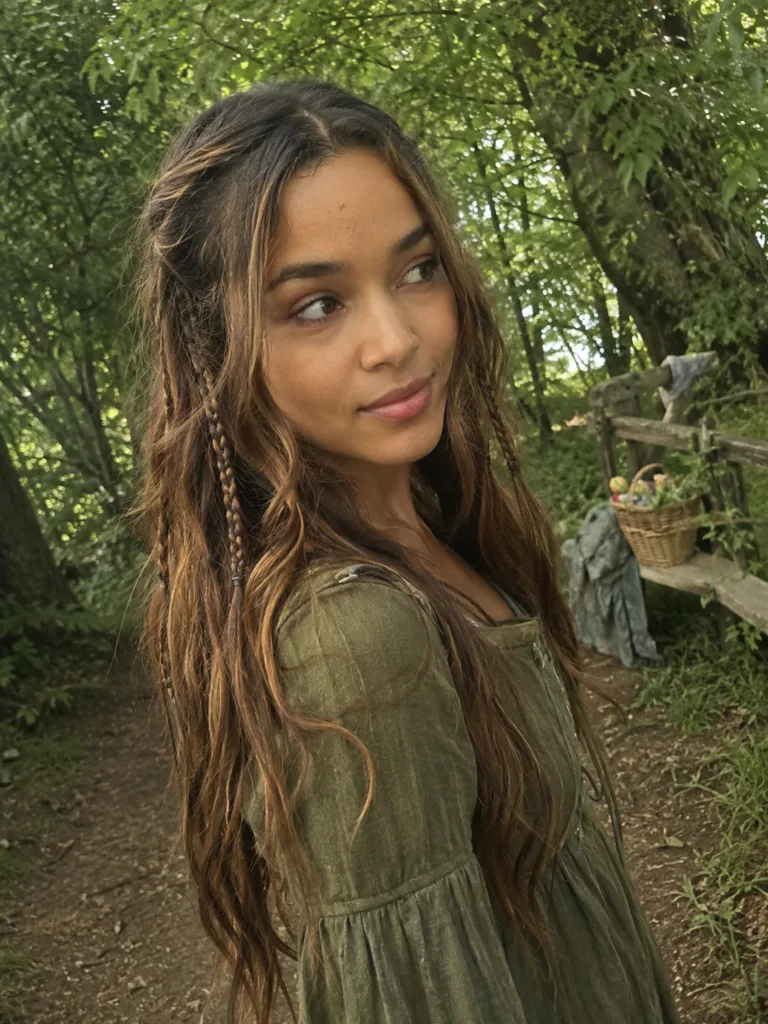
This is the most recognizable option for a softer fantasy look. The hair remains mostly down, while the sides are twisted or braided backward.
It’s especially useful when the length, curls, or waves are already a major part of the appearance. The hairstyle doesn’t compete with the hair itself.
Very straight hair can make this version appear sleek and refined. Waves introduce more movement, while curls create greater width and texture through the lower half.
The risk is making the construction too slight. Two nearly invisible braids clipped behind the head can disappear into long hair. Give the upper section enough definition to remain visible from several angles.
Half-up
For most people, this is the strongest all-purpose elvish shape.
Temple sections can become braids, twists, ropes, or overlapping pieces before joining at the back. The crown stays open enough for height and detail, while the remaining hair provides the long fantasy outline.
A half-up structure also handles accessories well. A decorative pin can sit where the two sides meet without requiring a large bun to support it.
Full crown
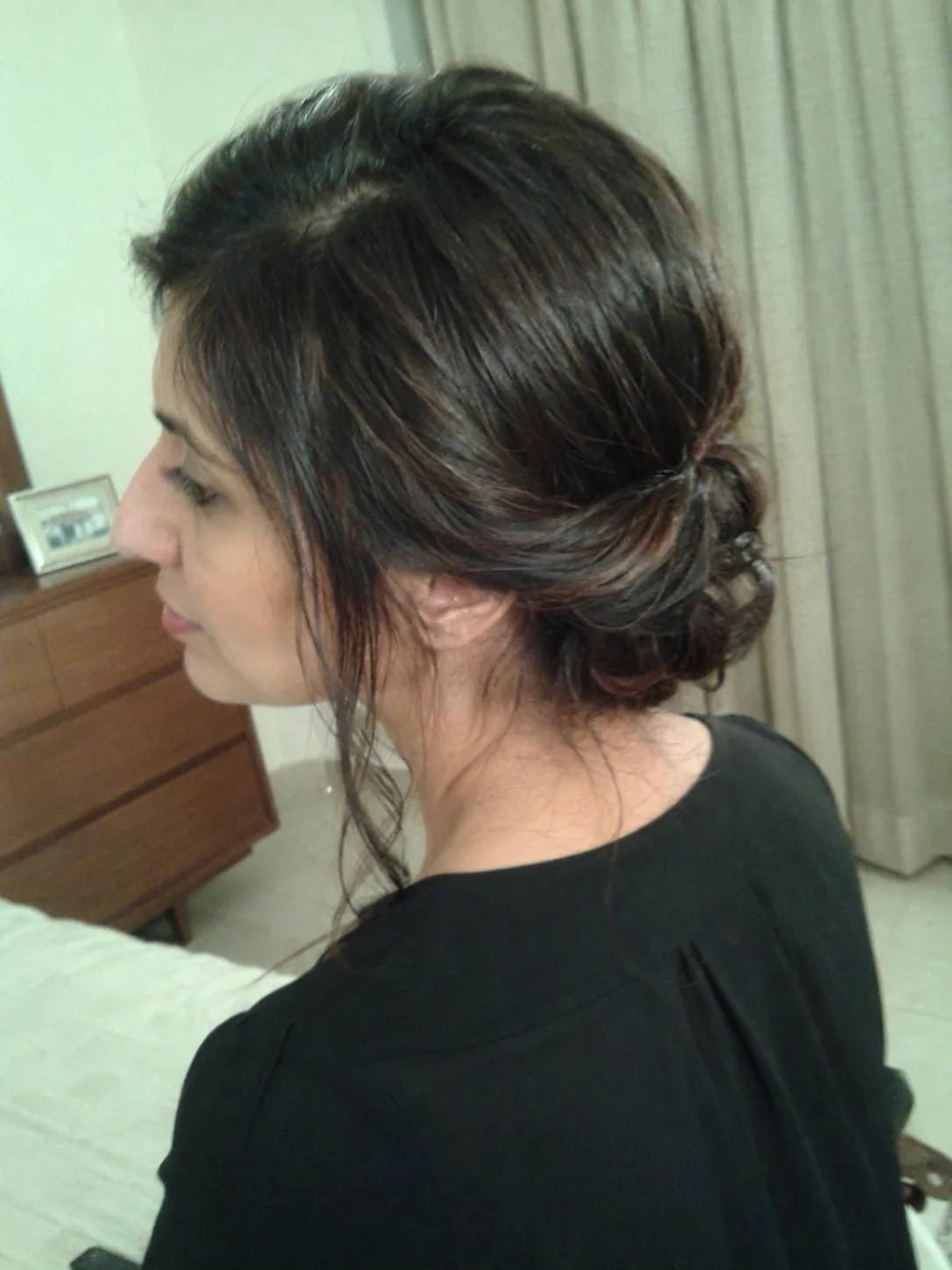
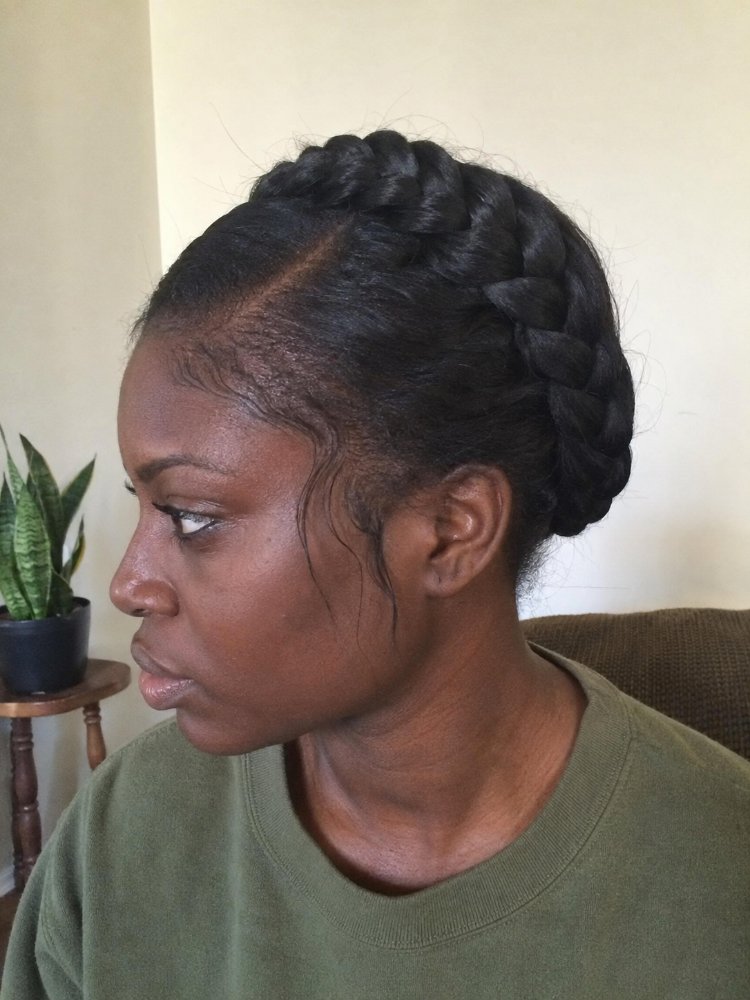
A braid circling the head creates a more ceremonial or regal effect. It works especially well when the costume has a structured neckline or when loose hair would hide important clothing details.
Crown placement matters. A braid sitting very close to the hairline reads differently from one positioned farther back across the top of the head. The former feels more like a visible frame; the latter blends more naturally into an updo.
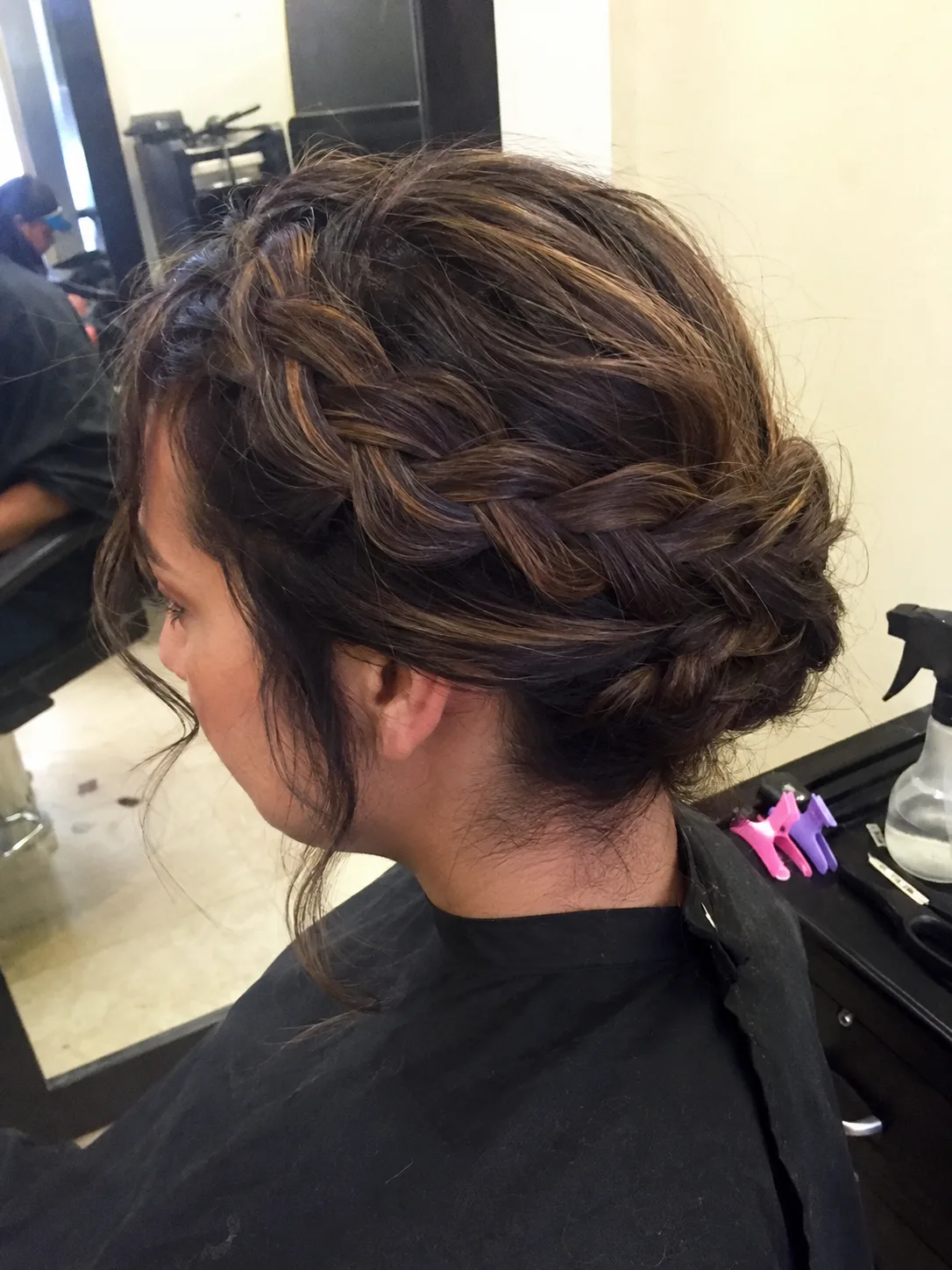
Low braided updo
A low arrangement feels elegant without creating the severe height of a large top bun.
Braids can travel from the temples toward a low central knot, or several braided sections can be folded into one another at the back. This is useful for formal events because the front can remain soft while the lengths stay secured.
It also avoids a practical problem with high fantasy updos: a large bun at the back of the crown can press against chairs or headrests.
Your Hair Length Changes the Construction More Than the Aesthetic
Elvish styling is often shown on very long hair, but length determines technique more than eligibility.
Short hair
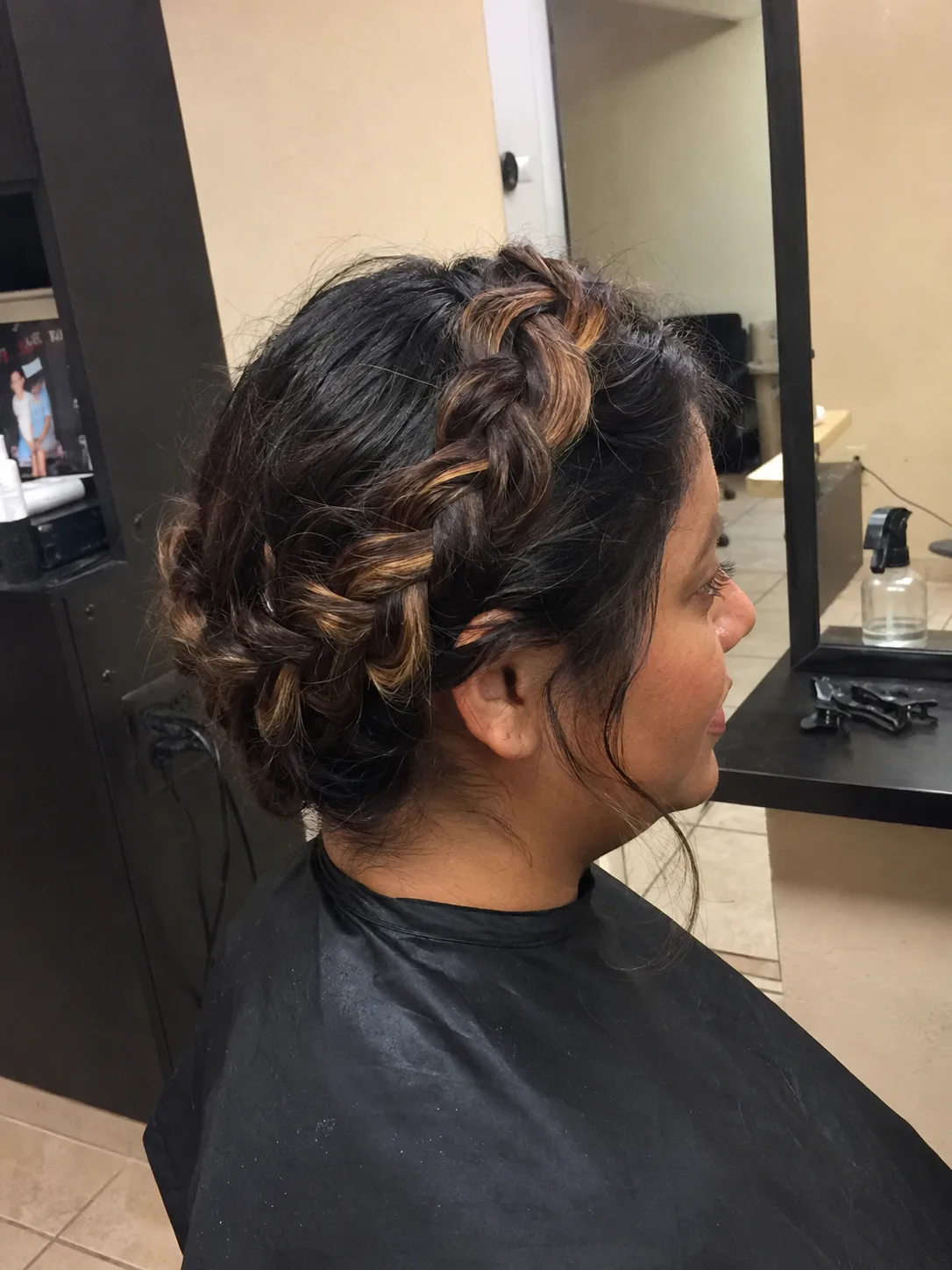
Bobs, lobs, and other shorter cuts work best when you stop trying to imitate a waist-length reference photo section for section.
Use the front and temple area as the main design space. A pair of small braids directed backward, a twisted half-up section, or one braid running across the crown can establish the fantasy influence without pretending the haircut is longer than it is.
A bob with enough movement through the ends can look particularly effective because the shorter perimeter keeps the finished hairstyle light.
Very short hair may rely more heavily on shape and accessories. A narrow headpiece, decorative pins, or carefully arranged front sections can contribute more than forcing tiny braids into sections that don’t have enough length to stay secure.
Medium-length hair
Medium hair offers more options than it gets credit for. Shoulder-length and slightly longer hair can support half-up braids, low braided knots, crowns, and loosely curled finishes.
It’s also easier to keep the style proportionate. Extremely long braids can dominate a smaller headpiece or delicate costume, while medium lengths often allow the crown detail to remain the focal point.
Long hair
Length gives you more room for crossover braids, multiple connection points, wrapped sections, and dramatic loose movement.
It also creates more physical hair to manage. A beautifully photographed back view can become inconvenient once the loose lengths are caught under a cape, backpack strap, costume fastening, or chair. Decide how much movement you actually want before leaving every section down.
Extensions can provide length where needed, but added hair also changes weight and attachment requirements. A style doesn’t improve simply because it becomes longer.
Waves, Curls, Coils, and Straight Hair Create Different Versions of the Same Idea
Elvish hairstyles don’t require one particular texture.
Straight hair highlights line and braid definition. Individual sections are easy to see, which is useful for symmetrical half-up patterns and cleaner crown braids. Very smooth hair may need more grip for pins and braided sections to stay where intended.
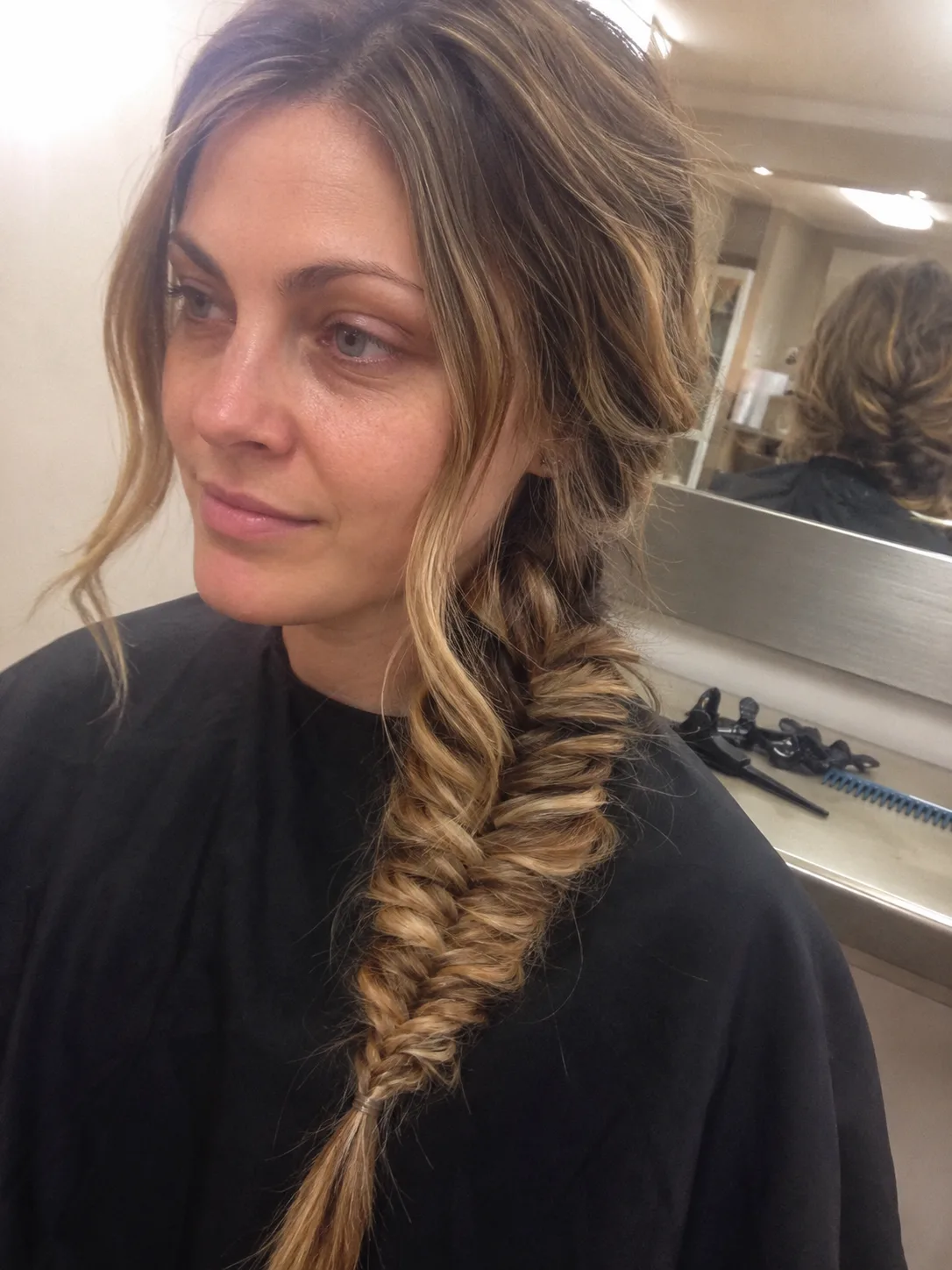
Wavy hair naturally supplies the flowing movement associated with many fantasy hairstyles. It works especially well with open half-up constructions because the loose lengths already have variation in direction and volume.
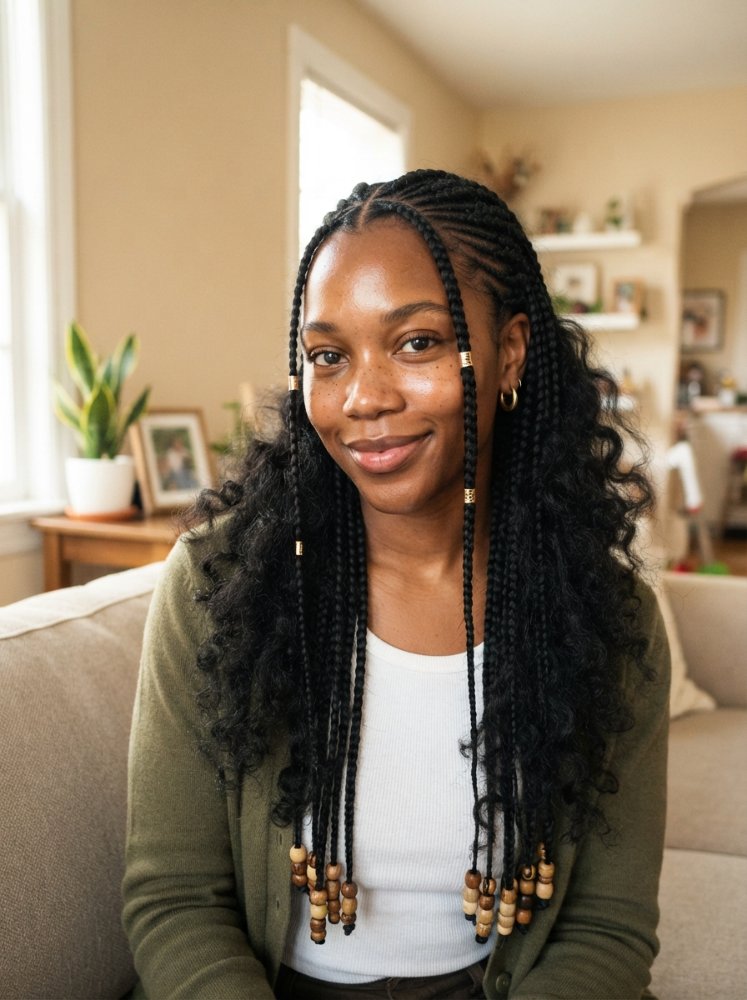
Curly hair gives the style more width and dimensional detail. There’s little reason to straighten curls simply to create an elven effect. Braiding selected sections while leaving the rest curly often produces a stronger contrast than changing the entire texture.
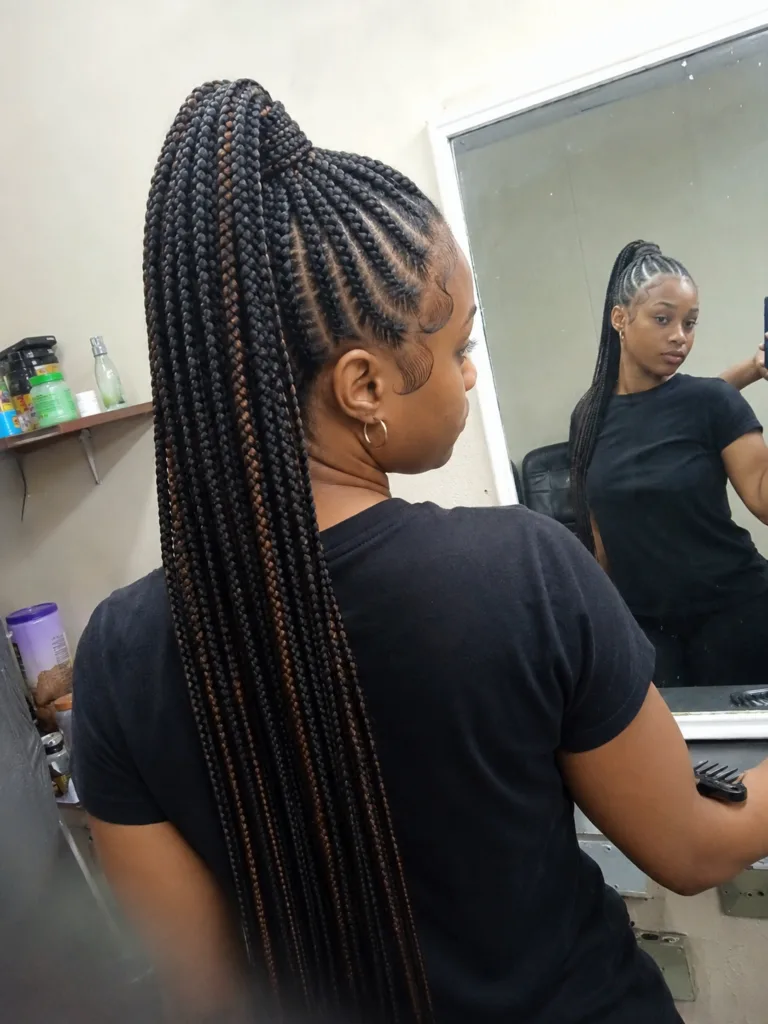
Coily hair can create beautiful sculptural versions of the aesthetic. The style might use stretched sections, defined coils, twists, braids, or a combination. Shrinkage affects where loose lengths appear to finish and how much hair is available for wrapping or crossover work, so judge the shape in the state you plan to wear.
Locs also lend themselves naturally to fantasy styling. Selected locs can be crossed, braided together, wrapped, or gathered half-up while the remaining length stays loose. Mature or longer locs carry real weight, so elaborate high arrangements need a comfortable base rather than a small number of locs supporting most of the style.
Texture changes the visual language. It doesn’t disqualify the hairstyle.
Braids Should Build the Design, Not Merely Decorate It
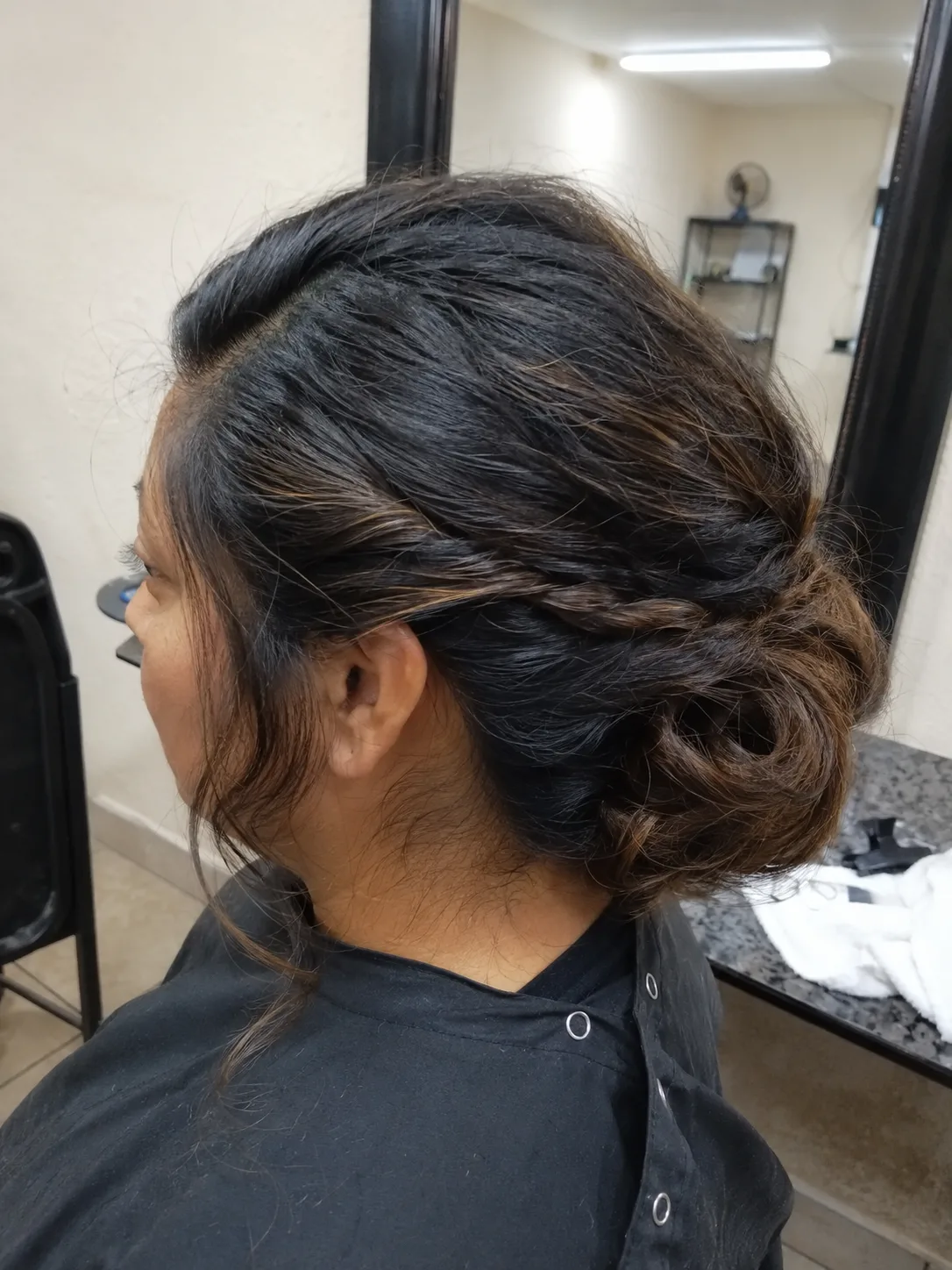
The difference between a random braided hairstyle and an elvish one often comes down to where the braid travels.
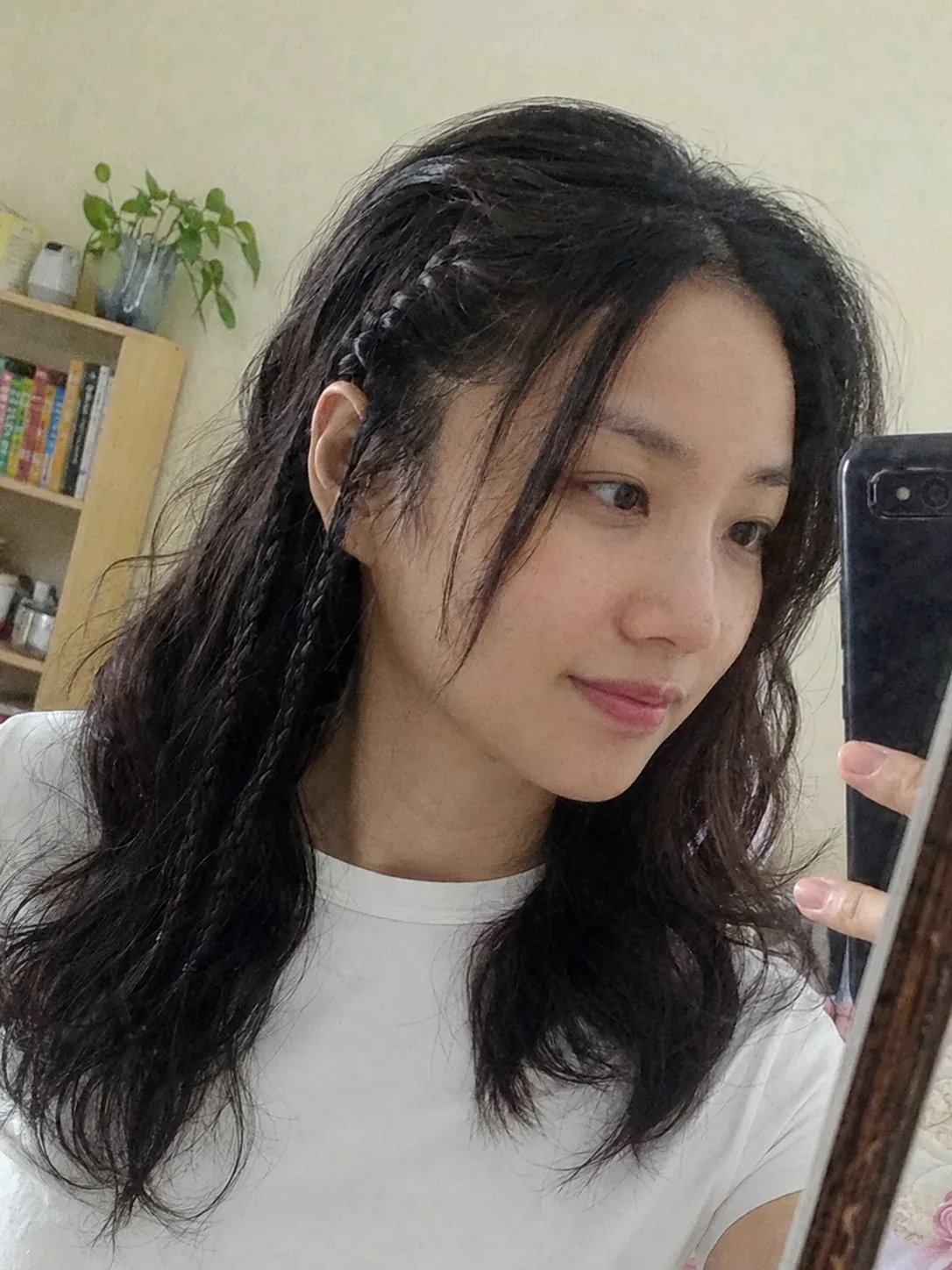
Temple braids
These are the easiest entry point. Hair from each side moves backward and meets behind the head.
Keeping some hair above and below the braid creates a layered effect around the side of the head. Positioning the braid too low can make it disappear behind the ears and loose lengths.
Waterfall-style braiding
A braid that allows selected strands to fall through it creates an airy, detailed effect without gathering much of the hair.
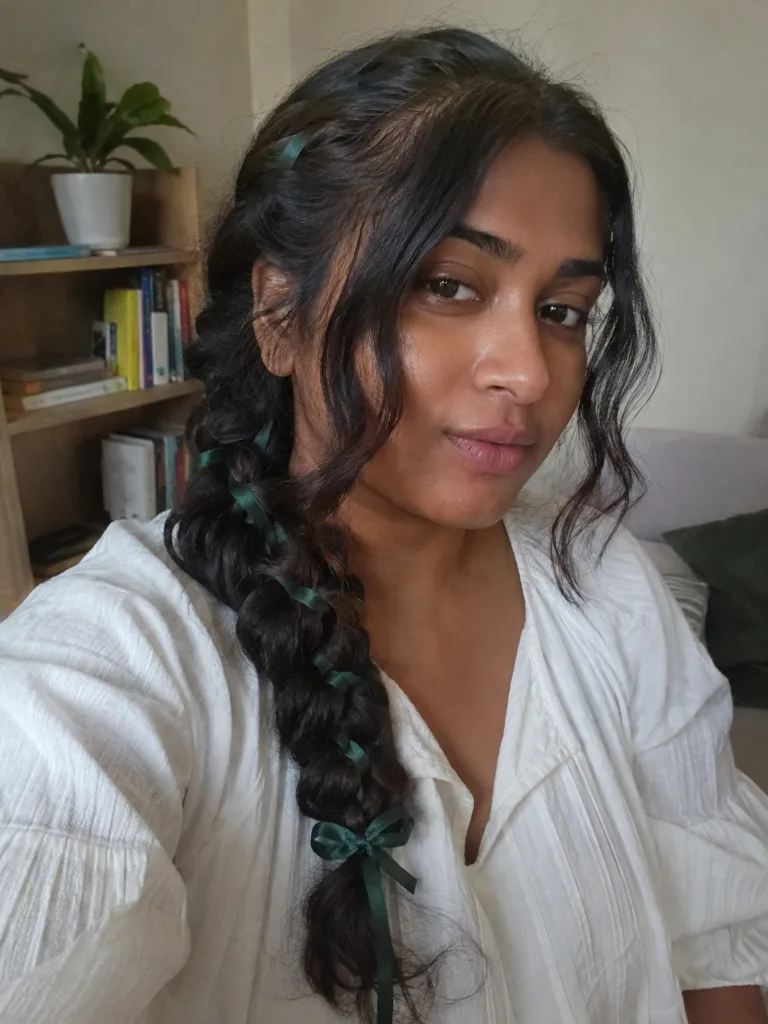
This works well with waves or curls because the released pieces become part of the loose texture below. The braid itself needs to stay readable; an extremely small or loose pattern can get lost in dense hair.
Central back braid
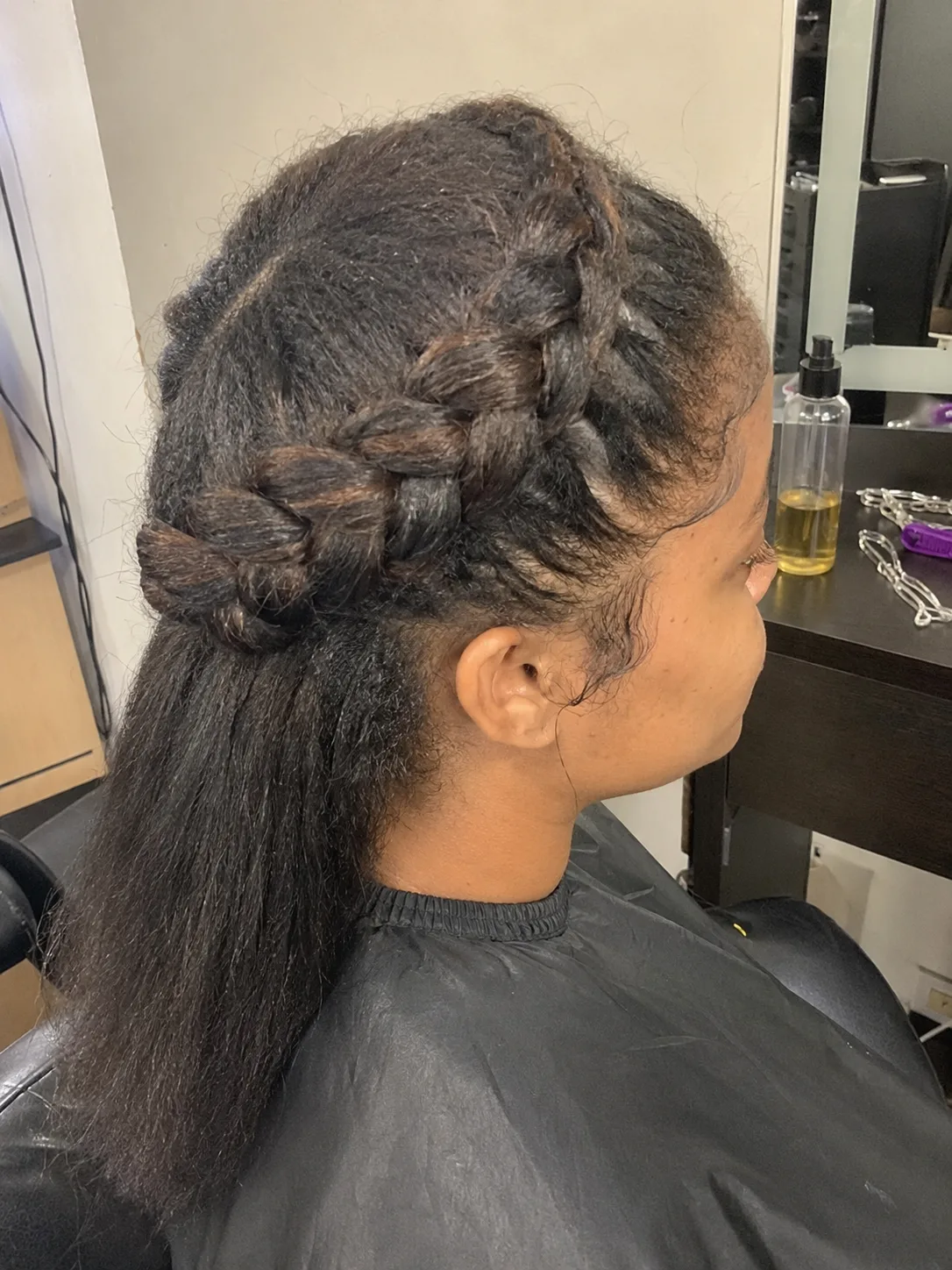
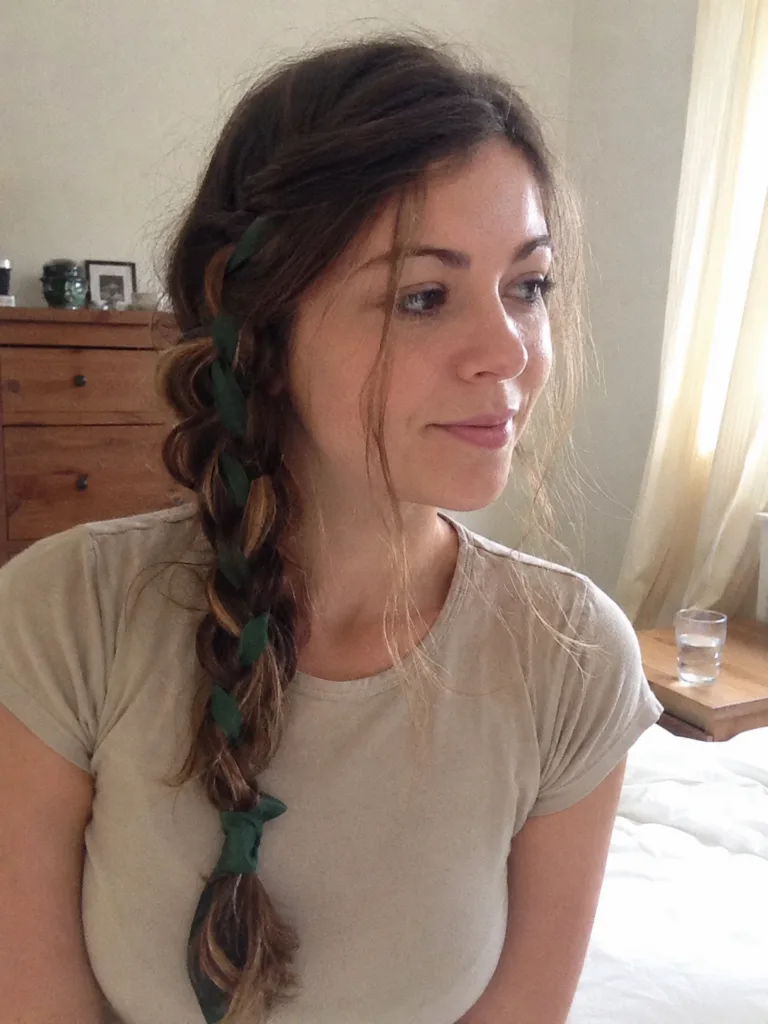
Instead of joining two sides with a clip, they can feed into a central braid running down the back.
This creates a stronger vertical line and makes the construction visible in photographs from behind. It’s particularly effective when you want the style to feel elaborate while keeping most of the hair loose.
Braided crown
A crown introduces a more ceremonial character. It can sit above loose hair or become part of a full updo.
This is one style where clean section planning matters more than adding extra detail. A well-positioned main braid usually has more impact than layering several smaller braids around it.
Interlaced braids
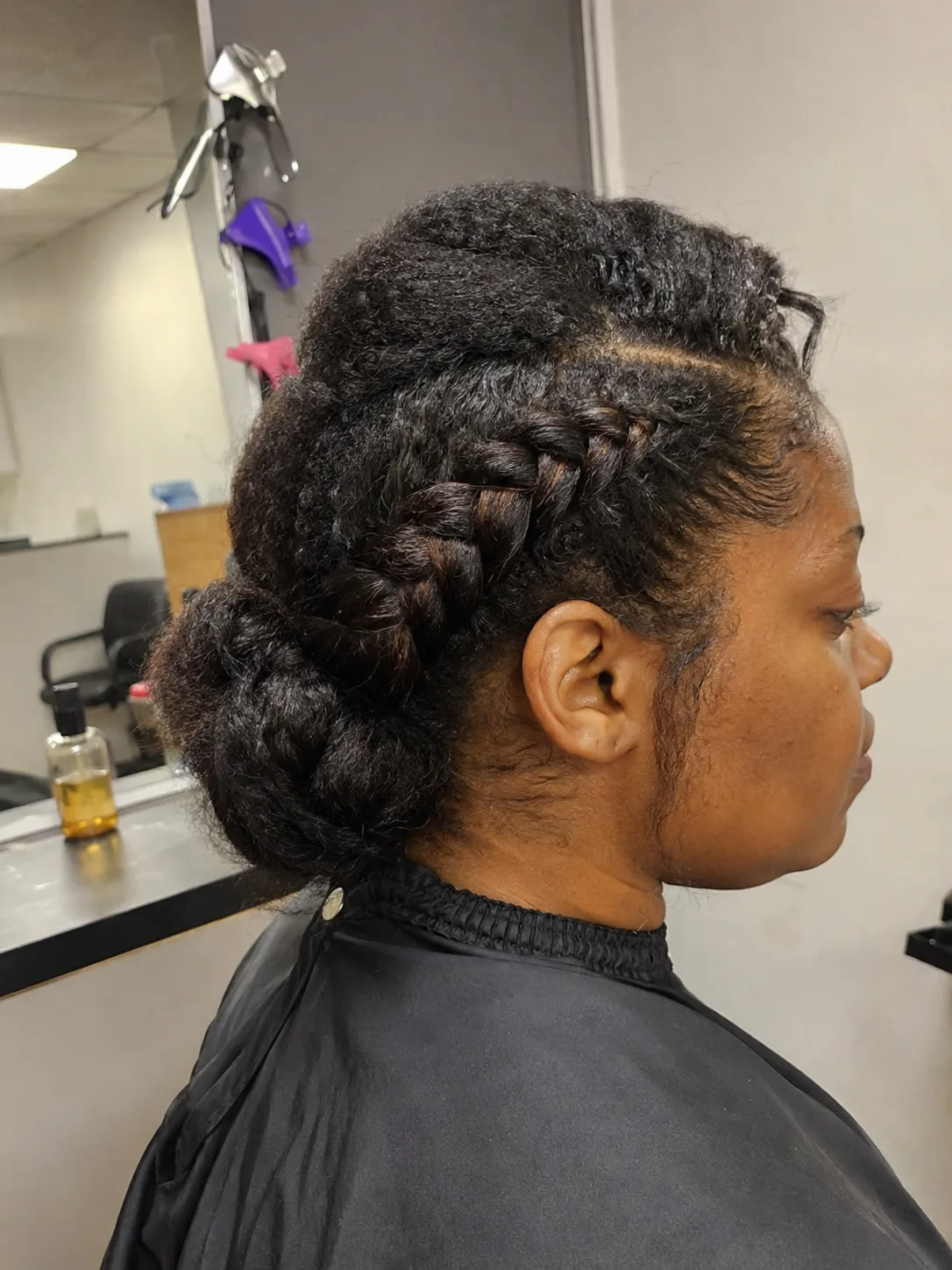
Multiple braids can cross or weave through one another before being secured.
Use this construction when the back of the hairstyle will actually be visible. Under a hood, cape, veil, or large headpiece, much of that work can disappear.
The strongest designs have a hierarchy: one major braid or pathway leads the eye, while smaller sections support it.
Accessories Can Finish the Look—or Make It Feel Like a Costume Prop
Accessories are especially tempting with elvish hairstyles because fantasy styling invites leaves, vines, metallic pieces, flowers, circlets, chains, beads, and decorative pins.
More isn’t always more effective.
Hair ornaments work best when they reinforce an existing line. A pin placed where two braids meet has an obvious visual purpose. A narrow chain following the curve of a crown braid also makes sense. Several unrelated pieces distributed across the hair can make the styling look busy.
Consider the rest of the outfit before adding anything.
Elaborate ears, large earrings, a decorated collar, a cloak fastening, and a highly detailed headpiece may already create plenty of visual information around the face and neck. A simpler hairstyle can support those elements better than another layer of decoration.
Practical contact points matter too. Check where a circlet sits relative to the braid and where the arms of glasses pass behind the ears. A bulky temple braid can compete with both. Decorative combs need enough hair beneath them to stay stable without digging into the scalp.
Fresh flowers and plant material can also behave differently from hair accessories once they bend, dry, or catch on neighboring strands. For a long event, secure ornamentation matters more than how impressive it looks for the first photograph.
A Reliable Way to Build a Half-Up Elvish Hairstyle
A braided half-up style is the most adaptable place to start because the method can be simplified or expanded according to your length and texture.
Begin with hair in the texture you actually want to wear. Detangle or separate it as appropriate for that state. Decide where you want the finished half-up section to sit before making any braids.
Create a clean section near one temple. Keep enough loose hair around it that the side doesn’t look completely pulled back unless that’s the intended effect. Braid or twist the section toward the rear of the head rather than directing it straight downward.
Repeat on the opposite side. Check the style from the front before joining anything. The amount of hair removed from each side affects how open the face appears and how much fullness remains around the temples.
Bring the sections toward a meeting point at the back. They can be secured together with a small elastic, crossed and pinned, or continued into a central braid. Bobby pins should follow the construction rather than sit randomly across the surface.
For more complexity, take a second set of sections below or above the first pair and direct them toward the same area. Avoid turning every available section into another braid. Leaving negative space between braided lines makes the design easier to see.
Finish the loose lengths according to your texture. Straight hair can remain sleek, waves can stay soft, and curls or coils can retain their natural grouping. A setting product may help the specific texture and construction hold, but the hairstyle shouldn’t depend on stiffening every loose strand.
Move your head before calling it finished. Look down, turn side to side, and check the areas behind the ears. Pins, elastics, combs, or decorative pieces that already feel uncomfortable are unlikely to become more pleasant later.
What Reference Photos Usually Hide
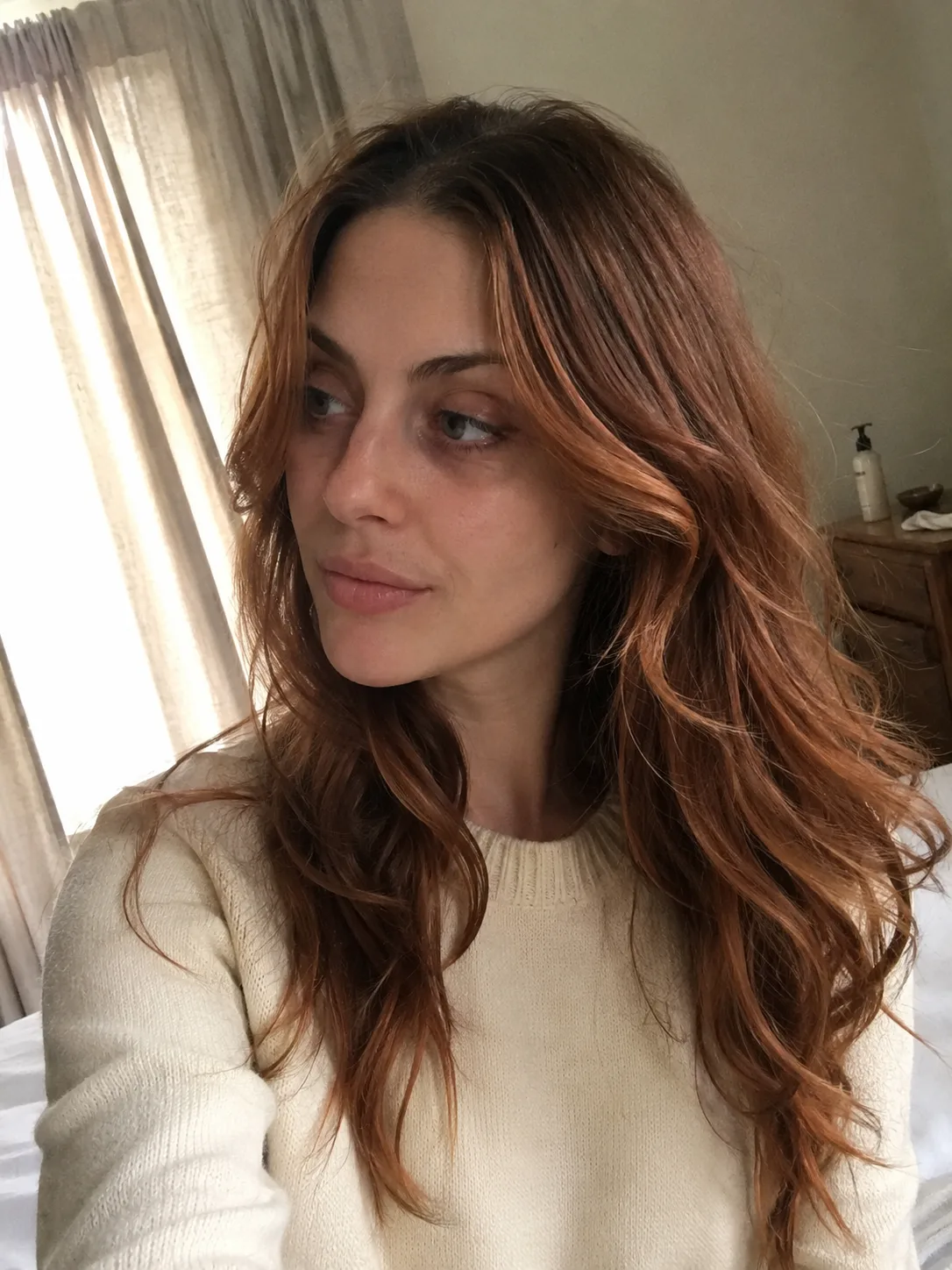
Fantasy hair photography is very good at showing the most flattering angle.
It doesn’t always show what happens from the front.
A large braided arrangement that looks spectacular from behind may flatten the crown when viewed face-on. Very tight temple sections can reveal more of the side hairline than expected. A broad crown braid may alter the apparent proportions of the head more than a narrow one.
Reference images also hide movement. Loose waist-length hair behaves differently while walking outdoors than it does while standing still for a photograph. Wind can merge small braids into the surrounding hair, while long loose sections can wrap around costume jewelry or catch beneath clothing.
The costume matters just as much. High collars and capes can push loose hair forward. A hood may crush crown height. A large headpiece may cover the most intricate part of the hairstyle.
For weddings or other long formal events, test the style with the actual accessories you expect to wear. A veil comb, circlet, ear piece, or floral ornament changes the available space for braids and pins.
Photograph the front, both sides, and back during the test. The back view alone is a poor basis for choosing a hairstyle you’ll be wearing in three dimensions.
Comfort, Maintenance, and Takedown
The prettiest construction isn’t worth much if the scalp starts hurting shortly after styling.
Braided fantasy styles sometimes concentrate several sections into the same small area at the back of the head. Keep the joining point secure without pulling every temple hair toward it. Fine strands and low density are separate characteristics, but either can influence how much scalp becomes visible when sections are pulled tightly.
Added hair requires extra attention to weight. A long extension attached to a relatively small half-up base can create more leverage than the hairstyle’s appearance suggests.
Sleeping also favors simpler construction. Loose lengths can be gathered gently, and a smooth scarf, bonnet, or pillowcase may help reduce friction and tangling. Large decorative accessories should generally be removed when their construction allows it rather than pressed between the head and pillow.
For an event-only style, takedown is part of the plan. Numerous tiny elastics, hidden pins, intertwined braids, and backcombing can make removal more complicated than styling the hair in the first place. Keep track of where structural pins were placed and work through the style in reverse.
Persistent pain, sores, redness, or significant irritation deserves attention rather than being accepted as the price of an elaborate hairstyle. Remove or loosen the source of pulling where possible, and concerning scalp symptoms or sudden changes in density can warrant discussion with a dermatologist or another qualified healthcare professional.
Planning an Elvish Hairstyle With a Stylist
Bring reference images for structure, not just atmosphere.
A picture of a character standing in a forest may communicate the mood beautifully while showing very little about how the hair is actually constructed. Include an image that clearly shows the back or side pattern whenever the braid layout matters.
Then identify your priorities:
How much hair should remain loose?
Should the ears stay visible?
Will you wear a circlet, veil, flowers, glasses, or costume ears?
Does the hairstyle need to work with a hood, cape, or high collar?
Do you want your natural texture emphasized?
Are extensions part of the plan?
Also show the stylist your intended neckline or headpiece when those details affect the hair. A low braided arrangement may be hidden by a tall collar, while a high bun can compete with a crown.
For a first elvish hairstyle, a moderately detailed half-up design is usually the smartest choice. It leaves room for braiding, texture, and accessories without turning the entire hairstyle into a complicated installation. Save the heavily interlaced crown or full fantasy updo for occasions where the extra construction will actually be visible and worth maintaining.
Related Hairstyles to Explore
FAQs
Can you create elvish hairstyles on short hair?
Yes. Shorter hair works best when the design focuses on the temples, crown, or accessory placement instead of trying to reproduce the long loose lengths seen in many fantasy references. Small side braids, twists, a partial crown, or a decorative half-up section can establish the look on a bob or lob. Very short cuts can rely more on surface styling and a well-placed headpiece.
Do elvish hairstyles work with curly or coily natural hair?
They can work beautifully without straightening the hair first. Curls and coils add their own movement and volume, while selected sections can be braided, twisted, stretched, or pinned. Shrinkage should be considered when deciding where braids will meet and how long loose sections will appear. Build the style around the texture you intend to wear rather than treating straight hair as the default.
Can extensions be used for an elvish hairstyle?
Extensions can add length, volume, or extra material for braiding, but the attachment method and weight need to suit the base hairstyle. Very long added hair attached to a small half-up section can feel heavier during movement than it appears in photographs. Extensions are most useful when they solve a specific construction problem instead of being added simply because fantasy hair is often shown as extremely long.
How do you keep an elvish hairstyle secure for an event?
Give the hairstyle a clear structural base before adding ornaments. Braids or twists should be secured where they meet, with bobby pins placed along the direction of the construction. Test any circlet, veil comb, floral piece, or other accessory with the completed style before the event. Turn your head, sit against a chair, and check the style from several angles so you can catch slipping sections or uncomfortable hardware early.
Hair Texture & Upkeep Style Matcher
Select your natural hair texture and daily maintenance window to get an instant styling formula and heat safety cap.
Heat Cap: 320°F (160°C)
A versatile three-strand braid beginning at the parietal ridge, securing the top half while allowing natural wave texture to flow freely around the shoulders.
Conclusion
The most effective elvish hairstyles aren’t necessarily the ones with the greatest number of braids. A clear shape, one or two strong construction details, and enough loose movement to keep the hair from feeling overworked usually create a more convincing result.
Start with the version your real hair length, texture, outfit, and event can support. For most people, that means a braided half-up style before a full crown or elaborate interlaced updo. Decide where the hair needs to move, where accessories need to sit, and which parts of the construction will actually remain visible. Once those decisions are settled, the fantasy details have somewhere to belong.
Editorial Standards & Hair Health Guidance
Every style featured on Tress Atlas is curated with a focus on real-world wearability, scalp tension management, and cuticle preservation. When trying protective styles or tight updos, ensure perimeter hairline sections remain tension-free to avoid traction stress on delicate follicles. For heat styling, cap tools below 350°F (180°C) to prevent thermal keratin denaturation.
Scientific Sourcing: Practices aligned with the American Academy of Dermatology (AAD) on traction alopecia risk reduction and cosmetic trichology research on hair tensile strength.