Whimsical Hairstyles: Styling Guide & Cuts That Feel Playful Without Looking Like a Costume
Whimsical hair works because something familiar is pushed slightly beyond ordinary: a braid curves where you’d expect it to fall straight, curls are arranged like soft clouds, or a simple ponytail becomes sculptural through loops and bubbles. The strongest versions still look deliberate from every angle.
That distinction matters. A photograph may sell you on scattered flowers or a dramatic bow, while the underlying hairstyle is doing most of the work. Remove the decoration and there should still be a recognizable shape.
Before choosing a look, decide how much fantasy you actually want. Soft waves with tiny braids can feel romantic and wearable. Heart-shaped braiding and sculpted loops make a much stronger statement. Hair length, density, shrinkage, your usual styling state, and the weight of any added pieces will also change the result.
Romantic Whimsy With Movement
Twisted Half-Up Hair With Loose Waves
This is one of the easiest ways to make whimsical hair feel grown-up. Two sections are twisted away from the face and secured at the back while the rest of the hair stays loose. The twist creates the detail; waves, curls, or natural texture provide movement.
A centered join reads balanced and storybook-like. Moving the meeting point slightly lower creates a softer result because more hair remains free around the crown.
This is also forgiving when you don’t want a rigid updo. Bobby pins can sit beneath the twists, and a narrow ribbon or small floral detail can be added without carrying the entire concept. On curly or coily hair, the loose portion can remain naturally defined instead of being straightened first.
Waterfall Braid Through Loose Hair
Few braided styles create movement as clearly as a waterfall braid. Sections are deliberately released as the braid travels around the head, leaving vertical pieces to fall through the woven structure.
It works particularly well when the dropped sections contrast visibly with the braid. Waves emphasize that separation, although defined curls and stretched textured hair can create an equally interesting effect.
The braid itself needs enough neatness to remain readable. Over-accessorizing can hide the construction, so this is one whimsical hairstyle that usually looks stronger with minimal decoration.
Soft Crown Braid With Loose Tendrils
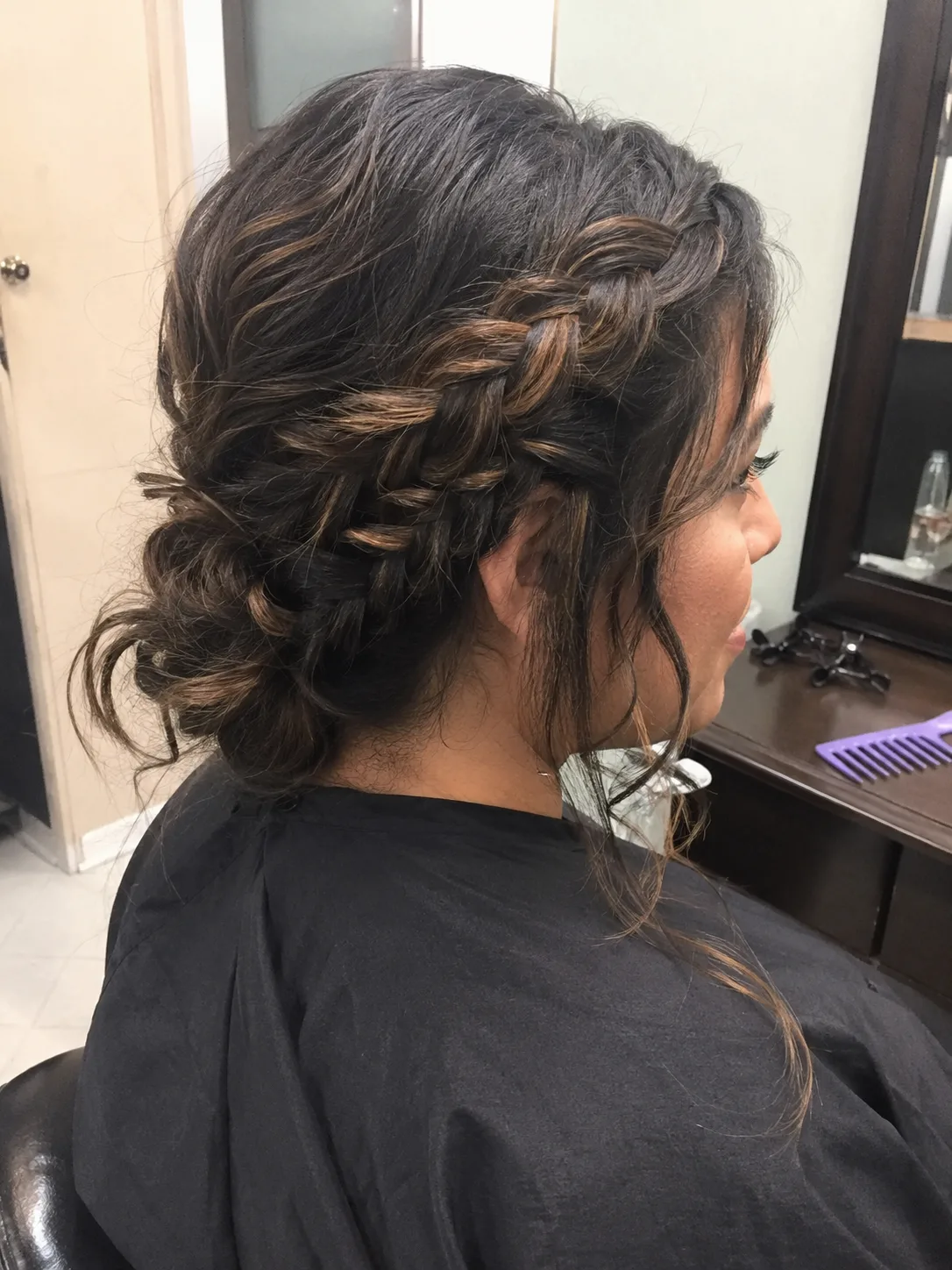
A crown braid gives the head a halo-like outline without requiring a towering updo. The braid may wrap fully around the head or be constructed from sections that meet and disappear into one another at the back.
Loose pieces around the face soften the circular shape, but they aren’t mandatory. Curl patterns can be allowed to escape naturally instead of pulling every short piece into the braid.
This is more secure than many loose romantic styles because the visual interest comes from the braid itself. The practical issue is comfort: a crown that feels tight while you’re getting ready is unlikely to become more comfortable later. Keep the foundation secure without forcing delicate perimeter hair into the braid.
Cascading Curls With Tiny Accent Braids
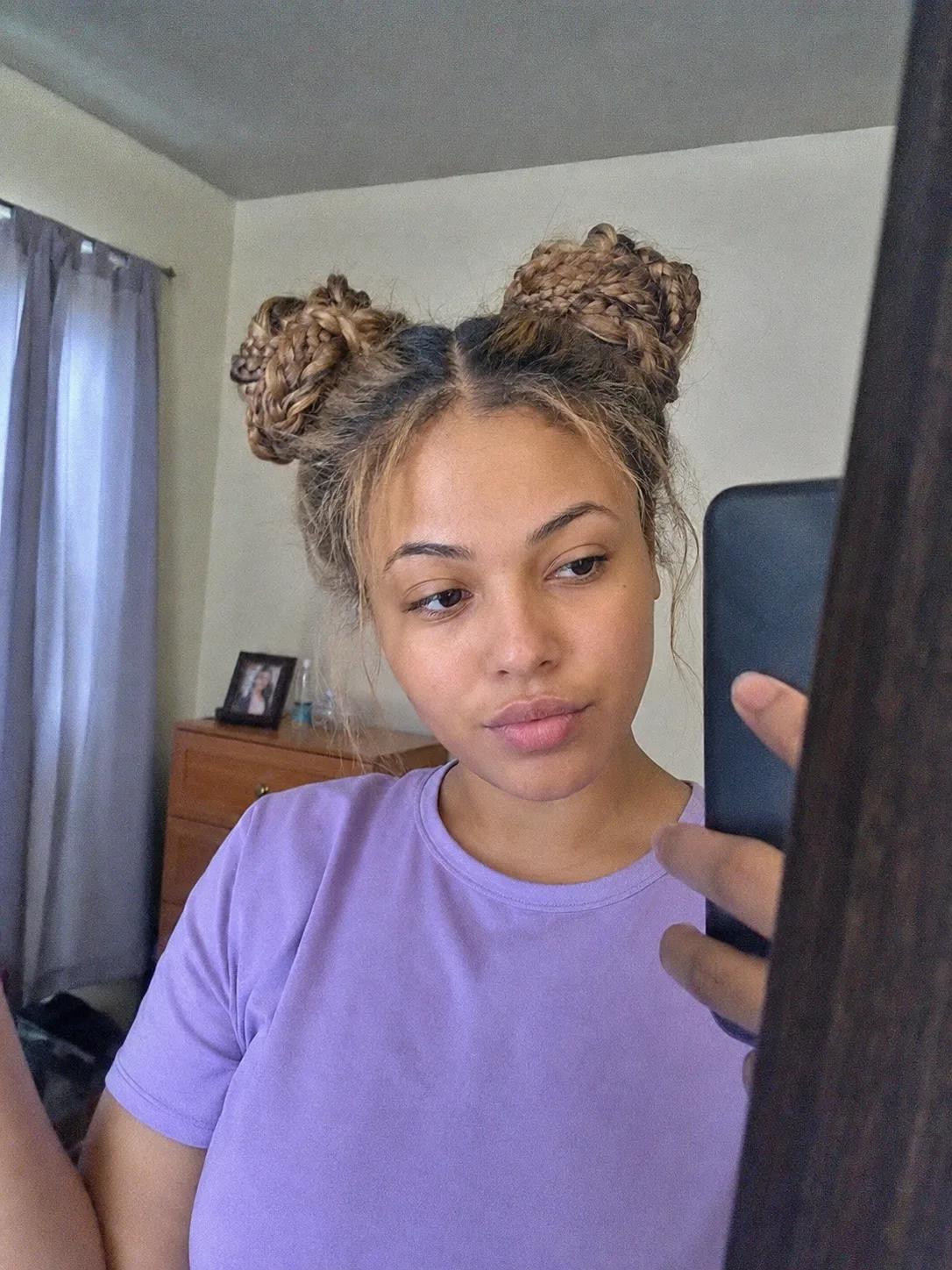
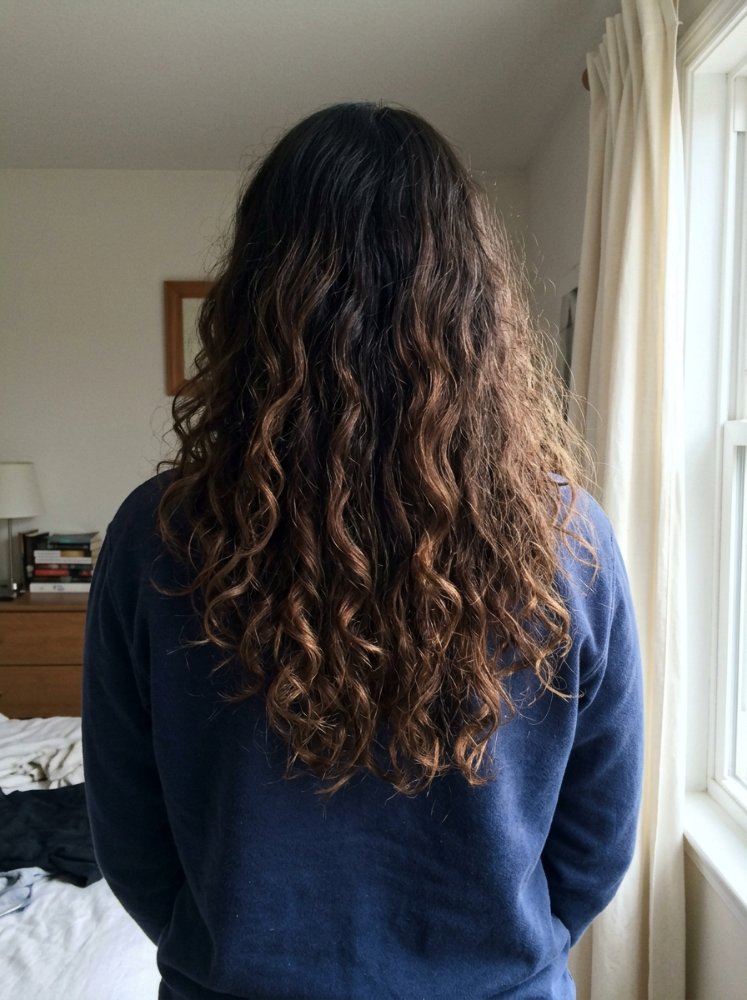
Large sections of loose texture do most of the visual work here. A few narrow braids are placed through the hair almost like threads, breaking up the curls without turning the entire style into a braided look.
The idea is especially effective on long hair because the braids can disappear and reappear through the length. Shorter hair can use the same approach near the temples or crown.
Resist the urge to add numerous tiny braids simply because they’re whimsical. Too many can fragment the shape and make takedown disproportionately tedious. A small number placed where they’re actually visible gives you the fantasy effect with less work.
Bows, Loops, and Sculpted Shapes
Hair Bow Half-Up Style
Here the bow is made from the hair itself rather than clipped on afterward. A half-up section forms two loops, while a smaller piece wraps through the center to imitate a bow knot.
The result is playful immediately, so the remaining hair can stay simple. Straight lengths make the bow’s edges easy to read, while waves or curls create a softer contrast between the structured top and loose bottom.
This style needs enough workable length in the section forming the bow. It also becomes less forgiving as the loops grow larger because they require stronger internal pinning. Keep the bow proportionate to the amount of hair available instead of chasing oversized reference photos.
Sculpted Loop Updo
Loops turn ordinary pinned hair into something closer to hair sculpture. Sections are curved into open shapes and pinned so you can see spaces between them instead of one solid bun.
This is a strong choice for formal whimsical hair because the fantasy comes from construction rather than novelty accessories. The pattern might sit across the back of the head, cluster asymmetrically, or rise slightly through the crown.
Smooth, stretched hair makes precise loops easier to define, while curls can produce a softer version with less geometric edges. Hairpieces or extensions may increase the available volume, but added material also changes weight and anchoring. A large sculptural shape needs a foundation capable of supporting it comfortably.
Double Rosette Buns
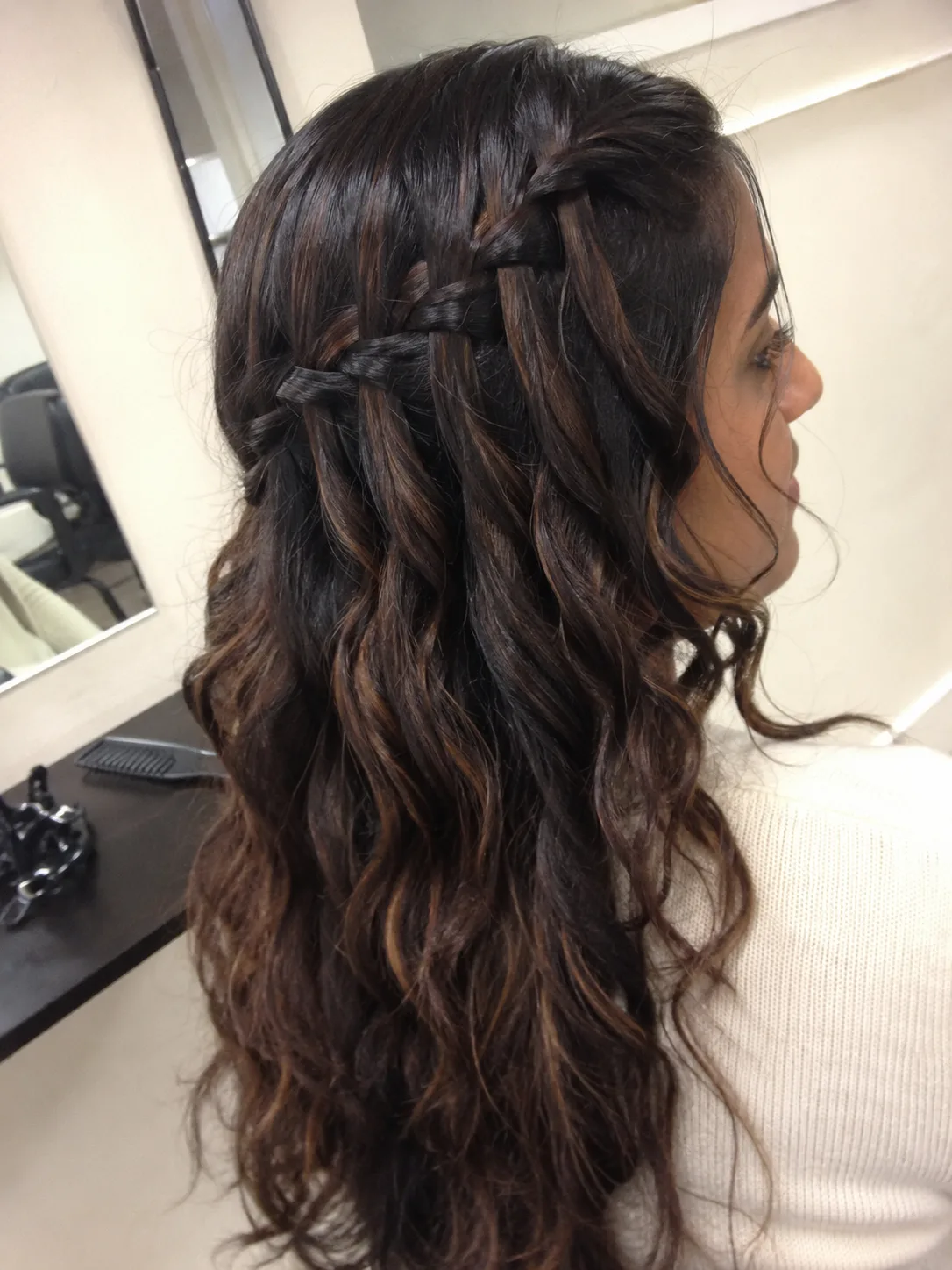
Rosette buns are created by winding twisted or braided sections into visible spirals. Using two gives the hairstyle a playful symmetry without relying on standard space buns.
Placement changes the mood considerably. Low rosettes near the nape feel romantic; higher placement is more animated and youthful. The spiral pattern should remain visible from a normal viewing distance, otherwise the buns can read as ordinary coils.
They’re particularly effective with braids because the woven surface emphasizes each turn of the rosette.
Low Twisted Chignon With Curved Sections
Not every whimsical hairstyle needs an obvious fantasy motif. A low chignon becomes more unusual when several twisted sections sweep into it from different directions.
This gives you movement across the back of the head while keeping the overall shape compact. It’s useful for events where a giant bow or high sculpted bun would feel excessive.
Because the bun sits close to the nape, consider collars and necklines before finalizing the placement. A thick collar can push against a very low chignon and loosen carefully pinned sections.
Infinity-Shaped Braided Bun
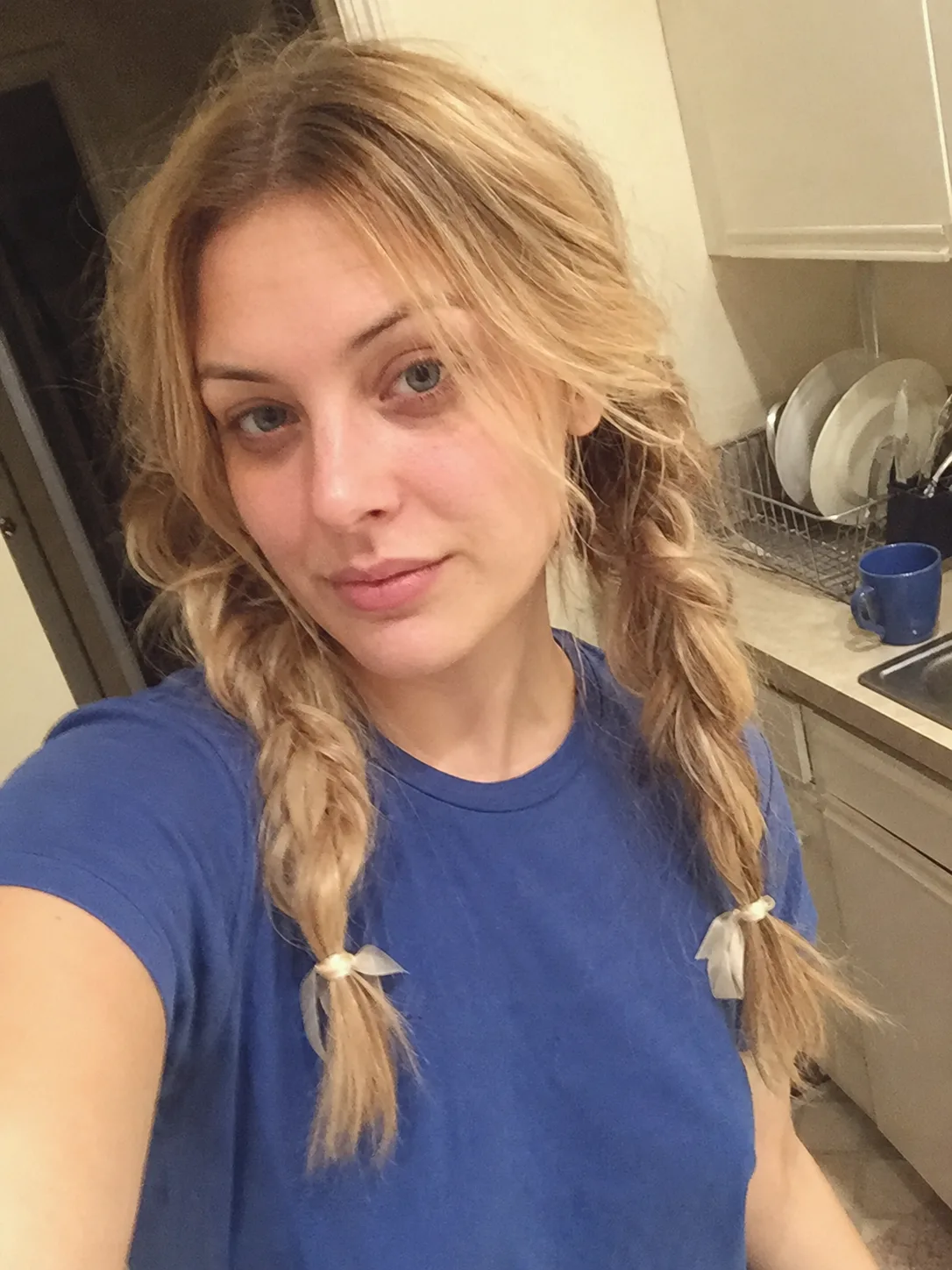
An infinity bun uses a braid or twisted length arranged into a sideways figure-eight. The recognizable outline gives a simple updo a graphic, almost fairytale quality.
Medium-to-long lengths are easier to manipulate into the two loops. The ends need to disappear cleanly underneath or into the center so the figure-eight remains recognizable.
This is an underrated whimsical option for someone who wants visual novelty without loose pieces, dangling ribbons, or elaborate accessories.
Braids That Create the Fantasy
Heart-Shaped Braids
Heart braids make the design part of the construction. Braided sections curve outward and then return toward a central point, creating one prominent heart or several smaller motifs.
The strongest version uses clean directional parting and enough contrast between the scalp and braid path for the heart to read clearly. Natural, stretched, braided, or extension-assisted hair can all support variations of the idea; the method should be chosen around the hair’s condition and the desired scale.
A heart motif deserves space. Packing several other shapes around it can make the overall design harder to read.
Ribbon-Woven Braids
A ribbon threaded through an actual braid creates more depth than simply tying a bow to the end. It can travel through a three-strand braid, lace through a larger woven section, or appear intermittently along the length.
The braid should still provide the structure. Choose a ribbon width that moves through the hair without overwhelming the weave, and keep the ends secure enough that they don’t gradually slide free.
This works across romantic, cottage-inspired, and playful styling depending on the braid shape and ribbon choice. It also photographs well from the back, making the placement important for occasions where most attention will otherwise be focused on the front.
Butterfly-Shaped Braided Updo
This is one of the more theatrical choices. Braided sections are pinned into mirrored loops so the arrangement suggests butterfly wings.
Symmetry makes the motif easier to recognize, though a slightly abstract interpretation usually looks more sophisticated than trying to reproduce every detail literally. The central joining area has to remain tidy because it’s where several sections may converge.
This hairstyle earns its complexity for costume-adjacent events, artistic photographs, themed parties, or anyone deliberately seeking statement hair. For everyday whimsy, simpler wing-like loops are more practical.
Snake Braid Through Loose Texture
A snake braid creates a narrow, curved woven detail that travels across or down otherwise loose hair. Its irregular line is what separates it from a standard accent braid.
It’s useful when you want something unusual without committing the whole head to an intricate design. Loose waves, curls, or textured lengths provide a background that makes the narrow braid stand out.
The curve should look deliberate rather than like a braid that accidentally shifted sideways. Strategic pinning beneath nearby hair can preserve the path while keeping the supports less visible.
Braided Mohawk Into a Soft Bun
This hairstyle concentrates the detail through the middle of the head. A braid travels from the front or crown toward the back, where it feeds into a soft bun.
Compared with a standard crown braid, the eye moves vertically rather than around the head. That gives the style more lift and drama without requiring a very tall finished shape.
Side sections may be smooth, twisted, braided, or left with controlled texture. Keep the central braid as the dominant feature. Several competing techniques can turn an interesting construction into visual clutter.
Playful Ponytails, Puffs, and Texture
Bubble Ponytail
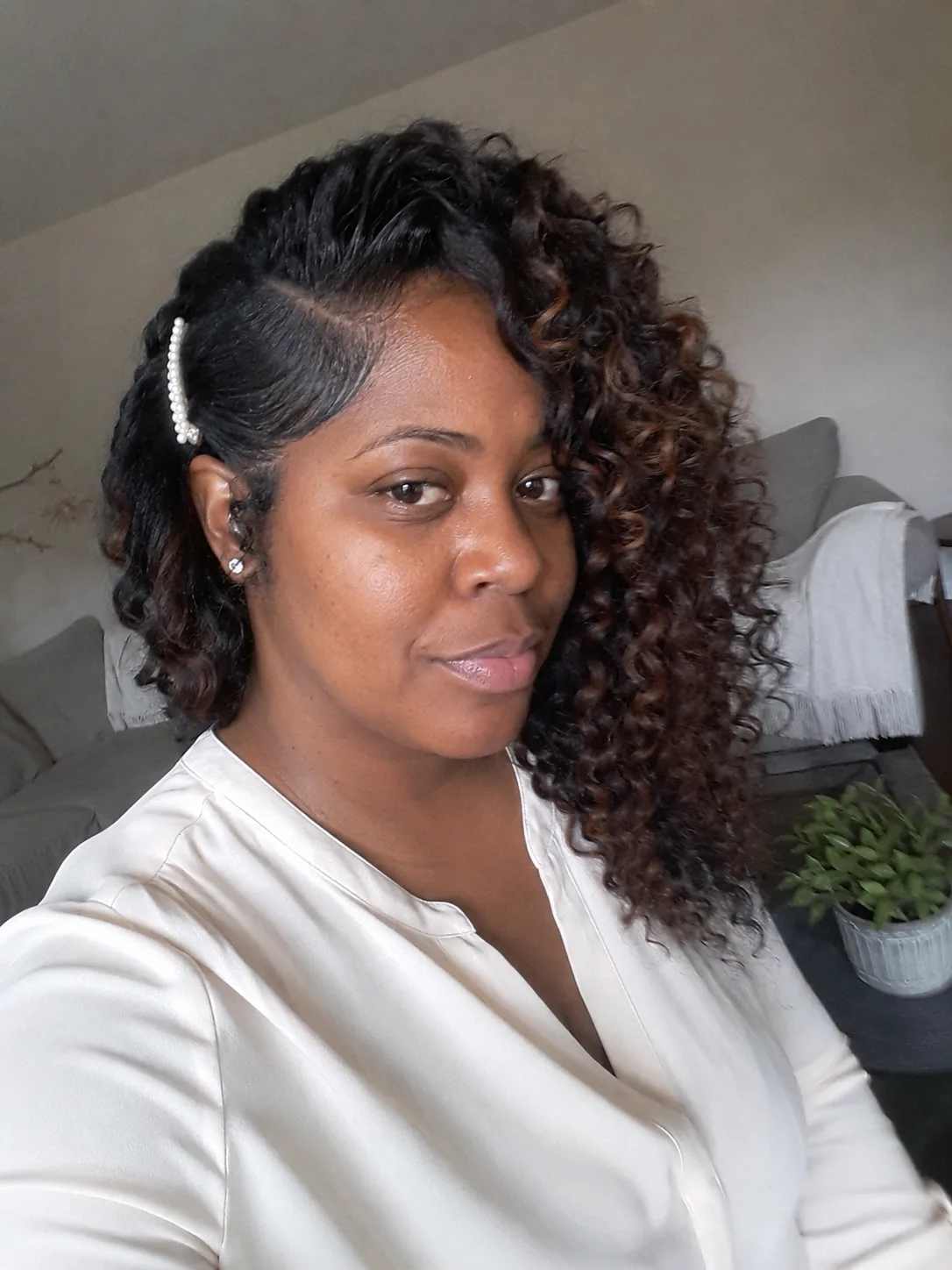
The bubble ponytail is whimsical almost by default. A ponytail is divided at intervals with elastics, and each section is gently expanded to form rounded bubbles.
What reference photos don’t show well is how much the starting ponytail controls the outcome. More length provides room for a longer sequence of bubbles, while density influences how full each section appears. Added hair can create a larger tail but will also increase the load at the anchor.
The stronger choice for everyday wear is usually a proportionate ponytail with clearly shaped bubbles, not the longest version you can construct.
A fabric-covered elastic can establish the main base, with smaller elastics creating the sections below. Expand each bubble gradually so neighboring sections stay visually related instead of one becoming dramatically larger than the rest.
Cloud Puff Updo
A cloud puff celebrates volume instead of trying to compress it. Curly or coily hair is gathered so the ends remain airy, rounded, and irregular, creating a cloud-like mass above or behind the head.
This is particularly effective on hair worn in its natural or stretched textured state. Shrinkage changes both apparent length and the size of the puff, so judge the shape in the state you actually plan to wear.
You can separate the puff gently to create softness without brushing away the curl or coil pattern. Decorative pins can sit around the base while the texture remains the focal point.
Stacked Bubble Pigtails
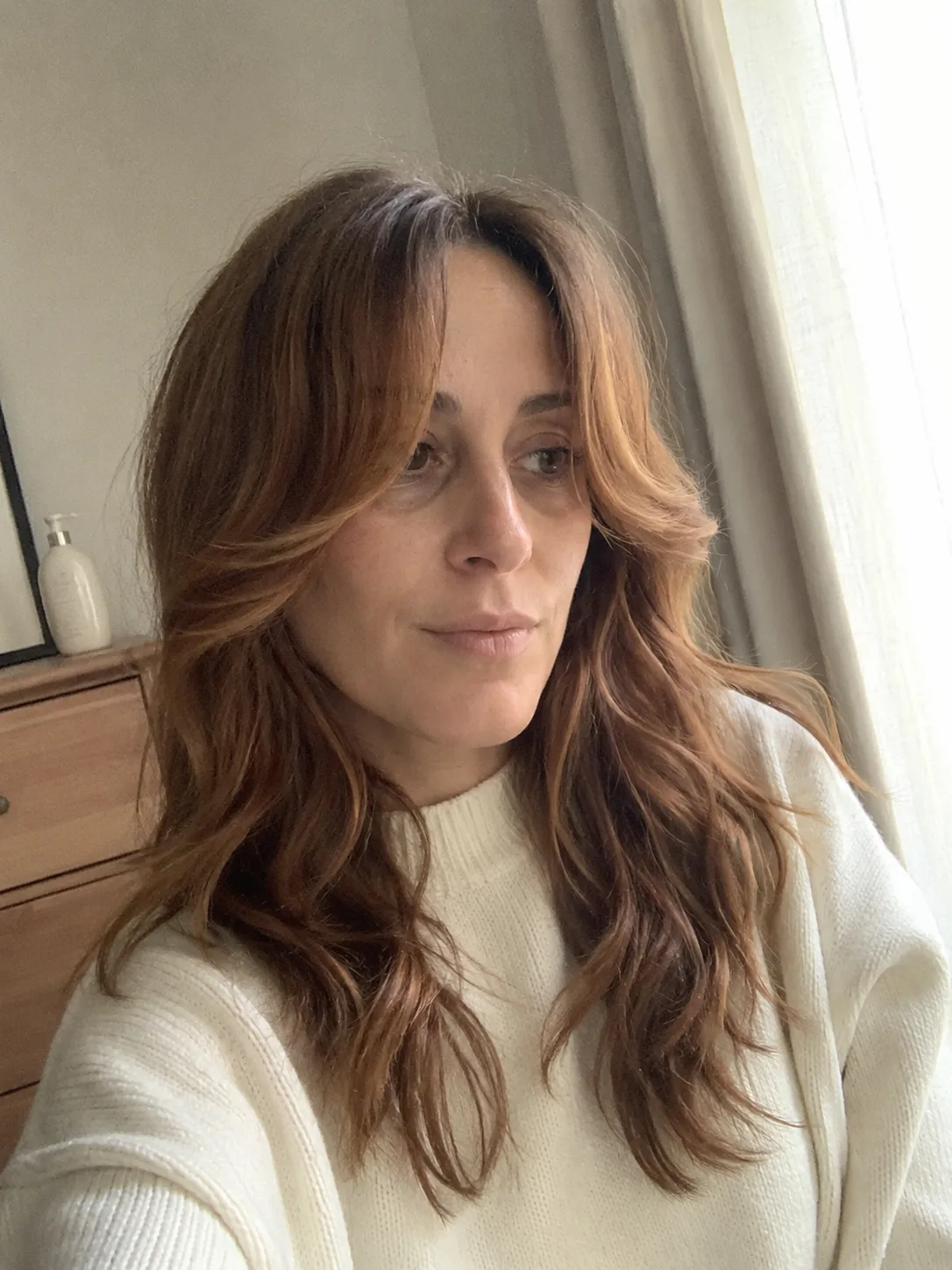
Two bubble tails create a very different outline from one central ponytail. The symmetry feels playful, graphic, and slightly cartoon-like, especially with clearly rounded sections.
Lower placement makes the style easier to live with around hats and headrests. Higher pigtails create more drama but can put more movement through the anchors as the tails swing.
This style is strongest when the bubbles are the main idea. Adding elaborate braiding, large bows, and multiple clips at the same time can make the look busy quickly.
Curly Pineapple With a Draped Front Section
A high pineapple already creates a playful burst of texture. Leaving a defined curl, coil group, or soft front section to drape toward the forehead changes it from purely practical gathering into an intentional hairstyle.
The crown remains full while the front gives the style movement from the face-on view. It works especially well when the hair naturally has enough volume to fan outward without extensive manipulation.
Avoid pulling every perimeter strand toward the highest point just to create a cleaner base. Shorter or more fragile hairs can remain softly arranged around the edges.
Fairytale Updos and Occasion Styles
Braided Halo With Scattered Floral Details
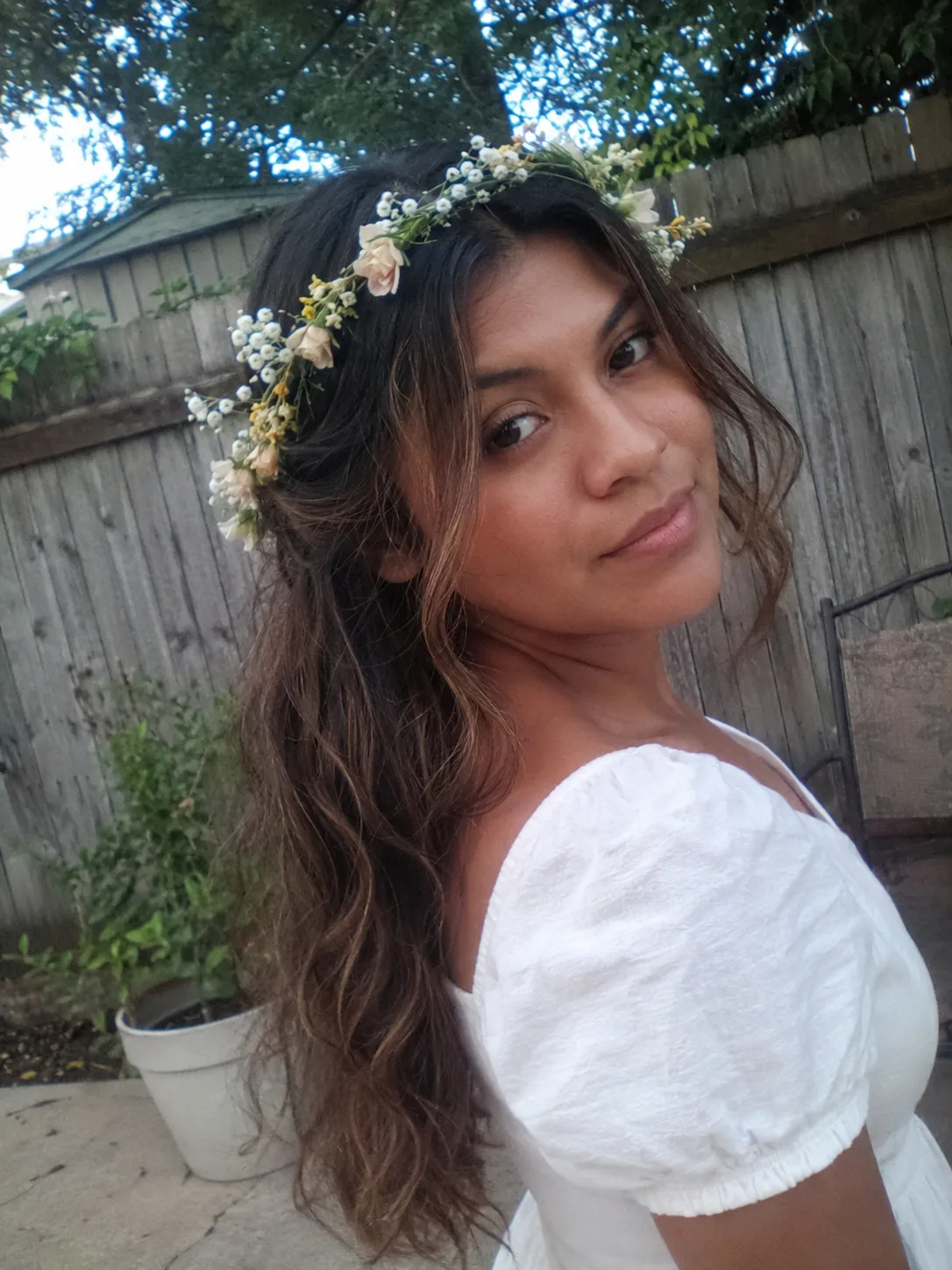
Start with the hairstyle, then add the flowers. A substantial halo or crown braid provides the circular structure, while small floral elements appear at selected points through the braid.
Spacing makes the difference between botanical and cluttered. Clustering a few pieces around one side can look more organic than placing identical decorations at perfectly equal intervals.
Fresh, dried, or artificial floral accessories each behave differently, so consider weight, stem edges, shedding, and how the pieces will be secured. Nothing decorative should require painfully tight pinning against the scalp.
Half-Up Celtic Knot
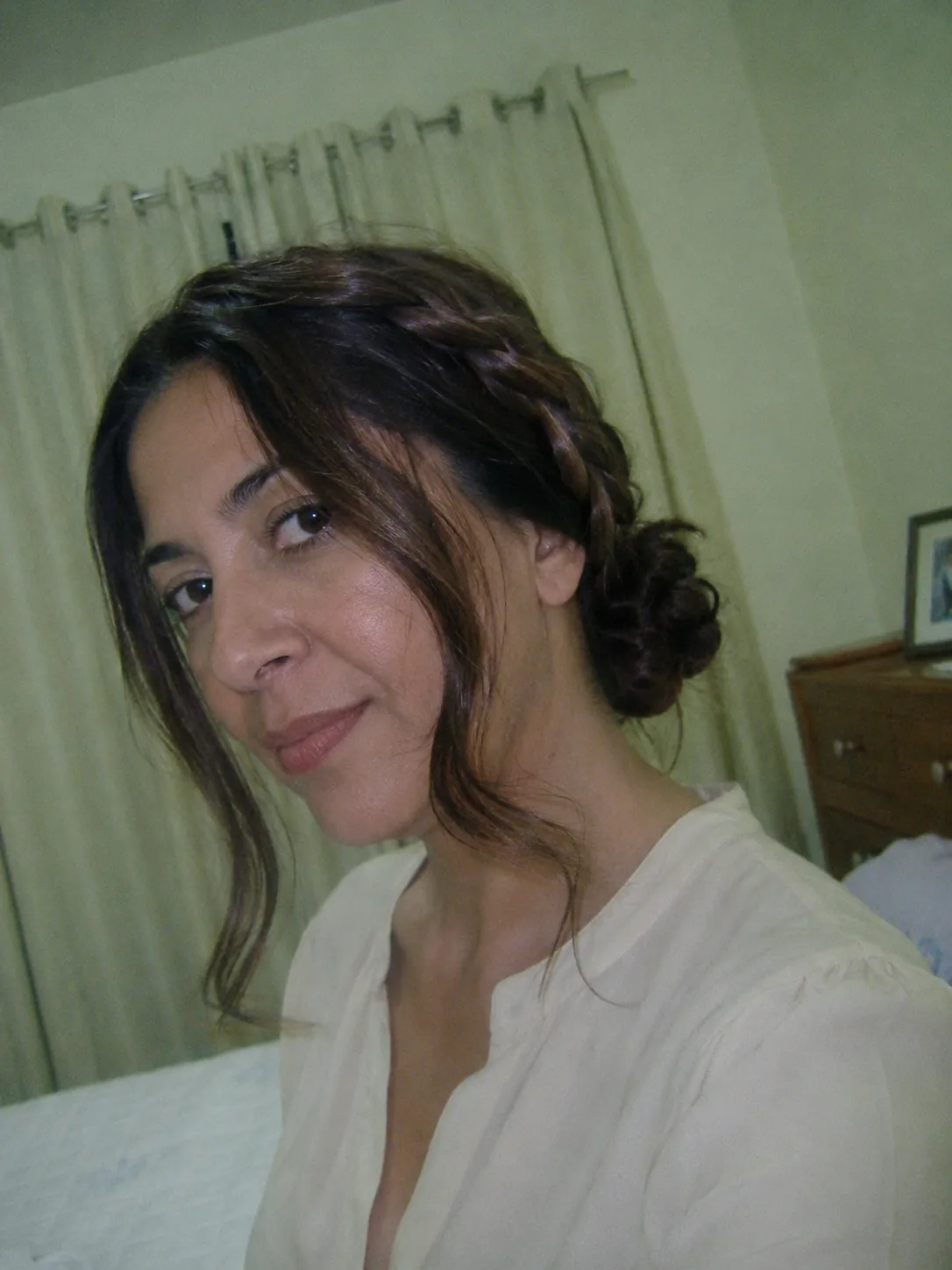
A Celtic-inspired knot replaces the usual elastic or barrette at the back of a half-up style. Sections are looped through one another so the center becomes the focal point.
This option is quieter than a hair bow or heart braid but more unusual than a standard twisted half-up style. Smooth enough sections make the crossings visible, while some movement through the loose lengths prevents the design from feeling severe.
The knot can become difficult to read when too little hair is used, yet an oversized version may collapse under its own weight. Let the amount and length of hair available determine the scale.
Starburst Braided Updo
Several braided or twisted sections radiate toward or away from a central area, producing a starburst effect across the head. Unlike a single central braid, this style depends on directional repetition.
The parting is part of the design. On braided natural-hair styles, scalp-visible sections make the geometry especially noticeable. Looser versions can hide the parting and let the braids themselves form the star.
Because several sections may converge, the central anchor deserves attention during styling. Secure doesn’t need to mean tight. Redness, persistent soreness, or stinging are reasons to reassess the construction rather than cover the area with decoration.
Asymmetrical Fairy-Tale Updo With Cascading Curls
For maximum romance without a literal heart, butterfly, or bow motif, move the entire arrangement off-center. One side is swept upward into pinned curls or twists while longer pieces cascade diagonally toward the opposite shoulder.
The asymmetry creates drama immediately. It’s also useful for displaying curls because they aren’t compressed into a symmetrical bun.
This is more salon-dependent than many loose whimsical hairstyles. The front, side, and back have to make sense together, and hidden pins need to support the cascading sections through movement.
Plan around earrings, veils, glasses, and the neckline before deciding which side carries the larger shape. An elaborate sweep placed directly where another accessory needs to sit creates an avoidable fight for space.
What Whimsical Hair Looks Like in Real Life
A whimsical hairstyle is often photographed during its best few minutes, from the angle that shows the design most clearly. Real life adds chairs, wind, clothing, dancing, humidity, sleeping, and movement.
Large buns and loops may press against a car seat or event chair. Long bubble ponytails can slide beneath straps or repeatedly move across the shoulders. Flowers, ribbons, pins, and decorative combs can compete with glasses arms, veils, hats, or headpieces.
Loose texture has its own behavior. Humidity can expand curls and waves, while natural shrinkage may make a carefully planned length appear shorter as the hair settles. Neither is inherently a problem; both should be part of the design rather than an afterthought.
For an all-day event, comfort is worth more than one dramatic photograph.
Choosing the Right Amount of Whimsy
Start by choosing one dominant feature.
A hair bow already provides a recognizable motif. Heart braids do too. Sculpted loops provide shape. A floral halo gives you decoration. Combining all four rarely makes each feature stronger.
Then consider your normal relationship with your hair. Someone comfortable wearing loose curls may enjoy cascading accent braids because much of the routine stays familiar. A person who prefers contained hair may get more enjoyment from a braided crown, infinity bun, or low sculpted chignon.
Texture should influence technique rather than determine whether you’re allowed to wear a particular aesthetic. Straight, wavy, curly, coily, stretched, pressed, braided, twisted, loc’d, and extension-assisted hair can all be styled whimsically, but they won’t produce identical dimensions.
Density matters separately from strand size. Fine strands can exist in high-density hair, and low-density hair can contain coarse strands. A stylist planning oversized loops or a very full sculpted bun needs to know how much hair is physically available and whether an added piece makes sense.
For curly and coily hair, bring reference images that show a styling state close to the one you want to wear. A smooth sculptural updo created on stretched hair is a different project from an airy version built around shrunken coils.
Salon Planning and Maintenance
Whimsical styles benefit from reference photographs, but bring them for construction as much as appearance. Look for images that reveal the back and sides. A front-facing portrait might conceal a substantial braided base, hairpiece, or network of pins.
Before an appointment, decide which parts are essential. Perhaps you care most about the heart-shaped braid and don’t mind whether the loose hair is wavy or curly. Maybe the cloud-like volume matters more than exact accessory placement. Those priorities help preserve the idea when your starting length or density differs from the photograph.
For highly sculpted hair, test normal movement before leaving the styling chair. Turn your head, look down, lean back, and check how the style interacts with glasses or anything you’ll wear around the head.
At home, maintenance depends on construction. Loose curls may need gentle refreshing. Braided designs benefit from avoiding unnecessary friction. A smooth bonnet or pillowcase can help reduce rubbing during sleep when the style can be preserved comfortably, though large sculpted updos may simply be designed for one occasion rather than overnight wear.
Added hair deserves particular thought in large ponytails, buns, and braided structures. Extra volume may create the desired scale, but the foundation must support that weight without excessive pulling. Pain shouldn’t be treated as proof that the hairstyle is secure.
Persistent pain, redness, sores, unusual shedding, or a concerning change in density deserves more than another styling adjustment. Loosen or remove the source of pulling as appropriate and consider speaking with a dermatologist or another qualified healthcare professional when symptoms persist or concern you.
Related Hairstyles to Explore
FAQs
Can short hair be styled in a whimsical way?
Yes. Short hair doesn’t need enough length for giant braids or sculpted buns to look whimsical. Finger waves, defined curls, mini twists, directional braiding, small rosettes, or a carefully placed accent section can create the same playful feeling. A temporary hairpiece is another option when substantial length is central to the desired design.
Do whimsical hairstyles work on naturally curly or coily hair?
Very well. Natural texture can supply volume and irregular movement that would otherwise need to be created through styling. Decide whether you want the hair shrunken, stretched, or otherwise prepared before choosing a reference image, because that starting state strongly affects length, shape, and construction.
Can extensions be used for whimsical updos?
Extensions or hairpieces can add length and volume for bubble ponytails, large braids, loops, or oversized buns. More hair also means more material for the base to support. The attachment method, total weight, condition of the natural hair, and comfort of the anchor should guide how ambitious the added volume becomes.
How can I make a whimsical hairstyle look sophisticated?
Limit the number of competing focal points. A sculptural knot with simple clothing, a crown braid with restrained decoration, or one strong bow motif usually reads more deliberately than several fantasy elements competing in the same hairstyle. Clean construction matters more than making every surface perfectly smooth.
Are whimsical hairstyles suitable for weddings or formal events?
Yes, particularly crown braids, twisted chignons, Celtic-knot half-up styles, sculpted loops, and asymmetrical curly updos. Test how the hairstyle works with a veil, headpiece, earrings, neckline, and seating. A beautiful back detail can become inconvenient when a veil comb needs the same space.
How do I keep decorative pieces from taking over the hairstyle?
Build a complete hairstyle first. Then add ribbons, flowers, pearls, pins, or other accents where they reinforce an existing line or focal point. Decorations should reveal the construction, not cover so much of it that the underlying braid or shape disappears.
Hair Texture & Upkeep Style Matcher
Select your natural hair texture and daily maintenance window to get an instant styling formula and heat safety cap.
Heat Cap: 320°F (160°C)
A versatile three-strand braid beginning at the parietal ridge, securing the top half while allowing natural wave texture to flow freely around the shoulders.
Conclusion
The strongest whimsical hairstyles have a clear idea underneath the decoration. Choose the bubble shape, braid path, cloud-like texture, sculpted loop, or asymmetrical sweep first; accessories can support it afterward.
For everyday wear, twisted half-up hair, accent braids, a cloud puff, or a moderate bubble ponytail offer plenty of personality without demanding elaborate construction. Heart braids, butterfly shapes, starburst braiding, and sculpted loops make more sense when the hairstyle itself is meant to be part of the occasion.
Bring your preferred styling state, real hair length, density, comfort, and event accessories into the decision. A whimsical hairstyle becomes far more convincing when its fantasy element can survive normal movement as beautifully as it photographs.
Editorial Standards & Hair Health Guidance
Every style featured on Tress Atlas is curated with a focus on real-world wearability, scalp tension management, and cuticle preservation. When trying protective styles or tight updos, ensure perimeter hairline sections remain tension-free to avoid traction stress on delicate follicles. For heat styling, cap tools below 350°F (180°C) to prevent thermal keratin denaturation.
Scientific Sourcing: Practices aligned with the American Academy of Dermatology (AAD) on traction alopecia risk reduction and cosmetic trichology research on hair tensile strength.