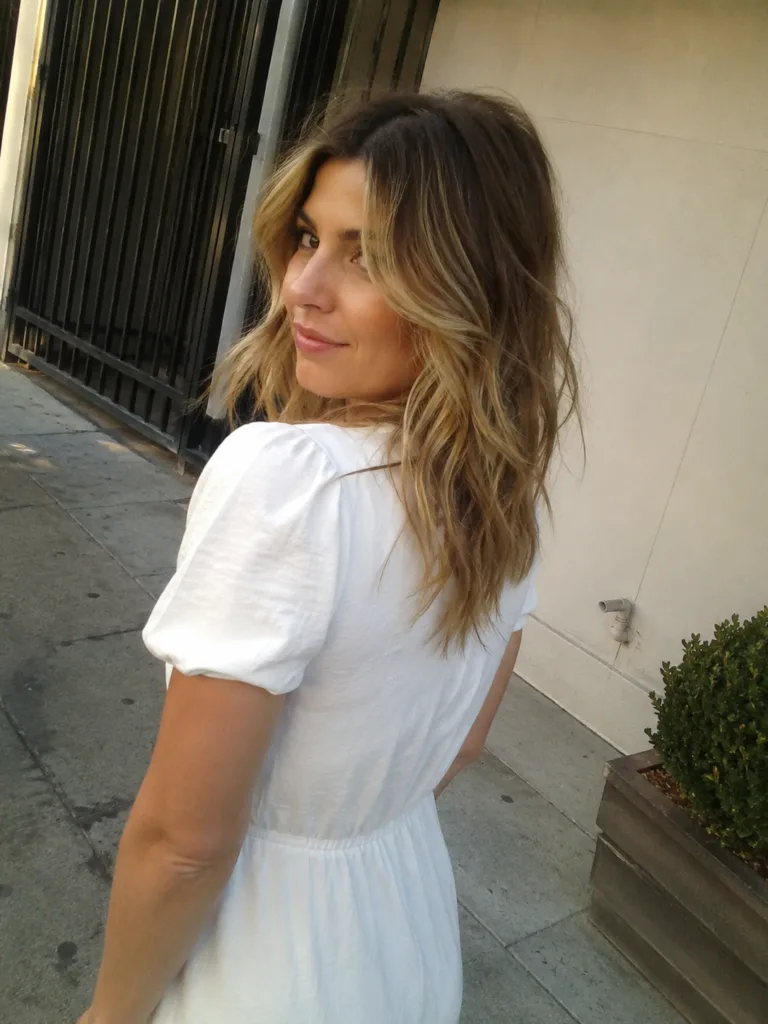
Cool Haircuts: Styling Guide & Cuts That Look Good Beyond the Reference Photo
A cool haircut has to do more than photograph well on the day it’s styled. The real test is what happens after you wash it, sleep on it, let curls shrink, tuck it behind your ears, put on glasses, or go several weeks without reshaping it.
That makes the choice less about chasing one particular trend and more about deciding where you want the visual weight to sit. A sharp jaw-length perimeter feels very different from a shaggy crown. A tapered cut puts the emphasis on exposed shape, while long internal layers depend more heavily on movement and styling.
Your normal hair state matters just as much. A cut designed around straight, smooth hair may behave differently on waves or curls. Coily hair can create dramatically different proportions in its shrunken and stretched states. Fine strands and low density also need to be considered separately: fine hair refers to strand diameter, while low density describes how much hair is present overall.
The 22 haircuts below cover genuinely different shapes, lengths, and construction choices. The strongest option is the one whose everyday behavior still appeals to you after the styling wears off.
Short Haircuts Where the Shape Does the Work
Classic Pixie Cut
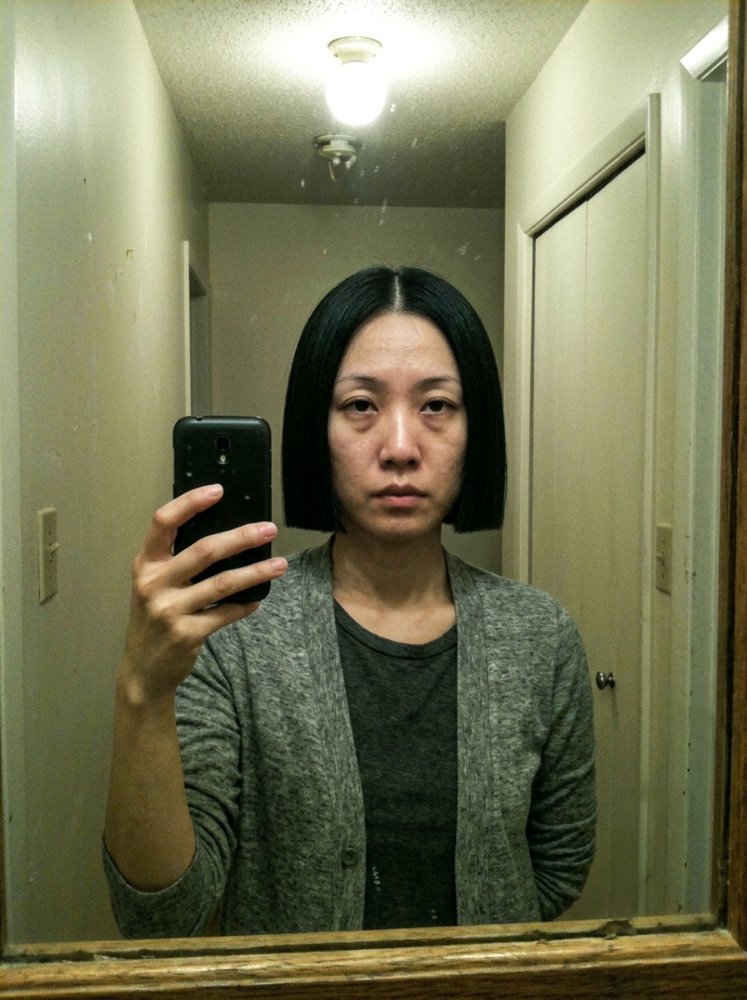
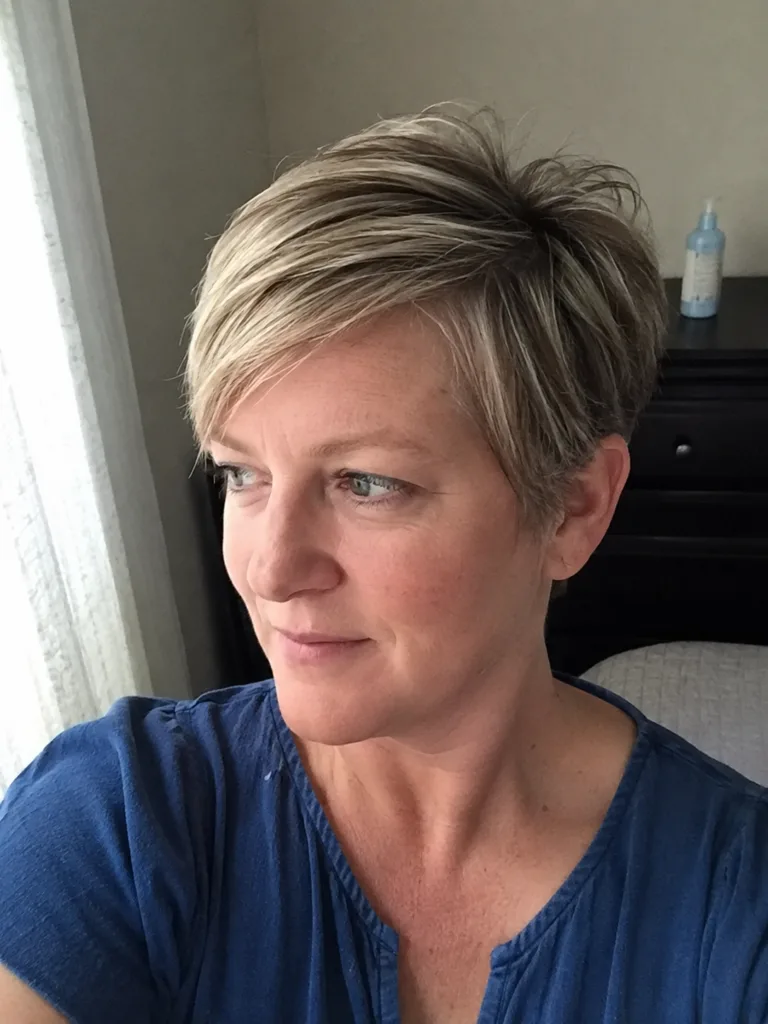
The pixie is strongest when you actually want short hair to look short. Longer pieces through the top can create lift, softness, or directional movement, while closely shaped sides keep the head outline visible. It’s less useful for someone hoping to hide behind length.
What reference photos often miss is the grow-out. A pixie may lose its crisp relationship between the ears, neckline, and crown before the hair feels objectively long. That makes it more salon-dependent than a shoulder-length layered cut.
Texture changes the character without cancelling the haircut. Straight hair can show clean separation, waves add movement, and curls can create a fuller top. The most useful consultation question is where you want to keep enough length to style.
Mixie
Part pixie and part mullet, the mixie leaves noticeably more length through the back than a conventional pixie without committing to a full dramatic mullet.
Its appeal comes from imbalance. Shorter sides and a compact crown make the longer nape look deliberate, so this cut works particularly well for someone who likes an undone or slightly rebellious outline. Wavy and curly textures can exaggerate the separation naturally.
The mixie is more forgiving than a very polished pixie when you enjoy visible grow-out. Anyone wanting a consistently neat neckline may find that same quality frustrating.
Sculpted Buzz Cut
Very short hair removes most of the styling variables and puts the head shape, hairline, color, and surface texture in full view. That directness is what makes a buzz cut feel so striking.
A sculpted version can use subtle graduation or a little extra length on top instead of one uniform length everywhere. Those small differences matter because there isn’t longer hair available to disguise the structure.
This is one of the strongest choices for someone genuinely ready to make the haircut itself the feature. It’s a poor compromise haircut. Keeping extra length out of fear can produce a shape that feels neither deliberately buzzed nor intentionally cropped.
Tapered Crop
A tapered crop keeps the sides and nape close while preserving a little more working length across the top. That top section can lie smooth, form soft waves, or retain curl and coil definition.
The haircut offers more styling flexibility than a buzz while still giving you an exposed, clean outline. It can also make earrings, glasses, and necklines much more visually prominent.
Ask how gradually the taper should move into the fuller section. A hard transition feels graphic; a softer transition gives the haircut a more rounded flow.
Undercut Crop
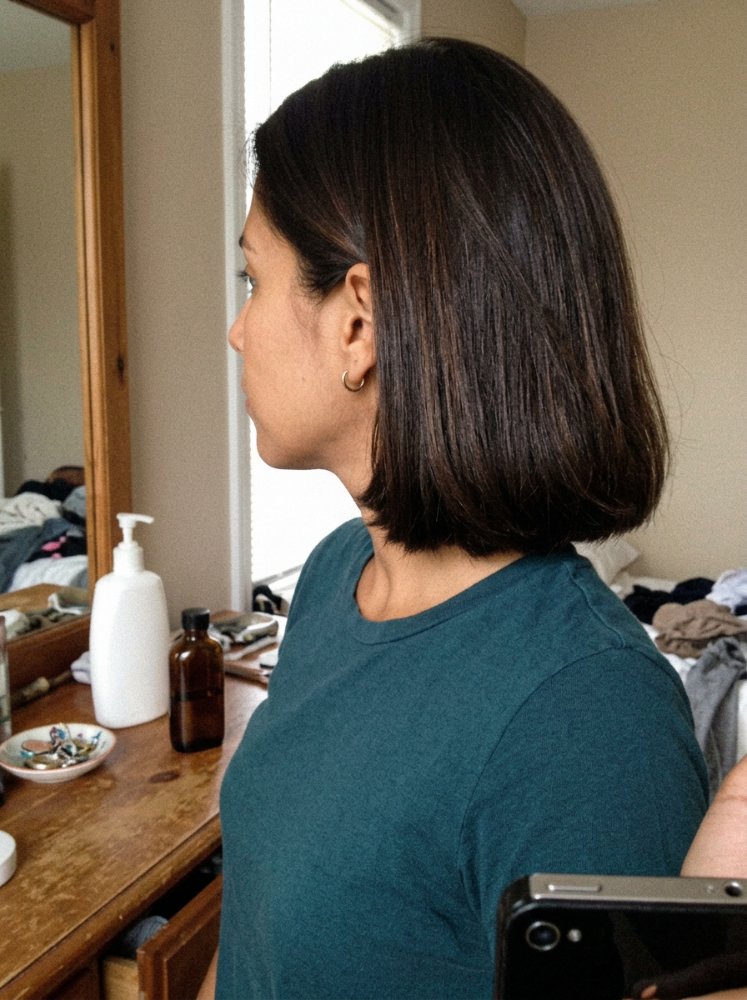
An undercut removes or significantly shortens hair beneath a longer top section, producing a sharper difference in length than a conventional taper.
That hidden reduction can change how bulky hair feels around the sides and nape, but it also creates a commitment during grow-out. Once the shorter section starts catching up, there’s an awkward middle stage unless you keep maintaining the undercut or eventually reshape the whole cut.
It’s worth the extra grow-out management when visible contrast is part of what you like. For someone mainly looking for easier hair, a softer taper is usually the more adaptable option.
Bobs That Change the Perimeter
Blunt Jaw-Length Bob
The blunt bob gets most of its impact from the lower edge. Little or no visible layering keeps attention at the perimeter, creating a compact shape around the jaw.
That makes the condition of the ends important. A clean edge can make healthy ends appear more substantial, especially compared with heavily layered ends, though a haircut cannot create actual density.
Hair that naturally bends at the neckline may need more styling than the photograph suggests. The same applies to a bob that lands directly against a coat collar or high-neck top: contact can encourage the ends to flip.
Micro Bob
A micro bob sits distinctly shorter than the conventional jaw-to-neck bob, usually leaving more of the neck exposed and bringing the visual focus upward.
The cropped perimeter makes the cut feel graphic even without complicated styling. It also leaves less room to rely on ponytails or buns during awkward hair days.
This is the stronger choice when you want the compactness to be obvious. Anyone who routinely needs to pull all their hair back should check whether the intended length will actually reach an elastic before committing.
French-Inspired Bob
A French-inspired bob usually combines a short perimeter with softer movement than a severe geometric bob. A fringe may be included, but it isn’t required for the haircut to work.
The useful distinction is looseness. Slight bend, wave, or air-dried movement can suit the shape, so the haircut doesn’t need to look perfectly pressed to feel finished. Naturally wavy hair is particularly compatible with that approach when the perimeter has been planned around its real spring and bend.
Keep enough weight at the bottom if you want the bob to remain recognizable as a bob instead of drifting into a short shag.
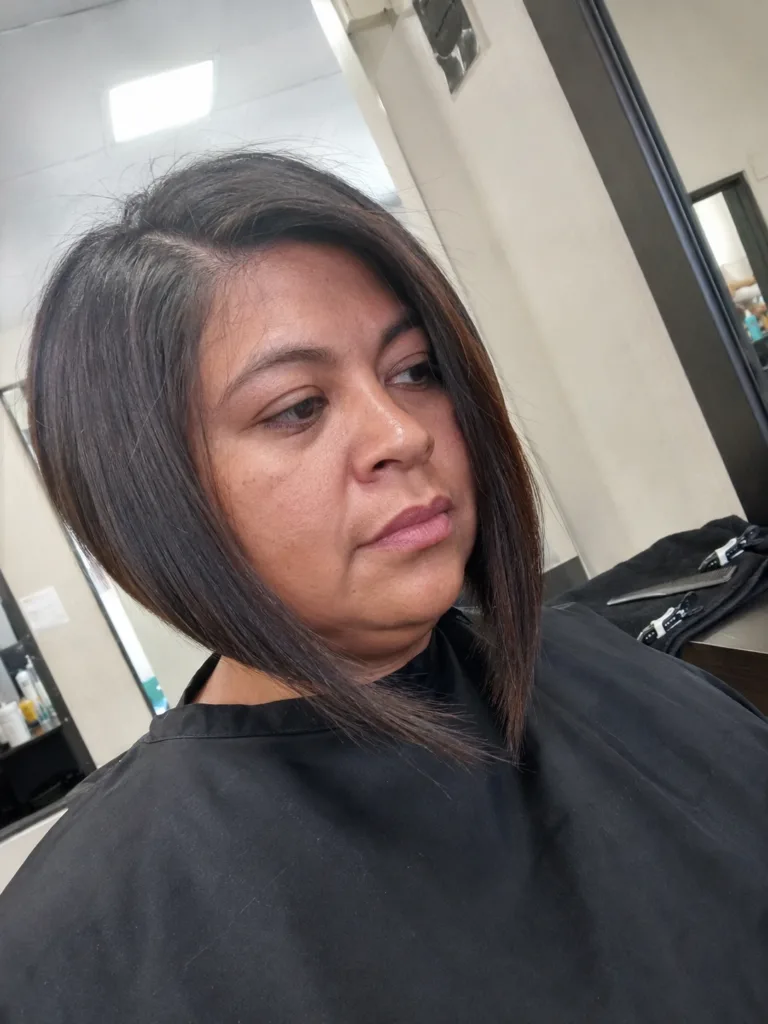
Asymmetrical Bob
One side being deliberately longer changes the haircut much more than simply changing the part. The uneven perimeter creates diagonal movement across the face and makes the shape look different from multiple angles.
Precision matters here because accidental unevenness and designed asymmetry read very differently. The line also becomes more noticeable as the hair moves forward over the shoulders.
A moderate asymmetry is easier to live with than an extreme length difference. More dramatic versions earn their impact, but they’re also more obvious during grow-out.
Modern Pageboy
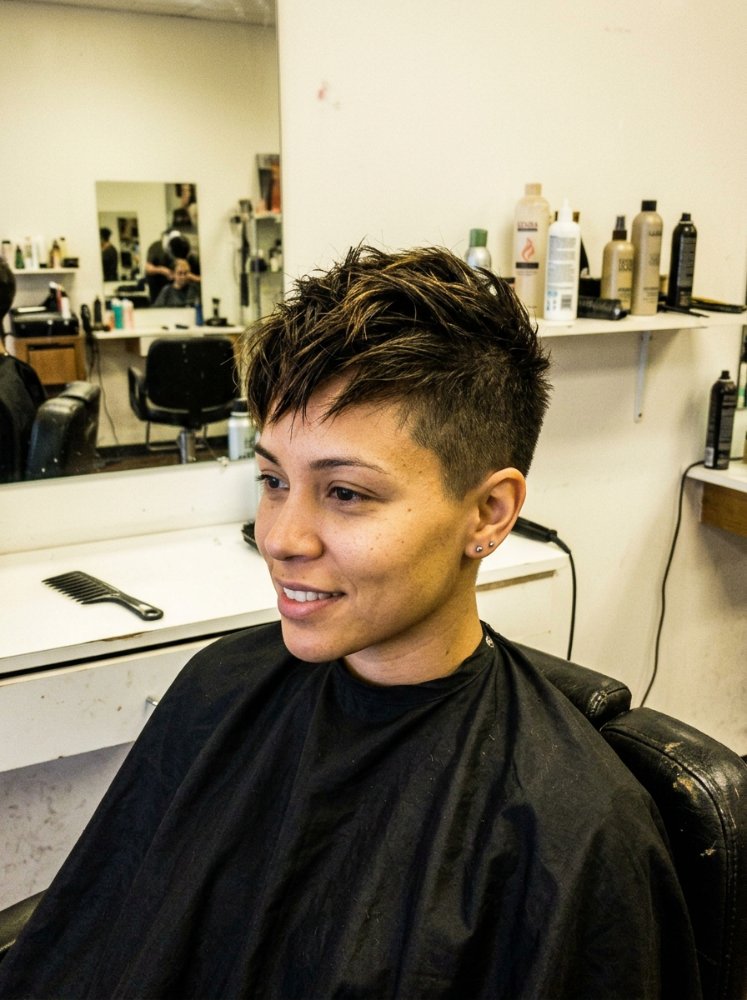
The pageboy uses a rounded, compact shape with noticeable weight through the lower portion of the haircut. Compared with a standard blunt bob, the outline feels more curved and enclosed around the head.
It works particularly well when you like a smooth, graphic shape rather than lots of exposed layers. Waves and curls can reinterpret the outline, though the result will be fuller and less rigid than a straight reference image.
This cut is more styling-dependent when your natural movement pushes strongly against the intended rounded line. Decide whether you love the underlying haircut or only the highly finished version of it.
Layered Cuts Built Around Movement
Modern Shag
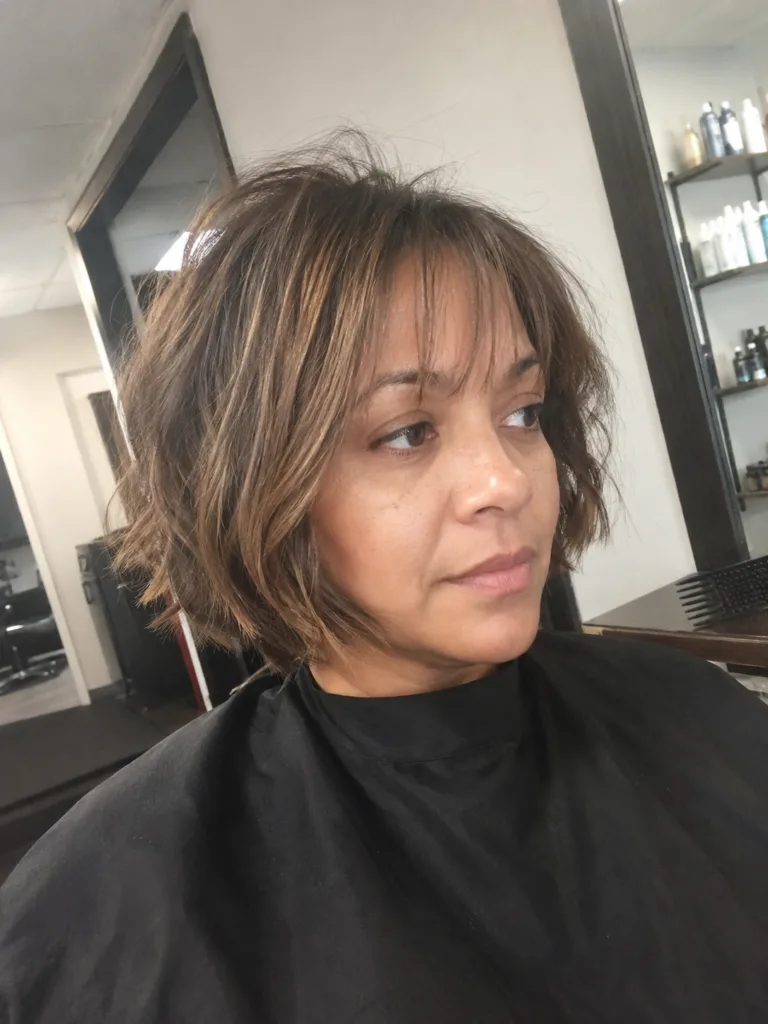
A shag shifts attention away from a heavy perimeter and toward layers through the crown, sides, and lengths. It’s one of the clearest ways to make texture and movement part of the haircut rather than something added afterward.
Layer depth matters. Removing too much interior weight from low-density hair can expose more space and weaken the lower edge. Denser hair may tolerate stronger separation while still retaining an obvious outline.
A good shag should make sense in the styling state you actually wear. Someone who alternates between natural waves and a smooth blowout may need a different layer plan from someone who always wears pronounced texture.
Wolf Cut
The wolf cut exaggerates the contrast between a fuller upper section and thinner, longer pieces below. It has more obvious vertical separation than many traditional shags.
That dramatic top-heavy balance is the point. It’s particularly effective when you want crown movement and don’t mind the lower lengths looking lighter.
Long, wispy ends can become a poor tradeoff when your perimeter already feels sparse. Keeping slightly more weight through the bottom preserves the wolf-cut character without sacrificing as much visual fullness.
Hush Cut
A hush cut takes a softer approach to layered movement. The layers blend more gradually, so there’s less of the deliberate disconnection seen in a strong shag or wolf cut.
It suits readers who like airy movement but still want the hair to read as relatively long and cohesive. The result can be especially subtle on naturally straight hair until the ends are bent or styled.
Choose this over a wolf cut when versatility matters more than a highly recognizable layered outline.
Octopus Cut
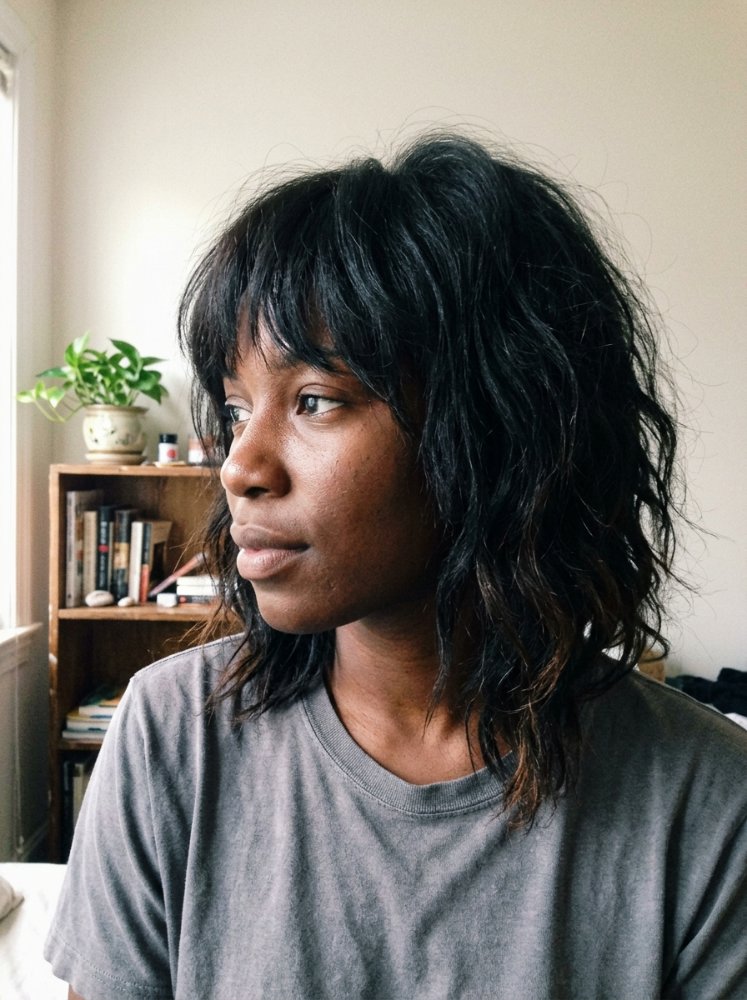
The octopus cut creates a rounded, fuller upper shape with thinner sections extending beneath it. The effect resembles a distinct cap of volume transitioning into narrower lengths.
Compared with a wolf cut, the upper mass can look more concentrated, while the lower pieces feel deliberately separated. That construction becomes most obvious on medium-to-long hair.
It isn’t the safest choice for anyone protective of a thick-looking lower perimeter. The haircut depends on visible contrast between the fuller top and lighter bottom.
Butterfly Layers
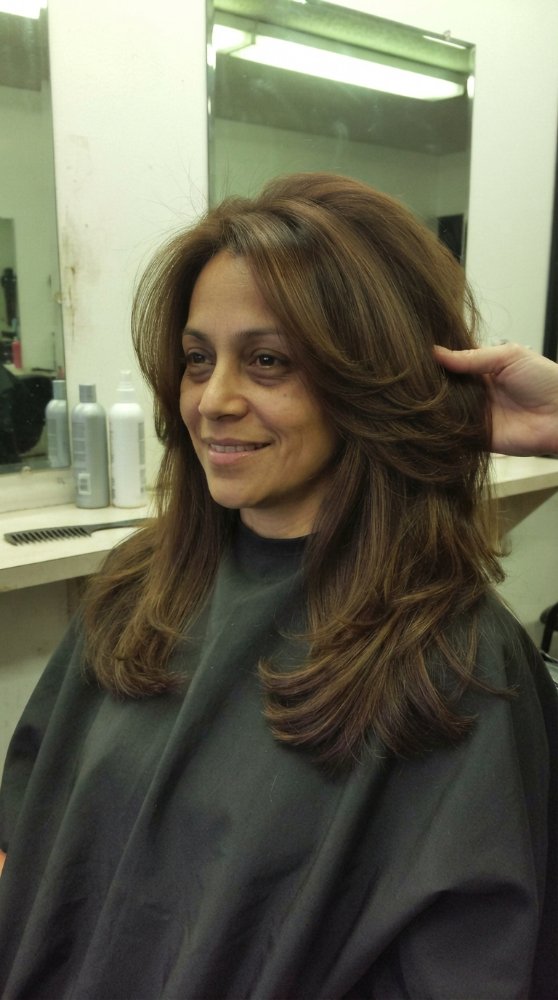
Butterfly layers preserve substantial overall length while introducing shorter pieces that move around the face and upper body of the haircut.
The finished photos often show those layers after a round-brush blowout or other shaping. Air-dried hair may reveal much less dramatic separation, especially when the texture lies relatively straight and smooth.
This cut makes sense for someone who wants a visible change without sacrificing the ability to keep long hair. It’s less satisfying if you want an entirely new outline; from the back, plenty of butterfly cuts still read primarily as long hair.
Haircuts That Let Curls and Coils Set the Outline
Curly Shag
Curls give the shag a different architecture because every shortened section can spring upward and occupy more space. Crown layers can create substantial height while longer curls keep movement through the bottom.
Shrinkage needs to be part of the plan from the beginning. A fringe or cheek-level curl that looks long while stretched can settle much higher once dry.
The finished shape should be checked in the state you normally wear it. Curly hair can be cut through dry, wet, or combined approaches; the important part is judging how the curls actually group and sit once styled.
Tapered Afro
A tapered afro keeps more fullness toward the top while reducing volume or length around the sides and nape. Unlike a uniformly rounded afro, it creates clearer vertical direction.
The taper can be subtle or pronounced. A softer version preserves more fullness around the temples, while a closer taper makes the upper shape stand out sharply.
This is an excellent choice when you enjoy wearing natural coils with visible structure but don’t want all areas of the cut to carry equal volume. Shrinkage, density, and coil grouping will influence how narrow or full the final profile appears.
Rounded Curly Cut
Some curls look their strongest when the goal is fullness rather than dramatic layer separation. A rounded curly cut distributes the outer shape more evenly so the hair forms a balanced curve around the head.
The shape can sit above the shoulders or extend longer; what matters is the relationship between crown height, side fullness, and the lower perimeter. Strategic internal shaping can stop dense curls from forming an overly triangular outline without turning the cut into a shag.
It’s the better choice for someone who wants the curl pattern itself to remain the main visual feature.
Curly Bob
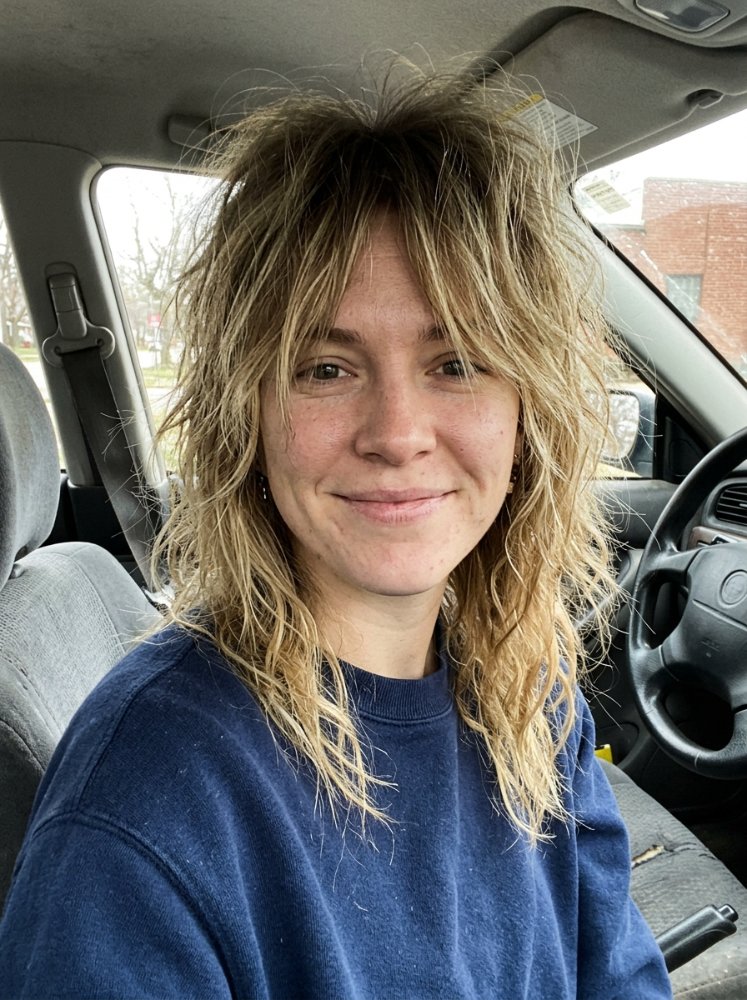
A curly bob takes the recognizable compactness of a bob and lets natural bend or curl disrupt the straight perimeter.
Length planning becomes more important because the dry result may sit considerably higher than stretched or wet hair suggests. The stylist also needs to consider where individual curl groups expand, especially around the sides.
This cut works well for readers wanting a major length change without giving up natural volume. Leaving slightly more room during the initial shape is often more practical than trying to force every curl into an identical bottom line.
Longer Cuts That Still Feel Like a Real Change
Collarbone Lob
The collarbone lob occupies a useful middle ground: long enough for many tied-back styles, yet short enough for the perimeter to feel like a deliberate feature.
Where it lands can change how it behaves. Hair ending directly on the shoulders may flip or interact with clothing, while a slightly different placement can fall more freely. That physical contact rarely shows in a front-facing haircut photo.
The lob is one of the most practical options here for someone who wants a noticeable cut without taking on the commitment of a bob.
U-Shaped Long Layers
Viewed from the back, a U-shaped haircut keeps the center longer while gradually shortening toward the sides. This creates a curved lower edge without the dramatic point of a V-shaped cut.
Adding long layers allows movement while preserving enough length for braids, ponytails, and updos. The gentle perimeter also suits people who dislike the squared-off appearance of a completely blunt long cut.
Be conservative with interior removal when retaining a full lower edge is important. Long hair can contain plenty of layering without needing the ends to become thin or transparent.
Long Rounded Layers
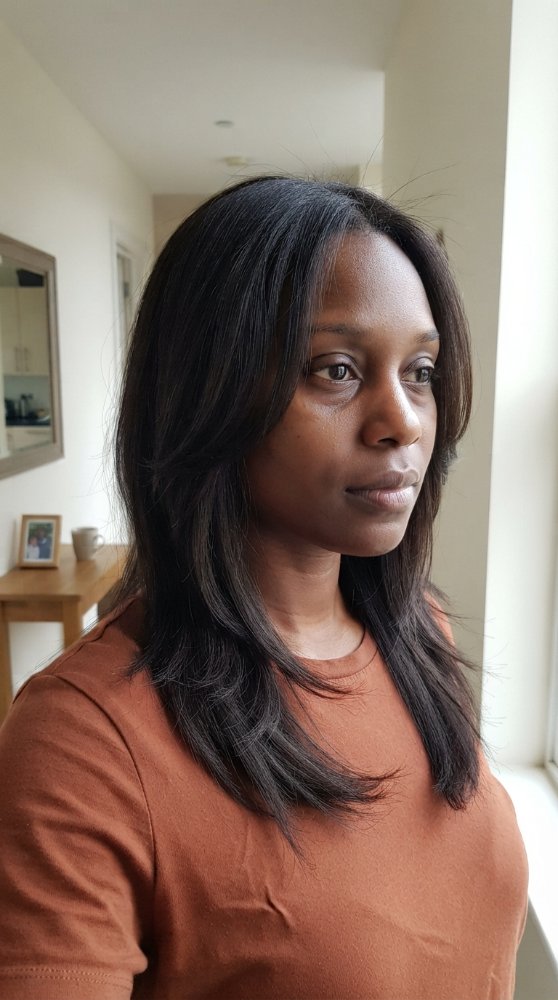
Long rounded layers distribute movement more evenly around the head instead of concentrating most of the short pieces around the face. The haircut can create lift and flow while keeping the overall length clearly intact.
It’s especially useful for dense hair that feels heavy as one uninterrupted mass, provided the layering is planned around the actual texture and condition. On curls, the same concept becomes much fuller because shorter pieces spring outward.
This is the understated option of the group. It won’t deliver the immediate shock of a pixie or micro bob, but it can change how long hair moves every day without removing the styling flexibility that comes with length.
How to Choose Between These Cool Haircuts
Start with the feature you’re willing to maintain.
A pixie, buzz, taper, micro bob, or strongly asymmetrical cut depends heavily on its outline. Once that outline grows, the haircut looks different even though the hair may still be relatively short. These cuts make sense when preserving a specific shape is worth regular salon attention.
Shags, wolf cuts, and other heavily layered cuts age differently. The shape often becomes softer as it grows instead of immediately losing a precise perimeter. The challenge shifts to layer balance: too much removal can leave the bottom lighter than you wanted.
Bobs put more pressure on length placement. Look at your jaw, neckline, shoulders, glasses, and typical clothing alongside the reference image. A sleek bob photographed with the head held perfectly still won’t show you what happens when its ends meet a hoodie, coat collar, or scarf.
Long layered cuts offer more flexibility, but the change can also appear subtler without styling. Ask whether you like the cut air-dried, naturally curly, stretched, or simply brushed into place—not only after a polished blowout.
For curly and coily hair, bring photographs that resemble your usual texture and wearing state. Shrinkage and curl grouping can move the visual perimeter dramatically. A useful consultation should establish where you want the shape to sit once the hair is dry, not only where it reaches under tension.
What to Ask for at a Haircut Consultation
A haircut name is only a starting point. Two people can request a shag or bob and leave with very different results because the length, weight distribution, and styling assumptions changed.
Bring reference images for the shape, then explain what you like about them. Is it the exposed nape? The heavy jawline edge? The rounded crown? The wispy lower lengths? That information is more useful than asking for a trendy name and assuming everyone defines it the same way.
Also discuss:
The state in which you normally wear your hair
Whether keeping enough length for a ponytail matters
Areas where you want more or less visible fullness
Previous color or chemical services that affect condition
How much day-to-day styling you’re prepared to do
Whether you’re comfortable maintaining a highly precise outline
A dramatic cut should still work with the hair you actually live in.
Keeping the Cut Looking Deliberate
Maintenance should follow the feature that gives your haircut its identity instead of one universal calendar.
A buzz, taper, or pixie is likely to feel different once the short areas begin losing their contrast. Bobs reveal changes along the lower edge. Layered hair can remain wearable longer, but the relationship between the shorter and longer sections gradually shifts.
At home, style according to your texture and the finish you want. Diffusing can emphasize curl separation and lift. A round brush can make long layers more obvious. Air-drying may produce an entirely different version of the same cut.
Heat use should reflect your hair’s condition, the tool, and technique rather than one fixed temperature rule. Previously lightened, relaxed, or otherwise chemically processed hair may need a gentler styling approach.
Pay attention to unexpected changes beyond normal haircut grow-out. Sudden shedding, persistent scalp irritation, sores, pain, or a concerning change in density deserves assessment by a dermatologist or another qualified healthcare professional rather than being treated as a haircut problem.
Related Hairstyles to Explore
- Curly Hair Inspo Hairstyles
- Ponytail Hairstyles
- Half Up Half Down Hairstyles
- Hairstyles for women over 40
FAQs About Cool Haircuts
What haircut looks cool without much daily styling?
Cuts that cooperate with your natural texture require the least negotiation each morning. A curly shag on naturally curly hair, a rounded coil shape, or a bob that works with your natural bend can be easier than a cut that relies on daily straightening or reshaping. Short hair isn’t always lower effort because precision crops may need more frequent reshaping.
Can fine hair handle lots of layers?
Fine strands can be layered, but the amount and placement matter. Heavy interior removal can make the lower edge look lighter, particularly when density is also low. A stronger perimeter with selective movement is often more useful when you want the ends to appear substantial.
Which haircut is easiest to grow out?
Long layers and collarbone-length cuts usually offer more styling flexibility during grow-out because there’s enough length to tie back or reshape. Shags can also soften gradually. Highly precise pixies, buzz cuts, undercuts, and asymmetrical bobs create more obvious transitional shapes.
Should curly hair be straightened before choosing a haircut?
Choose the haircut around the state you actually plan to wear most often. Straightening curly hair for a consultation can hide shrinkage and natural curl grouping if the intended result will usually be worn curly. A stylist may assess curly hair wet, dry, or through a combined method, but the final shape should make sense once your normal texture is visible.
Hair Texture & Upkeep Style Matcher
Select your natural hair texture and daily maintenance window to get an instant styling formula and heat safety cap.
Heat Cap: 320°F (160°C)
A versatile three-strand braid beginning at the parietal ridge, securing the top half while allowing natural wave texture to flow freely around the shoulders.
Conclusion
The coolest haircut is rarely the one with the most dramatic reference photo. It’s the one whose defining feature still works with your natural movement, routine, and tolerance for upkeep.
Choose the silhouette first. Decide whether you want the precision of a pixie or bob, the movement of layered hair, the spring of a curl-led shape, or the flexibility of longer lengths. Then make sure you still like that choice once you account for shrinkage, grow-out, collars, styling effort, and the way your hair actually behaves between appointments.
Editorial Standards & Hair Health Guidance
Every style featured on Tress Atlas is curated with a focus on real-world wearability, scalp tension management, and cuticle preservation. When trying protective styles or tight updos, ensure perimeter hairline sections remain tension-free to avoid traction stress on delicate follicles. For heat styling, cap tools below 350°F (180°C) to prevent thermal keratin denaturation.
Scientific Sourcing: Practices aligned with the American Academy of Dermatology (AAD) on traction alopecia risk reduction and cosmetic trichology research on hair tensile strength.