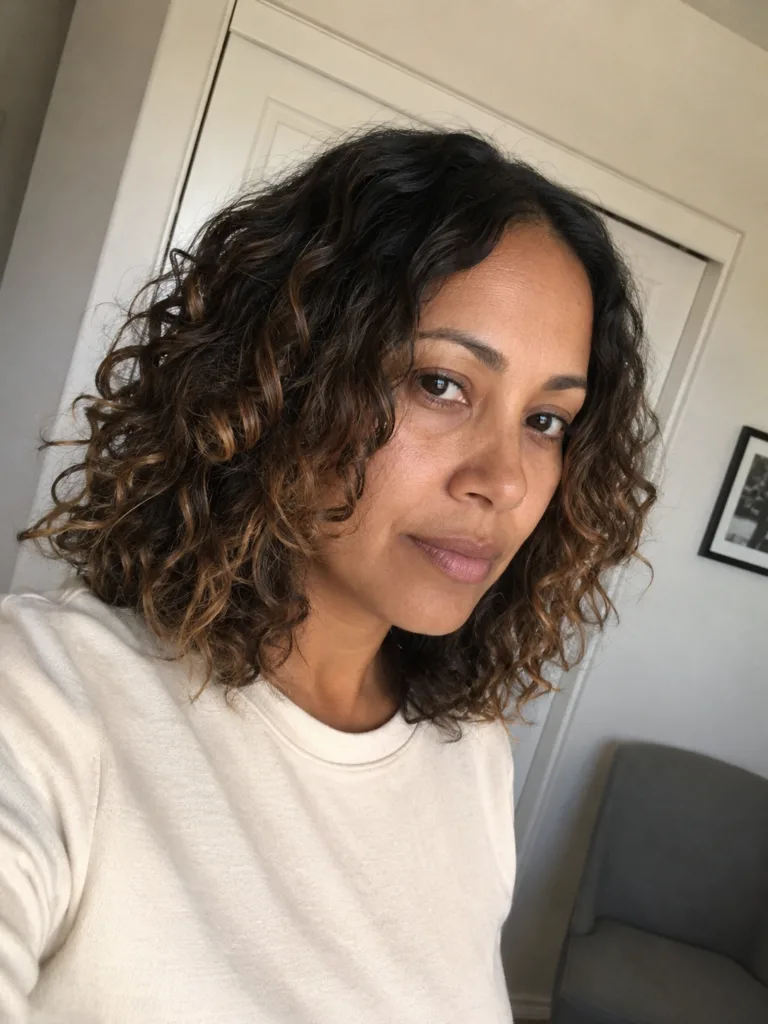
Layered Hair for Women: How to Choose the Right Shape, Length, and Upkeep
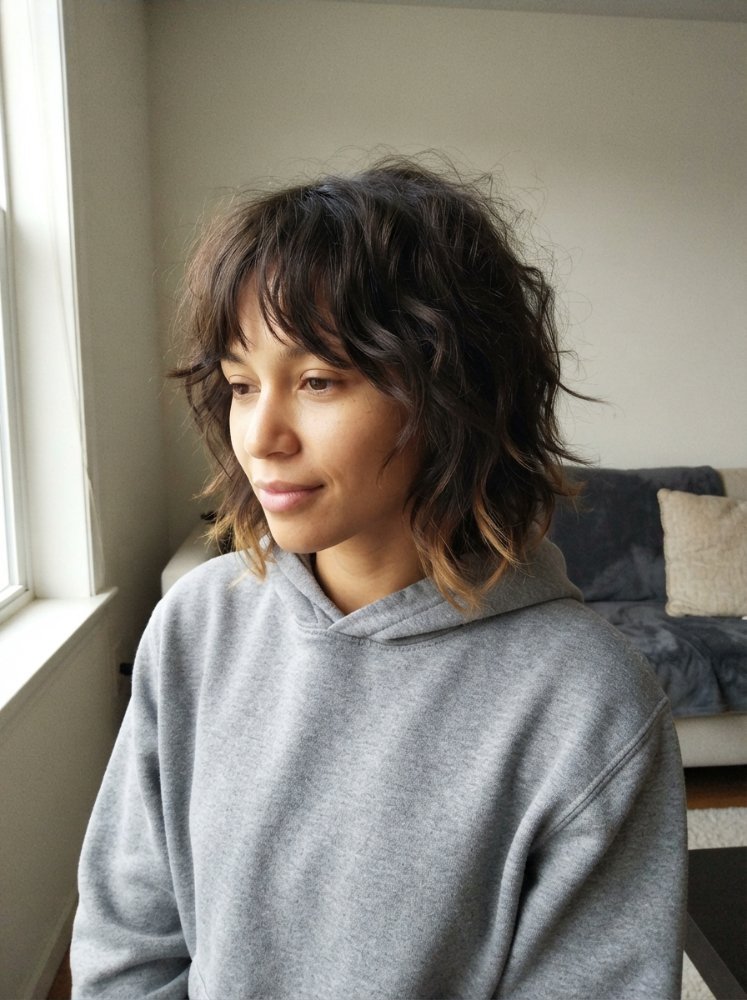
Layered hair can make a haircut move more freely, release excess weight, encourage curls to spring up, or create softness around the face. It can also leave the ends looking thinner, make air-drying less predictable, or demand more styling than the reference photo suggests. The difference comes from where the layers begin, how much hair is removed, and what happens to the perimeter.
That makes “I want layers” only the beginning of a useful haircut conversation.
A woman with long, dense waves who wants less bulk through the lower half of her hair needs a different layering plan from someone with fine strands trying to keep a substantial-looking baseline. A curly cut intended to be worn in its natural, shrunken state also needs different visual planning from hair that is normally blown smooth.
The practical starting point is to decide what you want your layers to change. More movement? Crown lift? Less weight? A rounder curl shape? Softer pieces around the face? Once that purpose is clear, the amount and position of layering become much easier to judge.
What Layering Actually Changes in a Haircut
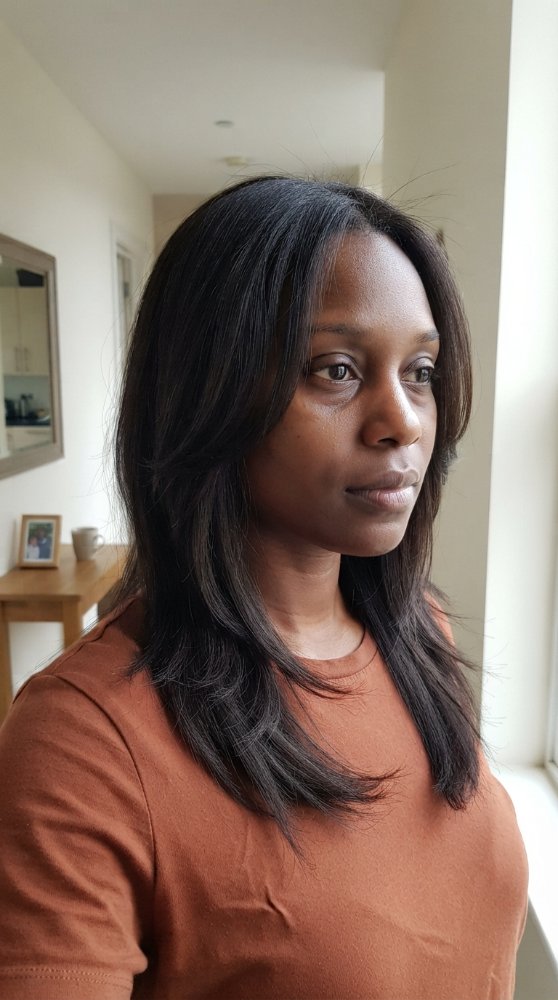
Layers are created by cutting sections of hair to different lengths instead of keeping every strand at one common baseline. Their effect is largely about weight distribution.
Removing length from selected areas allows shorter pieces to move independently from the longer hair underneath. Depending on the construction, this can create lift through the crown, reduce bulk through dense lengths, expose more curl formation, or make a straight haircut feel less solid.
The perimeter is equally important. A heavily layered haircut can have plenty of movement while appearing lighter or more tapered at the bottom. A cut with restrained interior layering can preserve a stronger lower edge.
That distinction matters especially when fullness through the ends is a priority.
Fine strands and low-density hair also need to be separated in this conversation. Fine hair refers to the diameter of individual strands. Low density means there are fewer strands overall. Someone can have fine strands and plenty of hair, or coarse strands with relatively low density. Layering affects each situation differently because the amount of hair available to support the shape changes.
A haircut can redistribute existing hair and change how full particular areas appear. It can’t create actual density.
Long Layers, Short Layers, and Where the Shape Begins
The most useful distinction isn’t simply layered versus non-layered hair. It’s how far the shortest pieces sit from the overall length.
Long layers
Long layers keep a relatively small distance between the shortest and longest parts of the haircut. They preserve more weight while allowing the lengths to move separately.
This is the practical default for someone who likes the look of long hair and wants it to feel less heavy without dramatically changing the outline. Long layers can also make a dense straight or wavy haircut easier to style because sections aren’t stacked at exactly the same length.
They are generally more forgiving during grow-out because the difference between levels is less pronounced.
Long layers won’t create dramatic lift by themselves, however. Someone seeking obvious crown height may need shorter layering higher in the haircut or will need to rely more on styling.
Shorter layers
Shorter layers create a bigger difference between the upper and lower sections. They can give the crown more activity and create a noticeably more layered outline.
That extra shape comes with a stronger commitment. Short pieces can spring outward, curl more tightly, or respond differently to humidity than the hair underneath. On straight hair, they may need blow-drying or other styling to reproduce the airy movement shown in a polished photograph.
Shorter layers are worth the extra involvement when the upper shape is part of the reason you want the haircut. They make less sense when your main priority is keeping all your hair easy to gather into a ponytail, braid, or bun.
Face-framing layers
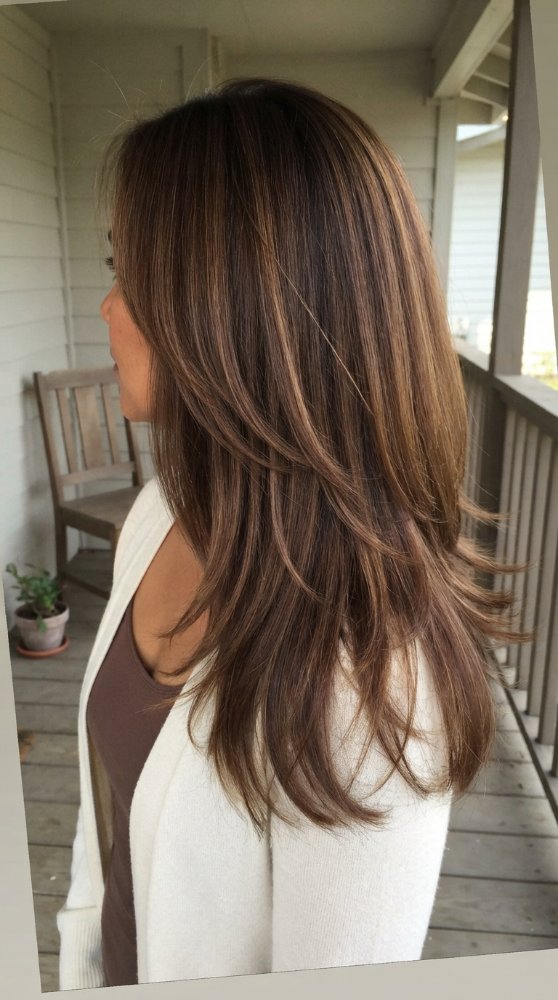
Face-framing pieces deserve their own decision because they affect everyday styling differently from layers at the back.
Pieces beginning around the cheek, jaw, or lower can expose earrings, soften a heavy front section, and help long hair move around the face. Their exact starting point should work with the features you want to emphasize, plus practical details such as glasses and how often you tuck your hair behind your ears.
Very short front pieces can also escape from ponytails. That may be part of the look, or an annoyance you discover only after the cut.
The Best Layer Placement Depends on Your Length
Layering behaves differently on a bob than it does on waist-length hair. The same cutting idea can create an entirely different outline simply because there is less length available to support it.
Short layered hair
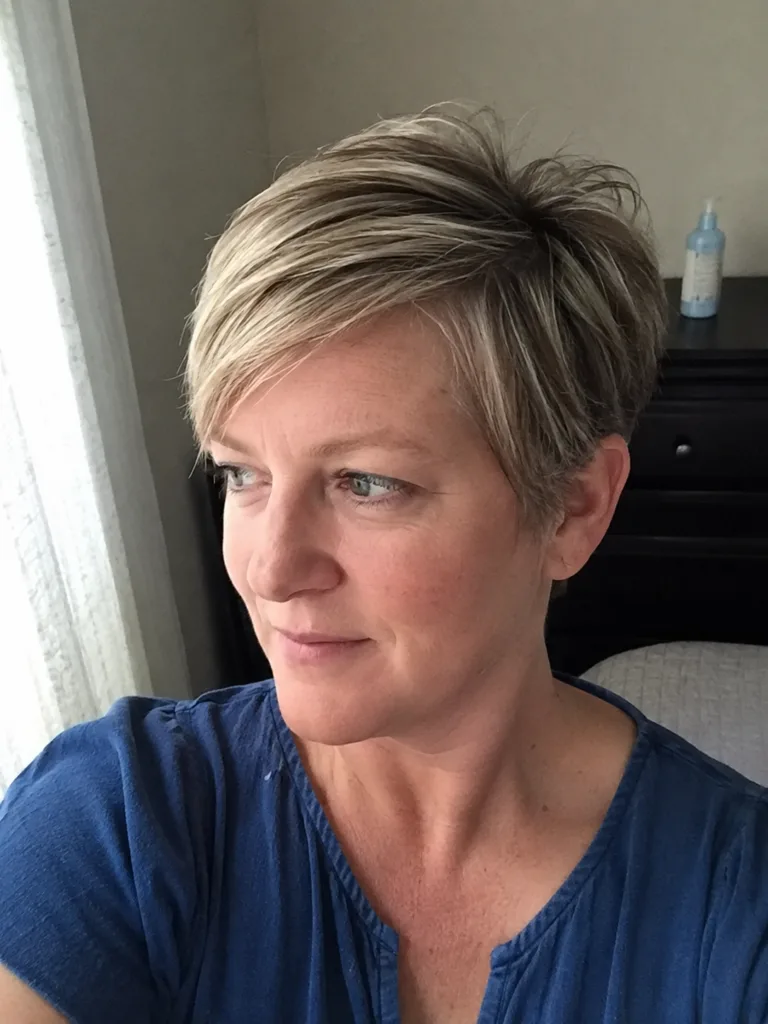
On pixies, bixies, and other short cuts, layering largely creates the haircut itself. Small changes in length distribution can alter crown lift, temple weight, fringe movement, and the way the neckline sits.
Short layered cuts are more shape-dependent than long ones. The outline may start to feel different well before the hair feels long, especially around the ears and nape.
They work particularly well for someone who values a deliberate haircut shape and is comfortable having that shape reassessed as it grows.
Layered bobs
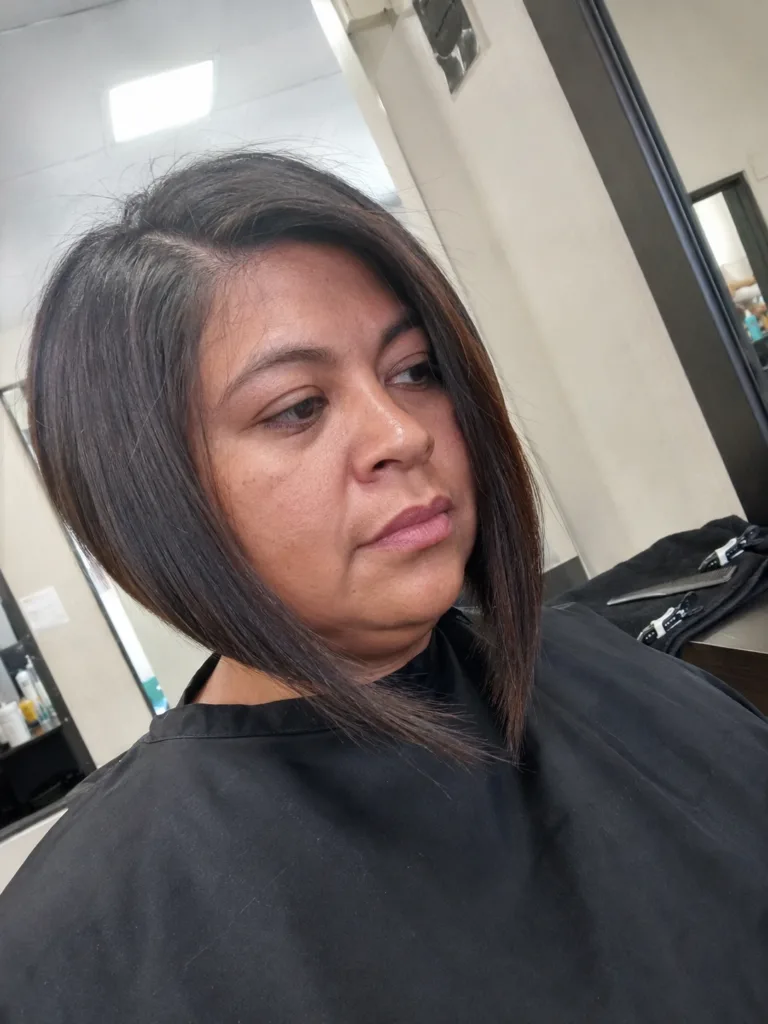
A bob can move from crisp and substantial to airy and rounded depending on its layering.
Minimal layering keeps more weight at the baseline. This is useful when the clean perimeter is the main attraction. More graduation or layering through the interior can soften the shape and reduce a bulky lower section.
Be cautious about combining a very light perimeter with extensive internal removal when you want the bob to look dense at the bottom.
Daily life affects this length too. A bob that lands at a coat or shirt collar can flip where the ends repeatedly make contact. Layers may exaggerate that movement because the shorter pieces don’t all land in the same place.
Medium layered hair
Medium lengths offer considerable flexibility because there is enough hair for visible separation without the weight of very long lengths pulling everything downward.
Shoulder to chest-length hair can support face framing, crown movement, and longer interior layers without necessarily sacrificing the entire baseline.
This length is often the easiest place to experiment with layering because the haircut can look distinctly shaped while remaining relatively versatile for updos and ponytails.
Long layered hair
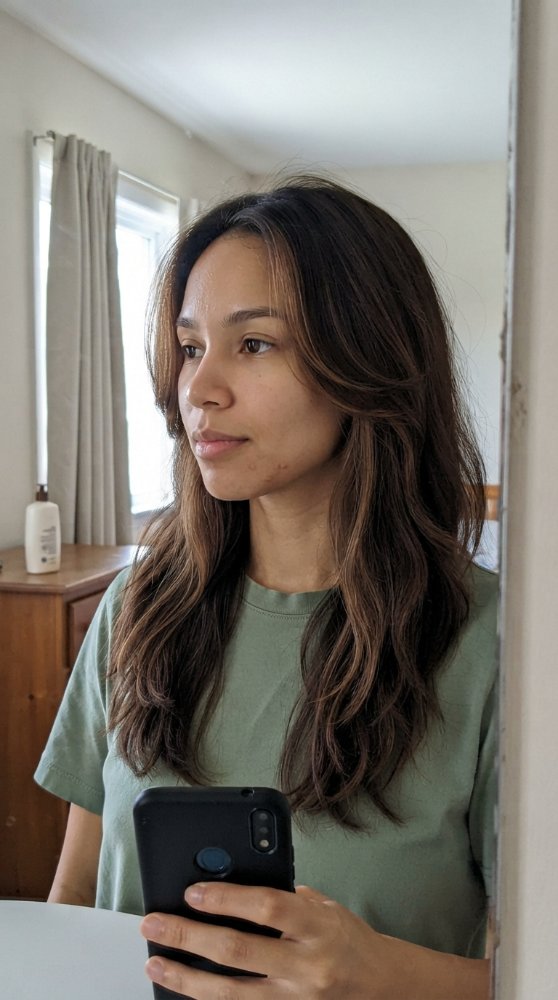
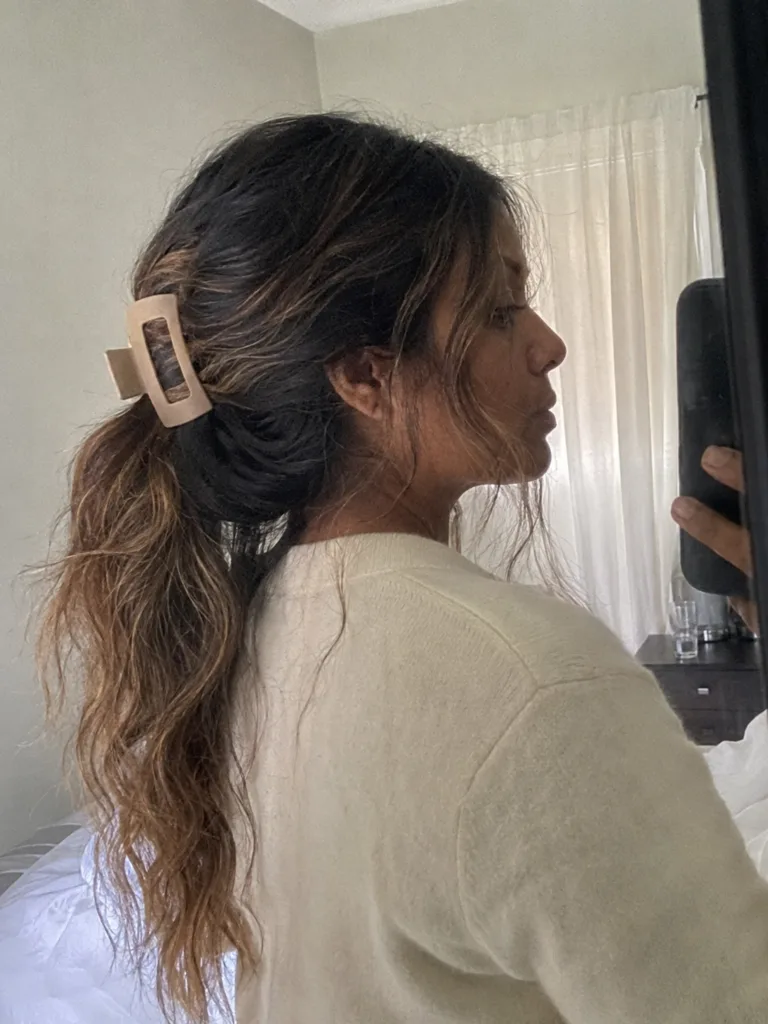
The longer the hair becomes, the more weight it carries through the lengths. Layers can break up that mass and stop the hair from reading as one continuous curtain.
Dense long hair may benefit from meaningful internal movement. Hair with a naturally light or transparent-looking lower edge usually needs more restraint. Removing additional hair from an already delicate perimeter can make the ends appear even more sparse.
For very long hair, decide whether retaining length or creating visible layering matters more. Trying to maximize both can lead to a cut where the layers are technically present but visually too subtle to change much.
Straight, Wavy, Curly, and Coily Hair Need Different Layering Logic
Texture changes the distance between the cut length and the length you actually see.
Straight hair shows the haircut’s lines clearly. Curly and coily hair may shrink significantly, and individual sections can spring to different heights depending on curl grouping, condition, and how the hair is dried.
Straight hair
Layering on straight hair is usually easy to see. Shorter sections fall distinctly over longer ones, making poor transitions difficult to hide.
Long layers can add movement without turning the ends wispy. More dramatic layers create a stronger shape but may need styling to produce the soft bend seen in blowout photographs.
Naturally very straight hair may simply fall straight after washing. The cut provides the length variation; a round brush, rollers, or another styling method creates much of the visible curve.
Wavy hair
Waves can respond particularly well to strategic weight removal. Too much length at one level may stretch some wave patterns, while layers allow shorter sections to move with less weight attached.
The challenge is predicting how much each area will spring up. A piece that looks modestly shorter while wet can sit noticeably higher once dry.
A layered wavy cut should therefore be judged in the way you commonly wear your hair, not solely by how tidy the lines look immediately after wet cutting.
Curly and coily hair
For curls and coils, the overall shape is often more important than creating perfectly even mathematical layer lengths.
Different curl groups can shrink by different amounts. A successful cut considers how the hair stacks, where width develops, and whether the wearer prefers a rounded, elongated, tapered, or fuller lower shape.
Curly and coily hair may be cut wet, dry, or with a combination of methods. What matters is that the final shape is assessed in a styling state relevant to everyday wear.
A reference photograph of stretched curls won’t reliably predict how your haircut will sit when worn fully shrunken. Bring photographs that reflect your normal texture state whenever possible.
Layers and Hair Fullness: Where More Isn’t Always Better
Layering is frequently recommended as a way to create volume, but “volume” can mean several different things.
Shorter crown layers may sit higher and create more visible lift near the top of the head. Meanwhile, removing too much hair through the lengths can make the lower section look lighter. You can therefore gain height in one area while losing visual fullness somewhere else.
This is especially important with low-density hair or transparent ends.
A stronger perimeter often gives the lower edge a more substantial appearance. Long, restrained layering can introduce movement while leaving more hair near that baseline. Heavy interior removal is less forgiving because there simply isn’t as much hair available to disguise the spaces between sections.
Fine strands alone don’t mean layers should be avoided. Fine hair with high density may still support considerable movement. Density, strand diameter, current condition, and the desired outline need to be considered separately.
Thinning hair is another matter. Thinning describes a change in density, while breakage refers to strands snapping along their length. A haircut can tidy broken or weak-looking ends and redistribute weight, but an unexplained change in density deserves separate attention rather than being treated purely as a haircut problem.
Sudden shedding or a concerning change in density is a reason to talk with a dermatologist or another qualified healthcare professional.
What Layered-Hair Photos Often Hide
Reference photographs are useful, but they show one styling state from one angle at one moment.
A glossy layered haircut may have been blown smooth with each section directed away from the face. After air-drying, those same layers may sit flatter, curl more tightly, or flip in different directions.
The shortest layer is particularly important. Ask where it will land without a bend added by styling. A curled front piece can appear considerably shorter in a photograph than its actual cut length, while a smooth blowout can disguise how much layering exists internally.
Hair density also changes how closely you can reproduce an image. A very dense reference cut may contain substantial internal removal while still maintaining a full lower edge. Applying the same degree of removal to lower-density hair won’t create the same result.
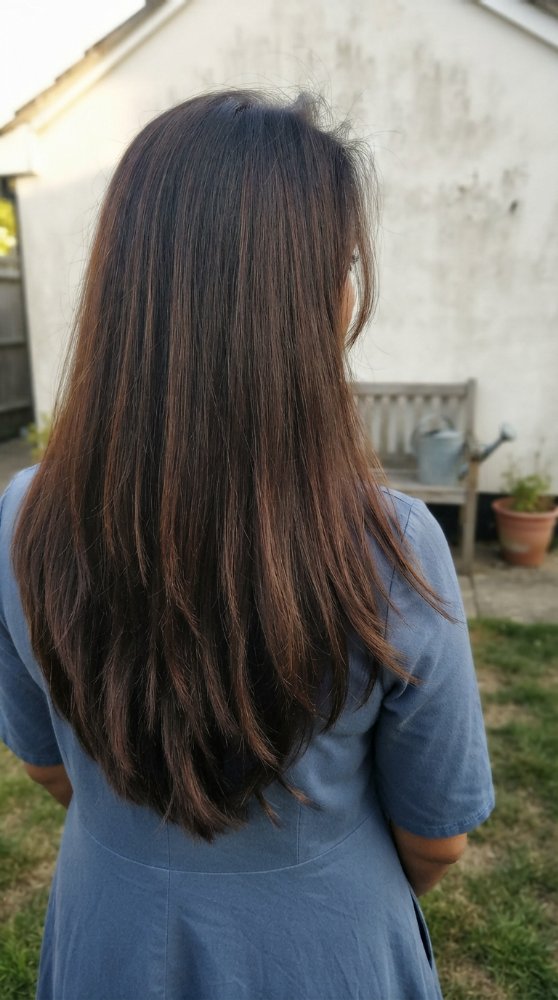
Consider the back of the haircut as well. Front-facing photographs can make face-framing layers look like the dominant feature while concealing a relatively solid back. Others hide much shorter crown layers under a polished blowout.
Bring more than one angle to a haircut consultation when the exact shape matters. Side and back views reveal information that a front photograph can’t.
Styling Layered Hair in Real Life
A good layered cut should still make sense after the salon finish is gone.
Air-dryers need to pay particular attention to natural texture behavior. A layer that requires a round brush every wash to sit correctly may become frustrating for someone who rarely blow-dries.
People who regularly wear their hair up have another concern: section length. Short crown or front layers may slip out of ponytails and buns. That’s manageable with pins when occasional loose pieces don’t bother you. It becomes less convenient when a secure, fully contained hairstyle is part of your work, exercise, or daily routine.
Heat-styled layers can create dramatic movement because each level can be directed separately. Use your tool according to its design and adjust technique to your hair’s condition instead of relying on one universal temperature recommendation.
Curly and wavy hair usually needs a different approach. Distribution while wet, curl grouping, drying position, and how much the hair is handled can all affect whether layers form a cohesive shape or separate into uneven sections.
Layers also change how sleep affects the hair. Shorter pieces may flatten or bend independently from longer lengths. A bonnet or smooth pillowcase can help reduce friction and tangling, though the next morning’s result still depends on texture and styling method.
How Layered Hair Grows Out
Layers don’t all reach an awkward stage at once.
Short upper pieces may lose their intended relationship with the lower length while the overall haircut still seems long enough. Face-framing sections can pass from cheek or jaw level toward the shoulders, gradually changing where attention falls around the face.
Long, subtle layers usually have the easiest grow-out because the differences in length were modest to begin with. Dramatic layers show their changing proportions more clearly.
That doesn’t mean you need a rigid haircut schedule. Someone maintaining a sharply defined short layered shape has different needs from someone intentionally growing long layers toward one length.
Watch the shape instead of the calendar.
Useful signs that the cut may need reassessment include a crown that no longer connects cleanly with the lower hair, a perimeter that has become more transparent than you like, or front pieces that no longer sit where they were intended.
You may also decide to grow certain layers while reshaping others. Growing out a layered haircut doesn’t require abandoning all structure immediately.
What to Ask for at Your Haircut Consultation
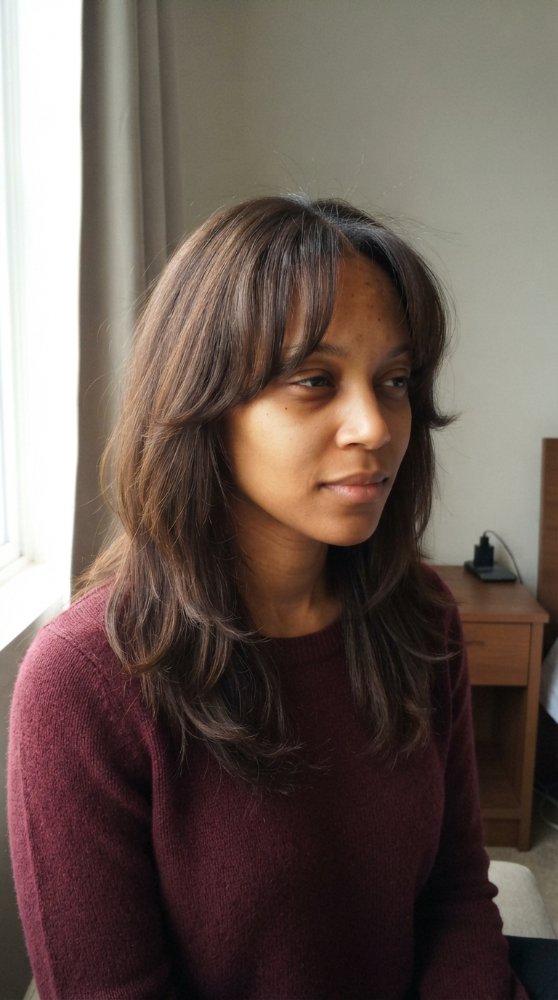
“Layers” leaves too much open to interpretation. A clearer conversation connects the haircut to an outcome.
Start with the part you want to keep. It might be your overall length, a strong-looking perimeter, enough hair to tie back, or the natural width of your curls. Then explain what you want the layers to change.
Useful points to discuss include:
where you want the shortest visible layer to land
how much fullness you want to preserve at the ends
whether you normally air-dry, diffuse, blow-dry, or straighten
whether your hair is usually worn natural, stretched, or otherwise altered from its wet texture
how important ponytails, buns, braids, or clips are to your routine
which part of your reference photograph you actually like
Ask how the proposed layers will look without the styling shown in the photo.
For curls and coils, discuss shrinkage and the shape you wear most often. For lower-density hair, ask how much interior removal the perimeter can support. For very dense hair, explain whether your problem is bulk, drying, restricted movement, or simply the visual shape. Those goals can lead to different cutting choices.
The strongest consultation also includes a clear exclusion. Saying “I want movement, but I don’t want noticeably thin ends” is more useful than asking for lots of layers and hoping the stylist interprets your priority correctly.
Related Hairstyles to Explore
FAQs
Do layers make women’s hair look thicker?
They can make specific areas look fuller by increasing movement or lift, especially around the crown. Heavy layering can also make the lower edge appear lighter because fewer strands reach the perimeter. For someone prioritizing substantial-looking ends, restrained layers with a stronger baseline are usually the safer starting point.
Can I have layers and still wear my hair in a ponytail?
Yes, although the shortest sections determine how much hair stays inside the ponytail. Long layers generally remain easier to gather. Short face-framing or crown pieces may fall loose and need pins or be left intentionally around the face. Mention frequent ponytails or buns before the cut so section length can be planned around them.
Are layers suitable for naturally curly or coily hair?
Yes. Layering can help distribute weight and create a clearer curly or coily shape, but shrinkage makes placement especially important. The haircut should be evaluated in a state that reflects how the hair is normally worn. A cut designed around stretched hair may look very different once the coils fully contract.
Can I grow out layers without cutting my hair short?
Usually, yes. The shorter sections can gradually catch up while the perimeter is maintained or adjusted according to your goals. You don’t have to remove all the longer hair at once. Growing toward one length is mainly a matter of deciding how much shape you want to preserve during the transition.
Hair Texture & Upkeep Style Matcher
Select your natural hair texture and daily maintenance window to get an instant styling formula and heat safety cap.
Heat Cap: 320°F (160°C)
A versatile three-strand braid beginning at the parietal ridge, securing the top half while allowing natural wave texture to flow freely around the shoulders.
Conclusion
Layered hair works best when the layers have a specific job. Crown lift, softer face framing, less bulk, stronger curl movement, and a lighter overall shape require different placement and different amounts of hair removal.
Before choosing the most dramatic reference photo, decide what you’re unwilling to sacrifice. Someone who wants a substantial perimeter may need fewer layers than someone eager to remove dense internal weight. Someone who air-dries curls needs the shape judged differently from someone who wears a smooth blowout most days.
Take your normal styling state, your preferred shortest layer, and one clear priority into the haircut conversation. Those details will tell you far more about the right layered cut than the word “layers” alone.
Editorial Standards & Hair Health Guidance
Every style featured on Tress Atlas is curated with a focus on real-world wearability, scalp tension management, and cuticle preservation. When trying protective styles or tight updos, ensure perimeter hairline sections remain tension-free to avoid traction stress on delicate follicles. For heat styling, cap tools below 350°F (180°C) to prevent thermal keratin denaturation.
Scientific Sourcing: Practices aligned with the American Academy of Dermatology (AAD) on traction alopecia risk reduction and cosmetic trichology research on hair tensile strength.