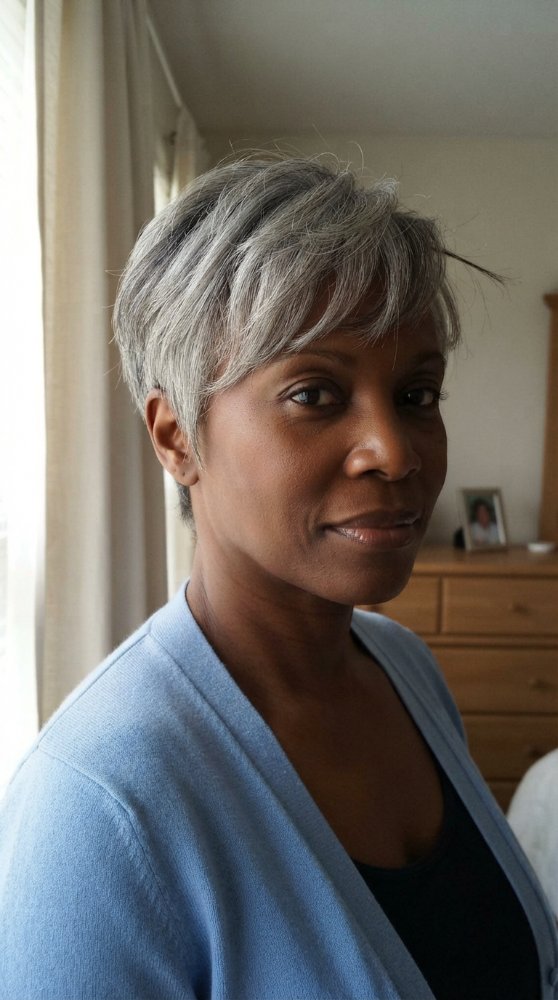
Curly Hairstyles for Women Over 50: Styling Guide & Cuts That Balance Shape and Upkeep
The most flattering curly hairstyle after 50 is less about looking younger than choosing a shape that works with how your curls sit, shrink, expand, and move. A cut that looks airy on stretched hair may become much rounder when worn naturally.
Start with three practical questions: Where do you want the visual weight to sit? How much styling do you want between wash days? Do you usually wear your hair natural, stretched, diffused, or occasionally smoothed? Those answers matter more than age-based rules.
These 18 ideas range from close crops to long layers and pulled-back styles, so you can compare both haircut and styling options.
Short Curly Cuts With Built-In Shape
Tapered Curly Pixie
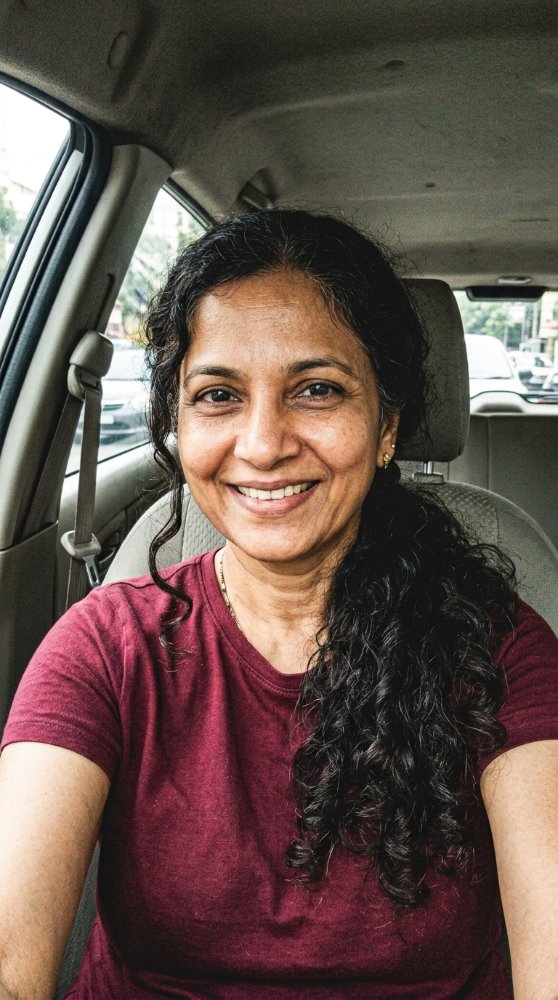
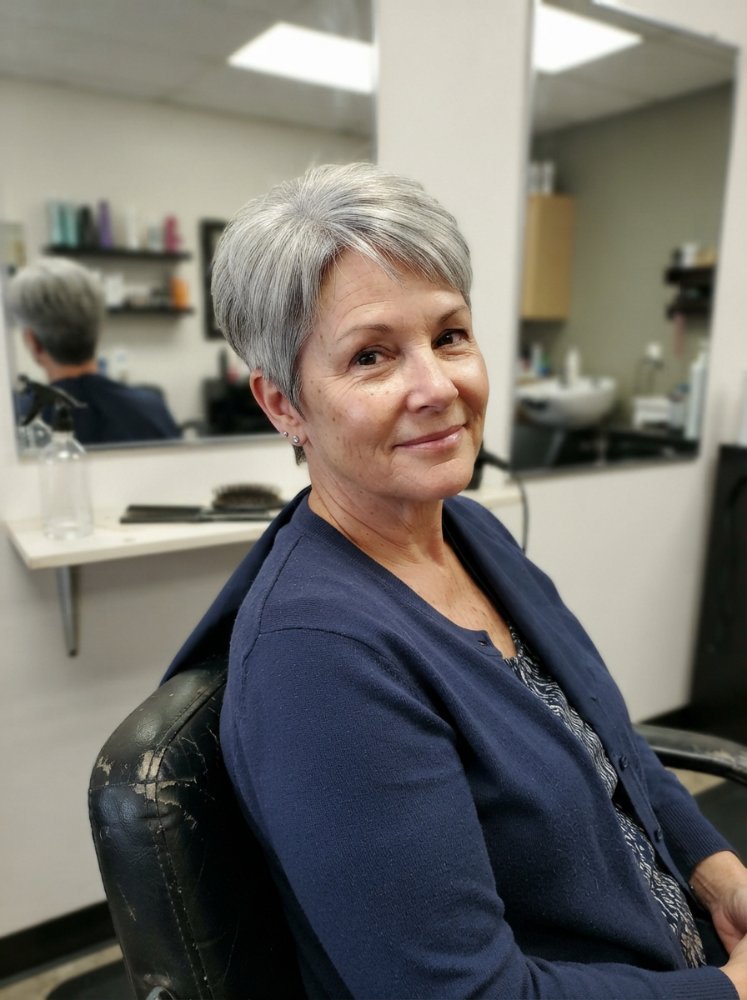
A tapered curly pixie keeps the sides and nape close while leaving enough length on top for definition and lift. It’s a strong choice when you want a clear shape without much hair around the neckline. The top can fall forward, lift at the crown, or form a soft curly fringe.
The tradeoff is salon dependence. A short outline can lose structure before the hair feels long, especially around the ears and nape. Fine strands and low density need different handling: fine strands may still be plentiful, while low density can look more exposed after aggressive interior removal.
Use reference photos with shrinkage similar to yours. A pixie shown on stretched curls may sit much shorter once fully dry.
Curly Bixie With a Soft Crown
A bixie sits between a pixie and a bob, so it gives you more movement around the ears and jaw without the full perimeter weight of a chin-length cut. The crown remains longer and softer, which helps curls stack instead of forming a compact cap.
This is a useful middle ground if you like short hair but want more styling freedom than a close crop offers. You can tuck one side, let the front fall forward, or diffuse the crown for extra lift without changing the basic construction.
Rounded Chin-Length Curly Bob
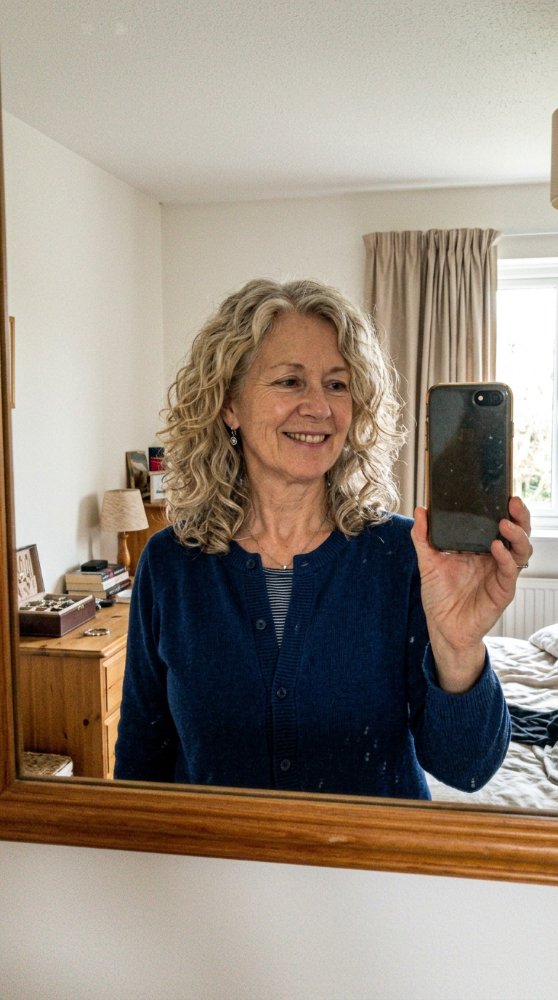
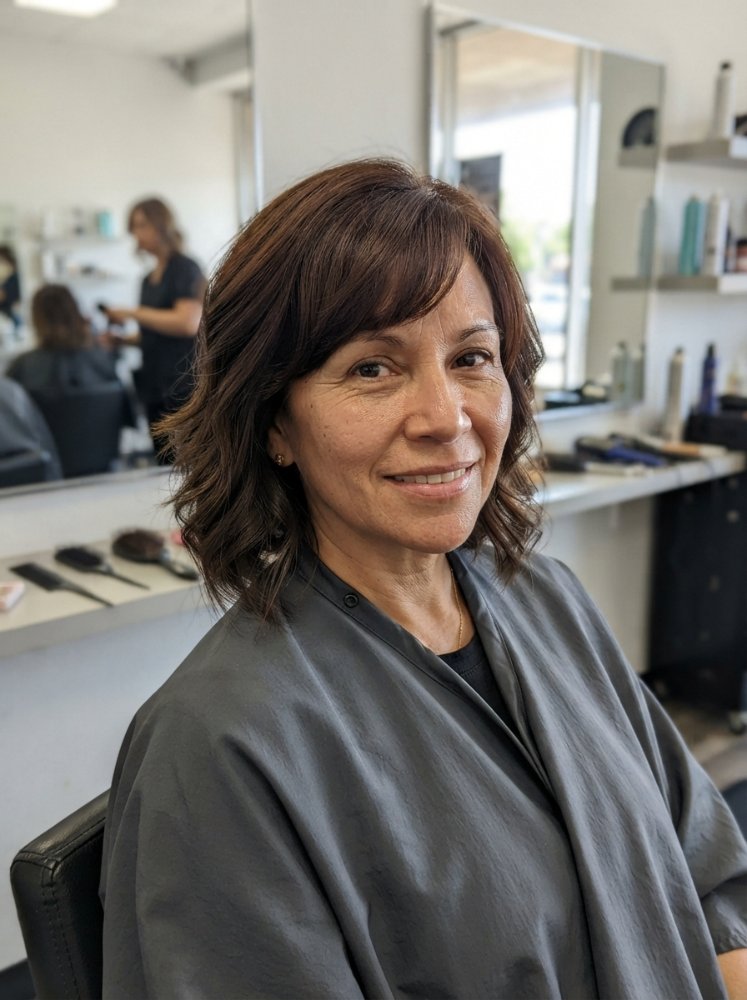
A rounded bob builds width through the sides and lower half, creating a full outline without needing a flat finish. It works especially well when you enjoy visible curl grouping and want the ends to contribute to fullness.
A strong perimeter can make healthy ends appear more substantial, but the haircut can’t create density. Heavy interior removal may expose more space when density is low, so layering matters as much as length.
This bob also interacts with glasses, collars, and earrings. A curl that lands at the jaw while stretched may spring above it after drying, so assess the shape in the state you wear most often.
Graduated Curly Bob
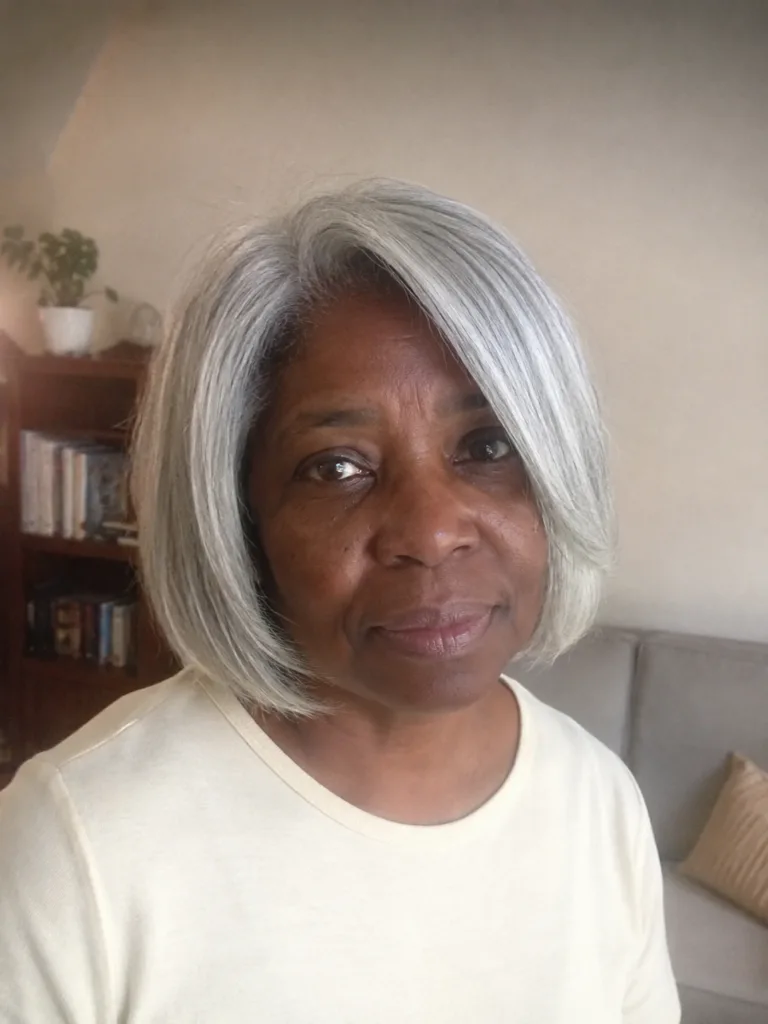
Shorter through the back and slightly longer toward the front, a graduated curly bob shifts bulk away from the nape while preserving movement near the jaw. It is more architectural than a rounded bob and usually more dependent on precise cutting.
The nape is the part photographs tend to hide. Dense curls can stack quickly there, while looser curls may reveal the graduation more clearly. Choose this shape when you like a defined back profile and are comfortable maintaining that structure as it grows.
Medium-Length Curly Cuts That Manage Weight
Layered Curly Lob
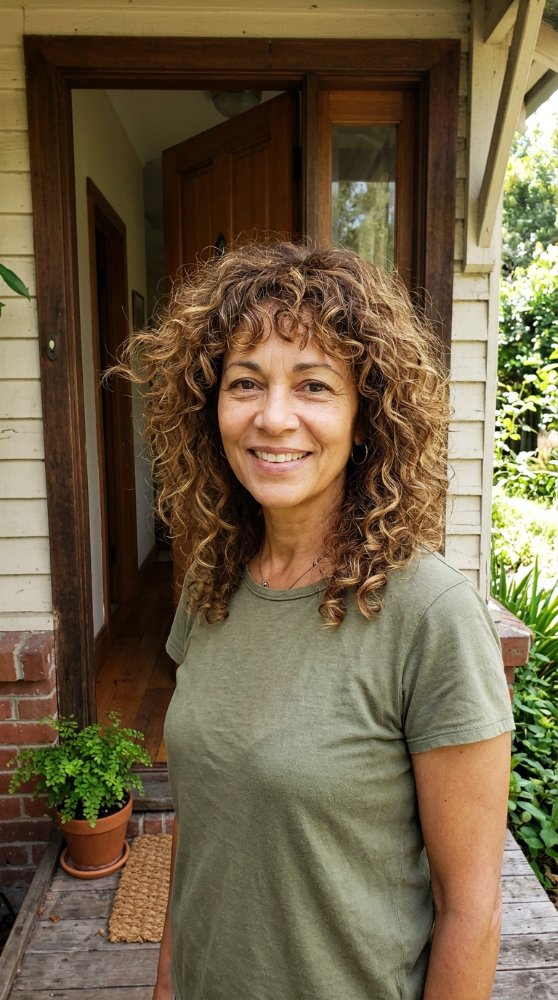
A curly lob gives you enough length to tie back while still shaping the hair around the shoulders. Layers can release mid-length weight when curls flatten at the crown.
It’s easier to grow out than a heavily sculpted short cut. Keep enough weight at the lower edge so the ends don’t turn wispy, especially when density is modest.
Blunt-Feeling Curly Lob
“Blunt” on curly hair doesn’t require every curl to end on the same horizontal line. The visible effect comes from preserving a strong lower edge and using minimal interior removal. That creates a denser-looking perimeter and lets the curl pattern provide the movement.
This is a stronger choice than a highly layered lob when your ends are healthy and you want the bottom of the haircut to look substantial. It can feel heavy on very dense hair, though, particularly around the shoulders where curls expand against clothing.
A stylist may still use subtle shaping to keep the cut from becoming triangular. The finished result should be judged dry or in your normal styling state, because wet length alone tells very little about where the perimeter will land.
Curly Shag With Fringe
A shag deliberately moves weight upward. Shorter layers around the crown and face encourage lift, while the lower lengths stay looser and more separated. Curly fringe can be part of that shape without being straightened.
The haircut is less forgiving if your routine depends on pulling everything into one smooth ponytail. Shorter layers will escape. It is worth that inconvenience when crown movement and a lighter, less compact outline matter more than one-length versatility.
Shoulder-Length Curly Cut With Face-Framing Layers
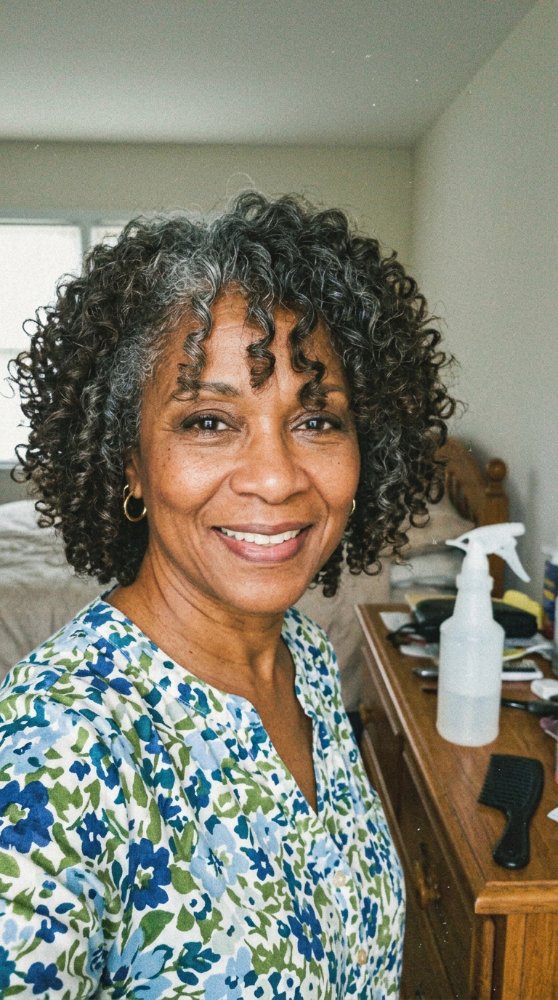
Face-framing layers are useful when you want change around the front without turning the entire haircut into a shag. The shortest pieces can open the cheek and jaw area while the back retains enough length for a fuller perimeter.
This is practical with glasses because the front can sit above, around, or below the frames instead of bulking at the temples. Bring your glasses to the appointment and assess the cut with them on.
Longer Shapes for Movement Without Losing Length
Long Cascading Curly Layers
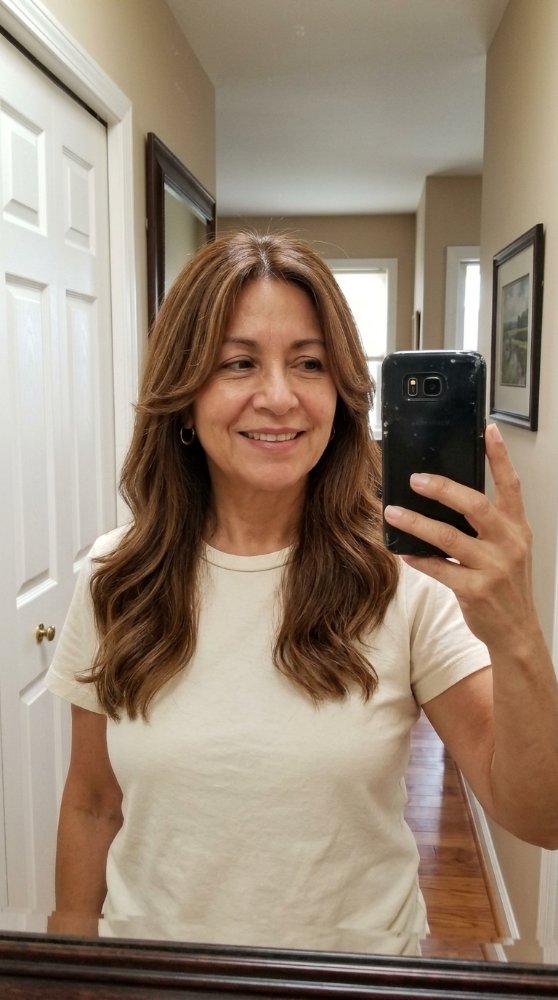
Cascading layers distribute some of the weight in long curls so the crown and mid-lengths can lift while the overall length stays clearly long.
The layer pattern should follow how your curls group. Too many short pieces can create a disconnected top on looser curls or excessive expansion on tighter patterns.
Drying also matters. Longer, denser hair needs a routine that gets the roots fully dry instead of leaving the underneath damp after the surface feels finished.
Long U-Shaped Curly Cut
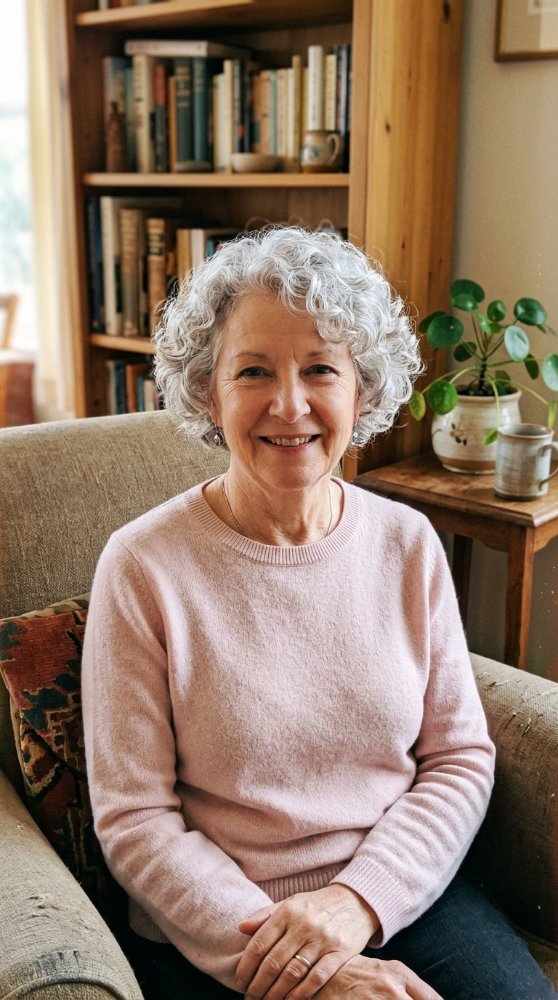
A U-shaped perimeter keeps the back length while rounding the corners of the haircut. Compared with a sharp V, it gives the ends a broader, more substantial base and can make long curls feel less pointed from behind.
This is one of the better long options for someone who wants visible length without a very layered finish. The shape is subtle from the front, so ask to see the back view of any reference image you bring to a consultation.
Long Curls With a Curly Fringe
Fringe changes where the eye lands without sacrificing the length through the back. It can be broken-up, fuller and rounded, or blended into longer face-framing pieces.
Shrinkage is the main planning issue. Fringe cut to eyebrow level while stretched may sit much higher once the curl contracts, so judge it dry and in the pattern you wear most often.
This works well if you like hair around the face but dislike tucking every front section back. In humidity, shorter fringe can expand differently from the longer lengths.
Texture-Led Shapes for Fullness and Curl Definition
Rounded Curly Halo
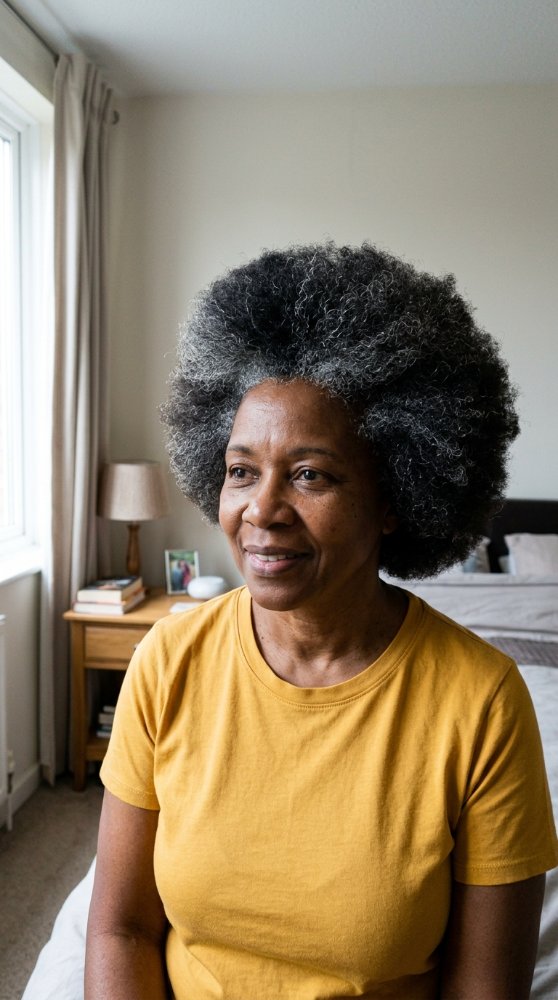
A rounded halo makes the outline the feature, balancing volume around the head instead of letting it fall mainly downward. Dense curls and coils can carry this shape especially well.
Build it around your real shrinkage. A cut designed only from stretched length can become much shorter or wider once the hair returns to its natural state.
Tapered Curly Afro
A tapered afro keeps fullness through the top while narrowing the sides and lower perimeter. Compared with a rounded halo, it creates more vertical emphasis and a cleaner transition around the ears and nape.
It is particularly useful when you want natural volume without a wide shape at jaw level. The taper also makes growth more visible, so maintaining the outline becomes part of the look.
Gray hair can be part of this style beautifully, but pigment loss does not define texture. Some gray strands feel different because of individual hair characteristics or previous processing, while others behave much like the rest of the curl pattern.
Defined Twist-Out With a Rounded Shape
A twist-out changes the styling state rather than the haircut. It stretches and groups curls or coils into a more elongated pattern, which can reveal length and create a softer, more directional shape than a wash-and-go.
This is an underrated option when you like the outline of your current cut but want more control over shrinkage. The result depends heavily on section size, how evenly the hair dries, and how much separation you do afterward.
The haircut underneath still matters. Transparent ends or an uneven perimeter remain visible after separation; styling can disguise them temporarily, but it cannot strengthen damaged ends.
Pulled-Back Styles for Everyday and Dressier Wear
Half-Up Curly Style
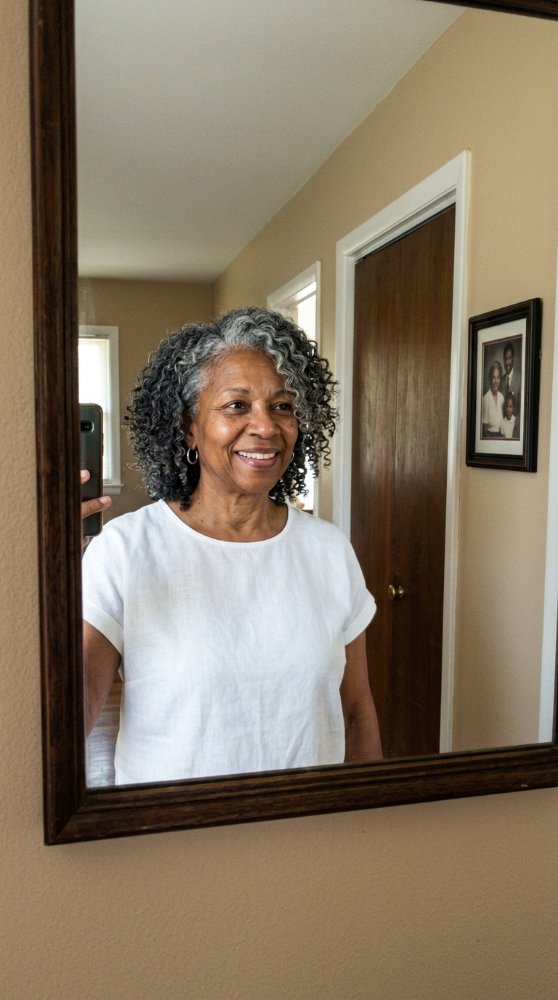
Half-up styling is useful when you want the face open while keeping the visible length and texture of your curls. Secure only the top section and let the rest fall naturally, which reduces the amount of hair concentrated at one anchor.
Placement changes the mood. A low half-up section feels softer, while a higher crown section creates more lift. A fabric-covered elastic, small clip, or pins can work depending on density and the amount of hair being held.
Low Curly Bun
A low bun sits comfortably beneath many hats and avoids the headrest problem of a high knot. It can be sleek through the front or kept soft, with the curl texture still visible through the bun.
The construction is simple: gather the hair near the nape, secure it with an elastic, then wrap or pin the lengths without forcing every curl flat. Leave fragile perimeter hairs out rather than repeatedly pulling them into a tight base.
It’s a practical formal option with earrings, glasses, and many necklines. Very dense or long hair may create a bulky bun, so pins can distribute it more comfortably than one tight coil.
High Curly Puff
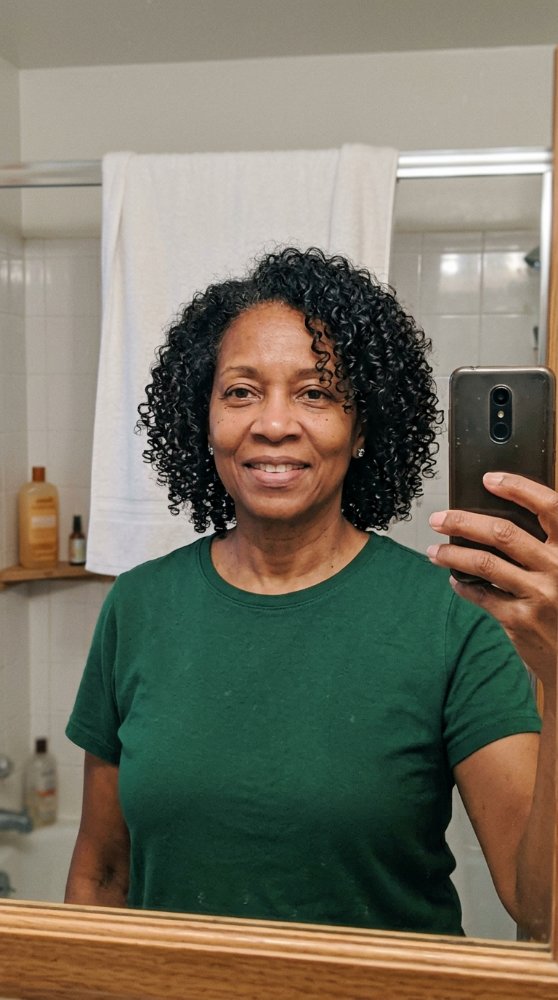
A high puff puts the curl mass above the crown and leaves the ends free. It is visually lively and quicker than building a structured updo, especially on curls and coils with enough length to gather.
The base should feel secure without stinging or pulling. Sliding the anchor slightly lower can reduce concentrated tension while preserving much of the same effect. This style also makes the hairline easy to see, so it is better to work with shorter edge hairs than force them into the puff.
Curly Ponytail With Volume Through the Tail
A curly ponytail keeps the construction familiar while letting the texture stay visible. The strongest version doesn’t require the front to be pressed flat; a smoother crown, softly textured surface, or intentionally loose finish can all work.
Choose the anchor around real life. A mid-height ponytail works better with many headrests and jackets than an ultra-high one, while a low ponytail can rub against collars.
For a dressier result, wrap a small section around the elastic and pin it. Let the tail stay full so the curl pattern remains the feature.
How to Choose the Right Curly Hairstyle After 50
Begin with the state you wear most often. A cut built around natural shrinkage should be assessed with the curls dry enough to show their real pattern. Someone who stretches or diffuses regularly may need a different layer balance from someone who wears a compact wash-and-go.
Separate strand size from density. Fine hair describes strand diameter; low density means fewer strands overall. You can have fine strands and high density, or coarse strands and low density. That affects how much interior weight can be removed before the cut looks sparse.
Next, decide where you want volume. Short tapered cuts emphasize the crown. Rounded bobs and halos build width at the sides. Long layers spread movement through the length. Pulled-back styles shift attention to the face and the curl pattern in the tail or bun.
Let your routine narrow the field. A shag becomes frustrating if every layer needs to fit into a sleek ponytail. A pixie simplifies daily length management but relies more on reshaping. Long hair offers more styling variety while demanding more detangling and drying.
Bring side and back reference photos to a salon consultation. They reveal the nape, perimeter, layering, and where bulk sits. Mention glasses, hearing devices, high collars, workouts, and any need to tie the hair back.
Maintenance Matters More Than the Birthday Number
Curly hair over 50 doesn’t need a separate rulebook, but changes in density, chemical history, heat use, or scalp comfort can affect what feels manageable now. Gray describes pigment loss, not a texture type, so judge gray hair by its actual curl pattern, strand size, porosity, and condition.
Keep the routine responsive. Wash according to scalp comfort, activity, and product use instead of a universal interval. Use enough slip to detangle comfortably and choose a drying method that suits your density and schedule. A diffuser can support lift and definition; dense hair may take longer to air-dry.
Repeated tension in the same spot can stress the hairline or other fragile areas. Pulled-back styles should feel comfortable during normal movement. Persistent pain, redness, sores, or a concerning density change is a reason to stop the tension source and speak with a dermatologist or another qualified healthcare professional.
The useful test is whether the hairstyle still works on an ordinary day, not only after a fresh salon finish. A cut that cooperates with your routine usually serves you better than a dramatic shape that needs constant correction.
Related Hairstyles to Explore
- Hairstyles for women over 50 with fine hair
- Short hairstyles for women over 50
- Long hairstyles for women over 50
- Stylish short hairstyles for women over 50
FAQs
What curly hairstyle is easiest to manage for women over 50?
A tapered pixie, rounded bob, or layered lob can all be manageable, but “easy” depends on where you want to spend effort. Short cuts reduce detangling and drying length but need more attention to the outline as they grow. A lob takes longer to dry yet gives you the option to tie it back.
Can women over 50 wear long curly hair?
Yes. Long curly hair can look strong and current at any age. The practical questions are condition, density, drying time, and whether the weight pulls the crown flatter than you prefer. Long layers or a rounded U-shaped perimeter can preserve length while improving movement.
Are bangs a good idea for curly hair over 50?
Curly bangs can work very well when they are planned around shrinkage and your normal styling state. They don’t need to be straightened. Ask for enough length to see how the curl settles dry, especially if your front curls contract more than the rest of your hair.
What if my curls seem thinner than they used to?
First distinguish a haircut issue from a real density change. Low density, breakage, transparent ends, and fine strands are different concerns and shouldn’t be treated as the same thing. A stronger perimeter may make healthy ends look fuller, but a haircut can’t create density. Sudden shedding or a concerning change in density is worth discussing with a qualified healthcare professional.
Hair Texture & Upkeep Style Matcher
Select your natural hair texture and daily maintenance window to get an instant styling formula and heat safety cap.
Heat Cap: 320°F (160°C)
A versatile three-strand braid beginning at the parietal ridge, securing the top half while allowing natural wave texture to flow freely around the shoulders.
Conclusion
Curly hairstyles for women over 50 work best when the shape matches the hair you actually wear every day. A tapered crop gives you a sharper outline, a bob or lob balances structure with versatility, long layers preserve length, and pulled-back styles let you change the look without changing the cut.
Choose the option whose maintenance makes sense after the salon finish wears off. Bring reference photos that show the sides and back, describe your normal curl state, and be clear about where you want volume. That’s a more useful starting point than any rule based on age alone.
Editorial Standards & Hair Health Guidance
Every style featured on Tress Atlas is curated with a focus on real-world wearability, scalp tension management, and cuticle preservation. When trying protective styles or tight updos, ensure perimeter hairline sections remain tension-free to avoid traction stress on delicate follicles. For heat styling, cap tools below 350°F (180°C) to prevent thermal keratin denaturation.
Scientific Sourcing: Practices aligned with the American Academy of Dermatology (AAD) on traction alopecia risk reduction and cosmetic trichology research on hair tensile strength.