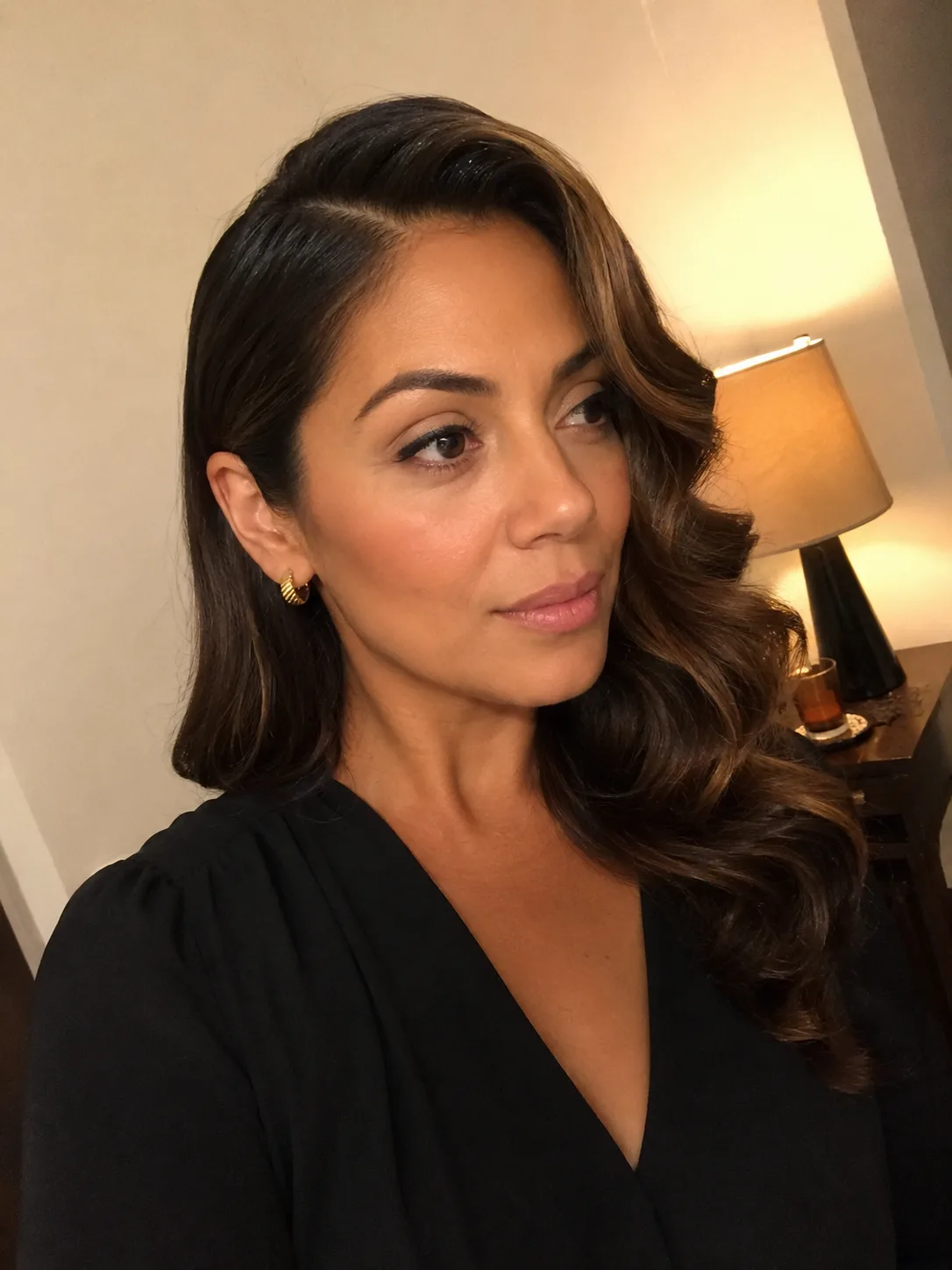
Wavy Hair for Women: Shape, Styling, and Upkeep Guide
The most useful starting point is to work out where your waves begin, how strongly they group, and how much weight your hair can carry before the pattern stretches out. A woman with fine strands and waves that start below the ears needs a different haircut and styling approach from someone with dense hair that develops movement close to the roots.
Length, layers, drying method, humidity, product weight, previous chemical services, and even the way you sleep on your hair can change how visible the pattern looks. Your haircut matters too. Removing weight can release more movement, while excessive layering can leave some wavy hair looking thin or disconnected through the ends.
A good wavy-hair routine therefore isn’t about forcing every section into identical curls. It should make your natural movement easier to wear while keeping the haircut balanced in the styling state you use most often.
Wavy Hair Is a Pattern, Not a Single Look
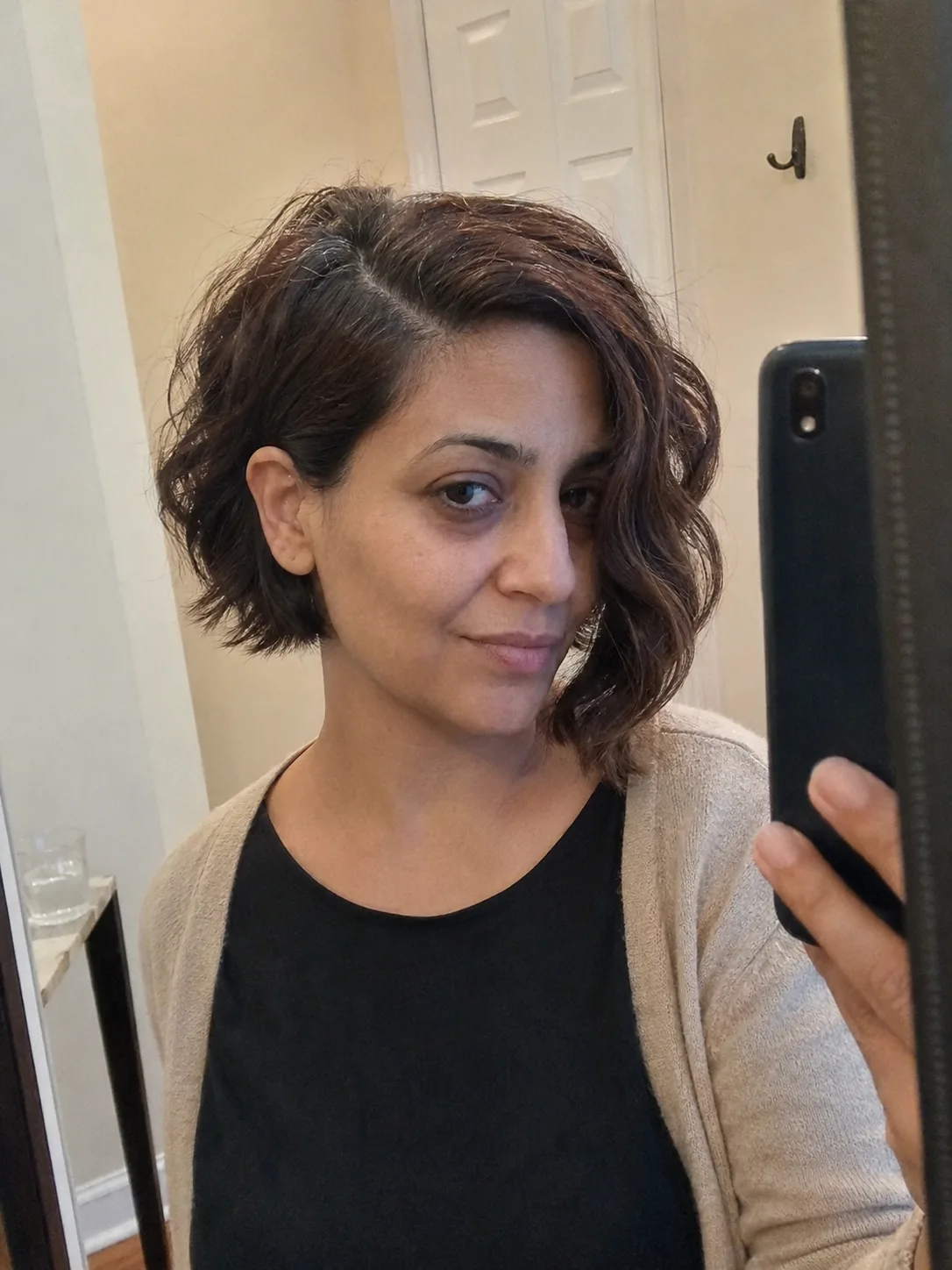
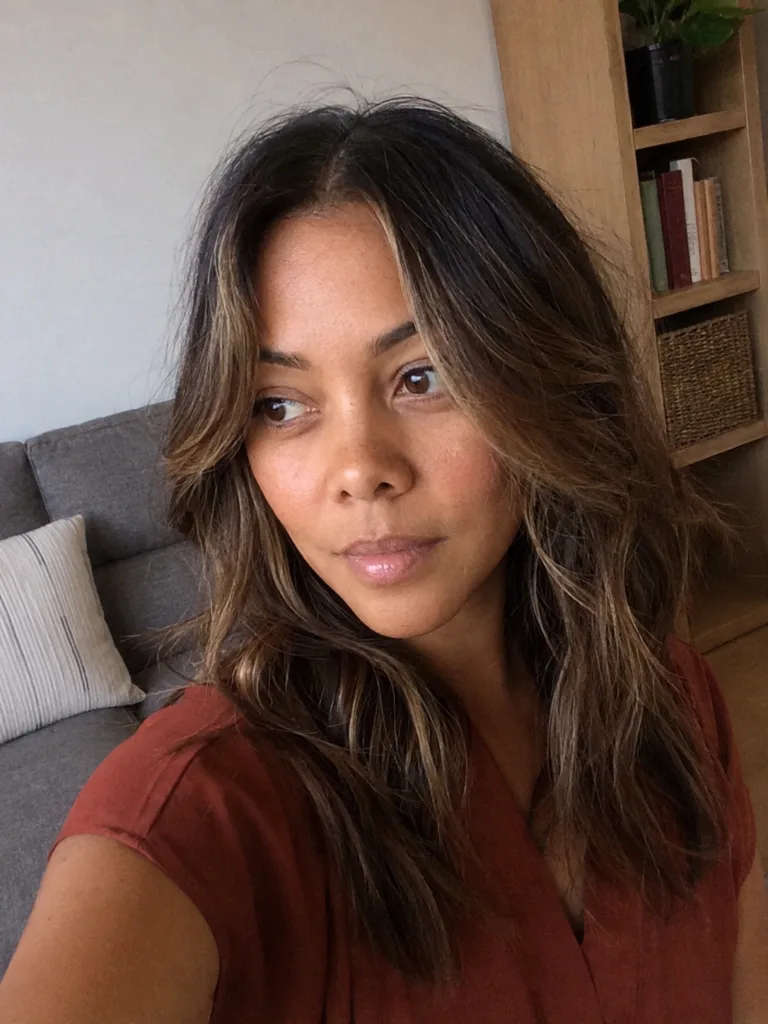
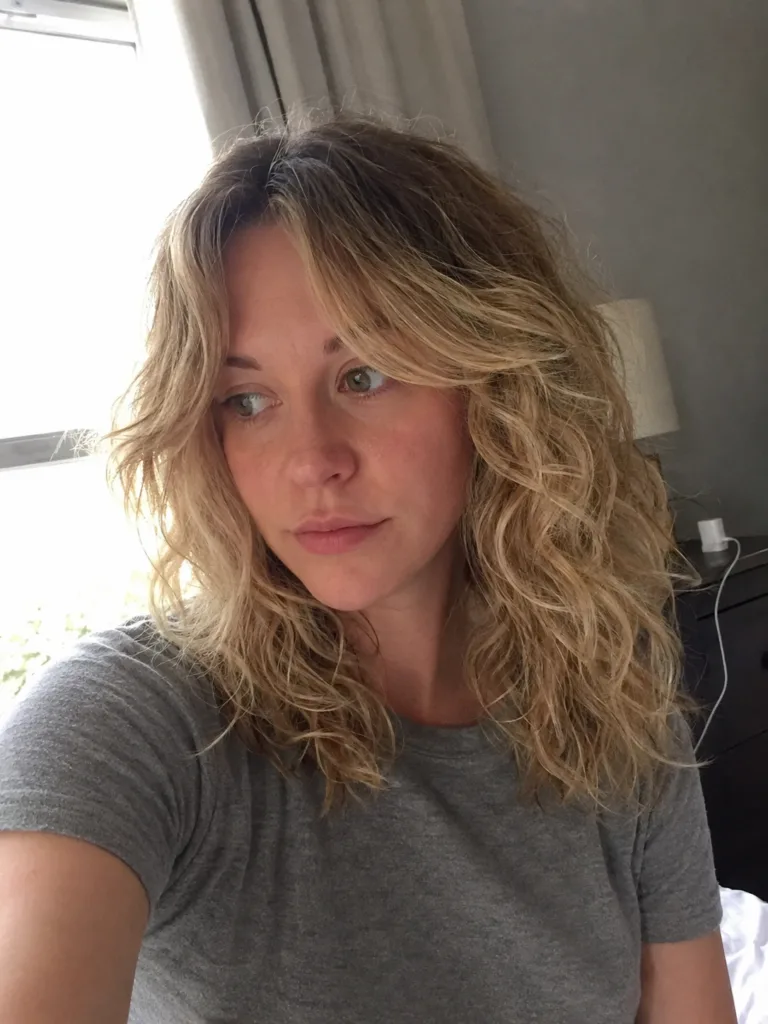
The label wavy hair covers a surprisingly wide range of results. Some hair develops a subtle bend through the lower half while remaining relatively straight near the scalp. Other waves form stronger S-patterns from much higher up and can sit close to loose curls in certain areas.
That matters because the appearance of the pattern doesn’t tell you everything about the hair itself.
Fine hair refers to strand diameter, not how much hair you have. You can have many fine strands and therefore plenty of overall density. Low-density hair means there are fewer strands overall. Those two characteristics affect cutting and styling differently.
Fine strands may lose visible wave under the weight of rich styling products or very long lengths. Low-density wavy hair can look less substantial at the perimeter if too much hair is removed through layering. Dense wavy hair may need weight distributed so the shape doesn’t become excessively triangular or bulky through one area.
Porosity and condition also influence daily behavior. Hair that has been lightened, colored, chemically processed, exposed to repeated heat styling, or affected by environmental wear may respond differently from untreated hair, even when the underlying wave pattern is similar.
This is one reason a texture label alone shouldn’t dictate your haircut or routine.
Your pattern can vary across your own head
Uniform waves are uncommon enough that chasing perfect consistency can create unnecessary work.
The sections around the face may form stronger bends. The underside can curl more tightly than the crown. One side may flatten more readily during sleep. Hair near the nape can behave differently because it experiences more friction against collars, scarves, and bedding.
Instead of treating every variation as a styling failure, judge the whole shape. A head of wavy hair can look cohesive even though individual sections aren’t identical.
That makes wavy texture especially compatible with styles that allow some movement and irregularity rather than demanding a rigid surface.
The Haircut Controls More Than the Styling Product
A styling routine can encourage your wave pattern, but it can’t fully compensate for a haircut that fights the way your hair naturally falls.
Length changes the amount of weight pulling on each bend. Layers change where that weight sits. The perimeter determines how substantial the ends appear. The position of shorter pieces can also affect whether volume gathers around the cheekbones, jaw, shoulders, or crown.
For many women with wavy hair, the strongest haircut is one that preserves enough weight for the ends to look healthy while removing bulk only where the overall shape needs it.
Long wavy hair
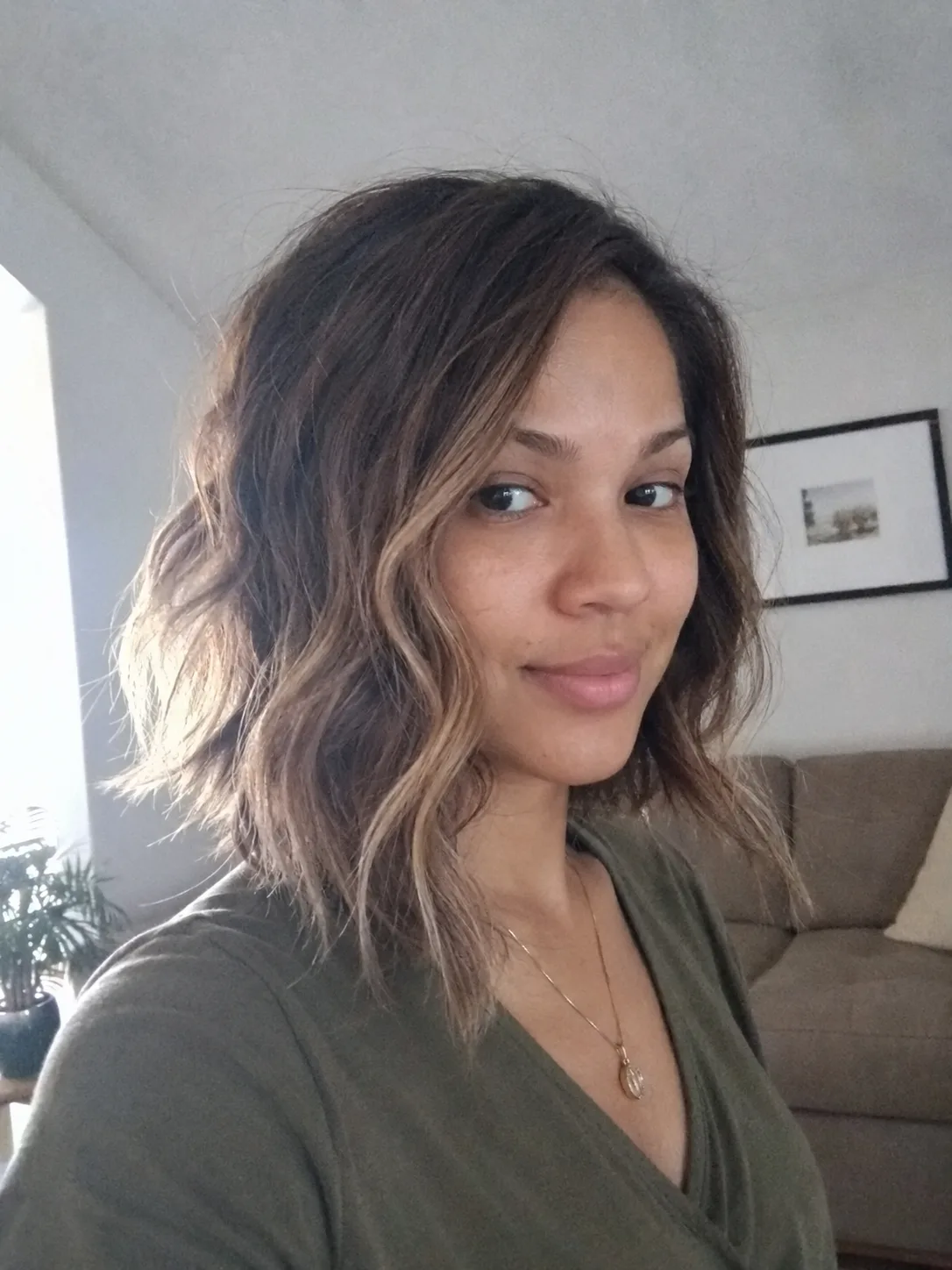
Long hair gives waves room to stretch and creates a soft, flowing result. It also places more weight on the pattern, particularly when the strands are fine or the waves are loose.
The result may look relatively straight near the roots with more obvious movement farther down. That can be attractive; it doesn’t need correcting simply because the waves don’t begin at the scalp.
Long layers can introduce more motion without dramatically changing the perimeter. Very aggressive layering is less forgiving when the ends are already sparse or fragile.
Medium-length wavy hair
Shoulder and collarbone lengths are a practical middle ground. There is enough length for visible movement, yet less weight pulling the pattern downward than with very long hair.
Pay attention to where the perimeter meets clothing. A cut that lands directly on a jacket or shirt collar may flip outward because the ends repeatedly hit that surface. A slightly shorter or longer length can behave quite differently even with the same wave pattern.
Medium cuts also give you room to wear the hair naturally wavy, smooth it with a blow-dry, or pull it back without making any one styling state mandatory.
Short wavy hair
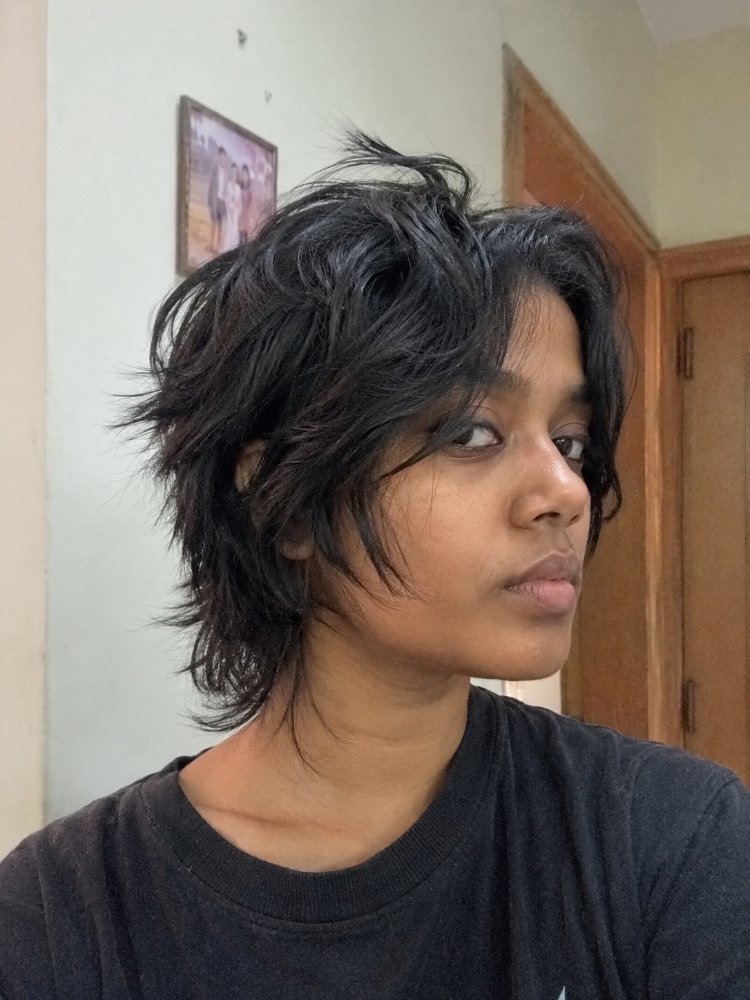
Short cuts expose the haircut itself. A wavy bob, crop, or pixie can have excellent movement, but the shape becomes more dependent on where bulk is removed and where length is retained.
With a bob, a strong perimeter can make the lower edge look fuller. Layering can release texture, though too much internal removal may create separation through low-density ends.
A wavy pixie is more salon-dependent than casual photos sometimes suggest. The outline can lose its intended proportions before the hair feels particularly long. Choose a very short cut because you like the shape and are comfortable maintaining that shape—not simply because short hair is assumed to require less attention.
Layers Can Release Waves—or Weaken the Perimeter
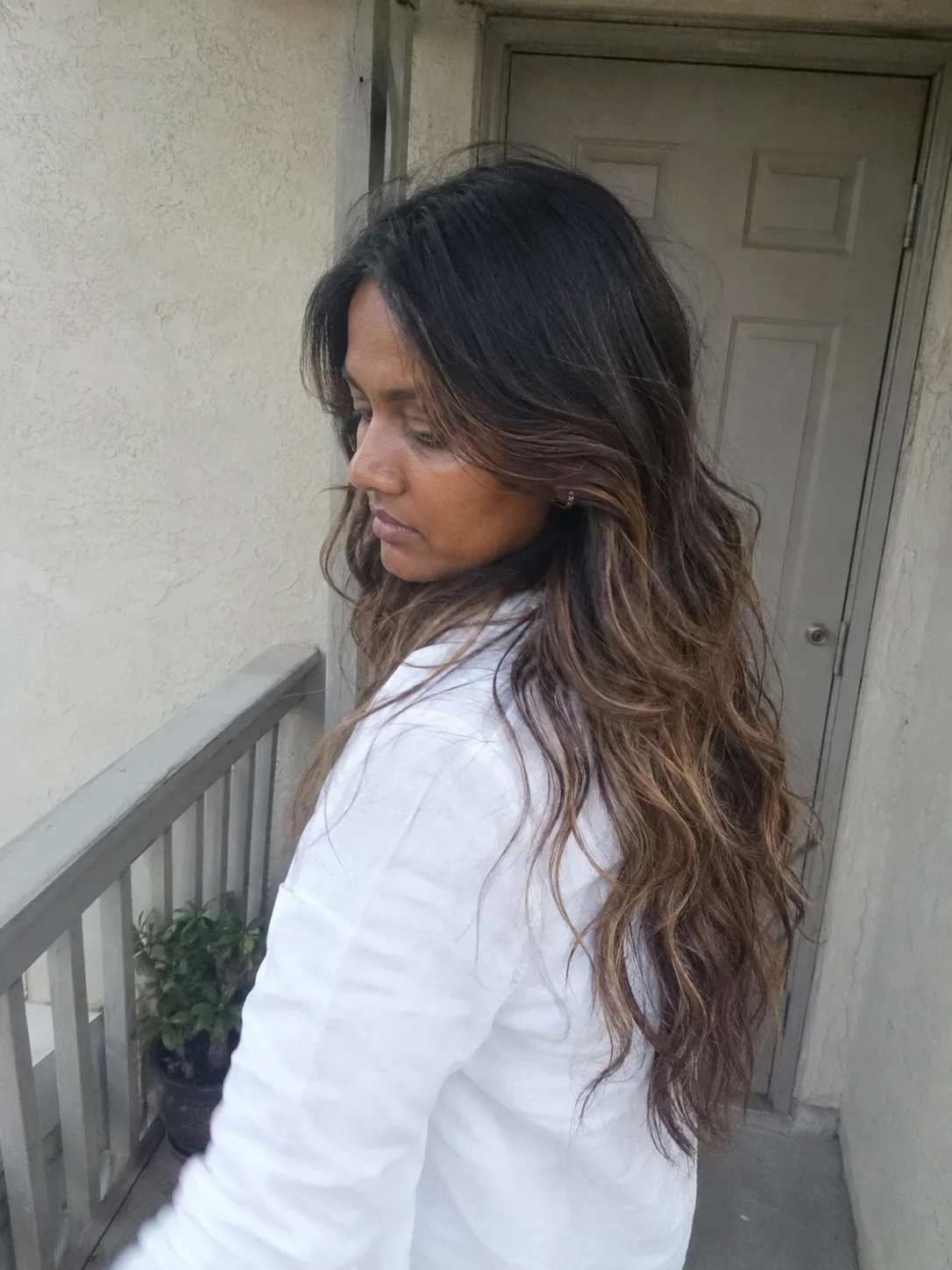
Layers are one of the most common recommendations for wavy hair, but they aren’t automatically the answer to every problem.
They work by changing weight distribution. Shorter sections carry less length, which can allow movement to appear more readily. They can also prevent dense hair from collecting all its bulk at the bottom.
The important question is how much hair can be removed before the ends lose the look you want.
Low-density hair frequently benefits from restraint. Keeping more weight at the perimeter can make the lower edge appear stronger. Heavy interior removal may expose more space between strands and make the haircut look less substantial.
Dense hair has more room for layering, although placement still matters. Removing too much from the wrong area can create excess volume near the crown and thinness through the bottom.
Fine strands introduce another consideration. Fine doesn’t mean sparse, but individual strands can be easily overwhelmed by both excess length and heavy styling products. Moderate layering may improve movement without requiring a dramatically shaggy cut.
A reference photograph is useful here, but look beyond the wave itself. Check where the shortest layers begin, how thick the lower edge appears, whether the model’s hair is styled with a diffuser or curling tool, and whether the photograph shows the hair from multiple angles.
A haircut photographed immediately after styling doesn’t show how it behaves after sleeping, humid weather, a coat collar, or several days of ordinary movement.
Frizz, Definition, and Volume Are Separate Decisions
Wavy hair often gets described as either defined or frizzy, as though the two sit at opposite ends of one scale. Real hair is more complicated.
You can have highly defined waves with a halo of surface frizz. You can also have smooth hair with very little visible wave because the pattern has been stretched by brushing, weight, or drying technique.
Decide what you actually want to improve.
More wave definition
Definition depends heavily on encouraging sections of hair to group together while wet.
After cleansing and conditioning, handle the hair gently enough that those groups aren’t immediately separated. A lightweight leave-in, mousse, foam, gel, or another suitable styler can help support the pattern depending on your strand size, condition, preferred finish, and how much hold you want.
More product isn’t always more definition. A coating that is too heavy for your hair can pull loose waves flatter and leave roots looking limp.
Scrunching can encourage bends upward. Some people also get better results by applying products to wetter hair so sections stay grouped as they dry.
Once the pattern has formed, repeatedly running a brush through dry waves usually separates those groups and produces a softer, fuller finish. That’s useful when you want volume, but less useful when strong definition is the priority.
Less frizz

Start with friction and drying before buying another styling product.
Rough towel movement can disturb wet sections. A smoother fabric and blotting or gently squeezing out excess water tends to preserve grouping better.
Touching the hair repeatedly while it dries can have a similar effect. Give the wave pattern a chance to set before separating or fluffing it.
Humidity complicates the picture because hair responds to moisture in the environment differently according to condition, porosity, products, and weather. A routine that looks excellent in dry indoor air may behave differently during a humid summer day.
Some surface movement is normal. Trying to eliminate every flyaway can lead to heavier styling, more manipulation, and a result that feels less like your actual texture.
More volume
Root volume and wave definition sometimes compete.
Strongly clumped sections can create beautiful lengths while allowing the roots to sit flatter. Diffusing with attention to root position, changing where the hair falls while it dries, or using less product close to the scalp can create a lighter result.
Layers can help when excess length is physically pulling down the upper sections, but a haircut shouldn’t become the automatic solution to every flat-root problem. Styling technique deserves attention first when you otherwise like your shape.
Air-Drying and Diffusing Create Different Results
Air-drying is simple in theory: apply your styling products and leave the hair alone until dry. In practice, the way wet hair rests while drying influences the finished shape.
Wet wavy hair hanging downward can stretch under its own weight. The roots may dry flatter, especially on longer hair. Sections resting behind the ears or against clothing can also dry into bends that weren’t part of the pattern you intended.
Still, air-drying is an excellent option for women who prefer a softer wave and minimal tool use.
Diffusing gives you more influence over volume and wave formation. A diffuser spreads airflow over a wider area than a concentrated dryer nozzle and can reduce the amount of direct movement that disrupts the pattern.
Start with your hair grouped into the position you want it to dry. Keep airflow and heat appropriate for your hair’s condition and the tool being used rather than relying on one universal temperature. Excessive heat exposure or repeated passes add stress without guaranteeing a better wave.
You can bring sections toward the scalp with the diffuser bowl for more spring, or dry more of the hair in its natural hanging position for a stretched result.
Avoid constantly rearranging the hair during the process. Movement has a purpose early on when positioning the roots; excessive handling later tends to disturb sections that are beginning to set.
A combination approach works too. Partial air-drying followed by diffusing can suit someone who wants a little more root control without spending the entire drying process using a tool.
Your Natural Waves Don’t Have to Be Your Only Styling State

Women with wavy hair sometimes feel pressured to identify a single correct way to wear it. There isn’t much value in that restriction.
You can wear your natural wave, stretch it with a blow-dry, create a smoother finish, enhance selected bends with a curling tool, or pull the hair into an updo. Those are styling choices, not proof that your natural pattern has somehow been lost.
The important part is understanding what each state does to your haircut.
A layered cut designed to look airy and full when wavy may appear more visibly layered when straightened. A blunt bob that looks compact when smooth can expand into a broader shape when worn with natural texture. Short face-framing pieces may spring higher after wave definition than they appear during a straight blow-dry.
Before making a major cut, decide which state you actually wear most often.
Someone who alternates regularly between natural waves and smooth styling generally needs a shape that behaves acceptably in both. Someone who wears the hair wavy almost every day can prioritize the way the cut sits in that state.
This is particularly useful during a salon consultation. Show your typical hair, not only an aspirational photograph.
What Wavy Hair Looks Like Between Wash Days
Freshly styled waves get most of the attention online. The more useful question is what happens the next morning.
Sleeping compresses sections. The side of the head against the pillow may lose more shape than the exposed side, and the underside can tangle from movement.
A smooth pillowcase or bonnet can reduce friction. Long hair may also benefit from being loosely gathered in a way that doesn’t crush the pattern, provided the method feels comfortable and doesn’t place unnecessary pulling on the hairline.
The next day rarely requires recreating the entire wash-day routine.
Some sections may recover after light moisture and reshaping. Others look better left softer. A few face-framing pieces can sometimes be restyled while the rest of the hair remains untouched.
This selective approach is particularly useful for loose waves. Saturating and restyling everything simply because two sections flattened overnight creates more work than the texture requires.
Brushing is another choice rather than a prohibition. Brushing dry waves usually breaks apart their defined groups, so expect a larger, softer texture afterward. That can be ideal before a loose ponytail, bun, braid, or brushed-out wave style. Use the tool according to the result you’re trying to create.
Color, Heat, and Chemical History Change How Waves Behave
Texture discussions can become too focused on pattern and ignore condition.
Lightening, permanent color, chemical straightening, frequent high-heat styling, and accumulated mechanical wear can all affect how the hair looks and feels. Two sections with the same natural pattern may behave differently after different treatment histories.
Previously lightened areas may feel more porous or less consistent through the ends. Repeated heat use can also affect manageability and pattern appearance. That doesn’t mean every irregular wave is damage; natural variation is common. Look for changes compared with your own previous baseline.
Hair color needs similar perspective. Gray hair describes reduced or absent pigment. It doesn’t identify a specific texture. Gray strands can be fine, coarse, straight, wavy, curly, or coily, and they should be assessed according to their actual behavior rather than assumptions based on color.
A strong routine for processed wavy hair often places condition ahead of maximum definition. If creating highly uniform waves requires repeated heat passes or aggressive manipulation, a softer finish may be the more sensible everyday option.
Sudden shedding, persistent scalp irritation, pain, sores, or a concerning change in density belongs outside ordinary styling troubleshooting. A dermatologist or another qualified healthcare professional can assess symptoms that seem unusual or persistent.
What to Ask for at the Salon

Walking into a haircut appointment with the phrase “I want my waves to look better” leaves too much undefined.
Bring photographs showing the shape you like, but also explain how you normally style and dry your own hair. The stylist needs to understand whether the reference depends on diffusing, curling-tool enhancement, significant product styling, or a naturally stronger pattern than yours.
Useful consultation points include:
Where you want the perimeter to sit when the hair is dry
Whether fuller ends or more internal movement matters more to you
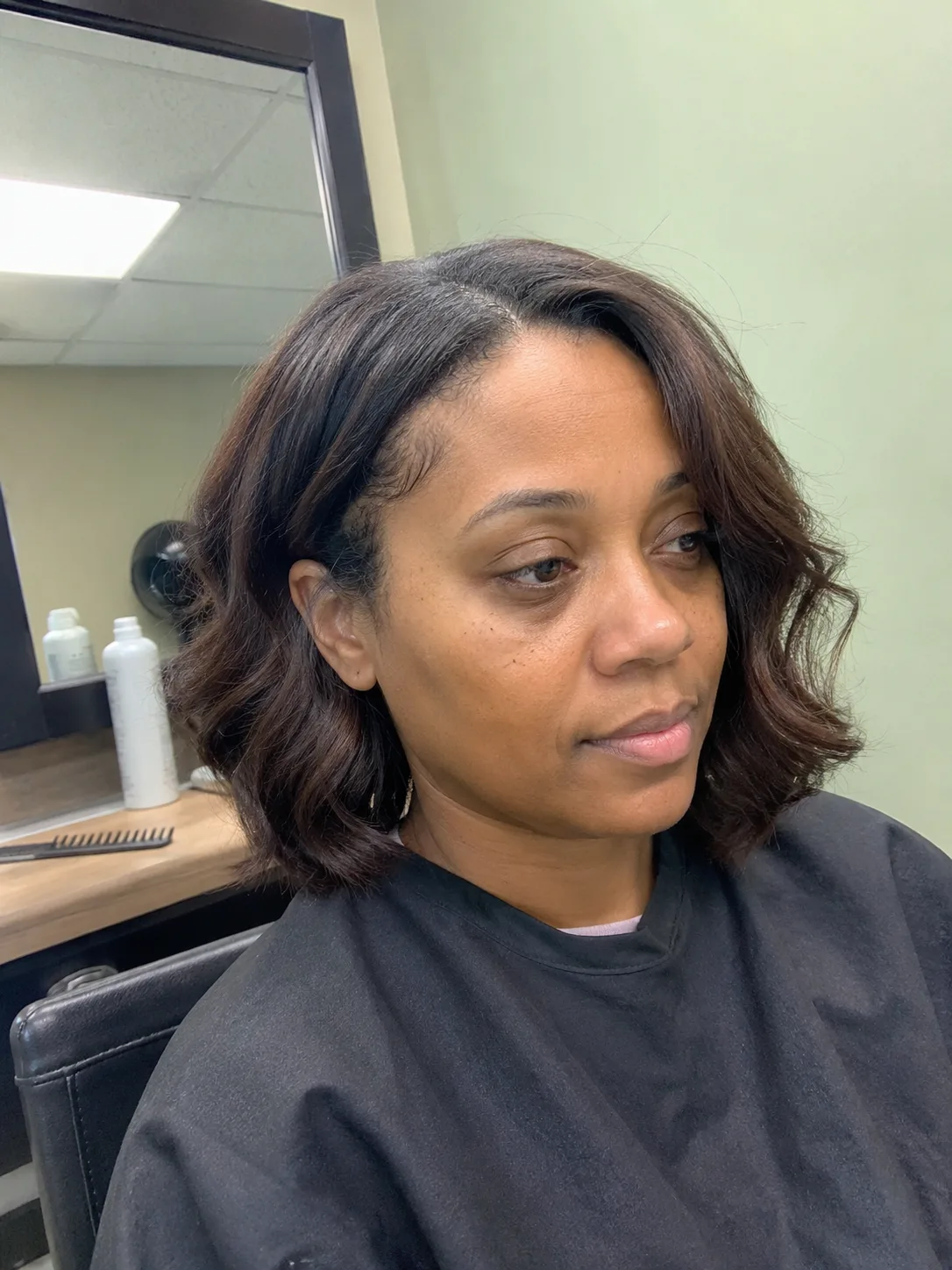
How much shrinkage or spring your waves develop after drying
Whether you normally air-dry, diffuse, blow-dry smooth, or rotate between methods
Which parts of your current haircut feel heavy, flat, bulky, or sparse
Whether you need enough length for ponytails or other regular styles
Your previous color and chemical history when it affects cutting or condition
Ask how the proposed layers change the perimeter before committing to major internal removal.
Also discuss your normal part. Moving the part later is easy, but strongly directional face-framing pieces can behave differently depending on which side they were designed around.
Glasses deserve practical consideration too. Dense face-framing layers or strong volume at the temples can compete with glasses arms and get pushed out of position during the day. That small detail can matter more than conventional face-shape rules.
Most importantly, evaluate the cut in a state that resembles how you intend to wear it. A beautiful smooth blowout doesn’t reveal everything about how the same shape will sit once your waves return.
A Practical Routine for Wavy Hair
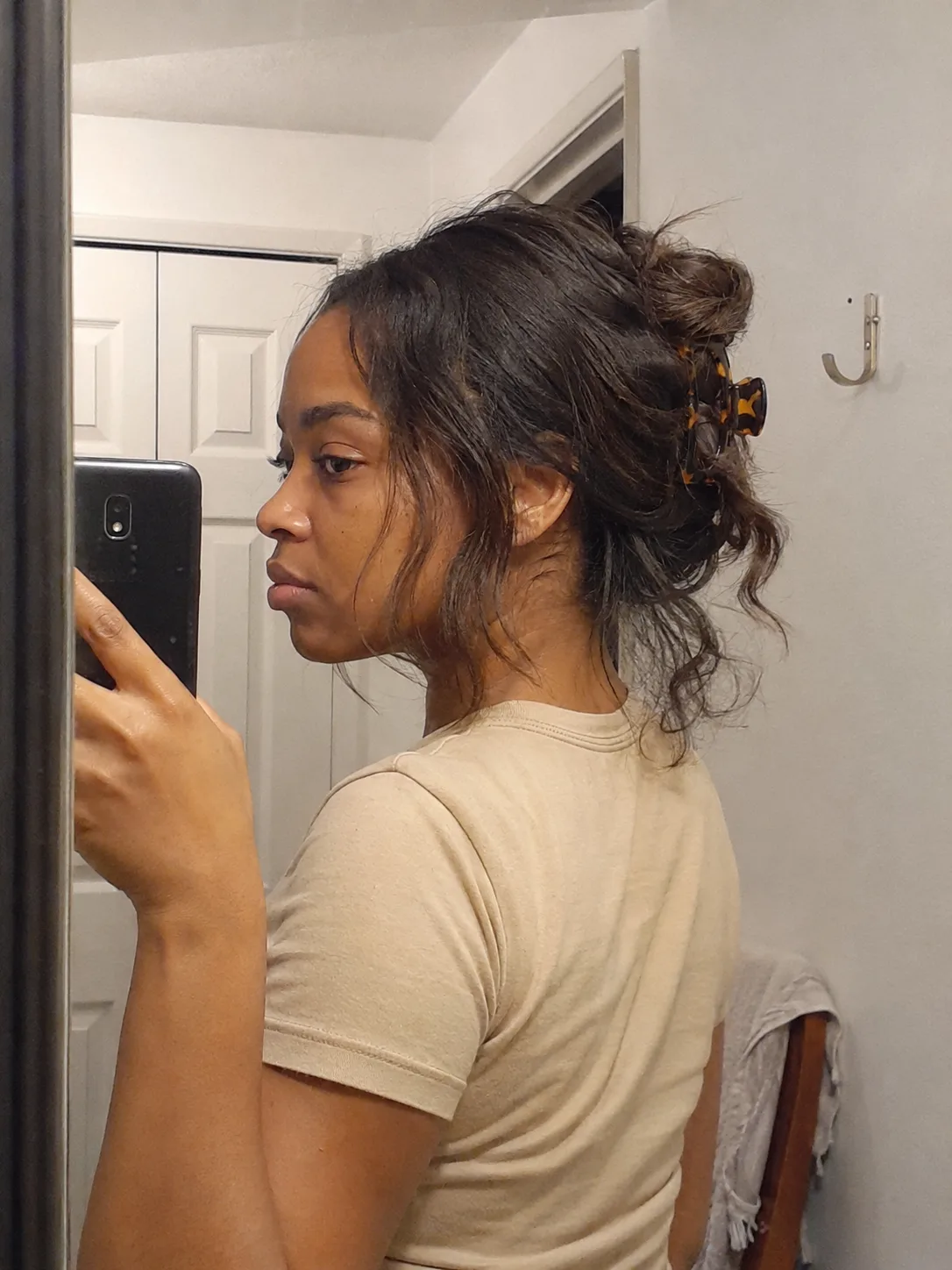
A good routine should be adjustable instead of rigid.
Start by cleansing according to your scalp comfort, activity, buildup, and styling habits. There is no single wash interval that fits every woman with wavy hair.
Condition where the hair needs slip and softness, paying particular attention to lengths that feel dry or tangle easily. Rinse according to how much weight your hair tolerates.
Apply styling products with a specific purpose. Lightweight conditioning may improve manageability. Foam or mousse can support volume. Gel or another stronger-hold styler can encourage longer-lasting grouping. You don’t need every category at once.
Work with the wet sections instead of repeatedly separating them. Scrunch where you want more bend.
Choose air-drying for simplicity and a softer result, or diffuse when you want more control over root position and wave formation. Stop manipulating the hair once the sections are beginning to set.
After the hair is fully dry, loosen any stiffness from hold products by gently scrunching or separating only where needed. Avoid turning the finishing stage into another complete styling session.
On following days, refresh the areas that actually need attention.
That last step makes the routine far more sustainable. Wavy hair rarely needs every strand corrected every morning.
Related Hairstyles to Explore
FAQs About Wavy Hair for Women
Can wavy hair be cut into a bob?
Yes. Wavy bobs can work particularly well because the shorter length removes some of the weight that stretches the pattern. The exact result depends on where the bob ends, how much the hair springs upward after drying, and whether the perimeter is blunt or layered. Remember that collar-length bobs can flip where the ends repeatedly meet clothing.
Why is my wavy hair curly underneath but almost straight on top?
Different areas of the head can naturally have different patterns, and the top layers also experience more environmental exposure and often carry their length differently. Styling habits, heat, color history, and how the hair dries can contribute as well. You don’t need to force the upper and lower sections into identical shapes; style them so the overall haircut looks balanced.
Should fine wavy hair avoid layers?
Fine strands don’t automatically require a blunt cut. Density and perimeter condition matter alongside strand diameter. Fine, dense wavy hair may respond very well to strategically placed layers, while low-density hair with transparent ends may look stronger with more weight retained at the bottom. The amount and location of layering matter more than a simple yes-or-no rule.
Can wavy hair become curlier with the right routine?
A routine can reveal a pattern that was being stretched or disrupted by brushing, heavy products, drying technique, or excess weight. It can’t guarantee that naturally loose waves will transform into a tighter curl pattern. Judge improvement by better grouping, movement, manageability, and a shape you enjoy rather than trying to reach a particular texture category.
Hair Texture & Upkeep Style Matcher
Select your natural hair texture and daily maintenance window to get an instant styling formula and heat safety cap.
Heat Cap: 320°F (160°C)
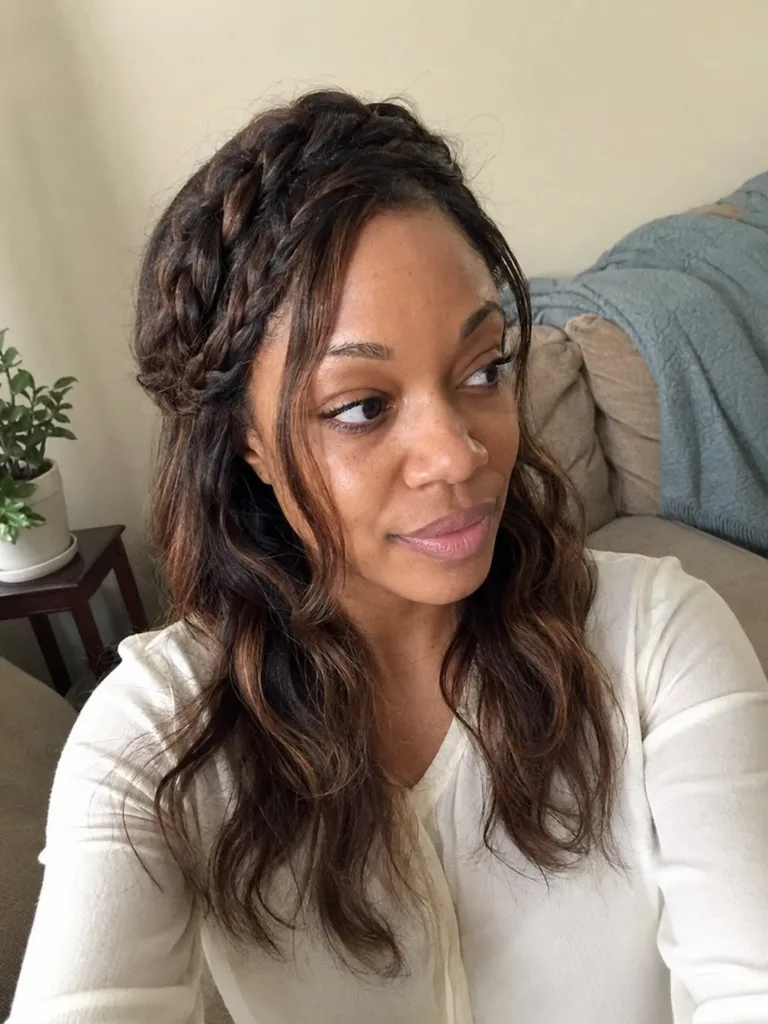
A versatile three-strand braid beginning at the parietal ridge, securing the top half while allowing natural wave texture to flow freely around the shoulders.
Conclusion
Wavy hair becomes easier to manage once you stop treating stronger curl definition as the only sign of success. The haircut, perimeter, drying method, product weight, and your preferred styling state all influence the result.
Start with the decision that has the greatest effect: do you want stronger wave definition, more volume, a fuller-looking perimeter, or a routine that requires less daily restyling? Those goals don’t always point toward the same cut or technique.
For a salon appointment, bring your usual styling state and discuss where your waves begin, how the ends behave, and how much layering you actually want to maintain. For your routine at home, concentrate on preserving useful wave groups, controlling friction, and refreshing selectively. The strongest version of wavy hair is the one that still works after the fresh wash-day photograph is over.
Editorial Standards & Hair Health Guidance
Every style featured on Tress Atlas is curated with a focus on real-world wearability, scalp tension management, and cuticle preservation. When trying protective styles or tight updos, ensure perimeter hairline sections remain tension-free to avoid traction stress on delicate follicles. For heat styling, cap tools below 350°F (180°C) to prevent thermal keratin denaturation.
Scientific Sourcing: Practices aligned with the American Academy of Dermatology (AAD) on traction alopecia risk reduction and cosmetic trichology research on hair tensile strength.