Ren Faire Hairstyles: Complete Styling Guide for Braids, Curls, Locs, and All-Day Wear
A good Ren Faire hairstyle has two jobs. It needs to support the character or costume you’re building, but it also has to survive walking, wind, humidity, costume collars, headpieces, and hours of movement without becoming a constant project.
That makes construction more important than complexity. A relatively simple crown braid can read more convincingly than an elaborate updo that fights your circlet or pulls by midday. Loose curls give beautiful movement, but they behave differently outdoors than they do in a controlled photo. Added hair creates more length and drama while also changing weight and drying.
Renaissance faire styling also covers a wide visual range. Some looks lean historically inspired; others are clearly fantasy, fairy, warrior, or tavern-character styling. If historical accuracy matters to your costume, research the specific period separately rather than assuming every elaborate braid belongs to Renaissance dress.
For a practical starting point, choose according to how you want the hair to behave.
Braided Ren Faire Hairstyles With a Strong Costume Read
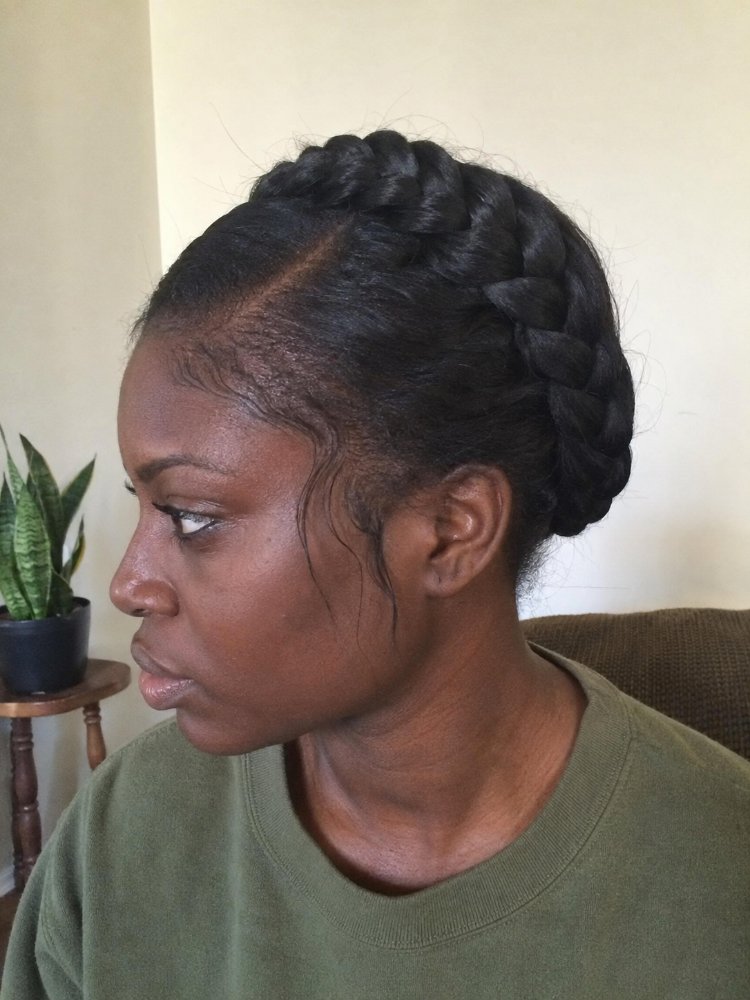
Full Crown Braid
A full crown braid is one of the strongest choices when you want the hairstyle to become part of the costume instead of sitting behind it. The braid circles the head, keeping the lengths contained while creating a clear frame around the face.
The practical advantage is equally important. There’s less loose hair against a cape, corset back, shoulder armor, or high neckline. The construction does need to feel secure without being pulled painfully tight around the hairline.
Half-Up Twin Braids
Two braids beginning around the temples and joining at the back give you a recognizable faire look without sacrificing your length. The loose lower section can stay straight, wavy, curly, or stretched, so this option adapts well to the hair you already enjoy wearing. It’s especially useful when a full updo feels too formal for the costume but completely loose hair feels unfinished.
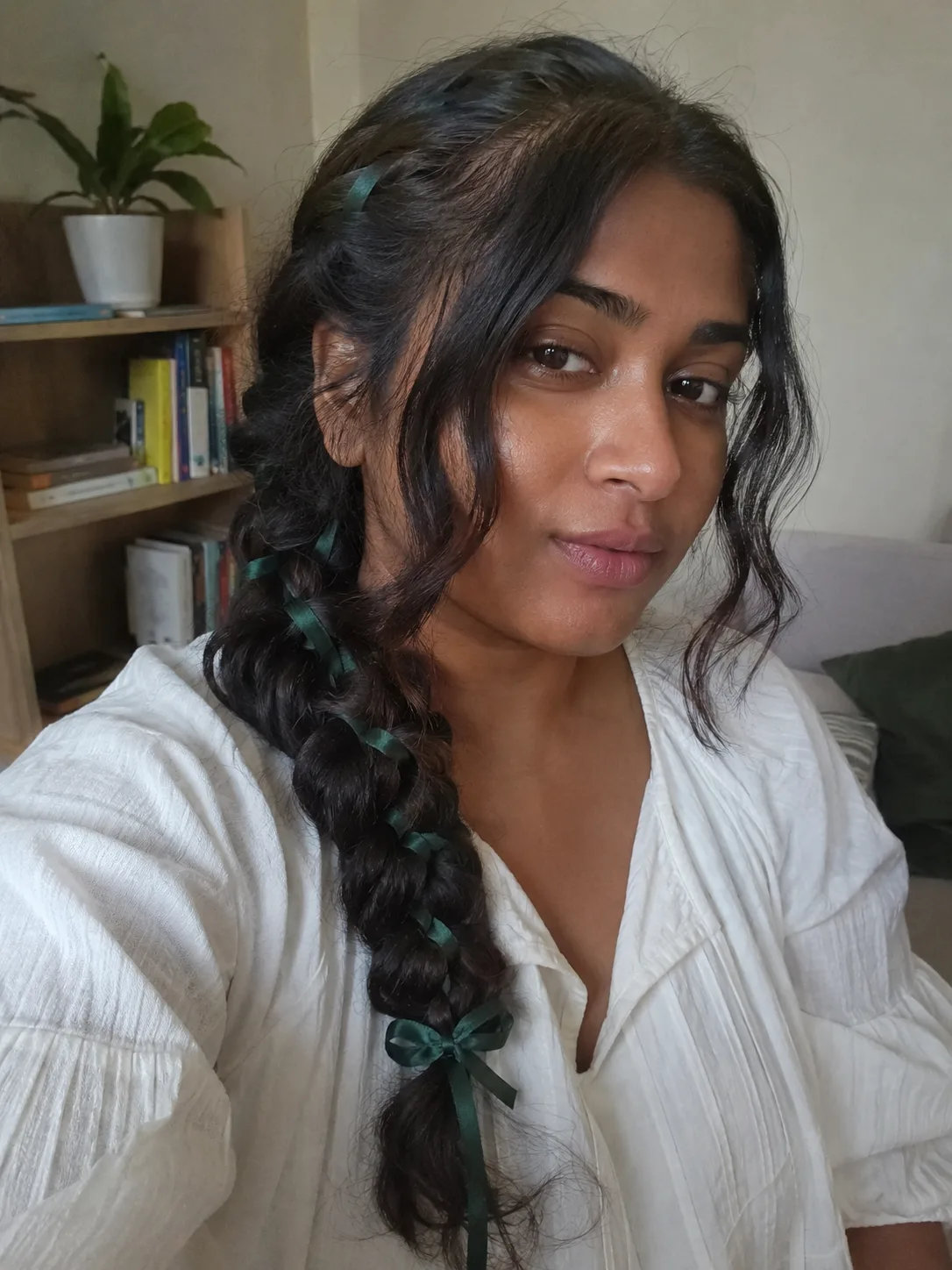
Side Fishtail Braid
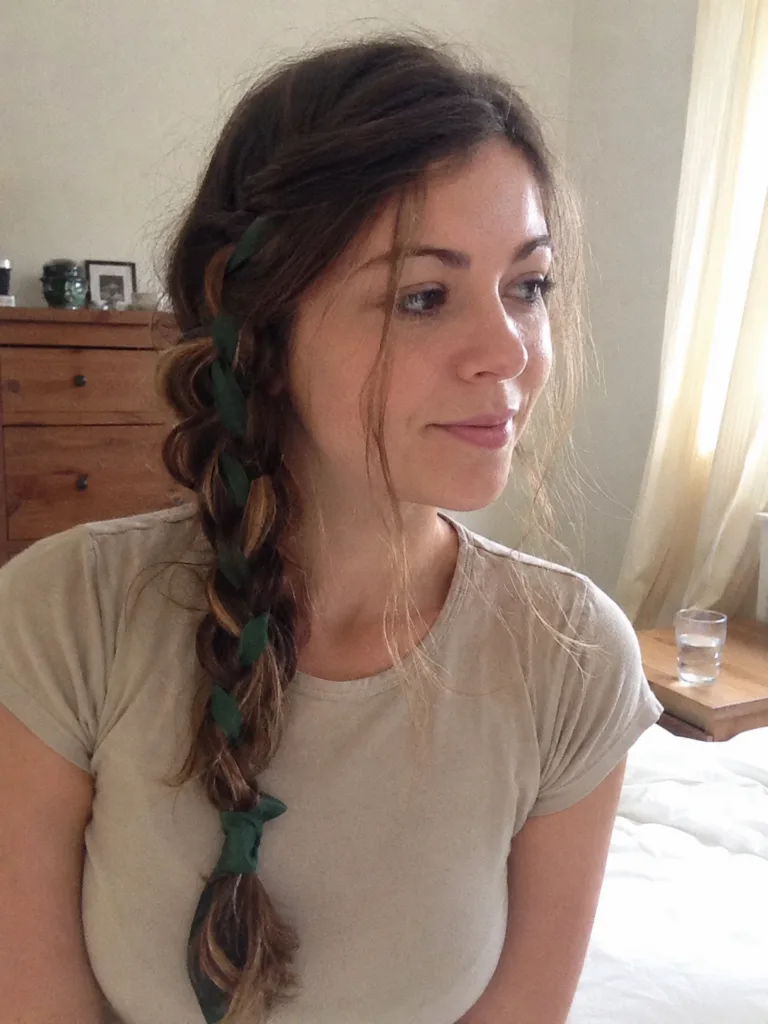
A fishtail braid earns its place here because its narrow woven pattern looks very different from a conventional three-strand braid. Sweeping it over one shoulder also places the visual detail where it can be seen from the front.
The braid works particularly well on longer hair because the weaving pattern has room to develop. A loosely expanded fishtail creates a softer fantasy effect; a firmer braid looks cleaner and more contained.
Think about your costume before deciding how much to loosen it. An open weave can catch more easily on textured fabric, jewelry, or costume pieces around the shoulders. Keep the braid more compact when you’ll be wearing layers that repeatedly rub against it.
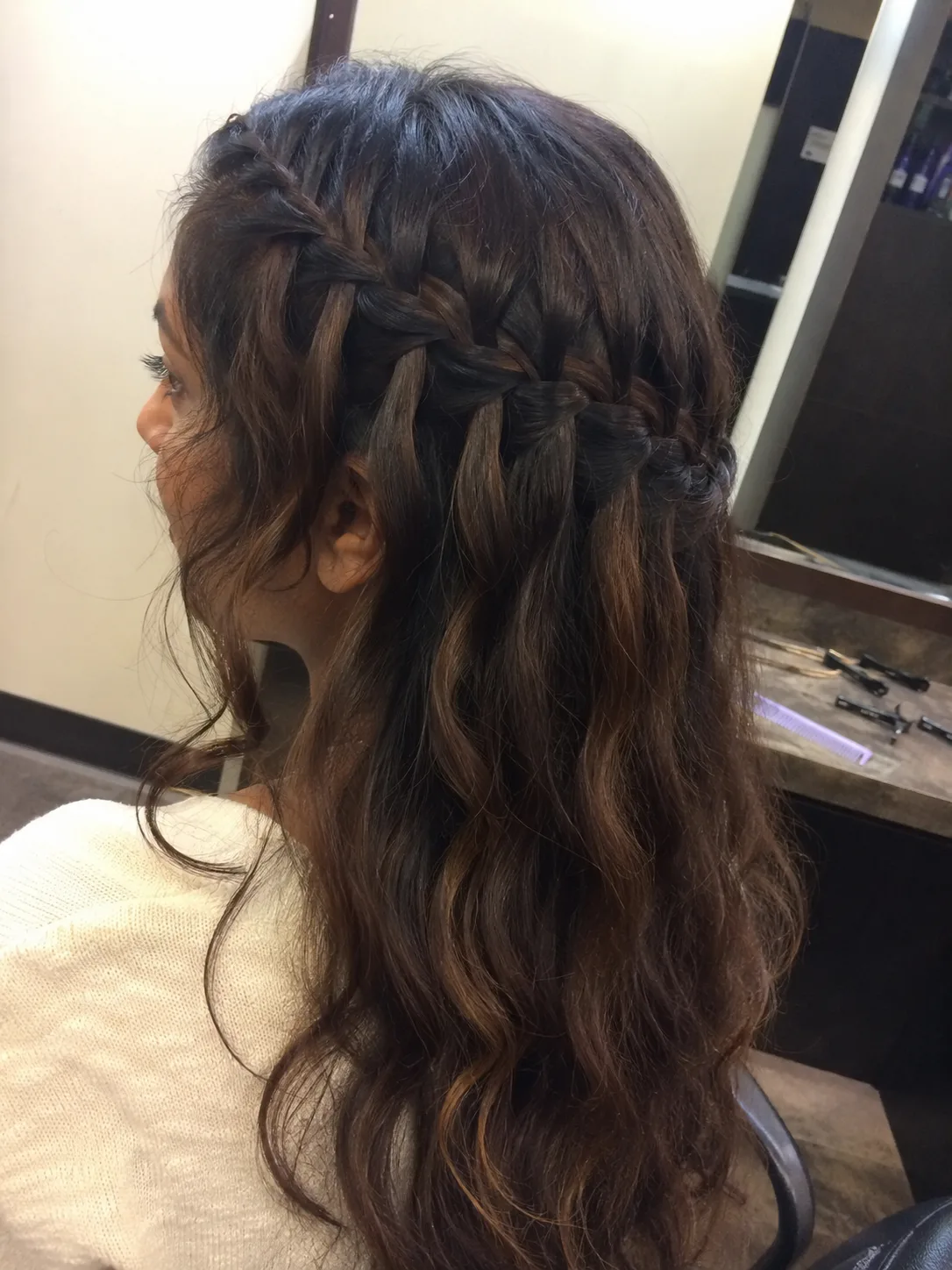
Waterfall Braid With Loose Lengths
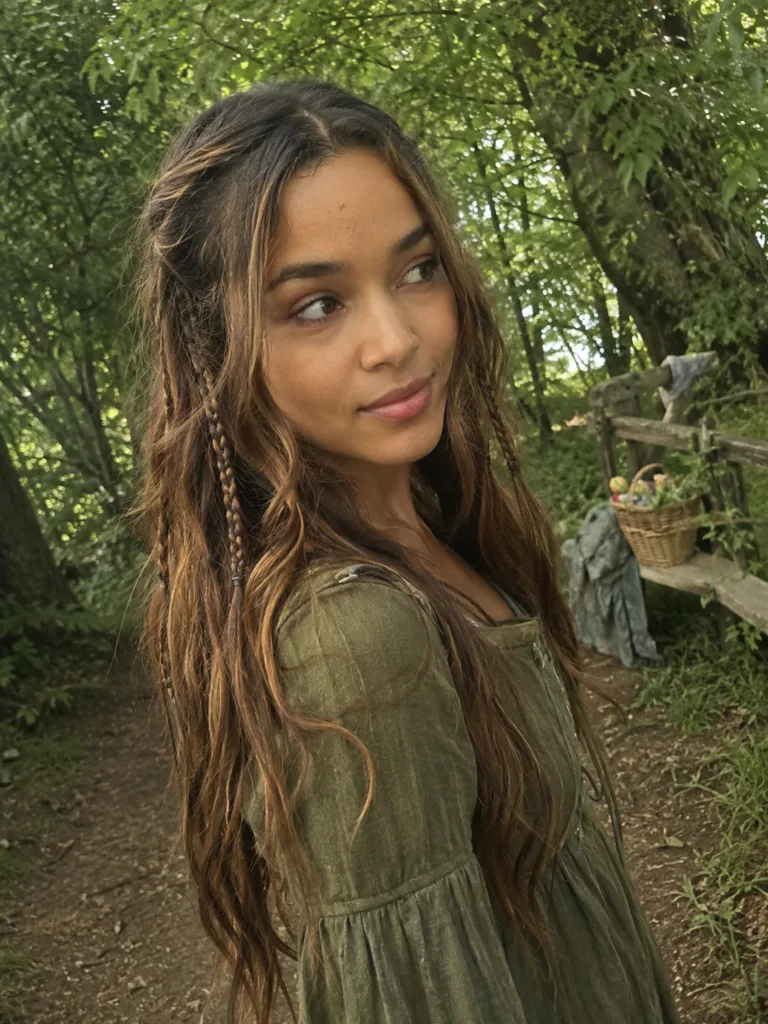
A waterfall braid suits the romantic side of Ren Faire styling. Small sections drop through the braid while the rest of the hair remains loose, creating detail around the crown without building a heavy updo.
Compared with a full crown braid, this is much more dependent on the loose hair behaving well. Natural curls can supply the movement without needing a uniform finish. Straighter hair can be left sleek or given additional texture according to the costume. Because most of the length remains free, expect more interaction with wind, backpacks, cloaks, and costume collars.
Temple Rope Twists With Curls
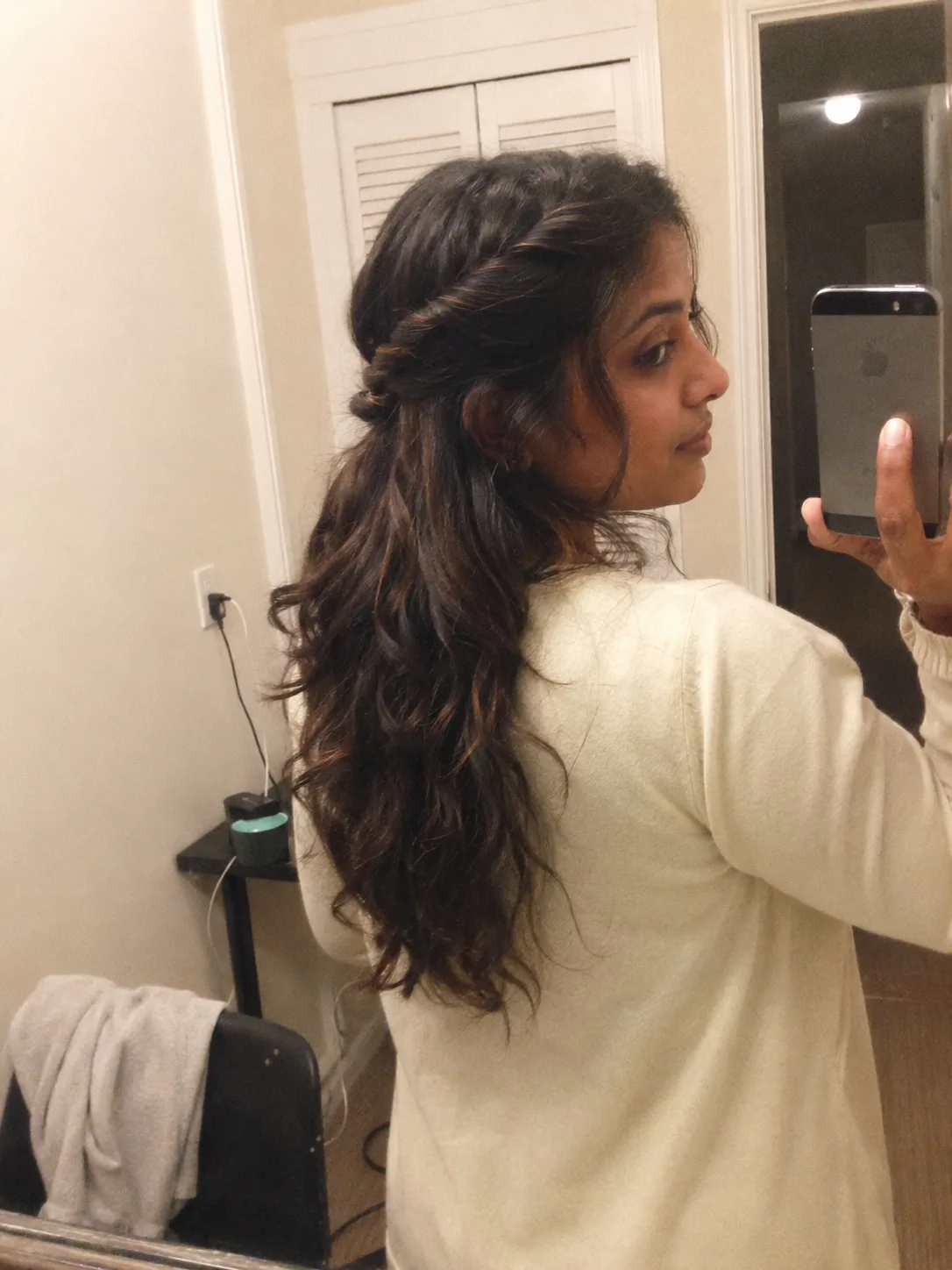
Braiding skills aren’t required for every faire-worthy style. Rope twists taken back from each temple can clear the face while leaving curls or waves full through the back. The result feels less structured than a braided crown, which works beautifully for fairy, woodland, or softer fantasy styling. Let your natural curl pattern provide the interest instead of trying to make every section identical.
Styles That Keep Long Hair Visible
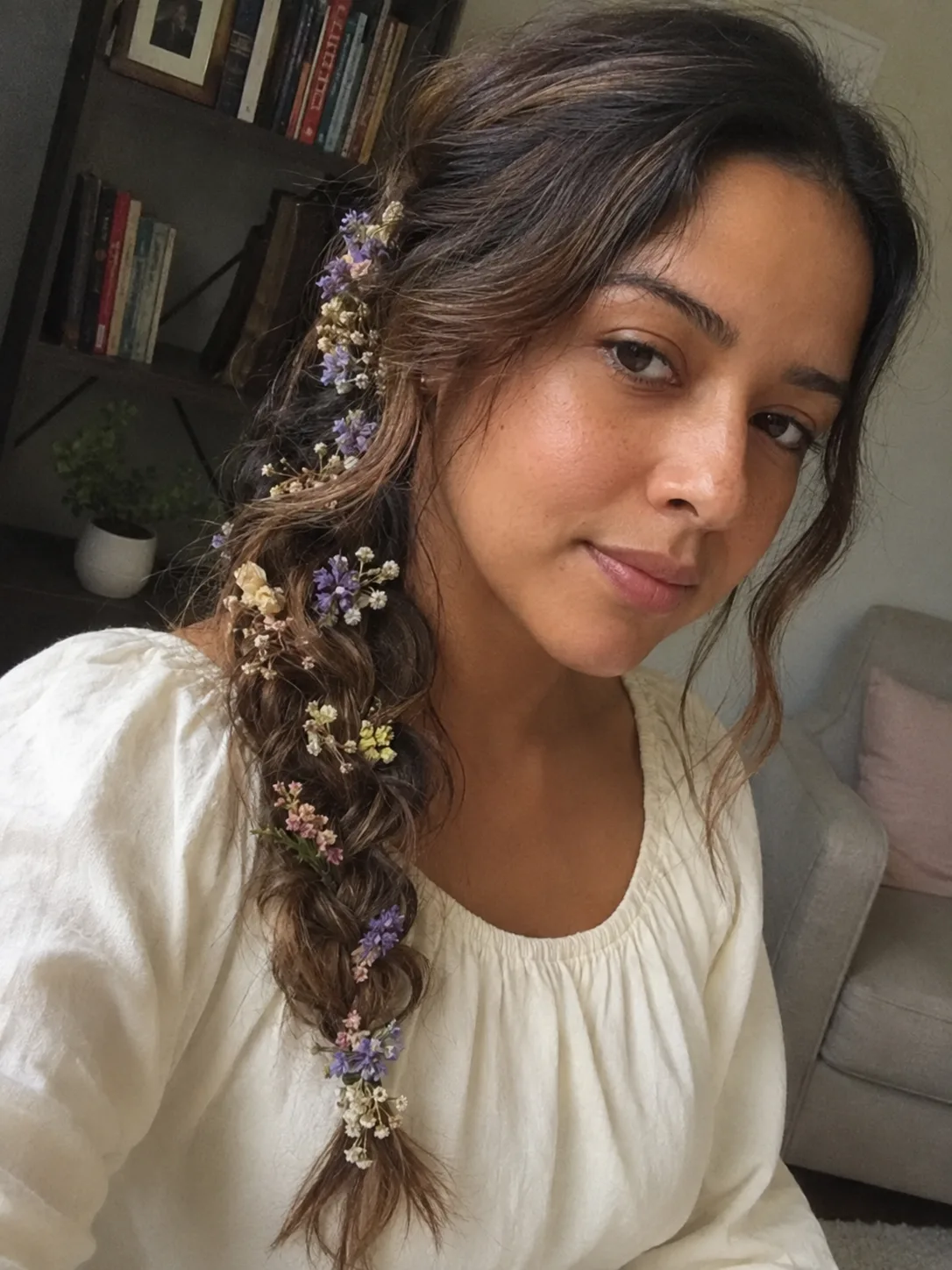
Single Rope Braid
A long rope braid creates a bold spiral with much less visual intricacy than a fishtail. Two sections are twisted and wrapped around each other, producing a clean shape that works well when the costume already has a lot happening.
The braid’s simplicity also makes it easy to judge throughout the day. You can see quickly whether the lower section is unraveling or rubbing against the costume. Very long hair will still swing and catch behind straps, so bring the braid forward over one shoulder when needed.
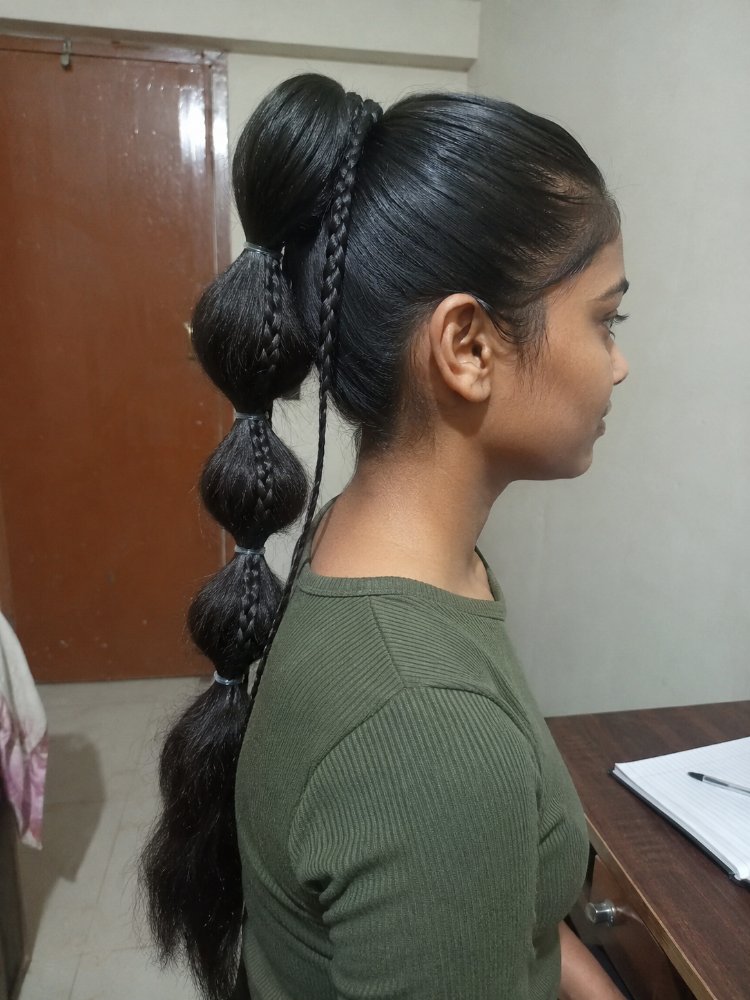
Bubble Braid
For an openly fantasy look, a bubble braid gives far more volume than a conventional braid. Sections of a ponytail are secured at intervals and gently expanded, creating rounded shapes down the length.
This construction is useful when your hair is difficult to braid neatly or when you’re working with a ponytail attachment. The visual effect comes from shape rather than intricate weaving.
The anchor deserves more attention than the bubbles themselves. A very high ponytail combined with substantial length places more movement at one point on the scalp. A lower or mid-height base is the more practical default for a long faire day, especially once added hair enters the picture.
Braided Mohawk Into a Ponytail
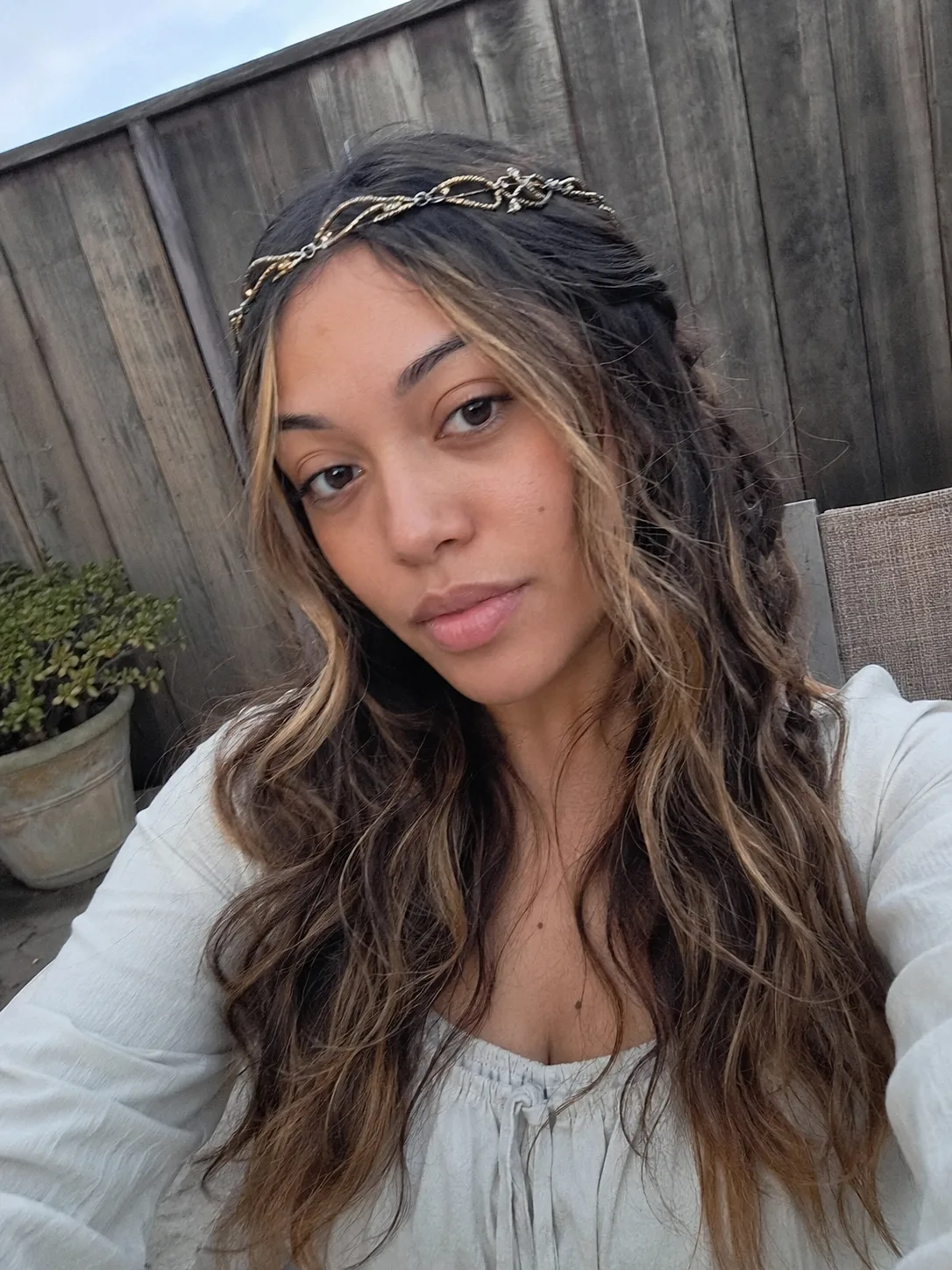
A central braid traveling from the front toward a ponytail gives a costume a more assertive warrior or fantasy direction. It keeps the sides visually cleaner while preserving movement through the tail. The strongest version has enough contrast between the tight central structure and the free ponytail that it reads clearly from a distance; tiny decorative braids scattered everywhere usually create more work without improving the overall shape.
Pull-Through Braid
A pull-through braid creates an exaggerated, dimensional braid effect using connected ponytail sections. It’s a useful alternative when you want an oversized fantasy braid but find conventional braiding difficult.
The expanded sections can look extremely full in photographs, although that fullness also means more surface area to brush against clothing. Keep the lower portion reasonably controlled around rough costume fabrics. This style is worth the extra setup when an oversized braid is central to the character rather than just a background detail.
Ren Faire Updos for Costumes, Collars, and Headpieces
Low Braided Bun
Outdoor events make a strong case for getting the hair completely off the neck. A low braided bun does that without placing the bulk at the top of the head, so it can be easier to combine with certain crowns, floral pieces, or headbands.
Start with a braid, coil it into the bun, and secure the outer sections rather than relying on one pin through the center. The resulting texture is more visible than a plain chignon.
Keep the placement in mind if your costume has a tall collar. A bun sitting directly against the neckline can be pushed upward every time you move your head. Shifting the bun slightly higher or adjusting the costume neckline may solve more than adding extra pins.
Twisted Chignon
A twisted chignon gives a softer finish than a tightly braided bun. Sections can be directed toward the back and tucked into a low central shape, leaving the surface more dimensional than a smooth formal updo. It’s a strong choice for courtly, noble, or romantic costumes where a dramatic fantasy braid would compete with the clothing.
Rolled Nape Updo
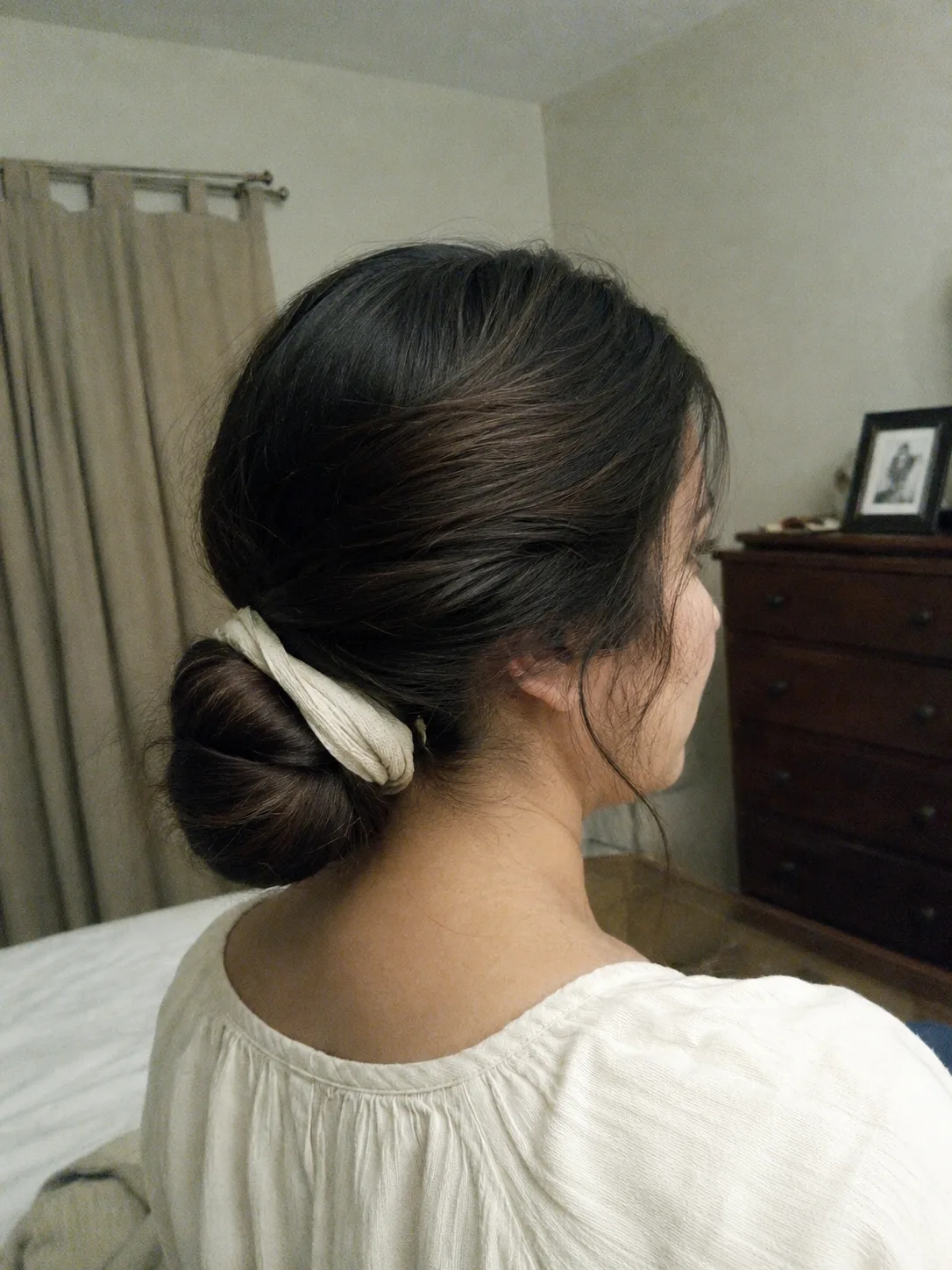
Medium-length hair sometimes gets ignored in Ren Faire inspiration because so many reference photos rely on very long braids. A rolled nape updo uses that shorter length instead of pretending it isn’t there.
The hair is gathered toward the back and rolled inward, then pinned so the ends disappear into the shape. Side twists can feed into the roll when you want more detail around the face.
This works best when the roll is positioned with your costume in mind. Test it while wearing the actual collar, hood, cape, or necklace rather than judging the hairstyle from a mirror in ordinary clothes. A beautiful nape roll becomes irritating quickly when a stiff neckline keeps pushing into the same spot.
Natural Hair, Braids, Locs, and Short-Hair Options
Half-Up Box Braids
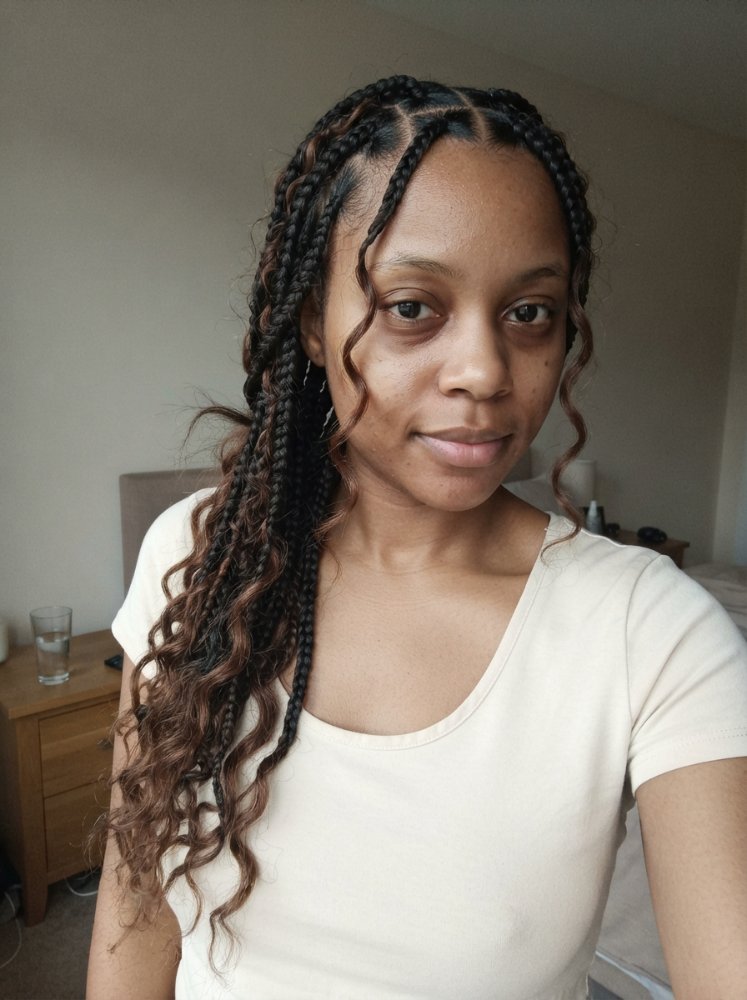
Already wearing box braids? A half-up arrangement can turn the installation toward a faire costume without rebuilding the whole hairstyle. Gather part of the braids at the crown or upper back and let the rest hang free.
This gives you more control around the face while preserving the length of the installation. A lower half-up anchor is usually easier to live with than piling a large amount of long added hair onto the top of the head.
The existing installation sets the limits. Section size, braid length, added-hair weight, and how the roots currently feel all matter more than forcing a particular reference-photo shape. Avoid pulling fragile perimeter braids into a high anchor just to make the crown look fuller.
Curly Puff With a Braided Front
A curly or coily puff can work beautifully with Ren Faire clothing when the texture remains the main feature. Add a braid or two through the front section to introduce costume detail, then let the puff provide the height and volume. This is more practical than trying to reshape every curl into a long faux-medieval braid, especially when you want a style that still looks recognizably like your normal texture.
Flat-Twist Half-Up Style
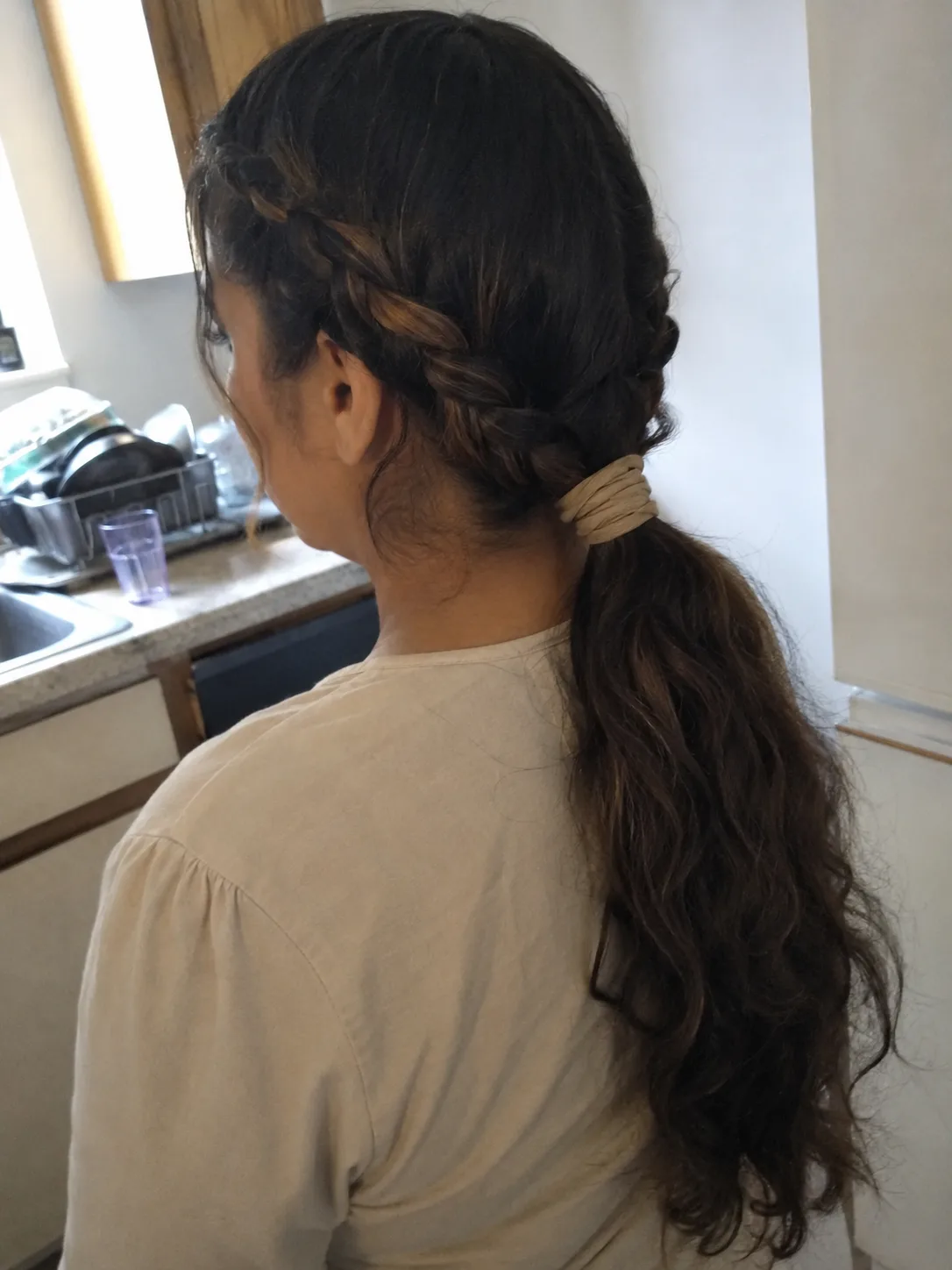
Flat twists are particularly useful for natural hair because they can direct the sides away from the face while leaving the back free. The loose portion may be worn in its natural coil pattern, from a twist-out, or in another stretched state that suits your routine.
A flat-twist version also gives you more control over shrinkage around the front than a loose half-up style. Decide which state you want the finished hairstyle to be judged in before arranging the back.
Weather will change how the loose portion behaves. Build the costume around that reality instead of depending on every curl staying frozen in its first-hour position.
Loc Crown Updo
Locs create enough structure on their own that a Ren Faire updo doesn’t need dozens of extra details. Directing locs into a crown or wrapped updo produces a strong shape while keeping much of the length away from the shoulders.
Mature or longer locs can carry substantial weight, so placement matters. A crown that looks balanced visually can still feel awkward when too much length is concentrated in one area.
Use the natural fall of the locs to guide the arrangement, and secure them without forcing the roots into positions that feel tight. Larger costume jewelry and headpieces also need space; placing a rigid circlet directly against a bulky loc arrangement can create pressure points. Style the hair and headpiece as one system rather than two separate decisions.
Side Braid on a Bob or Long Pixie
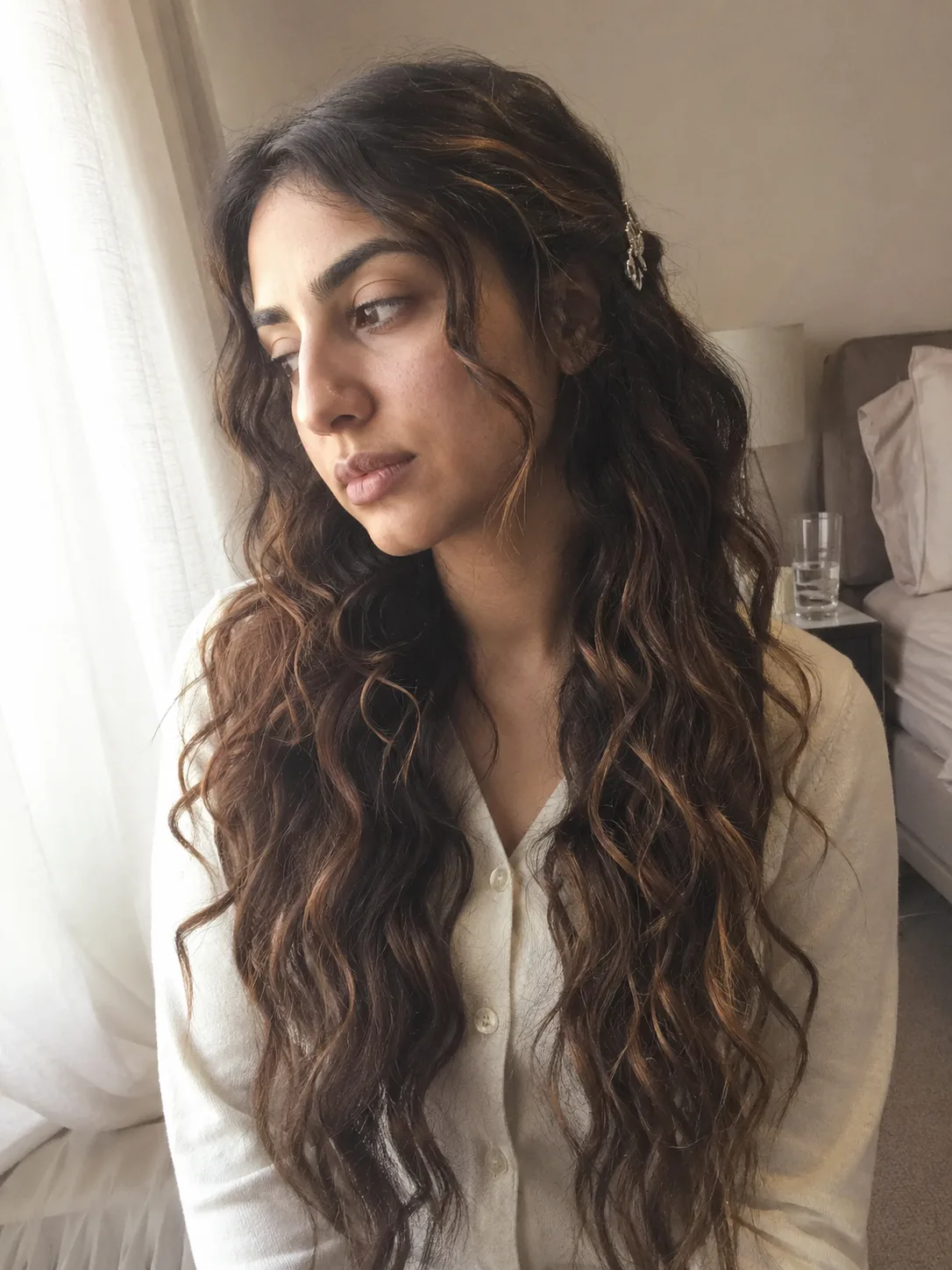
Short hair doesn’t require extensions to look appropriate for a faire costume. A small French, Dutch, or rope braid through one side creates visible structure while leaving the rest of a bob or longer pixie in its normal shape. This is an underrated option when elaborate styling would hide a haircut you already like. It also avoids creating artificial length solely because many costume reference photos happen to feature long hair.
More Dramatic Fantasy Hairstyles
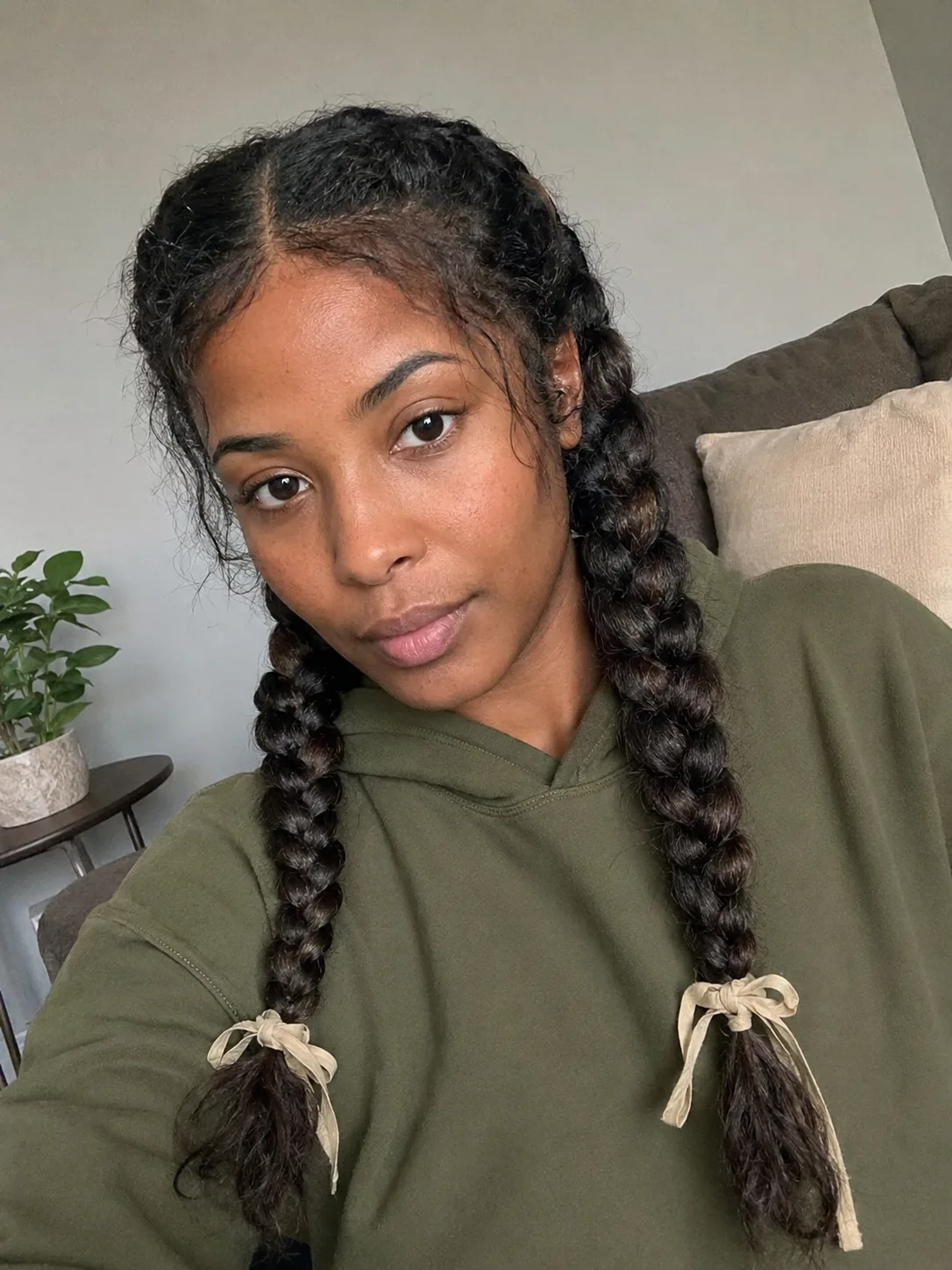
Long Twin Braids
Two long braids give a costume a very different outline from a single braid or crown. They distribute the hair to both sides and work especially well with rustic, warrior, adventurer, or folk-inspired styling.
The construction can remain simple. Three-strand braids are often enough; the costume supplies the context. Texture at the crown or a few carefully placed front pieces can soften the result without turning it into a complicated multi-braid project.
Very long added hair changes the practical side of the style. The braids can fall beneath backpack straps, catch under belts, or become heavier when wet. Moderate length is the easier choice for a movement-heavy day; extra-long braids make sense when the dramatic scale is worth managing.
Match the Hairstyle to the Faire Day, Not Just the Mirror
The most convincing hairstyle in your bathroom may be the wrong one once the complete costume is on. Test the parts that physically interact.
A circlet needs a stable place to sit. A hood needs enough room to move over the hair. A high collar may push a low bun upward. Loose waist-length hair can become trapped beneath costume straps. Large braids may compete with shoulder pieces. None of these problems necessarily show up in a front-facing inspiration photo.
Headpieces are worth testing early rather than adding them after the hairstyle is finished. Put on the hairstyle, headpiece, earrings, neckline, hood, and anything else that occupies the same area. Turn your head fully. Look down. Bend over. Sit against a chair back.
A hairstyle that shifts immediately during those movements needs a construction adjustment before the event, not more decorative pins afterward.
Comfort, Tension, and Midday Maintenance
Faire hair can look intricate without feeling severe. Braided edges, crown sections, ponytail anchors, and added-hair attachments should remain comfortable during normal movement. More tension doesn’t create a better costume.
Added hair deserves particular attention because photographs hide weight. Extra length increases movement, and dense extensions can make a high ponytail or crown feel very different after several hours than it did during styling. Choose enough hair to create the visual effect rather than chasing maximum fullness.
Scalp access also matters with installed braids or loc styling. Avoid burying an already irritated area under tighter styling simply for the event. Persistent pain, redness, sores, sudden shedding, or a concerning change in density deserves qualified assessment rather than cosmetic troubleshooting.
Bring only what the hairstyle genuinely needs for a small refresh: a few compatible pins or elastics and whatever simple finishing item already suits your routine. A style that requires complete reconstruction halfway through the day was probably too fragile for the job.
Related Hairstyles to Explore
FAQs About Ren Faire Hairstyles
Can I do a Ren Faire hairstyle with short hair?
Yes. Work with the existing haircut instead of treating length as a requirement. A side braid, small front twist, textured crop, or strategically placed headpiece can support the costume while keeping the haircut visible. Extensions are useful when added length is central to the character, but they’re optional.
Which Ren Faire hairstyles work well for curly or coily hair?
Styles that let the texture contribute to the shape are particularly practical. Curly puffs, flat-twist half-up styles, crown arrangements, and temple twists can all work without straightening the hair first. Account for shrinkage and judge the finished shape in the state you intend to wear.
Can I wear a wig for a Ren Faire hairstyle?
Yes. A wig can make sense for a character requiring a very different length, color, or density from your own hair. Check the cap, attachment points, headpiece placement, and comfort together before the event. Elaborate braiding or heavy accessories can change how the wig sits, so the complete setup needs to feel stable during head movement.
How do I keep a Ren Faire hairstyle from falling apart outdoors?
Start with a construction that suits the activity rather than depending on excessive product. Secure the main anchors well, place pins where they support the actual weight, and test the style while moving. Loose waves and curls will naturally change more outdoors than contained braids or updos, so choose a finish that still looks good with some movement and softness.
Hair Texture & Upkeep Style Matcher
Select your natural hair texture and daily maintenance window to get an instant styling formula and heat safety cap.
Heat Cap: 320°F (160°C)
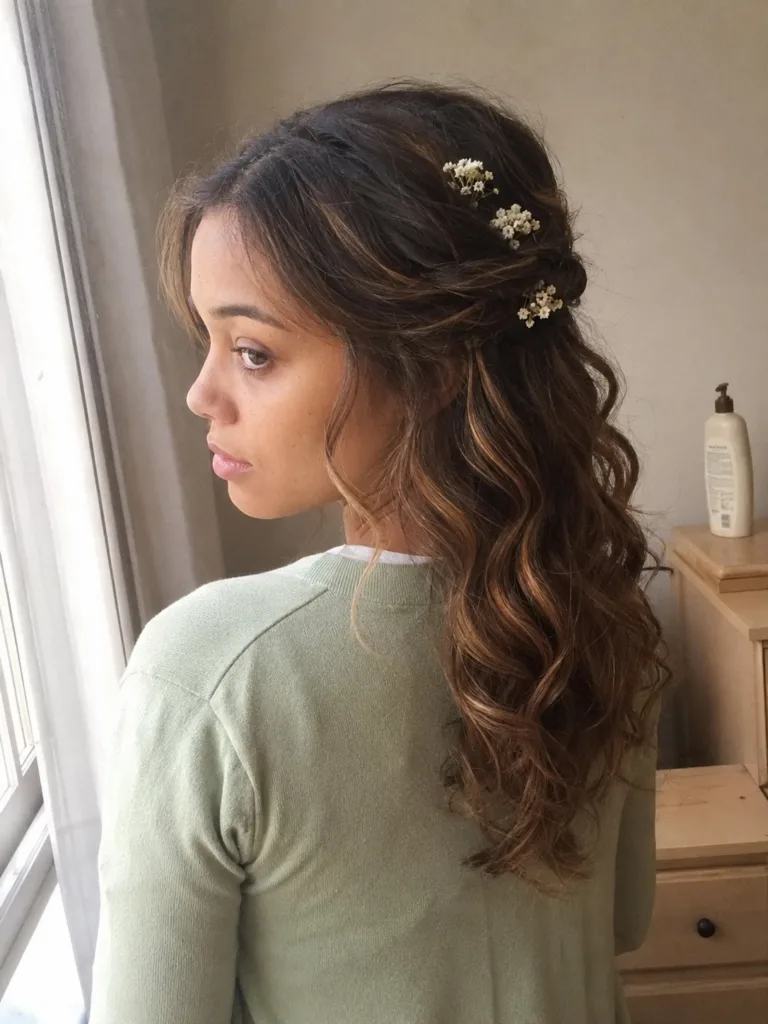
A versatile three-strand braid beginning at the parietal ridge, securing the top half while allowing natural wave texture to flow freely around the shoulders.
Conclusion
The strongest Ren Faire hairstyle is usually the one that supports the costume without demanding your attention all day. Crown braids and contained updos make sense when practicality leads; half-up curls and waterfall braids keep more romantic movement; bubble and pull-through styles deliver bigger fantasy drama.
Choose the construction first, then add the decorative details. Once the hairstyle works with your texture, costume, headpiece, and actual movement, it already has enough character.
Editorial Standards & Hair Health Guidance
Every style featured on Tress Atlas is curated with a focus on real-world wearability, scalp tension management, and cuticle preservation. When trying protective styles or tight updos, ensure perimeter hairline sections remain tension-free to avoid traction stress on delicate follicles. For heat styling, cap tools below 350°F (180°C) to prevent thermal keratin denaturation.
Scientific Sourcing: Practices aligned with the American Academy of Dermatology (AAD) on traction alopecia risk reduction and cosmetic trichology research on hair tensile strength.