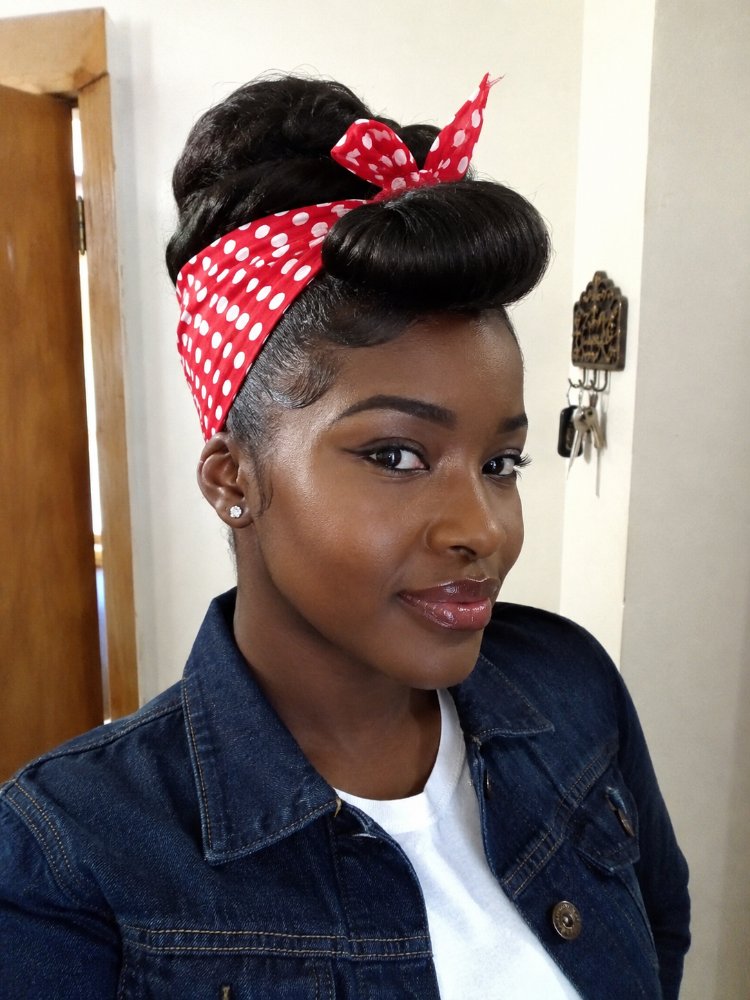
Messy Ponytail Hairstyles: Complete Styling Guide for Texture, Volume, and Real-Life Wear
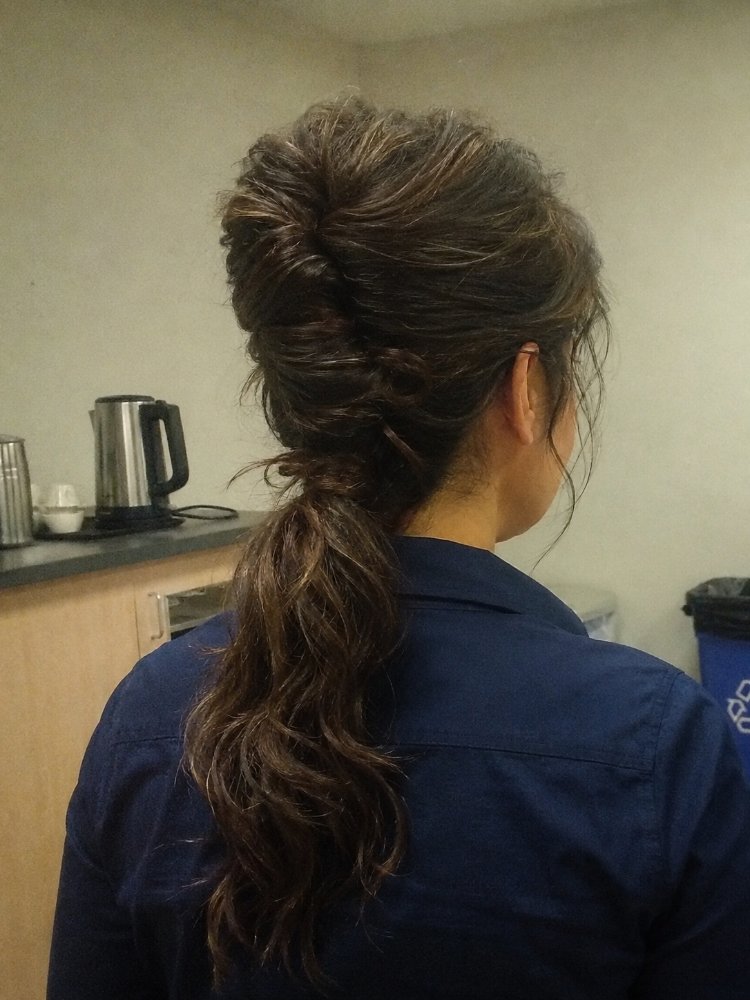
A convincing messy ponytail has more structure than the name suggests. The looseness may sit at the crown, around the hairline, through the tail, or in a few deliberately separated pieces—but the elastic still
That distinction matters because copying every flyaway from a reference photo rarely gives the same result. Hair density, strand size, natural texture, layers, shrinkage, and the amount of grip in the hair all change how much volume stays above the elastic. A ponytail that looks softly undone on thick waves may collapse much closer to the head on fine strands. Coils can create considerably more compact volume without needing the same teasing or curling.
The easiest starting point is to decide where you want the fullness. Choose a low placement for softness, a mid-height anchor for an everyday shape, or a high ponytail when you want the tail itself to become the main feature. Then loosen only the areas that support that shape.
| Your priority | Good starting point | Main tradeoff |
|---|---|---|
| Soft, relaxed finish | Low tousled ponytail | Can flatten against collars |
| Everyday volume | Mid-height textured ponytail | Crown shape needs some control |
| Maximum lift | High messy ponytail | More pull at the anchor |
| Natural curl definition | High curly or coily ponytail | Shrinkage changes the tail length |
| More visible detail | Bubble, rope-twist, or fishtail tail | More construction to undo later |
Low Ponytails with Deliberate Looseness
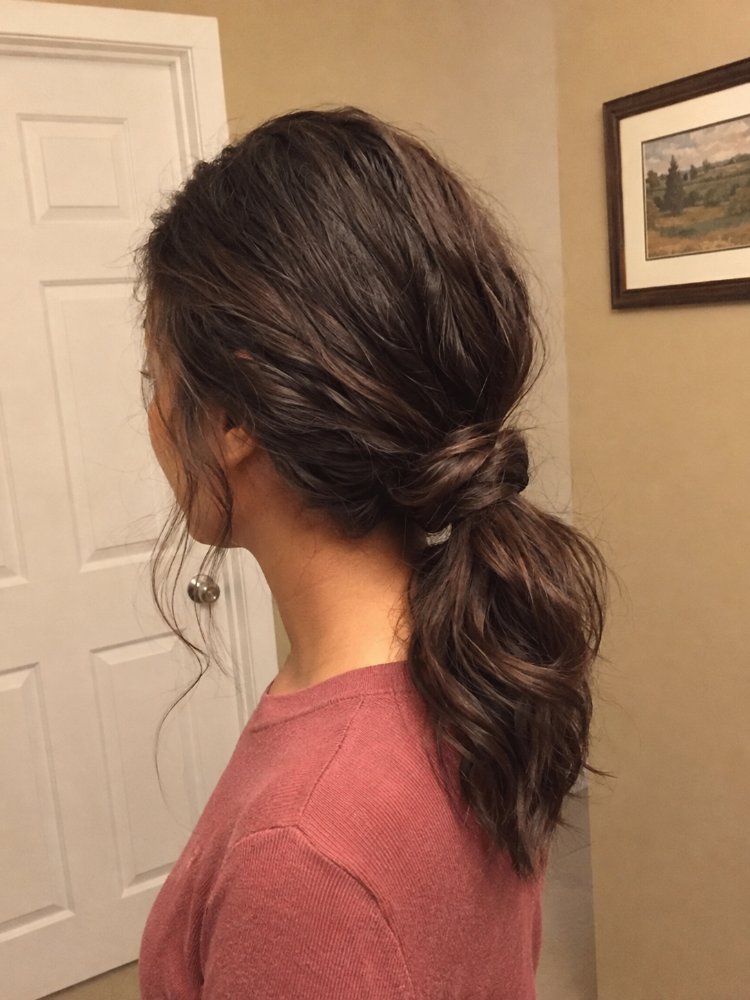
Low Tousled Ponytail
A low ponytail is the strongest starting point when you want the style to look relaxed without creating a lot of height. Secure the hair near the nape, then release a small amount of hair above the elastic instead of pulling the whole crown loose. That keeps the head shape from becoming flat while preserving a clear anchor.
The tail can stay naturally wavy, curly, or lightly separated with your fingers. Hair that is very smooth may need some grip from a lightweight styling product or existing day-two texture. This version also works well with layers because a few shorter pieces can sit naturally around the front instead of being forced into the elastic.
Loose Side Ponytail
Moving the anchor toward one side changes more than the parting. The tail becomes visible from the front, and its weight sits against one shoulder instead of disappearing behind the neck. That makes a side ponytail useful when you want length and texture to remain part of the outfit. Keep the base relatively low; an exaggerated side placement can pull the front sections unevenly and make the style feel more costume-like than relaxed.
Messy Looped Ponytail
A looped ponytail leaves part of the tail folded through the elastic, producing a compact bend of hair with loose ends underneath. It works especially well when a full-length ponytail feels too ordinary but a bun looks overly finished.
The loop itself should provide most of the shape. Gently spreading it sideways creates width without requiring aggressive pulling at the crown.
Shorter layers will often escape around the nape and sides. A few can support the look, while pieces that keep falling into the face are better secured with discreet bobby pins. This style is particularly practical with medium lengths because it doesn’t depend on a long tail to create visual interest.
Low Ponytail with a Loose Braid Through the Tail
Braiding only the ponytail gives you a defined base and a softer, more textured length. Start with an ordinary low ponytail, braid the tail without excessive tension, then widen selected sections of the braid with your fingertips.
The construction makes this version more stable than a completely loose tail. It’s useful for hair that tangles quickly against a coat, backpack, or textured clothing because more of the length stays contained. Very layered hair will produce more escaped pieces through the braid, so decide whether that irregular finish is part of the look before pulling the sections wider.
Mid-Height Ponytails for Everyday Volume
Mid-Height Textured Ponytail
A middle placement is the practical default for many messy ponytail hairstyles. It lifts the tail away from the neckline without concentrating everything at the top of the head, and it leaves enough room to create a little crown volume. Let your existing texture provide movement wherever possible. The more aggressively every section is curled, teased, and separated, the easier it is for a casual ponytail to become overworked.
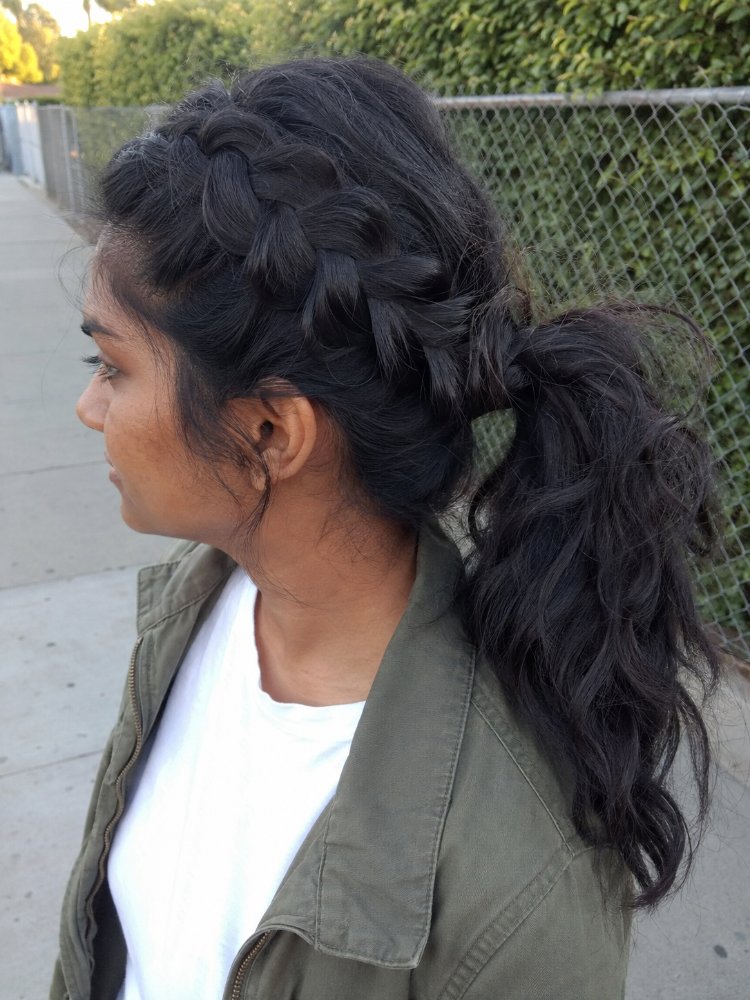
Ponytail with a Braided Crown
Here, the interest begins before the elastic. A loose braid travels from the front or upper side of the head toward the ponytail anchor, where it joins the rest of the hair. The braid can give slippery front sections a clearer route toward the base while adding visible texture around the crown.
Keep the braid compatible with the rest of the style. A sharply defined, very tight braid beside a heavily loosened ponytail creates two competing finishes. Softer sections and a slightly widened braid usually integrate more naturally.
Twisted-Side Messy Ponytail
Side twists create a different shape from a crown braid because broader sections of hair are rolled toward the anchor instead of divided into smaller braided strands. The result looks softer and can preserve more visible fullness at the sides.
This construction is useful when you want to keep front layers involved in the hairstyle. Twist them backward with enough control to guide them toward the elastic, then secure the ponytail once both sides meet.
Watch the area directly above the elastic. Large twists can build a bulky ridge at the convergence point, especially on dense hair. Letting the twists flatten slightly as they reach the base creates a smoother transition.
Double-Base Ponytail for More Visible Length
Two ponytails stacked vertically can create the appearance of a longer, fuller tail without adding hair. The upper ponytail hides much of the lower elastic while the lower section extends the visible length. This works best when the two tails blend naturally in texture and width. It is less convincing on very sparse ends because separating the hair between two anchors can make each section look thinner. Fine strands and low density are different concerns here: small strand diameter alone doesn’t determine how full the divided sections will appear.
High Ponytails Where Texture Does the Work
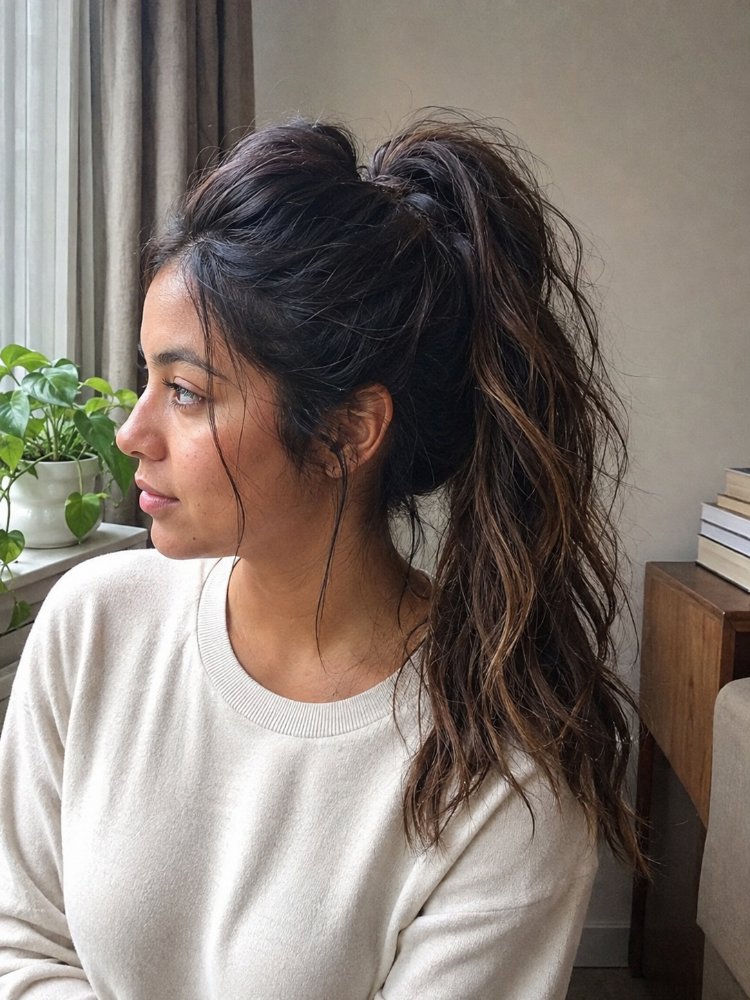
High Tousled Ponytail
A high messy ponytail puts the anchor close to the crown so the tail falls around it instead of hanging straight down the back. This is the version to choose when bounce and movement matter more than a soft nape-level shape.
Loosen the surface selectively after securing the elastic. Pulling large sections indiscriminately can weaken the base and create bumps in places you didn’t intend. The ponytail should still feel comfortable during normal head movement.
High Curly Ponytail
Defined curls already provide the irregular outline that straight or stretched hair often has to be manipulated to achieve. Gather the roots as smoothly or loosely as you prefer, then let the curl pattern remain prominent through the tail.
Curl placement changes after the hair is lifted. Pieces that normally fall near the cheeks may sit higher, and the visible tail can shorten because of spring and shrinkage. Judge the style in the state you actually plan to wear.
Avoid separating every curl simply to increase volume. On some curl patterns that creates the soft fullness you want; on others it turns defined groups into surface frizz. A few carefully released curls around the front can be enough.
High Coily Puff Ponytail
Coily hair can create a rounded ponytail or puff with substantial volume even when the visible stretched length is modest. The key visual decision is how distinct you want the base and puff to be. A smoother perimeter makes the rounded tail stand out, while a softer root area creates a more blended, undone shape. Keep fragile perimeter hairs comfortable instead of forcing every short strand into the anchor. Shrinkage is part of the final proportion, so assess the ponytail after the coils have settled.
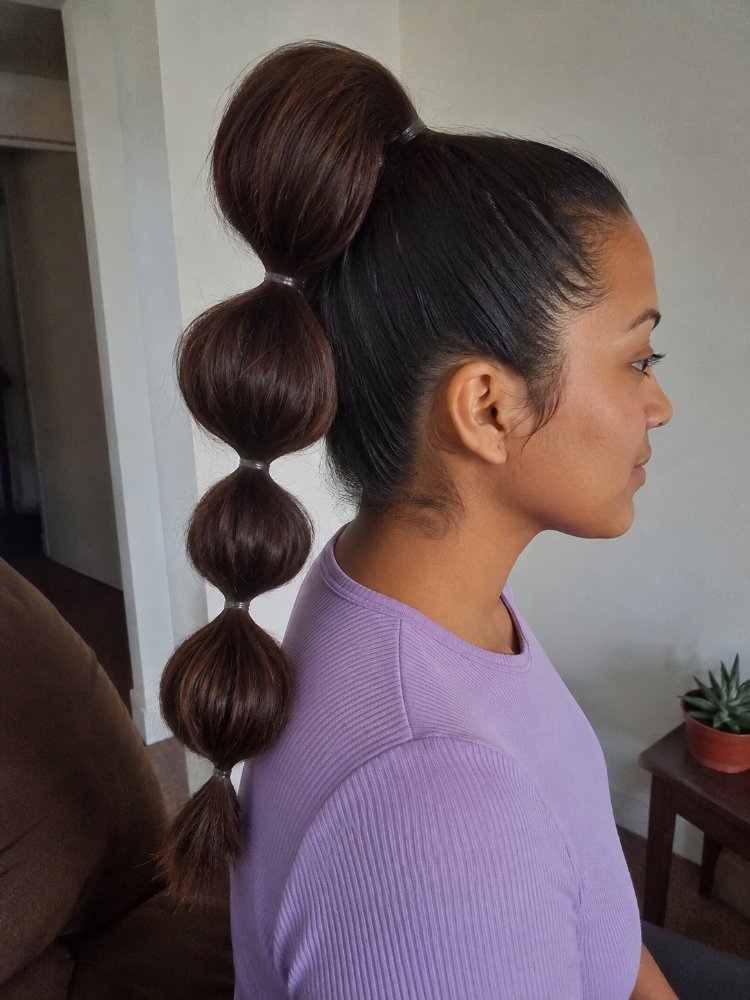
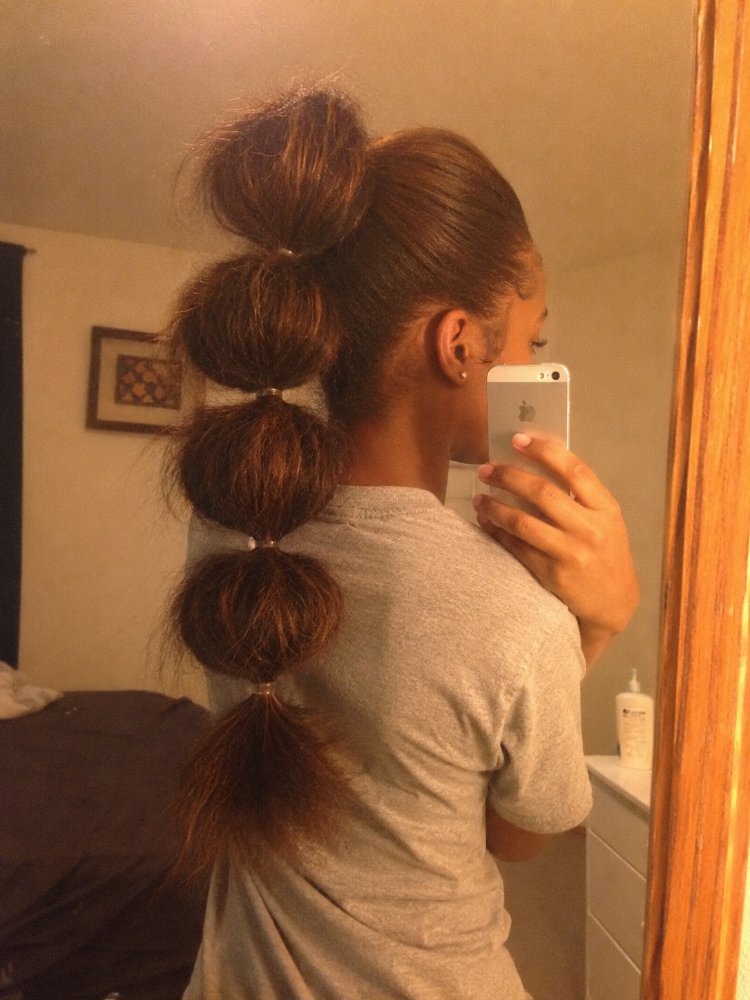
High Bubble Ponytail
A bubble ponytail replaces one flowing tail with a sequence of rounded sections. Secure the main high ponytail, place additional elastics down the length, and gently expand the hair between them.
The messy version works better with uneven softness than with aggressively pulled bubbles. Let some surface texture remain visible instead of trying to make each section identical. Longer hair gives the construction more room to develop, while shorter lengths may produce only a few compact sections—and that’s often cleaner than squeezing in extra divisions.
Ponytails Built Through Braids and Twists
Messy Rope-Twist Ponytail
A rope twist is one of the simpler ways to turn a ponytail into a more structured style. Divide the tail into two sections, twist them individually, then wrap them around each other. Lightly loosening the outer edges produces a thicker, softer result. Compared with a standard three-strand braid, the shape reads as broader spirals rather than interlocking sections. It suits a ponytail that needs some control through the length without looking tightly braided from the crown down.
Messy Fishtail Ponytail
The fishtail version earns its place when detail through the tail is the priority. Its smaller interwoven sections create a flatter, more intricate pattern than a standard braid. Widening the braid after it is secured brings out that pattern and keeps it from looking rigid. This construction is more work to undo than leaving the ponytail loose, so it makes the most sense for an event or outfit where the tail will actually remain visible.
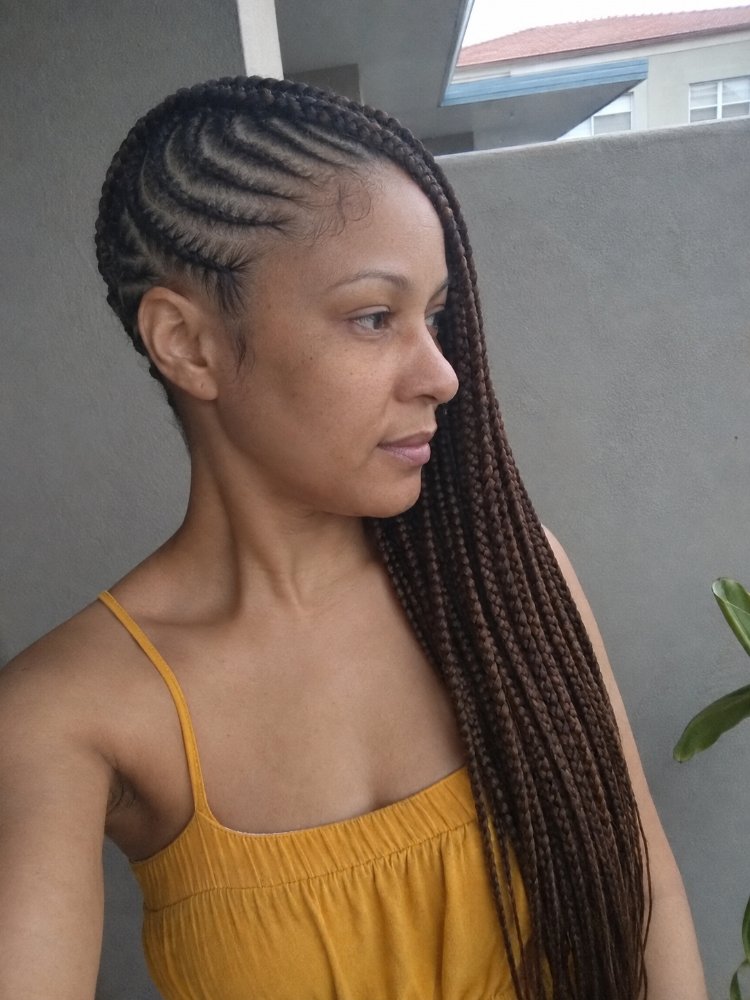
Ponytail with Braided Side Sections
This style keeps the main tail loose while using smaller braids to guide selected side sections into the anchor. It gives you visible detail around the head without committing the whole ponytail to a braid.
Placement matters. Braids that begin near the temples create a more graphic side view, while sections that start farther back blend into the ponytail more quietly.
Glasses can also change the practical placement. A bulky braid sitting directly where the arms of the frames rest may feel awkward even when the front view looks good. Adjust the braid route before securing the final ponytail, then check the style from the side as well as the front.
Short Hair, Added Hair, and Dressier Messy Ponytails
Short-Hair Messy Mini Ponytail
A small ponytail can still look complete when the haircut doesn’t provide enough length for a dramatic tail. Concentrate on crown texture and the shape around the ears instead of trying to make the ponytail appear larger than it is.
Shorter nape pieces may never reach the elastic. Pin the sections that disrupt the shape and leave softer pieces alone when they look deliberate. This is usually a better use of a short haircut than pulling every strand tight enough to reach the same point.
Textured Drawstring Ponytail
A drawstring attachment offers a distinct construction for readers who want more tail volume or length than their current hair provides. The natural hair is secured into a compact base, and the attachment is fitted according to its own comb, clip, or drawstring design. A textured piece can create the tousled effect through the tail without repeatedly manipulating your own lengths. Comfort still depends on the base, attachment weight, and how the hardware sits against the scalp, so check the anchor before focusing on surface styling.
Soft Formal Messy Ponytail
A formal messy ponytail needs more control underneath the softness. The crown can stay lifted and a few front pieces can remain free, but the elastic, pins, and any wrapped section around the base should hold securely through normal movement.
This version works well when you want an updo effect without putting all the length into a bun. It also leaves room for earrings, necklines, or other accessories to remain visible.
Test the back view before the event. The looseness that looks flattering from the front can sometimes create an uneven pocket above the elastic or expose pins behind the head. Formal styling is one place where a second mirror—or a few photos from different angles—reveals more than the front-facing reference image.
How to Choose the Right Messy Ponytail
Start with your natural or intended styling state. A ponytail created on curls, coils, waves, stretched hair, or smooth straight hair will behave differently even when the elastic sits in the same place. Work with that state instead of assuming every reference photo begins from identical preparation.
Then decide which element deserves the volume. Crown fullness gives a softer profile. A large tail creates more drama from the back. Face-framing pieces draw attention forward. Trying to maximize all three at once can make the shape lose definition.
Haircut structure matters too. Layers make it easier to create escaped pieces, but they can also reduce the amount of hair that reaches the tail. A blunt, healthy perimeter may produce a heavier-looking ponytail, while extensively layered ends tend to separate more through the length. A haircut can change the appearance of fullness; it can’t create actual density.
| Starting hair state | Useful approach | What to avoid overworking |
|---|---|---|
| Natural waves | Preserve bends through the tail | Repeated brushing |
| Defined curls | Lift curls with minimal separation | Breaking apart every curl group |
| Coily hair | Use shrinkage for rounded volume | Forcing short edges into the base |
| Smooth straight hair | Add grip and selective crown lift | Excessive teasing everywhere |
| Short layers | Pin only disruptive pieces | Overtightening to capture every strand |
Before leaving the mirror, check the ponytail while turning your head, bending slightly, and putting on anything that will touch the style. A low ponytail may rub against a coat collar. A very high one can meet a headrest. Those interactions are invisible in most inspiration photos but quickly determine whether the placement remains comfortable.
Keeping a Messy Ponytail Looking Relaxed
Messy styling doesn’t require constant reworking. In fact, repeatedly loosening and tightening the ponytail throughout the day can create more friction than setting the shape once and leaving it alone.
Use an elastic that holds the amount of hair you have without requiring extreme tension. Bobby pins can control isolated shorter sections more efficiently than tightening the whole ponytail. A small amount of mousse, styling cream, or another suitable finishing product can help with grip or separation, but the right product type depends on your texture, condition, and desired finish.
At the end of the day, remove pins and elastics carefully rather than pulling them through tangled sections. Braided, bubbled, and twisted tails deserve a little more patience during takedown because the style has created extra intersections through the length.
Persistent pain, stinging, sores, significant irritation, sudden shedding, or a concerning change in density deserves more attention than a styling adjustment. Remove or loosen a painful source of tension and consider speaking with a dermatologist or another qualified healthcare professional when symptoms persist or concern you.
Frequently Asked Questions
Can a messy ponytail work on freshly washed hair?
Yes, although very clean hair can have more slip depending on your texture and routine. Use your natural wave or curl pattern where possible, or add a small amount of an appropriate styling product for grip. You don’t need to rough up the entire head just to make the ponytail hold.
How can I keep short pieces from falling out of a messy ponytail?
Separate decorative looseness from pieces that interfere with the style. Leave a few front sections free when you want softness, then secure awkward nape or side pieces with bobby pins. Tightening the entire ponytail to capture short layers usually creates more tension without solving every escape point.
Is it better to sleep in a messy ponytail or take it down?
Taking down a tightly anchored or pin-heavy ponytail removes unnecessary overnight pulling and avoids having the base press against your head. Your hair type and nighttime routine still matter. A loose protective arrangement and a smooth bonnet or pillowcase can help reduce friction without preserving the exact daytime ponytail.
Why does my messy ponytail look flat instead of voluminous?
The missing volume may be at the crown, in the tail, or both. First check placement: a low anchor naturally gives less lift than a high one. Then look at density, layers, texture, and how tightly the hair was gathered. Release small sections above the elastic or work with the tail’s natural texture before adding more teasing.
Hair Texture & Upkeep Style Matcher
Select your natural hair texture and daily maintenance window to get an instant styling formula and heat safety cap.
Heat Cap: 320°F (160°C)
A versatile three-strand braid beginning at the parietal ridge, securing the top half while allowing natural wave texture to flow freely around the shoulders.
Conclusion
The strongest messy ponytail is usually the one with one clear source of looseness. Let the crown lift, let the tail expand, or let a few front pieces escape instead of disturbing every part of the hairstyle at once.
For an easy everyday starting point, a mid-height textured ponytail gives you the most flexibility. Choose a low version for softness, a high curly or coily ponytail when natural texture should lead the look, and a braided, twisted, or bubble tail when the length needs more structure.
Secure the base first, loosen the shape second, and judge the result from the back and side before deciding it needs more mess.
Editorial Standards & Hair Health Guidance
Every style featured on Tress Atlas is curated with a focus on real-world wearability, scalp tension management, and cuticle preservation. When trying protective styles or tight updos, ensure perimeter hairline sections remain tension-free to avoid traction stress on delicate follicles. For heat styling, cap tools below 350°F (180°C) to prevent thermal keratin denaturation.
Scientific Sourcing: Practices aligned with the American Academy of Dermatology (AAD) on traction alopecia risk reduction and cosmetic trichology research on hair tensile strength.