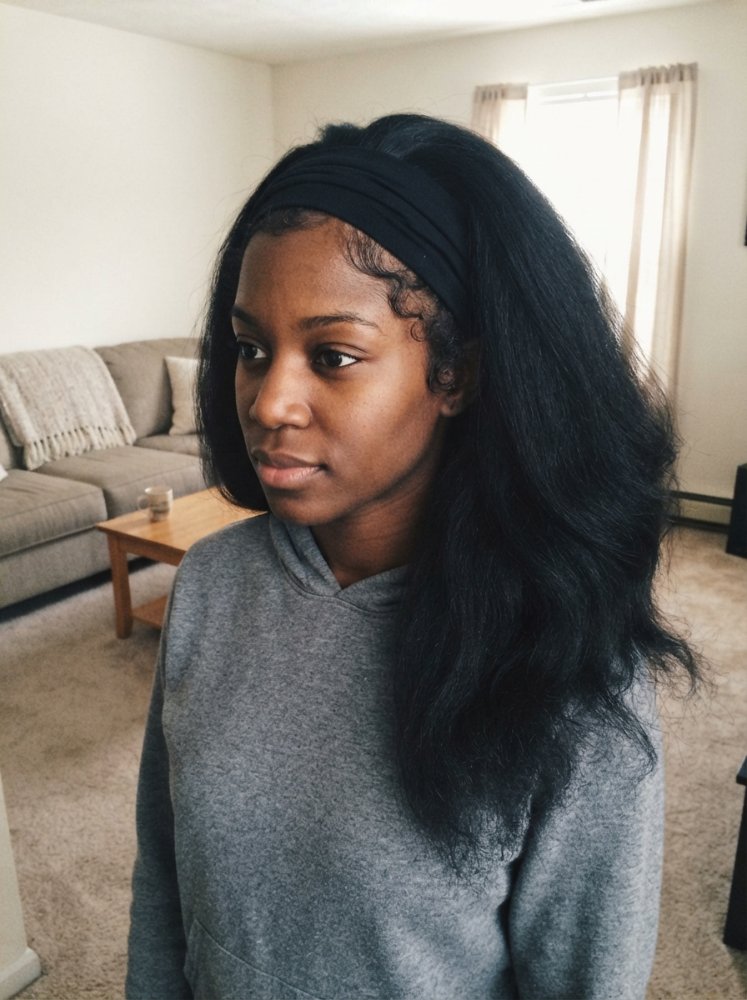
Hot Hair Styles: Styling Guide & Cuts That Balance Impact, Shape, and Real-Life Upkeep
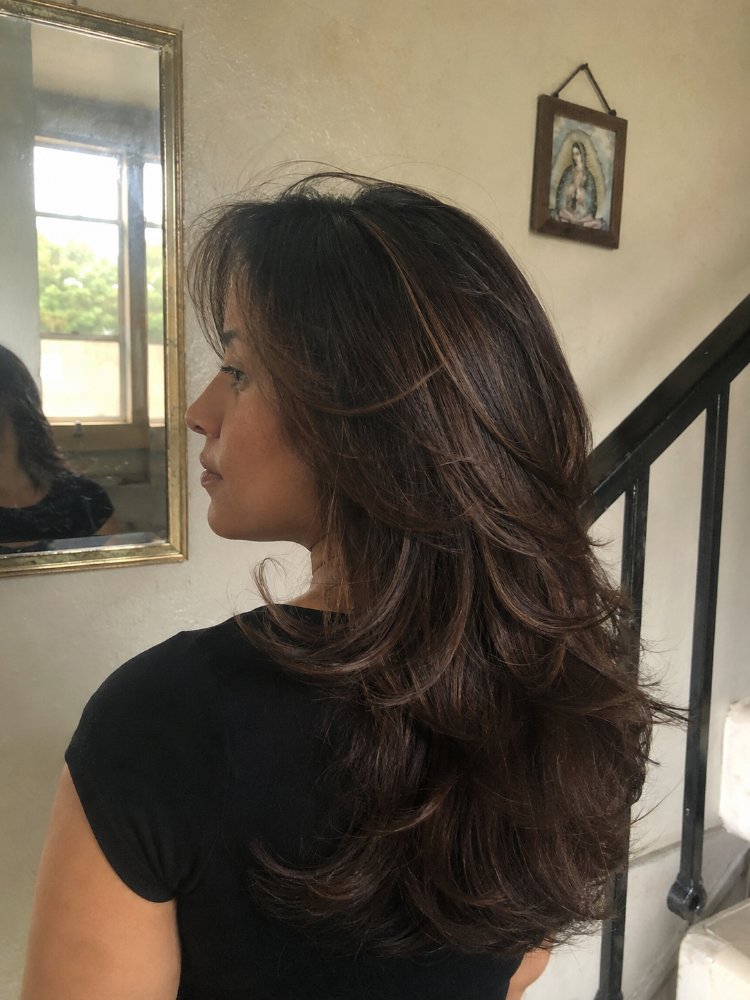
A hot hairstyle has to do more than look impressive in a photograph. The stronger choices have a clear point of view: a sharp perimeter, deliberate volume, visible texture, striking placement, dramatic length, or color that changes the entire impression of the cut. Consider checking out [hairstyles with
The hidden decision is how much work you want supporting that impact.
A sculpted pixie depends heavily on the haircut. A long layered blowout relies more on styling. Braided looks bring installation, scalp access, added weight, and takedown into the equation. High-contrast color creates another maintenance layer because fading and regrowth become part of the appearance.
So don’t choose only by the front view of a reference photo. Look at what creates the effect and decide whether that construction fits the way you actually wear, wash, dry, sleep on, and maintain your hair.
The 22 hairstyles below cover short cuts, texture-led looks, long hair, updos, braids, locs, extensions, and color-focused options without reducing everything to minor variations of the same style.
| Your priority | Strong starting point | Main commitment |
|---|---|---|
| Sharp short shape | Sculpted Pixie | Maintaining the outline |
| Movement without losing length | Long Butterfly Layers | Styling the layers visibly |
| Natural texture as the feature | Rounded Curly Cut | Shape in your normal curl state |
| High-impact protective-style look | Medium Knotless Box Braids | Weight, tension, and scalp access |
| Statement color | Copper Layered Hair | Fade and regrowth management |
Cuts That Make the Shape Do the Work
Sculpted Pixie
Short hair becomes much more striking when the haircut supplies the design instead of relying on elaborate daily styling. A sculpted pixie can carry fullness through the crown, taper closer around the sides and nape, or keep extra length through the front for movement.
The advantage is immediacy. There isn’t much hair available to hide an uneven perimeter or poorly placed weight, so the silhouette reads clearly.
That same visibility makes the cut more salon-dependent than many longer styles. As the outline grows away from the original design, it may stop looking intentional before the hair actually feels long. Choose a pixie because you enjoy a defined short shape, not because you expect short hair to require no maintenance.
Blunt Jaw-Length Bob
Few cuts create as much visual authority with such simple construction. A jaw-length bob concentrates attention at the perimeter, especially when the lower edge is kept strong and the interior isn’t excessively thinned.
It works particularly well when you want the haircut to look finished even with restrained styling. Straight, softly bent, wavy, and some curly interpretations can all work, but the cutting approach needs to reflect the state you normally wear.
Collars matter more than photos suggest. A bob that sits just above a neckline behaves differently from one that repeatedly hits a coat or shirt collar and flips outward.
Textured Bixie
The bixie sits between the compactness of a pixie and the movement of a short bob. Its appeal comes from uneven-looking movement that is still supported by a deliberate haircut.
This is a useful option when a severe geometric bob feels too rigid and a close pixie feels like too large a length change. The extra hair around the ears, crown, and nape gives you more styling possibilities without moving into a full bob.
Fine strands and low density need separate consideration here. Fine hair may still have plenty of density, while low-density hair can reveal too much space when the interior is aggressively removed. Texture should create movement without sacrificing the perimeter you need.
Italian-Inspired Bob
A fuller bob with a substantial lower edge gives short-to-medium hair a rich, weighty appearance. Compared with a razor-sharp jaw bob, this version usually feels softer and more movable, with enough length to tuck, curve, or wear with an easy bend.
The strongest reason to choose it is fullness through the lower half. Heavy interior layering can work against that effect.
It’s also easier to live with than an ultra-short perimeter for readers who want a bob but still value some styling flexibility around the face.
Modern Shag
A shag is worth choosing when separation, crown movement, and a lighter perimeter are part of the goal. Layers break up the solid mass of the haircut and allow waves, curls, bends, or styled texture to show through more clearly.
A successful shag needs enough relationship between the layers and your everyday styling state. A shape cut to look airy on stretched hair may sit very differently once curls contract.
This isn’t the strongest option when your main priority is preserving maximum visual weight at thin-looking ends. A blunt or more moderately layered cut can create a firmer lower edge.
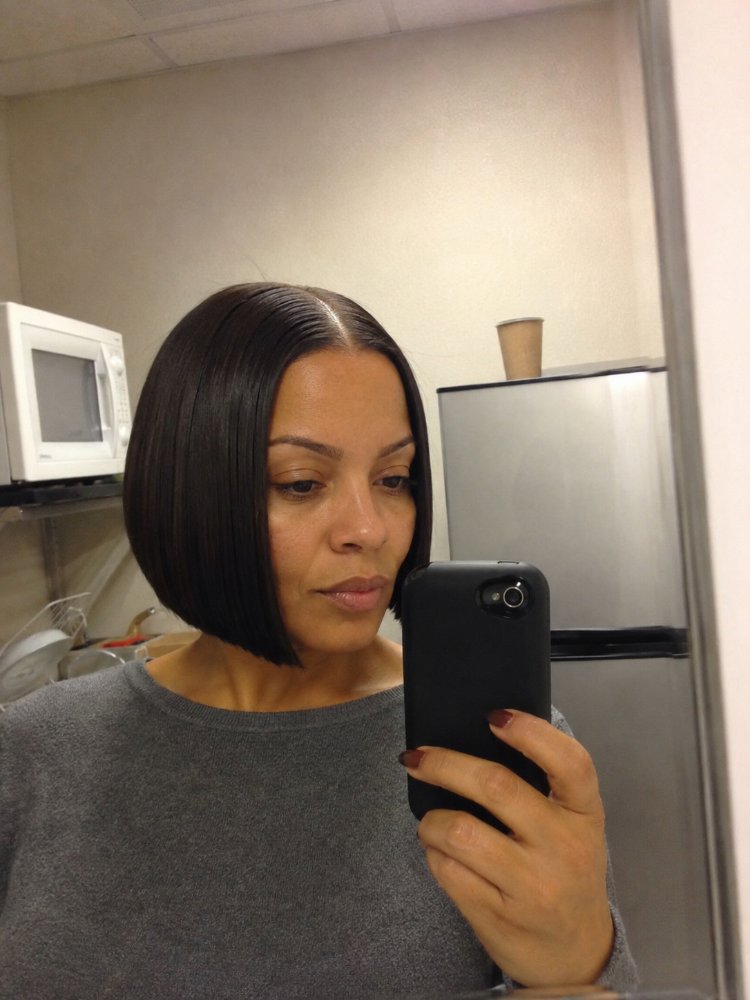
Texture-Forward Hair That Looks Better With Movement
Rounded Curly Cut
The rounded curly shape puts the curl pattern at the center of the hairstyle. Instead of asking curls to fall into a straight-hair outline, the cut builds width and height around the way the hair actually groups and shrinks.
The finished shape should be assessed in the state you wear most. Someone who normally wears a shrunken wash-and-go needs different visual planning from someone who regularly stretches the same curls.
This is one of the strongest choices for making natural volume look purposeful without flattening it into a smoother finish.
Curly Bob With a Full Perimeter
A curly bob feels noticeably different from a rounded longer cut because the perimeter becomes much more visible. The curls can sit around the jaw, below it, or closer to the shoulders, but the lower edge needs enough structure to read as a bob.
Shrinkage changes the apparent length, so the dry result matters more than the number attached to a haircut diagram.
A curly fringe can be part of the shape without straightening it. The fringe simply needs to be cut and styled with its own contraction and curl grouping in mind.
Defined Wash-and-Go
Sometimes the hottest-looking option isn’t a new haircut at all. A well-shaped wash-and-go lets curl or coil definition carry the style while preserving the natural volume that gives the hair personality.
The haircut still matters. Uneven weight distribution can make defined curls look triangular, sparse at the ends, or unusually heavy in one area even when the curl definition itself is excellent.
Drying is part of the finished result too. Dense roots can remain damp after exposed lengths seem dry, and disturbing the hair repeatedly during that stage can change how the curl groups set.
Stretched Natural Layers
Stretching curly or coily hair reveals length, movement, and layering that may be much less obvious in a fully shrunken state. The look works well for readers who enjoy switching between visible length and fuller natural contraction.
The haircut deserves extra thought when both states matter. Layers that look beautifully balanced stretched can separate differently after shrinkage, while a cut designed entirely around maximum contraction may create another proportion once elongated.
Ask for the shape to be evaluated in the states you genuinely use rather than building the plan around one highly styled reference photograph.
Voluminous Blowout Layers
A big layered blowout earns its drama from movement. Shorter pieces lift away from the head, longer sections swing through the ends, and the shape changes as the hair moves.
It is far more styling-dependent than a blunt cut. Without enough bend or lift, extensive layers may simply look like reduced weight.
This style makes the most sense when you actually enjoy blow-drying, setting, stretching, or otherwise creating visible movement. A haircut that needs a finish you rarely wear becomes frustrating surprisingly quickly.
Length, Ponytails, and Updos With More Presence
Long Butterfly Layers
Butterfly layers preserve a long overall impression while creating significantly shorter movement around the upper sections and face. That makes them attractive to anyone wanting obvious change without sacrificing the longest perimeter.
The photo usually shows the style at maximum movement: roots lifted, shorter sections curved away, and the lengths separated into soft layers. Worn flatter or air-dried in another texture state, the haircut can look considerably different.
They’re worth the styling effort when dramatic movement is the priority. For a strong, dense-looking lower edge, fewer layers are often the more useful direction.
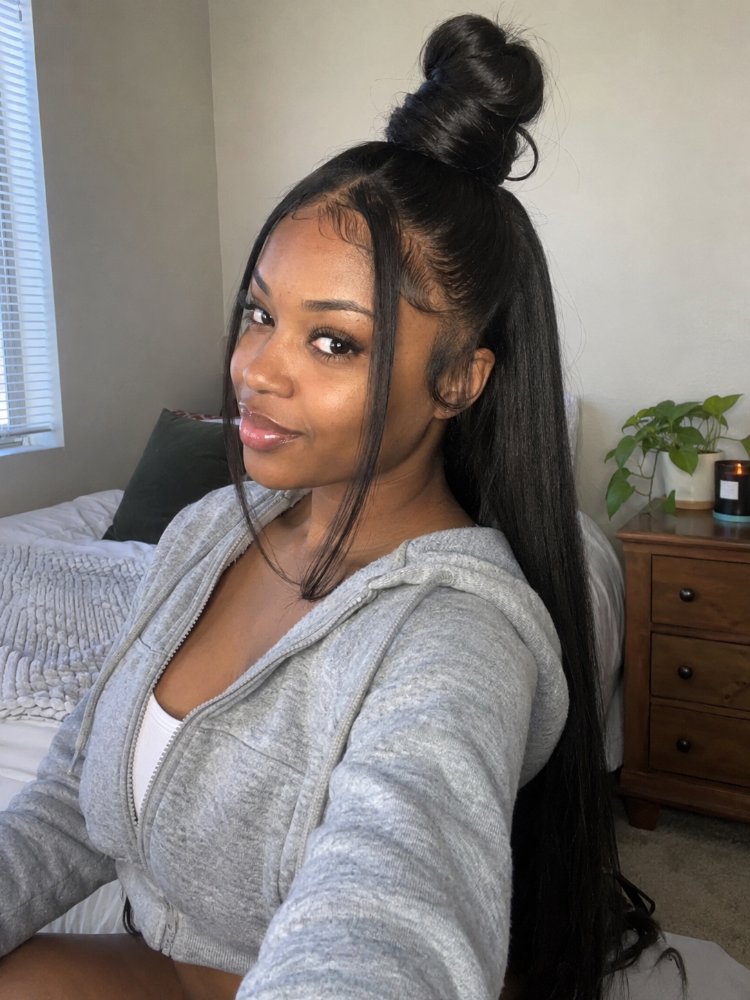
High Sleek Ponytail
Height creates the statement here. Pulling the hair toward a high anchor exposes the face and neckline while giving the tail room to fall dramatically behind the head.
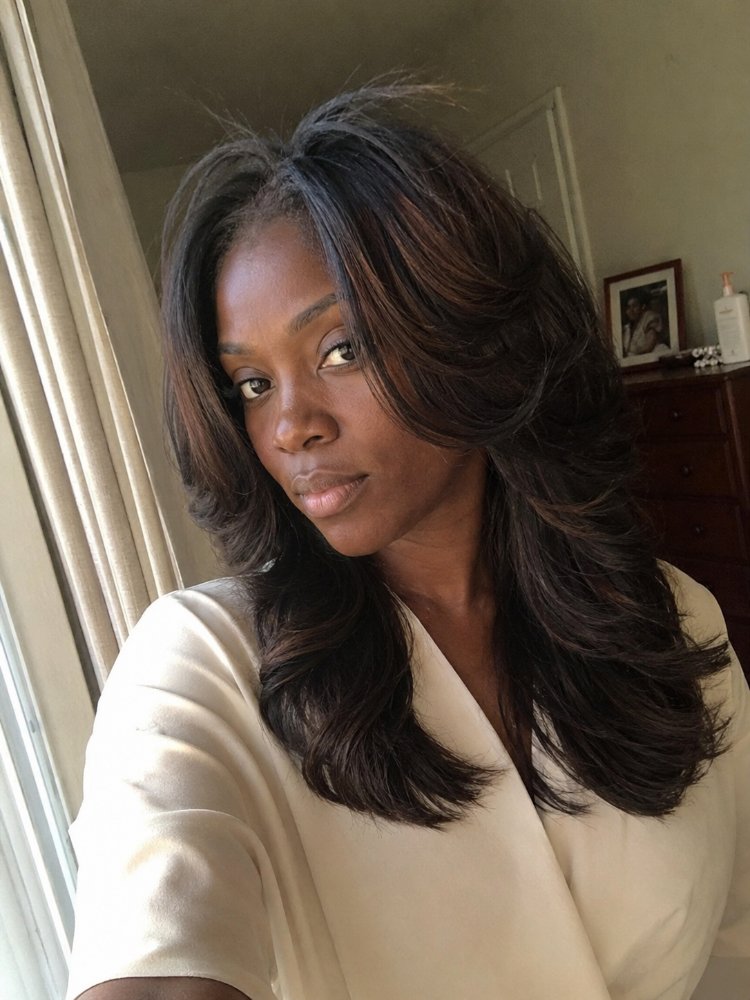
Construction matters more than surface shine. Hair from several directions converges at one point, so the base needs to feel secure without relying on excessive pulling. Very long or dense added hair also creates more leverage as the ponytail swings.
For everyday comfort, a slightly less extreme anchor is often more practical than chasing the highest possible placement.
Bubble Ponytail
A bubble ponytail turns length into the design. Additional elastics divide the tail into rounded sections, producing a graphic shape without needing complicated braiding.
The strongest version keeps the bubbles proportionate instead of pulling every section as wide as possible. Natural texture can stay visible, or the tail can be stretched first for a smoother outline.
This style is especially useful when you want a long-hair statement but don’t want the entire effect to depend on curling or intricate pinning.
Sculptural Low Bun
Low doesn’t have to mean quiet. A bun positioned near the nape can become a focal point through loops, twists, braided sections, or an oversized wrapped form.
Its lower placement also behaves differently in real life from a high bun. Headrests and high-backed chairs may press directly into the structure, so an elaborate shape needs to be tested from the side and back as well as in a mirror.
For formal wear, check the placement against necklines, earrings, veil combs, glasses arms, or other accessories that occupy the same space.
Braids, Twists, Locs, and Added-Hair Looks
Medium Knotless Box Braids
Medium knotless braids offer a strong visual pattern without the extremely small sections that make installation and takedown more involved. The gradual feed-in construction can create a flatter-looking root than some traditional added-hair methods.
The most important variable is the foundation. Section size, grip, added-hair amount, and overall length influence how the style feels far more than the word knotless by itself.
Moderate length is the practical default when comfort, easier repositioning, and drying matter more than maximum drama.
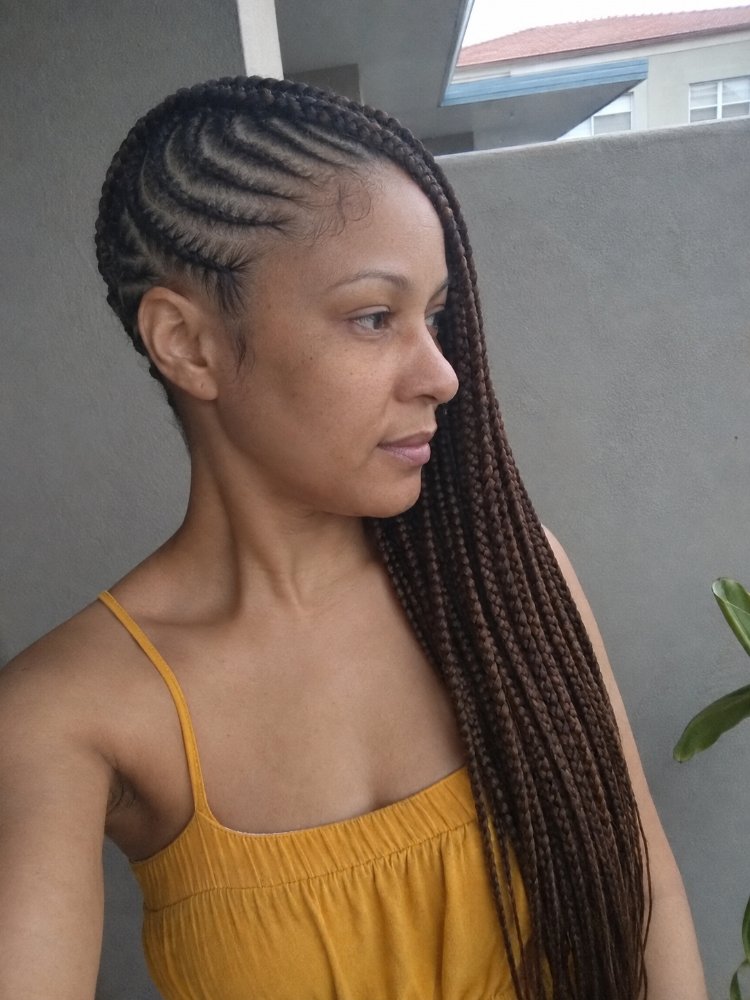
Fulani-Inspired Braids
This family of styles uses directional cornrowing near the scalp, often combined with hanging braids. The visual interest comes from the contrast between mapped scalp sections and free-moving lengths.
Parting design gets much of the attention in photos, but convergence points deserve just as much thought. Several braids feeding toward a narrow area can concentrate force there, especially when long extensions continue from the design.
A cleaner, less crowded pattern is often the stronger choice when scalp access and comfort matter.
Chunky Two-Strand Twists
Large two-strand twists provide visible texture with fewer, more substantial sections. They can be created with natural hair or with added hair depending on the desired length and fullness.
Chunkier sections make the twist pattern easy to see and can reduce the fiddly feel of styling compared with many tiny twists. The tradeoff is less freedom for intricate updos because each section occupies more space.
They look especially strong when the size of the twists suits the density of the hair instead of forcing a sparse foundation to support excessive added bulk.
Loc Bob
A bob-length loc shape brings the graphic strength of a short haircut to loc’d hair. The perimeter becomes more noticeable because the locs finish within a concentrated band around the jaw, neck, or shoulders instead of extending far down the back.
Existing loc maturity, diameter, density, and weight affect how easily that outline can be created. Cutting mature locs is also a more consequential length decision than temporarily styling long locs upward.
A loc bob is a particularly strong option when you want the haircut itself to change the overall impression instead of relying on elaborate loc styling.
Color-Led Looks That Change the Whole Haircut
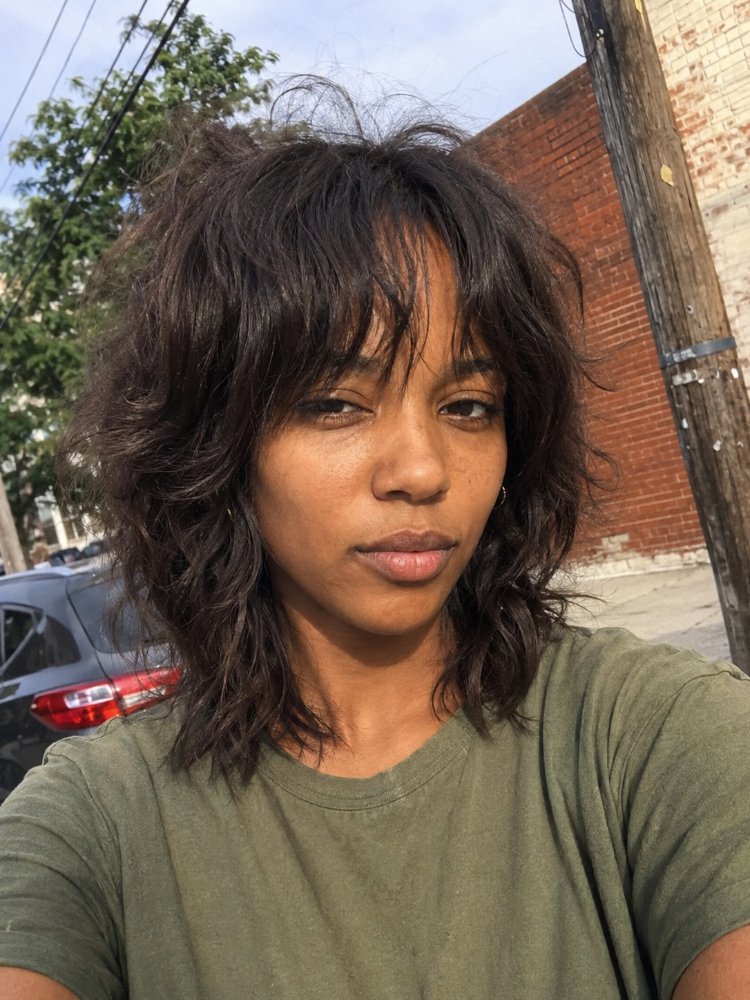
Copper Layered Hair
Copper earns attention because it affects both color and the way movement reads. Warm reflective tones can make the separation between layers more visible, especially through bends and curls.
The starting base controls how realistic a particular copper target will be. Naturally dark hair, previously darkened hair, pre-lightened sections, and unprocessed lighter hair don’t begin from the same place.
Maintenance includes tone drift as well as roots. Choose copper because you’re comfortable treating color as an ongoing part of the look.
Dimensional Brunette Balayage
A brunette balayage creates visible depth by preserving darker areas while adding selectively lighter pieces. Placement matters more than turning the entire head lighter.
This is a stronger choice than all-over lightening for someone who wants contrast without losing the visual richness of a brunette base. It can also make layers, waves, and curls easier to see because lighter sections catch against deeper hair.
Previous permanent color changes the planning considerably. Artificial dark pigment may require a different path from untouched dark hair, and condition should influence how ambitious the lightening target becomes.
Face-Framing Contrast Color
A concentrated color change around the front creates impact without spreading the strongest contrast through every section of hair. The result can be bold, soft, warm, cool, or vivid depending on the target and starting base.
Placement is the real design decision. Thicker panels read graphically, while finer pieces blend into the surrounding hair more gradually.
Because the lightest or brightest area sits close to the face, fading and regrowth remain very visible. It’s a good option when you want color to behave like a deliberate feature rather than a subtle background effect.
Deep Glossy Single-Tone Color
High-impact hair doesn’t always require contrast. A deep brunette, near-black, rich red-brown, or another saturated single-tone direction can make the perimeter and surface of a haircut look more unified.
This approach works particularly well on bobs, long solid shapes, and haircuts where shine and uninterrupted color are part of the visual effect.
Going significantly darker deserves more planning than a temporary mood change, especially on previously lightened hair. Artificial dark pigment can influence future lightening options, so your next color goal matters before making a major depth change.
What the Finished Photo Usually Hides
A reference image freezes a hairstyle at its most controlled moment. Your day keeps moving.
Short bobs meet shirt collars. Long hair slips beneath backpack straps or seatbelts. A high bun can become uncomfortable against a headrest. Added-hair styles feel different once the lengths are wet. Highly layered cuts may lose much of their drama on days when you skip the styling that separated every section for the photograph.
Texture is another major variable. A curly cut photographed freshly defined can expand after several days of handling. Pressed natural hair shows length that disappears again with shrinkage. A blowout reveals layer movement that won’t necessarily appear in a shrunken wash-and-go.
Color photographs can also exaggerate contrast through strong lighting, editing, and curled styling. Ask to see the target as straight, curly, or naturally worn whenever that state is important to you.
| Style | What creates the impact | What may require more attention |
|---|---|---|
| Sculpted Pixie | Precise short outline | Grow-out of the perimeter |
| Modern Shag | Layer separation | Keeping movement visible |
| High Sleek Ponytail | Elevated anchor and long tail | Base comfort and added weight |
| Medium Knotless Box Braids | Length and braid pattern | Scalp access and drying |
| Copper Layered Hair | Warm color plus movement | Fade and regrowth |
Choose the Style by the Work You Want to Do
The easiest way to narrow this list is to identify where you’re willing to spend effort.
A haircut-led style such as a blunt bob or sculpted pixie puts more responsibility on the cut itself. You may do relatively little to create the basic silhouette, but maintaining that shape depends on professional reshaping as the hair grows.
Styling-led looks give you more flexibility. Butterfly layers can look dramatic with movement and much quieter without it. A bubble ponytail disappears completely when you take the elastics out. Those are good choices for anyone who wants to change the visual effect without committing to an equally dramatic haircut.
Installation-led styles shift the effort again. Braids and twists can simplify some day-to-day styling decisions, while the initial tension, added weight, cleansing access, drying, sleeping, and removal all matter. Calling an installation protective only makes sense when the foundation is comfortable, the hair isn’t overloaded, the scalp remains accessible, and takedown is handled carefully.
Color creates the longest visual conversation with your hair. Fade, roots, previous pigment, porosity, condition, and future color plans influence what comes next. A high-contrast transformation is rarely the low-commitment choice.
A Better Salon or Styling Consultation
Bring reference photos, but bring more useful information than pictures alone.
Explain how you wear your hair on ordinary days. Mention whether curly or coily hair is usually shrunken, stretched, pressed, braided, or switched between several states. A haircut designed around a finish you rarely recreate is unlikely to feel successful for long.
For cuts, discuss where you want visual weight. Someone wanting a dense-looking lower edge needs a different layering conversation from someone chasing airy movement around the crown.
For extensions or braided installations, talk about comfort before maximum length or fullness. Fragile areas around the hairline shouldn’t be pulled into a design just to make the perimeter look perfectly uniform. Pain, persistent stinging, sores, redness, or a concerning change in density deserve attention rather than being treated as a normal price of a hairstyle.
Color consultations need your chemical history. Previous lightening, permanent dark color, relaxing, or other processing can change what target makes sense while preserving the condition of the hair. A more gradual change may be the better decision when the most dramatic reference image demands more from the starting base than the hair should reasonably handle.
Finally, look at the hairstyle from the back and side. Check how it meets your collar, where an updo sits against a chair, how glasses pass through the temple area, and whether you can comfortably access the scalp. Those details rarely make the inspiration photo.
Maintenance Without Turning Hair Into a Schedule
A hairstyle should be maintained according to what is actually changing.
Short cuts need attention as their lines lose definition. Layered styles need reassessment when the intended movement becomes difficult to produce or the perimeter no longer behaves the way you want. Healthy ends, breakage, and thinning aren’t interchangeable issues, so avoid treating every visual change as a signal for the same service.
Cleansing should also fit the styling state, scalp comfort, activity level, and buildup. An installed style still needs practical scalp access. Dense braided or twisted roots need enough drying attention even when the exposed lengths already feel dry.
With color, watch the visible change rather than following a rigid universal calendar. Some readers care most about root contrast; others notice fading or an unwanted shift in tone first. The condition of the hair should guide how aggressively you pursue the next service.
Heat styling deserves the same individualized approach. Tool design, technique, existing condition, previous chemical services, and how frequently heat is used all matter more than one temperature number claimed to suit everyone.
A smooth pillowcase, scarf, or bonnet may help reduce friction and tangling where appropriate. It won’t restore damaged hair or solve an installation that is pulling too tightly.
FAQs
What hot hairstyle is easiest to maintain?
A haircut with a strong built-in shape and a finish close to your natural styling habits is usually easier than a look requiring constant transformation. A blunt bob may feel straightforward for one person, while a rounded curly cut is easier for someone who normally wears their curls defined. Match the hairstyle to the routine you already enjoy.
Which styles work well for fine hair?
Fine strands can work with many of these looks because strand diameter alone doesn’t tell you how much hair you have. Bobs, pixies, moderate layers, curly shapes, and shorter styles can all be useful options. Low density is a separate consideration; heavy interior removal may expose more space when there are fewer strands overall.
Can I use extensions to create these hairstyles?
Several looks can incorporate added hair, particularly ponytails, braids, twists, and some length-focused styles. Attachment method, section size, added weight, existing fragile areas, and scalp comfort should guide the choice. More hair isn’t always visually better if the foundation has to support unnecessary bulk.
How can I choose a hairstyle when I like several completely different looks?
Start with the element you’re least willing to negotiate: length, daily styling effort, natural texture, installation, color maintenance, or salon dependency. That usually removes more options than trying to choose according to face shape alone. Then compare the remaining styles in the state you’ll actually wear them, not only in their most polished reference photos.
Hair Texture & Upkeep Style Matcher
Select your natural hair texture and daily maintenance window to get an instant styling formula and heat safety cap.
Heat Cap: 320°F (160°C)
A versatile three-strand braid beginning at the parietal ridge, securing the top half while allowing natural wave texture to flow freely around the shoulders.
Conclusion
The strongest hot hair styles aren’t simply the loudest ones. They have one clearly visible feature—shape, movement, texture, length, construction, or color—and the rest of the hairstyle supports it.
Choose the sculpted pixie because you want a precise short outline. Choose butterfly layers because you enjoy styling movement. Choose braids because the construction and upkeep fit your routine, not because an installation has been labeled effortless. Choose dimensional or saturated color when you’re prepared for the way it will fade and grow out.
Before committing, identify what produces the effect you like in the photograph. Once you know whether the real engine is the haircut, styling technique, texture, added hair, or color service, it’s much easier to choose a hairstyle that still makes sense after the picture-perfect moment is over.
Editorial Standards & Hair Health Guidance
Every style featured on Tress Atlas is curated with a focus on real-world wearability, scalp tension management, and cuticle preservation. When trying protective styles or tight updos, ensure perimeter hairline sections remain tension-free to avoid traction stress on delicate follicles. For heat styling, cap tools below 350°F (180°C) to prevent thermal keratin denaturation.
Scientific Sourcing: Practices aligned with the American Academy of Dermatology (AAD) on traction alopecia risk reduction and cosmetic trichology research on hair tensile strength.