Insta Baddie Hairstyles: Styling Guide & Cuts That Look Good Beyond the Photo
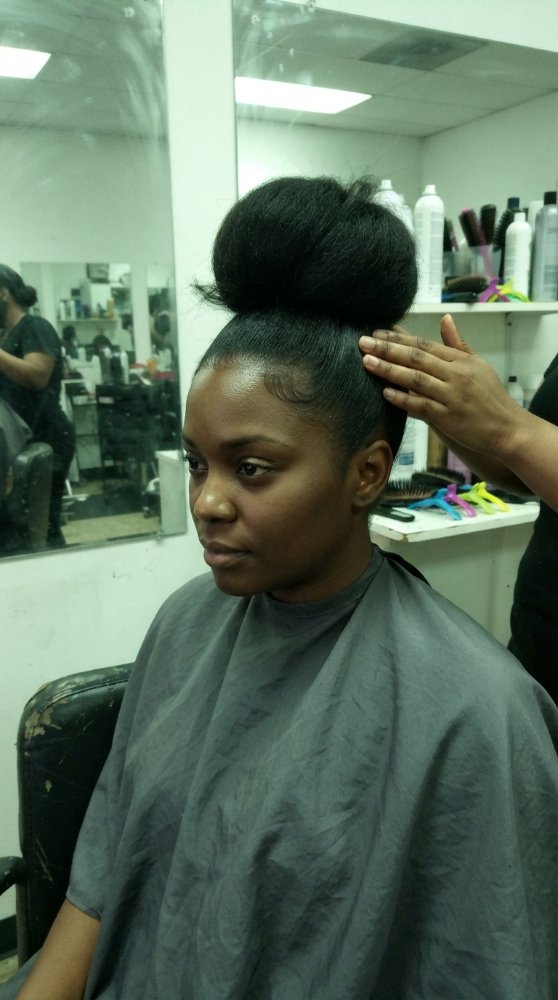
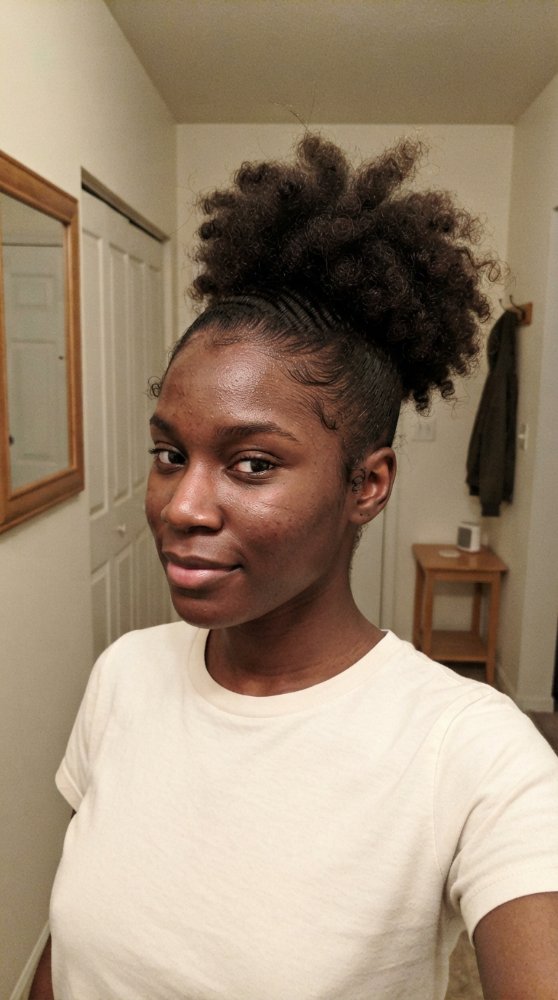
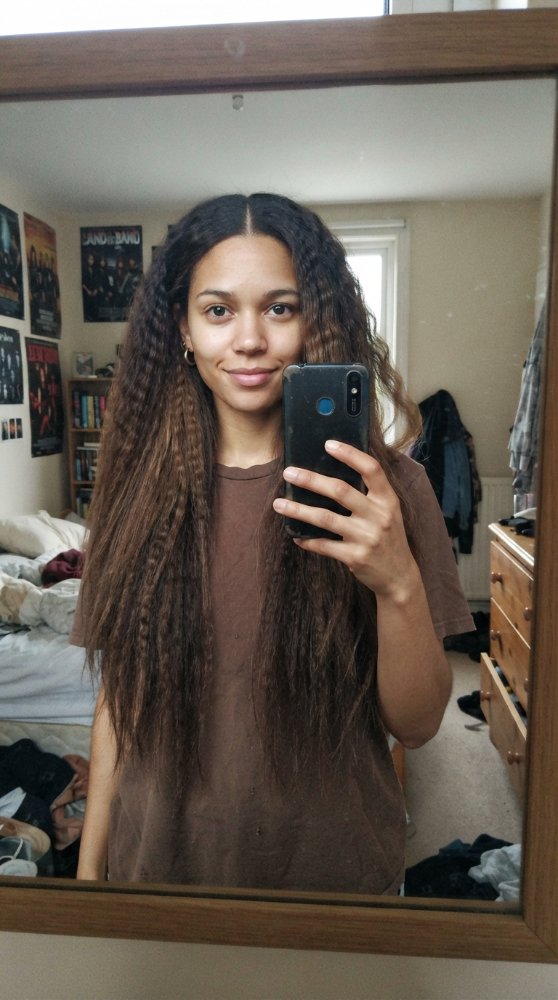
Insta baddie hairstyles tend to share a recognizable finish: deliberate parting, strong shape, smooth or clearly defined texture, and enough detail to read well on camera. That can mean a glassy straight bob, a high ponytail, long braids, sculpted curls, or a full natural puff. The aesthetic isn’t tied to one hair texture or installation method.
The bigger decision is what creates that finish. Some looks depend on very smooth roots. Others get their impact from length, volume, curl definition, or crisp braid patterns. A style that looks effortless in a cropped photo may involve added hair, heat styling, frequent edge refreshing, or a haircut that needs a strong perimeter.
Start with the version of baddie hair that fits how you actually wear your hair. Sleek styles make sense when you enjoy surface control. Braids suit readers who prefer a constructed look. Texture-forward styles give curls and coils more room to stay visible instead of forcing everything flat.
Sleek Baddie Hairstyles With a Strong Outline
Middle-Part Sleek Low Bun
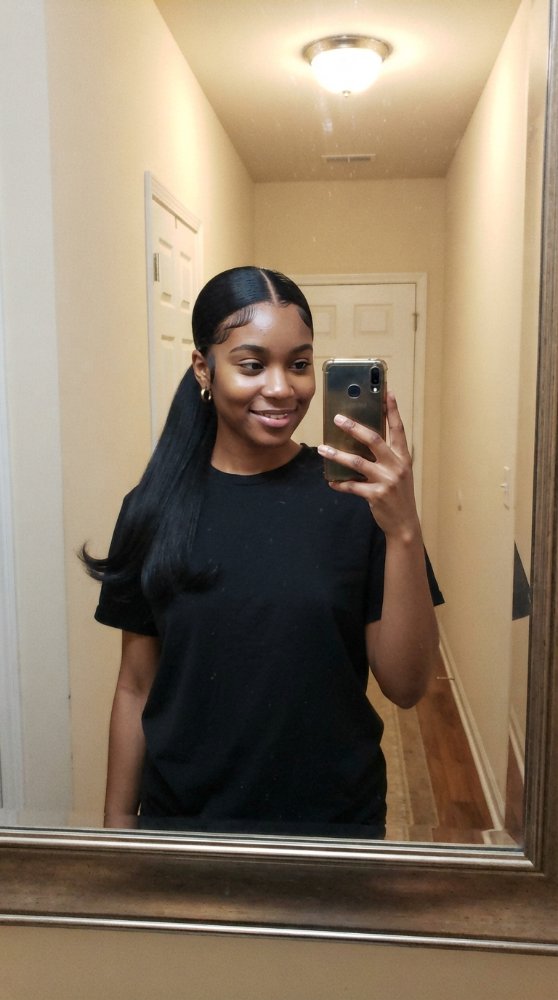
A low bun gets its baddie character from precision more than size. A clean center part, smooth hair above the ears, and a compact bun at the nape create a sharp outline that works especially well with statement makeup or earrings. Keep the bun proportionate to your hair density; forcing a very large knot from limited hair can create more pulling than visual payoff.
High Sleek Ponytail
A high ponytail puts more emphasis on lift and movement than the low bun. The base sits toward the crown, while the tail becomes the main visual feature.
Straight lengths create a cleaner graphic line; waves or curls make the same construction feel fuller. Very long or dense added hair also creates more leverage at the anchor as the ponytail swings, so dramatic length is worth choosing only when the base still feels comfortable during normal movement.
Low Braided Ponytail
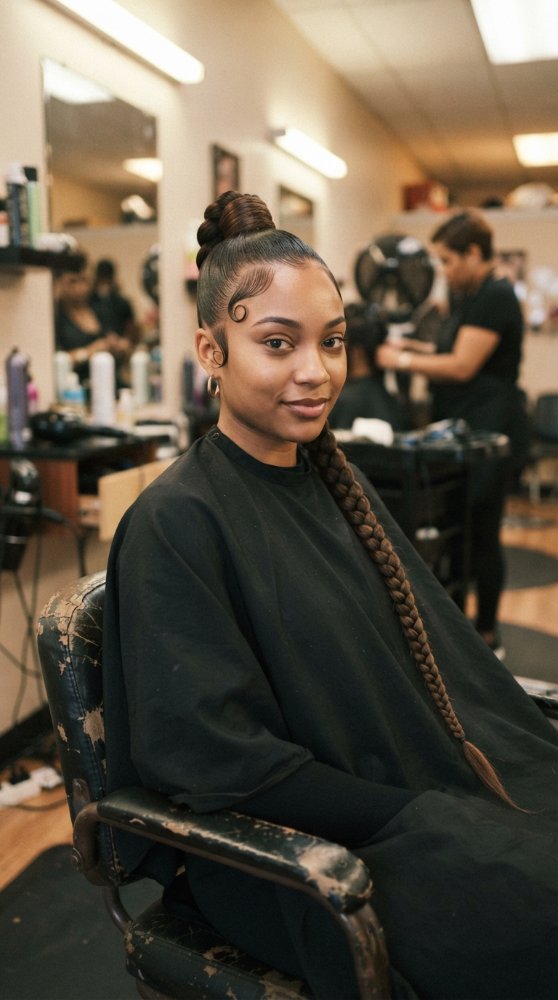
This is one of the stronger options when you like sleek roots but don’t want loose lengths constantly brushing your shoulders. Hair is gathered low, then the ponytail is braided into one defined tail. Wrapping a small section around the elastic can hide the fastening point and make the transition look cleaner.
The braid can be created from your own length or incorporated into an extension method suited to the base. Added length changes the feel significantly: a braid reaching well down the back moves as a single heavier piece instead of distributing movement through loose strands.
A low placement is also easier around headrests than a bulky crown ponytail. The braid may still sit between your back and a chair, bag strap, or coat, so extreme length comes with more repositioning than the photograph shows.
Blunt, Glassy Bob
Few cuts look sharper in a close-up than a bob with a strong lower edge. The impact comes from the perimeter, so excessive interior thinning can work against the effect, especially where the ends already look sparse. The exact finish can be straight, softly bent, or worn in the hair’s natural texture; what matters is that the bottom line reads clearly instead of dissolving into wispy ends.
Volume-First Looks for Full Glam
Layered Blowout
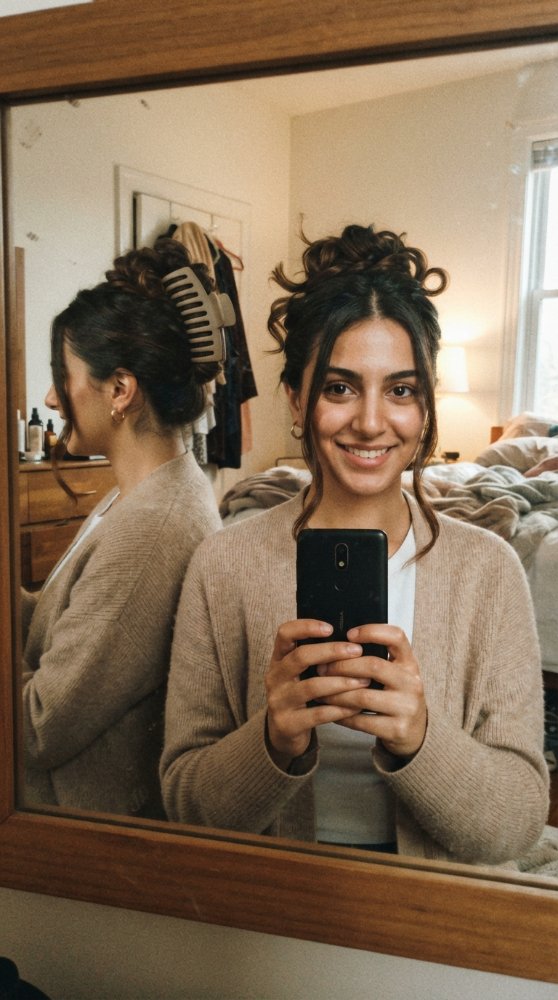
A layered blowout creates movement around the face and fullness through the lengths without relying on a severe slicked surface. The haircut matters here because the bounce comes from where the layers release weight.
Shorter face-framing pieces can swing away from the cheeks, while longer layers keep the back from feeling thin. This look asks for more restyling than a blunt shape once humidity, sleep, or clothing collapses the lift, so it’s strongest for someone who genuinely enjoys maintaining volume.
Middle-Part Body Waves
Body waves give long hair a softer version of the baddie aesthetic. A center part keeps the front symmetrical while broad waves carry the drama through the lengths. The result works especially well when the wave pattern begins high enough to frame the face instead of leaving the upper half flat and concentrating all the movement at the ends.
Half-Up High Ponytail
Half-up styling gives you a lifted crown without pulling every strand into one anchor. The upper section forms the ponytail while the lower hair remains loose, creating two levels of movement.
It’s particularly useful for dense curls, waves, or extension styles where a full high ponytail would create too much bulk at one point. Check the back view before finishing: the loose lower section should visually connect with the ponytail instead of leaving an obvious horizontal gap between the two.
Voluminous Curly Ponytail
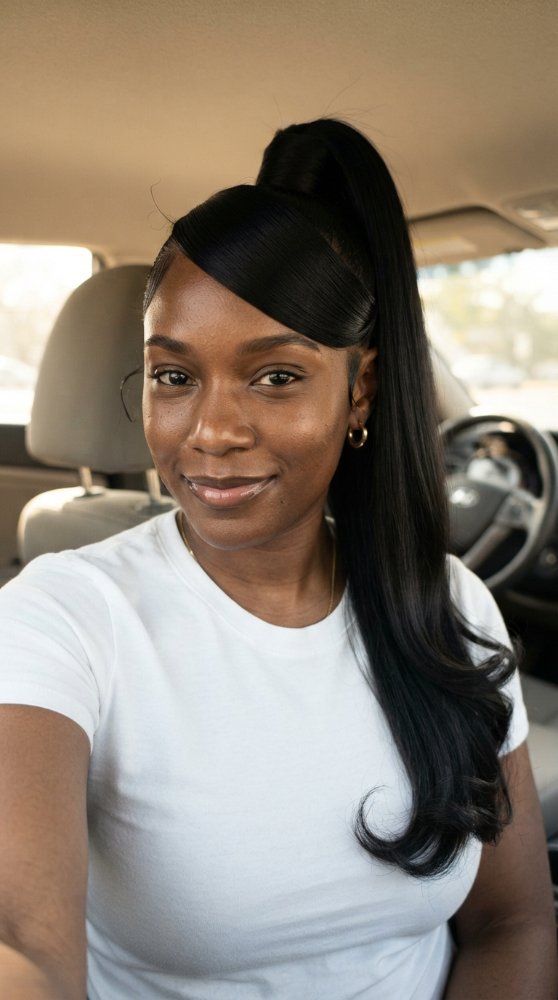
Smooth roots aren’t mandatory for a camera-ready ponytail. Keeping curl or coil texture visible through the tail creates a fuller result and often requires less manipulation of the lengths than straightening everything first.
The anchor can be high or closer to the middle of the head. Higher placement produces a more dramatic cascade around the crown; a mid-height position is less likely to fight with a car seat or headrest.
Preserve the size of the tail instead of repeatedly brushing through curls that were meant to stay grouped. Refreshing a few visible sections is usually more useful than rebuilding the entire texture every time the surface gets slightly frizzy.
Braided Baddie Hairstyles With More Structure
Long Knotless Box Braids
Long knotless braids create drama through uninterrupted vertical lines. They can be worn loose, swept over one shoulder, gathered into a ponytail, or partially pinned without losing the braid pattern. Section size, the amount of added hair, and finished length all affect weight, so bigger visual impact should still begin with a base that remains comfortable at the roots.
Boho Braids With Loose Curly Pieces
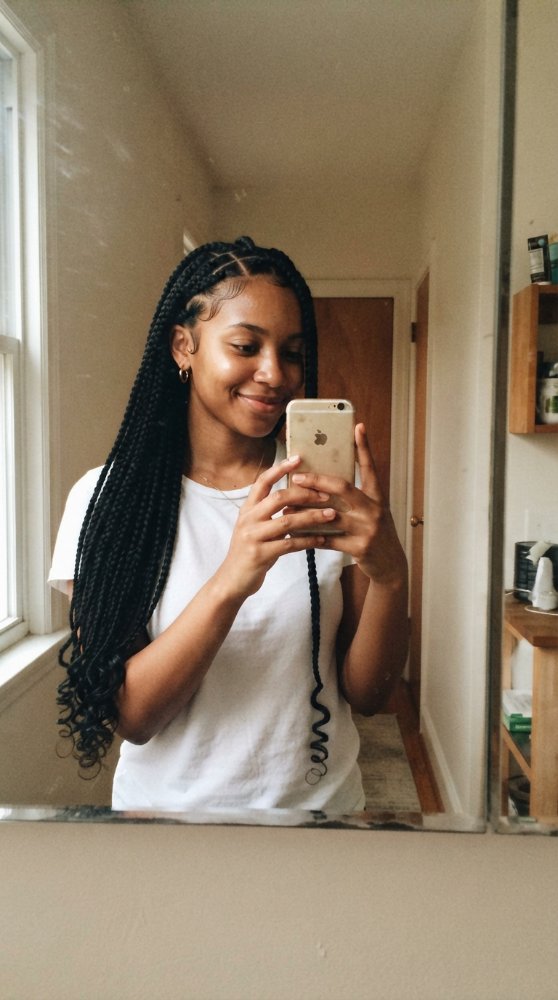
Boho braids soften the clean geometry of box braids by leaving selected curly pieces loose through the installation. That extra texture creates movement and makes the finished style feel less uniform.
Those loose sections also become the maintenance difference. They can tangle against clothing and neighboring braids more readily than fully braided lengths. Choose this version because you want the loose texture enough to care for it, not because it appears inherently easier than standard braids.
Stitch-Braid Ponytail
A stitch-braid ponytail makes the scalp pattern part of the finished design. Cornrows travel toward a shared anchor, creating visible lines before the eye reaches the ponytail itself.
The convergence point deserves attention. Multiple braids meeting at one high area can concentrate pulling if the sections are gripped too firmly or the finished ponytail is heavy. The root pattern should lie securely without persistent soreness or stinging.
For a more wearable version, keep the ponytail length and density in proportion to the braided base. You can still get a crisp, dramatic profile without turning the tail into the heaviest part of the installation.
Braided Bob
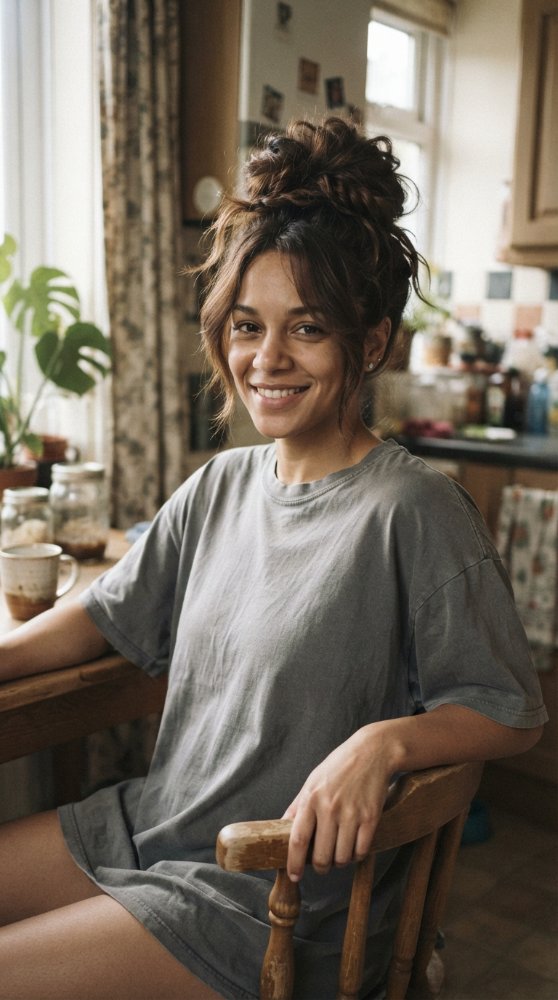
A braided bob replaces sweeping length with a compact shape that ends around the jaw, neck, or shoulder area. The style reads more through its outline than through movement.
It’s an underrated baddie option for anyone who likes braids but doesn’t want long lengths trapped beneath bag straps, jackets, or seatbelts. The ends need a deliberate finish so the bob reads as a chosen shape instead of simply looking like shortened long braids.
Baddie Styles That Keep Natural Texture Visible
Sculpted Wash-and-Go
A wash-and-go can fit the aesthetic without trying to imitate straight or installed hair. A defined part, controlled overall shape, and clearly grouped curls or coils create enough structure for the style to photograph strongly. Shrinkage affects where the hair actually sits once dry, so judge the finished outline in the state you normally wear rather than planning entirely around wet length.
Deep Side-Part Twist-Out
A twist-out gives you more deliberate stretch and separation than many wash-and-go results. The deep side part then moves the volume asymmetrically, with one side carrying more height and sweep.
The strongest version starts with the shape you want, not endless separation. Breaking apart every twist can turn defined sections into a larger cloud of frizz, especially where the hair already expands easily.
A twist-out also exposes haircut balance. One side can look dramatically fuller after the part is moved, particularly on layered hair. Fluff the roots selectively and reposition larger sections before reaching for more product or repeatedly reworking the ends.
Stretched High Puff
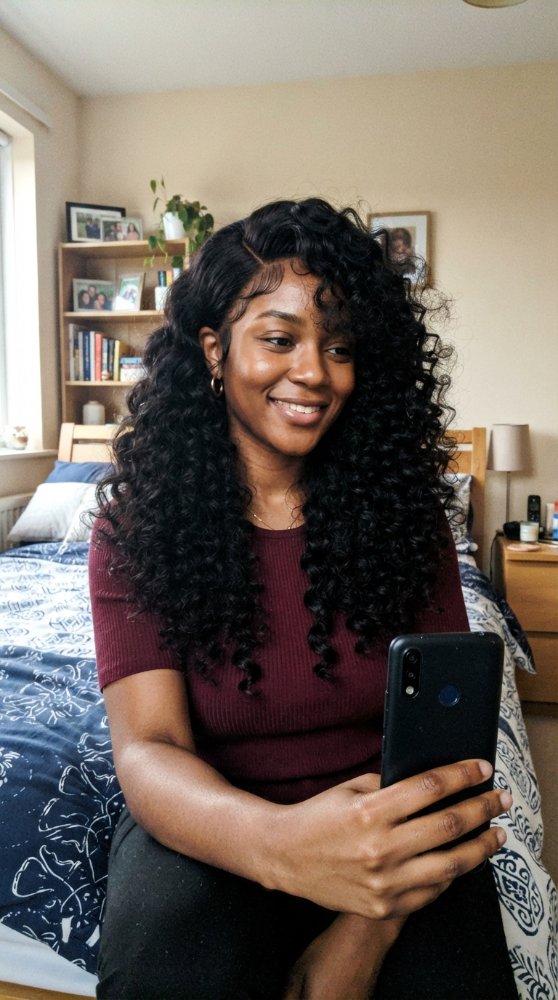
A high puff gets its impact from the contrast between a gathered base and a full textured crown. Stretching the hair first can create a larger, more elongated puff, while a shrunken state produces a tighter silhouette. The band or elastic should secure the style without forcing the hairline into a position that feels painful; leaving shorter or fragile perimeter hairs out is often the more sensible choice.
Curly Bob With Fringe
A curly bob brings the baddie look into a shorter, more texture-led shape. The fringe can be full, piecey, or swept slightly aside depending on how the curls naturally group.
The haircut needs to be evaluated in its usual worn state because shrinkage can shift both the bob length and fringe position. Curly bangs don’t need to be straightened to count as a finished fringe. Their success depends more on where they dry and how they sit around the eyes.
Long and Statement Styles
Long Straight Middle-Part Hair
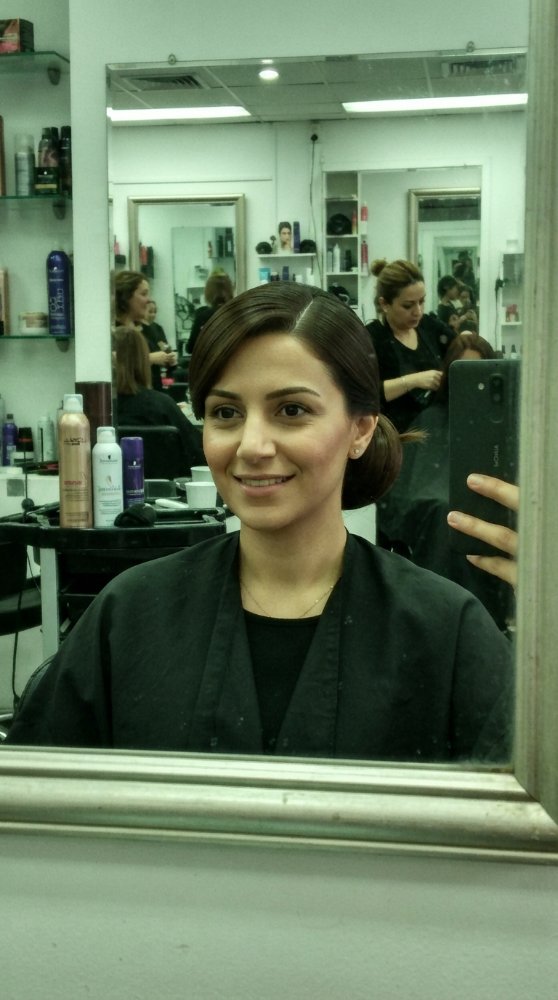
This is the cleanest route to the ultra-long baddie look: a center part, smooth surface, and straight lengths that create one continuous vertical line.
The simplicity makes inconsistencies more obvious. Uneven ends, excessive bulk at an attachment point, or a part that doesn’t sit cleanly can stand out more than they would in waves. With wigs, weaves, or other extensions, the construction under the visible hair matters as much as the surface. Secure attachment shouldn’t come at the expense of scalp comfort or access.
Bubble Ponytail
A bubble ponytail turns one long tail into a series of rounded sections secured down the length. It gives a basic ponytail more graphic interest without requiring every section to be braided. Keep each bubble similar enough to create rhythm while allowing the hair’s density to determine how full they can become. This is especially effective when a plain straight ponytail feels too minimal but you still want a clean pulled-back base.
What the Reference Photo Doesn’t Show
Baddie hair is often photographed from its best angle, immediately after styling, with clothing and posture chosen around the hair. Your routine includes several things the frame leaves out.
Another hidden factor is styling state. A photo of pressed natural hair tells you little about how the same haircut will sit after it coils back up. Likewise, a wig or weave may reproduce a particular length without requiring your own hair to reach that point.
Bring the reference image to a consultation, but describe what you actually like about it: the height, fullness, perimeter, part, curl size, braid pattern, or length. That gives a stylist more useful information than asking for the entire picture as one package.
Keeping an Insta Baddie Hairstyle Looking Sharp
Maintenance depends heavily on construction. Sleek buns and ponytails usually need attention at the roots and hairline. Blowouts lose their impact when the crown becomes flat. Defined curls may need individual sections refreshed where the pattern gets crushed. Braids shift the work toward scalp care, drying, loose-piece management, and eventual takedown.
At night, reducing friction can help preserve both smooth and textured styles. A scarf, bonnet, or smooth pillowcase may reduce rubbing and tangling, although none of these can correct excessive installation tension or repair damaged strands.
Added hair deserves a separate comfort check. Longer, denser extensions create more weight and can stay damp differently from your natural hair after cleansing. Make sure the roots and any concealed hair can dry properly instead of judging dryness from the visible lengths alone.
Pain, persistent stinging, redness, sores, or a concerning change around the hairline isn’t part of maintaining a baddie hairstyle. Loosen or remove the source of pulling where appropriate, and talk with a dermatologist or another qualified healthcare professional if symptoms persist or the density change concerns you.
Before choosing your final look, check:
Whether you want your natural texture visible or deliberately altered
How much root smoothing fits your routine
Whether added length is worth the extra weight and movement
Where a ponytail, bun, or braid will sit against headrests
How easily you can reach and cleanse the scalp
Whether the haircut still works in the state you wear most often
Related Hairstyles to Explore
FAQs
What hairstyle gives the strongest Insta baddie look with minimal daily styling?
A blunt bob or a well-installed braided style can reduce daily reshaping because the basic structure is already built into the cut or installation. The tradeoff moves elsewhere: a bob depends more on maintaining its perimeter, while braids require comfortable roots, scalp access, drying, and thoughtful removal.
Can short hair work for Insta baddie hairstyles?
Yes. A blunt bob, curly bob, cropped wet-look shape, or short slicked style can create just as much visual impact as waist-length hair. With shorter cuts, precision matters more because the outline and placement around the face become highly visible.
Do I need straight hair for a baddie hairstyle?
No. Defined curls, twist-outs, high puffs, curly ponytails, braids, and loc-based styles can all carry the same deliberate aesthetic. Work with the behavior of your texture instead of treating straightness as the requirement for looking finished.
Can I get these looks with a wig or extensions?
Many of them can be created with wigs, weaves, ponytail attachments, or braided extensions. Pay attention to how the added hair is secured, how much weight it introduces, and whether you can comfortably access the scalp or underlying hair. A dramatic visible result isn’t worth an attachment method that causes persistent pulling.
How do I make a sleek hairstyle last overnight?
Protect the root area from friction and avoid rebuilding the entire style unnecessarily. A scarf or bonnet can help keep the surface smoother, while a loose length can be arranged so it isn’t crushed beneath your head. Refresh only the areas that actually need attention the next day.
Which baddie hairstyle is easiest for working out?
A compact braided ponytail, moderate-length braids, or a secure natural puff can be easier to manage than very long loose extensions during active movement. Sweat, scalp access, drying, and how the style shifts against your neck matter more than whether the hairstyle looks neat immediately after exercise.
Hair Texture & Upkeep Style Matcher
Select your natural hair texture and daily maintenance window to get an instant styling formula and heat safety cap.
Heat Cap: 320°F (160°C)
A versatile three-strand braid beginning at the parietal ridge, securing the top half while allowing natural wave texture to flow freely around the shoulders.
Conclusion
The strongest Insta baddie hairstyle isn’t automatically the longest, sleekest, or most elaborate one. It has a clear visual idea that still makes sense once you account for your texture, haircut, preferred styling state, and tolerance for upkeep.
Choose the feature you care about most first. Make the decision about sleekness, volume, texture, braiding, or length before getting distracted by every detail in the reference photo. A style that fits your real routine will keep its impact long after the camera is gone.
Editorial Standards & Hair Health Guidance
Every style featured on Tress Atlas is curated with a focus on real-world wearability, scalp tension management, and cuticle preservation. When trying protective styles or tight updos, ensure perimeter hairline sections remain tension-free to avoid traction stress on delicate follicles. For heat styling, cap tools below 350°F (180°C) to prevent thermal keratin denaturation.
Scientific Sourcing: Practices aligned with the American Academy of Dermatology (AAD) on traction alopecia risk reduction and cosmetic trichology research on hair tensile strength.