Elegant Formal Hairstyles: Complete Styling Guide for Long Hair
Long hair gives you plenty of options for a formal event, but more length doesn’t automatically make a hairstyle look more elegant. The real decision is where you want the visual weight to sit: completely off the shoulders, softly gathered at the back, concentrated in a ponytail, or left flowing as part of the outfit.
Your dress matters too. A detailed neckline can disappear under waist-length curls. An open-back gown may look stronger with the hair lifted. Heavy earrings become easier to see when the sides are controlled. Then there are practical details photographs rarely reveal: whether the bun presses against a headrest, whether curls will rub against a beaded dress, and whether a very high style feels comfortable through an entire event.
These 18 formal hairstyles use long hair in materially different ways, so you can choose by construction and real-life behavior instead of picking the prettiest reference photo and hoping it translates.
A Quick Way to Narrow the Options
Sculpted Updos That Keep the Length Off Your Shoulders
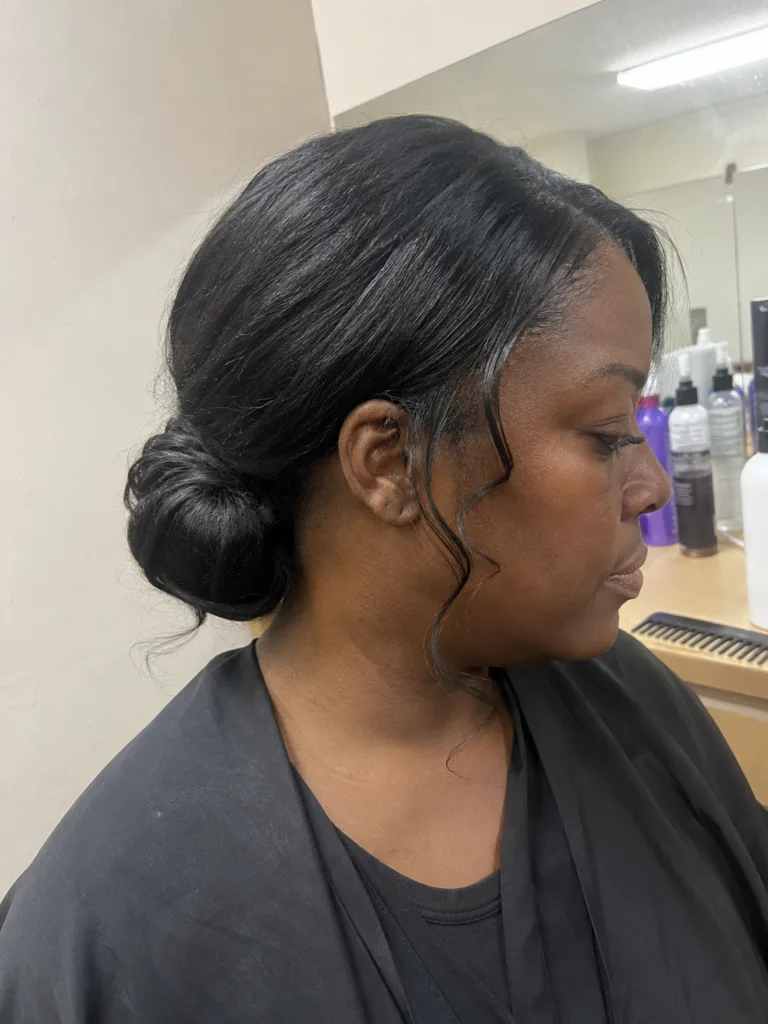
Low Chignon
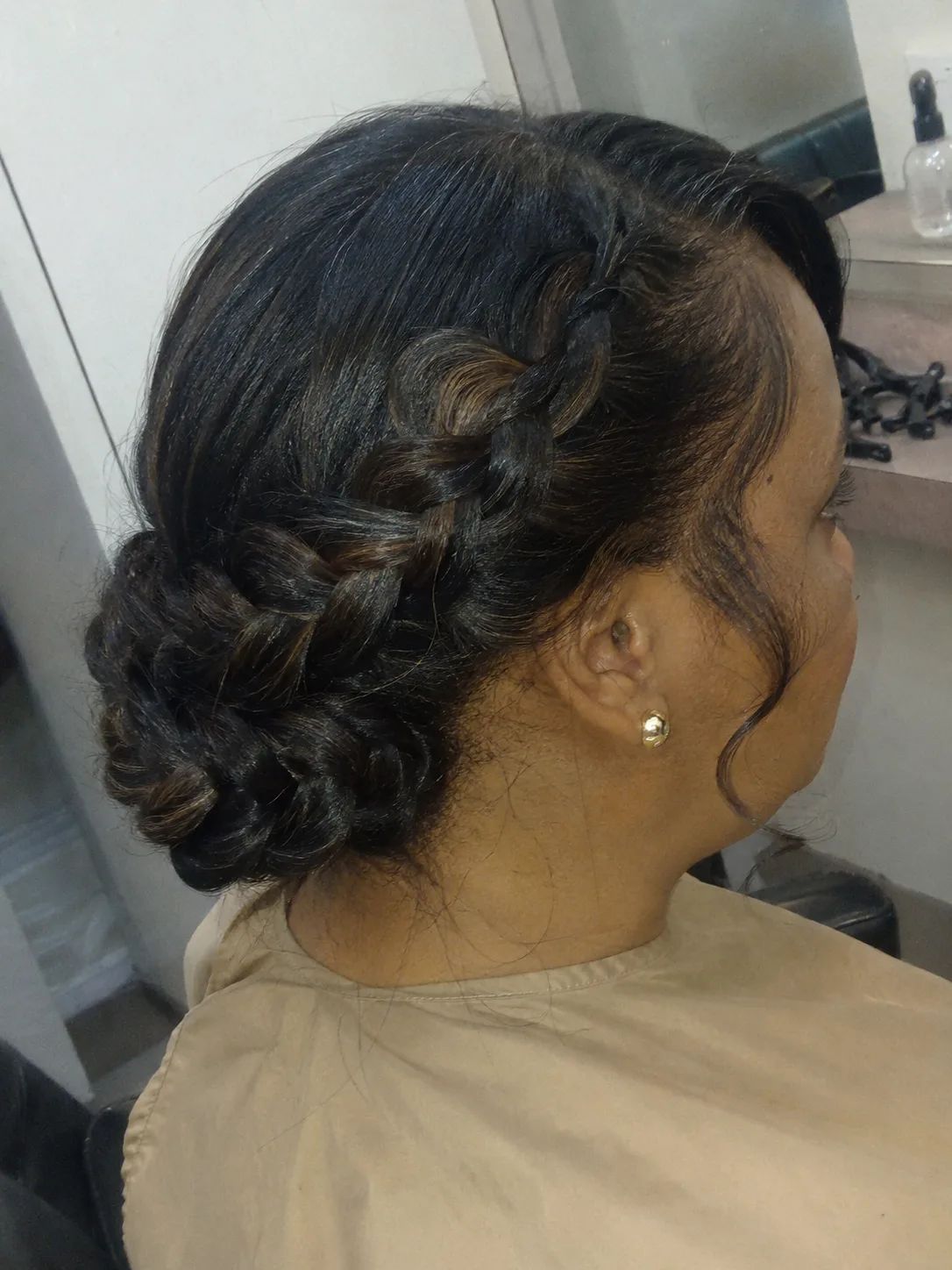
A low chignon is one of the strongest formal choices when the dress, jewelry, or neckline deserves most of the attention. The hair is gathered close to the nape and folded, twisted, or wrapped into a compact shape. Long hair gives the bun enough material to look substantial without relying on exaggerated height.
Construction matters more than surface perfection. A softly separated chignon feels romantic, while a tighter wrapped shape looks cleaner and more architectural. Keeping a little lift through the crown can also prevent the style from reading too severe.
The hidden advantage is comfort. A low bun distributes the visible length into a smaller area, though its exact position should be checked against collars and headrests before the event.
Classic French Twist
Few hairstyles change the appearance of long hair as dramatically as a French twist. Instead of displaying the length, it rolls the hair vertically against the back of the head, creating a narrow, elongated shape.
That makes it particularly useful with high-neck dresses, tailored eveningwear, or outfits where a large horizontal bun would feel too heavy. Long, dense hair can produce a substantial roll, so the internal pinning needs to support the weight instead of relying on a perfectly lacquered outer surface.
A few loose pieces can soften the front, but the twist itself works best when its vertical construction remains obvious.
Sculpted Loop Bun
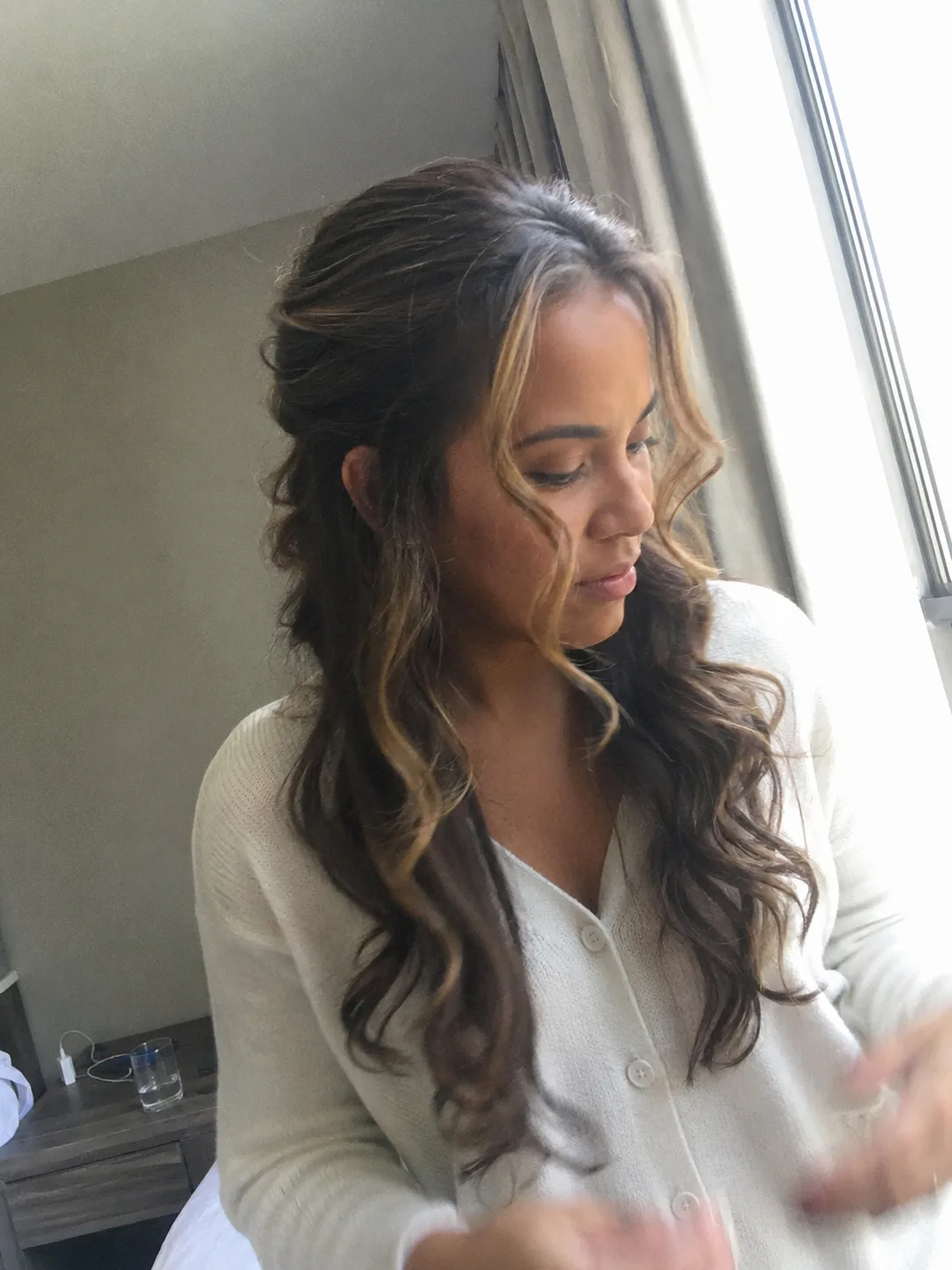
A loop bun creates visible curves instead of winding all the hair into one circular coil. Sections are folded into loops and pinned so the finished updo looks dimensional from the side and back.
This is worth choosing when a simple bun feels too plain but intricate braiding would compete with the outfit. Longer hair gives the loops enough span to create definition, especially when the sections are kept broad rather than divided into many tiny pieces.
Because the detail sits at the back, take a reference photo from that angle as well as the front. The front view alone won’t tell you whether the loops look balanced.
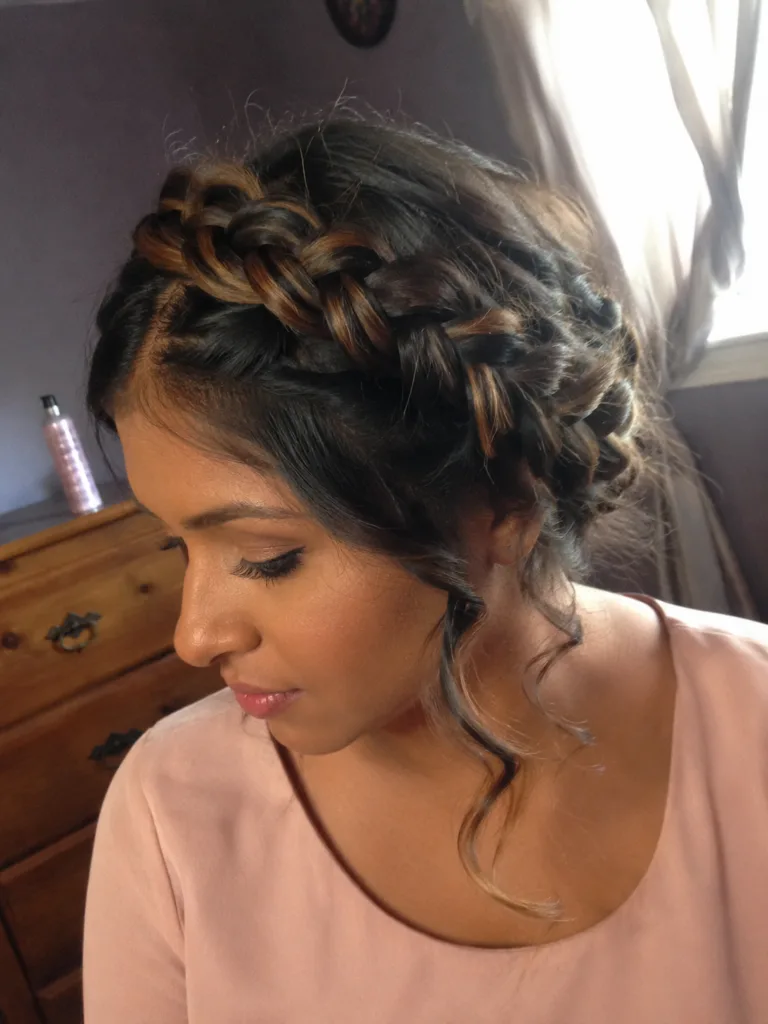
Braided Crown Updo
A braided crown changes the entire construction by carrying the hair around the head before securing the remaining length. The result can look regal without requiring extra height at the crown.
It works especially well when you want the hairstyle itself to remain visible in photographs taken from the front. A braid framing the upper head creates detail that a low bun largely hides.
Long hair also makes a continuous-looking crown easier to achieve, although very dense lengths can become bulky when several sections overlap. Keeping the braid broad and the finishing bun compact usually creates a more refined balance than trying to make every part equally large.
This is a good option for outdoor formal events because the shape doesn’t depend entirely on loose lengths staying perfectly arranged.
High Formal Bun
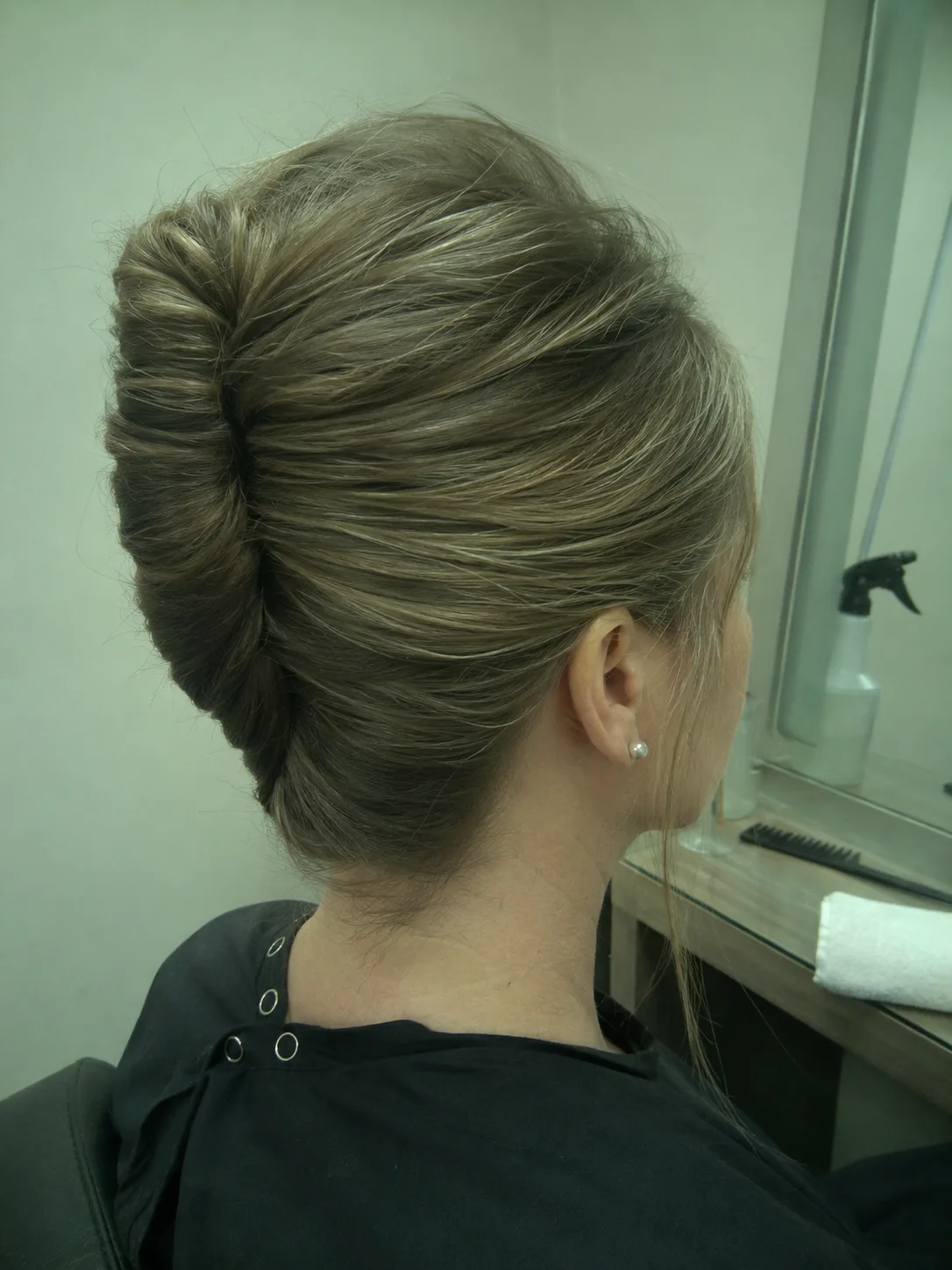
A high bun brings the eye upward and exposes the neck completely. It has more presence than a low chignon and works particularly well with strapless, off-the-shoulder, or clean column-style dresses.
The placement needs more thought with very long hair. Extra length creates a larger coil and more leverage at the base, so the bun shouldn’t be forced higher simply because a reference image shows extreme height.
A moderately high position often gives you the lift without making the style unnecessarily heavy.
Rolled Gibson-Style Updo
The Gibson-inspired roll sits lower and wider than a French twist. The lengths are tucked inward across the back of the head, producing a soft horizontal roll that feels formal without looking rigid.
This is an underrated option for long hair that you want completely contained. It creates width near the nape, so it pairs beautifully with simpler necklines and outfits that benefit from a softer back view. Hair ornaments can sit above the roll without becoming responsible for holding the entire hairstyle together.
Half-Up Styles That Preserve Long-Hair Movement
Half-Up Twisted Knot
A half-up knot solves a common formal-hair problem: you want the length visible, but you don’t want every front section falling forward during dinner, dancing, or photographs.
The side sections are directed backward and twisted into a small knot or wrapped anchor at the back of the head. That gives the style a clear focal point while leaving most of the hair loose.
Soft waves make the contrast between the compact upper section and flowing lengths more noticeable. Natural curls and coils can be used in their usual texture too; the finished shape simply becomes fuller and less uniform.
This is one of the more practical choices for someone who rarely wears full updos and still wants to recognize their everyday hair in the finished result.
Half-Up Braided Halo
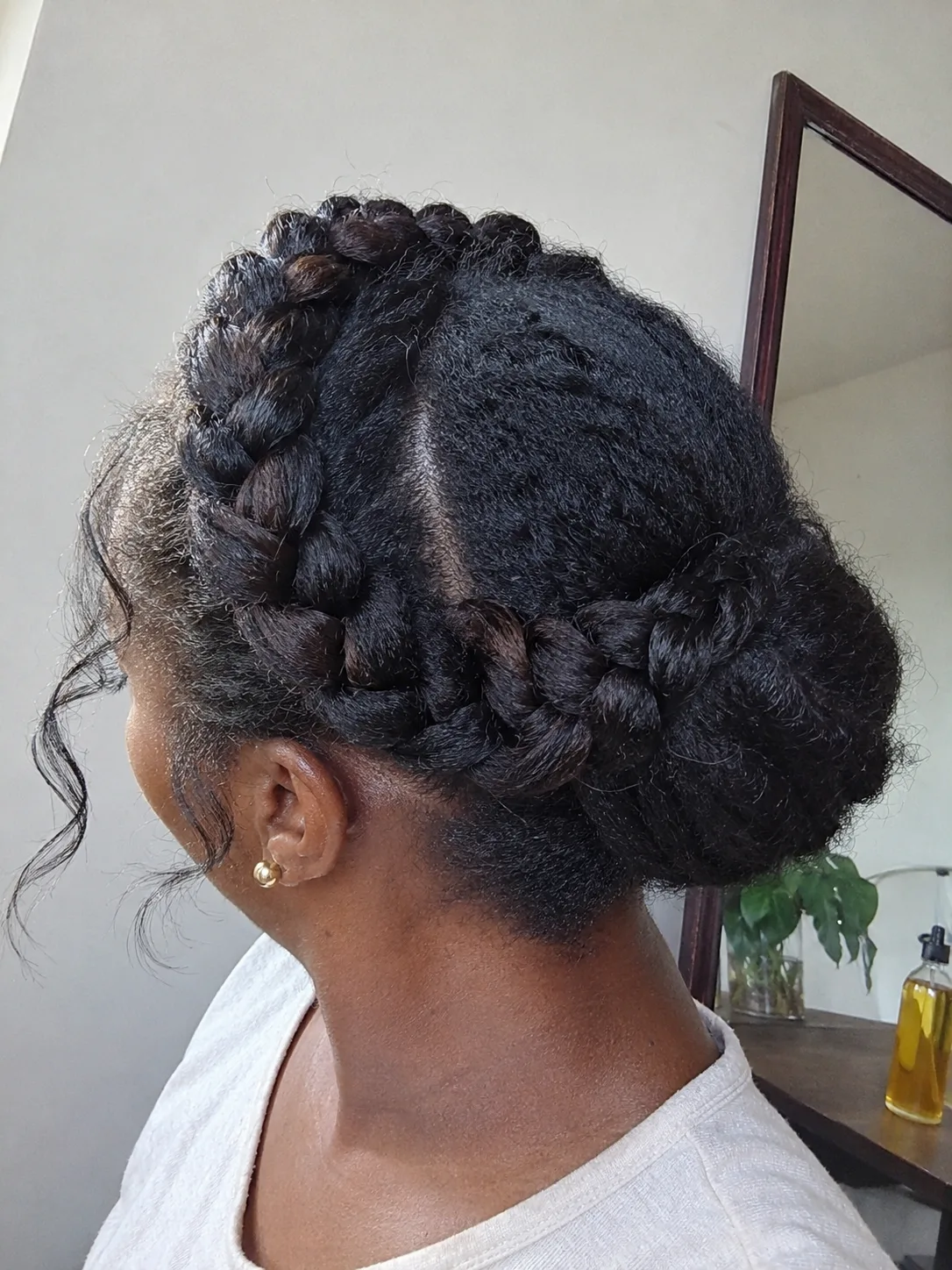
Compared with a twisted half-up style, a braided halo creates more visible structure across the back of the head. Braids from the sides travel toward the center and connect above the loose lengths.
The style earns its place when the back view matters. Think open-back gowns, ceremony photographs, or occasions where guests will see the hairstyle from several angles.
Long hair below the braid can stay straight, wavy, curly, or coily. That styling state changes the mood significantly: smooth waves feel traditionally formal, while defined natural texture gives the design more volume and contrast.
Keep the halo proportional. An oversized braid combined with very full loose lengths can make the hairstyle visually crowded.
Half-Up Crown With Soft Volume
Here, the emphasis shifts away from braiding or knotting and toward shape at the crown. The upper section is gently lifted and secured, while the lower length falls freely.
It’s particularly useful for hair that looks flat from the side when completely loose. The controlled crown gives the profile more dimension without turning the hairstyle into a full updo.
This construction also gives a veil, decorative comb, or barrette a logical placement at the transition between the lifted section and the loose hair.
Pinned-Back Curls
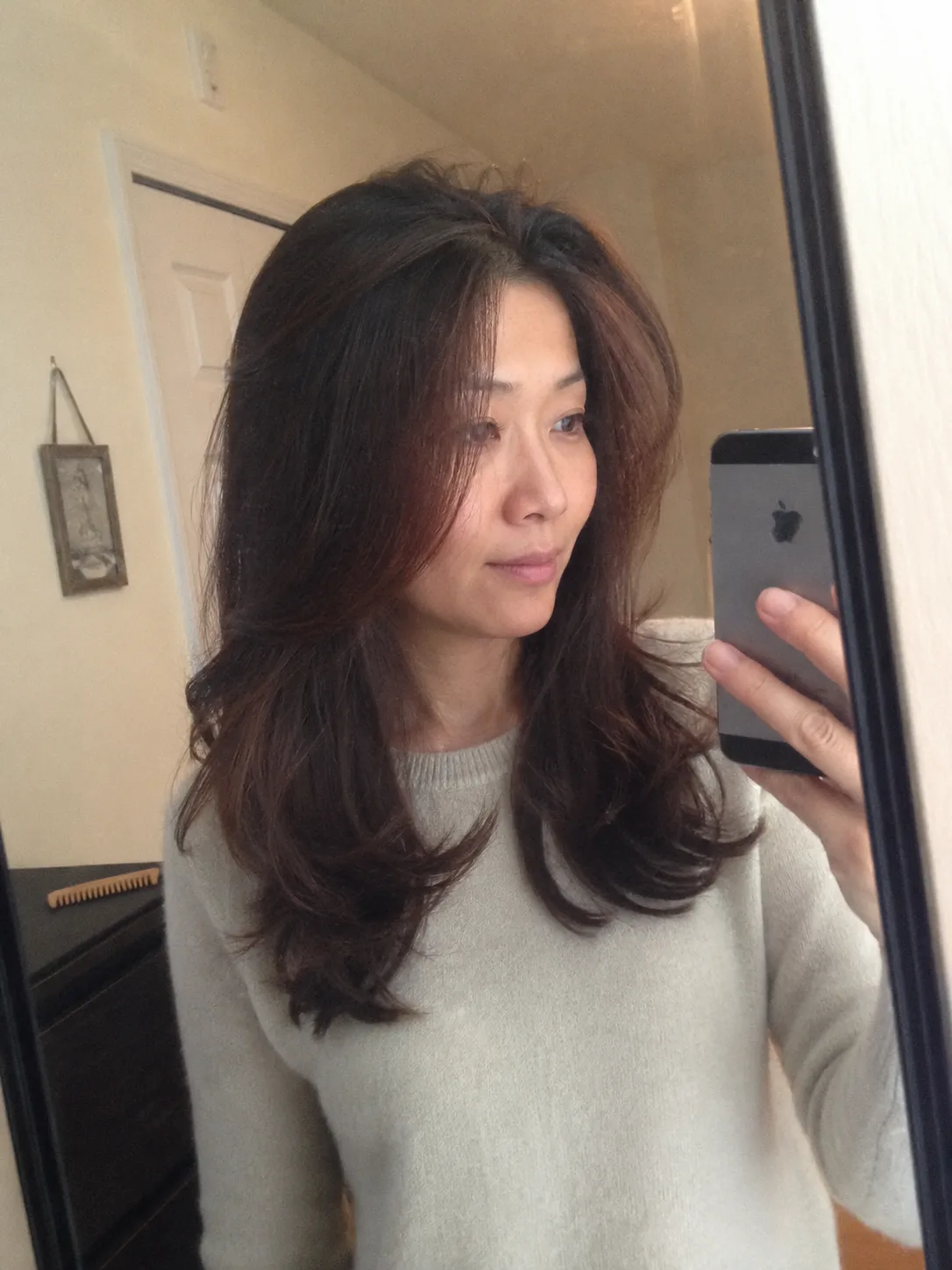
Pinned-back curls use less visible construction than a traditional half-up hairstyle. Small side sections are directed away from the face and secured discreetly while the rest of the curls stay loose.
That restraint is exactly why it works. The hairstyle keeps the softness of wearing your hair down but opens the face enough for earrings, makeup, or a detailed neckline to register clearly.
Long naturally curly or coily hair doesn’t need to be straightened first. The pinned areas can follow the existing curl pattern, with the final volume judged in the texture you actually plan to wear.
Formal Styles That Keep the Length Dramatic
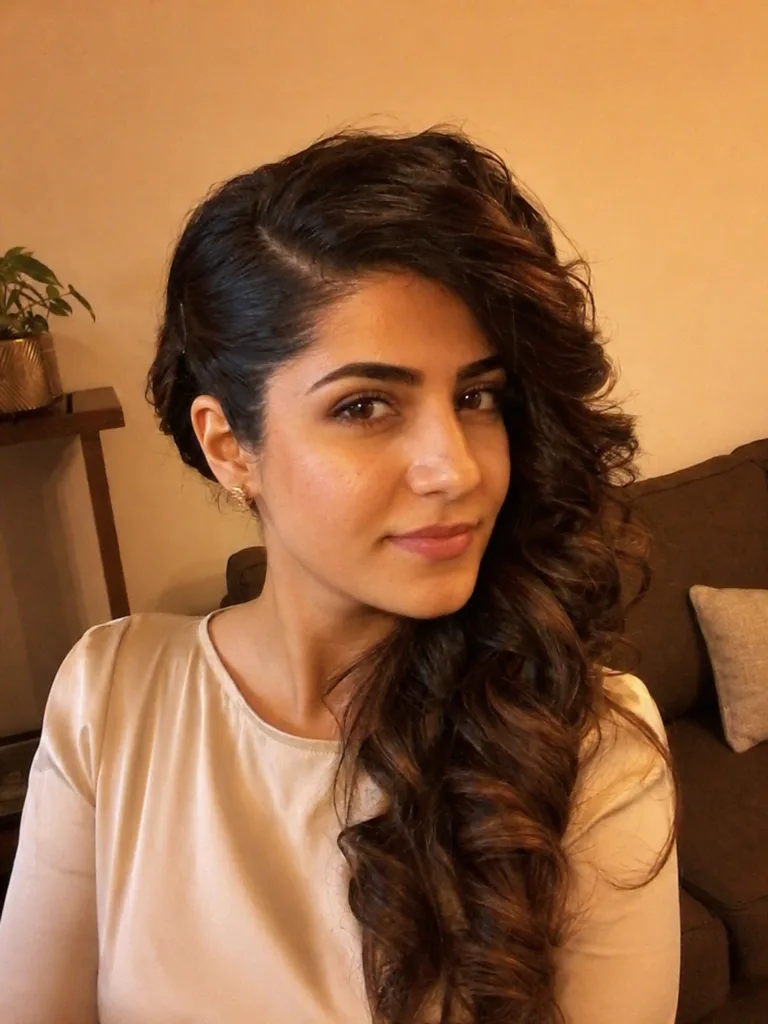
Side-Swept Glamour Waves
Moving the full length over one shoulder creates more drama than distributing waves evenly down the back. One side is kept relatively close to the head while the opposite side carries the volume.
The style pairs especially well with asymmetrical necklines because the hair can sit on the less detailed side of the outfit. It also gives long earrings or shoulder details room to show on the exposed side.
Very long hair needs enough control at the back to stop the entire mass from gradually migrating toward the center. Hidden pins can help maintain the direction without making the hairstyle look like an updo.
Structured Hollywood Waves
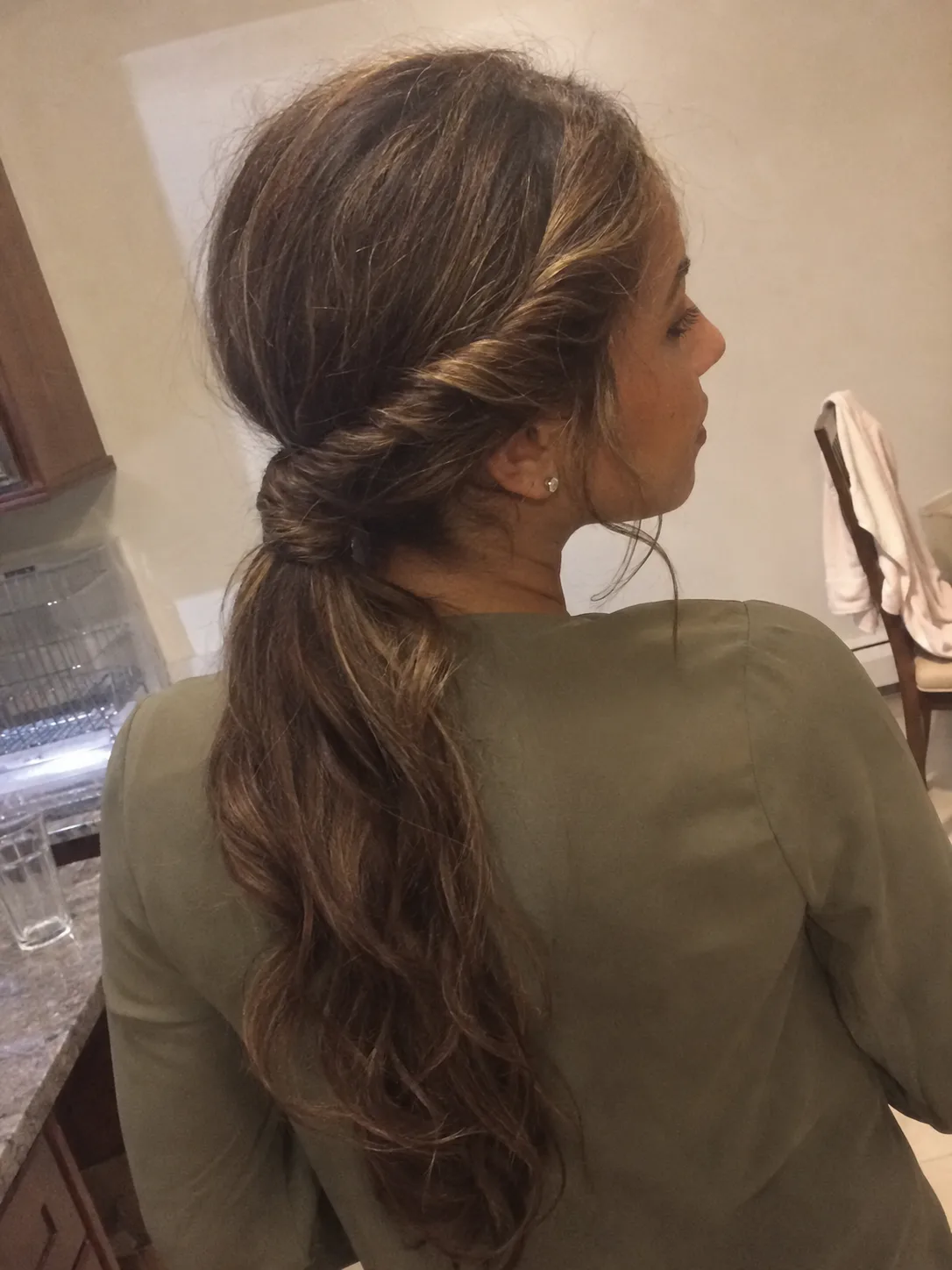
Hollywood-style waves are about repeated, deliberate bends through the length rather than loose individual curls. Their strength is the continuous pattern.
This option is more styling-dependent than many reference photos suggest. The sections need to align so the ridges connect, and excessive movement can gradually soften that pattern. It’s therefore better suited to someone who values a sculpted finish over touchable, separated curls.
The payoff is substantial on long hair because there is enough length for the wave rhythm to become a major part of the overall look.
Long Polished Blowout
Formal hair doesn’t have to involve pins, braids, or an elaborate updo. A carefully shaped blowout can be the stronger choice when the dress already has substantial embellishment.
The key is visible structure through the ends. Hair that simply hangs straight from root to tip can read everyday, while curved ends, controlled movement, and deliberate volume give long hair a more finished shape.
This approach leaves the full haircut visible, including layers around the face and through the perimeter. It also avoids the change in scalp tension that comes with tightly anchored formal styles.
Sleek Straight Length
Long, straight hair can look strikingly formal when the surface is smooth and the perimeter looks strong. The simplicity makes condition and cutting more visible, which is both its advantage and its limitation.
Transparent or heavily weathered ends stand out more in this style than they would inside a textured updo. A pre-event trim may be worth discussing when the ends are affecting the line, but there’s no need to cut healthy length just to follow a fixed schedule.
A sleek finish also places the focus on the hair’s shine, movement, and edge rather than accessories. With a highly detailed gown, that restraint can be exactly what the outfit needs.
Ponytails and Braids With a Dressier Construction
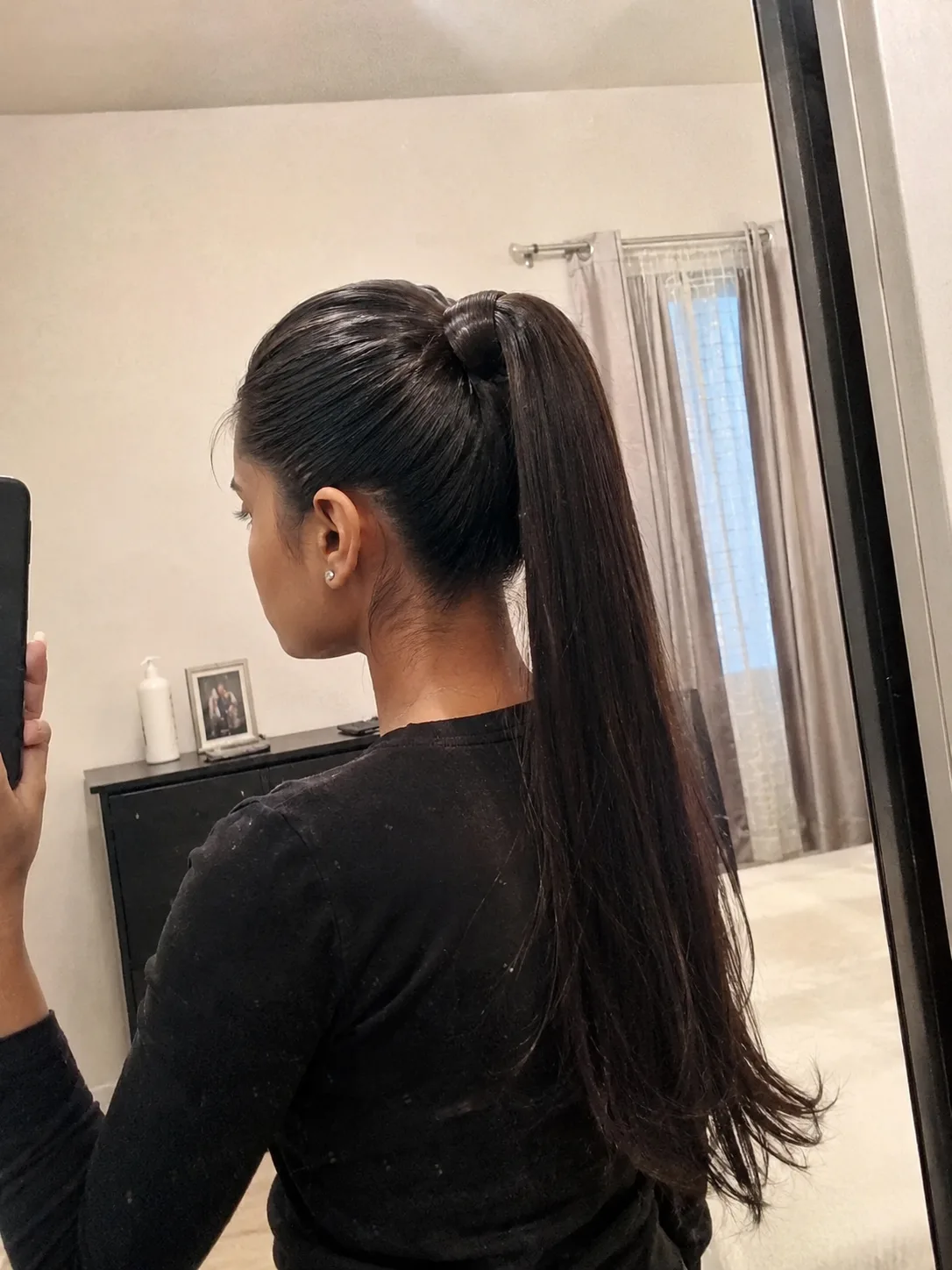
Low Wrapped Ponytail
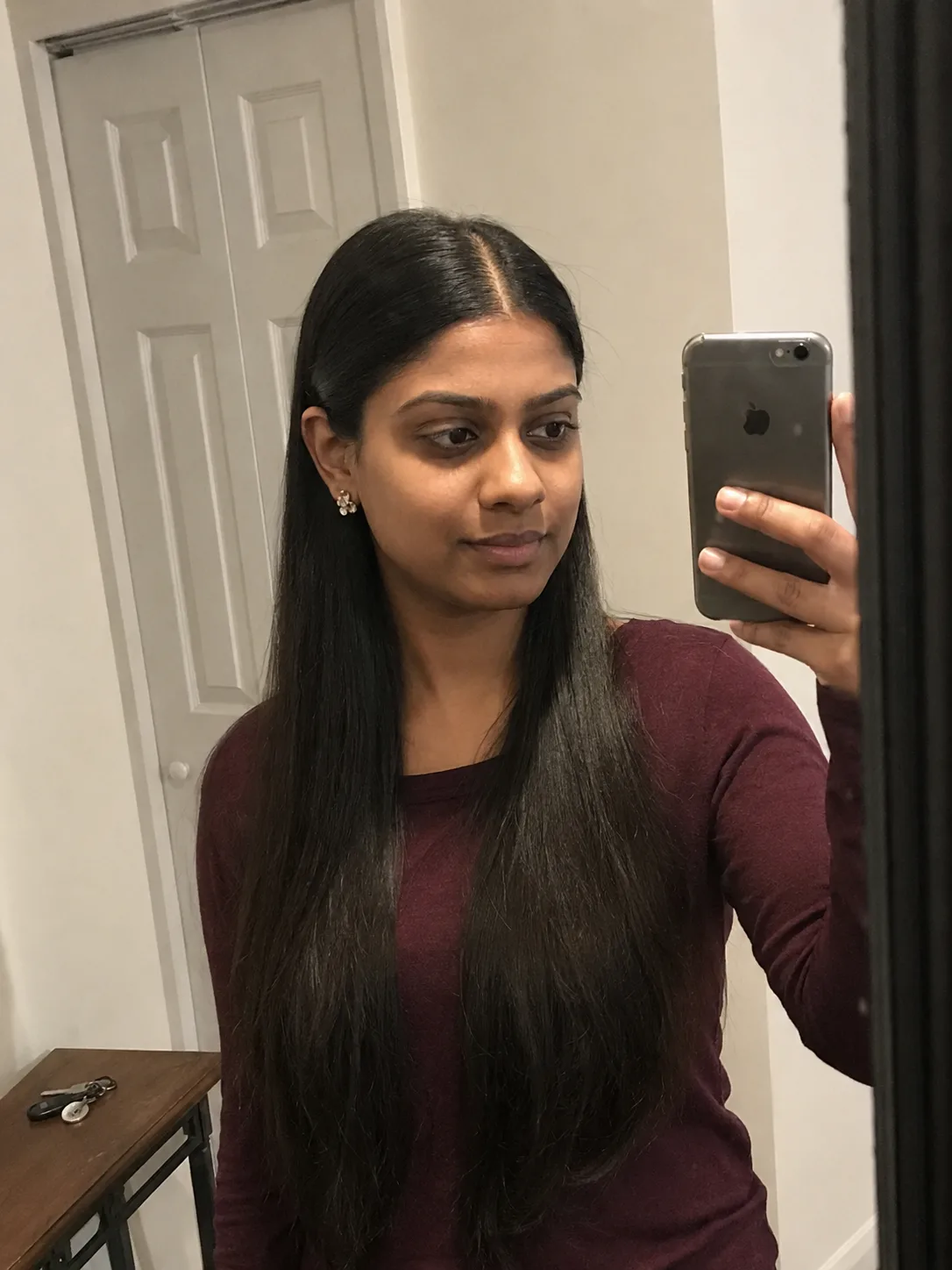
A low ponytail becomes formal when the base, surface, and tail are treated as one deliberate shape. Wrapping a section of hair around the elastic hides the most casual part of the construction, while the tail can remain smooth, waved, curled, or naturally textured.
This style is easier to wear against a headrest than a large central bun and still keeps most of the length visible. It also works with several dress styles because the tail sits below the main neckline rather than spreading across the shoulders.
Long hair gives the ponytail drama without requiring a high anchor.
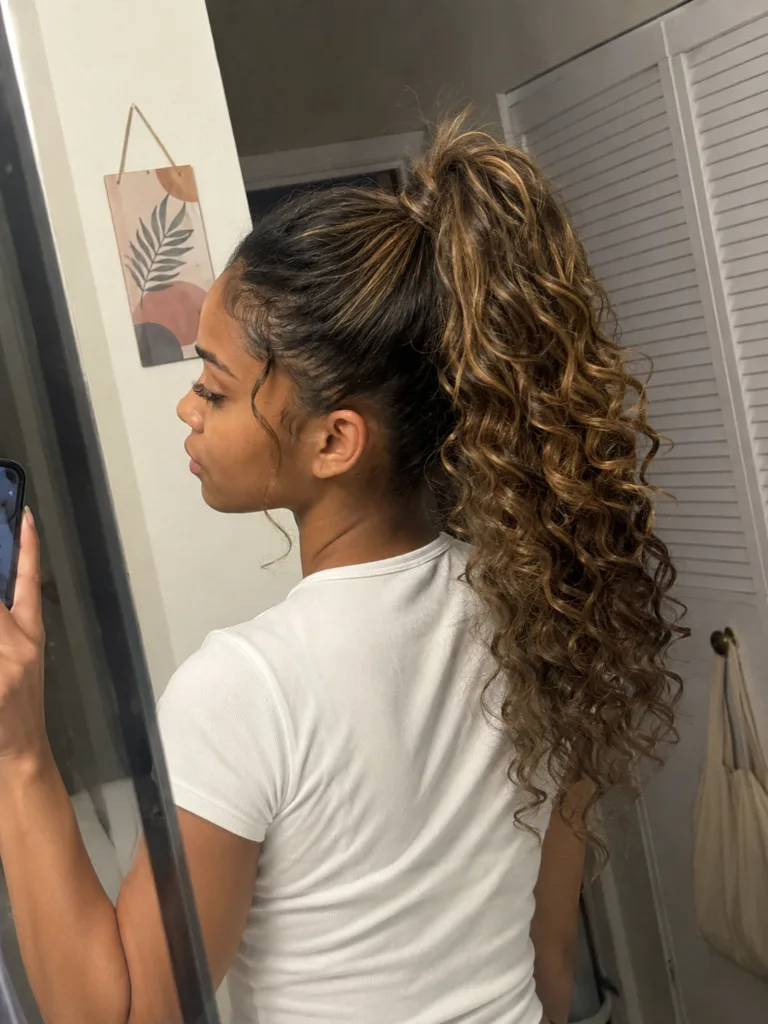
High Voluminous Ponytail
The high ponytail is the more energetic counterpart to the low wrapped version. It exposes the neck and lets the length move freely behind you, making it particularly effective for dancing or an outfit with a strong shoulder line.
Long hair makes the height feel dramatic, but the base carries more movement as the tail swings. A secure anchor matters more than adding endless pins after the ponytail starts slipping.
The tail itself can be curled, waved, or worn in natural texture. Keeping some fullness through the lengths usually balances the elevated base better than flattening everything into one narrow line.
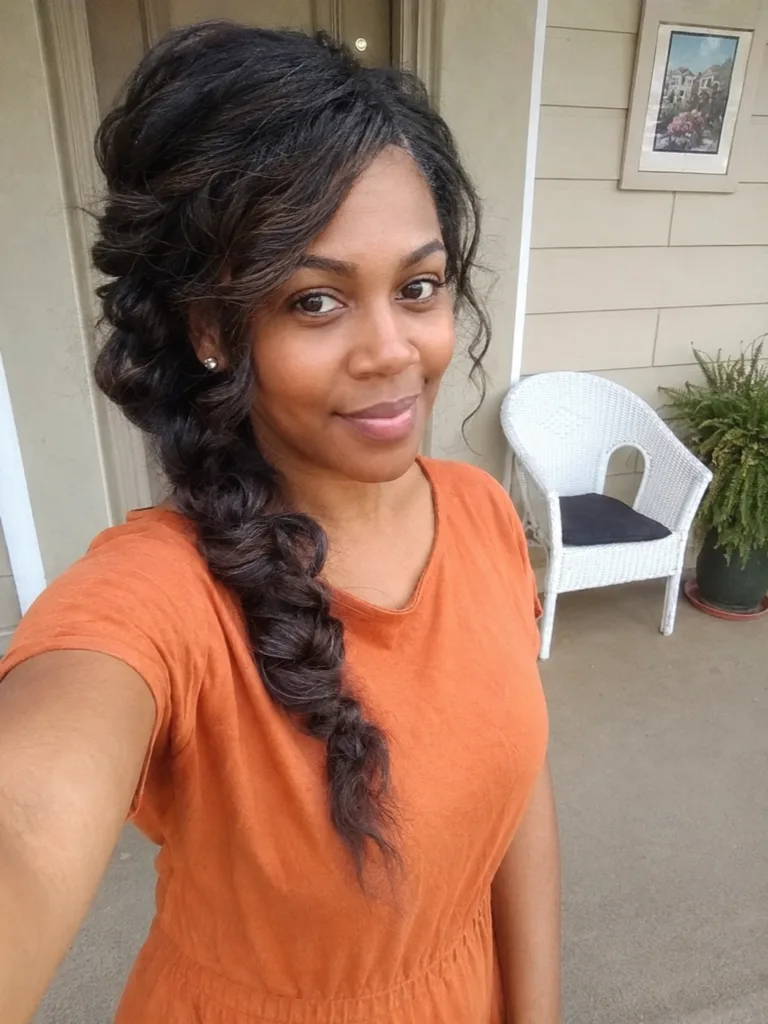
Loose Fishtail Side Braid
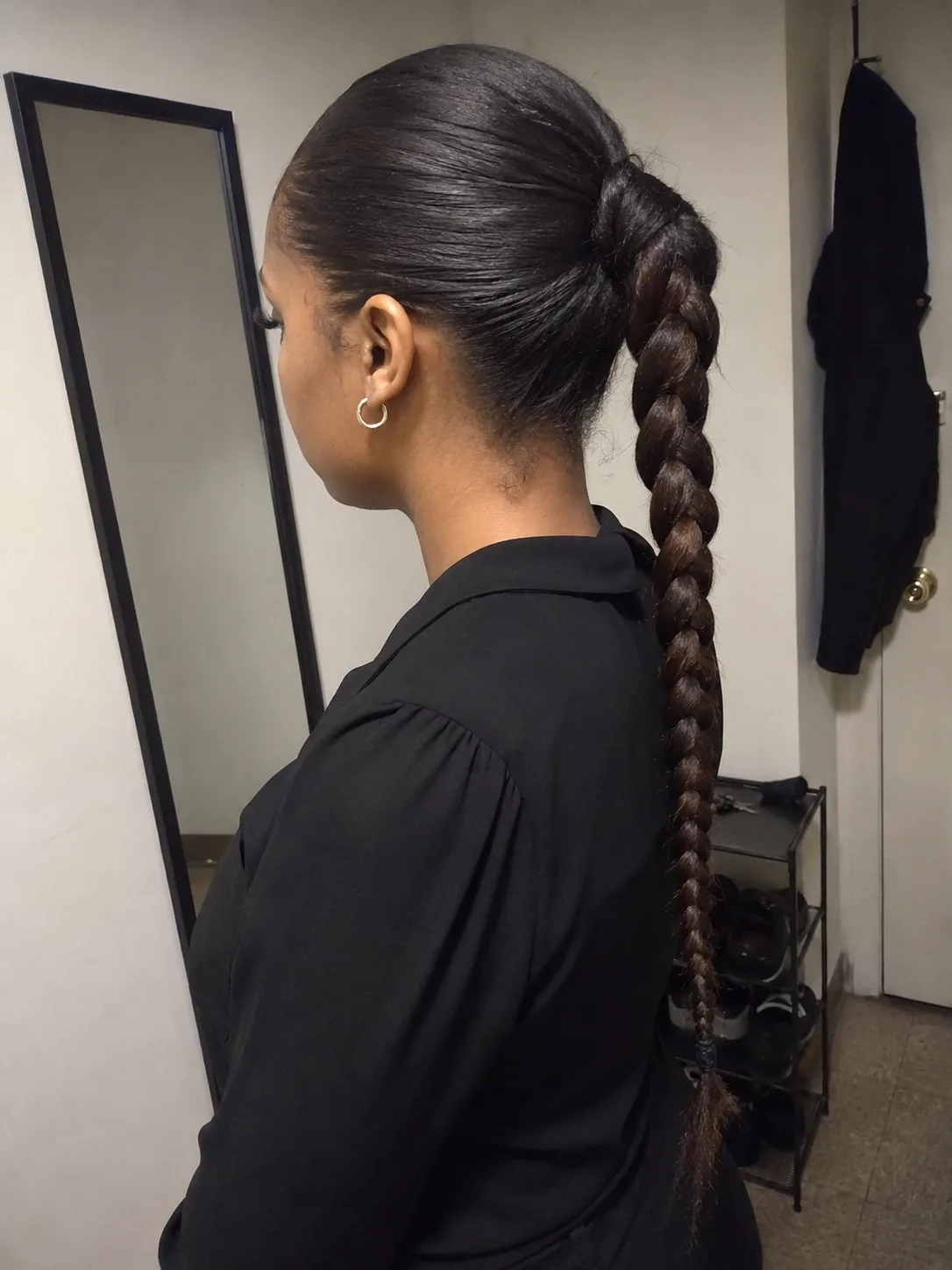
A fishtail braid offers intricate surface detail without enclosing the hair in a bun. Bringing it over one shoulder keeps the braid visible from the front and turns the entire length into part of the design.
This works best when you want a softer formal effect rather than a sharply sculpted finish. The braid can stay neat through the upper section and become slightly fuller toward the lower lengths.
Very long hair is especially suited to the style because the pattern has enough distance to develop. The braid should still move comfortably rather than being tightened purely to make the design look smaller.
Segmented Bubble Ponytail
A bubble ponytail gives long hair a contemporary formal shape through repeated sections instead of curls or braiding. The ponytail is secured at intervals, and each segment is expanded to form a rounded shape.
It’s the strongest choice in this list for someone who wants the length to look graphic and modern. A smooth base keeps the segmented tail from becoming visually busy.
The construction also works well on hair that doesn’t hold an elaborate curl pattern easily. The interest comes from the ponytail’s structure, so the style isn’t dependent on maintaining waves through the entire event.
What Formal-Hair Photos Often Hide
A hairstyle can look effortless in a still image while behaving very differently during an actual event. Long hair introduces more contact with clothing, chairs, veils, jewelry, and your own shoulders.
Formal styling should remain comfortable. Pins shouldn’t scrape the scalp, and an anchored hairstyle shouldn’t require painful tightness to stay in place. Sudden pain, persistent irritation, sores, or a concerning change in hair density deserve more attention than preserving a hairstyle for the evening.
Match the Hairstyle to the Dress, Not Just Your Hair Length
A formal hairstyle looks more coherent when it solves a visual problem created by the outfit.
High necklines already occupy a lot of space around the neck, making contained updos and vertical French twists especially useful. Strapless and off-the-shoulder dresses leave more room for cascading hair, although lifting the hair can make the neckline look even cleaner. An open back invites either a completely lifted hairstyle or a deliberate cascade positioned to one side.
Embellishment changes the calculation too. Long loose curls can catch against beading, sequins, textured lace, or decorative shoulder details. A low ponytail or updo reduces that contact.
Jewelry deserves the same consideration. Large earrings can disappear behind dense side volume. Pinned-back curls, a sleek ponytail, or a bun lets them become part of the overall look instead of competing with the hair.
Formal Styling for Different Textures and Densities
Long hair describes length, not one hair type. A style that creates a compact bun on fine, lower-density hair may produce a much larger shape on dense curls or coils.
Fine strands can still be high density, and coarse strands can still be low density. Those distinctions affect how much physical material goes into an updo and how easily the scalp becomes visible around tightly gathered areas.
Natural curls and coils can remain curly or coily in formal styles. Pinned curls, textured buns, half-up designs, braided crowns, and ponytails can all be built around the texture you normally wear. Shrinkage changes the visible length and the apparent size of loose sections, so judge the hairstyle after the hair reaches its intended styling state.
Long straight or wavy hair often benefits from a clear perimeter or visible movement through the ends. Heavy internal layering changes how much hair remains available for braids and compact updos, while shorter face-framing pieces affect how smoothly the sides can be gathered.
Planning a Trial or Salon Appointment
Bring photographs that show more than one angle. A front-facing image tells you surprisingly little about where a formal hairstyle is actually anchored.
Look for a front view, side profile, and clear photograph of the back construction. Then identify the part you care about most: crown height, visible braid detail, loose length, a clean neckline, or softness around the face.
Also bring the accessories that interact with the hair whenever possible. A veil comb, headband, decorative pins, earrings, or a dress with a high collar can change where the hairstyle needs to sit.
A useful consultation should establish:
Whether the hair will be worn in its natural, stretched, pressed, curled, or another intended styling state
Where the main anchor or bun will sit
How much length you want visible
Whether the hairstyle must accommodate a veil or headpiece
Which areas need to stay soft around the face
Whether sitting, dancing, or frequent movement changes the most practical construction
The strongest reference image is the one whose construction works with your hair and event, not simply the one with the most dramatic finish.
Keeping Long Formal Hair Looking Good Through the Event
Start with the construction. A hairstyle that depends on uncomfortable tightness or endless surface smoothing is already asking too much.
Bobby pins should support the internal shape rather than being scattered over the hairstyle after it starts moving. Fabric-covered elastics are useful where a ponytail needs a reliable anchor. Decorative pins should usually function as decoration unless they were intentionally incorporated into the structure.
Loose styles need a different kind of maintenance. Avoid repeatedly running your fingers through formal waves or curls, especially after the pattern has been arranged. Pay attention to where long hair falls when you put on a coat, sit against a chair, or fasten a shoulder bag.
For an updo, bring a few compatible pins for small adjustments. For a ponytail, check that the wrapped base remains secure. With long loose hair, a small amount of frizz or movement during the evening can look more natural than repeatedly brushing and rebuilding the entire finish.
Related Hairstyles to Explore
- Formal hairstyles for long hair
- Formal hairstyles for long hair half up
- Prom hairstyles for long hair
- Beach hairstyles for long hair
FAQs
What is the most elegant hairstyle for very long hair?
A low chignon is the most versatile starting point because it contains the length, exposes the neckline, and works with a wide range of formal outfits. A French twist is stronger when you want a narrower vertical shape, while a sleek low ponytail keeps more of the length visible.
Can I wear my long hair completely down to a formal event?
Yes. Structured waves, a shaped blowout, sleek straight hair, and side-swept lengths can all look formal. Hair-down styles work particularly well when the haircut and ends contribute to the finished shape and the dress fabric won’t repeatedly catch the lengths.
Which formal hairstyles work well for naturally curly or coily long hair?
Textured buns, pinned-back curls, half-up styles, braided crown updos, and ponytails all adapt well to curls and coils. Plan the shape in the texture you intend to wear so shrinkage, volume, and curl grouping are accounted for from the beginning.
Should I use extensions for a formal hairstyle?
Only when they serve a clear purpose, such as adding visible length or fullness to a ponytail or braid. Long natural hair may already provide enough material. Any added hair changes the weight and attachment requirements, so more volume isn’t automatically an improvement.
How can I make a formal hairstyle feel secure without making it painfully tight?
Build support into the internal construction. A stable ponytail anchor, crossed bobby pins inside an updo, and well-placed sections provide more useful hold than pulling every area tighter. Normal head movement shouldn’t create pain or persistent pulling.
What formal hairstyle is easiest to wear while sitting for a long event?
A low wrapped ponytail or a hairstyle positioned away from the exact point where your head meets the chair is usually easier than a bulky bun centered against the back of the head. Test the placement while seated before the hairstyle is fully finished.
Hair Texture & Upkeep Style Matcher
Select your natural hair texture and daily maintenance window to get an instant styling formula and heat safety cap.
Heat Cap: 320°F (160°C)
A versatile three-strand braid beginning at the parietal ridge, securing the top half while allowing natural wave texture to flow freely around the shoulders.
Conclusion
Elegant formal hairstyles for long hair work best when the construction supports the event instead of fighting it. Decide first whether you want your length displayed, partially controlled, or completely lifted. That choice immediately narrows the field.
A chignon or French twist gives the cleanest neckline. Half-up styles preserve movement without leaving every section loose. Ponytails create drama while keeping the hair contained, and well-shaped waves make sense when the length itself is part of the outfit.
Before committing, look beyond the front of the reference photo. Check the back construction, the position of the anchor, the dress neckline, jewelry, accessories, and how the hairstyle feels when you actually move and sit. The most successful formal style is usually the one that still makes sense once the photograph ends.
Editorial Standards & Hair Health Guidance
Every style featured on Tress Atlas is curated with a focus on real-world wearability, scalp tension management, and cuticle preservation. When trying protective styles or tight updos, ensure perimeter hairline sections remain tension-free to avoid traction stress on delicate follicles. For heat styling, cap tools below 350°F (180°C) to prevent thermal keratin denaturation.
Scientific Sourcing: Practices aligned with the American Academy of Dermatology (AAD) on traction alopecia risk reduction and cosmetic trichology research on hair tensile strength.