Middle Ages Hairstyles: What Changed by Era, Status, and Headwear
Middle Ages hairstyles make more sense once you stop looking for one definitive “medieval” look. European medieval history spans roughly a thousand years, from about AD 500 to 1500, and fashions changed across that enormous stretch of time. A hairstyle suitable for a thirteenth-century woman in northern Europe could look noticeably different from fashionable court hair in fifteenth-century Burgundy. (Getty)
Headwear complicates the picture further. Much of the hair in surviving medieval imagery is partly or completely hidden beneath veils, linen bands, caps, nets, structured headdresses, hats, or religious coverings. By the late Middle Ages, the structure placed over the hair could create more visual impact than the visible hairstyle underneath it. Portraits of fifteenth-century women show hair drawn tightly away from the face beneath elaborate coverings, while fashionable men could wear draped chaperons that almost completely changed the outline of the head. (The Metropolitan Museum of Art)
For a convincing medieval hairstyle today, therefore, start with a specific century, region, and social setting. Then decide how much hair should actually remain visible. That approach produces a much stronger result than combining loose fantasy curls, Viking-inspired braids, and a fifteenth-century princess headdress into one generic medieval look.
There Was No Single Medieval Hairstyle
Hair in medieval Europe could communicate much more than fashion. Depending on the place and period, its arrangement could relate to social position, adulthood, religious identity, court fashion, or ideas about modesty. Scholarly work on medieval hair describes it as a marker that could carry social, religious, and cultural meaning rather than functioning simply as decoration. Tonsure, for example, became a distinctive marker of clerical status. (Internet Archaeology)
The surviving visual record also needs to be read carefully. Manuscripts and paintings aren’t equivalent to modern street photography. Medieval artists depicted saints, aristocrats, biblical characters, patrons, workers, and allegorical figures for specific purposes. The British Library’s holdings include illustrated manuscripts from many different periods and European regions, while the Getty’s medieval portraiture collection demonstrates how manuscript images represented both power and piety. (British Library)
That makes exact recreation a research decision. A hairstyle shown on a wealthy Burgundian woman in the 1470s shouldn’t automatically be treated as everyday hair for a rural woman two centuries earlier.
A broad timeline is still useful:
Treat those categories as starting points rather than rigid rules. Italy, England, France, Burgundy, the German-speaking regions, Iberia, Scandinavia, and Byzantine territories did not follow one synchronized fashion calendar.
Women’s Middle Ages Hairstyles: The Hair Beneath the Headdress
Long Hair Worn Loose
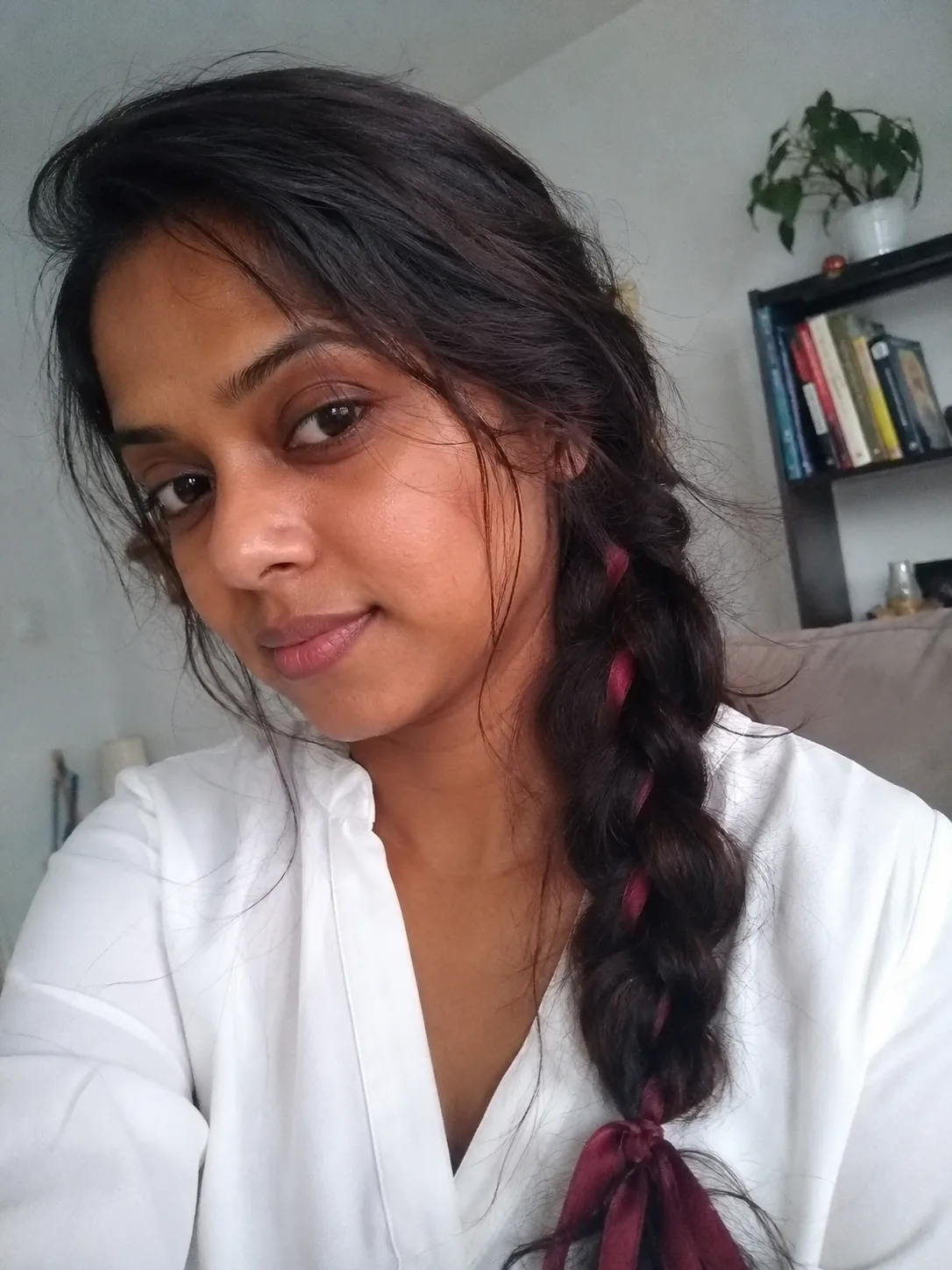
Long loose hair certainly appears in medieval imagery, but it needs context. It can appear on young women, saints, allegorical or biblical figures, and women represented in particular ceremonial or symbolic situations. A loose waist-length style shouldn’t therefore become the automatic everyday medieval hairstyle.
For a modern interpretation, long hair with a relatively simple center part works better than contemporary beach waves if historical atmosphere matters. Natural wave or curl doesn’t need to be flattened; the important decision is whether your chosen reference actually shows exposed hair.
Loose hair is also one of the easiest medieval-inspired choices for fantasy events because it requires little construction. It becomes less convincing for strict historical recreation unless a period image from the chosen setting supports it.
Braided Hair
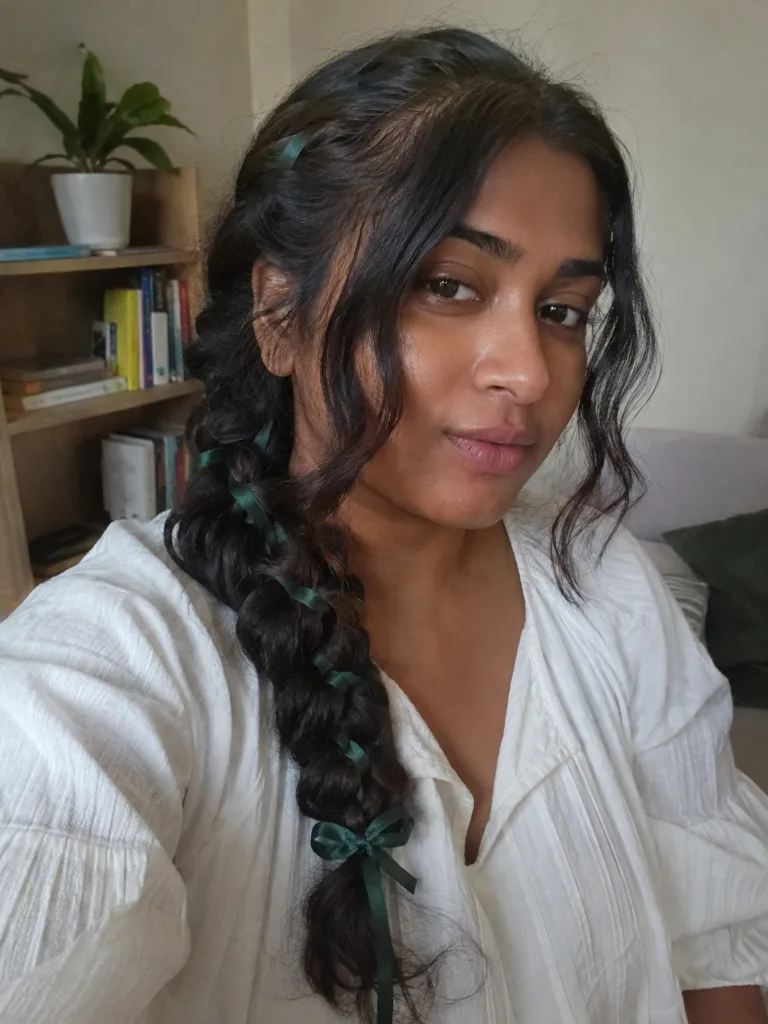
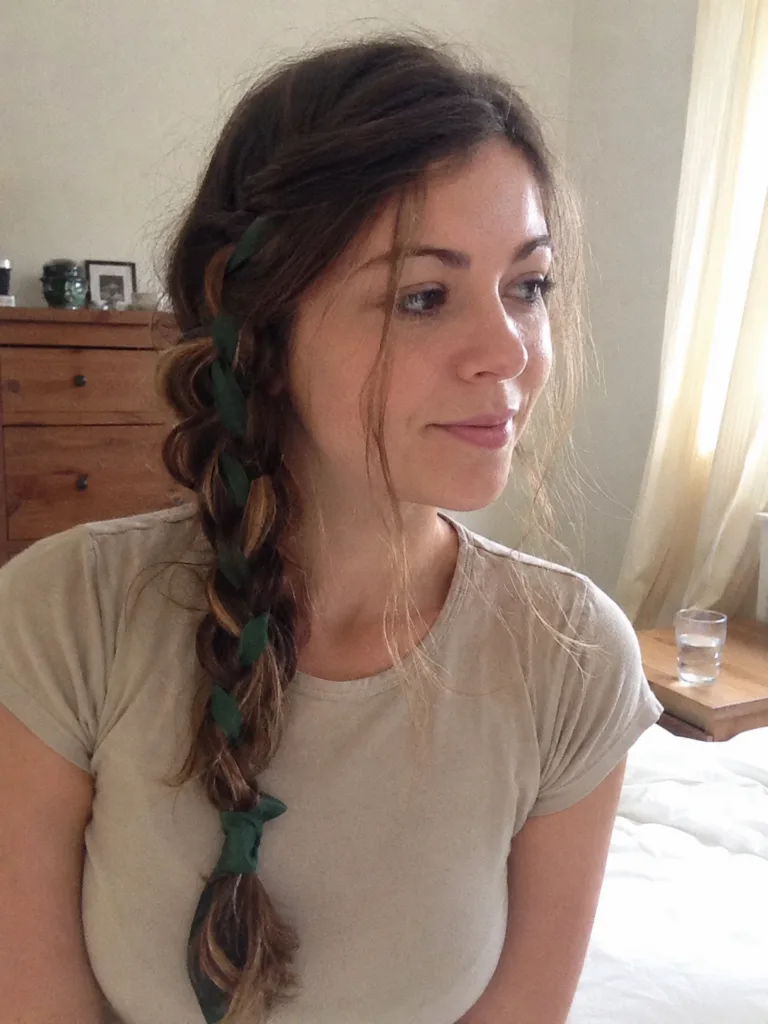
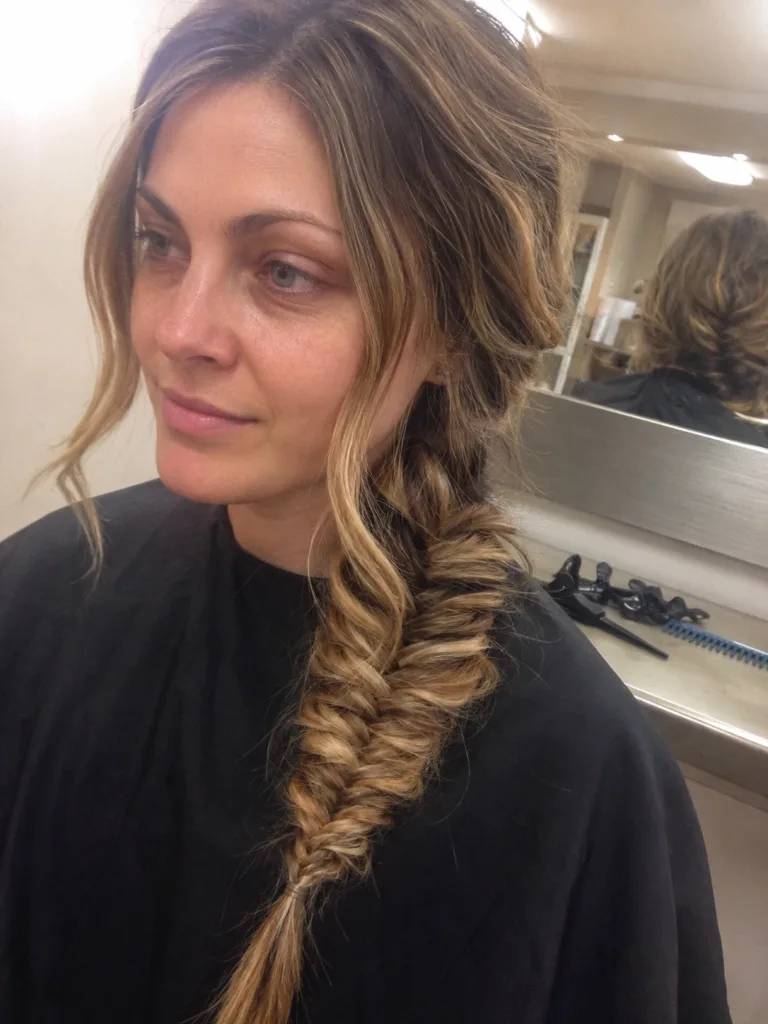
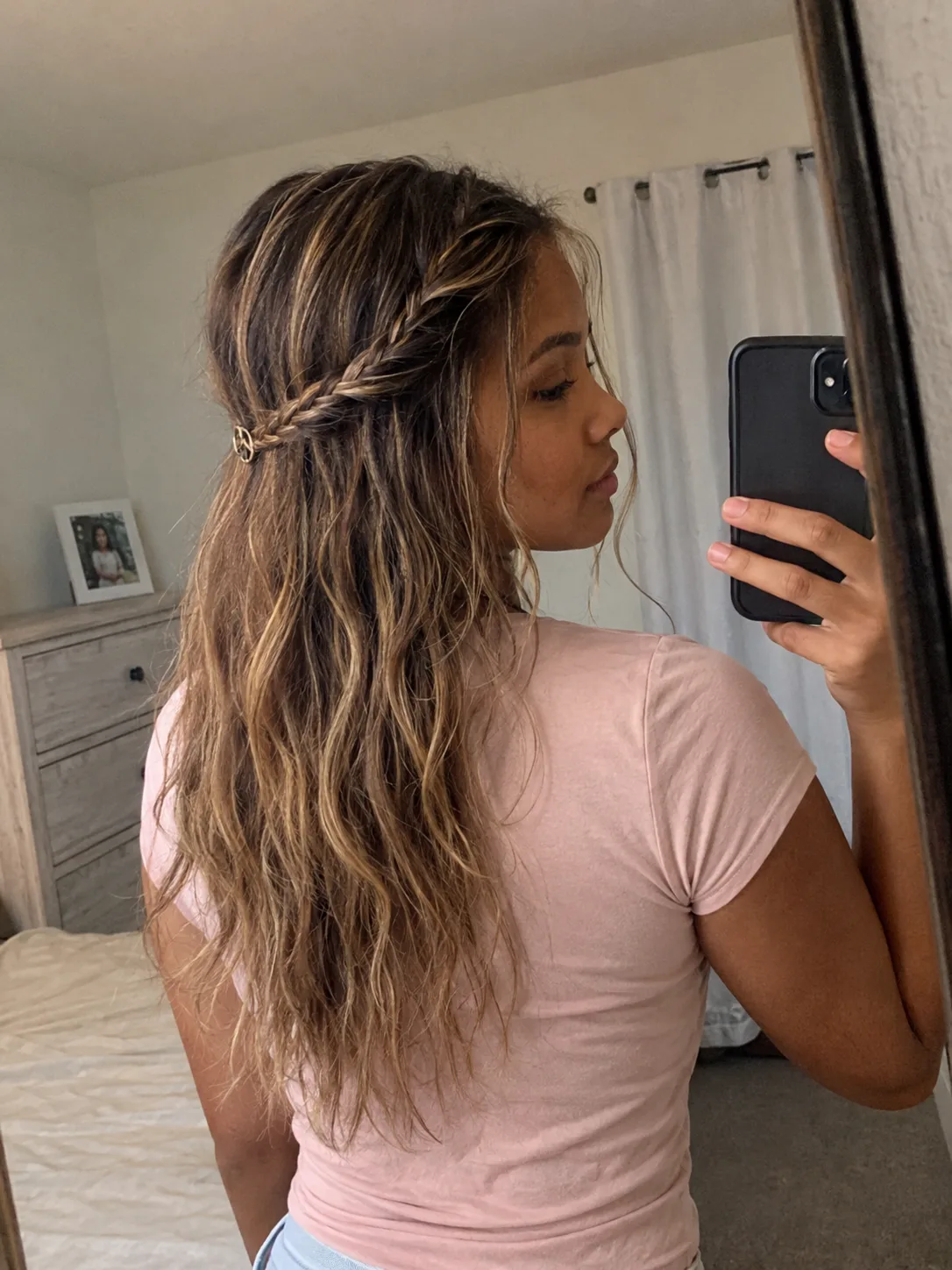
Braiding offers one of the most useful foundations for medieval hairstyling because long hair can be controlled without cutting it. Braids may hang, travel around the head, or disappear beneath another piece of headwear.
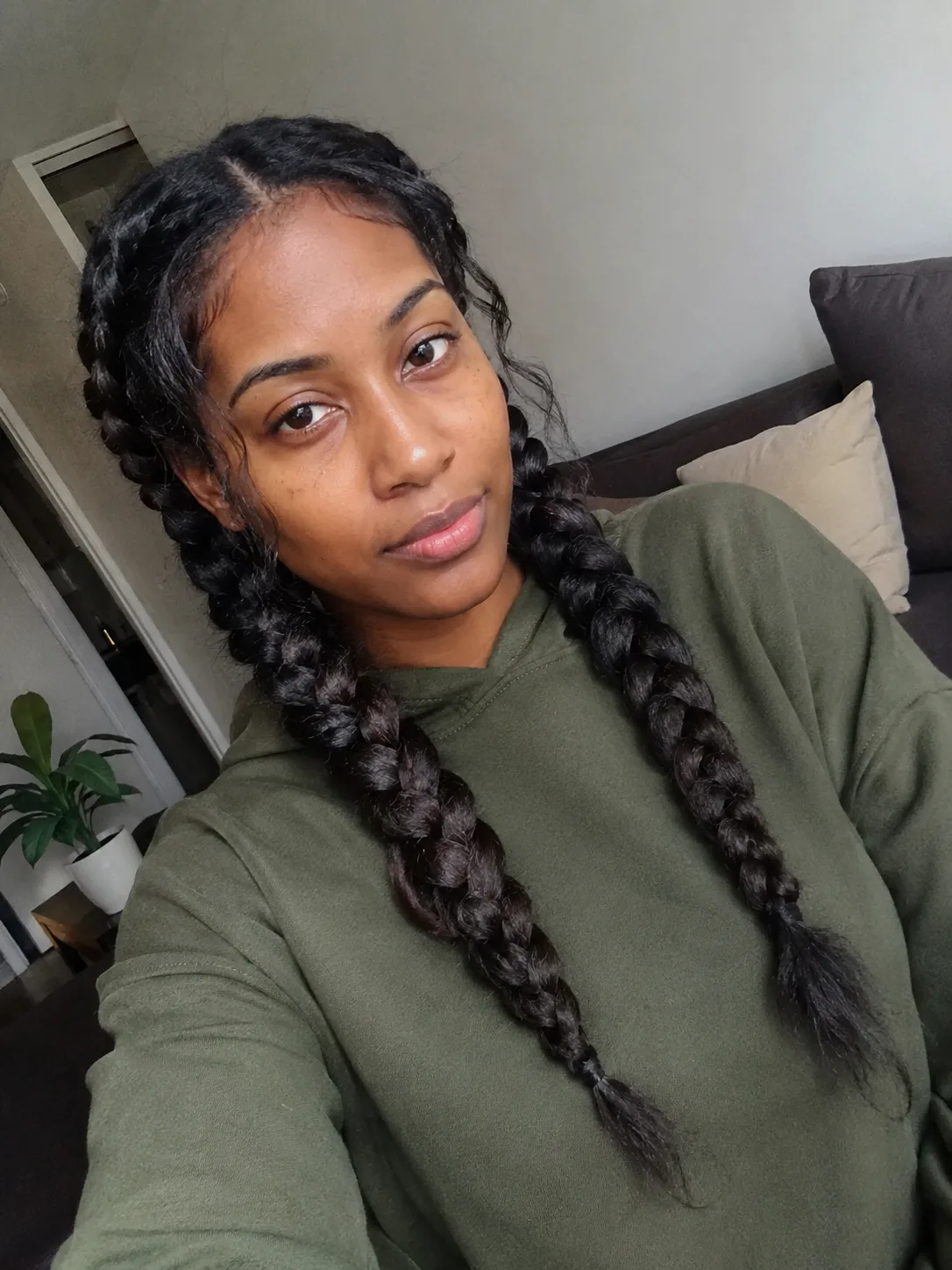
The visual effect differs sharply from the highly expanded fantasy braids often labeled medieval today. A historically grounded version usually benefits from simpler sectioning. Two braids started from a center part can be crossed behind the head, coiled near the ears, or pinned at the back before a veil or net is added.
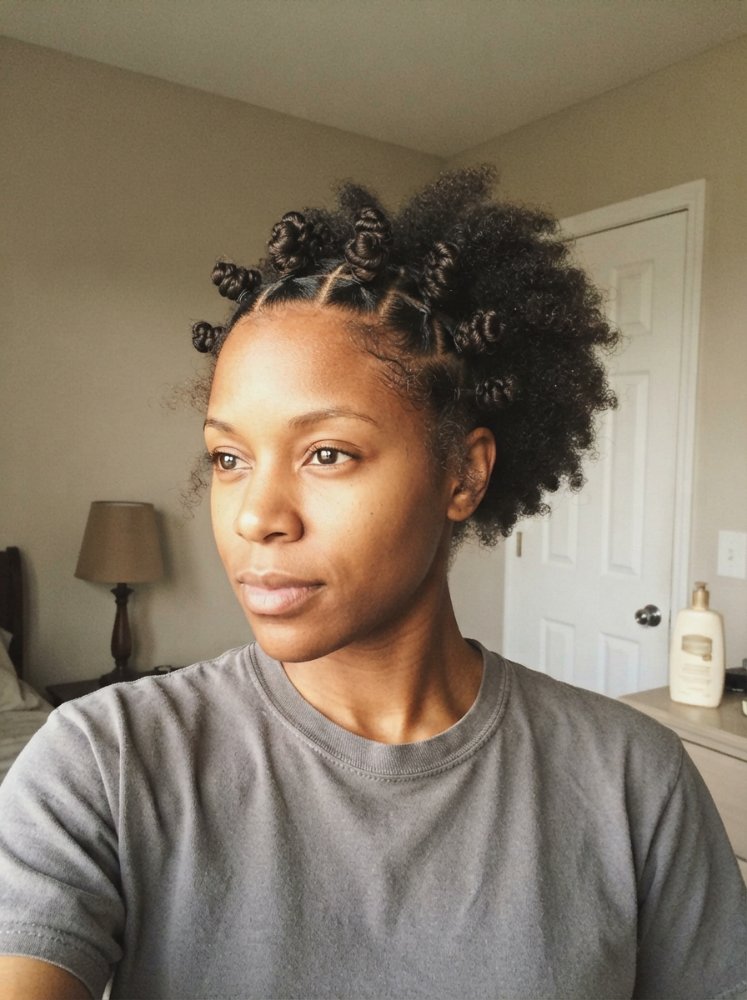
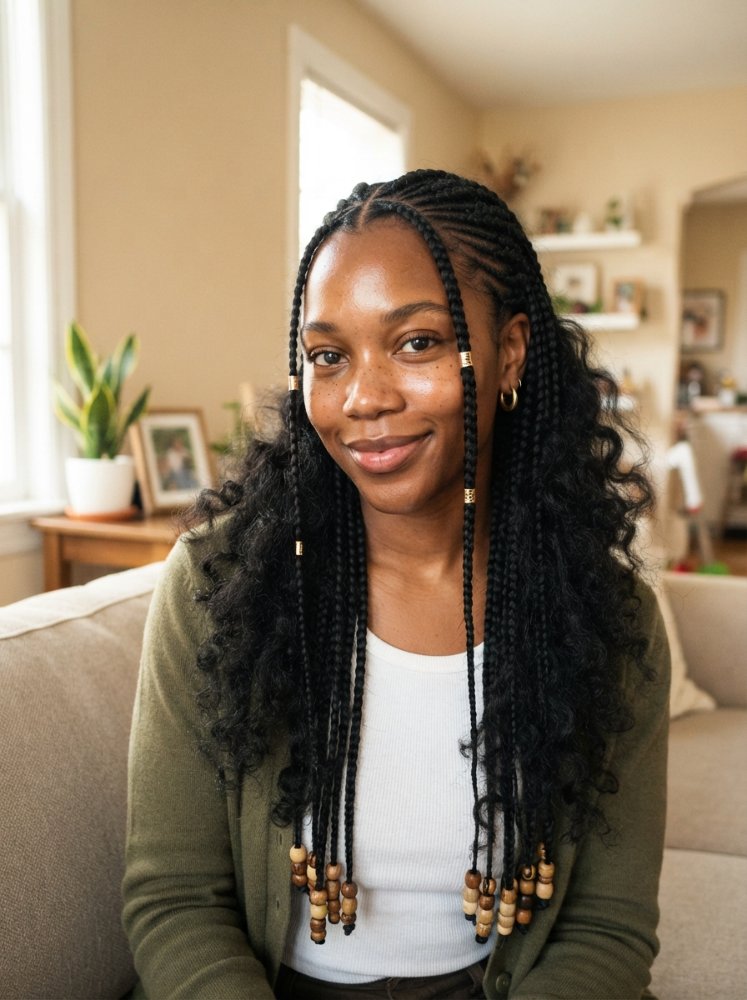
Texture changes the construction without disqualifying the style. Curly and coily hair can be braided in its natural, stretched, or another comfortably prepared state. The safest foundation is the one that lets the braid sit securely without unnecessary pulling at the hairline.
Braids and Coils at the Sides of the Head
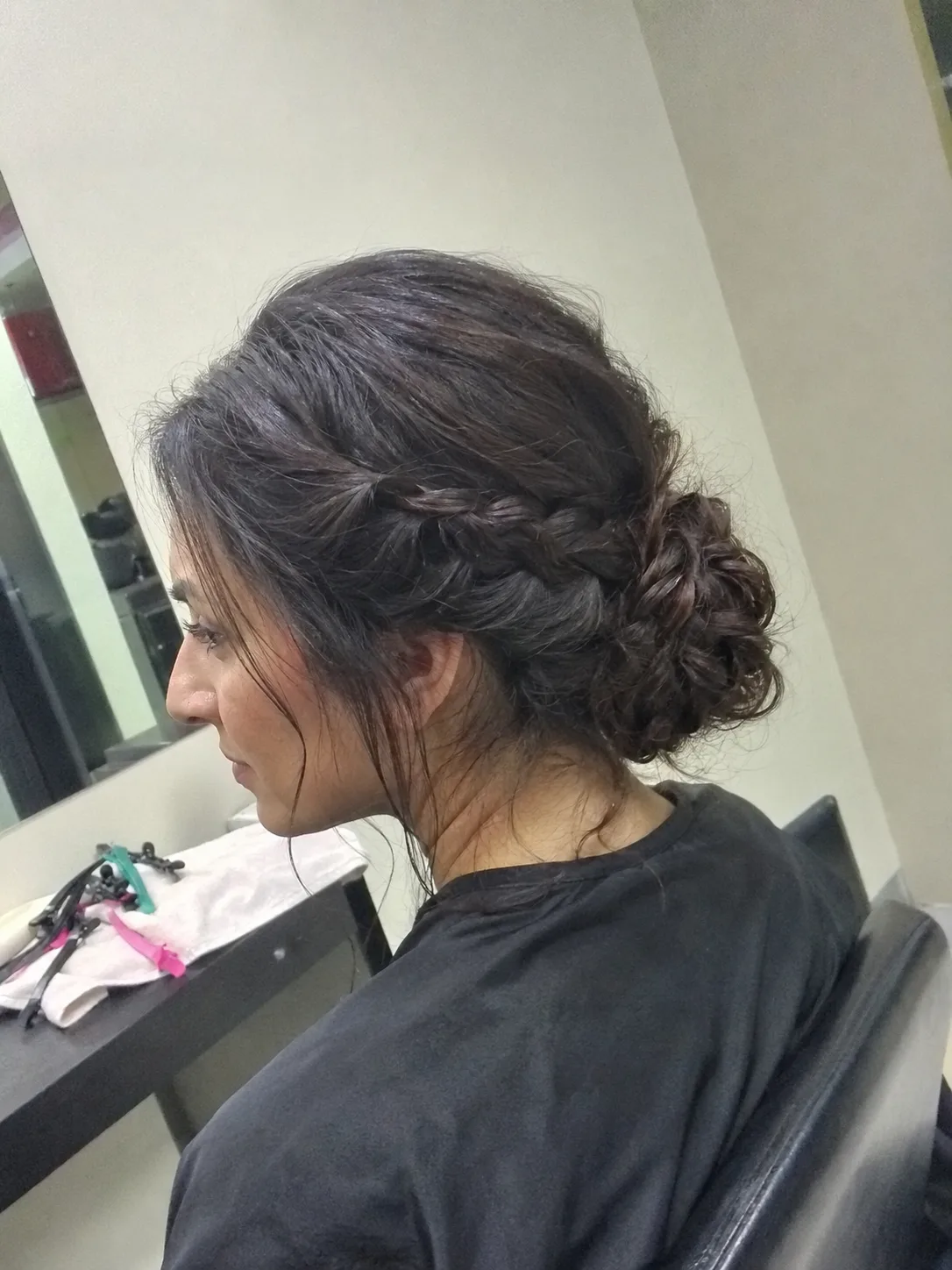
Side arrangements become particularly useful when recreating later medieval women’s fashion. Hair can be divided centrally, braided or twisted, and gathered toward the temples or sides before being enclosed by a net or structured covering.
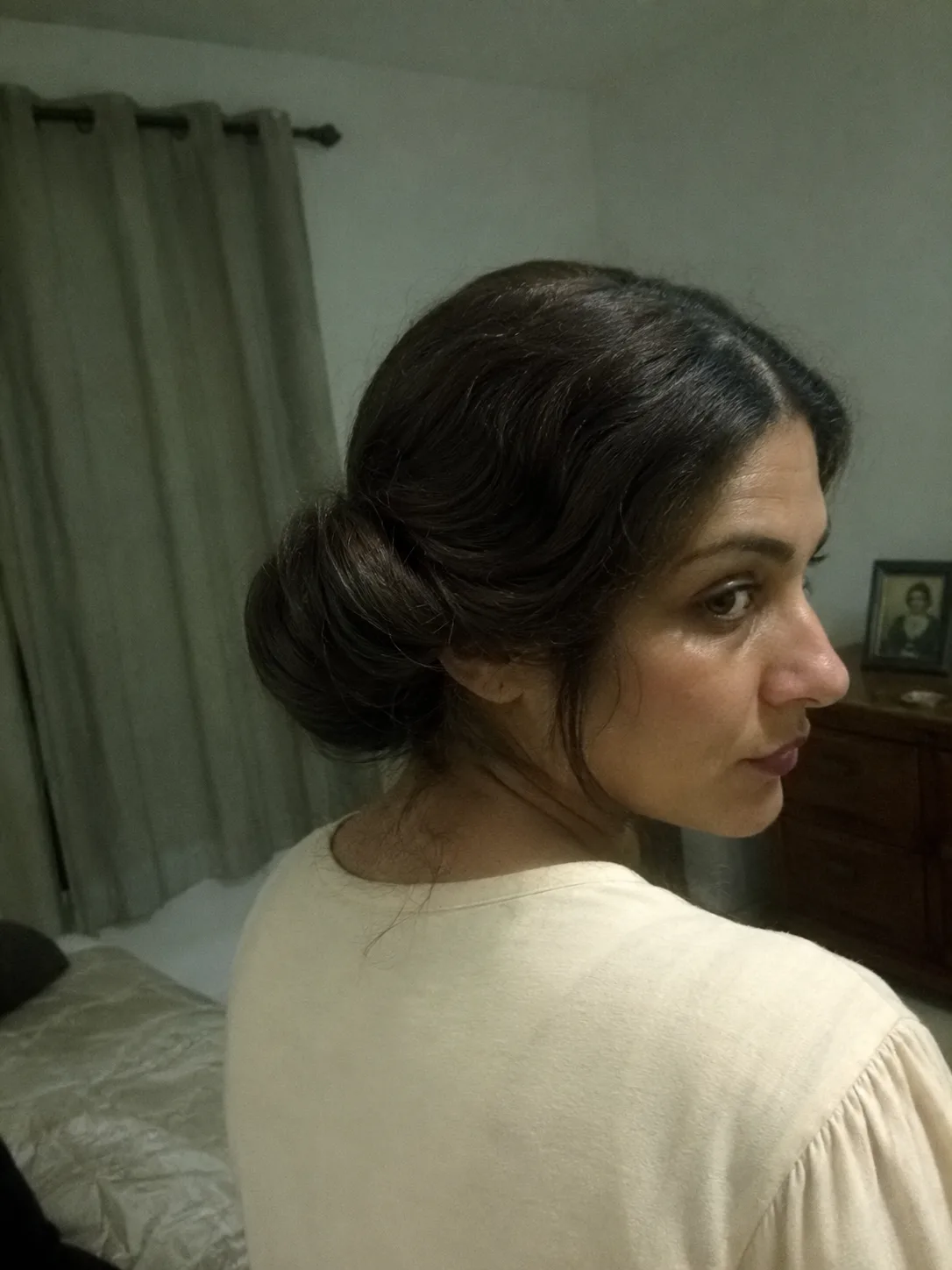
This construction changes the head shape dramatically. Instead of all the bulk sitting at the back like a modern low bun, some medieval fashions spread the hair laterally. Later cauls and related headdresses could accentuate that side volume.
Modern photographs sometimes make these styles look as though the decorative net itself creates all the width. Hair, padding, support structures, and the headdress can all contribute to the final form, so copying only the visible fabric may leave the recreation looking unusually flat.
Hair Under a Veil
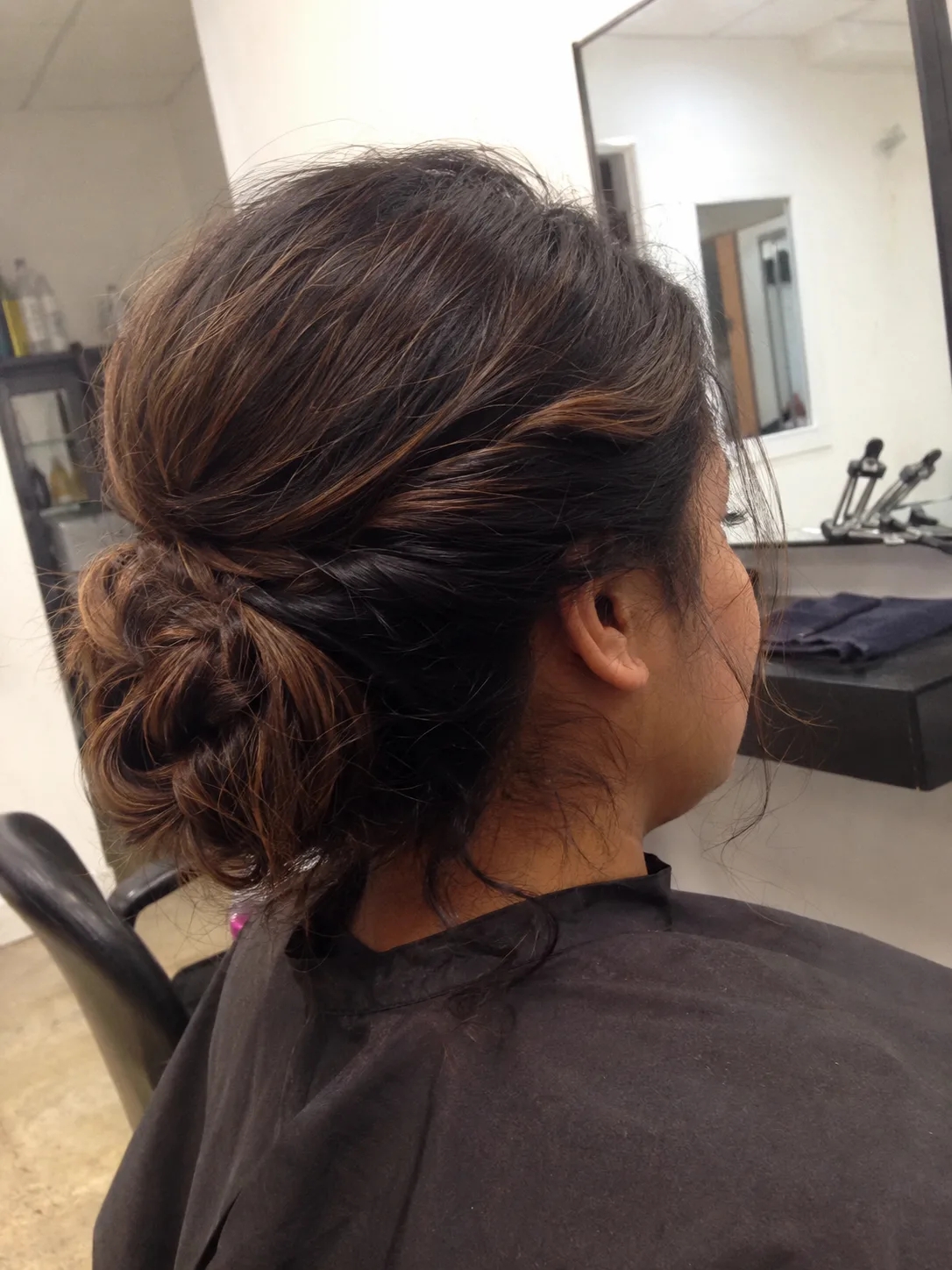
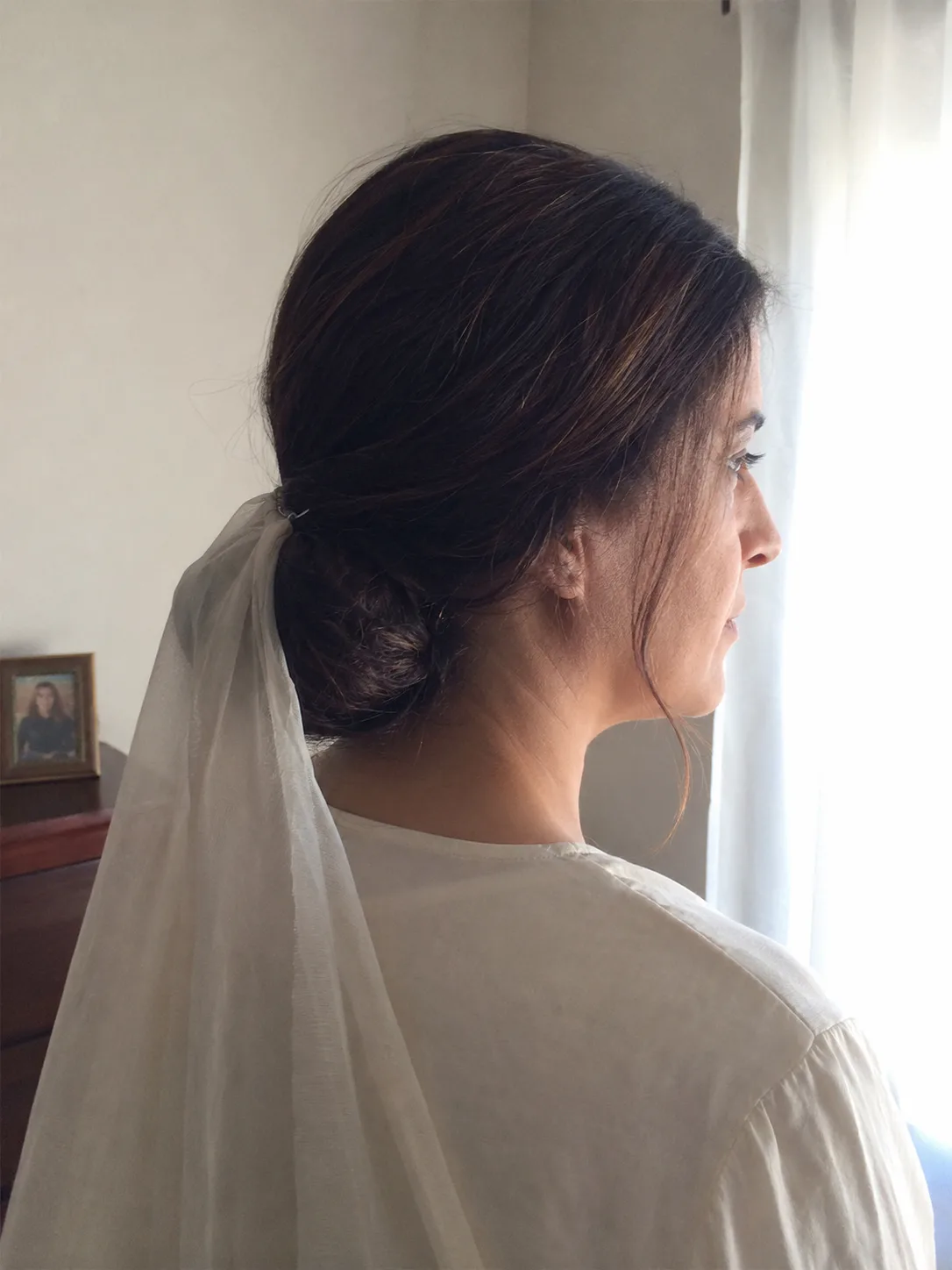
A plain veil is one of the strongest starting points for a recognizable medieval look because it avoids forcing the hairstyle to do all the visual work.
The hair underneath can be braided or pinned compactly enough that the veil lies where you want it. That makes this approach particularly practical for longer hair that would otherwise need elaborate exposed styling. Medieval manuscript collections repeatedly show women with hats and veils, and surviving imagery makes clear that covered hair was a major part of women’s appearance in many European contexts. (British Library Archives)
The mistake is turning this into a universal rule that every medieval woman always concealed every strand of hair. Practices varied with region, period, age, situation, and representation.
The Barbette and Fillet
For a more specifically thirteenth-century direction, investigate the barbette and fillet combination. The barbette was a linen band passing beneath the chin and around the head, while the fillet formed a band around the crown. Surviving manuscript imagery shows the pieces used with exposed hair as well as additional head coverings. (Fashion History Timeline)
This is a good example of why medieval hairstyle research quickly becomes headwear research. The hair may be quite restrained beneath the fabric, yet the bands give the face an unmistakably period outline.
For costume wear, fit matters more than rigidly tightening the fabric. A chin band that rubs, slips, or pulls backward throughout an event will become irritating quickly. Secure the hairstyle first and let the textile pieces rest over that foundation.
Hair Confined in Cauls or Decorative Nets
By the later Middle Ages, fashionable women’s hair could be contained in decorative nets or structures positioned around the sides or back of the head. The crespine developed into increasingly decorative forms, and cauls became associated with elaborate late-medieval head arrangements. Period fashion imagery shows hair gathered into these structures rather than hanging freely down the back. (Wikipedia)
This is the stronger choice when you want a courtly fourteenth- or fifteenth-century impression without going all the way to the towering princess silhouette of a hennin.
Modern hairnets designed to disappear aren’t visually equivalent. A recreation may deliberately make the net, metallic lattice, fabric, or decorative enclosure part of the design.
The High Forehead and Hennin
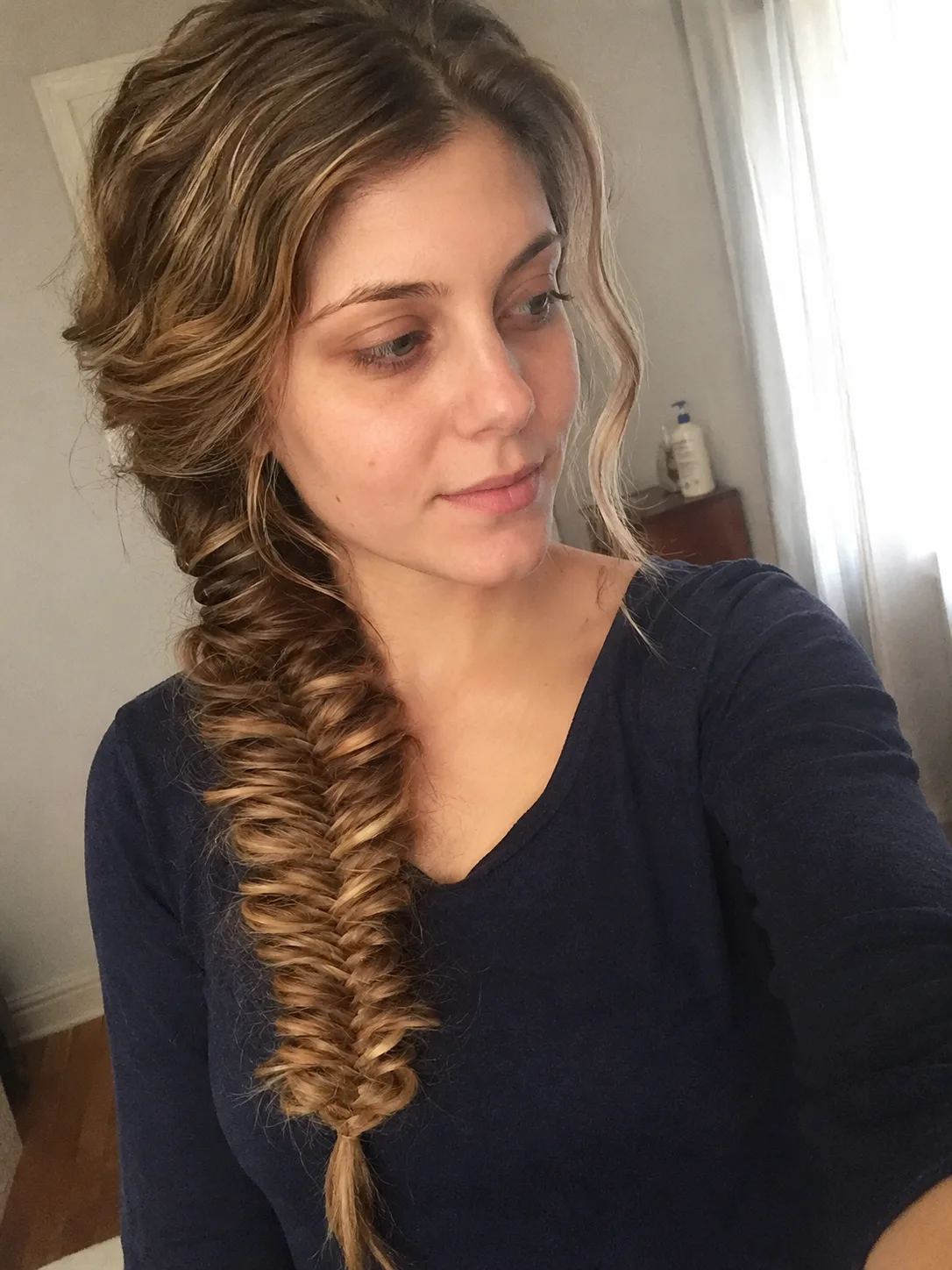
Few looks read as late medieval as hair drawn severely away from the face beneath a tall hennin.
The Metropolitan Museum describes Mary of Burgundy wearing a tall Burgundian hennin characteristic of 1470s fashion. The National Gallery also documents fifteenth-century fashion in which a woman’s front hairline was altered to produce the appearance of a higher forehead beneath her headdress. (The Metropolitan Museum of Art)
That doesn’t make removing your natural hairline necessary for a modern recreation. Styling the front smoothly backward, concealing some of the hair beneath the base, and concentrating on the headdress gives you most of the visual effect without making a lasting change.
The hennin is also period-specific enough that it shouldn’t become shorthand for the entire Middle Ages. It belongs to the final part of the medieval timeline, particularly the fashionable fifteenth-century courts with which it is strongly associated. The Met identifies the tall form as especially characteristic of late-fifteenth-century Burgundian fashion. (The Metropolitan Museum of Art)
Men’s Middle Ages Hairstyles Were More Varied Than the Bowl-Cut Stereotype
Men’s hair moved between shorter and longer shapes throughout the medieval period. Social and political meaning could attach to hair as well: early medieval Merovingian rulers became famously associated with long hair, illustrating why one haircut can’t represent medieval men across a millennium. (History Today)
For a general secular medieval impression, three broad silhouettes are more useful than chasing a supposedly universal haircut: hair cropped around the ears, a fuller chin-length shape, or hair extending toward the shoulders. Straight, wavy, and curly finishes can all work when the length and period reference support them.
Avoid making a pristine modern skin fade the foundation of an otherwise strict medieval recreation unless your character research provides a reason. Equally, growing very long hair doesn’t automatically make a man look more historically medieval.
The Tonsure
The tonsure belongs to religious history rather than ordinary men’s fashion. Medieval Christian clerics and monks used forms of tonsure to signify religious status, and scholarship traces its role as a clerical marker from the early medieval period. (Internet Archaeology)
For costume purposes, permanently shaving a large section of your scalp is rarely necessary. A costume cap, careful styling, or theatrical approach can communicate the character without altering the haircut for a temporary event.
Hair Beneath Men’s Hats
Men’s headwear can matter just as much as the haircut. Jan van Eyck’s fifteenth-century Portrait of a Man shows a striking red chaperon, a fashionable men’s headdress created from draped and wrapped fabric. The National Gallery describes how its long tail is wrapped around the head, producing much of the portrait’s distinctive outline. (The National Gallery)
A simple chin- or shoulder-length hairstyle paired with the correct hat can therefore look more convincing than an elaborate uncovered hairstyle based on modern fantasy styling.
Headwear Can Matter More Than the Visible Hair
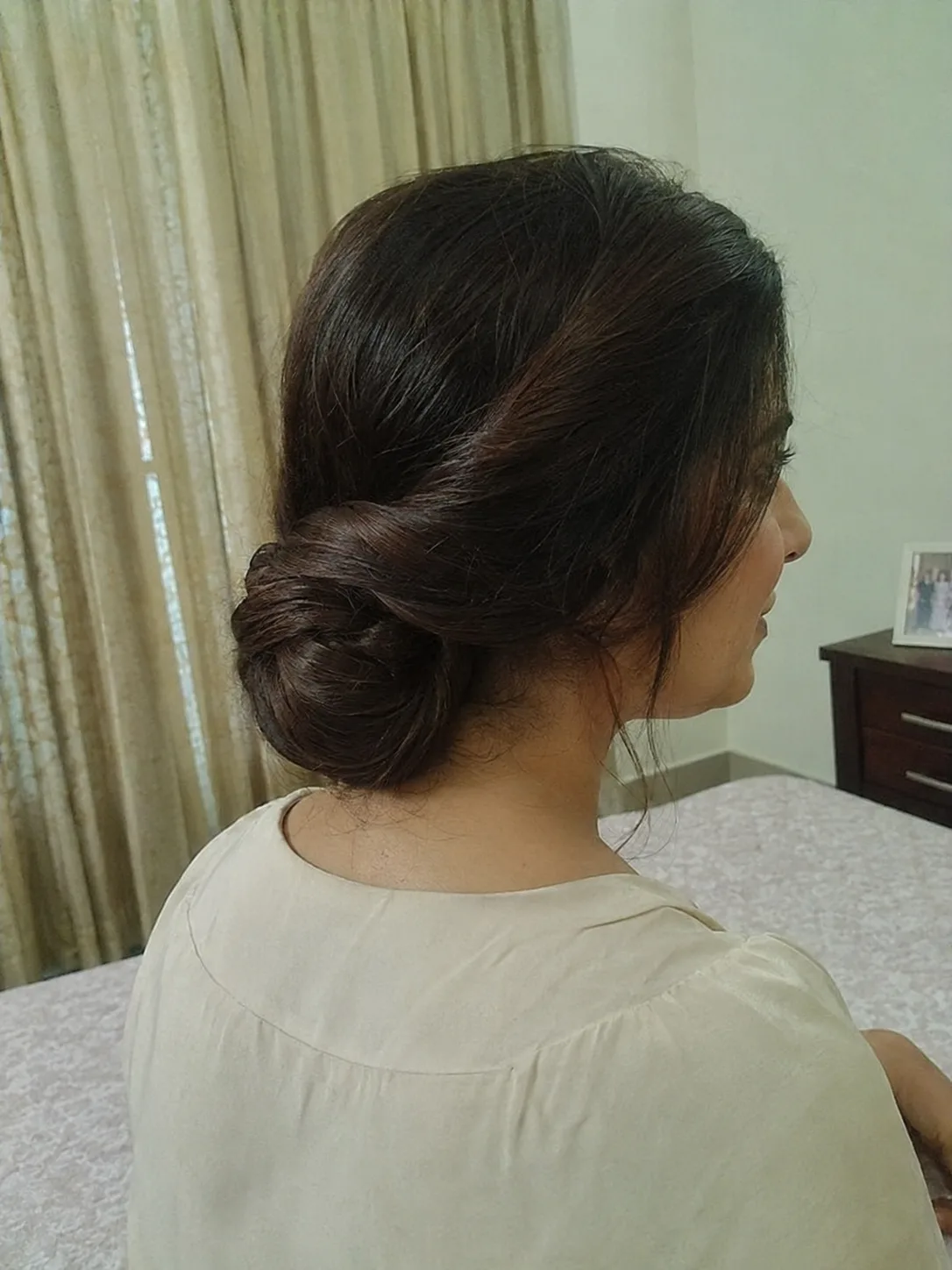
One of the easiest ways to misread Middle Ages hairstyles is to separate hairstyle and clothing too aggressively.
A modern haircut is usually judged by the visible perimeter, layers, fringe, and texture. Many medieval appearances were judged through the combined shape of hair plus head covering. A veil could hide almost everything except the hairline. A caul could move visible width toward the temples. A hennin could create enormous vertical height while concealing the actual arrangement underneath.
Late-medieval portraits make that especially clear. A fifteenth-century woman’s hair may be pulled tightly backward while a veil and truncated cone determine the majority of the visible head shape. (The National Gallery)
For recreation, work backward from the exterior shape:
Pick a dated historical reference.
Identify what is hair and what is fabric, netting, jewelry, padding, or hat.
Decide where the real hair must sit to support that structure.
Braid or pin the lengths into that position.
Secure the covering without relying on painful tension.
Check the style from the side and back, not only from the front.
That sequence is more reliable than completing a decorative braid first and trying to force period headwear over it afterward.
How to Recreate a Simple Medieval Hairstyle
A center-parted braided foundation with a veil is the most practical starting point for someone who wants a recognizable medieval-inspired style without building a complicated late-fifteenth-century headdress.
Begin with hair that is comfortable to manipulate. Straight hair can remain straight; curls and coils can stay natural or be gently stretched according to your normal routine. Historical recreation doesn’t require forcing every texture into the same surface finish.
Create a center part and divide the hair into two substantial sections. Braid each side without pulling tightly along the hairline. Depending on the reference, leave the braids hanging, cross them at the back, or wrap and pin them into low coils. Bobby pins can sit beneath the braids where they’re less visible.
Place a lightweight veil over the finished base. A simple fabric band or discreet modern support underneath can help keep it positioned for costume use. Check whether you can turn your head freely and whether the pins press uncomfortably against the scalp.
This method also adapts well to lower density or fine strands because it doesn’t require aggressive teasing or heavy additions to create drama. Hair density and strand diameter are separate characteristics, so judge the amount of support by how your own hair behaves rather than assuming fine strands always mean sparse hair.
For a more elaborate late-medieval look, build the hidden braided foundation first and add the caul, padded arrangement, or hennin afterward. The headpiece should create the historical statement; your roots shouldn’t have to carry excessive tension just to hold it upright.
Common Historical-Accuracy Mistakes
Combining Styles From Centuries Apart
A conical Burgundian hennin belongs to a very different fashion environment from early medieval long-haired traditions. Putting every recognizable medieval element into one hairstyle creates fantasy, not a precise reconstruction. That may be completely appropriate for a themed event, but it’s useful to know which result you’re choosing. (The Metropolitan Museum of Art)
Treating Medieval and Viking as Interchangeable
Viking-age Scandinavian material overlaps chronologically with the early Middle Ages, but “Viking” describes a much more specific cultural and historical context. A Scandinavian-inspired braided hairstyle shouldn’t automatically be used to represent a woman in fourteenth-century England or fifteenth-century Burgundy.
Assuming All Women’s Hair Was Hidden
Women’s head coverings were important across medieval Europe, particularly in many northern and western settings, but surviving art also depicts women with visible or uncovered hair. Italian fashion, court fashion, religious representation, age, marital context, and artistic convention complicate any simple rule. Medieval imagery needs a date and location before it becomes useful evidence. (Wikipedia)
Turning the Hennin Into the Default Medieval Princess Look
The tall pointed princess hat survives strongly in modern visual culture, but it represents a late-medieval fashion rather than the entire era. Mary of Burgundy’s 1470s portrait provides a particularly clear historical anchor for the tall Burgundian version. (The Metropolitan Museum of Art)
Copying Only the Front View
Side and back construction matter enormously. Braids have to terminate somewhere. Nets must contain the lengths they appear to contain. Veils need an anchor. A high headdress needs a stable base.
A front-facing reference can hide all of that. Look for manuscript or portrait images showing several figures and angles before deciding how to build the hairstyle.
Choosing the Right Medieval Look for Your Purpose
For a historical reenactment, narrow the reference aggressively: approximate date, region, gender, social position, and setting. A visually modest hairstyle supported by good documentation is stronger than a spectacular combination pulled from several centuries.
For a Renaissance fair or medieval-themed event, strict accuracy may matter less. A center part, long braids, braided crown, loose textured lengths, or pinned coils can provide medieval atmosphere. Adding a veil or circlet shifts the style further away from an everyday modern look.
For a wedding or formal event, use medieval construction selectively. Braided side sections feeding into a low pinned arrangement can suggest historical styling without requiring full costume. A veil works particularly well because it connects naturally with both medieval imagery and contemporary formalwear.
For a late-medieval court costume, prioritize the headdress. A caul, structured veil, or historically appropriate hennin will influence the appearance more strongly than adding increasingly complicated braids underneath.
Comfort still matters in every version. Tight braids, heavy attachments, and concentrated pinning can place unnecessary stress on the same small areas of the scalp. Persistent pain, sores, redness, or concerning changes in density deserve attention rather than being treated as the normal price of keeping a costume hairstyle in place.
Frequently Asked Questions
Did women in the Middle Ages wear braids?
Yes, braiding was one way long hair could be controlled, arranged, or prepared beneath coverings, although the exact construction varied by region and century. Braids could remain visible or form part of a hidden foundation beneath veils, nets, and other headwear. A simple pair of braids is therefore a useful recreation method, but it shouldn’t be presented as the universal medieval women’s hairstyle.
Did medieval women always cover their hair?
No single rule describes all European women throughout the thousand-year medieval period. Veils and other coverings were prominent in many contexts, and numerous surviving images show substantially covered hair. Other medieval images show visible or partly exposed hair, and regional fashions differed. (National Gallery of Art)
Did men have long hair during the Middle Ages?
Some did. Men’s lengths varied considerably according to period, culture, status, and fashion. Long hair had particular political significance among the early medieval Merovingian rulers, while later medieval portraits also show men with chin- or shoulder-length hair beneath fashionable hats. Clerical tonsure represents a separate religious tradition. (History Today)
Can curly or coily hair work for a medieval hairstyle?
Yes. The historical impression comes primarily from the arrangement, placement, and appropriate headwear rather than from making every strand straight. Curly or coily hair can be braided, twisted, pinned, or covered in a comfortable styling state. Shrinkage and density will change the size and position of braids or coils, so build the style in the state you intend to wear for the event.
Related Hairstyles to Explore
Hair Texture & Upkeep Style Matcher
Select your natural hair texture and daily maintenance window to get an instant styling formula and heat safety cap.
Heat Cap: 320°F (160°C)
A versatile three-strand braid beginning at the parietal ridge, securing the top half while allowing natural wave texture to flow freely around the shoulders.
Conclusion
The most convincing Middle Ages hairstyle starts with a date, not a braid.
For an accessible medieval-inspired look, center-parted braids or pinned coils with a simple veil give you plenty of historical character without requiring an elaborate structure. For a specifically fifteenth-century court appearance, shift the attention toward cauls, high foreheads, structured veils, or a period-appropriate hennin. Men’s recreations benefit from the same discipline: choose the period first, then match the haircut and headwear to it.
Once you know where and when your reference belongs, the hairstyle becomes much easier to build—and much harder to confuse with generic medieval fantasy.
Editorial Standards & Hair Health Guidance
Every style featured on Tress Atlas is curated with a focus on real-world wearability, scalp tension management, and cuticle preservation. When trying protective styles or tight updos, ensure perimeter hairline sections remain tension-free to avoid traction stress on delicate follicles. For heat styling, cap tools below 350°F (180°C) to prevent thermal keratin denaturation.
Scientific Sourcing: Practices aligned with the American Academy of Dermatology (AAD) on traction alopecia risk reduction and cosmetic trichology research on hair tensile strength.