Cute Beach Hairstyles: 22 Looks That Make Sense Beyond the Photo
A cute beach hairstyle has two jobs. It should look good when you arrive, but it also needs to behave reasonably once wind, saltwater, heat, sunglasses, hats, and damp hair become part of the day.
That second part changes the choice more than most beach photos suggest. Loose waves photograph beautifully but can become tangled after swimming. A very high bun keeps hair off your neck but competes with a sun hat. Long added hair delivers drama, yet the weight feels different once those lengths are wet. Even a simple low bun can become annoying when you lie back on a beach chair.
The most practical starting point is to decide how wet your hair is likely to get. Active swimming favors contained styles with manageable drying and good scalp access. A mostly dry beach day gives you far more freedom to wear curls, loose texture, clips, and softer half-up shapes.
Secure Styles for Wind, Water, and Active Beach Days
Double Dutch Braids
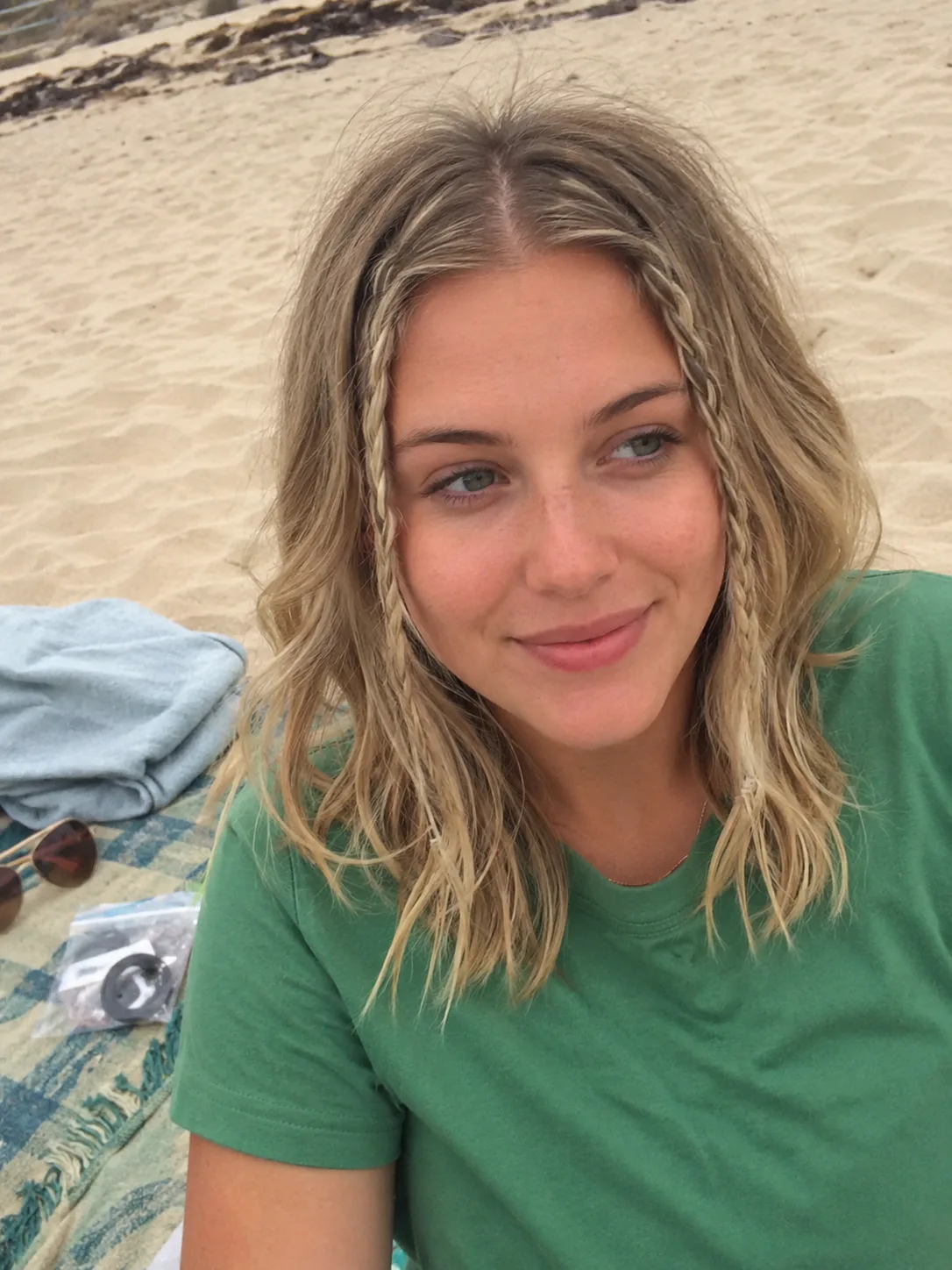
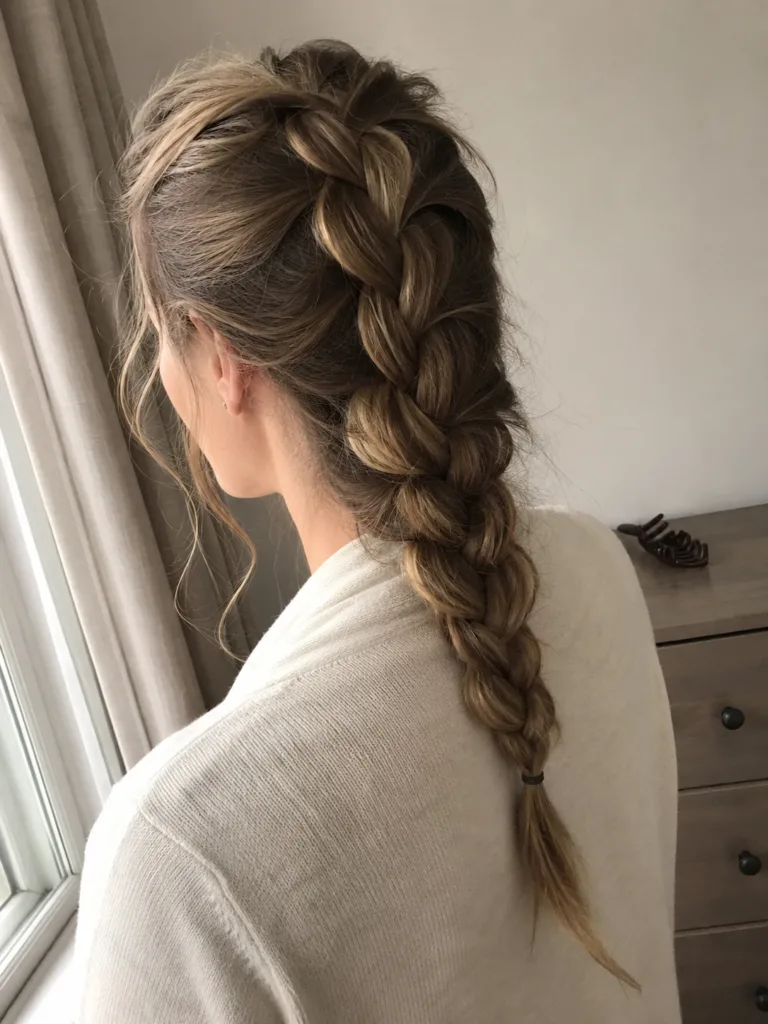
Two Dutch braids are one of the stronger choices when you expect to move around rather than stay parked under an umbrella. The hair is divided down the center and braided close to the scalp on each side, which contains the lengths without concentrating everything at one ponytail anchor.
They also work well beneath many hats because the crown stays relatively flat. On curly and coily hair, the finished braid size will depend on density, strand size, stretch, and how much shrinkage returns around the roots. There’s no need to force the hair perfectly straight to make the style work.
Low Braided Bun
A low braided bun gives you the clean shape of an updo without leaving a long tail whipping around in the wind. Create a low ponytail, braid the length, then wrap and pin the braid around the base.
Its main inconvenience appears once you lie back. A thick bun positioned directly at the back of the head can press into a towel, beach chair, or car headrest, so placing it slightly lower or flatter often makes the style easier to live with.
Bubble Ponytail
A bubble ponytail is particularly useful when you want something playful without learning a complicated braid. Start with a secure ponytail and add elastics down the length, gently expanding each section between them.
The bubbles keep a long ponytail more organized in wind than completely loose hair. They also give straight, wavy, stretched, or pressed hair a visible shape even after the surface loses some smoothness.
Water changes the equation. Repeated elastics along soaking-wet hair can make removal fiddly, especially once salt, tangling, or shrinkage enters the picture. For a mostly dry beach day, though, this is one of the easiest cute options to build quickly.
Rope-Twist Ponytail
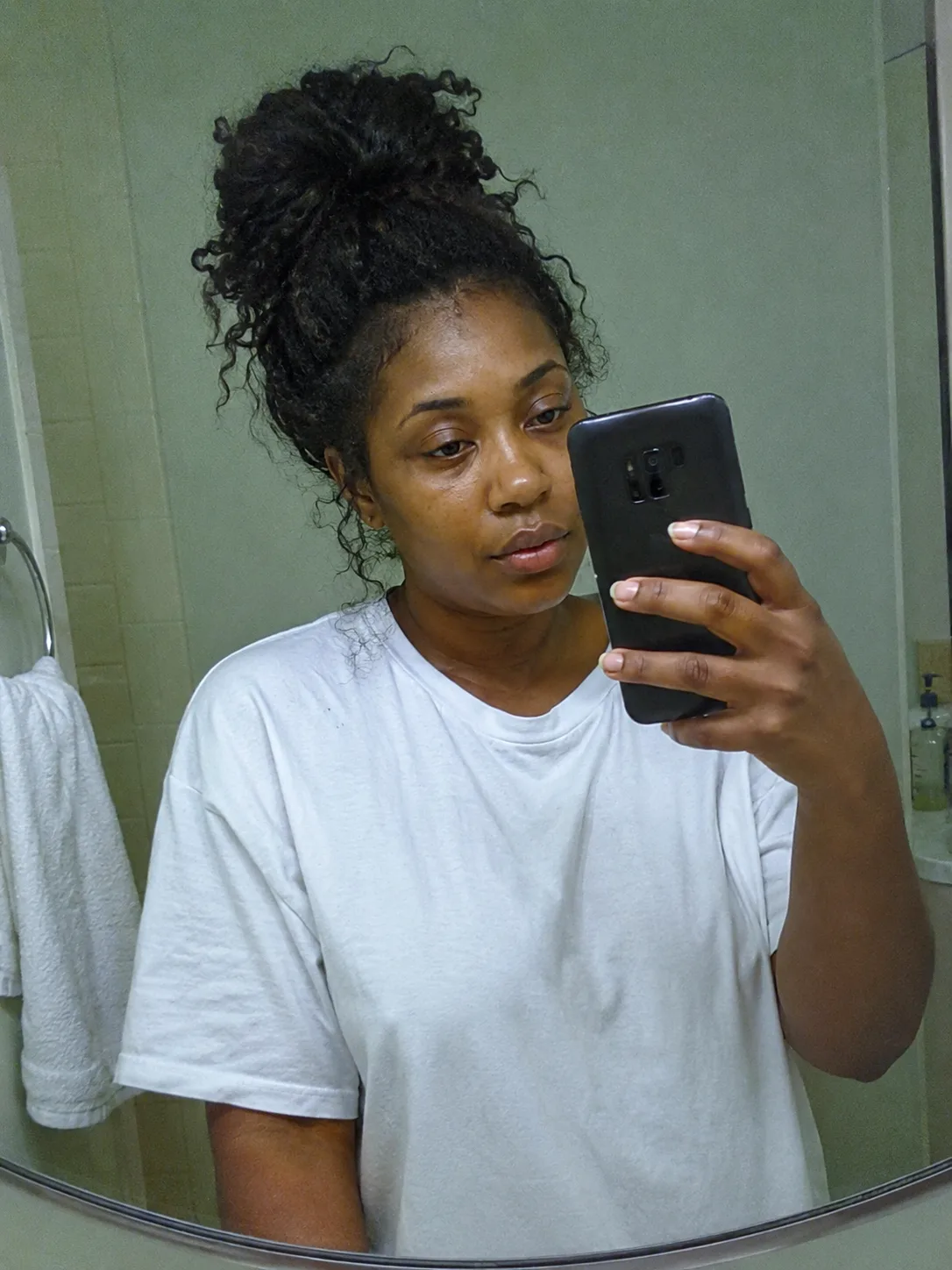
A rope-twist ponytail needs only two sections of hair twisted around each other, so it creates a noticeably different finish from a three-strand braid while keeping the tail compact. It works especially well on longer hair that tends to blow across the face.
A fabric-covered elastic at the base helps secure the anchor without relying on excessive tightness. The cleaner construction also makes this a useful bridge between a sporty beach style and something polished enough for lunch afterward.
Crown Braid
A crown braid moves the hair around the head instead of hanging it from a single anchor point. That makes it appealing for warm days when you want the neck completely clear and don’t plan to wear a close-fitting hat.
The braid can be built from natural hair or adapted to different textures and styling states. Curly pieces around the hairline can remain curly; they don’t need to be straightened simply to create contrast with the braid.
A crown braid is more technique-dependent than a ponytail or bun. It’s worth the extra work for an all-day updo, but less attractive when you mainly want something fast before heading into the water.
Bantu Knots
Bantu knots turn the entire hairstyle into the visual feature rather than hiding the hair in a basic bun. Each section is twisted and wrapped into a compact knot, creating a graphic shape that works particularly well on natural and textured hair.
Section size changes the look considerably. Larger sections create fewer, more prominent knots; smaller sections create a more intricate pattern and take longer to unravel afterward.
Comfort matters around the perimeter and at the base of every knot. The style should feel secure during normal movement without making the scalp feel pinched. It’s also worth checking where the knots sit before adding a hat, since a structured brim or crown can press directly against them.
Cute Beach Hairstyles for Curly, Coily, and Natural Hair
High Puff
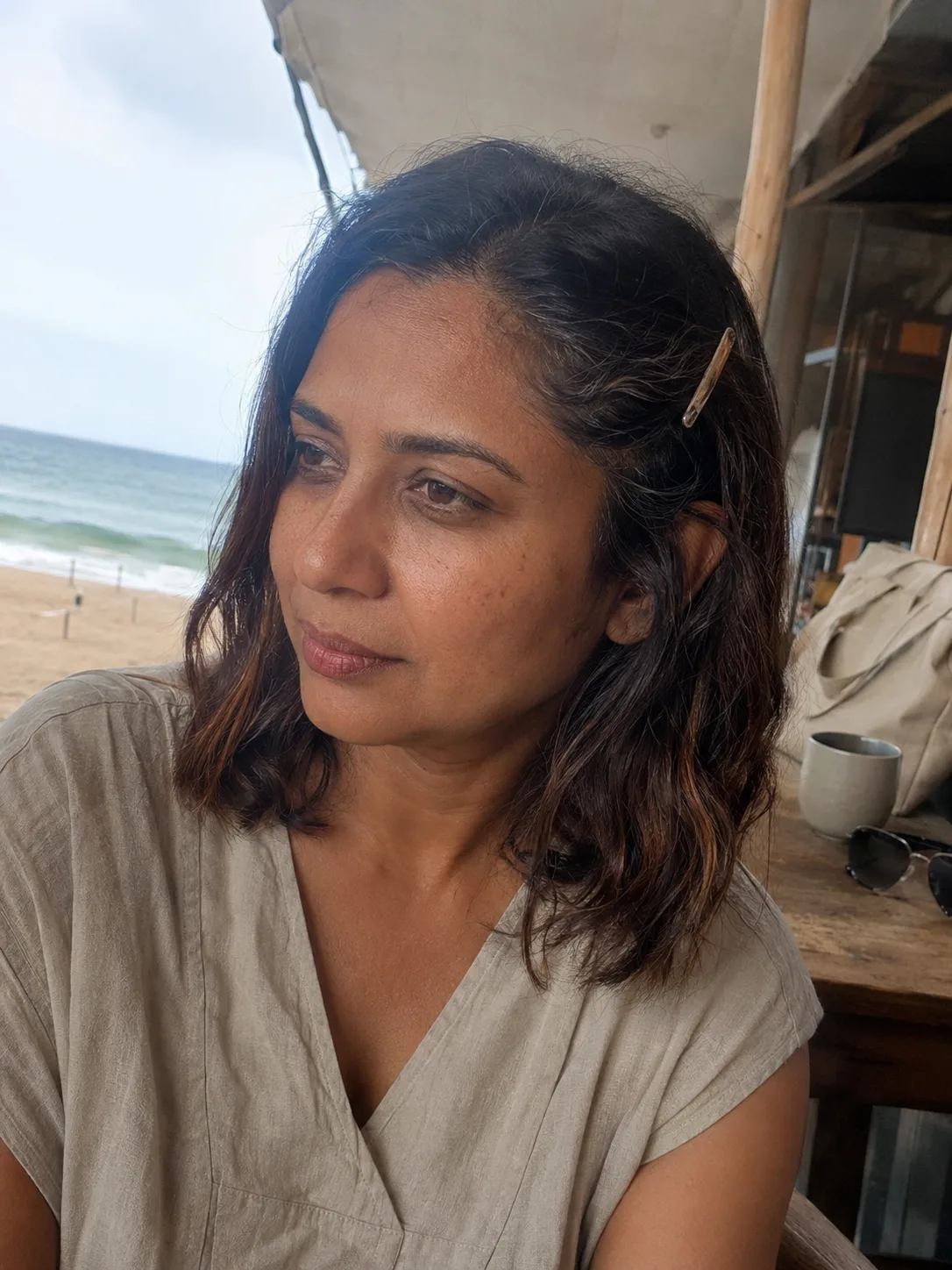
A high puff makes natural curl and coil volume the main attraction while moving most of the hair away from the neck. It’s particularly practical for a beach day that involves heat and walking but limited swimming.
Keep the base comfortable rather than pulling every hairline strand upward. A puff can still look full even when shorter or fragile perimeter hairs are left alone.
Flat-Twist Updo
Flat twists provide more control at the scalp than loose two-strand twists and can be directed upward, backward, or toward a tucked bun. This is a strong choice when you want a defined pattern as well as an updo.
The direction of the twists matters. Several sections converging tightly at one small point can create more concentrated pulling than a design that distributes the hair across a broader area. The finished style should stay comfortable while you turn your head, put on sunglasses, and move normally.
Beach photos rarely reveal the drying question. Dense twisted roots may remain damp after the outer surface feels dry, especially after a full swim. Give the scalp and root area enough airflow before covering the style for the night.
Mini Twists
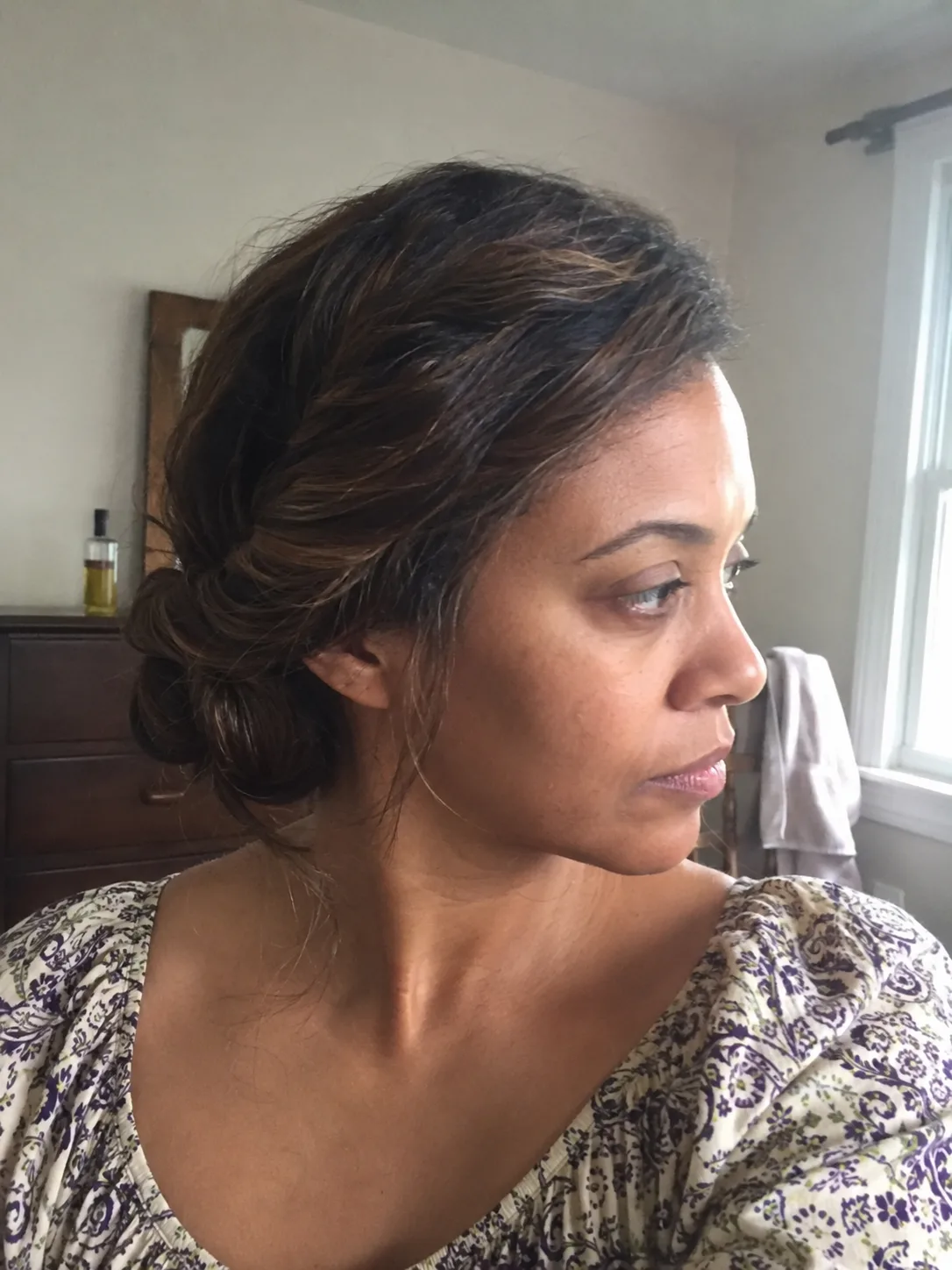
Mini twists are an underrated option for someone who wants movement without dealing with completely loose curls in beach wind. The individual twists separate the hair into manageable sections, so the lengths can be worn down, pulled into a ponytail, or gathered into a loose bun.
They also respond naturally to shrinkage. A twist set that begins around shoulder length may sit noticeably higher after getting wet, which changes the finished shape but doesn’t make the style unsuccessful.
The catch is takedown. Smaller sections mean more individual twists to undo, and beach debris or tangling at the ends can make rushed removal unnecessarily rough. Choose a section size that fits the amount of maintenance you actually want.
Two-Strand Twist Bun
Already wearing medium or chunky two-strand twists? Gathering them into a loose bun can be far easier than starting a second hairstyle from scratch. The twists provide texture and grip, while the bun keeps the ends away from shoulders, swimwear straps, and blowing sand.
A lower or mid-height placement is often more comfortable for longer twists than piling all of their weight at the very top of the head.
Half-Up Curls
A half-up style preserves the loose curl pattern while solving the most irritating part of wearing curls at the beach: hair repeatedly blowing across the eyes and sticking to sunscreen around the face.
Gather only the top and temple sections into a ponytail, small bun, or simple twist. Leave the remaining curls free so the style still has movement and volume.
This makes more sense for lounging, walking, and sunset plans than for repeated swimming. Once loose lengths are soaked and windblown, tangling becomes a bigger part of the maintenance. On naturally curly or coily hair, expect shrinkage to change both the apparent length and the balance between the top section and the hair left down.
Braids, Twists, and Loc-Inspired Beach Styles
Straight-Back Cornrows
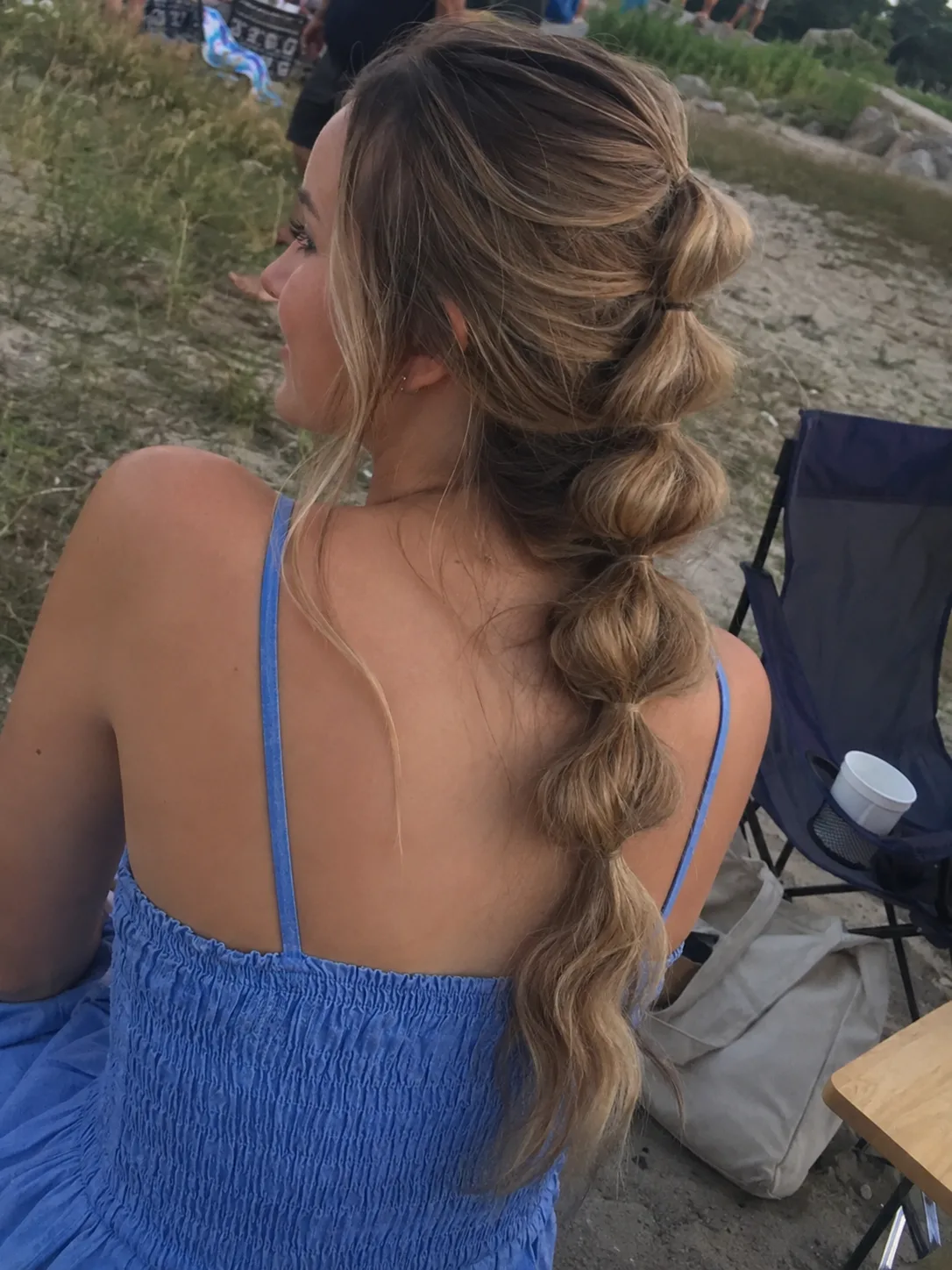
Straight-back cornrows remove loose lengths from the face and keep the crown flat enough for hats, which explains why the construction suits active beach days so well. Natural hair can be braided on its own, or the design can incorporate added hair when that fits the desired result.
What deserves more attention is the root area. Sand, sweat, seawater, and styling product can collect between braid rows, so scalp access matters. A neat-looking installation is more useful when you can cleanse and dry it comfortably.
Added hair changes wet weight as well. Very long or dense braid lengths can feel dramatically heavier after swimming, so more length isn’t always the practical upgrade it appears to be in a dry reference photo.
Cornrow Bun
A cornrow bun takes the close-to-the-scalp control of cornrows and directs the ends into a contained bun. Compared with long straight-back braids, there’s less loose length to move across the back or become trapped under straps.
This is a particularly useful construction when staying contained matters more than dramatic length. Check that the convergence area around the bun isn’t being used to force excessive tightness.
Medium Knotless Box Braids
Knotless box braids can be an appealing beach option because the individual braids give you flexibility: wear them down, tie them back, or gather them loosely depending on the day.
Moderate length is usually easier to manage around water than very long, dense braids. Long added hair picks up more water, rests against wet swimwear, and takes more repositioning when you’re sitting or lying down.
The word knotless describes the way added hair is incorporated near the root; it doesn’t tell you how comfortable the complete installation will feel. Section size, added-hair weight, and braiding tension still shape the experience.
Box-Braid Bob
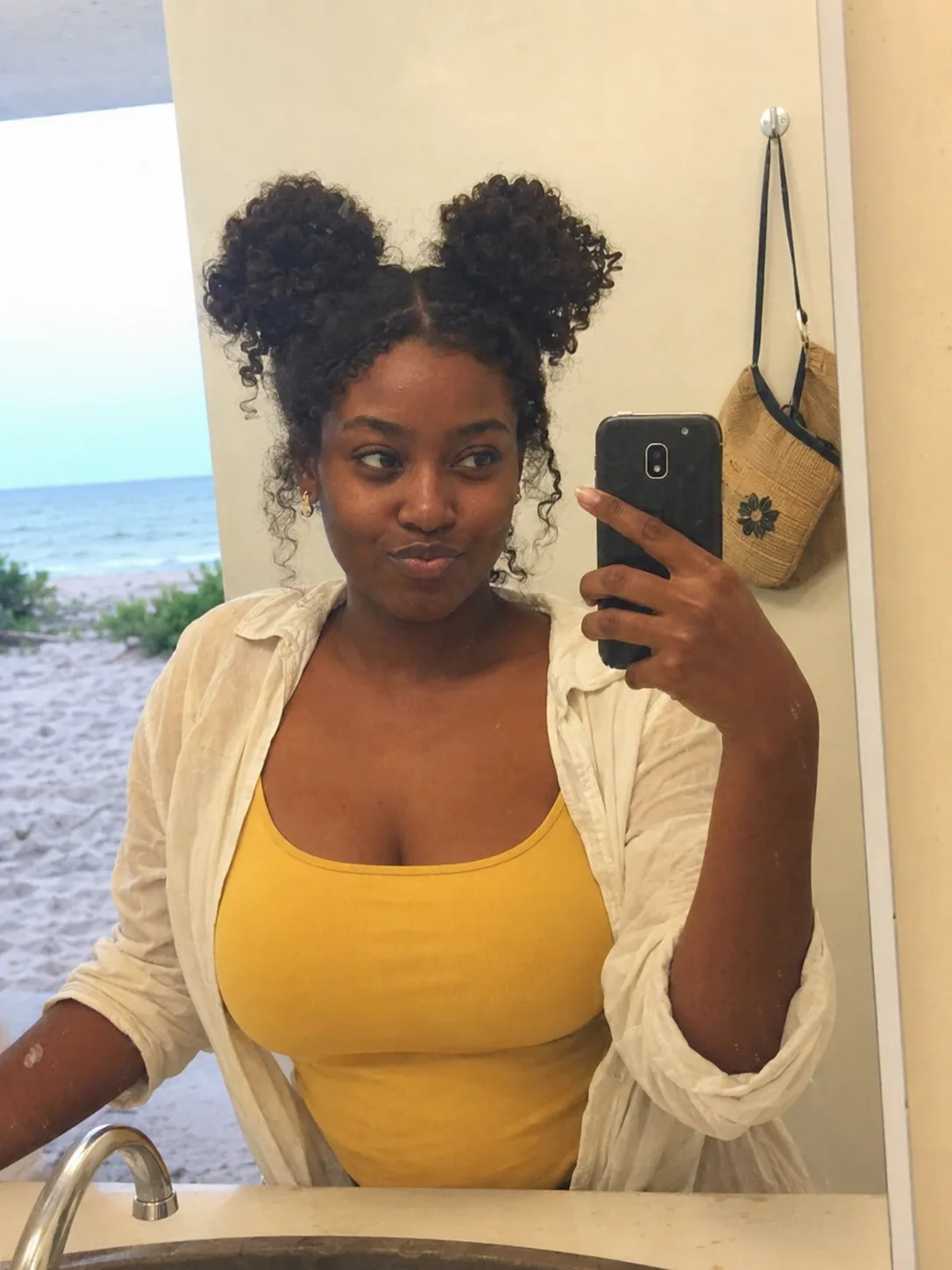
A braid bob keeps the recognizable box-braid look while removing much of the length that makes beach installations cumbersome. The ends can sit around the chin, jaw, or shoulder area depending on the intended shape.
Shorter braid lengths are easier to move out of the way when applying sunscreen, changing clothes, or dealing with wet swimwear. They also avoid the constant contact between long wet braids and the middle of your back.
The perimeter deserves planning. Braids that land directly on the shoulders can flip or bunch as you move, while a slightly shorter outline stays freer of clothing. A longer bob gives more styling flexibility but begins to behave more like a standard medium-length braid installation.
Shoulder-Length Rope Twists
Added-hair rope twists create a softer surface than box braids while still dividing the hair into controlled sections. Shoulder-length versions give enough movement to feel relaxed without turning every swim into a long-hair management project.
The stronger choice for frequent water exposure is a construction that isn’t excessively dense. More added hair means more wet weight and more material to dry around the roots and attachment areas.
Faux Loc Lob
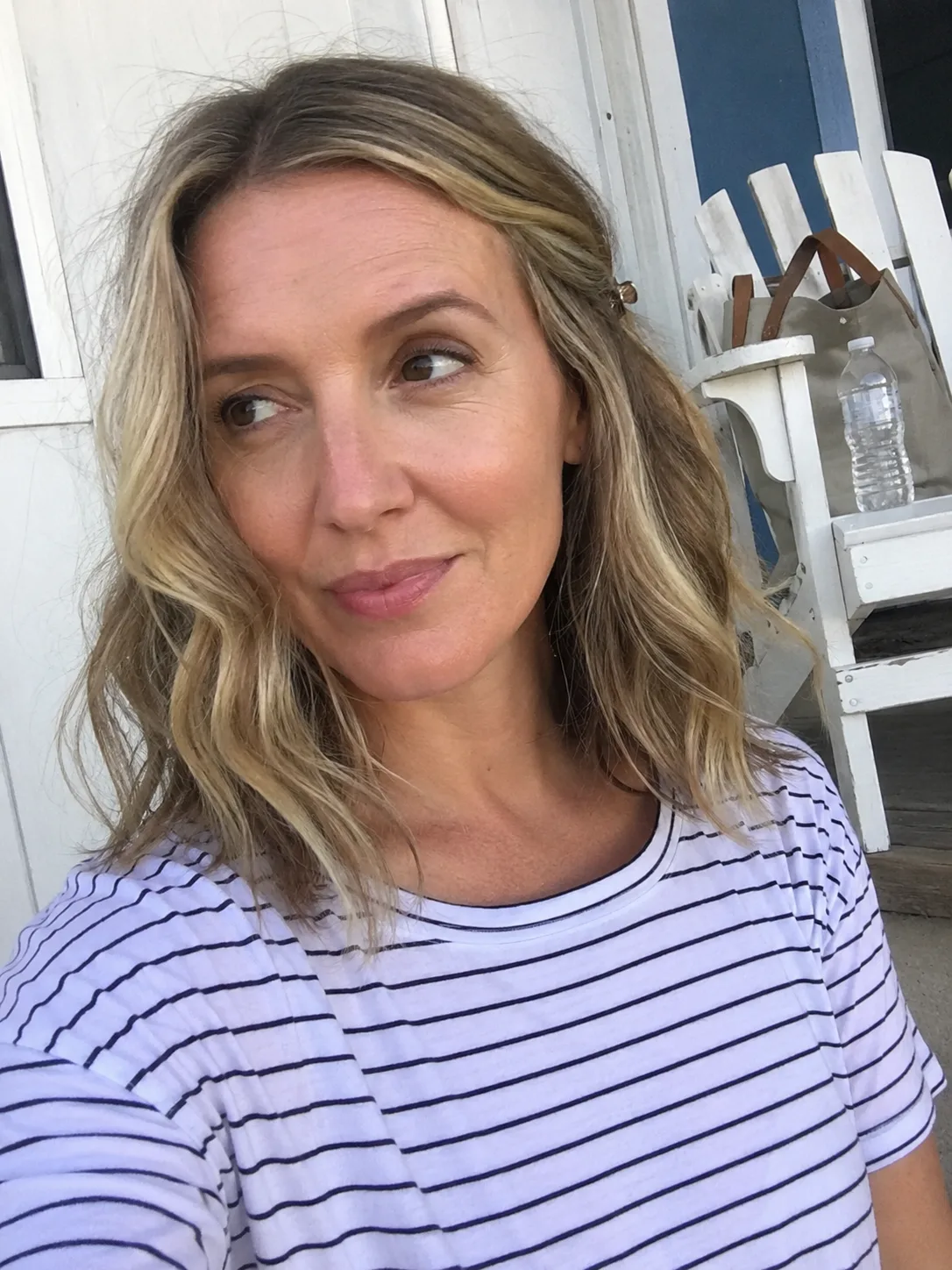
A faux loc lob delivers the visual weight and texture of loc-inspired styling in a shorter outline. Compared with waist-length faux locs, a lob is easier to lift away from the neck and less likely to become trapped behind a backpack or beach-chair strap.
Installation method matters more than the word faux loc. Wrapped, crochet, and other attachment approaches can behave differently at the roots, so comfort and scalp access should be assessed according to the actual construction.
A swim-heavy trip also makes drying a bigger consideration. Dense wrapped material can hold water even when the outside feels less wet. Choose this look because you genuinely want the loc-inspired finish, not because any installed hairstyle is assumed to be maintenance-free.
Softer Styles for Lounging and Sunset Plans
Claw-Clip French Twist
For a beach day centered on reading, lunch, or a shoreline walk, a claw-clip French twist is hard to beat for convenience. Twist the lengths upward, tuck the ends, and secure the center with a clip.
It’s less convincing for swimming or vigorous activity because a bulky clip can shift and is uncomfortable to lean against. Keep this one for the parts of a beach day when quick restyling matters more than maximum hold.
Wrapped Low Ponytail
A low ponytail instantly feels more finished when a small section of hair is wrapped around the elastic. The construction stays simple, but the visual result works for both a casual beach afternoon and dinner afterward.
This style also sits below most hats. Straight, wavy, stretched, pressed, or loosely curly hair can all work, although the tail will behave differently once humidity and water alter the original styling state.
Keep the anchor secure but comfortable. Pulling the ponytail tighter each time wind loosens the surface usually creates more irritation than improvement; smoothing the surface or redoing the elastic is the cleaner fix.
Half-Up Braided Crown
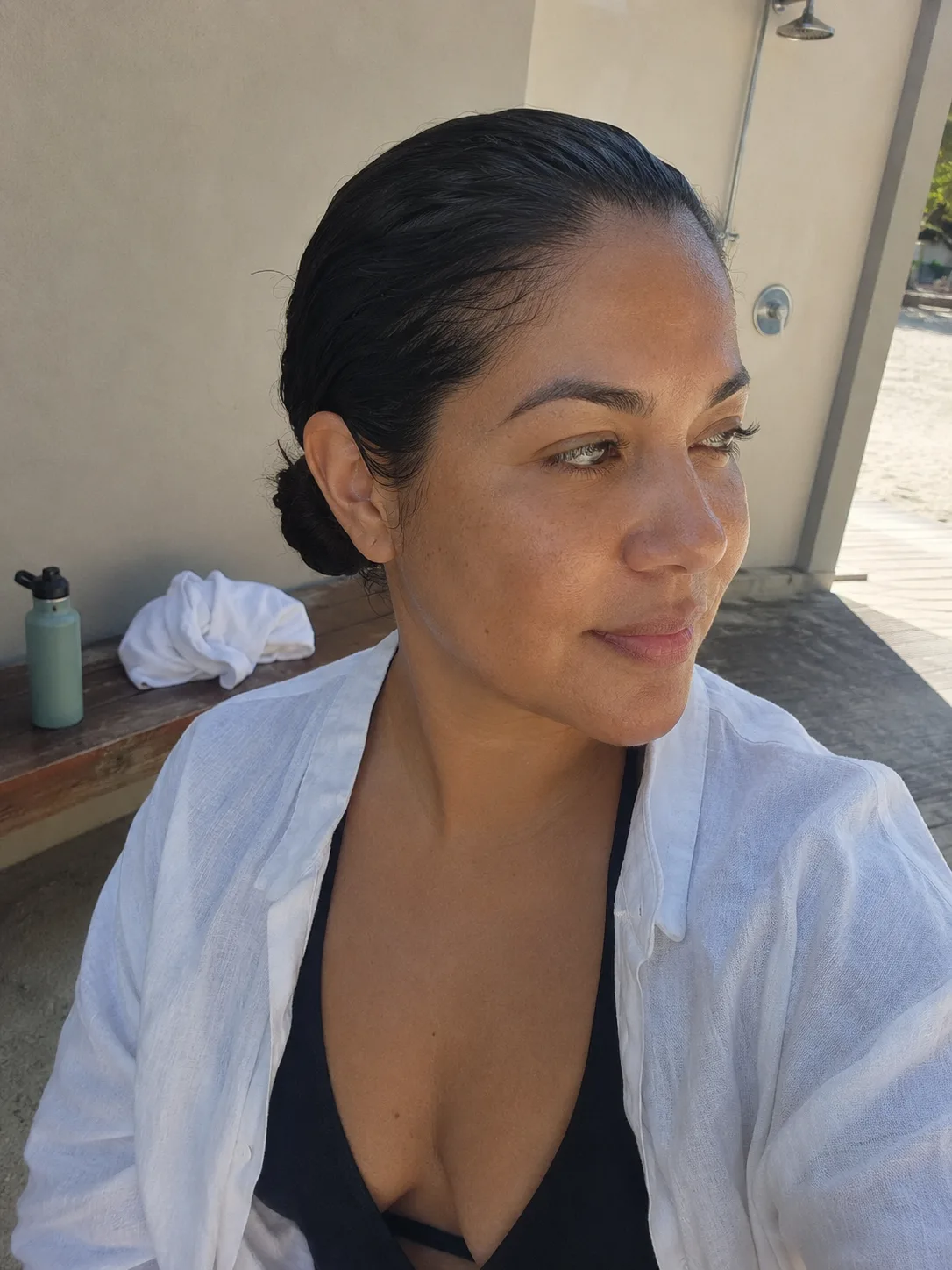
A half-up braided crown gives you some of the control of an updo while leaving the lower lengths visible. Braids from each side travel toward the back and are pinned or secured together, keeping shorter face-framing sections away from the eyes.
It’s especially attractive on wavy and curly hair because the loose portion doesn’t need a perfectly smooth finish. Wind can actually make the softer texture look more natural.
Swimming changes the maintenance quickly. The loose lower half can still tangle, and pins may shift during vigorous movement. Consider this a stronger option for a dry beach day, engagement photos, a beach picnic, or sunset plans than for repeated dips in the ocean.
Textured Bob or Lob Worn Loose
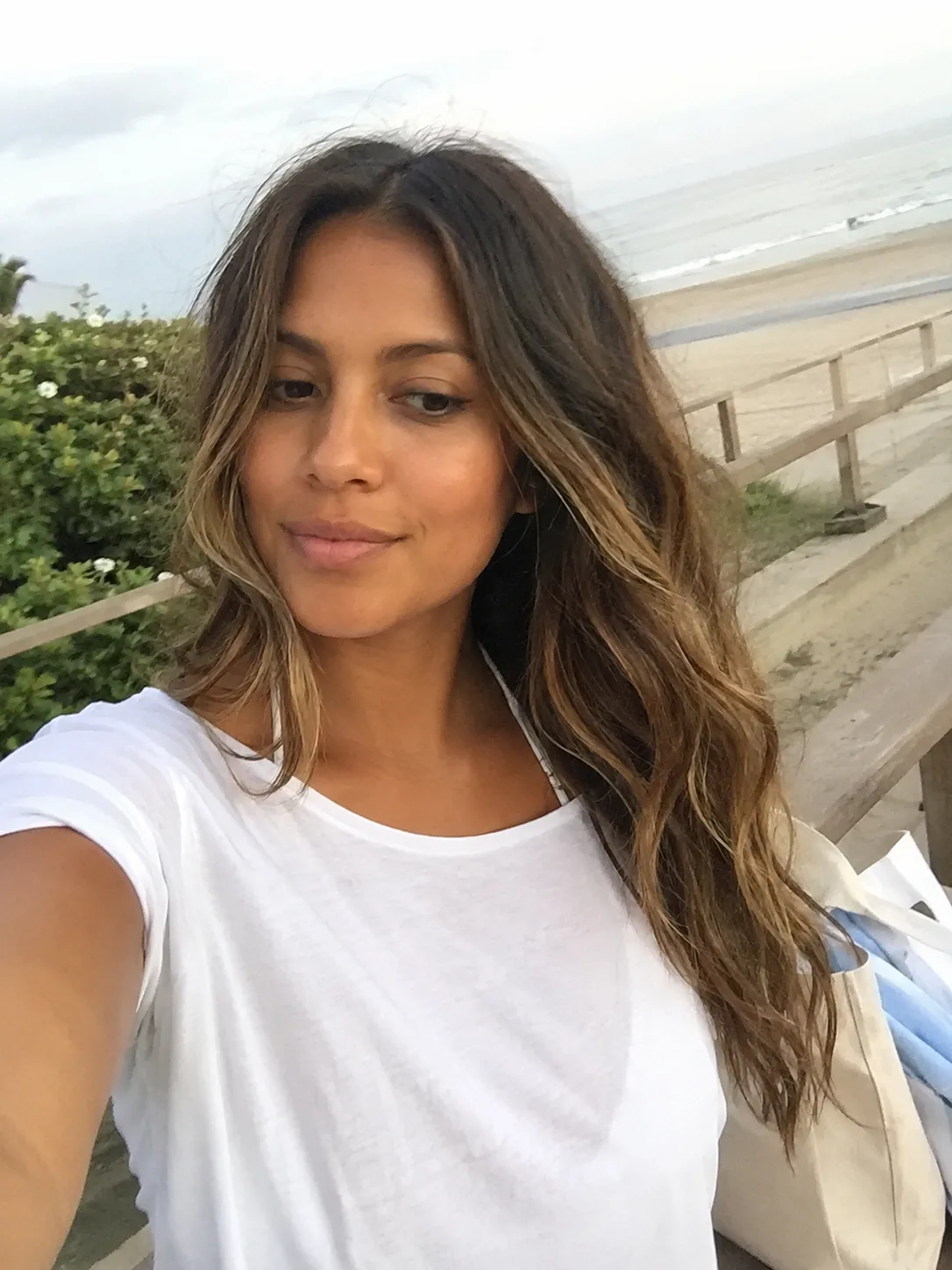
Shorter loose hair deserves a place on a beach list because it removes one of long hair’s biggest problems: lengths whipping across the entire back and shoulders. A naturally wavy bob, curly bob, or softly textured lob can look good with movement rather than requiring a glass-smooth surface.
The haircut does more work here than elaborate styling. A perimeter that sits well in the texture you normally wear will generally recover from wind more gracefully than a shape that depends on extensive heat styling.
Space Buns
Space buns create an obviously playful beach look while keeping both the neck and most of the face clear. Divide the hair into two sections and build a bun on each side, adjusting the height according to the amount of hair and the look you want.
They’re more hat-dependent than low styles, but they solve a different problem: a single heavy bun can pull from one central point, while two buns divide the hair between two anchors. Thick or long hair may still create substantial weight at each base, so bigger isn’t necessarily better.
For loose-textured hair, a little surface movement suits the style. Natural, stretched, braided, or twisted hair can also be arranged into two buns, giving this idea much broader texture range than its festival-style reputation suggests.
What Beach Photos Don’t Show
A reference image captures the hairstyle at one moment. Your beach day keeps moving.
Wet hair can feel and hang differently from dry hair. Added hair magnifies that change. Sunglasses occupy the same temple space as bulky twists or braids. High buns compete with hats. Low buns and large clips collide with headrests. Loose lengths move against sunscreen, swimwear straps, and damp shoulders.
The hairstyle that requires the least correction throughout your actual plans usually ends up looking better than the supposedly effortless option that needs rebuilding every time the wind picks up.
Beach Hair Maintenance Without Turning the Day Into Work
Start with the condition your hair is already in. Bleached, chemically processed, very porous, or fragile hair may need gentler handling than healthy untreated hair, particularly once repeated wetting and detangling enter the routine.
After ocean swimming, rinsing away seawater with fresh water when practical can make later cleansing and detangling easier. Work through tangles gently instead of roughing wet lengths with a towel. Curly and coily hair can be separated and detangled in a way that respects its normal curl grouping rather than repeatedly stretching it for the sake of a beach style.
Braids, twists, and installed styles need attention at the roots as well as the visible lengths. Dense roots can stay damp after the ends seem dry. Give the scalp access to air and avoid covering persistently damp hair simply because the surface looks finished.
Product can become part of the beach mess too. Heavy layers of tacky styling product may attract sand and make restyling unpleasant. Use enough hold to support the construction rather than trying to freeze every small hair in place.
Tension deserves one centralized rule: secure shouldn’t mean painful. Persistent stinging, soreness, bumps, sores, or a concerning change around the hairline are reasons to loosen or remove the source of pulling. Ongoing or concerning scalp symptoms or sudden density changes deserve assessment from a dermatologist or another qualified healthcare professional.
A Quick Beach Hairstyle Checklist
Before committing to a style, run through the parts of the day the photograph can’t answer:
Will you actually swim, or mainly stay dry?
Can the style fit comfortably beneath your hat?
Will a bun, knot, or clip press into your beach chair?
Does added hair become inconvenient once soaked?
Can you reach and dry the scalp easily?
Will loose lengths repeatedly rub against sunscreen or swimwear?
Does the style still work after your natural texture shrinks or expands?
Can you take it down without rushing through tangled or sandy hair?
Does the finished style feel comfortable while you turn your head and move normally?
A beach hairstyle earns its place when those answers still sound manageable.
Related Hairstyles to Explore
FAQs
What are the easiest cute beach hairstyles for short hair?
A textured bob or lob is the simplest option when the haircut already works with your natural movement. Short hair can also suit Bantu knots, small flat-twist designs, half-up curls, or a braid bob when added hair is part of the plan. The strongest choice depends on whether you want to swim, wear a hat, or keep the style dry.
Which beach hairstyle is most practical for swimming?
Contained styles such as double Dutch braids, straight-back cornrows, mini twists, and compact braided updos usually create less loose-hair management than waves or half-up styles. Added-hair installations introduce another variable because their weight and drying behavior change once soaked.
How can I keep loose hair from becoming tangled at the beach?
Contain at least part of the length before strong wind or swimming becomes a problem. A low ponytail, half-up style, loose braid, or temporary bun can reduce movement. After getting wet, handle tangles gently and work through sections instead of repeatedly brushing or pulling through a large knot.
Can I sleep with braids or twists that are still wet from the beach?
Let the roots and dense sections dry thoroughly before covering the hair for sleep. Added hair and tightly grouped sections may remain damp inside even after the outside feels drier. A scarf or bonnet can reduce friction once the hair is sufficiently dry, but covering damp roots doesn’t solve the underlying drying issue.
Hair Texture & Upkeep Style Matcher
Select your natural hair texture and daily maintenance window to get an instant styling formula and heat safety cap.
Heat Cap: 320°F (160°C)
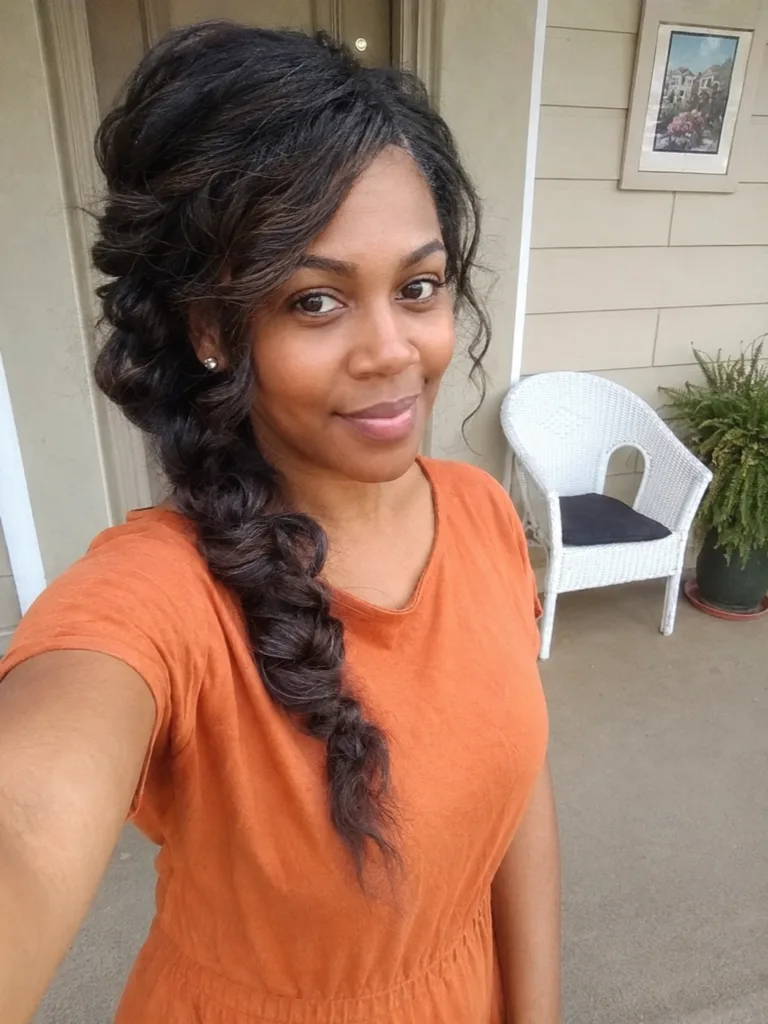
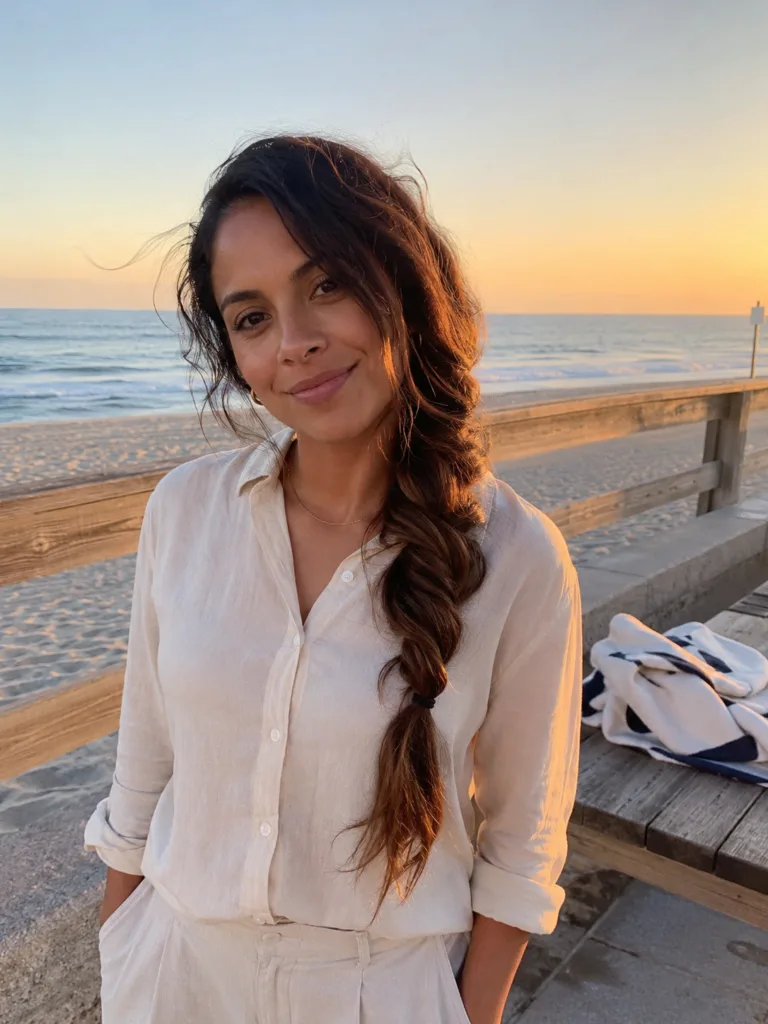
A versatile three-strand braid beginning at the parietal ridge, securing the top half while allowing natural wave texture to flow freely around the shoulders.
Conclusion
The cutest beach hairstyle isn’t necessarily the most elaborate one. It’s the style whose construction still makes sense once wind, water, hats, wet hair, and the trip home are part of the picture.
For an active beach day, contained braids, twists, and compact updos are the stronger starting point. For a mostly dry afternoon, half-up curls, textured bobs, ponytails, clips, and softer shapes give you more freedom. Decide how your hair will actually spend the day first; the hairstyle becomes much easier to choose from there.
Editorial Standards & Hair Health Guidance
Every style featured on Tress Atlas is curated with a focus on real-world wearability, scalp tension management, and cuticle preservation. When trying protective styles or tight updos, ensure perimeter hairline sections remain tension-free to avoid traction stress on delicate follicles. For heat styling, cap tools below 350°F (180°C) to prevent thermal keratin denaturation.
Scientific Sourcing: Practices aligned with the American Academy of Dermatology (AAD) on traction alopecia risk reduction and cosmetic trichology research on hair tensile strength.