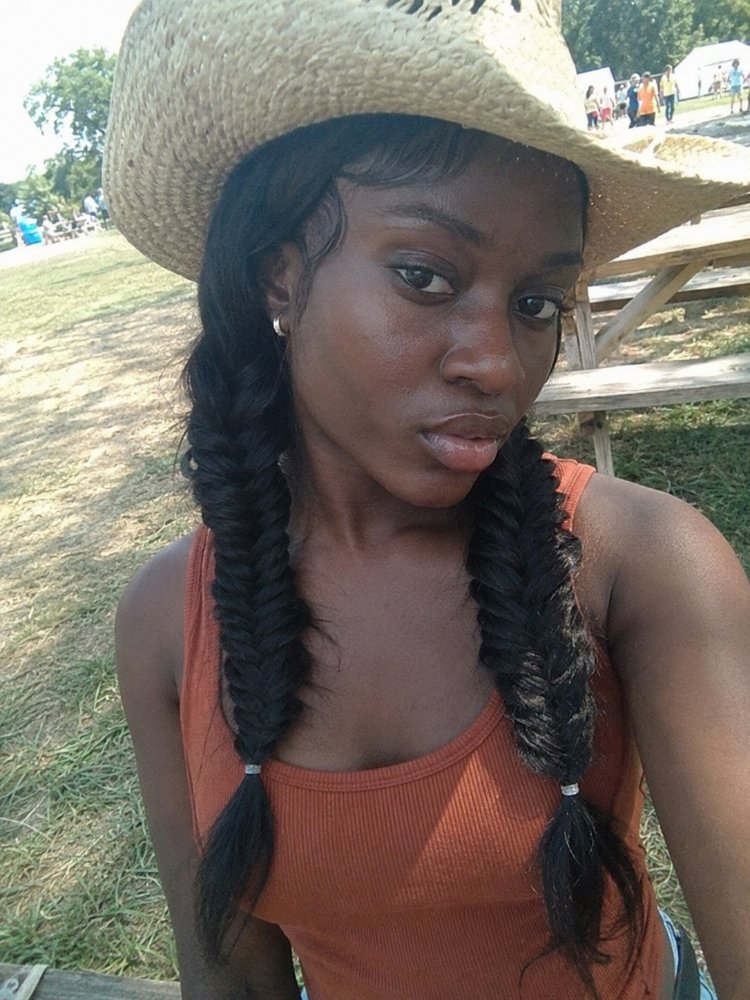
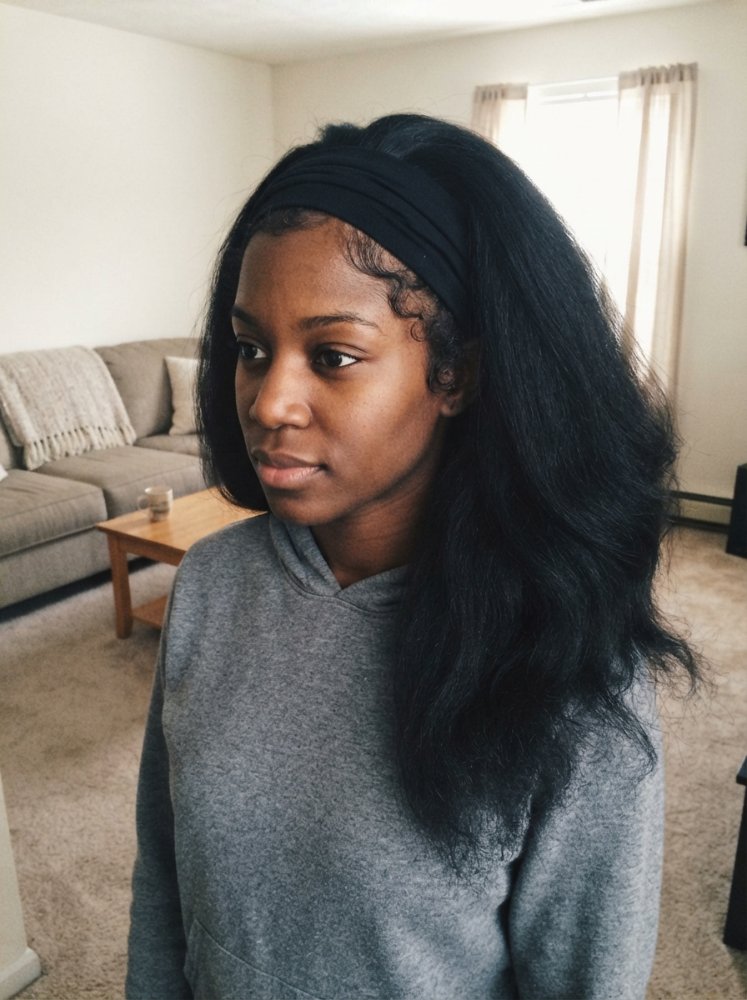
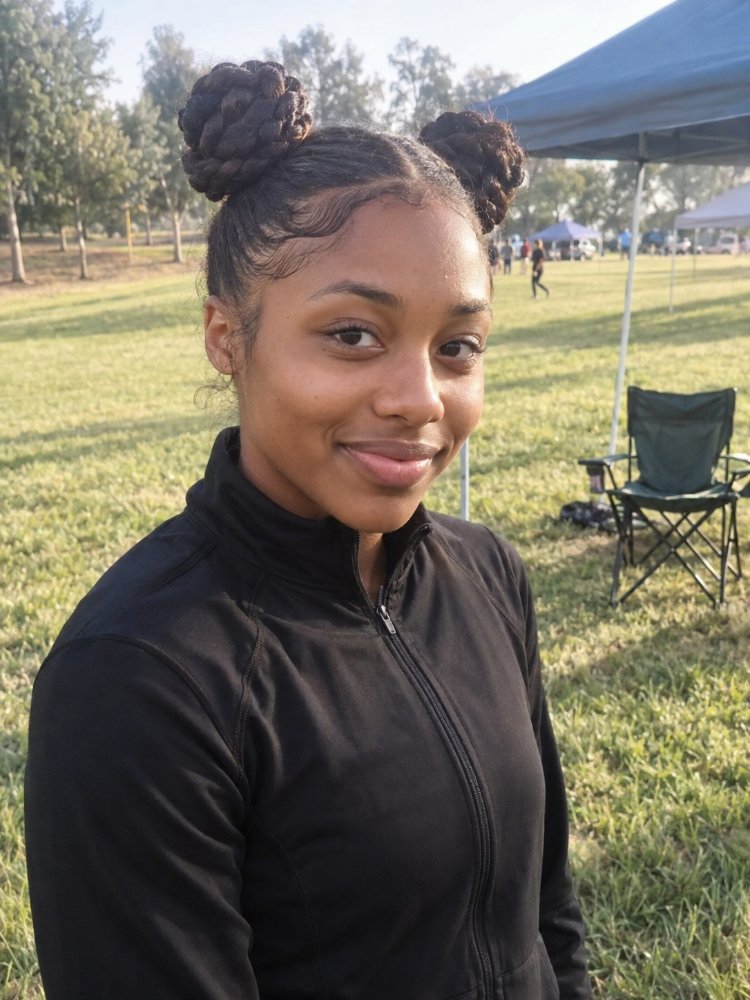
15 Jayda Wayda Hairstyles Worth Saving Before Your Next Appointment
Jayda Wayda hairstyles are less about copying one exact look and more about choosing the right version of a recognizable soft-glam aesthetic. Online references under the name span sleek straight lengths, flowing curls, high ponytails, feed-in braids, knotless
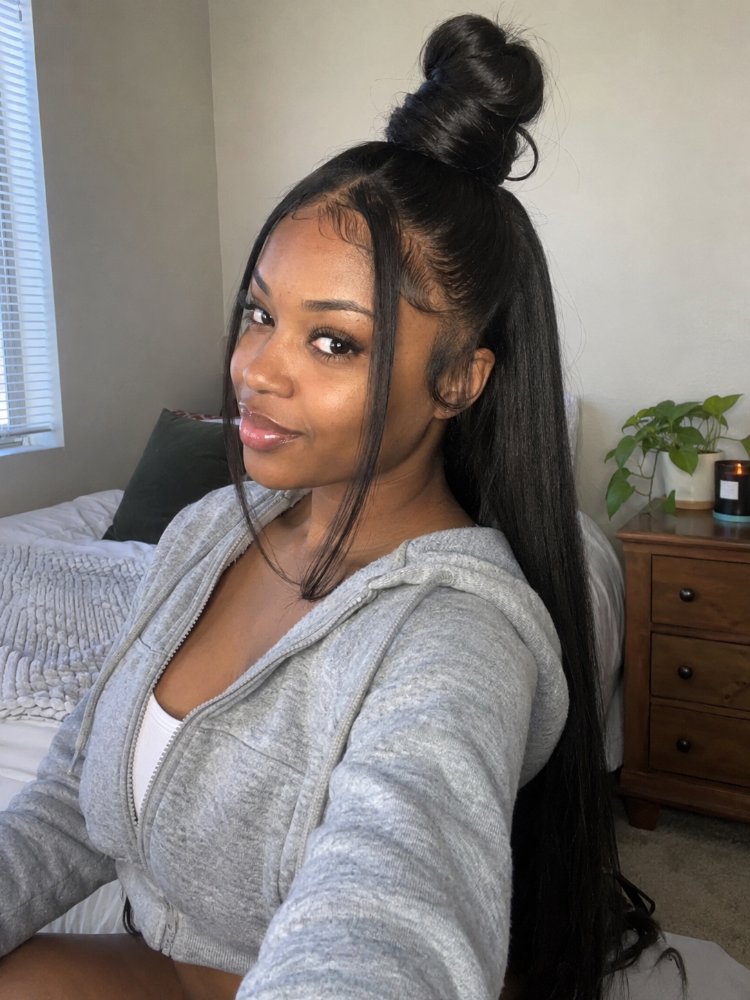
The decision that matters most is construction. A waist-length middle-part look might involve a wig, sew-in, or extensions. A lifted ponytail concentrates the hair at one anchor. A braid-and-curl style has completely different scalp access and nighttime care. Two photographs can look equally glossy from the front while requiring very different routines.
Start by deciding whether you want sleek length, loose movement, a lifted shape, or visible braid detail. Then use the reference photo to discuss installation, density, length, and finish instead of asking for the picture alone.
4
Choosing the Right Jayda Wayda Look
The most dramatic version isn’t automatically the most useful one. Extra length changes how hair sits behind you, high ponytails put more load at one point, and loose curls need more hands-on separation than a straight finish. Braids reduce daily restyling but introduce their own questions about root tension, added-hair weight, cleansing, drying, and takedown.
| Your priority | Strong starting point | Main tradeoff |
|---|---|---|
| Maximum sleekness | Middle-part straight lengths | Surface smoothness needs upkeep |
| Soft movement | Body waves or side-part curls | Curls need refreshing and separation |
| Hair off the face | High or low ponytail | Anchor comfort matters |
| Visible braid detail | Stitch or Fulani-inspired braids | Installation quality drives the result |
| Braids plus softness | Braid-and-curl hybrid | Two textures require different care |
Sleek Lengths, Waves, and Shorter Shapes
1. Extra-Long Sleek Middle Part
Few Jayda Wayda-inspired looks rely on shape this simple: a precise center part with straight hair falling in long, uninterrupted lines. Because there are no curls or elaborate braids competing for attention, the quality of the installation and the condition of the visible length become much more obvious.
A wig or extension installation can create the dramatic length without requiring the natural hair to be worn straight. Natural hair can also be stretched or pressed for a similar visual direction, but heat use should suit its condition and previous processing rather than being treated as a requirement.
Think about real-life length before choosing the longest version in your saved photos. Hair that falls well down the back gets caught beneath bags, coat collars, and seatbelts more easily. A moderately long version keeps the same sleek effect with less hair to reposition throughout the day.
2. Deep Side-Part Body Waves
Choose body waves when you want glamour without the rigid line of a straight buss-down. A deep side part shifts more volume to one side, while large waves create movement through the mid-lengths and ends. The style is particularly useful when you like full hair in photographs but still want it to move naturally. Layers can help distribute the volume, although the haircut or extension shaping should match the wave pattern you actually plan to wear.
3. Wet-Look Waves
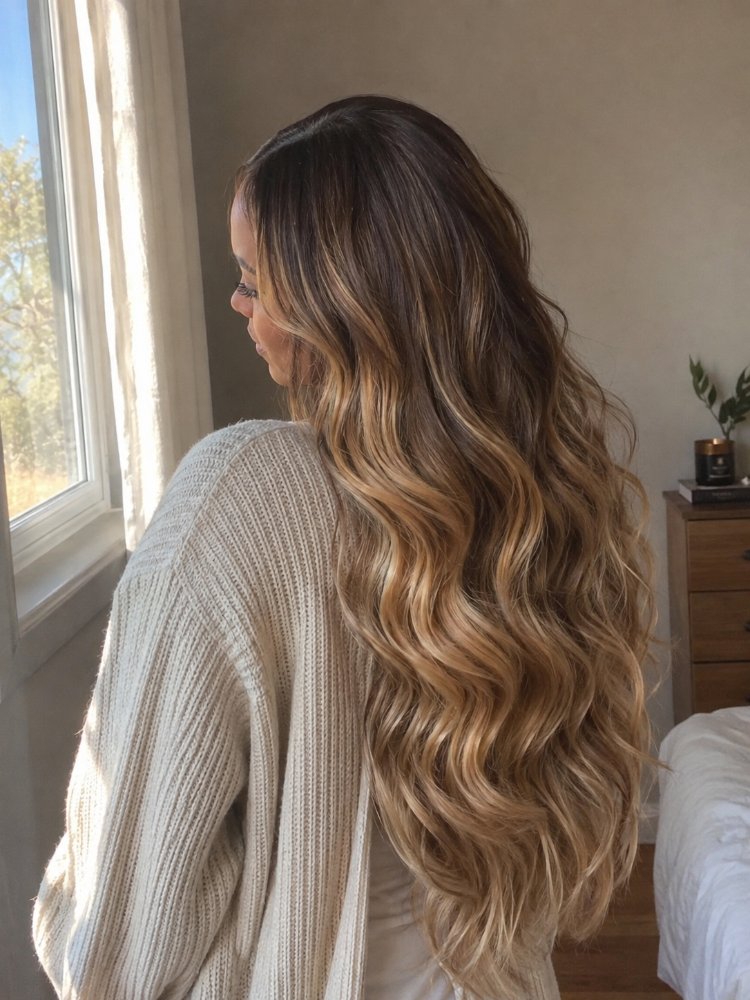
A wet-look wave is sleeker and more defined than fluffy body curls. The roots stay relatively flat while the wave pattern becomes visible through the length, making this a strong option for someone who wants texture without building a wide shape around the shoulders.
The photograph can be misleading here. A glossy, freshly defined finish may change as the hair dries, gets touched, or meets humidity. Ask how the installed hair behaves without heavy styling product and whether the wave pattern can be refreshed with water or a suitable lightweight styler rather than repeated heat.
4. Feathered Silk-Press Layers
For natural hair worn pressed, feathered layers shift the focus from sheer length to movement. Shorter pieces around the front can sweep away from the face while longer layers give the ends more bounce. This is more haircut-dependent than simply straightening long hair: too much interior removal can leave a low-density perimeter looking thinner, while well-placed layers can keep healthy, fuller ends visible.
5. Soft Glam Blunt Bob
A bob is the stronger choice when you like the clean Jayda Wayda finish but don’t want hair covering your back all day. A blunt or lightly beveled perimeter gives the cut visual weight, and a middle or deep side part can change the mood without requiring a completely different haircut.
The hidden issue is where the ends land. A bob that meets the shoulder or a high collar may flip outward through friction. A slightly shorter shape clears that contact point more easily, while a longer bob gives you more room for waves and tucked-behind-the-ear styling.
Ponytails and Lifted Shapes
6. High Sleek Ponytail With Curls
A high ponytail creates one of the clearest Jayda-inspired shapes: a close, smooth base followed by a long fall of curls. The lift exposes the face and neckline, so the tail can carry a lot of volume without the overall style feeling bulky around the cheeks.
Construction deserves more attention than the curl pattern. Natural hair may be gathered into the base with an extension wrapped or attached around it, or the entire look may rely on an installed hairpiece. Added length increases leverage at the anchor as the ponytail swings, so an extremely long or dense tail can feel very different from a moderate one.
The strongest version is the one that stays comfortable while you turn your head and move normally. A smooth surface should come from controlled styling, not from forcing every short or fragile hair into a tight anchor.
7. Low Wrapped Ponytail
A low ponytail trades dramatic height for easier everyday wear. Positioning the anchor closer to the nape reduces the amount of hair sitting high against the scalp, and a small wrapped section can conceal the elastic or attachment. It also works well with straight lengths or soft waves. Consider your clothing, though: a thick low base can rub against hoodies, coat collars, or a headrest more than the front-facing photo suggests.
8. Half-Up, Half-Down Body Waves
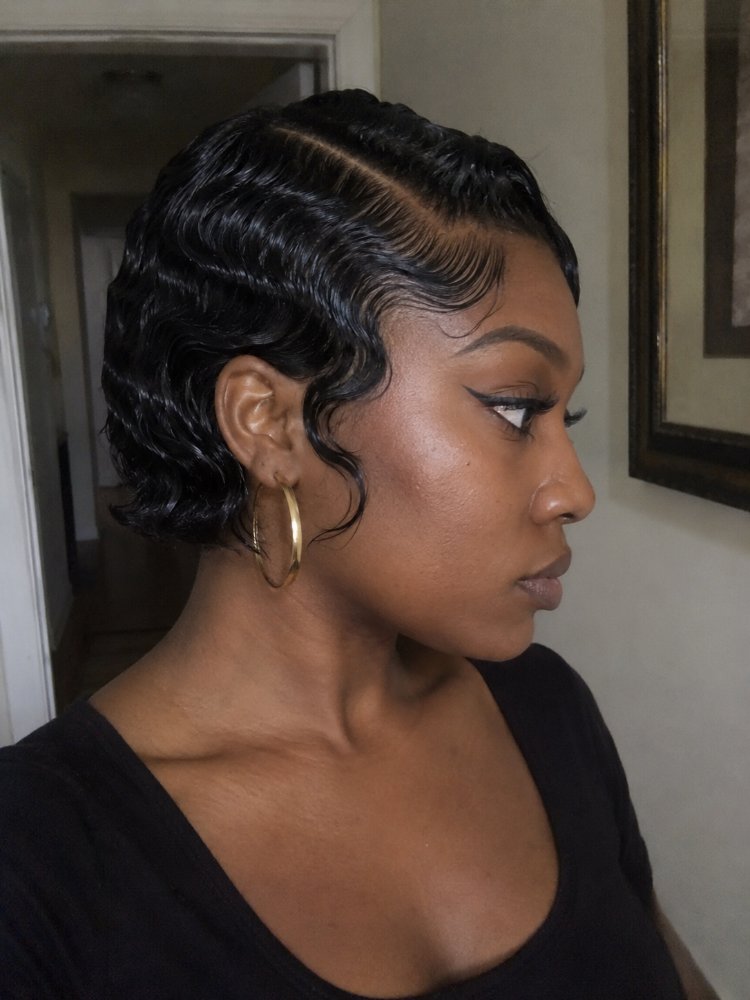
Half-up styling is useful when you want height around the crown without committing all of the hair to a high ponytail. The upper section creates lift, while the lower section keeps the full width and movement of loose waves.
Density changes the balance. Pulling too much hair into the top section can leave the lower half looking sparse; taking too little may make the ponytail disappear into the loose hair. Ask the stylist to check the shape from the back as well as the front, especially when extensions or a wig supply most of the volume.
Braided and Braid-Curl Jayda Wayda Hairstyles
9. Straight-Back Stitch Braids With Long Length
Stitch braids put the scalp pattern at the center of the look. Defined horizontal separations within each cornrow create the stitched effect, while the braids travel backward into long hanging lengths. It has more graphic structure than loose-hair styles and stays visually interesting even with a simple outfit.
The finish depends heavily on clean sectioning and consistent braid direction. Very small details in a reference image may also be difficult to reproduce exactly on another head because hairline shape, density, and available section width differ.
Comfort deserves equal billing with precision. The rows should lie securely without persistent pulling or soreness, particularly where several sections change direction or added hair increases the braid weight.
10. Fulani-Inspired Front Braids With Loose Curls
This hybrid gives you two very different textures in one hairstyle: visible cornrows or small braids around the front and crown, then loose curls through the back. It’s one of the strongest options for someone who loves braid detail but doesn’t want the entire head in hanging braids. The loose section needs its own detangling and nighttime care, so treat it more like curly extension hair than like the braided front.
11. Boho Knotless Braids With Loose Curly Pieces
Boho knotless braids distribute loose curls throughout individual braids rather than keeping most of the curls in one separate back section. That difference matters. The finished hair has more scattered softness and movement, but there are also more loose pieces that can tangle against clothing or neighboring braids.
Curl density is worth discussing before installation. A few strategically placed pieces keep the braids dominant; generous curly sections make the style read much more like loose textured hair. More isn’t always better when easy detangling is a priority.
12. Jumbo Sectioned Braids
Large, clearly separated braids create a bolder result than a head full of small knotless sections. The scalp pattern becomes part of the hairstyle, and each braid carries enough visual weight to stand on its own. This is a good reference when you want a graphic style rather than intricate detail. Large sections still need thoughtful tension and extension weight; fewer braids don’t make excessive pulling harmless.
13. Straight-Back Cornrows Into a Low Bun
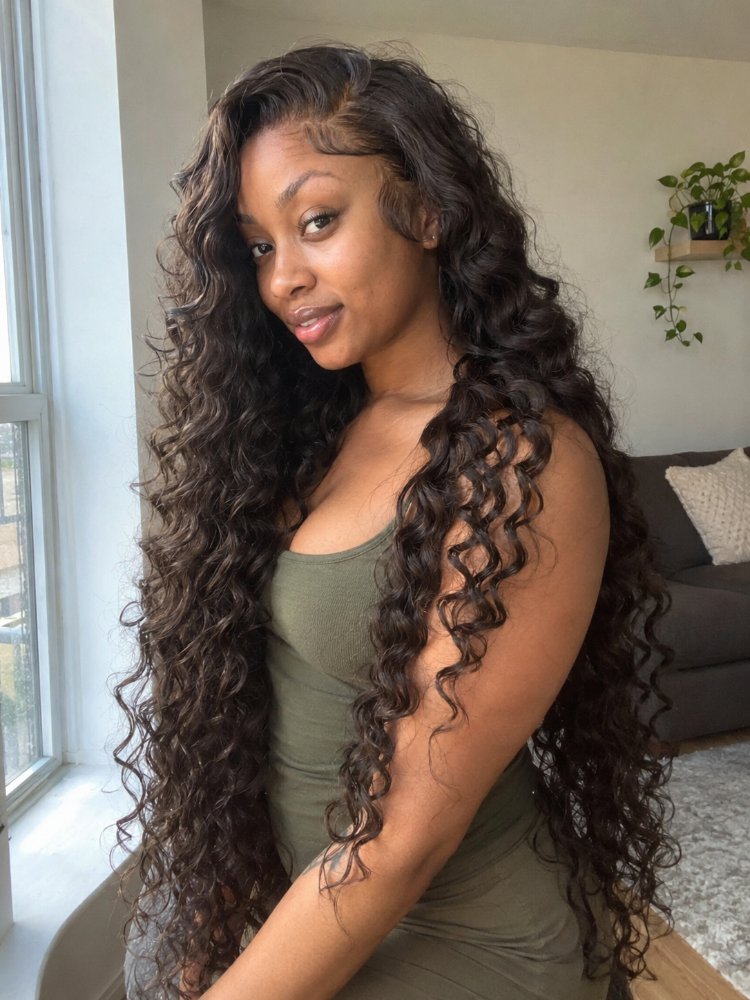
A low braided bun removes hanging length altogether. Cornrows travel toward the nape and feed into a compact bun, keeping the neck and shoulders clear while preserving the clean geometry associated with braided Jayda-inspired looks.
This option is underrated for readers who like braids but dislike long extensions shifting during sleep or getting trapped beneath straps. The bun should also be assessed from the side: an oversized base can press against a car seat or headrest even though the hairstyle looks compact from the front.
14. Braided High Ponytail With a Curly Tail
Here the braided base is the feature. Cornrows angle toward the crown before meeting a curly ponytail, so you see both scalp pattern and loose movement. It differs substantially from a slicked high pony because the direction of each braid has to be planned around the convergence point. The tail should feel proportionate to the anchor; adding extreme density simply for a fuller photograph can create more weight than the style needs.
15. Twin Braided Ponytails
Twin ponytails produce a more playful, symmetrical outline than a single high anchor. Each side can finish as one substantial braid or as a grouped braided tail, depending on the construction you choose.
Part placement has a bigger role here because the center division remains visible from front to back. Ask the stylist to check both ponytails at eye level before finishing them; uneven anchor height becomes noticeable once the braids start hanging. This style also lets the load sit across two areas rather than one central ponytail, although each base still needs to remain comfortable.
What the Finished Photos Don’t Show
The most useful Jayda Wayda reference photo is one that helps you discuss how the look is built, not only how it appears immediately after styling.
Loose-hair looks may involve a lace wig, sew-in, ponytail attachment, or the wearer’s own stretched or pressed hair. Those methods differ in scalp access, blending, nighttime care, and how much of your natural hair must be manipulated. Ask before the appointment rather than assuming the photograph reveals the construction.
Braided styles have another set of variables. Section size, braid direction, added-hair weight, existing fragile areas, and takedown all affect whether the installation suits your hair. Braids can reduce daily styling manipulation when installed and maintained appropriately, but discomfort is a poor price for a sharper part or tighter-looking root.
Curly extensions also behave differently once they encounter sleep, clothing friction, humidity, and cleansing. Finger separation, gentle detangling, and containing the hair at night usually make more sense than repeatedly brushing through defined curls.
Scalp pain, persistent stinging, sores, marked irritation, or a concerning change in density deserves attention rather than being treated as part of getting used to the hairstyle. Loosen or remove a problematic source of tension and seek advice from a dermatologist or another qualified healthcare professional when symptoms persist or concern you.
Your Salon Consultation Checklist
Bring more than one photograph when possible: a front view for the part and hairline, a side view for height and volume, and a back view for length or braid direction. Then decide which features are essential and which can change to suit your hair.
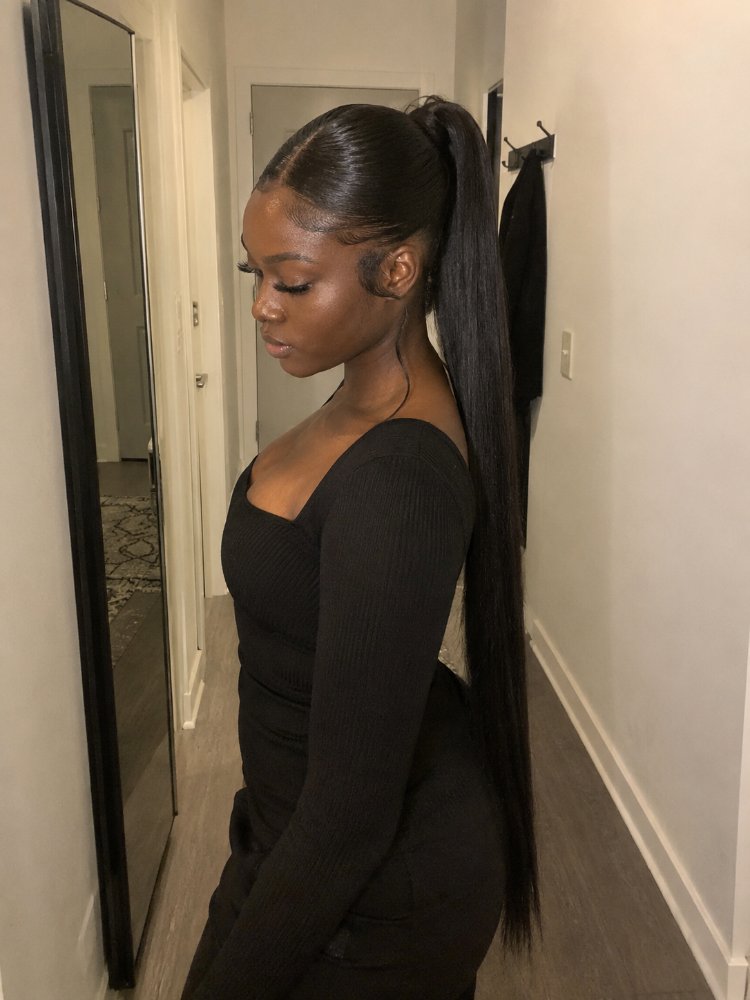
| Reference-photo detail | What to discuss | Why it matters |
|---|---|---|
| Very long hair | Final length and density | Changes weight and daily handling |
| Flat, seamless roots | Wig, weave, braid, or natural-hair construction | Determines maintenance |
| Full curls | Curl size and amount of layering | Controls width and movement |
| Detailed cornrows | Braid direction and section size | Affects pattern and comfort |
| Styled edges | How much edge styling you actually want | It is optional, not structural |
Also explain your normal styling state. Natural hair worn shrunken behaves differently from stretched or pressed hair, and relaxed or previously processed hair has its own condition considerations. A good plan adapts the inspiration to the hair you have and the routine you’re willing to maintain.
FAQs
Are Jayda Wayda hairstyles only for long hair?
No. The aesthetic translates well to bobs, medium-length waves, compact braided buns, and shorter extension installations. Length mainly changes the drama, weight, and daily handling. A shorter version can preserve the clean parting or soft-glam finish without recreating every inch of the reference look.
Can natural curly or coily hair wear these hairstyles?
Yes. The appropriate method depends on whether you want to keep your natural texture visible, stretch it temporarily, braid it, or place it beneath an installation. Curly fringe and edges don’t need to be straightened simply because the reference photo shows a smoother finish. Tell the stylist how you normally wear your hair so the plan makes sense beyond appointment day.
Are Jayda Wayda braids protective?
They can reduce some day-to-day manipulation, but the result depends on the installation. Root tension, section size, added-hair weight, scalp access, friction, drying, and removal all matter. A beautiful braid pattern that causes persistent discomfort or overloads fragile areas isn’t a useful protective strategy.
Which Jayda Wayda hairstyle is easiest to maintain?
A simple low ponytail, straight-back braid style, or moderate-length straight installation is usually less demanding than a very long curly or boho style with many loose pieces. Your actual easiest option depends on whether you’d rather maintain smooth hair, care for braids, or detangle curls. Pick the type of maintenance you already know you’ll do consistently.
Conclusion
The strongest Jayda Wayda hairstyle to copy is rarely the one with the most length, curls, or detail. Choose the feature you actually want people to notice—sleek lines, lifted volume, braid pattern, or the contrast between cornrows and curls—then build the rest of the style around your hair, installation preference, and daily routine.
Bring the reference photo to your appointment, but also bring decisions about length, density, construction, and maintenance. That turns a saved hairstyle into a look you can realistically enjoy after the camera-ready finish wears in.