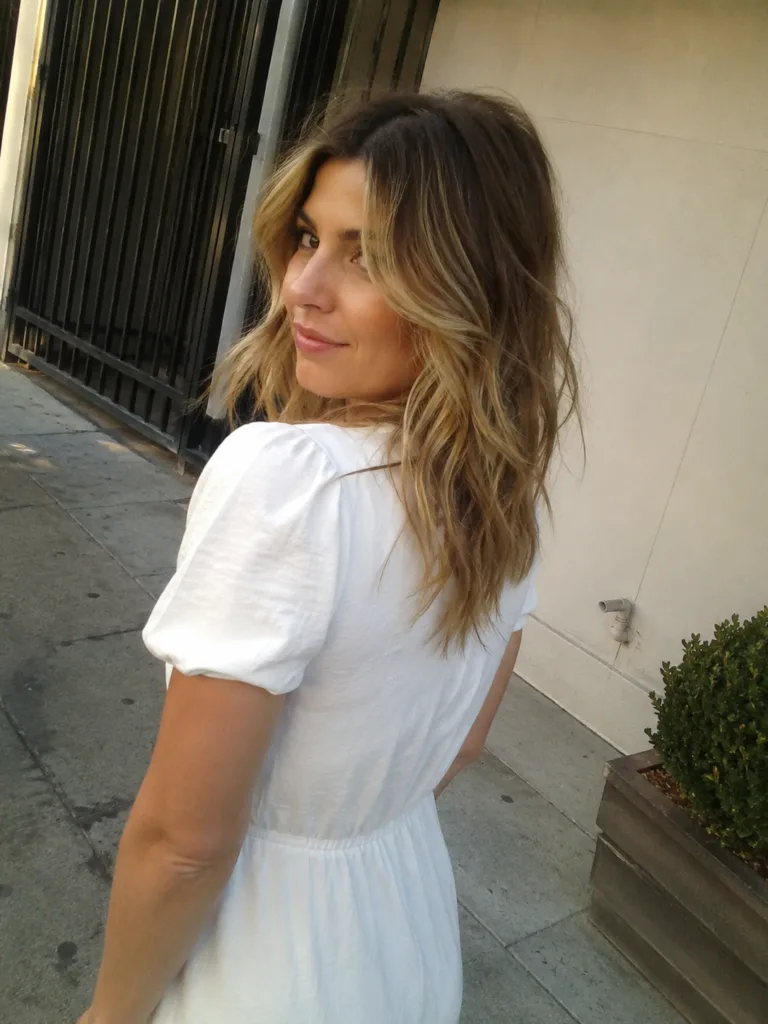
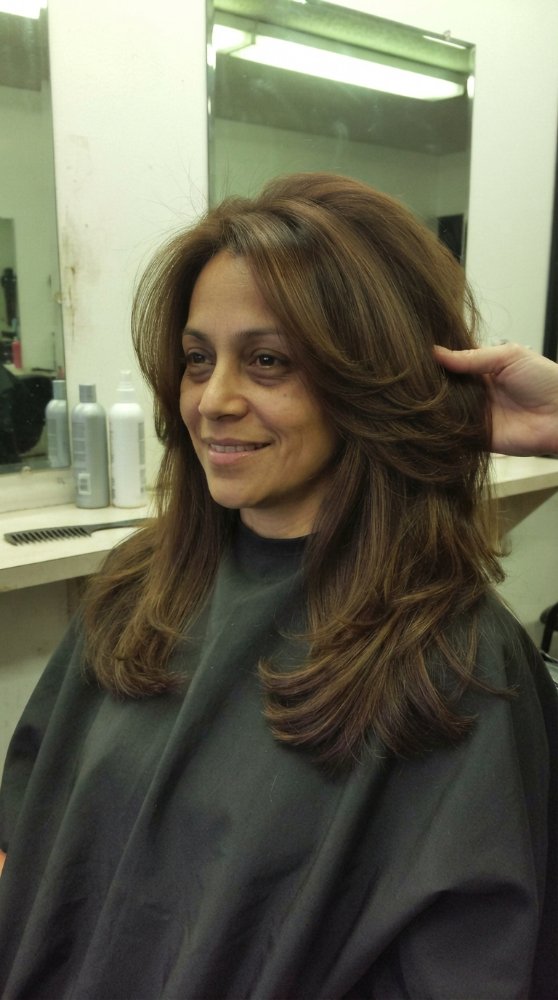
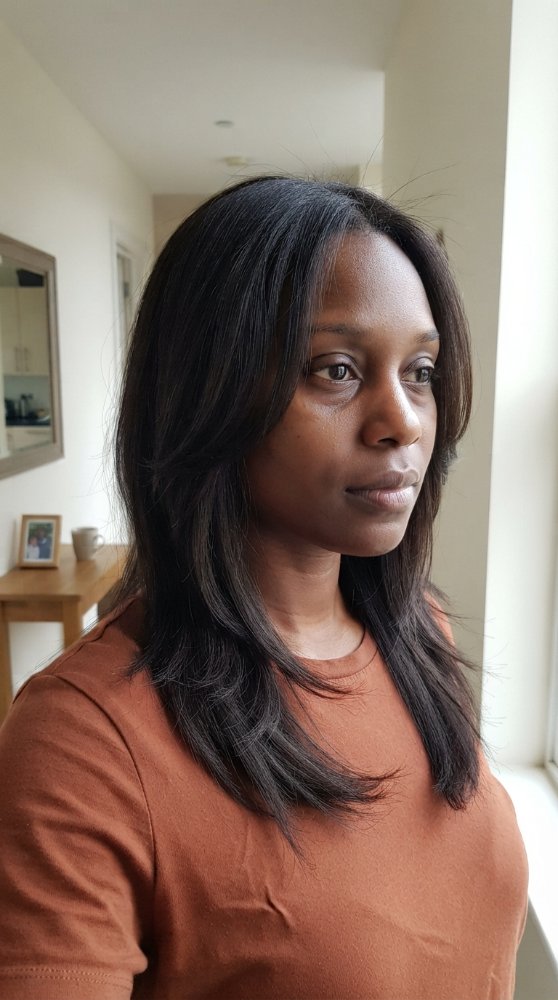
90s Layered Bob: Shape, Styling, and What Makes It Work
The 90s layered bob gets its character from a combination that can be surprisingly easy to misread in photographs: a recognizable bob perimeter with enough layering to create movement, lift, and separation through the interior. It feels fuller and more animated than a severe blunt bob, but it shouldn’t dissolve into a short shag.
That balance is the main decision.
Cut too solidly, and the result reads as a conventional bob with a little face framing. Remove too much weight, and the lower edge loses the compact shape that makes it a bob in the first place. The strongest version keeps enough substance around the bottom while using layers to make the crown, sides, and front move independently.
Your normal styling state matters just as much as the haircut. A smooth round-brush finish exposes every layer. Natural waves can make the cut softer and less obviously 90s. Curls introduce shrinkage and change where the perimeter visually lands. Air-dried straight hair may sit flatter than the reference photo unless the cut already contains useful movement.
So before asking for a 90s layered bob, decide which part of the look you actually want: the bouncy styling, the face-framing movement, the compact bob outline, or all three.
What Makes a Bob Look Specifically 90s?
A 90s layered bob usually sits in the space between a clean classic bob and a much more broken-up shag.
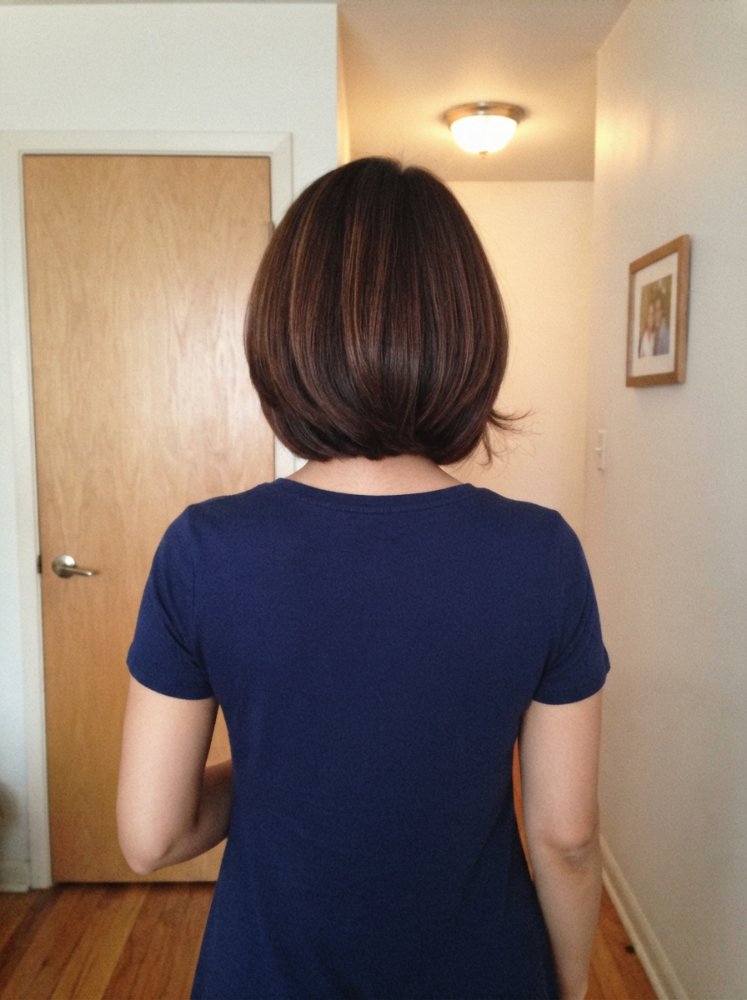
The perimeter still matters. You should be able to recognize a lower edge around the jaw, neck, or upper shoulder area rather than seeing layers taper indefinitely into wispy ends. Above that edge, shorter pieces create movement around the face and release some of the solid weight through the sides.
Styling strengthens the reference. A smooth surface, lifted roots, rounded ends, and sections that bend away from the face make the layering much more visible. The same haircut worn nearly flat or allowed to dry into loose irregular waves can look considerably more contemporary.
That distinction is useful at a consultation because haircut and styling are easy to confuse. A photograph showing dramatic sweep around the cheekbones may owe part of that effect to the blowout, not simply to very short front layers.
The easiest mistake is chasing the 90s effect entirely through layering. More layers don’t automatically create a better version. The perimeter still has to carry enough visual weight to support them.
Length Changes the Personality of the Cut
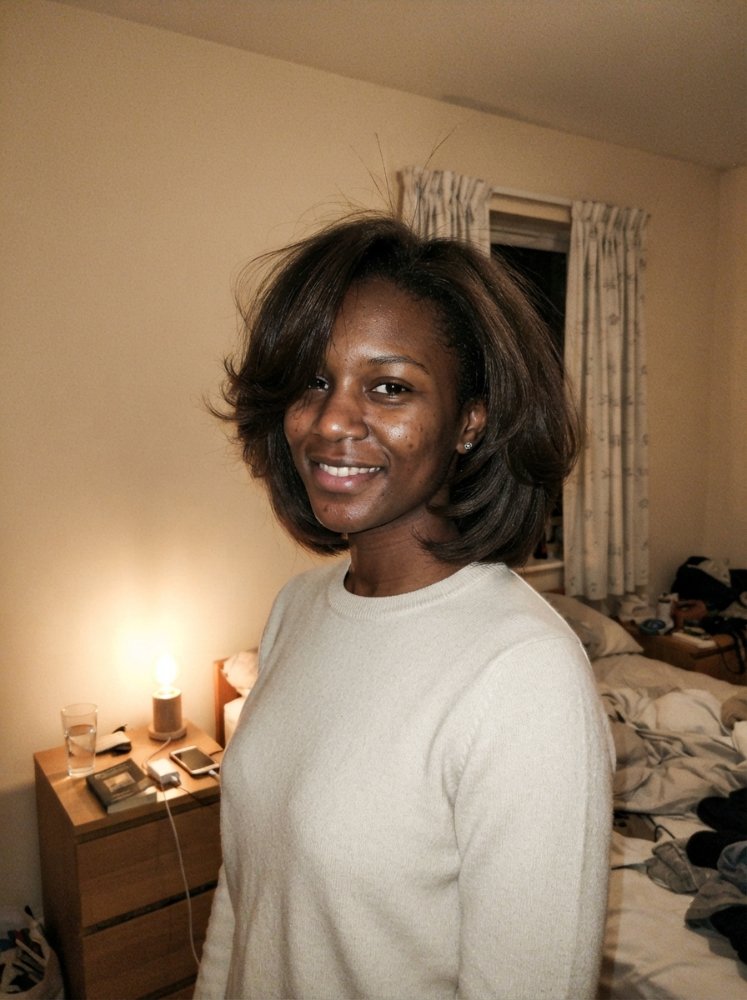
A few centimeters of apparent length can change how this bob behaves because the hair starts interacting with different parts of your face, neck, and clothing.
A jaw-length version looks compact and exposes the neck clearly. It makes face framing more prominent because the front pieces don’t have much distance to travel before reaching the perimeter. That can create a strong graphic result, especially when the ends are turned under or allowed to kick outward.
Moving the baseline closer to the chin or below it gives the layers more room to graduate into one another. The haircut tends to feel softer, and you have more length available for a round-brush bend.
A longer version approaching the shoulders is easier to tie partially back, but collars and jacket necklines begin to affect the ends. Hair that curves neatly inward after styling may flip outward once it rests against clothing. That isn’t necessarily a flaw; an outward bend can reinforce the retro mood. It becomes annoying only when you’re expecting the ends to stay consistently tucked under.
Shrinkage deserves separate attention on curly or coily hair. The cutting length and the visible dry length may differ substantially, so the finished shape should be assessed in the state you normally wear. A bob planned around stretched hair can sit much shorter after returning to its natural curl pattern.
The most practical starting point for someone uncertain about going very short is a bob that preserves some length below the jaw. It gives the layering room to move while keeping more styling options during the grow-out.
The Perimeter Should Survive the Layers
The bottom edge is the part of this haircut most likely to disappear when layering becomes too aggressive.
A strong perimeter doesn’t mean every strand has to end at exactly the same line. It means the lower portion still looks substantial enough to frame the haircut. You want movement above it without creating a transparent or stringy edge.
This becomes particularly important with lower-density hair. Fine hair and low-density hair describe different things: fine refers to the diameter of individual strands, while low density refers to having fewer strands overall. A person can have fine strands with plenty of density or coarse strands with relatively low density.
With healthy fine hair and good density, moderate layering can create attractive separation without sacrificing the baseline. Lower-density hair often benefits from keeping more weight near the bottom because heavy interior removal can expose more space between strands.
That doesn’t mean low-density hair requires a completely blunt bob. Face framing and carefully positioned internal layers can still work. The haircut simply has less margin for unnecessary removal.
At the other end, very dense hair may need enough interior shaping to stop the bob from forming a triangular or overly bulky outline. The useful question isn’t whether your hair is thick or thin in casual terms. Ask how much weight can be removed while keeping the edge you want.
Face Framing Is Where the Reference Photo Can Mislead You
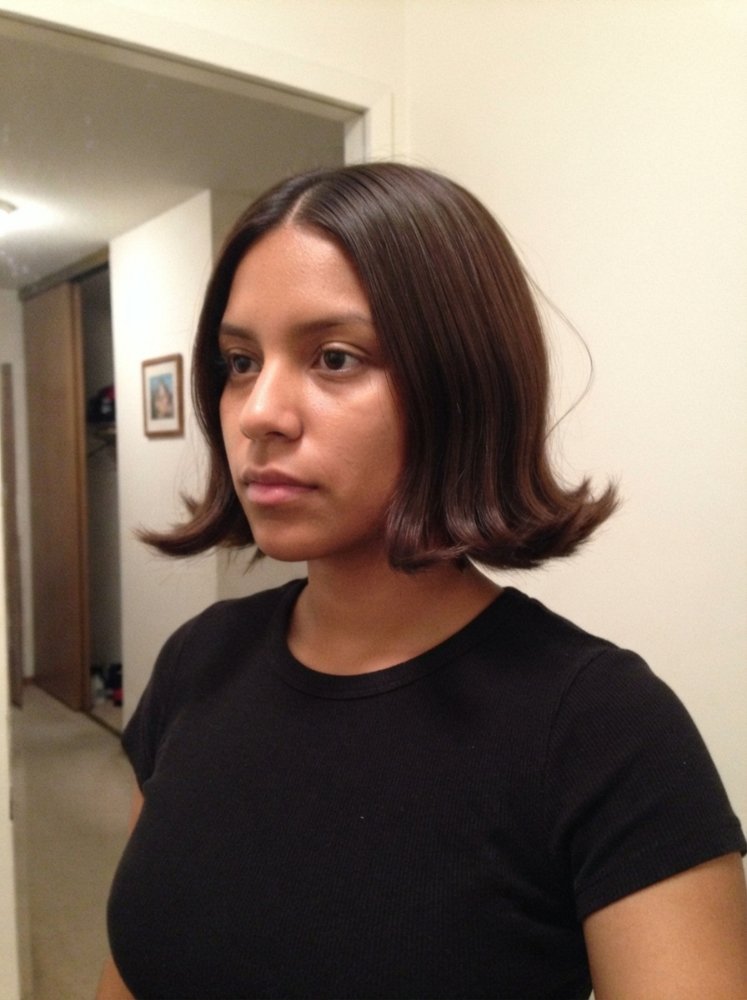
The front sections often create the strongest 90s signal.
They might sweep backward from the cheekbones, break around the jaw, or blend through several lengths before meeting the sides. Styled with volume, those pieces can look dramatically shorter than they really are because the bend lifts them away from the face.
This is one reason showing a stylist multiple reference photos is more useful than focusing on a single front-facing image. A side view reveals how far back the shorter layering continues. A less-styled photograph shows where those pieces actually fall.
Consider what regularly occupies the sides of your face too. Glasses arms can flatten a heavily styled section at the temples. Hair that repeatedly gets tucked behind the ears behaves differently from hair left forward. A pronounced cheek-level layer may also fall out of a short ponytail or half-up style.
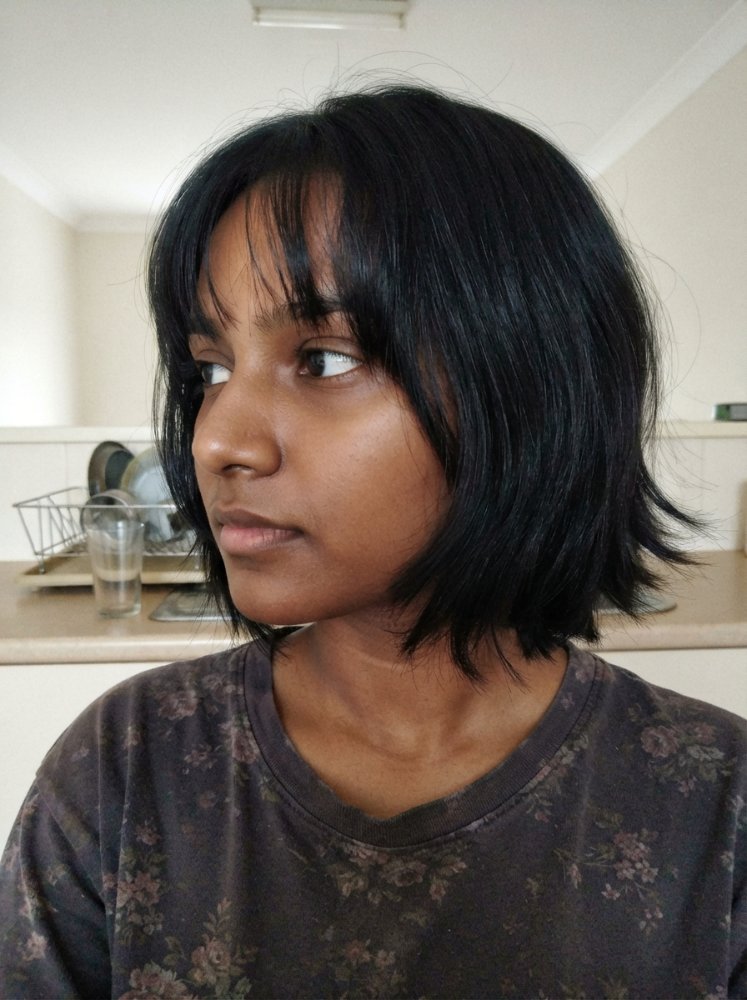
Fringe is optional. A curtain fringe can intensify the retro character, but it adds another short zone that needs to connect smoothly with the face framing. Longer front pieces are less restrictive if you prefer changing your part or tucking everything behind the ears.
For most people who like the 90s mood but don’t want a haircut dominated by bangs, longer face framing is the more flexible choice. You can create a strong sweep during styling without committing to a full fringe.
Straight, Wavy, and Curly Hair Show the Layers Differently
This cut isn’t limited to naturally straight hair, but the texture changes what the layering looks like.
Straight hair tends to reveal the architecture clearly. You can see where the perimeter sits, where shorter sections begin, and how the ends bend. Hair with little natural root lift may need deliberate styling to recreate the buoyant finish seen in many reference images.
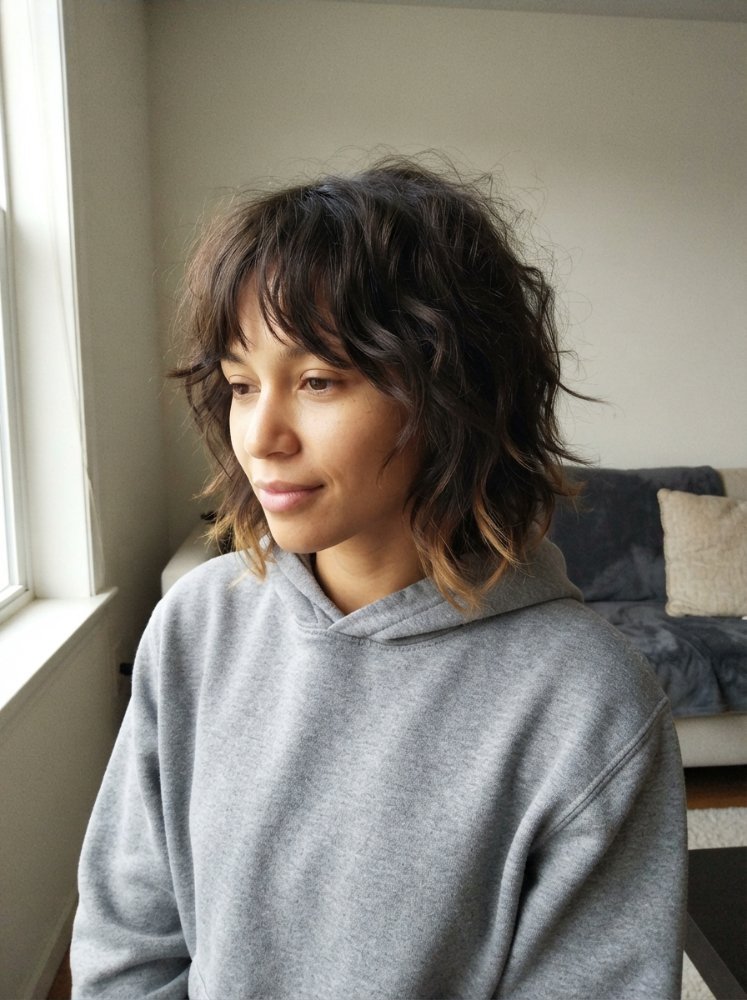
Wavy hair softens the geometry. Layers can encourage bends to sit at different heights, which gives the bob movement without requiring every section to be round-brushed. The finished result may look less distinctly retro on air-dry days and more 90s when styled smooth.
Curly hair needs a more texture-specific plan. Curl grouping and shrinkage influence both the baseline and the apparent spacing between layers. Cutting short pieces based entirely on a stretched reference can produce a much shorter dry result. Curly fringe can remain curly; straightening it isn’t required for the haircut to work.
Coily hair can carry a bob shape beautifully as well, whether worn shrunken, stretched, or pressed. Those are different styling states and shouldn’t be treated as interchangeable. A shape designed to look balanced when pressed may sit differently once coils contract. The consultation should focus on the state you wear most often and how much variation you expect between styles.
Texture also changes how much daily styling is worthwhile. Someone who wants to wash, dry, and leave natural movement largely untouched needs a haircut that already behaves well without a round-brush finish.
The 90s Blowout Is Part of the Look, but It Shouldn’t Carry the Whole Haircut
The most recognizable styling approach uses root lift and curved ends to show where the layers sit.
A round brush is useful because it can direct sections inward, outward, or away from the face while smoothing the surface. A blow-dryer with a concentrator attachment gives more directional control. Depending on your hair, a lightweight styling product or setting product may help the shape last without making the layers stick together.
The haircut should still make sense once the styling relaxes.
That’s especially important if you don’t enjoy blow-drying regularly. A cut that looks convincing only after extensive manipulation can become a poor match for your actual routine. Ask to see how the layers fall with minimal styling before you leave the appointment, not solely after the most polished finish.
A Practical Way to Style the 90s Layered Bob
Start with damp, detangled hair prepared for the heat styling method you use. Create your normal part before drying so the front layers settle in the direction they’ll usually be worn.
Dry the roots with attention to lift rather than immediately stretching every section flat. Once the hair is mostly controlled, work in sections that are manageable for your brush.
At the sides, direct the front pieces away from the face if you want the classic swept effect. The bend should begin where you want movement to show—often somewhere through the cheek or jaw area depending on the cut.
Through the lower sections, choose your finish instead of automatically turning every end under. An inward curve produces a rounder bob. A slight outward kick feels lighter and more obviously retro. Mixing subtle directions can keep the result from becoming too uniform.
Finish by separating the layers with your fingers rather than brushing everything into one solid surface. You want the individual sections to move while the perimeter still reads clearly.
Heat needs to suit your tools, hair condition, and technique. More heat isn’t a substitute for controlled sectioning or good airflow.
What Grow-Out Looks Like
A layered bob rarely becomes unwearable all at once. Different parts lose their intended relationship at different speeds.
The front layers may stop sweeping into the sides as cleanly. Crown movement can begin to fall lower. The perimeter may touch the shoulders and start flipping where it meets clothing. Someone growing the cut longer may actually enjoy those changes.
Maintaining a distinct 90s outline is more salon-dependent because the proportions matter. The shape can start feeling ordinary before the hair feels obviously long.
Growing it out is easier when the shortest layers weren’t cut excessively short. Longer face framing gradually blends into the rest of the haircut, while very short crown layers can take longer to catch up with the perimeter.
Decide which goal you have before every reshaping appointment: preserve the retro bob, soften it into a longer layered cut, or grow toward one length. Repeatedly cutting the perimeter back while trying to gain overall length can leave you feeling as though the haircut never progresses.
What Photographs Don’t Show About Daily Wear
A still image captures the haircut at one moment. Your bob spends the rest of the day moving.
A rounded neckline can flatten against a car or office headrest. A coat collar can push the perimeter outward. Tucking both sides behind the ears changes the volume around the temples. Humidity may reduce a smooth blowout while making natural wave more visible.
Sleeping changes the shape too. A smooth pillowcase or hair covering may reduce friction and tangling, but the styled bend still may need refreshing in the morning. The shorter the front pieces, the more obvious their direction can become after being pressed to one side overnight.
Exercise creates another practical difference. A longer bob may be partially secured, while shorter face-framing pieces are more likely to fall free. That matters more to someone who regularly needs all the hair off the face than it does to someone comfortable using clips or a headband.
None of these issues makes the cut difficult by default. They simply determine whether the version in your reference photo fits the way you actually wear your hair between styling sessions.
What to Ask for at the Salon
Bring reference images that show the haircut from more than one angle and, ideally, in more than one styling state. Then separate the elements you definitely want from the parts you’re flexible about.
A useful consultation should cover:
where you want the perimeter to land when your hair is in its usual state;
how substantial you want the lower edge to appear;
how short the face-framing pieces can comfortably go;
whether you expect to wear bangs, a center part, or multiple parts;
how much natural wave, curl, or shrinkage affects the dry result;
whether your priority is air-dried movement or a round-brush finish;
how much length you need for tying or clipping the hair back.
Also explain your recent chemical and color history when it’s relevant to condition. Previously lightened or chemically processed areas can behave differently from stronger sections of hair, particularly around the ends.
Ask the stylist to identify which parts of your reference are created by the cut and which are created by styling. That single distinction prevents many mismatched expectations.
A good 90s layered bob should make sense before the final blowout disguises its structure.
Related Hairstyles to Explore
- Medium length layered haircuts
- Layered Hair for women
- Short layered haircuts
- Layered haircuts for long hair
FAQs
Is a 90s layered bob good for fine hair?
It can be. Fine describes strand diameter, so fine hair with moderate or high density may handle visible layering very well. Hair with lower density generally needs more caution around heavy interior removal because keeping a stronger lower edge can make the perimeter appear more substantial. The layer placement matters more than simply labeling the hair fine.
Can I wear a 90s layered bob without blow-drying it every day?
Yes, provided you like how the underlying haircut behaves in your natural styling state. Air-dried straight hair may look flatter, while waves or curls can make the layers appear softer and less traditionally 90s. Ask for a cut that still has a pleasing shape without a full blowout, then use round-brush styling when you want the stronger retro effect.
Can a 90s layered bob work on curly hair?
Yes. The layer lengths need to account for curl grouping and shrinkage, and the finished shape should be evaluated in the state you normally wear. A curly version may look rounder and less sleek than a straight reference image while keeping the same basic idea: a recognizable bob perimeter with movement through the interior and front.
What should I do if my scalp or hairline changes after styling my bob?
A haircut itself doesn’t require tension, but tight clips, repeated pulling, extensions, or other styling choices can affect comfort. Persistent pain, redness, sores, sudden shedding, or a concerning change in density deserves more attention than a styling adjustment alone. Stop or loosen anything causing pulling and consider talking with a dermatologist or another qualified healthcare professional if symptoms persist or concern you.
Hair Texture & Upkeep Style Matcher
Select your natural hair texture and daily maintenance window to get an instant styling formula and heat safety cap.
Heat Cap: 320°F (160°C)
A versatile three-strand braid beginning at the parietal ridge, securing the top half while allowing natural wave texture to flow freely around the shoulders.
Conclusion
The strongest 90s layered bob keeps two ideas in balance: enough structure at the bottom to remain unmistakably a bob and enough movement above it to create that buoyant, face-framing character.
Decide on the perimeter first. Then choose how much layering your density, texture, and usual styling state can support. Treat the dramatic blowout as an amplifier of the haircut rather than the thing holding the entire result together.
Before the cut begins, be clear about where you want the dry length to land, how short you’re willing to go around the face, and whether you want the bob to work primarily air-dried or styled. Those choices will matter far more in daily life than reproducing every curve in a single reference photo.
Editorial Standards & Hair Health Guidance
Every style featured on Tress Atlas is curated with a focus on real-world wearability, scalp tension management, and cuticle preservation. When trying protective styles or tight updos, ensure perimeter hairline sections remain tension-free to avoid traction stress on delicate follicles. For heat styling, cap tools below 350°F (180°C) to prevent thermal keratin denaturation.
Scientific Sourcing: Practices aligned with the American Academy of Dermatology (AAD) on traction alopecia risk reduction and cosmetic trichology research on hair tensile strength.