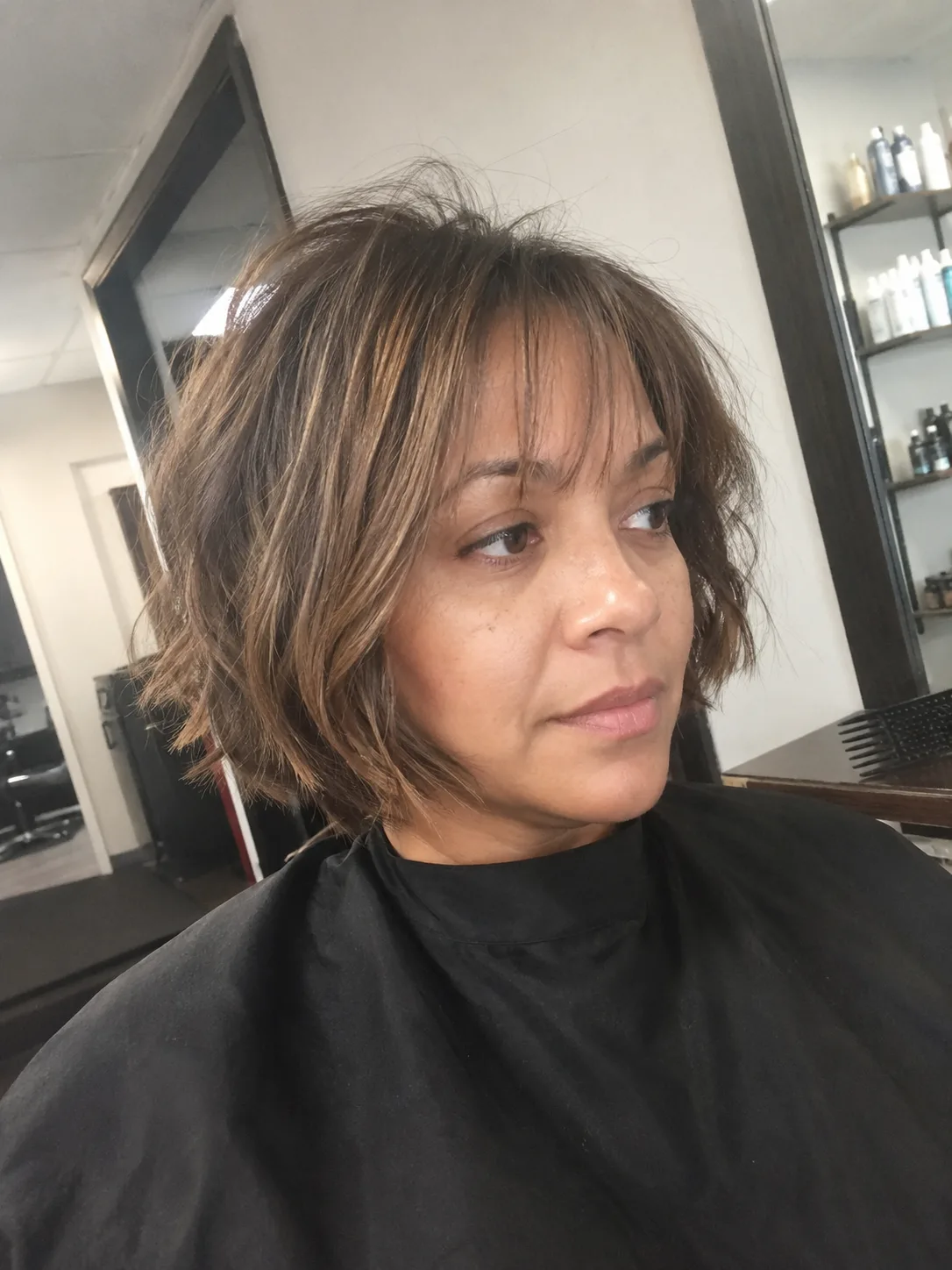
Short Hairstyles With Bangs: Styling Guide & Cuts That Change the Whole Shape
Short hairstyles with bangs work best when the fringe belongs to the haircut instead of looking like a separate detail added across the forehead. On short hair, there isn’t much length elsewhere to dilute the effect. Bangs can change where the eye lands, how wide or narrow the upper half of the cut appears, and whether the overall shape feels sharp, rounded, airy, or deliberately heavy.
The hidden decision is usually where you want the visual weight to sit. A full fringe paired with a blunt bob creates a compact, graphic outline. Long side bangs pull attention diagonally and make a pixie feel softer. Curly or coily bangs add height and movement, but shrinkage becomes part of the haircut rather than a styling afterthought.
Daily behavior matters too. Fringe touches the forehead, gets disturbed by glasses, responds quickly to humidity, and can lose its intended length as curls spring back after washing. Short cuts also tend to reveal grow-out earlier because the outline is doing so much of the work.
Use the finished shape you want—not the bang trend alone—to narrow the choices.
Cropped Cuts Where the Bangs Carry the Shape
Soft Pixie With Long Side-Swept Bangs
A short back and sides paired with a longer sweeping front is one of the more forgiving ways to wear bangs with a pixie. The diagonal fringe softens the abruptness of a very short haircut and gives you enough length to tuck, sweep, lift, or separate the front depending on the day.
This is especially practical when you want a short cut without exposing the entire forehead. The front also provides some flexibility as the haircut grows. The tradeoff is balance: once the side fringe becomes too heavy, it can overpower the cropped areas and make the cut look disconnected before the rest of the pixie feels particularly long.
Textured Pixie With Short Piecey Bangs
Choppy fringe works well with a pixie that already has visible separation through the top. Instead of forming a solid line across the forehead, small pieces break up the edge and keep the haircut light.
Fine strands can benefit from keeping the internal cutting controlled; excessive removal can make the front appear sparse. Low-density hair is a different issue and may need a stronger, less fragmented fringe so more of the hair stays visually present.
Tapered Crop With Baby Fringe
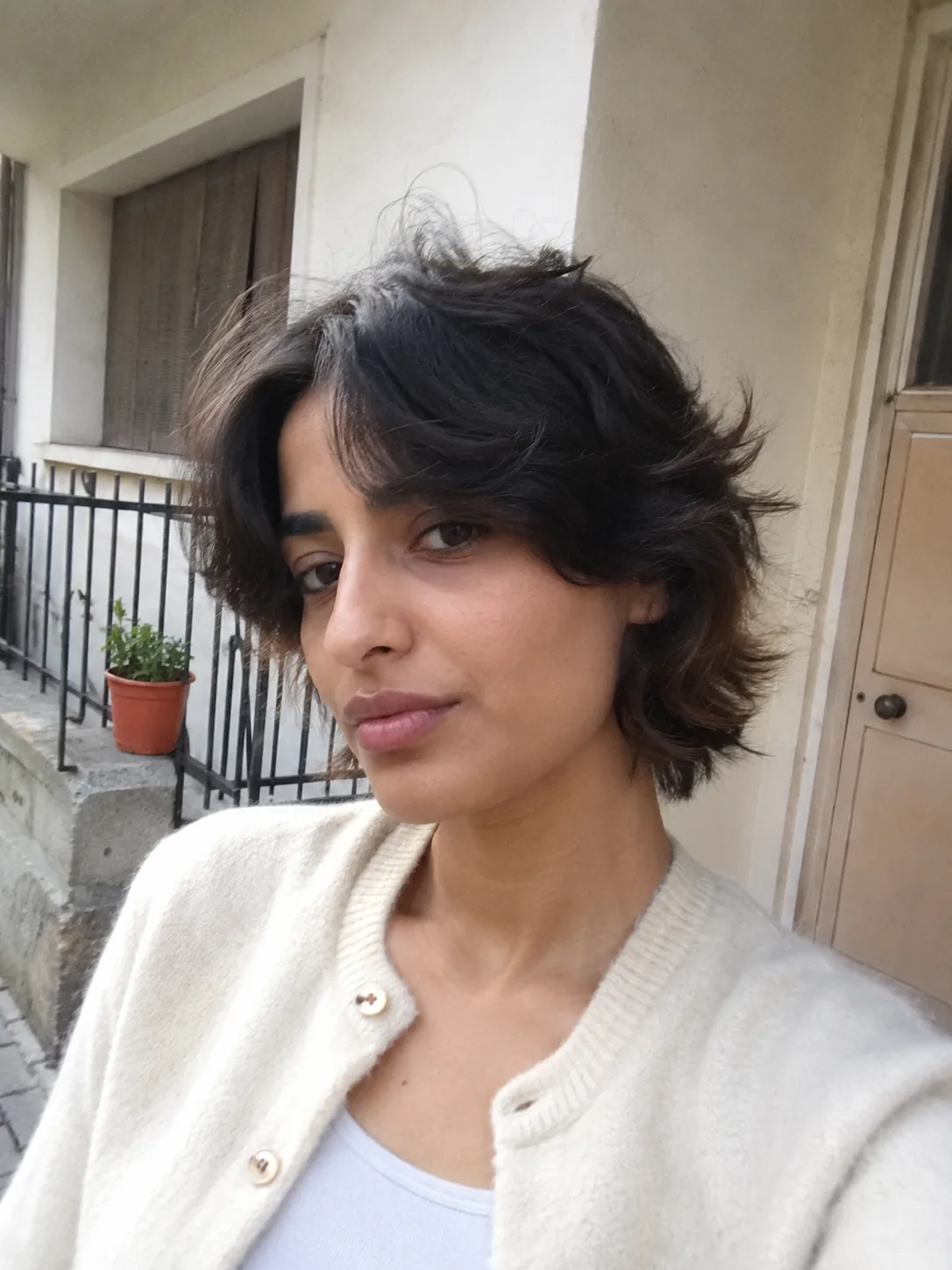
A close taper places most of the visual interest on the crown and front, which makes a short fringe unusually noticeable. Baby bangs sharpen that effect. The result is compact and deliberate, with very little hair covering the forehead.
This option asks for commitment. There isn’t enough bang length to sweep away easily on days when you want a different look.
Hairline growth patterns also matter more here than they do with longer bangs. A strong cowlick or directional growth at the front can push a tiny fringe away from the intended line. Discuss how the fringe naturally falls before deciding exactly how short to take it.
Bowl-Inspired Crop With Rounded Bangs
The modern bowl crop uses a continuous curve from the fringe into the sides instead of treating the bangs as an isolated section. It creates more visual weight around the upper head than a classic pixie and makes the outline itself the main feature.
Choose it because you like that rounded geometry. Trying to thin it heavily afterward can remove the very quality that makes the haircut work. It’s also more salon-dependent than a tousled crop because uneven growth around the ears and fringe changes the line quickly.
Undercut Pixie With a Long Front Fringe
Removing substantial length underneath while leaving the top and front longer creates a strong contrast. The fringe can sweep sideways, fall toward the brow, or be styled back, while the undercut keeps the sides visually narrow.
This is one of the stronger choices for someone who likes changing the front without carrying much bulk around the ears. It is less useful when you already know you dislike obvious grow-out at the sides. As the underneath lengthens, the haircut can pass through a bulky stage before it blends naturally with the longer top.
Short Bobs That Make Bangs Part of the Perimeter
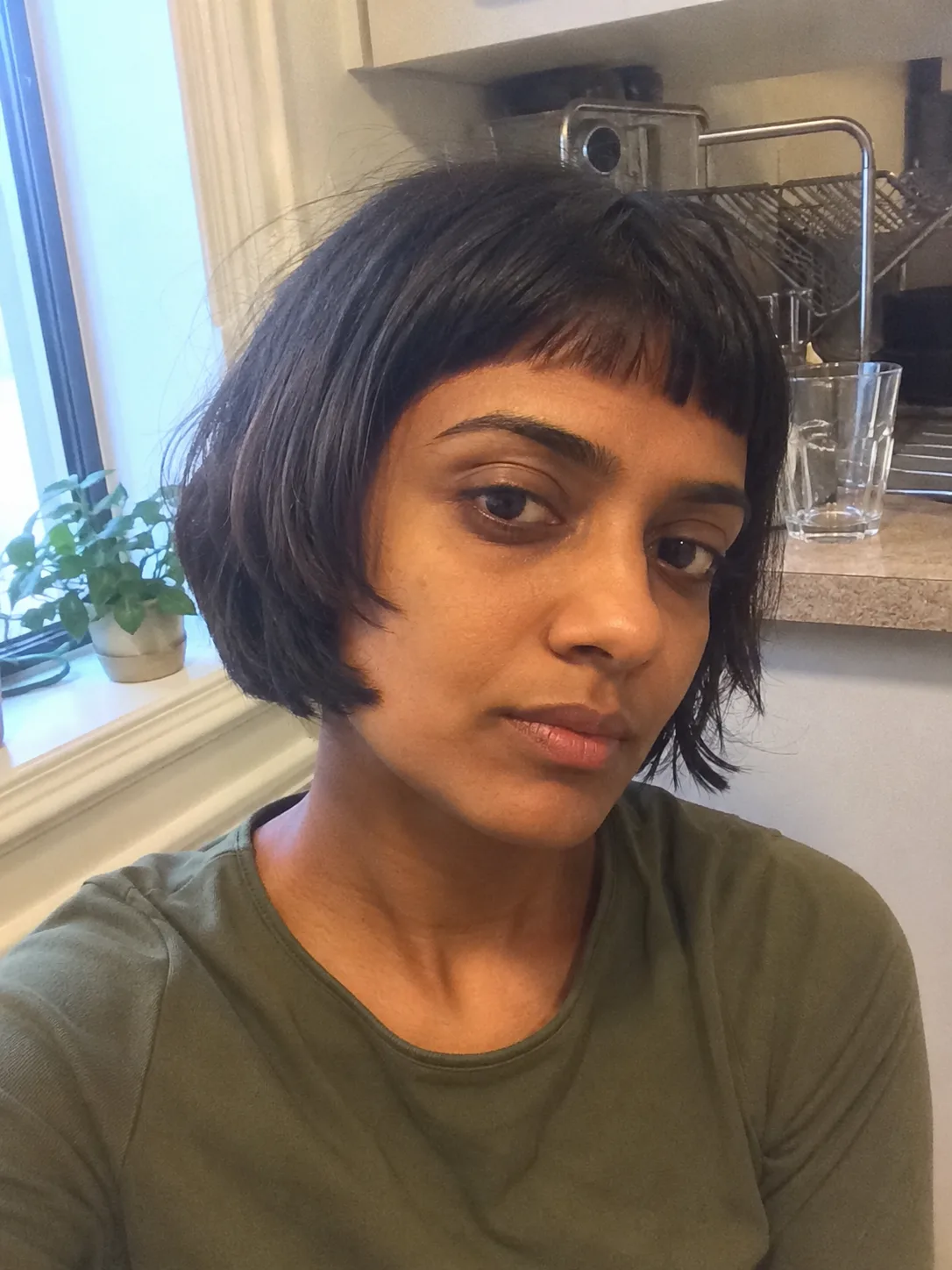
Blunt Chin Bob With Full Bangs
Few short hairstyles with bangs create a stronger frame than a blunt bob and a dense fringe. The perimeter sits close to the jaw while the bangs form a second strong line across the forehead.
The haircut depends on keeping enough weight in both areas. Heavy internal layering can weaken the lower edge, while excessive thinning in the fringe can turn a graphic shape into a much softer haircut.
There is also little camouflage when the cut grows. A blunt perimeter can begin hitting the neckline or turning against clothing, while the bangs may reach the eyes well before the rest of the bob feels long. It is worth choosing when the clean outline matters enough to justify that upkeep.
Jaw-Length Bob With Wispy Bangs
Wispy bangs give a short bob a lighter front than a full fringe. Small openings between the pieces expose some forehead, which can keep a jaw-length cut from feeling visually closed around the face.
This version works especially well when you want movement rather than a rigid line. It does require enough hair to create deliberate pieces; turning a very low-density front section into extremely separated bangs can reveal more scalp than intended. Keeping the wispy effect controlled is usually more flattering than aggressively removing weight.
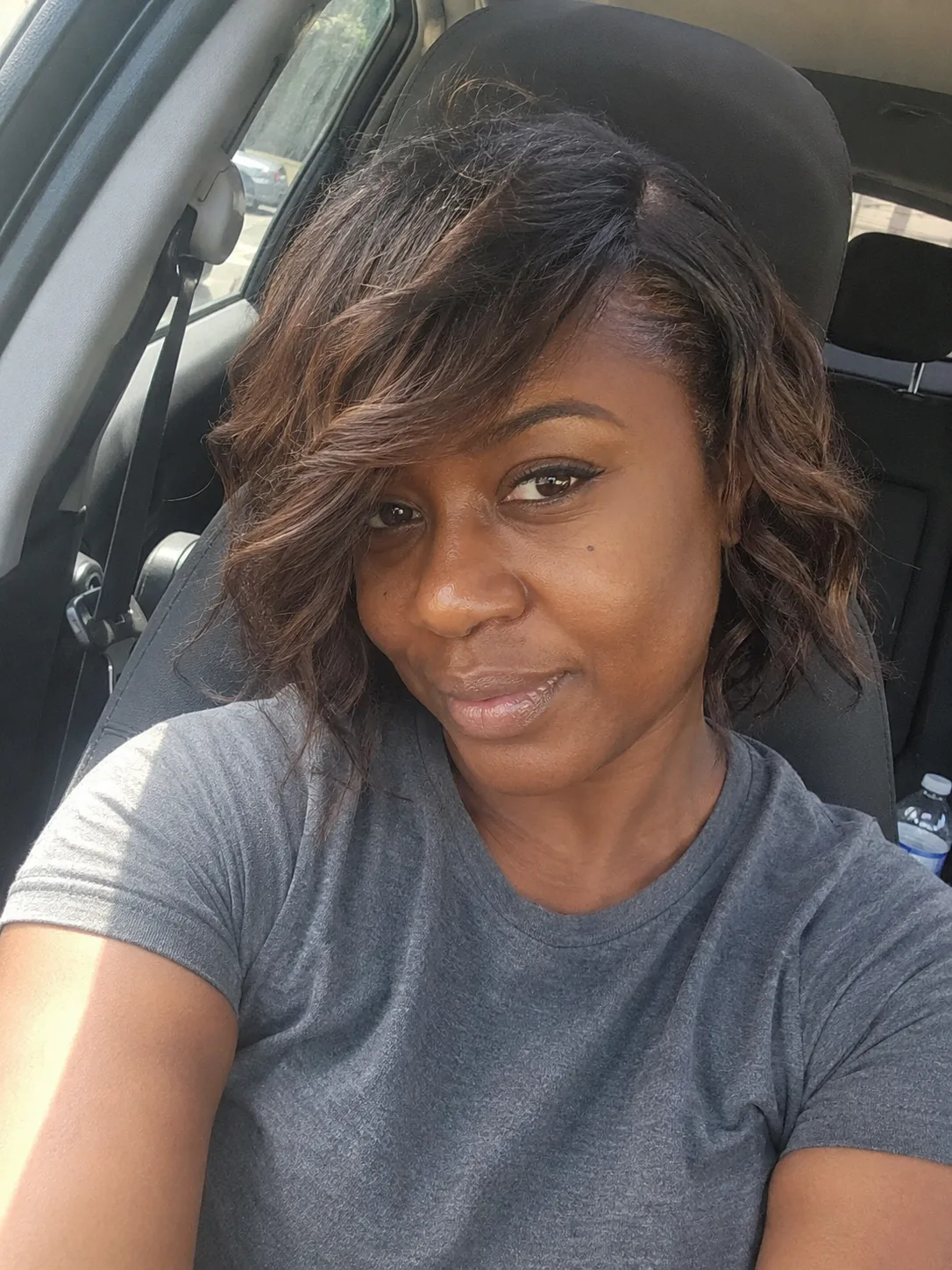
Stacked Bob With Side Bangs
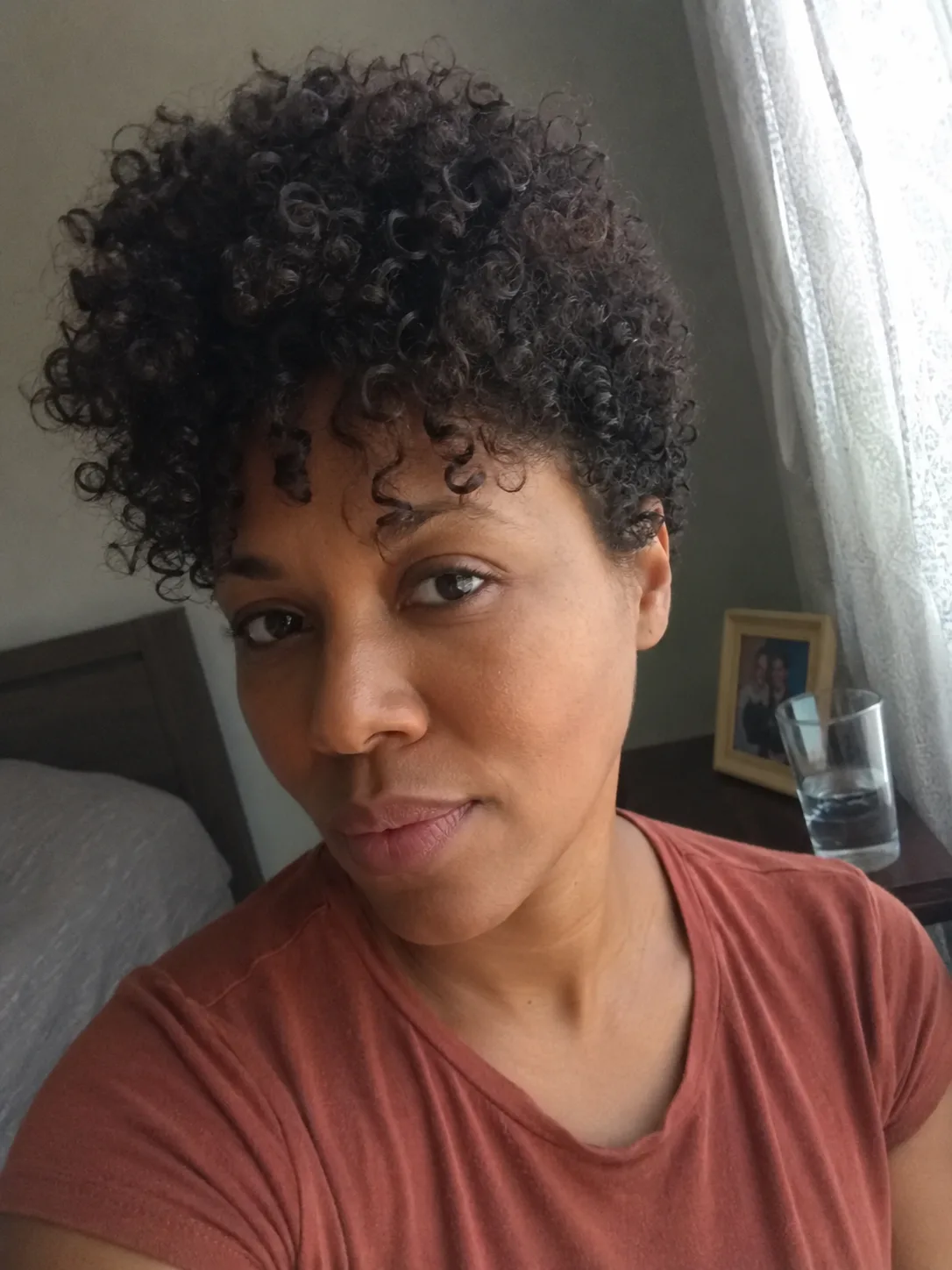
A stacked bob builds more weight toward the back while shortening the nape, and side bangs pull the front in a different direction. That contrast keeps the haircut from looking uniformly round.
It’s a stronger choice than a blunt bob when you want visible lift through the back without relying entirely on styling. The cutting structure creates much of the shape. As it grows, however, the stacked area can lose its contour sooner than the front length becomes inconvenient.
Asymmetrical Bob With Diagonal Fringe
One longer side changes the entire balance of a short bob, so a diagonal fringe feels like part of the construction rather than decoration. The eye follows the line from the bangs toward the longer side.
This haircut is most effective when the asymmetry is obvious enough to look intentional. Tiny differences in side length can simply read as uneven.
The longer front section also behaves differently around glasses, coat collars, and tucked-behind-the-ear styling. Decide which side you naturally push back before choosing the dominant length; daily habits can either reinforce the asymmetry or constantly fight it.
Micro Bob With Micro Bangs
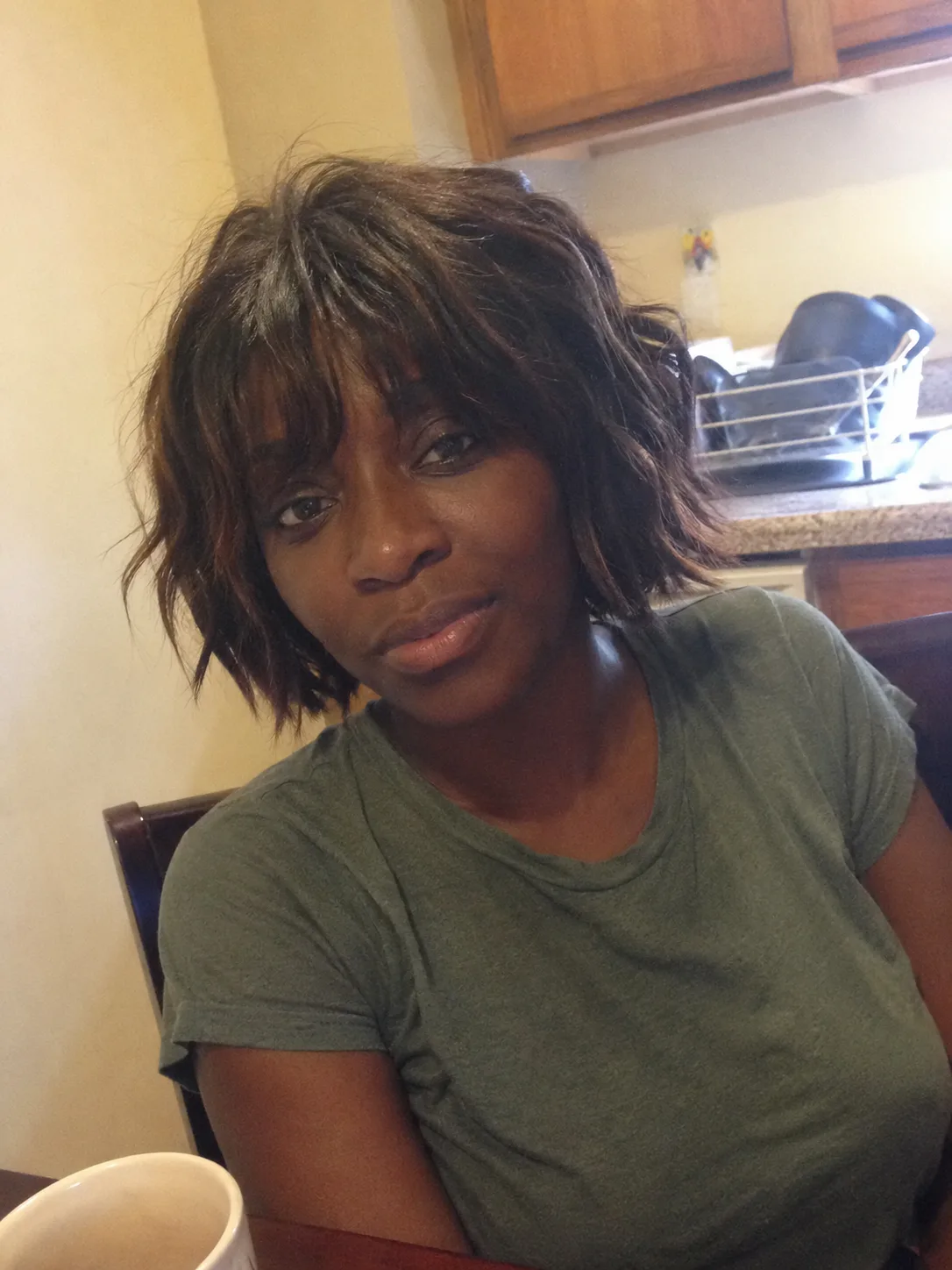
Pairing a very short bob with tiny bangs produces one of the most graphic options in this group. Both the fringe and perimeter expose more of the face and neck, so there’s little softness from surrounding length.
That makes it a poor choice for someone hoping to hide behind the haircut or change the fringe dramatically from day to day. For a reader who specifically wants a compact, fashion-forward outline, though, the proportion is much stronger than putting very long bangs on an equally tiny bob.
Short Hairstyles With Bangs for Curls and Coils
Curly Bob With Curly Bangs
Curly bangs belong with the curl pattern. Straightening the fringe isn’t required to make the haircut look finished, and keeping the front curly usually gives the bob a more coherent shape.
The main technical issue is shrinkage. A fringe that looks long while stretched or wet can sit considerably higher once the curl fully reforms.
That makes the state used to assess the haircut important. The finished shape should be judged in the way you normally wear your hair. Curl grouping, density, and how the front dries all influence where the bangs settle, so a reference photo showing a different curl pattern may provide only a rough guide.
Rounded Natural Crop With Coily Fringe
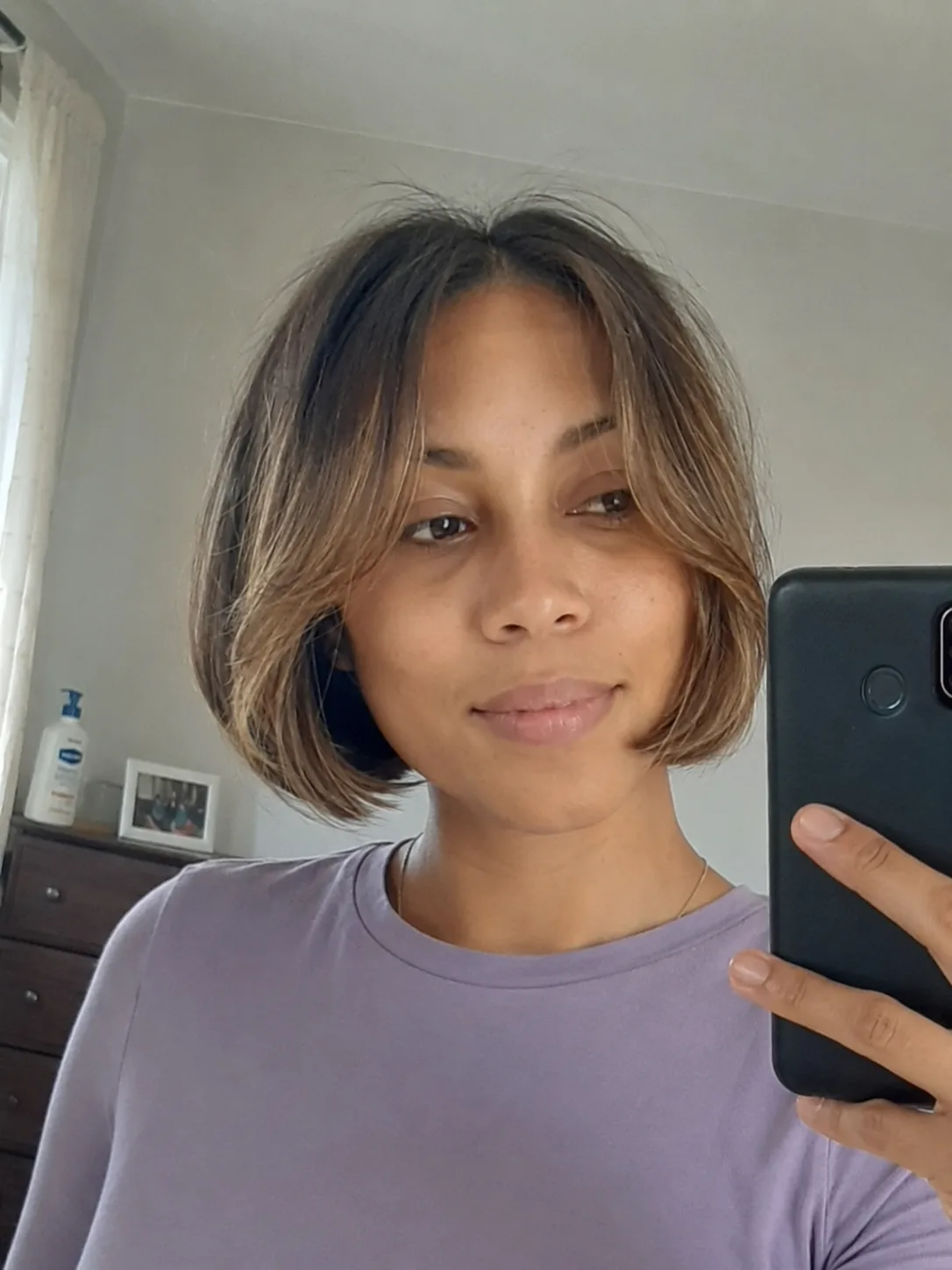
A rounded short cut on coily hair can bring the front slightly forward so the coils themselves form the bangs. Instead of creating a flat horizontal line, the fringe follows the individual coil groups and contributes to a soft, dimensional outline.
This option makes more sense when you enjoy visible shrinkage than when you constantly stretch the hair to create length. The haircut has to account for where the coils actually live once dry.
Tapered Natural Cut With a Fuller Front
Shorter sides and back allow the curls or coils at the front to become the focus. Leaving that front section fuller creates a fringe effect without forcing every strand into one exact bang line.
The shape can also be adapted to different amounts of shrinkage because the front is defined more by volume and direction than by a ruler-straight perimeter.
Avoid confusing a full-looking front with actual density. Cutting can redistribute weight and create a stronger outline, but it cannot create more follicles. On low-density hair, preserving strategic fullness may matter more than producing lots of tiny separated pieces.
Short Curly Shag With Fringe
A curly shag spreads layers through the crown, sides, and perimeter, so the bangs become the shortest part of a broader movement pattern. Compared with a curly bob, it feels less compact and more expanded through the upper and middle sections.
The extra layering can release curls that were being weighed down, but aggressive interior removal may leave the lower edge too thin for some densities.
This is worth the added shaping work when you want visible movement throughout the cut instead of one rounded mass of curls. It also grows more casually than a geometric bob because the haircut already relies on uneven-looking lengths and separation.
Layered and Directional Cuts With More Attitude
Short Shag With Bottleneck Bangs

Bottleneck bangs begin shorter toward the center and lengthen toward the outer edges. On a short shag, those longer sides flow naturally into face-framing layers.
The combination is useful when a solid fringe feels too heavy but fully open curtain bangs feel too exposed. Because the transition matters, the outer bang pieces need enough length to connect with the rest of the haircut instead of ending abruptly at the temples.
Bixie With Curtain Bangs
The bixie sits between a bob and pixie, carrying more length around the ears and nape than a traditional pixie. Curtain bangs suit that in-between quality because they can open through the center and blend into the longer sides.
This is one of the better options for someone nervous about going very short in a single step. There is still enough hair around the face to soften the transition, and the fringe can gradually become face-framing layers during grow-out.
Short Mullet With Piecey Fringe
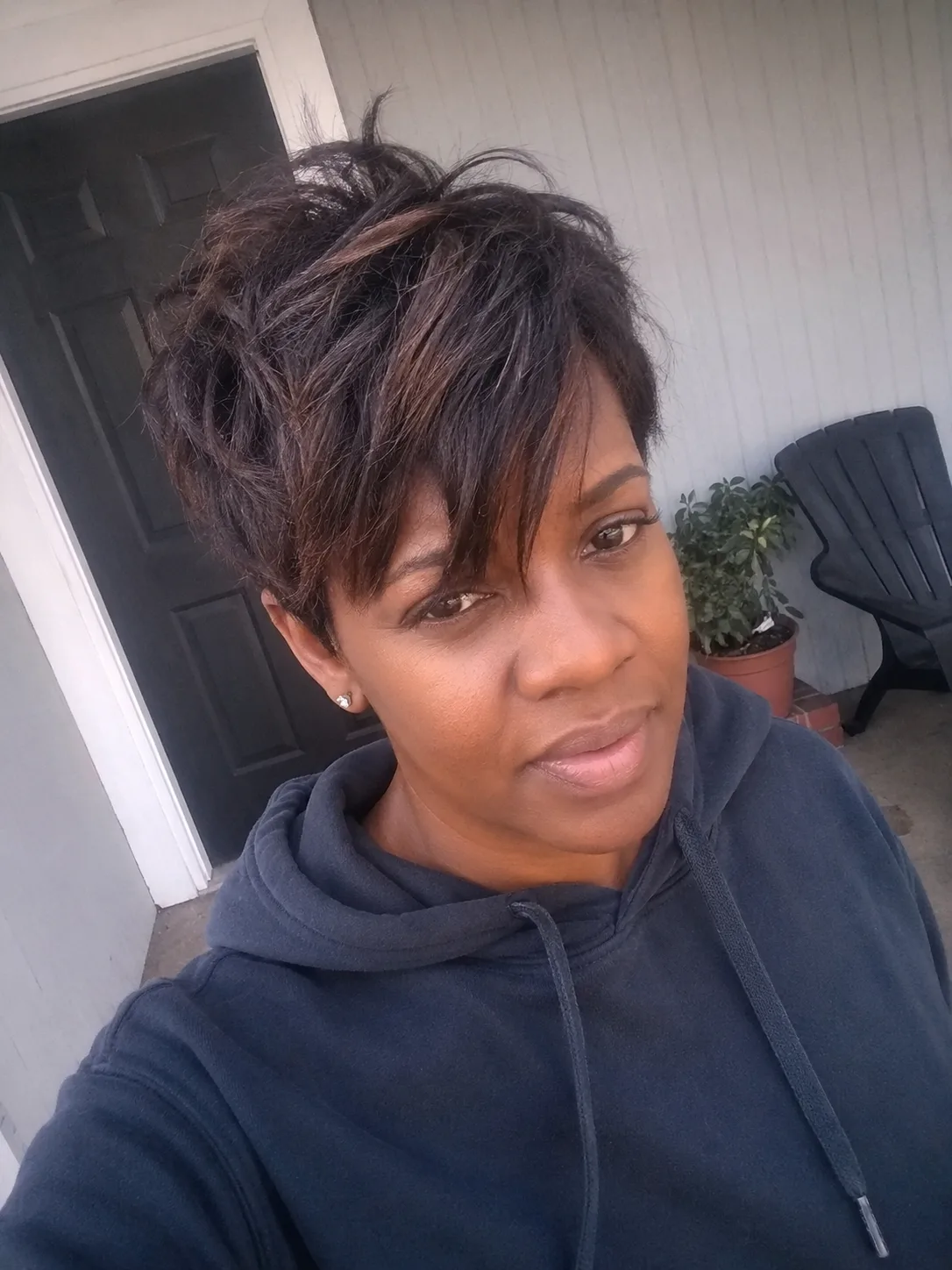
A modern short mullet keeps the front and sides tighter while leaving more visible length toward the back. Piecey bangs echo that broken-up construction without creating another heavy horizontal line.
Placement matters more than polish here. Too much weight removed everywhere can leave the haircut looking thin instead of deliberately disconnected.
The shape also changes noticeably from different angles. A front-facing photograph may barely show the extra back length, while a side view reveals the real proportion. Check reference images from several directions before committing to how dramatic you want the contrast.
Pageboy-Inspired Cut With Curved Bangs
The pageboy brings a smooth, rounded perimeter toward the face, with bangs that continue the curve across the forehead. It carries more weight than a shag and more continuity than a disconnected pixie.
This style earns its place when you want the hair to look shaped even without lots of visible layering. Straight and softly wavy styling states show the curve most clearly, although the concept can be adapted when texture is considered during cutting.
Humidity, natural bends, and contact with the ears can alter the smooth line, so it is more styling-dependent than a deliberately piecey crop.
What Photographs of Short Bangs Often Hide
Bangs dominate photographs because they sit directly beside the eyes and brows, but a still image tells you very little about how the front behaves throughout the day.
A fringe can split where the hair naturally changes direction. Glasses may push longer side pieces outward at the temples. Curly bangs can shorten as they dry, while straight or wavy fringe may separate after contact with the forehead. None of these behaviors necessarily ruin the haircut; they simply affect which version is easiest to live with.
The rest of the short cut matters just as much. A bob that looks crisp in a front-facing photo may turn outward where it meets a high collar. A pixie can lose its tight outline around the ears before the top seems long. A heavily layered shag may grow softly, while a blunt bob reveals small changes in length much sooner.
Bangs can also require attention before the rest of the haircut does. That doesn’t mean following one universal trim schedule. Growth rate, fringe length, curl pattern, styling preference, and whether you mind hair approaching the eyes all change the timing.
Bang Density, Strand Size, and Styling State Change the Result
A photograph of thick-looking bangs doesn’t tell you whether the model has coarse strands, high density, strategic styling, or all three. Those details matter before cutting hair forward from the crown just to create a heavier fringe.
Fine hair refers to strand diameter. Low density means fewer strands overall. They aren’t interchangeable. Fine strands can still be abundant, while coarse strands can occur on lower-density hair. Pulling too much hair forward to manufacture dense bangs may leave less visual fullness elsewhere.
The same principle applies to curls and coils. Shrinkage can make bangs look shorter and fuller once dry, while stretching changes both the length and the way the fringe connects to the sides. Decide whether the haircut is meant to be worn shrunken, stretched, diffused, softly blown out, or in more than one state.
Gray hair should also be considered according to its actual behavior rather than assuming pigment loss creates one specific texture. Individual gray strands may behave differently from neighboring hair, but gray itself describes pigment loss, not a curl pattern or strand diameter.
A Better Salon Plan for Short Hair With Bangs
Start the consultation with the overall short shape, then decide what the bangs need to do inside it. Asking only for a certain fringe can lead to the front being treated separately from the rest of the cut.
A useful reference set shows the haircut from the front, side, and back. Look beyond styling polish. Notice where the perimeter sits, how much hair covers the ears, whether the nape is tapered or blunt, where layers begin, and how the fringe joins the sides.
Before cutting, be ready to discuss:
The state you wear your hair in most often
How much forehead coverage you actually want
Whether you wear glasses regularly
Your natural front growth pattern or cowlicks
How much styling you want to do on ordinary mornings
Whether you prefer a crisp outline or a softer grow-out
How your curls or coils shrink once fully dry
Any existing breakage, thinning, or fragile areas that should influence the plan
A strong starting choice for someone unsure about bangs is usually a longer, blended fringe rather than an extremely short or very dense one. You retain more styling options and can shorten later if the shape still feels right.
Micro bangs, heavy blunt fringe, and highly geometric bobs make more sense when you already like the visual commitment. They offer less room to disguise changes in length between appointments.
Maintenance Without Turning Bangs Into a Second Job
Short hair can be simple to wash and dry, yet the outline may demand more attention than longer hair. Bangs amplify that because small changes happen right beside the face.
Work with the texture instead of rebuilding the entire fringe every morning. Wavy bangs may only need their direction reset. Curly fringe can be refreshed according to how the curl groups are behaving. Straight fringe often responds more to root direction than to piling on extra product.
Heat use should reflect hair condition, tool design, and technique rather than one universal temperature. Repeated passes over a small bang section can add unnecessary stress, particularly on already fragile or chemically processed hair.
At night, reducing friction with a smooth pillowcase or bonnet can help preserve some styles, although very short bangs may still need a quick reset the next day.
Watch the haircut as it grows. A softer shag or bixie can tolerate more movement in the outline, while a micro fringe or tight pixie may stop looking like the original haircut earlier. Rebook based on the shape you want to preserve, not a rigid calendar.
Pain, redness, sores, persistent irritation, sudden shedding, or a concerning change in density deserves more attention than a styling adjustment. A dermatologist or another qualified healthcare professional can assess scalp or hair-loss concerns.
Related Hairstyles to Explore
- Medium length hairstyles with bangs
- Short hairstyles for black women
- Short hair korean style
- Short haircuts for women
FAQs
Are bangs a good idea with very short hair?
Yes, provided the fringe supports the shape of the haircut. Longer side bangs soften pixies, short piecey fringe works with textured crops, and micro bangs create a much stronger graphic effect. The shorter the overall haircut, the more visually dominant the bangs usually become.
Which short haircut with bangs is easiest to grow out?
A bixie with curtain bangs or a soft pixie with longer side fringe is generally easier than a micro fringe paired with a geometric crop. The longer bang sections can gradually become face-framing layers, while heavily defined short lines tend to show changes in length sooner.
Can curly or coily hair have bangs without straightening them?
Absolutely. Curly and coily bangs can be cut to work with their natural grouping and shrinkage. The important part is judging the finished length in the state you normally wear. A stretched or wet fringe can sit much higher after it dries and recoils.
What should I do if I want bangs but have a cowlick at the front?
Choose the fringe around the growth pattern instead of assuming it will disappear after cutting. Longer sweeping or curtain-style bangs offer more flexibility because the hair has enough length to follow or redirect the natural movement. Very short blunt fringe leaves less room to accommodate a strong change in direction.
Hair Texture & Upkeep Style Matcher
Select your natural hair texture and daily maintenance window to get an instant styling formula and heat safety cap.
Heat Cap: 320°F (160°C)
A versatile three-strand braid beginning at the parietal ridge, securing the top half while allowing natural wave texture to flow freely around the shoulders.
Conclusion
The strongest short hairstyles with bangs treat the fringe and the haircut as one shape. A sweeping bang can make a pixie more flexible, a full fringe can turn a bob into a bold geometric cut, and curly bangs can bring the entire front of a textured haircut to life.
The practical decision is how much control you want the fringe to have over the finished look. Longer, blended bangs give you more options and usually a softer transition as they grow. Micro bangs and heavy blunt fringes deliver more impact but depend more heavily on maintaining their proportion.
Choose the short silhouette first. Then decide whether the bangs should soften it, strengthen it, or become the feature everyone notices first.
Editorial Standards & Hair Health Guidance
Every style featured on Tress Atlas is curated with a focus on real-world wearability, scalp tension management, and cuticle preservation. When trying protective styles or tight updos, ensure perimeter hairline sections remain tension-free to avoid traction stress on delicate follicles. For heat styling, cap tools below 350°F (180°C) to prevent thermal keratin denaturation.
Scientific Sourcing: Practices aligned with the American Academy of Dermatology (AAD) on traction alopecia risk reduction and cosmetic trichology research on hair tensile strength.